Ever read a doorstop?
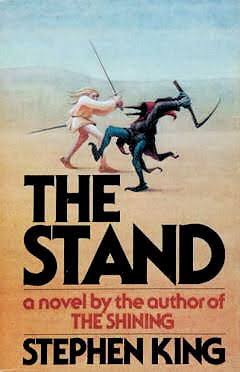
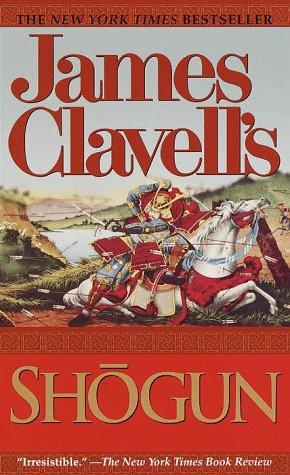
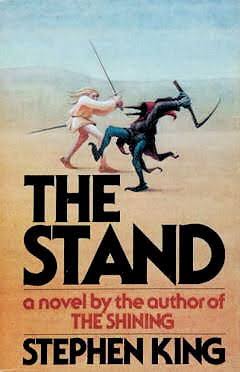
Big, thick books of more than 600 pages, such as Stephen King’s The Stand (823 pages originally, which he padded out to 1100 pages on rerelease), Sarah J. Maas’s A Court of Silver Flames (757), Outlander (850), The Hour I First Believed (768), Shogun (1200), or even Les Misérables (1400 pages. I confess, I didn’t make it past 800. That’s a lot of griping about a loaf of bread) can be considered doorstops, sometimes too big to fit on shelves. Certainly, the bindings on these monsters are not destined for long-life. There are a lot of popular books whose weight will hurt your wrists holding them up.
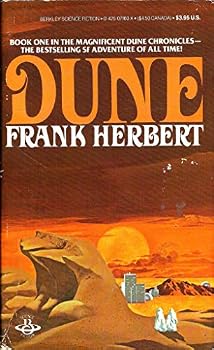
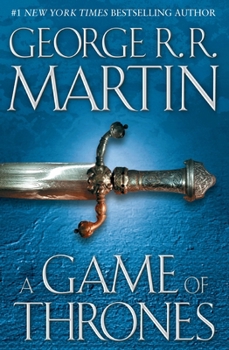
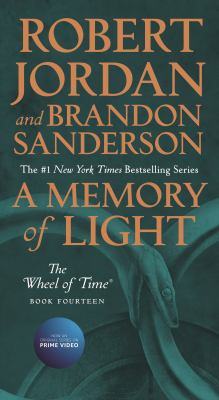
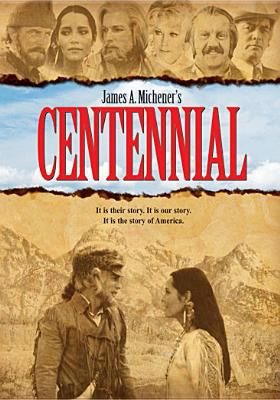
The average book runs around 250-300 pages, or around 80,000 words. Romance and Mystery can run shorter, Science Fiction a bit longer, but Fantasy is the king of long novels, consistently running up tallies beyond James Michener, and usually for the same reasons. Michener researched his novels down to the history of the formation of the tectonic plates that formed the island where his story took place – and that was before the internet. You were going to know exactly what it was like to be in that location, no detail spared. And that is generally true of fantasy novels (and some science fiction. We’re not ignoring you, Dune, at up to 896 pages in some versions) such as the Game of Thrones series (674 pages in the hardcover) and A Memory of Light, of the Wheel of Time series, at 912 pages.
What often separates these novels apart is the need for world building. When an urban romance begins, you, as an inhabitant of the modern Earth world, already understand the location. You’ve seen cars and buses, trucks, trains, maybe a subway, even if only in a movie. You know a jet from a prop plane from a blimp. No one has to describe it for you. You know what a crowded street sounds like, the crush of people pushing past you, the colors of the traffic lights, the enticing smell of a food cart on a cold winter afternoon, the spooked raccoon leaping out of a dumpster. All it takes is a mention (“A rat the size of a pregnant chihuahua dragged a greasy box of KFC down the deserted back alley.”) and you get a picture in your head that is fairly accurate to what the author imagined.
If you’re inventing a strange new world, whether it’s an alien land with orange skies and eight-legged monsters and a generational spaceship besieged by radiation and a twenty-year old 404 error, or a land of wizards and dragons and three-headed talking sheep, and a castle that can only be seen at midnight when a full moon lands on a Tuesday and it’s being besieged by green-skinned gnomes, then the author has to spend an inordinate amount of time teaching you to imagine this place, and how to make sense of it.
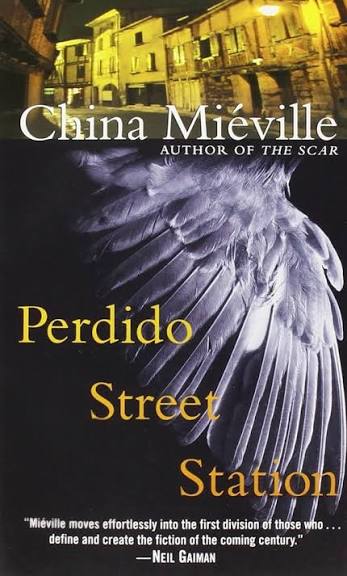
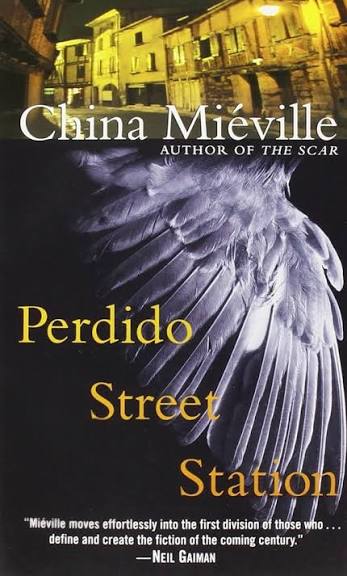
Which brings me to my latest read, the fantasy novel Perdido Street Station, a 700-page monster by China Miéville. Miéville hasn’t met a 12-letter word he can’t use in a sentence, no matter how highbrow and obscure it may be to the average reader – I’m not talking words like unconditionally, but thaumaturgy and ululating and palimpsest. Now, ululating may be the exact word you need, that undulating whoop given to Native Americans and Arabic people in movies, but using a rare word six times in one book doesn’t feel right. Despite that, the novel is sublime: extremely imaginative, walking the line between fantasy, steam punk, and horror, with fantastical creatures at every turn of the page. The story is long and involved, with twists and turns that may take a while to play out, leaving you just intrigued enough to keep reading. I liked it far more than The Difference Engine by William Gibson, which came so highly recommended.
I repeat, it was an entertaining novel, with an unexpected and satisfying ending.
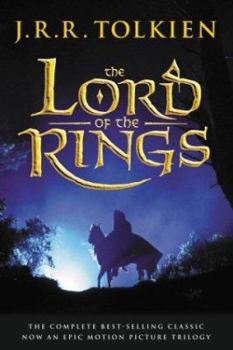
But it makes me think, when is enough enough? How much detail do we really need to be immersed in a setting? Miéville spares no detail in creating his world, right down to a map of his city, which the reader will reference often because he rattles off at least one neighborhood or train stop per page, as if the reader already knows the layout. Once or twice to give me a feel, fine, but do I really need to know the history of each neighborhood? Does the economic collapse of a neighborhood and the board by board building of the resultant slum really have a bearing on the story? I get it, it’s half human, half insect, but I’m losing track of head legs, human legs, and strange body parts. It’s nice to have details, but when do details begin to bog down a story, rather than elevate it? How much detail do we really need? The scattered Fremen words in Dune give the book flavor, and there’s enough of them that it comes with a dictionary in the back, but you can skip a lot of the words and still follow the story. Tolkien’s Elvish poetry in Lord of the Rings is beautiful, emphasizes the emotional depth of the ethereal elves, but you will lose no part of the story if you skip over them. Is it worth spending 200 pages of a book investing in a detailed character, only to have them die on page 300, but the story’s only half over? (Sit down, Game of Thrones. We learned not to invest after the first three characters died.)
An author’s world in their head is far more detailed than ever makes it to paper – sometimes. King’s The Stand is long, but there are several substories going on, and not one of them can be pulled out without affecting the story. Game of Thrones has so many stories going on that some characters are absent from entire volumes because there was no way to fit them in and keep it under 2,000 pages. Ayn Rand left no thought unspoken in Atlas Shrugged, at 1100 pages. Is that all you had to say, Ayn?
What’s the longest book you’ve read? Do you know a book that bogged down in so much detail you gave up? If you like imaginative steampunkish fantasy, give Perdido Street Station a try, but you’re going to need that renewal. Let us know what you think!
“Joseph was an elderly, nay, an old man, very old, perhaps, though hale and sinewy. “The Lord help us!” he soliloquised in an undertone of peevish displeasure, while relieving me of my horse: looking, meantime, in my face so sourly that I charitably conjectured he must have need of divine aid to digest his dinner, and his pious ejaculation had no reference to my unexpected advent.” – Wuthering Heights (it’s not just fantasy novels)