We’re continuing our look at global conflict with books about the Israel-Hamas war, which started in October 2023. As it stands in late May 2026, the military leader of Hamas was just killed in an airstrike, despite the ceasefire that’s been in place since October 2025. Israel and Hamas have both been accused of committing war crimes, and numerous international organizations and sovereign states have recognized Israel’s military actions as genocide. It’s too early to tell when or how the war will resolve.
As I said in my post about the war in Iran, I am a terrible historian and an even worse geopolitical expert, but I am a librarian who can find contextual works by experts and firsthand narratives by those whose lives are directly affected by these conflicts. I’ve compiled as many different perspectives as possible. Some perspectives may not exist in printed book format, or they haven’t been translated into English. If you know of an informative resource that’s not on the list, please feel free to leave a comment so other readers can find it!
Before the War
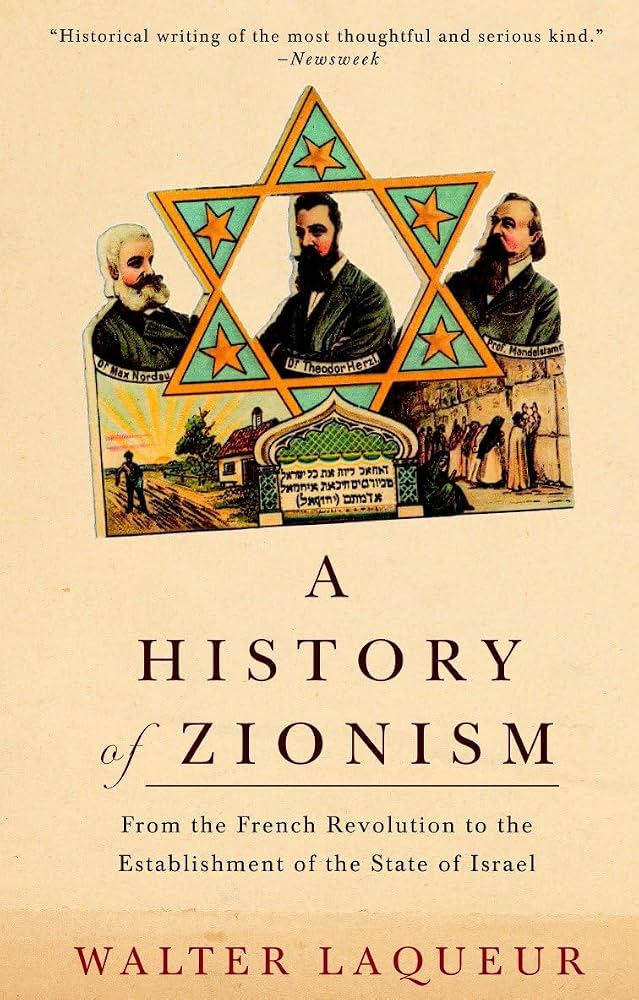
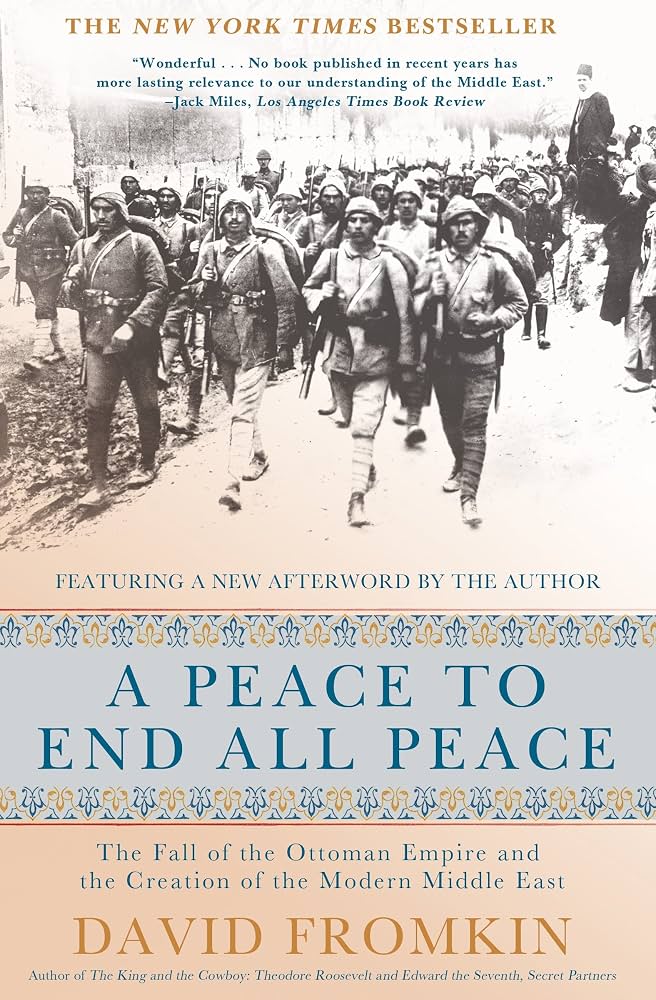
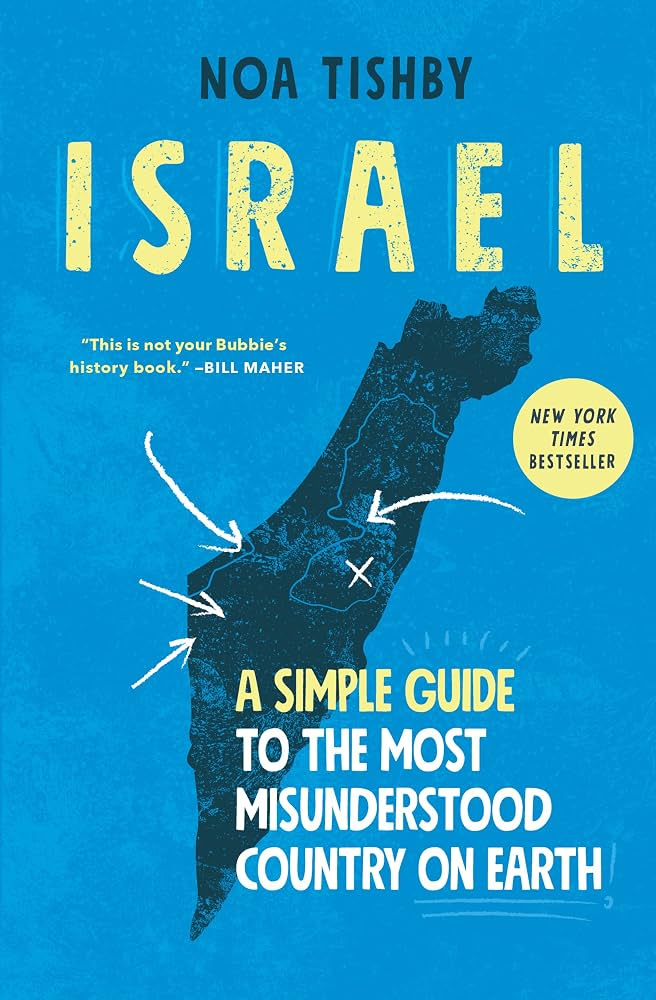
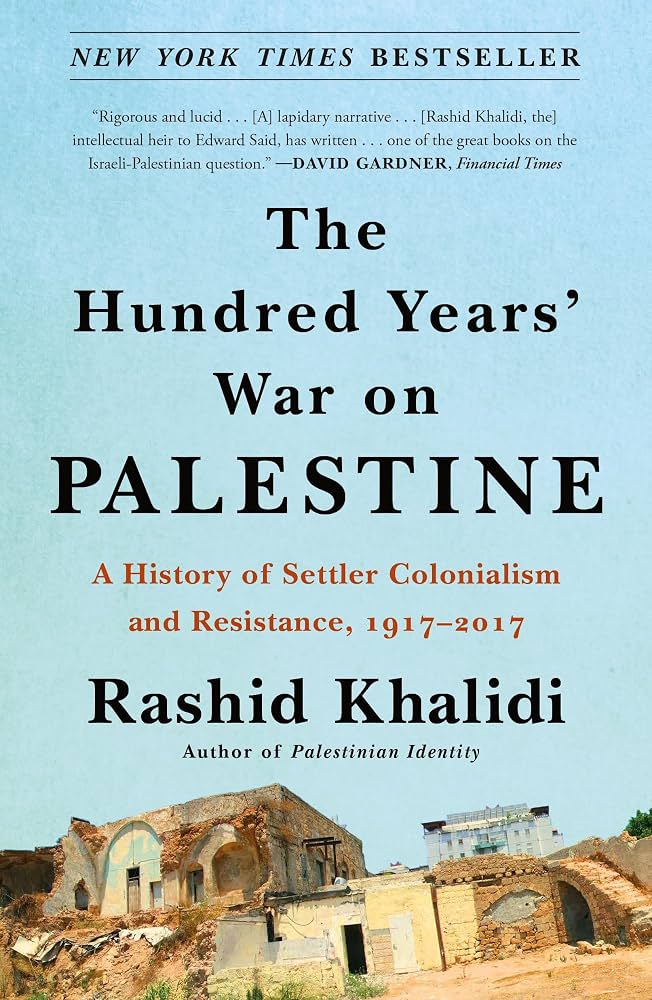
We have no shortage of books dedicated to the current Israel-Hamas conflict. However, if you want to go way back in history before Israel was even a state, try A History of Zionism by Walter Laqueur. Originally published in 1972, Laqueur covers the philosophical development of Zionism, touching on figures like Benjamin Disraeli, Moses Hess, and Theodor Herzl. For a more political context, there’s David Fromkin’s A Peace to End All Peace (1989). It’s a great read on how the modern Middle East was created in the wake of World War I and the dismantling of the Ottoman Empire – and how those new borders set the stage for many conflicts that followed. And if you’re looking for a quicker and less academic read, you could try Israel: A Simple Guide to the Most Misunderstood Country on Earth by Noa Tishby (2021).
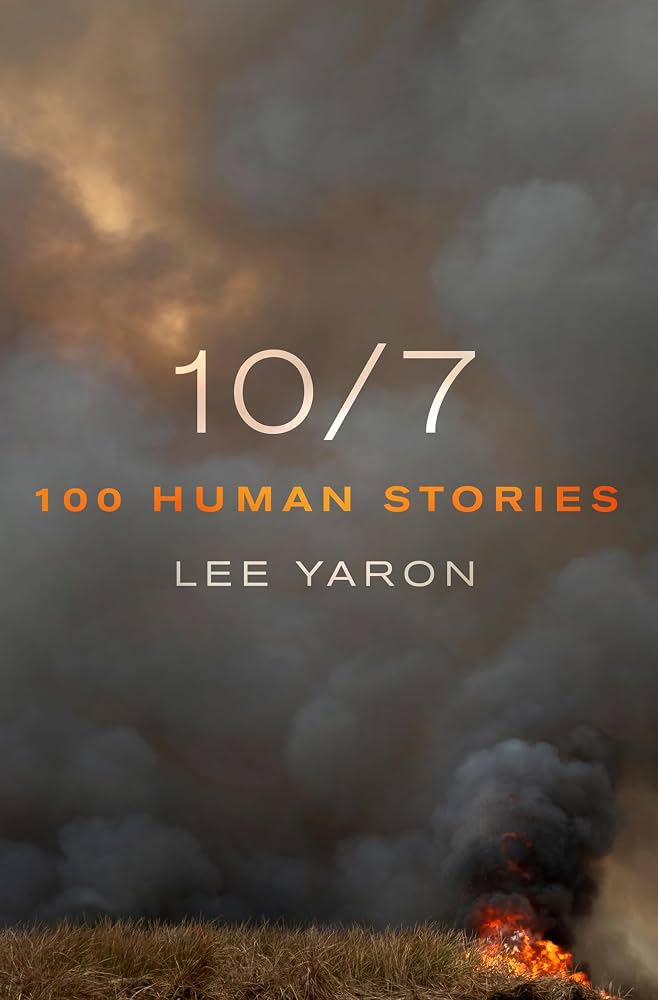
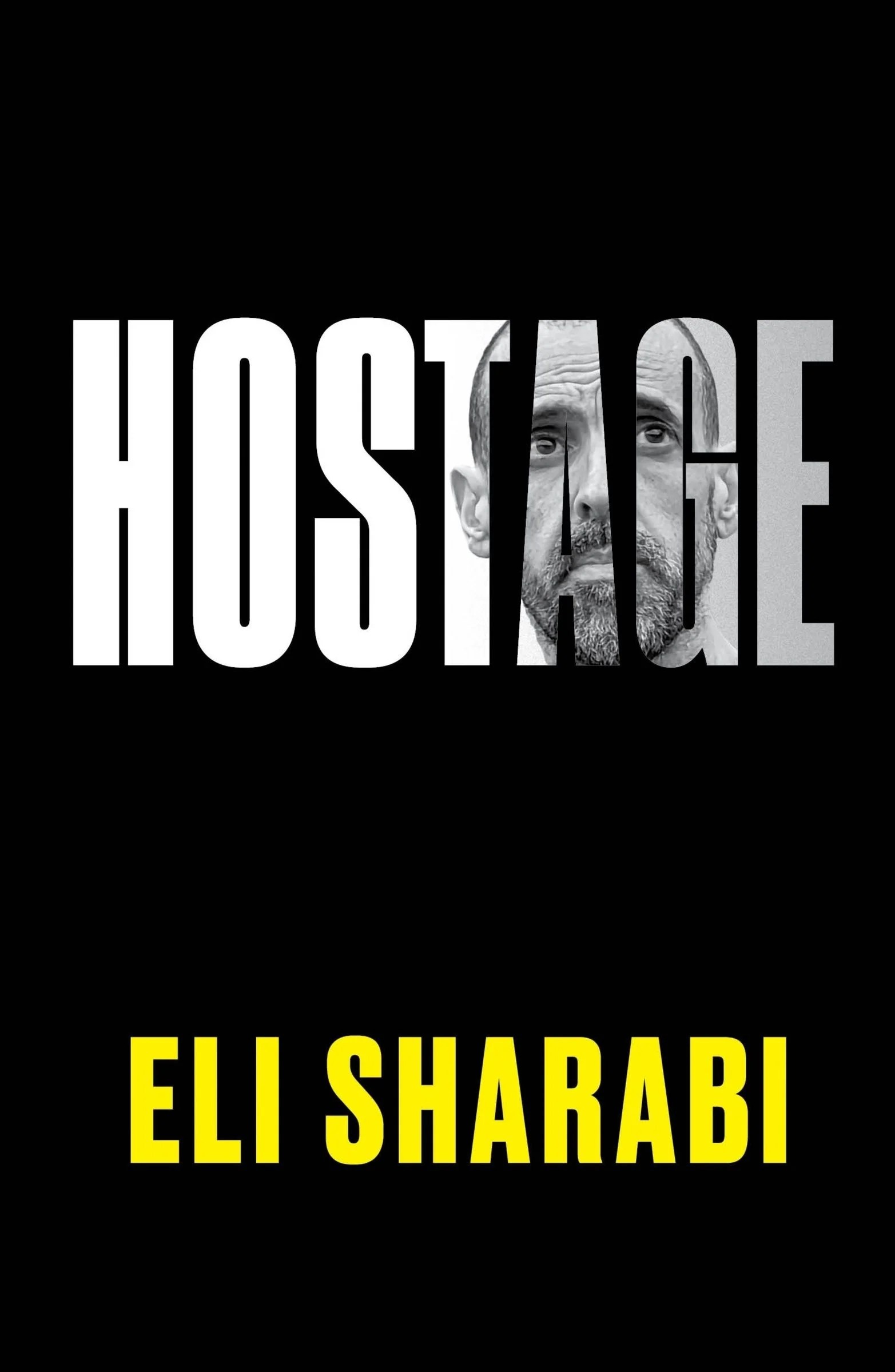
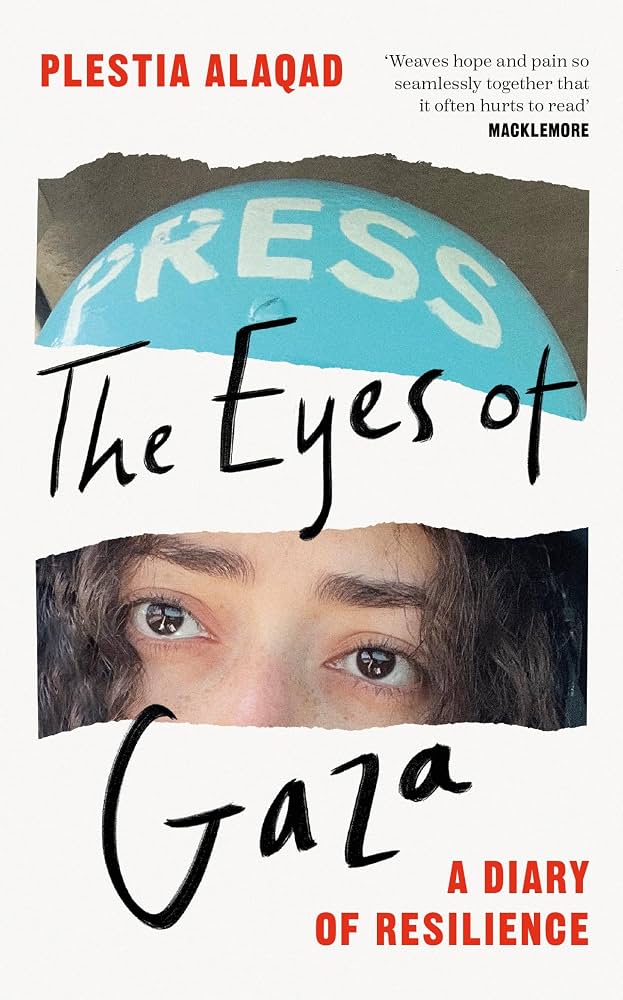
For firsthand accounts of the war, give a try to Hostage by Eli Sharabi (2025) and 10/7: 100 Human Stories by Lee Yaron (2024). Both of these books cover the Israeli side of the October 7, 2023 attacks. Meanwhile, The Eyes of Gaza: A Diary of Resilience by Plestia Alaqad (2025) recounts what happened in Gaza in the immediate aftermath of those attacks.
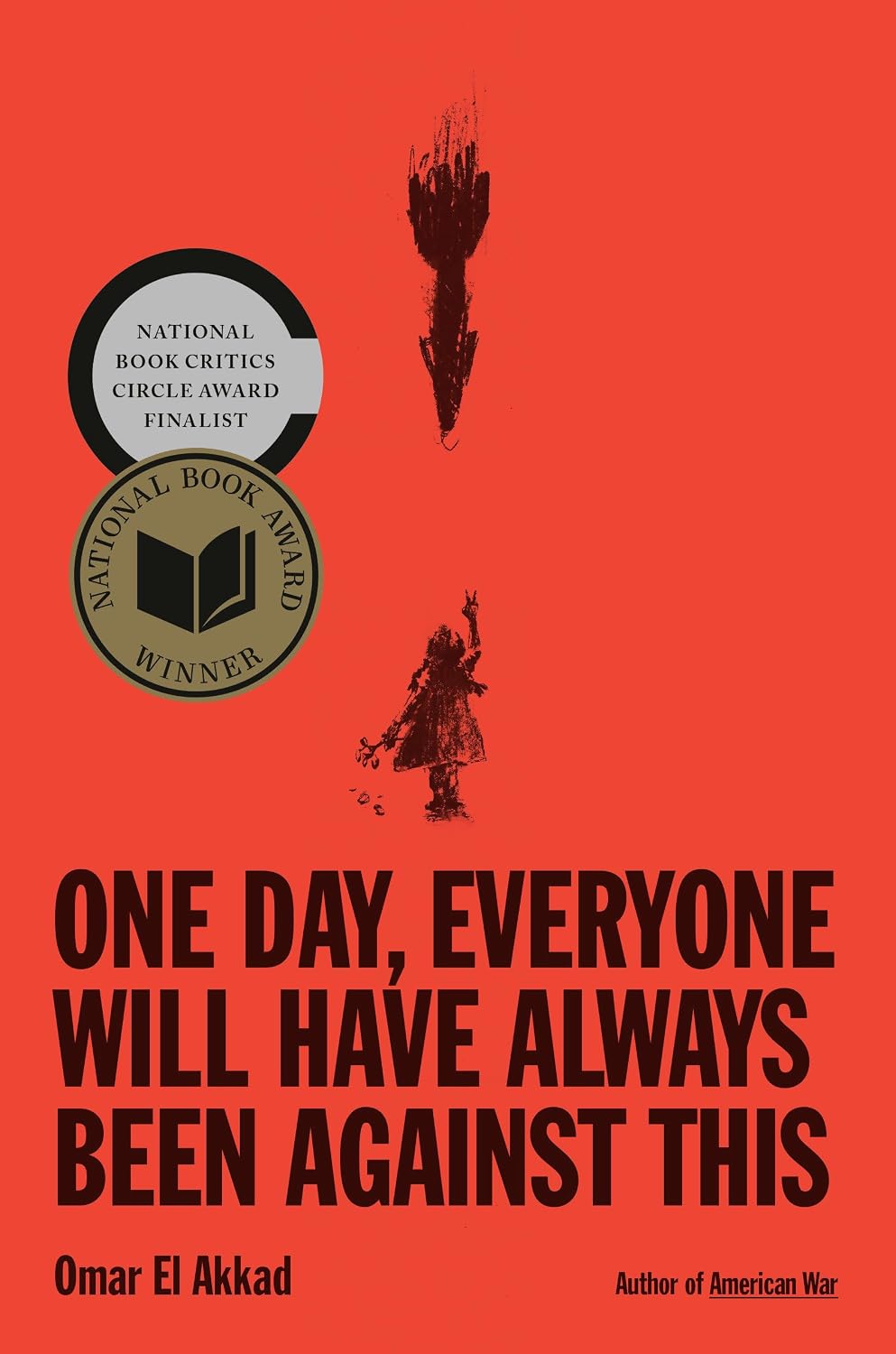
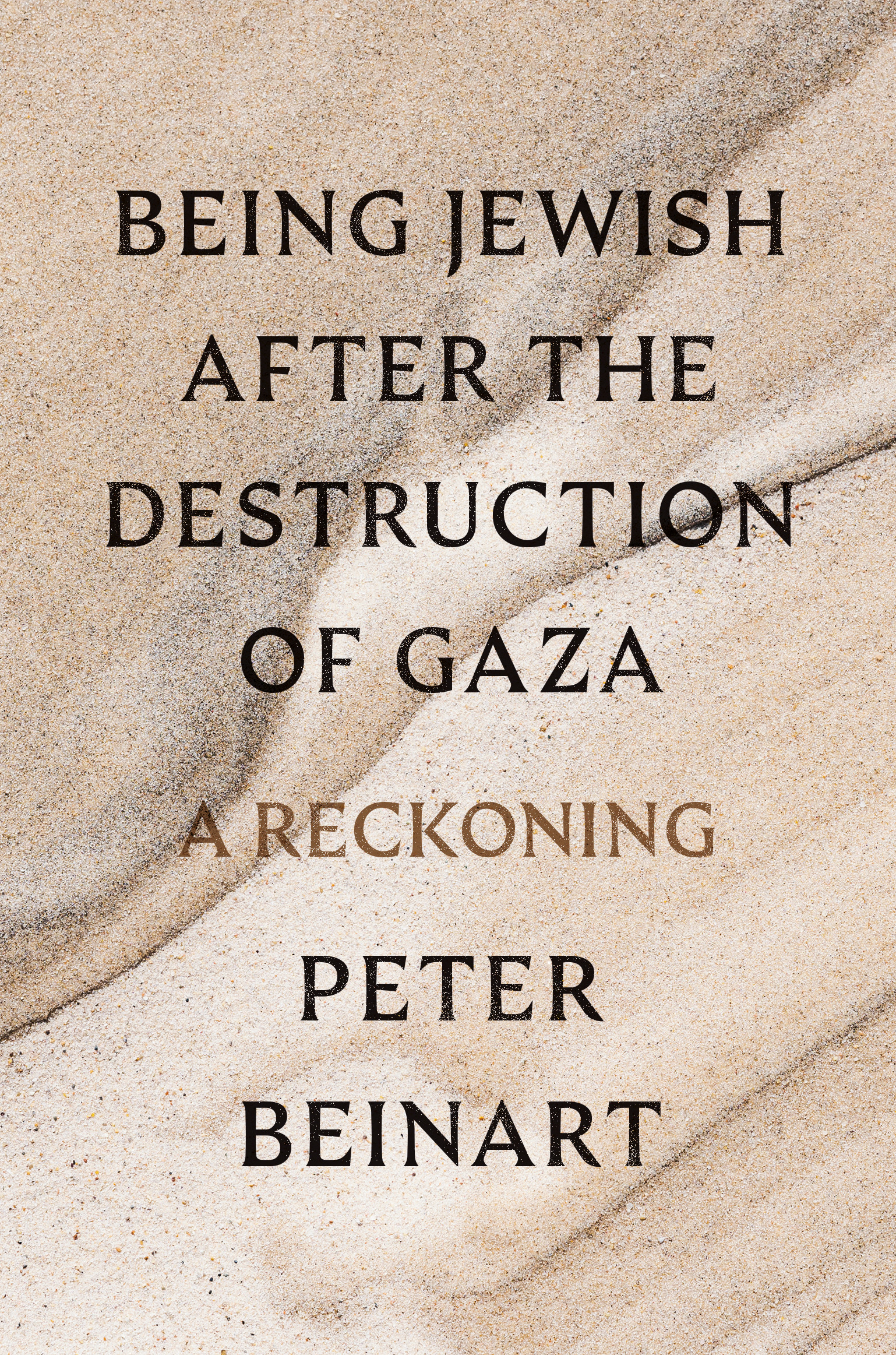
If you’re interested in responses to the war across the globe, there’s One Day, Everyone Will Have Always Been Against This by novelist and journalist Omar El Akkad (2025). It won the National Book Award in nonfiction last year. Another title worth checking out is Being Jewish After the Destruction of Gaza: A Reckoning by Peter Beinart (2025), who is an American journalist and professor. There are many more accounts, and undoubtedly more will continue to be published as the world comes to terms with its losses on both sides of the border and beyond.
I once, briefly, had beautiful hair. In 2019, tired of the constant maintenance required by my standard-issue short bob, I decided to stop visiting the hairstylist. The Covid lockdowns in 2020 were a convenient excuse to continue the experiment. By the time I had my first child in the summer of 2021, my hair was lustrous, thicker and longer than ever (thanks, pregnancy hormones!), and shot through with cinnamon-brown highlights. On the rare occasions that I washed and dried my hair during maternity leave, I could almost pass for a mildly successful TikTok influencer.
Then, on cue, the postpartum hair loss started. Strands fell out at an alarming rate. Bouts with Covid and daycare-transmitted viral infections caused even more hair loss. I saw parts of my scalp I didn’t know existed. By the time I returned to work from having my second child, my hair resembled Albus Dumbledore’s phoenix, sad and ragged, a dark echo of its former glory (except for the new grays, of course). So, I went to the salon and had them take it all off, snipping and shaving me down until I had a pixie cut. I officially had my Mom Hair. I was in the club. I was no longer subverting gendered expectations, but living the reality of the most gendered expectation of them all.
I’ll spare you the other indignities that come with giving birth to another human being, but know, if you haven’t done it yourself, that they are legion. So are the complex social and emotional changes that happen when you transition to parenthood, and specifically to motherhood. Your whole identity changes overnight. That’s harder to talk about than the stupid hair thing. And the longer I’m mired in the day-to-day reality of being Mama / Mom / Mamba to two young kids, the harder it is for me to remember those changes, let alone articulate it to others. Luckily, there are women out there who have been able to do it. It’s not all beautiful, not like the flower arrangements and the precious handprint art that will be exchanged on Mother’s Day. But they provide an illuminating glimpse into motherhood for those on the outside. If you’re a mom like me, these titles might hit you right where you used to have ab muscles.
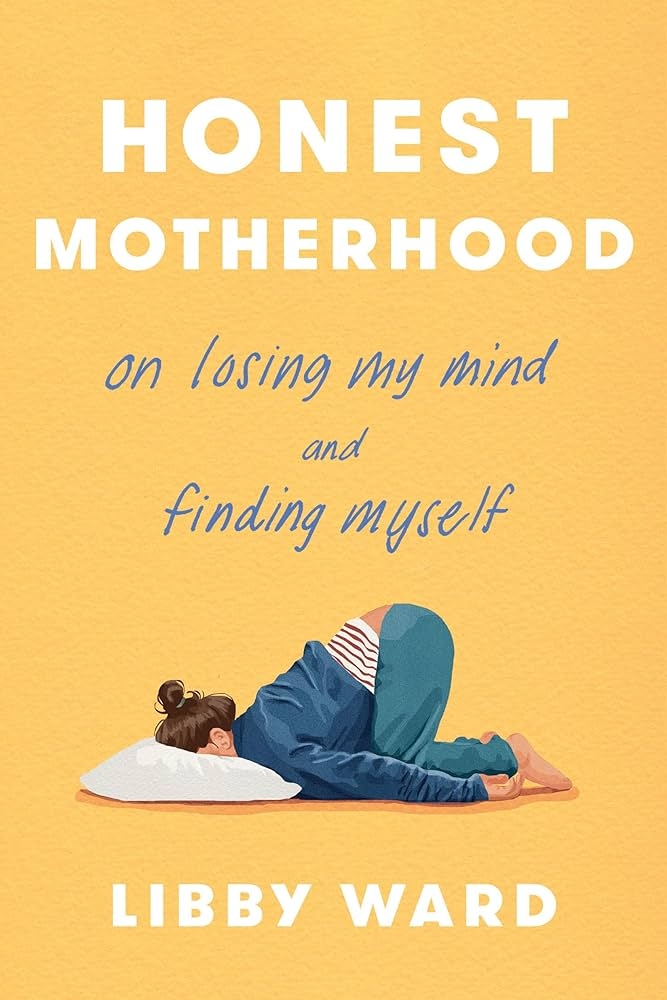
From the publisher: In Honest Motherhood, Libby candidly shares her journey of unlearning the myth of the ideal mother. She dives headfirst into the experiences many mothers have but few feel safe enough to say out loud—the lack of support, the guilt, the invisibility, the cycles they’re breaking, and the fantasies about a hospital stay just to get a flippin’ break. Libby untangles her social conditioning from learned trauma responses and discovers that letting go of unrealistic standards, asking for help, and prioritizing herself aren’t failures—they’re necessities.
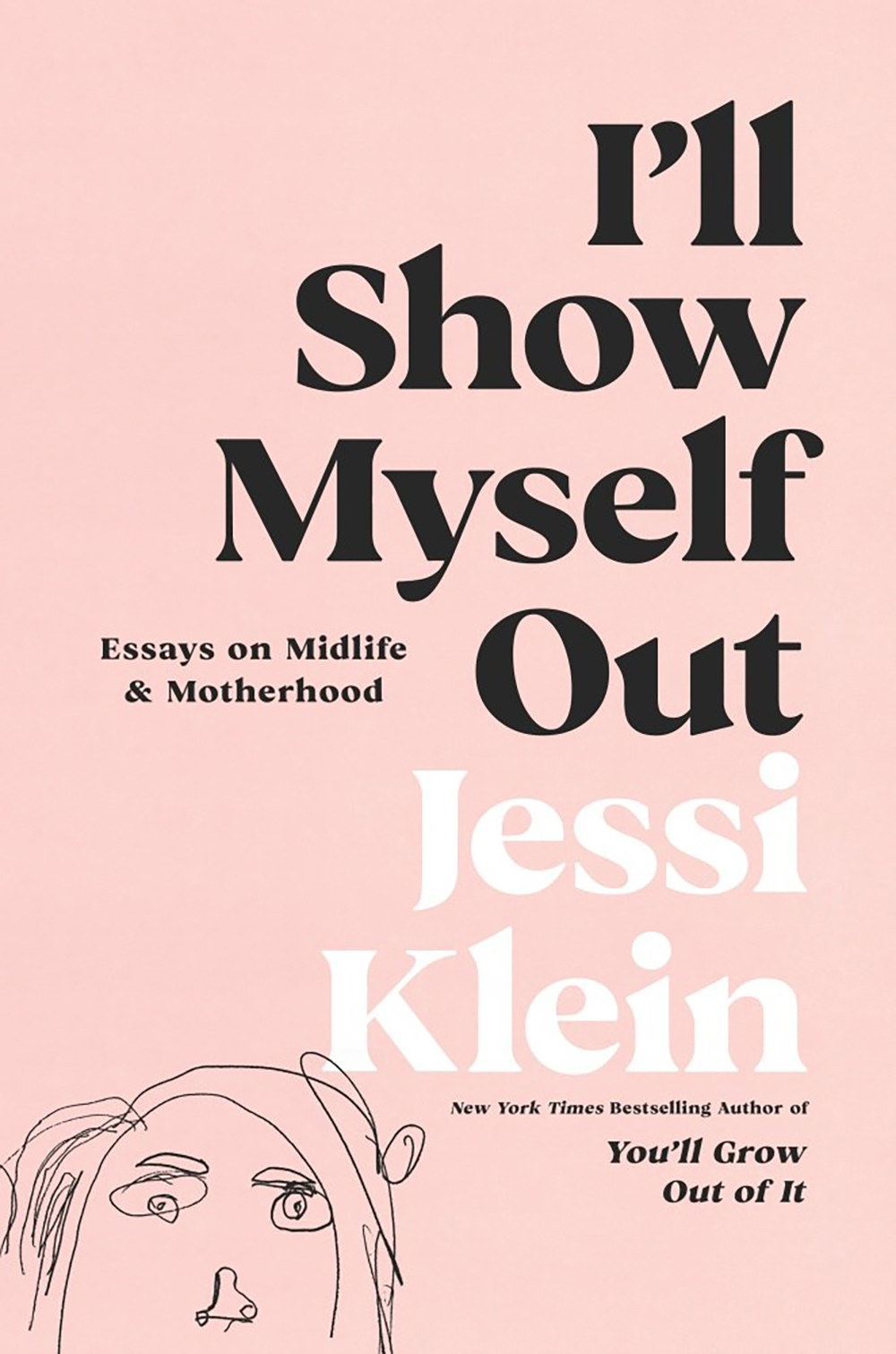
From the publisher: In Emmy Award-winning writer and producer Jessi Klein’s second collection, she hilariously explodes the cultural myths and impossible expectations around motherhood and explores the humiliations, poignancies, and possibilities of midlife. Klein explores this stage of life in all its cruel ironies, joyous moments, and bittersweetness.
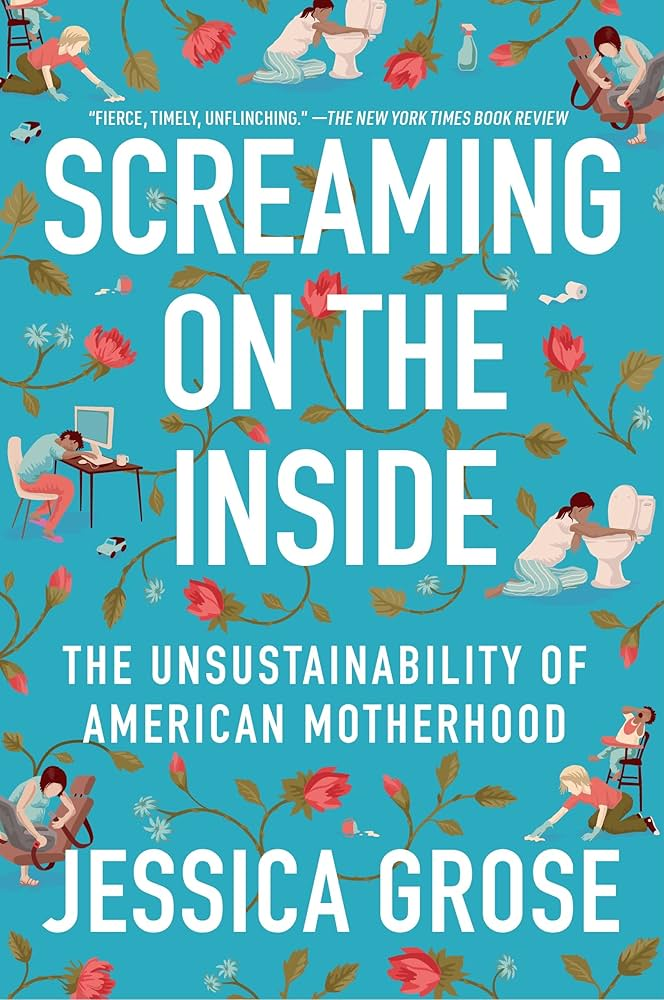
From the publisher: In this timely and necessary book, New York Times opinion writer Jessica Grose dismantles two hundred years of unrealistic parenting expectations and empowers today’s mothers to make choices that actually serve themselves, their children, and their communities.
From the publisher: An artist turned stay-at-home mom becomes convinced that she is turning into a dog and, as her symptoms intensify, struggles to keep her alter-canine-identity a secret, until she meets a group of mothers who may also be more than what they seem.
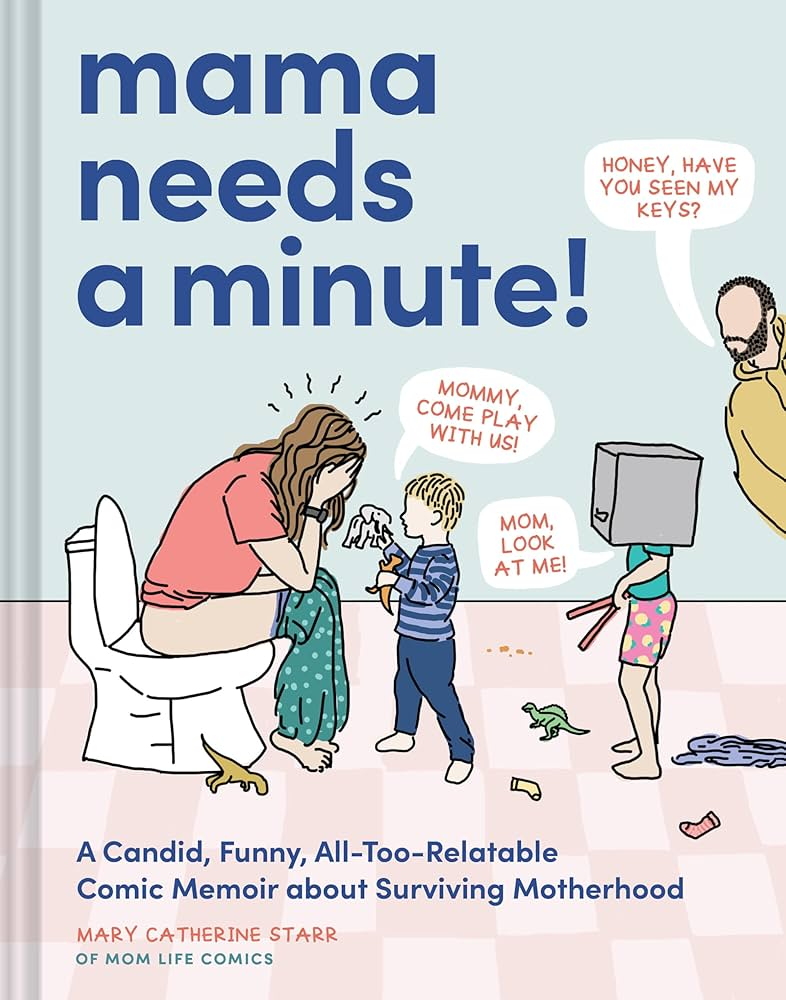
From the publisher: Filled with Starr’s signature wit, warmth, and observational humor, Mama Needs a Minute! tackles all the absurdities of modern motherhood through illuminating anecdotes and delightful illustrations. Whether you’re navigating a hellish sleep regression, wiping sweet potato off the walls, singing your four-thousandth lullaby, or simply hoping to pee without a toddler watching, this honest and irreverent account of motherhood will make you laugh, cry, and feel seen in a way that only a true mom-friend can.
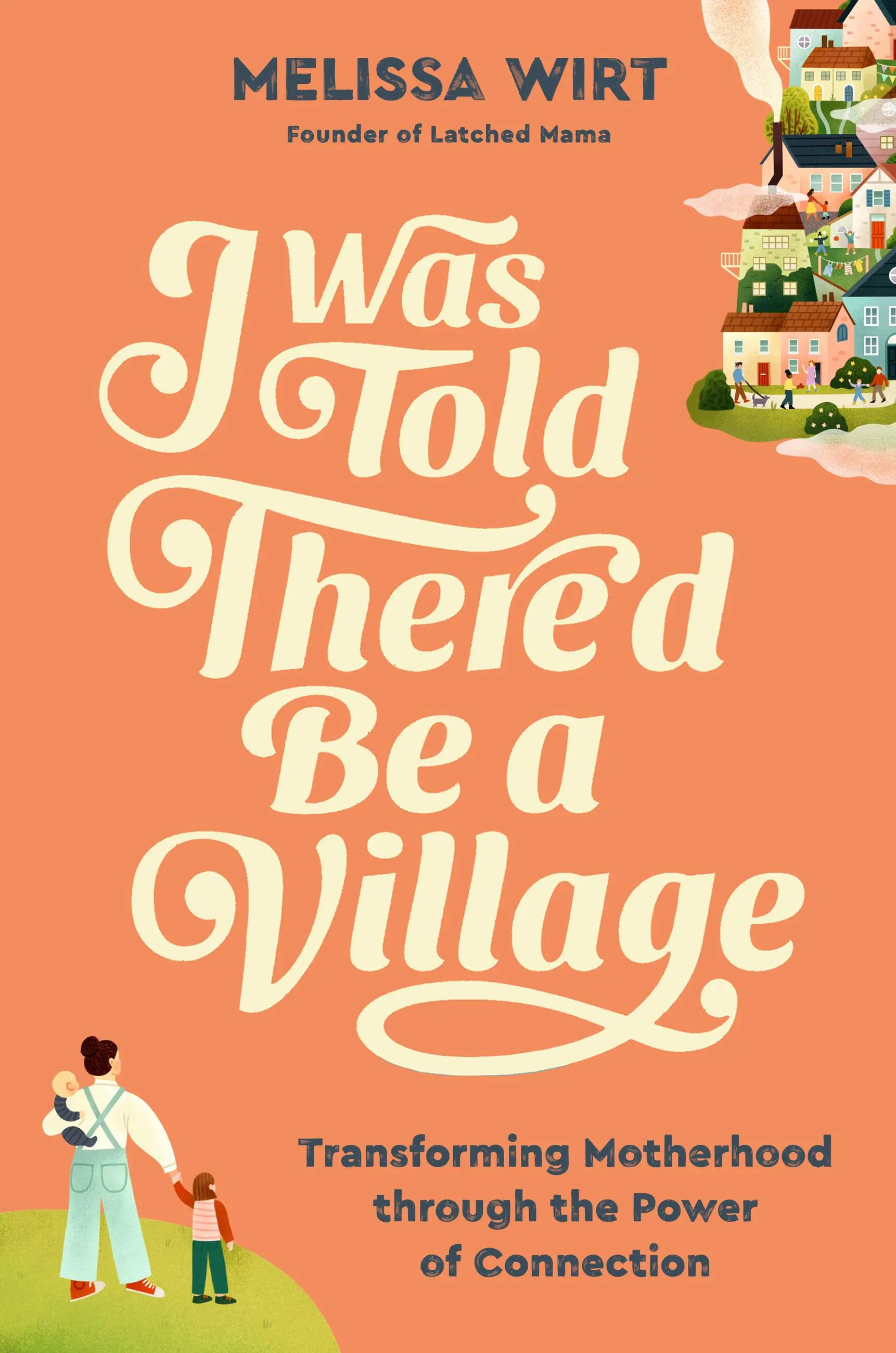
From the publisher: Melissa Wirt thought she had everything-she’d built her own company and moved to a beautiful farm with her family. Then during a personal crisis, she realized: despite having created an online community reaching thousands of moms, she’d also somehow, become utterly isolated. In I Was Told There’d Be a Village, Melissa describes how she began making small changes-leaving behind a damaging Isolation Mindset and developing an advantageous Village Mindset. Using personal anecdotes and stories from moms across the country, this book provides specific, actionable steps to transform oppressive, solitary parenting into a connected, collective (even joyful) endeavor.
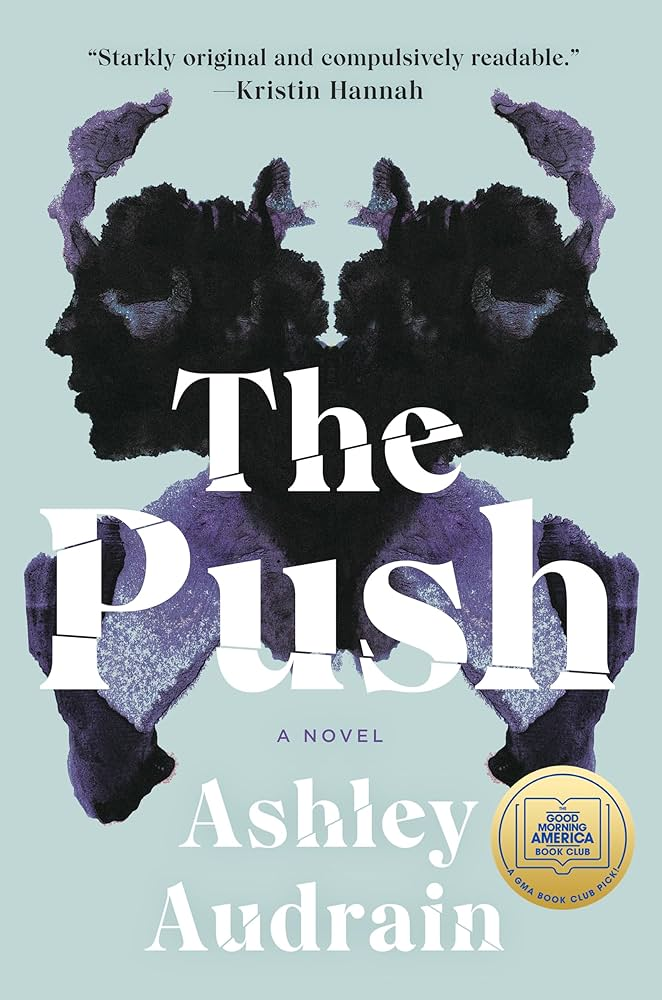
From the publisher: Blythe Connor is determined that she will be the warm, comforting mother to her new baby Violet that she herself never had. But in the thick of motherhood’s exhausting early days, Blythe becomes convinced that something is wrong with her daughter—she doesn’t behave like most children do. Or is it all in Blythe’s head? Her husband, Fox, says she’s imagining things. The more Fox dismisses her fears, the more Blythe begins to question her own sanity, and the more we begin to question what Blythe is telling us about her life as well. Then their son Sam is born—and with him, Blythe has the blissful connection she’d always imagined with her child. Even Violet seems to love her little brother. But when life as they know it is changed in an instant, the devastating fall-out forces Blythe to face the truth.
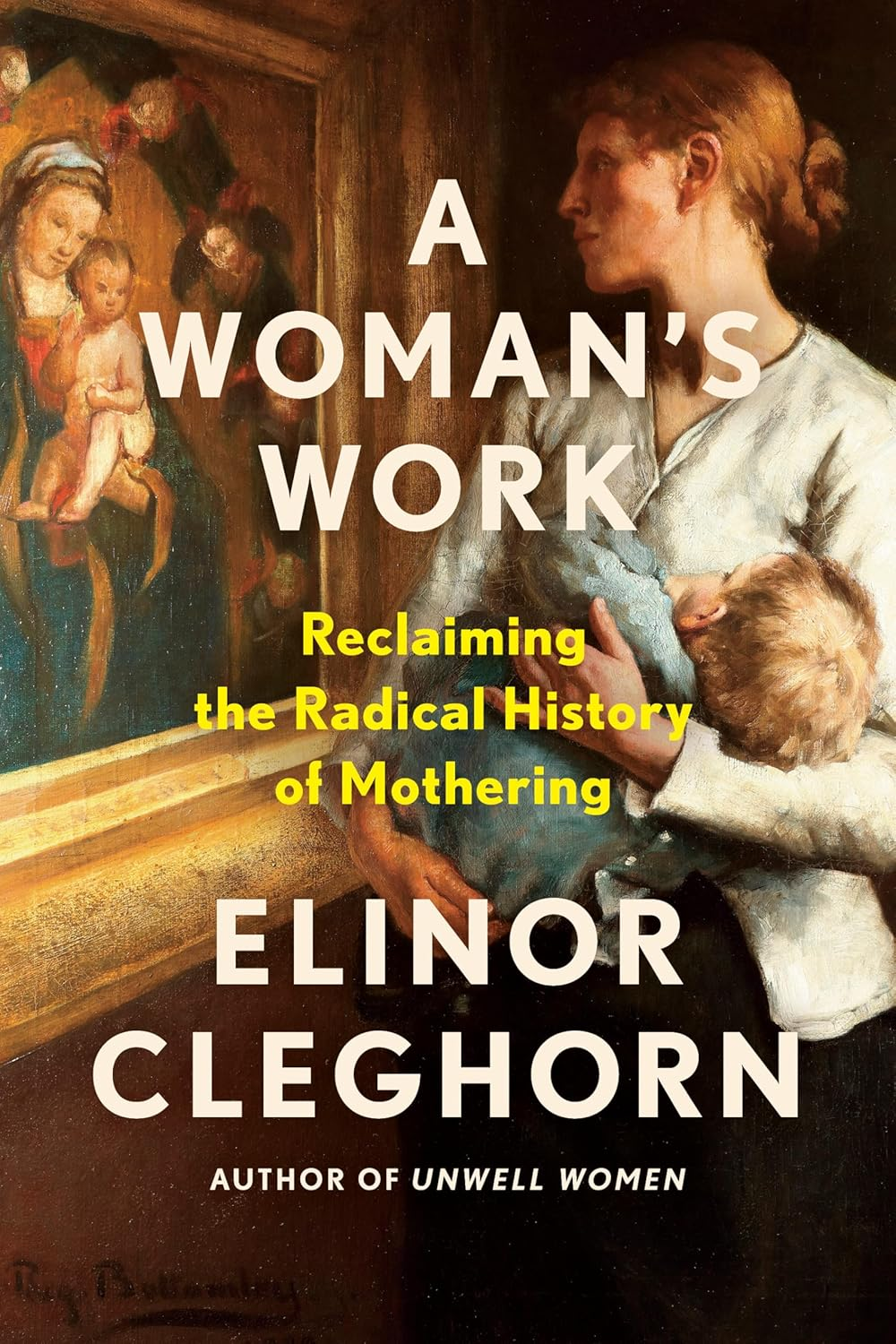
From the publisher: Mothers make history. But what it has meant for mothers to do the physical and emotional work of mothering has, for centuries, been neglected in the stories of the past. Patriarchal control of motherhood has relegated the acts of growing, birthing, nurturing, and loving to the sidelines, and deemed it unimportant, women’s work. Now, through the voices of women themselves, Elinor Cleghorn reclaims and retells the history of motherhood, showcasing the mothers, othermothers, midwives, activists, community leaders, and more who have shaped the course of history.
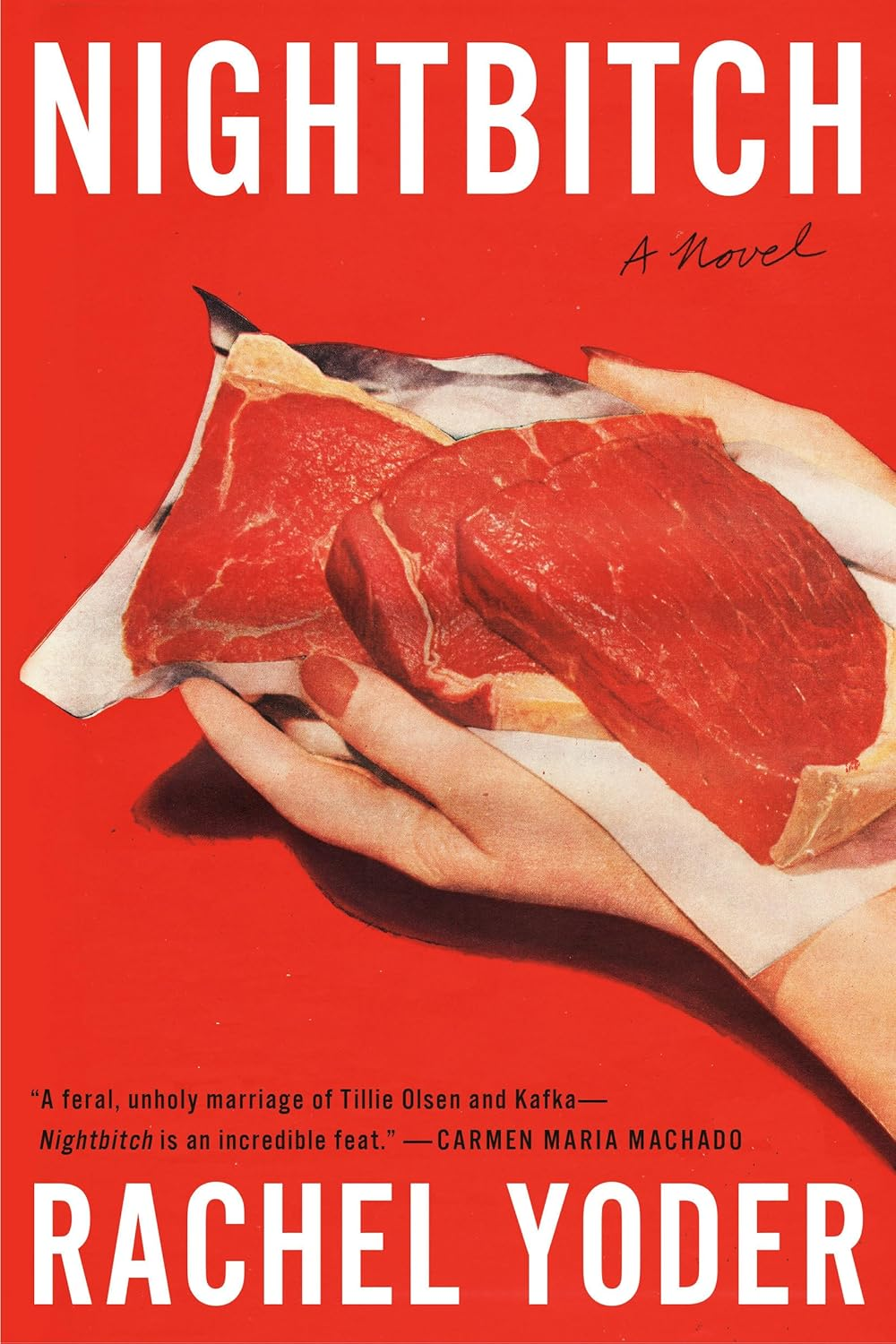
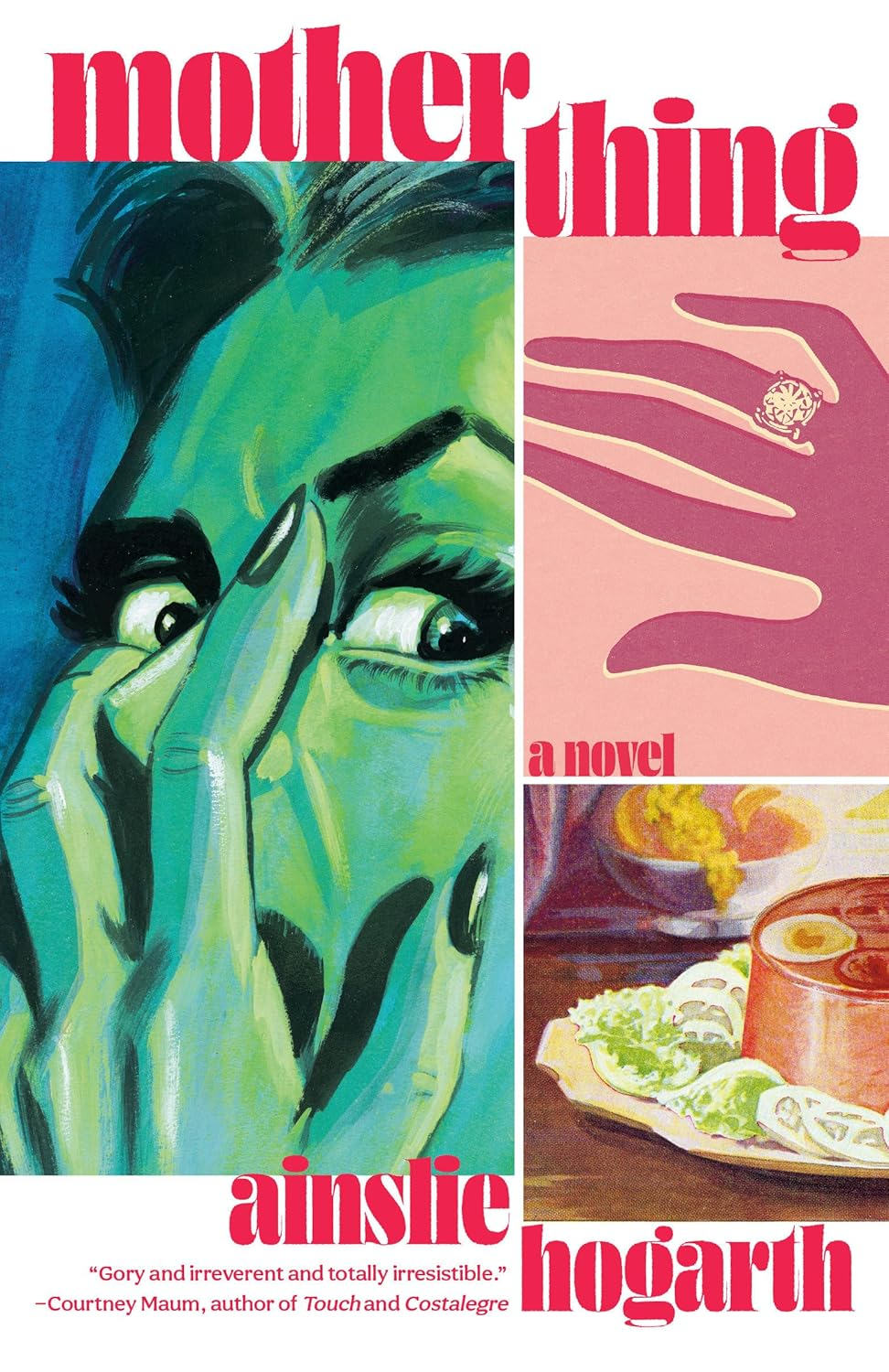
From the publisher: A darkly funny domestic horror novel about a woman who must take drastic measures to save her husband and herself from the vengeful ghost of her mother-in-law. Abby Lamb has done it. She’s found the Great Good in her husband, Ralph, and together they will start a family and put all the darkness in her childhood to rest. But then the Lambs move in with Ralph’s mother, Laura, whose depression has made it impossible for her to live on her own. She’s venomous and cruel, especially to Abby, who has a complicated understanding of motherhood given the way her own, now-estranged, mother raised her. When Laura takes her own life, her ghost starts to haunt Abby and Ralph in very different ways. Ralph is plunged into depression, and Abby is being terrorized by a force intent on taking everything she loves away from her. With everything on the line, Abby must make the ultimate sacrifice in order to prove her adoration to Ralph and break Laura’s hold on the family for good.
I took four college courses in Russian, and “Ya ne panimayu pa-Russki” – translated, “I don’t understand Russian” – is about all I have to show for it. It’s not surprising. It was the late 2000s, and the U.S. was neither in active competition nor actively antagonistic toward Russia. Enrollment in Russian was so low at my university that my professor, a Ukrainian by birth, padded out most of his semesters by teaching basic Spanish courses. Even the writers of the textbook seemed apathetic; they included vocabulary referring to Soviet-era stores, even though the Soviet state had dissolved 15 years prior to the edition’s publication.
For anyone who can remember all those case declensions, Russian language media must be a fascinating read these days.
Russia and Ukraine have been at war since 2014, with February 24, 2022 marking the invasion of Ukraine by Russia and a new phase of the war. It’s not the only war in the headlines. Israel has been at war with Hamas in Gaza since October 7, 2023. And now, with the assassination of Ayatollah Khamenei mere days ago on February 28, it appears that the U.S. and Israel are actively at war with Iran. I can’t say what could or should happen in any of these conflicts. I am a terrible student of history and I’m even worse at geopolitics. However, I am a librarian who can present you with works by experts to contextualize these conflicts, and I can find narratives by reporters and memoirists who are documenting their experiences as they happen. From there, you can read and draw your own conclusions.
I can’t do justice to these three conflicts in one blog post, so I’m going to break this down into parts, starting with today’s biggest headline dominator: the Iran War. If you know of an informative resource that’s not on the list, please feel free to leave a comment so other readers can find it!
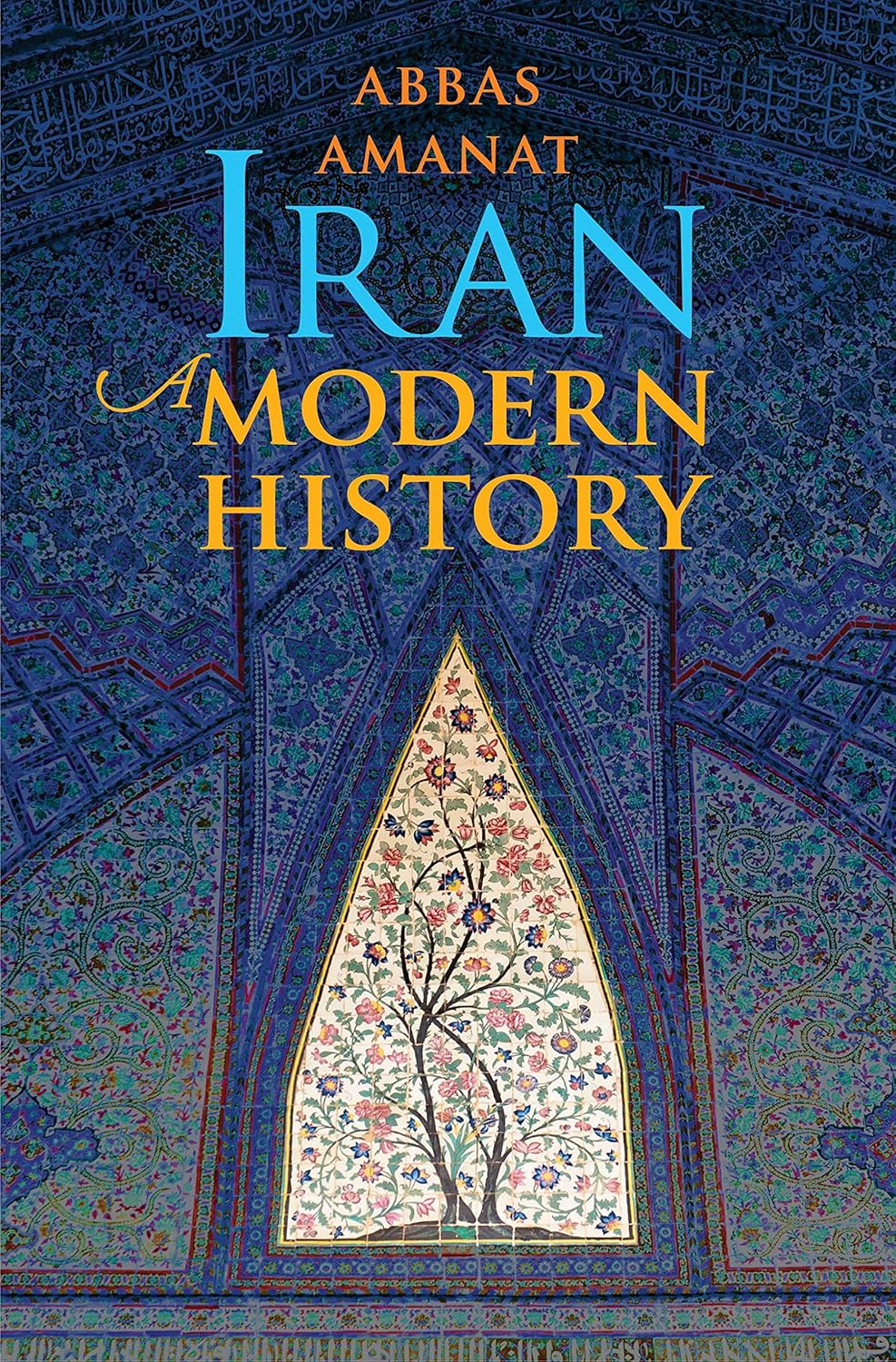
A comprehensive treatment of Iran’s history written by a top scholar. From the publisher: “Amanat combines chronological and thematic approaches, exploring events with lasting implications for modern Iran and the world. Drawing on diverse historical scholarship and emphasizing the twentieth century, he addresses debates about Iran’s culture and politics. Political history is the driving narrative force, given impetus by Amanat’s decades of research and study. He layers the book with discussions of literature, music, and the arts; ideology and religion; economy and society; and cultural identity and heritage.”
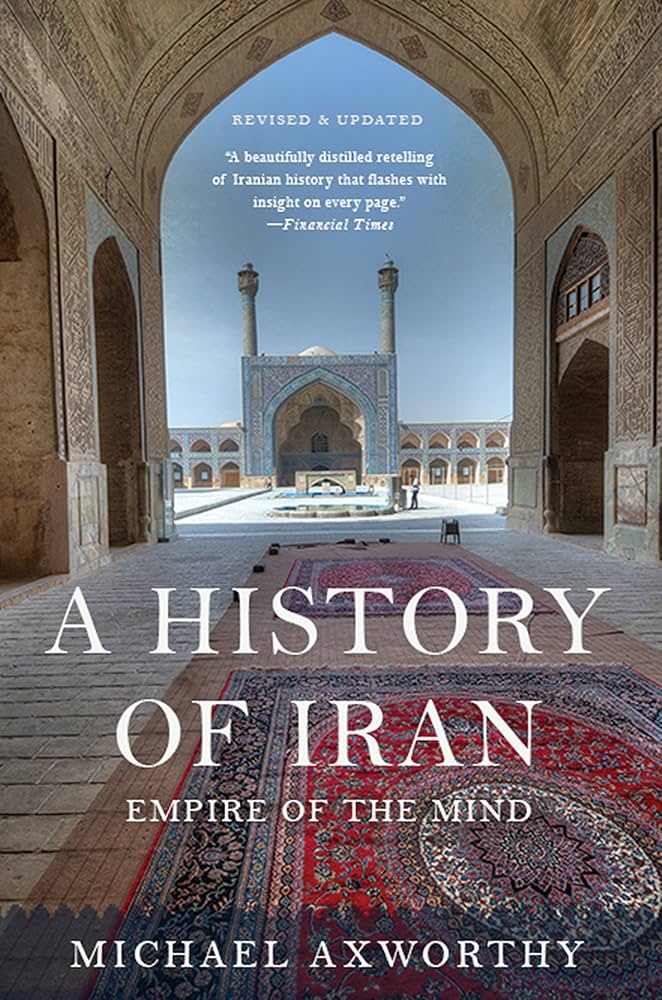
If you’re looking for a quicker read, try this book by another excellent Iran historian. From the publisher: “Although frequently vilified, Iran is a nation of great intellectual variety and depth, and one of the oldest continuing civilizations in the world. Its political impact has been tremendous, not only on its neighbors in the Middle East but also throughout the world. From the time of the prophet Zoroaster, to the powerful ancient Persian Empires, to the revolution of 1979, the hostage crisis, and the current standoff over Iran’s nuclear ambitions, Michael Axworthy vividly narrates the nation’s rich history.”
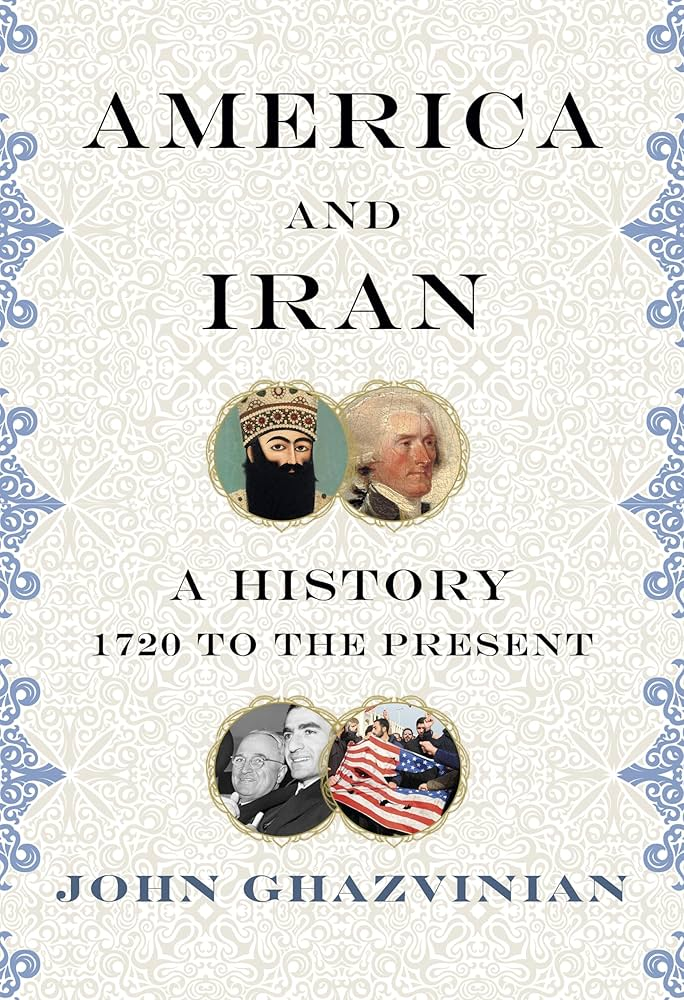
From the publisher: “In this rich, fascinating history, John Ghazvinian traces the complex story of the relations between these two nations back to the Persian Empire of the eighteenth century—the subject of great admiration by Thomas Jefferson and John Quincy Adams—and an America seen by Iranians as an ideal to emulate for their own government. Drawing on years of archival research both in the United States and Iran—including access to Iranian government archives rarely available to Western scholars—the Iranian-born, Oxford-educated historian… makes clear where, how, and when it all went wrong. America and Iran shows why two countries that once had such heartfelt admiration for each other became such committed enemies—and why it didn’t have to turn out this way.”
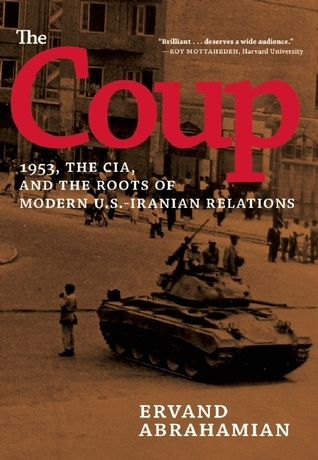
From the publisher: “In this authoritative new history of the coup and its aftermath, noted Iran scholar Ervand Abrahamian uncovers little-known documents that challenge conventional interpretations and sheds new light on how the American role in the coup influenced diplomatic relations between the two countries, past and present. Drawing from the hitherto closed archives of British Petroleum, the Foreign Office, and the US State Department, as well as from Iranian memoirs and published interviews, Abrahamian’s riveting account of this key historical event will change America’s understanding of a crucial turning point in modern United States-Iranian relations.”
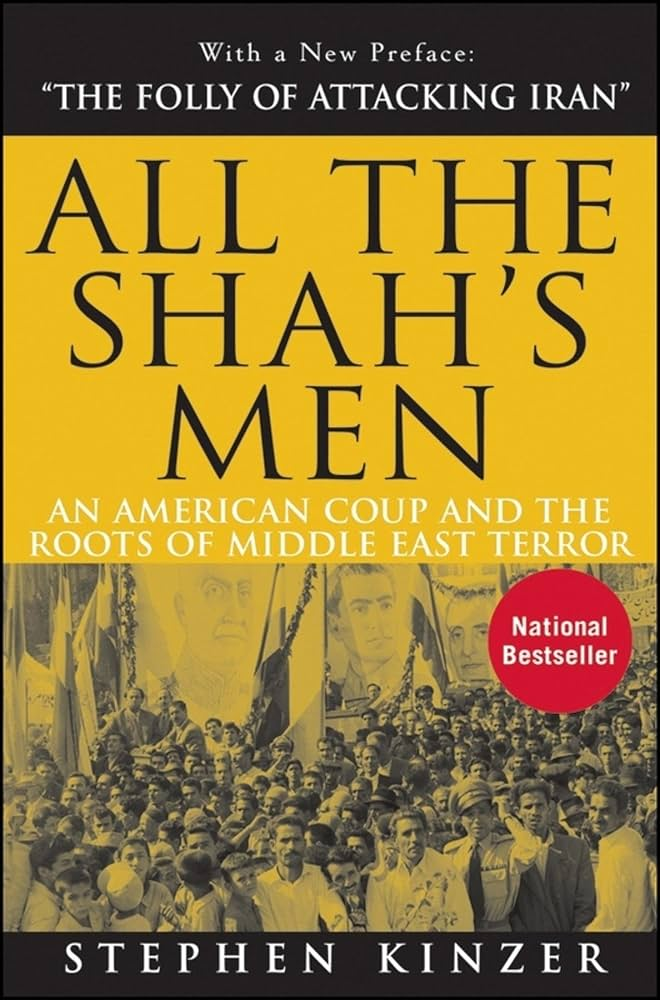
Kinzer is a former journalist who knows how to craft a compelling and factual story. From the publisher: “This national bestseller brings to life the 1953 CIA coup in Iran that ousted the country’s elected prime minister, ushered in a quarter-century of brutal rule under the Shah, and stimulated the rise of Islamic fundamentalism and anti-Americanism in the Middle East.”
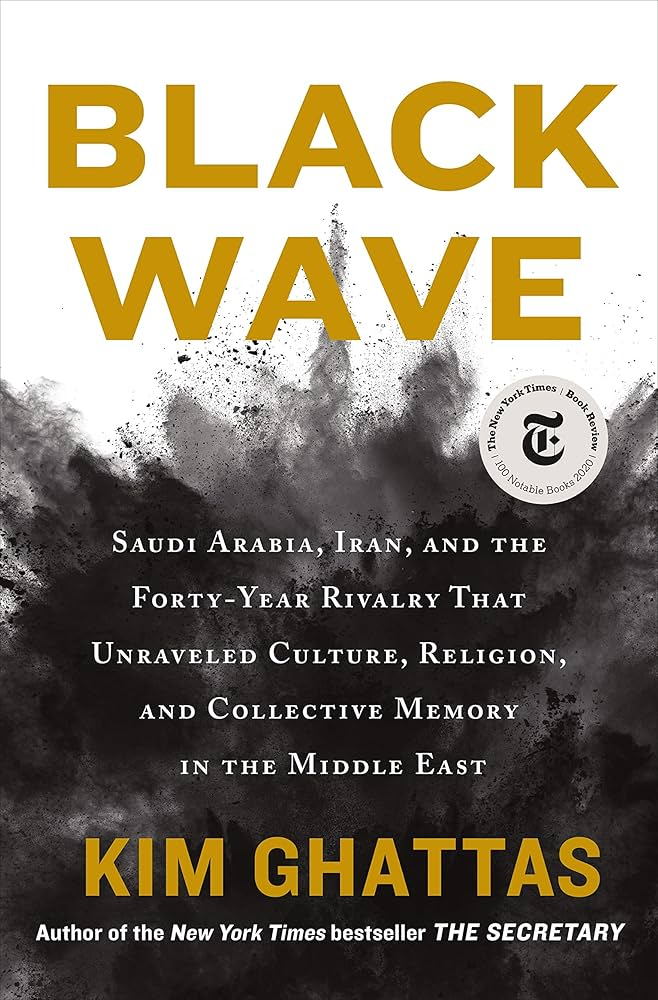
A fresh perspective on Iran’s place in the Middle East, from a Beirut-based journalist. From the publisher: “Kim Ghattas seamlessly weaves together history, geopolitics, and culture to deliver a gripping read of the largely unexplored story of the rivalry between Saudi Arabia and Iran, born from the sparks of the 1979 Iranian revolution and fueled by American policy.”
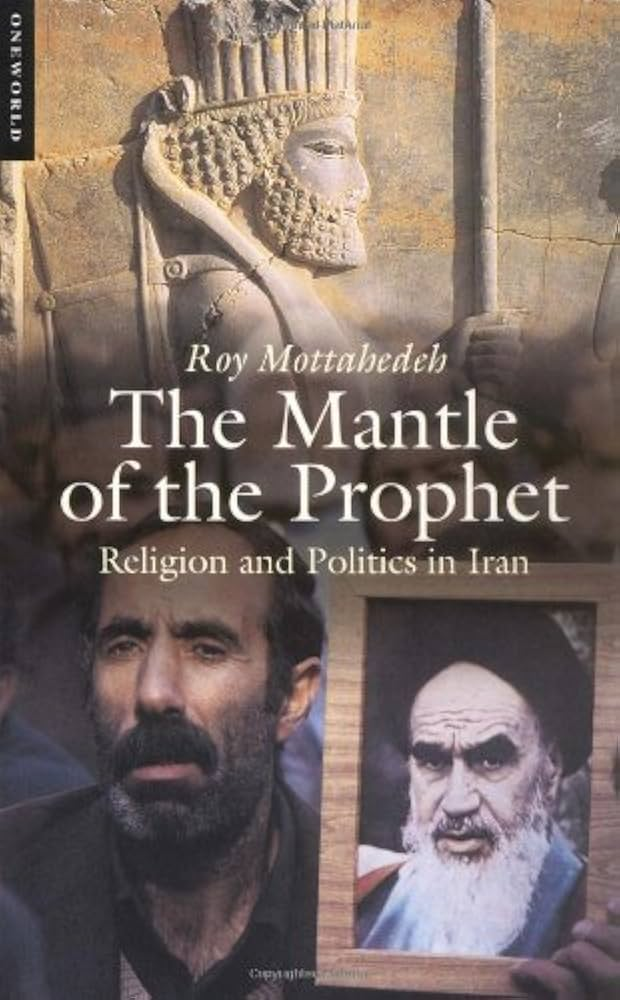
From the publisher: “Drawn from the first-hand accounts of eyewitnesses, Roy Mottahedeh’s absorbing tale of Islam and Politics in revolutionary Iran is widely regarded as one of the best records of that turbulent time ever written.” Forty years after its initial publication, it’s still a great book to help one understand the 1979 revolution – especially the role that clerics and religion played.
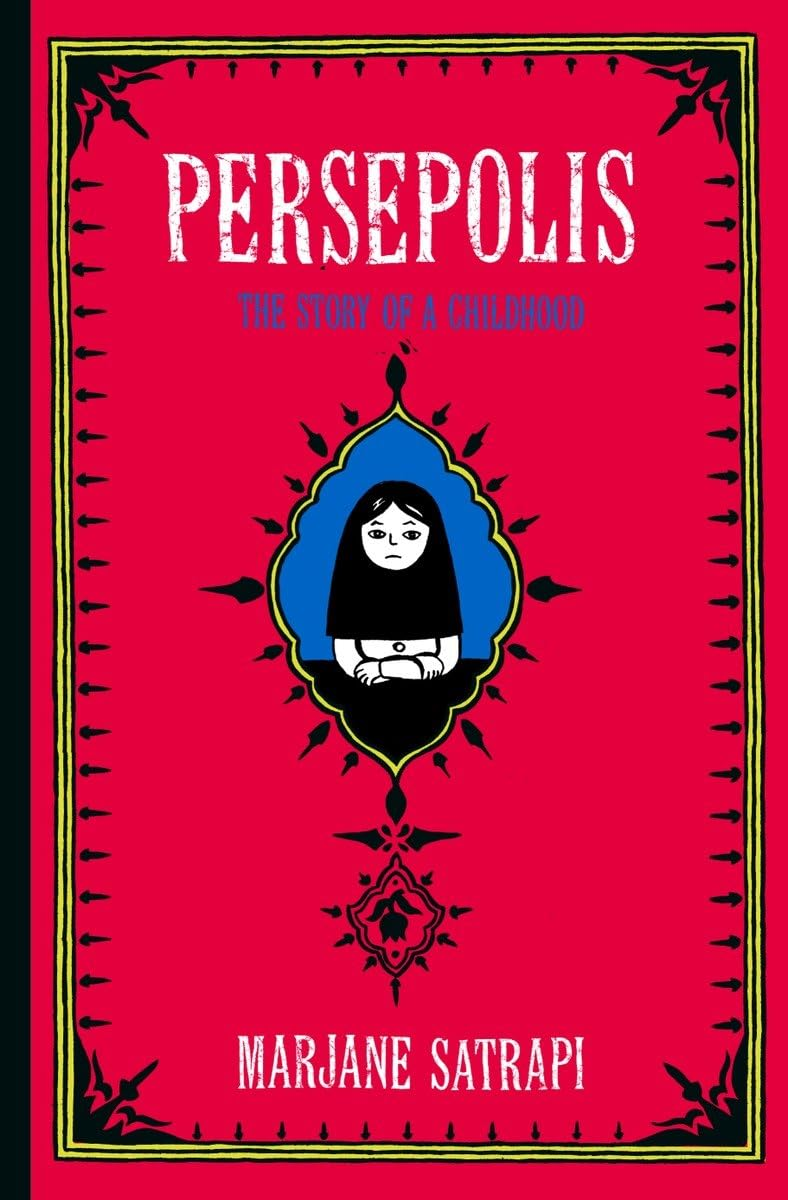
There’s little I can say that hasn’t already been said about Persepolis. This graphic novel is a personal account of a girl living through the revolution and the social restrictions that followed, then her young adulthood as she goes between Europe and Iran. It’s wonderfully accessible, even for those who aren’t usually graphic novel readers.
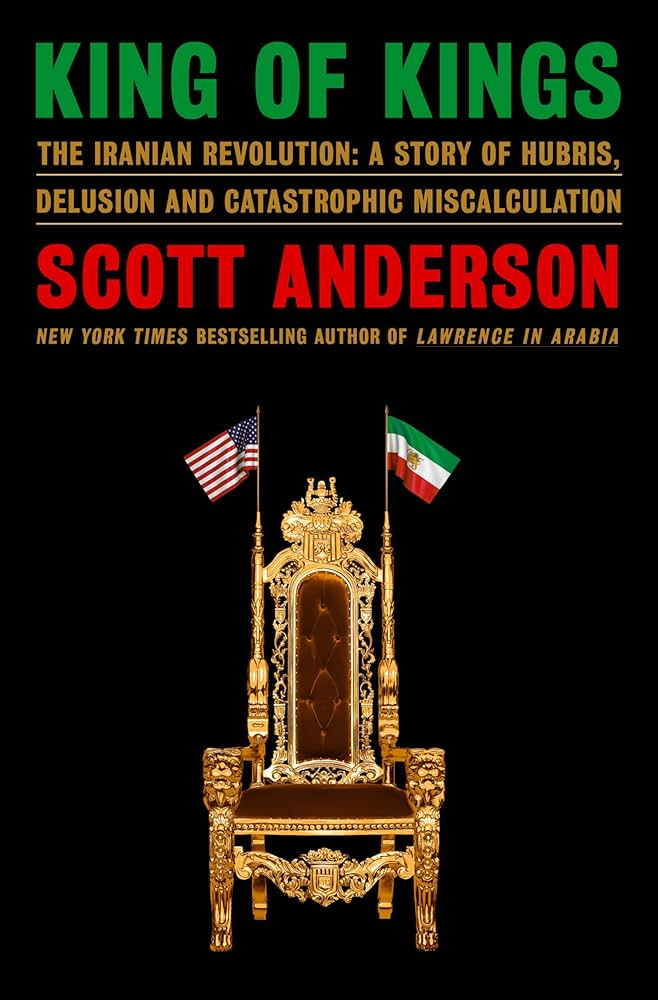
From the publisher: “From the author of the landmark bestseller Lawrence in Arabia comes a stunningly revelatory narrative history of the Iranian Revolution, one of the most momentous events in modern times. This groundbreaking work exposes the jaw-dropping stupidity of the American government and traces the rise of religious nationalism, offering essential insights into today’s global unrest.”
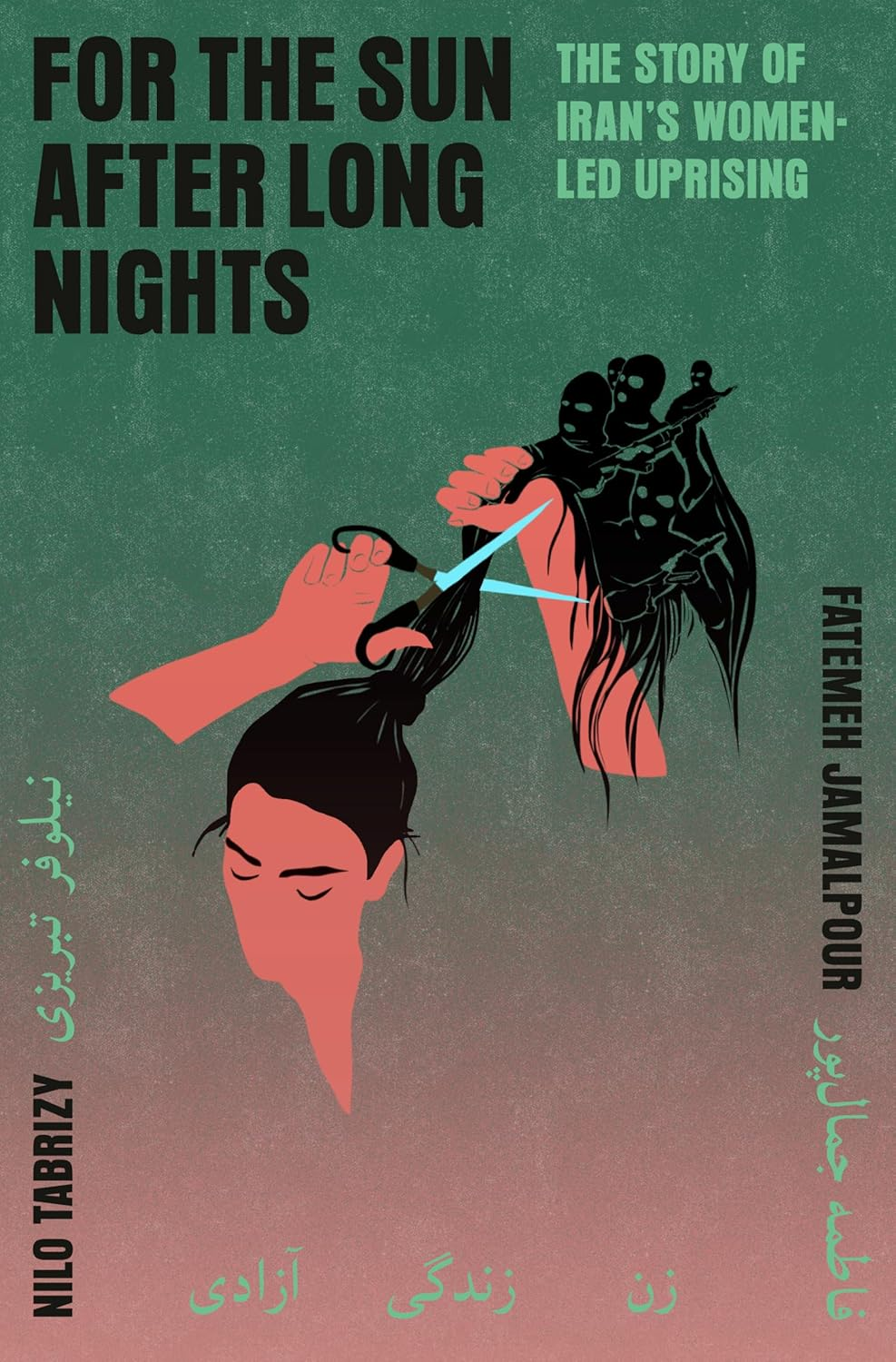
From the publisher: “A moving exploration of the 2022 women-led protests in Iran, as told through the interwoven stories of two Iranian journalists.”
As a millennial whose male friends all wanted to be Anthony Bourdain, I have to give a shout-out to Bourdain’s CNN documentary travel show Parts Unknown. The late chef-turned-travel-host had a gift for finding connections with people across the world, and it was on display during his visit to Iran in 2014. You can watch it in season 4 episode 6. Parts Unknown is available through multiple free and paid streaming services.
And if you’re interested in Iran’s contributions to art, please check out our Islamic Art program on Tuesday, March 17. Wadsworth curator Hamid Hemat will take us on an art journey through the Islamic world, including Iran’s famous Nastaliq calligraphy. You’ll also get to try writing Persian script yourself! Register here: https://cheshirelibrary.libcal.com/event/15030026
There’s this article from The Onion that my husband and I keep chuckling over. The joke headline is “Cool Dad Raising Daughter on Media That Will Put Her Entirely Out of Touch with Her Generation,” and it’s followed by a photo of a middle-aged man presenting a girl with a vinyl copy of the Talking Heads Remain in Light as she regards the album in her hands with utter skepticism. We may or may not have played that very album for our kids before heading to New Haven to watch former Talking Heads members—now septuagenarians—perform it live. That joke article is about us.
Anyone who’s interrupted a Disney playlist to subject their progeny to a few excruciating minutes of A Very Important Music Thing can relate. We want to share the things we love with the people we love. We want them to know who we are. It could be music or movies, hobbies, sports teams, longtime vacation spots. For me, it’s reggae and Joni Mitchell’s Blue and Neil Young’s Harvest, all of which I heard as a kid on weekend mornings. It’s hurtling down the interstate in a car full of teenagers scream-singing along to Jimmy Eat World’s “Sweetness” or Jay-Z’s “Dirt Off Your Shoulder” or Underworld’s “Born Slippy.” It’s the first two Decemberists albums, played as my future husband and I aimlessly wandered the backroads near the town we were so very desperate to leave. This music is as much me as the cells in my body. So now I sing “Heart of Gold” and “The Crane Wife” to my kids as bedtime lullabies, and for background noise I play Bob Marley and classic R&B songs that were sampled by rappers.
Until the kids are old enough for evening concerts, I’m passing my limited free time by reading and watching documentaries about music, especially the scenes and artists that have dimmed the stage lights for the last time. Did you know that emo was a product of the suburbs? (Thanks, Andy Greenwald!) Or that Carrie Brownstein, half of the hilarious duo on Portlandia, was part of Olympia’s feminist Riot Grrrl movement in the early 90’s? Here’s some recent media if you’re feeling nostalgic for the sounds of the past.
From the publisher: Organized around the venues that defined his experience of the downtown scene, Ronson evokes the specific rush of that decade and those spaces—where fashion folks and rappers on the rise danced alongside club kids and 9-to-5’ers—and invites us into the tribe of creatives and partiers who came alive when the sun went down. A heartfelt coming-of-age tale, Night People is the definitive account of ’90s New York nightlife and the making of a musical mastermind.
From the publisher: From the opening piano notes of “Thunder Road,” to the final outro of “Jungleland”—with American anthems like “Born to Run” and “Tenth Avenue Freeze Out” in between—Bruce Springsteen’s seminal album, Born to Run, established Springsteen as a creative force in rock and roll. With his back against the wall, he wrote what has been hailed as a perfect album, a defining moment, and a roadmap for what would become a legendary career. Peter Ames Carlin, whose bestselling biography, Bruce, gave him rare access to Springsteen’s inner circle, now returns with the full story of the making of this epic album. Released in August, 1975, Born to Run now celebrates its 50th anniversary.
From the publisher: Questlove traces the creative and cultural forces that made and shaped hip-hop, highlighting both the forgotten but influential gems and the undeniable chart-topping hits-and weaves it all together with the stories no one else knows. It is at once an intimate, sharply observed story and a sweeping theory of the evolution of the great artistic movement of our time. Questlove approaches it with both the encyclopedic fluency of an obsessive fan and the unique expertise of an innovative participant. Hip-hop is history, and also his history.
Psst: If you prefer to watch a documentary, Questlove’s Hip-Hop Evolution (2016) runs along similar lines. It’s available on Netflix.
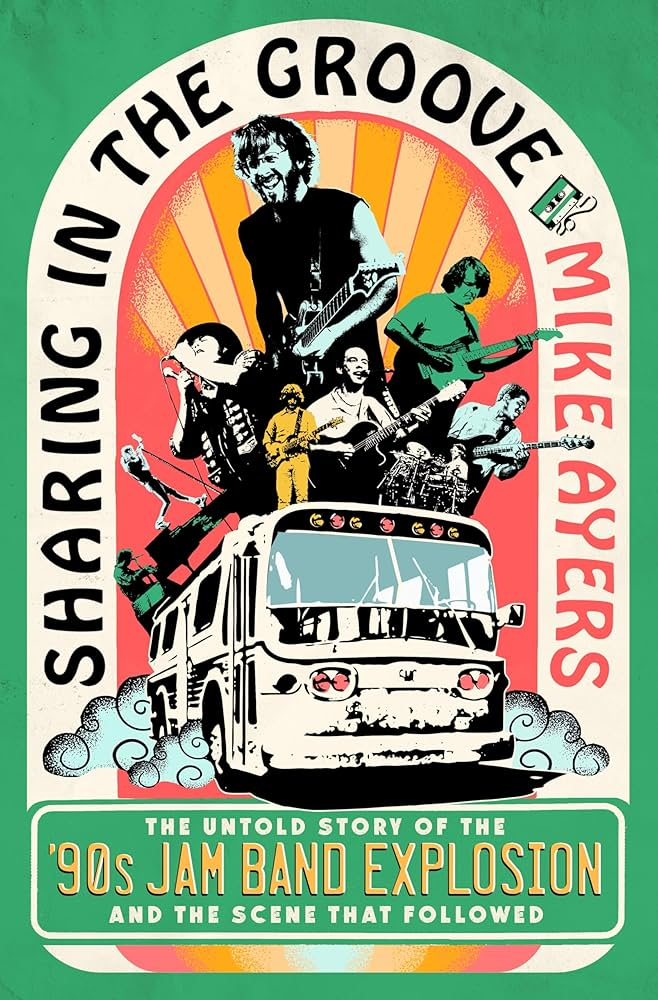
From the publisher: Sharing in the Groove is a rich examination of an underdog genre that helped define the 1990s musical landscape―a scene that paved the way for modern-day cultural institutions such as the Bonnaroo Music Festival and kept the Grateful Dead ethos alive. It was also a world with its own values and its own unique interactions with fame, record labels, MTV, drugs, and success.
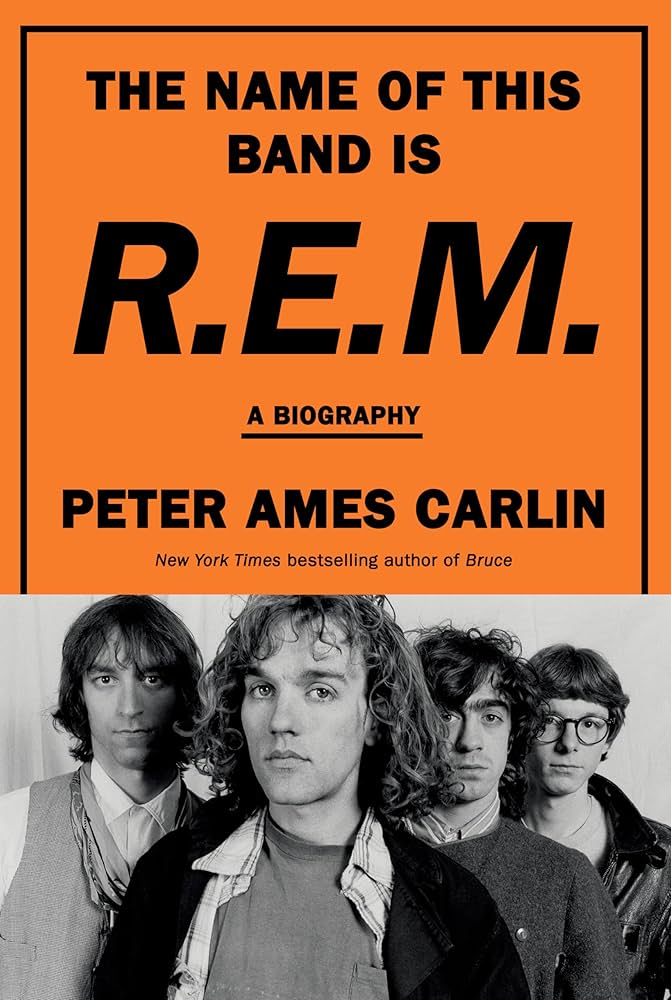
From the publisher: Deeply descriptive and remarkably poetic, steeped in 80s and 90s nostalgia, The Name of This Band is R.E.M. paints a cultural history of the commercial peak and near-total collapse of a great music era, and the story of the generation that came of age at the apotheosis of rock.
From the publisher: Case brings her trademark candor and precision to a memoir that traces her evolution from an invisible girl “raised by two dogs and a space heater” in rural Washington state to her improbable emergence as an internationally-acclaimed talent. In luminous, sharp-edged prose, Case shows readers what it’s like to be left alone for hours and hours as a child, to take refuge in the woods around her home, and to channel the monotony and loneliness and joy that comes from music, camaraderie, and shared experience into art.
From the publisher: Drawn from NPR Music’s acclaimed, groundbreaking series Turning the Tables, the definitive book on the vital role of Women in Music—from Beyoncé to Odetta, Taylor Swift to Joan Baez, Joan Jett to Dolly Parton—featuring archival interviews, essays, photographs, and illustrations.
From the publisher: This is the story of three revolutionary American musicians, the maestro jazzmen who orchestrated the chords that throb at the soul of twentieth-century America… What is far less known about these groundbreakers is that they were bound not just by their music or even the discrimination that they, like nearly all Black performers of their day, routinely encountered. Each defied and ultimately overcame racial boundaries by opening America’s eyes and souls to the magnificence of their music. In the process they wrote the soundtrack for the civil rights movement.
From the publisher: An electric, searing memoir by the original rebel girl and legendary front woman of Bikini Kill and Le Tigre… As Hanna makes clear, being in a “girl band,” especially a punk girl band, in those years was not a simple or safe prospect. Male violence and antagonism threatened at every turn, and surviving as a singer who was a lightning rod for controversy took limitless amounts of determination. But the relationships she developed during those years buoyed her–including with her bandmates, Tobi Vail, Kathi Wilcox, and Johanna Fateman; her friendships with Kurt Cobain and Ian MacKaye; and her introduction to Joan Jett- were all a testament to how the punk world could nurture and care for its own.
Music by John Williams (2024) Produced and directed by Laurent Bouzereau
My favorite music documentaries fill me to the brim with joy (see: Twenty Feet from Stardom) and this journey through the most iconic music in cinema history does just that. Williams wrote the scores for Star Wars, Jurassic Park, Indiana Jones, E.T., Harry Potter, Jaws, and lots of other movies that are memorable in part due to Williams’ mastery. It’s only available on Disney+, but it’s worth a trial if you aren’t already a subscriber.
Summer of Soul: (…Or, When the Revolution Could Not Be Televised) (2022) Directed by Questlove
I’m cheating a little here when it comes to “recent” releases, but this is another piece of joy. It follows the 1969 Harlem Cultural Festival, which was overshadowed by Woodstock and hardly made a blip on the radar. You’ll get the context of the almost-forgotten festival, along with footage of Stevie Wonder, Nina Simone, the 5th Dimension, and Sly and the Family Stone (rest in peace) doing what they do best. If you don’t start moving to Gladys Knight and the Pips’ upbeat rendition of “I Heard It Through the Grapevine,” then I can’t help you. Borrow the DVD from the library or stream it from your preferred service.
Now that the temperatures have dropped, I’m kicking my horror obsession into high gear. I’m going through my Audible audiobook purchases and listening to anything remotely paranormal, and I’m watching as many delightfully flawed 1970s horror films as I can find on my streaming services. The rest of my household, though, isn’t quite on board with my level of horror. My four-year-old gets up and starts to leave the room during particularly tense moments of Sofia the First. My two-year-old cries when he wakes up at 6:30am and it’s still dark.
Even though they’re not ready for it, my kids are still drawn to the spooky stuff. They’re fascinated by ghosts and skeletons. We’re a long way off from listening to the Spooked podcast together, but they can handle the horror equivalent of a balance bike and a sturdy helmet. These are some of the not-so-scary titles we’ve been enjoying this fall, in no particular order.
Leo: A Ghost Story written by Mac Barnett, illustrated by Christian Robinson (2015)
Leo is a little ghost who finds himself unwanted and unappreciated by his house’s new (living) residents, so he decides to wander the city and discovers a lasting friendship. Mac Barnett is one of my favorite authors to read out loud, and Robinson’s signature cutout-style illustrations are adorable with just the barest hint of spookiness from the blue color palette.
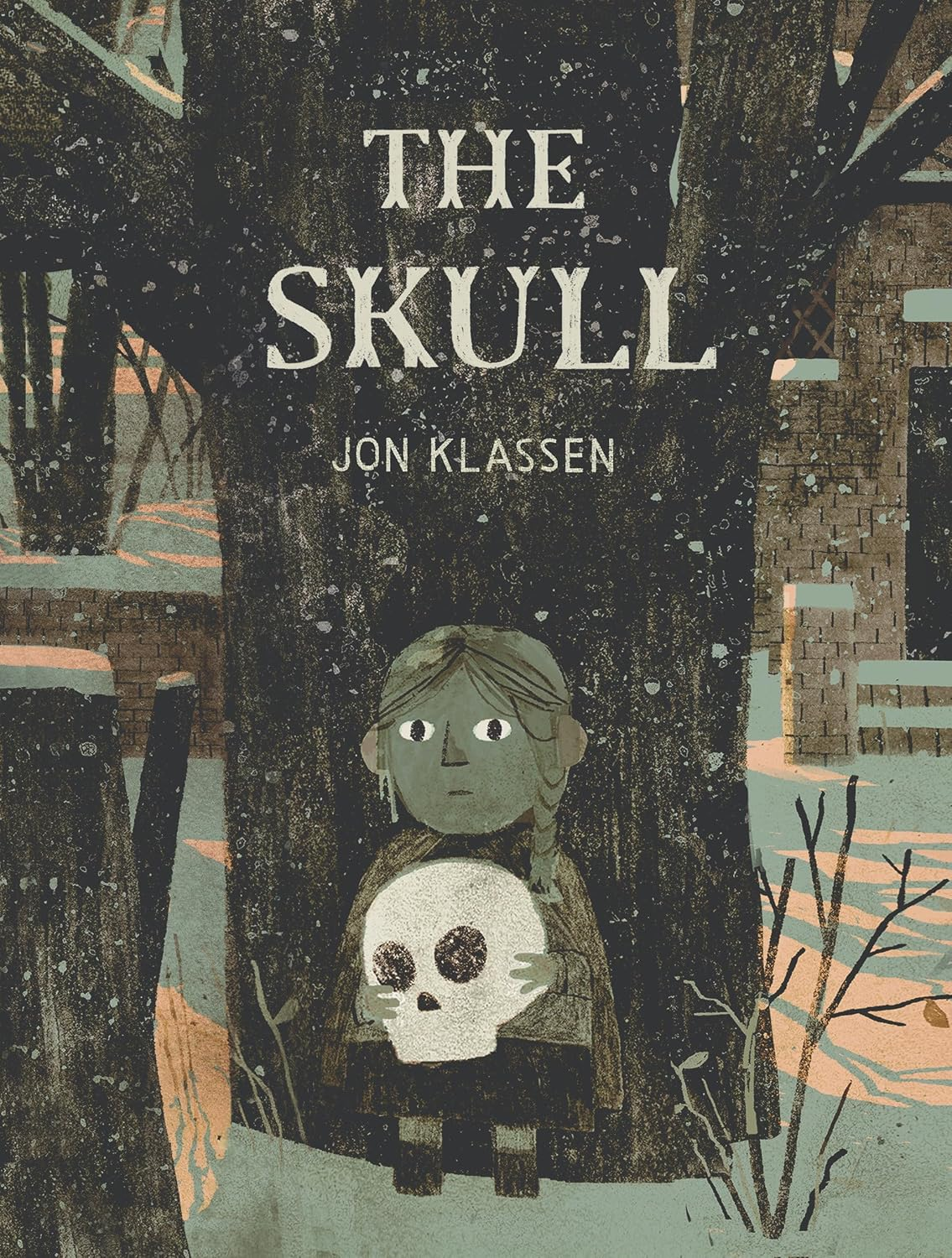
You’ll recognize Klassen’s signature monochromatic palette and impactfully sparse prose from picture books like I Want My Hat Back. The Skull is a more substantial chapter book about a girl who runs away from home and befriends – you guessed it – a skull. Both my kids adore this book, which has a creepy-not-scary vibe and takes 15 to 20 minutes to read out loud. Even my two-year-old will sit for the whole thing. As for me, I have been haunted by the story’s unanswered questions that don’t seem to cross the kids’ minds. (If you’ve read Sam and Dave Dig a Hole, you know what I mean.)
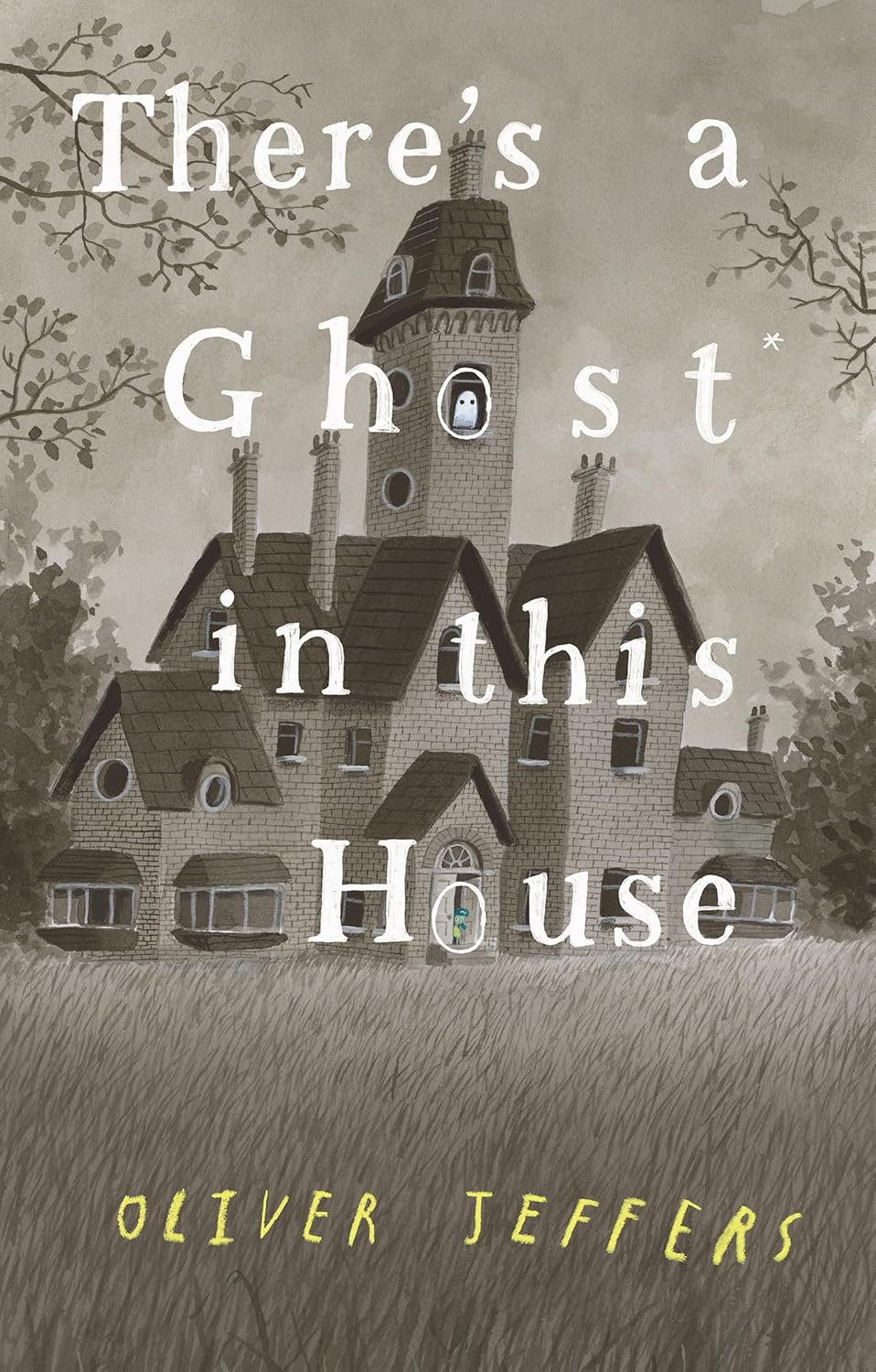
Here’s another picture book for kids obsessed with ghosts. This one follows a girl around her house as she looks for the ghosts that supposedly live in her house. She can’t seem to see them – but the reader can, with help from transparent pages that overlay the old-fashioned photographs of rooms. It’s a clever and entertaining book that we’ve been re-reading from cover to cover. (I mean it. You only get the full story if you look at the endpapers.)
You probably read this classic book yourself as a kid, or had somebody read it to you. Are the stories as satisfying as Schwartz’s Scary Stories to Tell in the Dark? No, but this smaller tome won’t accidentally give your kids nightmares if you pick the wrong story. (Not that I know from experience or anything. Cough cough.) My two-year-old lights up with anticipation of the jump scare I insert at the end of the title story.
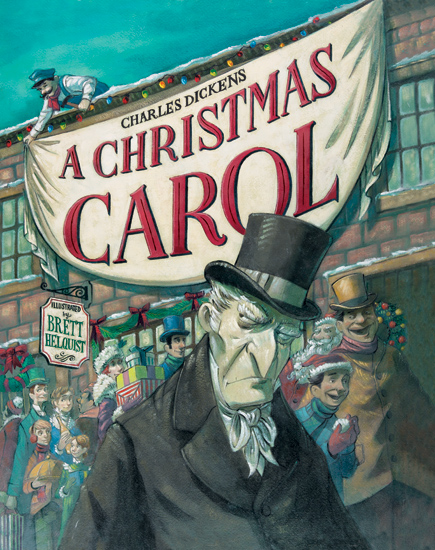
A Christmas Carol by Charles Dickens, illustrated by Brett Helquist (2009)
There’s a tradition in the UK of telling ghost stories at Christmas, and what better story to turn to than the GOAT of Christmas ghost stories? The illustrations are what make this book work. You’ll recognize the style of Brett Helquist from the gloomy covers of A Series of Unfortunate Events by Lemony Snicket. The prose seems to go over my kids’ heads, but as an adult it’s loads of fun to read Scrooge’s dialogue aloud and give it the weight of King Lear mourning the dead Cordelia.
If you thought Leo was cute, then Gustavo might take the cake – or rather, pan de muerto. Gustavo is too shy to talk to the other monster kids, so he decides to put on a violin concert instead. It’s a relatable story in beautiful colors inspired by Mexico’s Day of the Dead celebration. Fans of the movie Coco will enjoy the color palette and musical theme, but this sweet picture book thankfully won’t require adults to grab a tissue. (Not that I know from experience or anything. Cough cough.)
My four-year-old knows the creepy stuff is out there. To scratch the itch that the cute ghost stories can’t satisfy, we’ve been dabbling in some middle-grade books like Scary Stories for Young Foxes. It’s a series of interconnected stories about two juvenile foxes and the horrors they endure as they try to get back to their families. There’s a beloved teacher who turns rabid, a murderous father, and a terrifying take on a classic children’s author. Nothing is gratuitous, though, and it all builds to a satisfying ending. If you’ve been reading Hansel and Gretel with nary a nightmare, it might be worth a try.
We’re also giving a try to this middle-grade book authored by dark fantasy master Neil Gaiman. It’s the story of Bod, a boy who is raised from infancy by the inhabitants of a graveyard after his family is killed. Despite the gloomy premise, the fantasy elements outweigh the horror parts; readers of Gaiman’s adult works like Norse Mythology will be familiar with the tone. And each chapter is episodic like Scary Stories for Young Foxes, making it a good match for younger attention spans.







 The Cheshire Library Blog