Mid-term election day is November 3, and rare is the country where elections are free to all citizens. While I will not discuss a word of American politics, local or national, I do urge you to get out and vote. Your vote DOES matter, even though it doesn’t always seem it. A vote against the eventual winner is still a vote of dissent. Vote as an example for the countries where the general population is not allowed to vote, or there is only one candidate to vote for (North Korea, Haiti, Ethiopia, and Russia), even if you believe your vote won’t win. In Australia, it is mandatory to cast your vote in a national election, and you will be fined for not using your right to vote. They also hold elections on Sundays, when fewer people are working and thus able to vote in person. Most other countries hold weekend elections, and in places like India, voting goes on for several days. In other countries, election day is often a holiday, so everyone is free to get out and vote.
No matter where you fall on the political spectrum, elections are stressful, even if it’s just having to listen to the endless campaign ads every three and a half minutes.
If you’re still vaguely interested in politics, but are feeling stressed over it, here’s a list of books about fictional elections of all sorts, no current politics included, and a couple of politically-oriented classical fiction stories that you should have read in school. If not, now is the perfect time, and no annoying ads included!
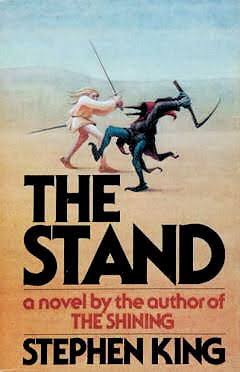
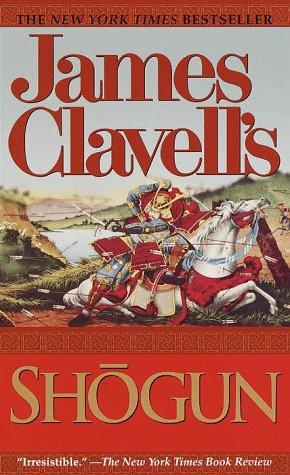
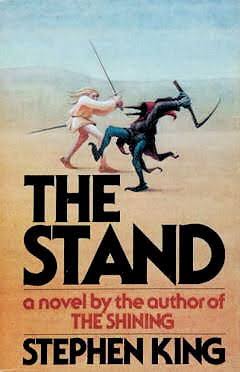
Big, thick books of more than 600 pages, such as Stephen King’s The Stand (823 pages originally, which he padded out to 1100 pages on rerelease), Sarah J. Maas’s A Court of Silver Flames (757),Outlander (850), The Hour I First Believed(768), Shogun (1200), or even Les Misérables (1400 pages. I confess, I didn’t make it past 800. That’s a lot of griping about a loaf of bread) can be considered doorstops, sometimes too big to fit on shelves. Certainly, the bindings on these monsters are not destined for long-life. There are a lot of popular books whose weight will hurt your wrists holding them up.
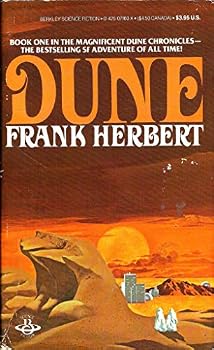
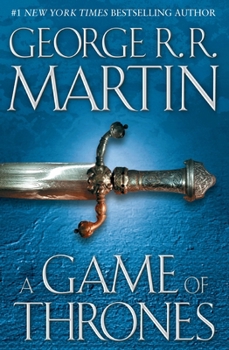
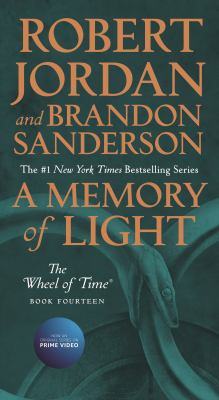
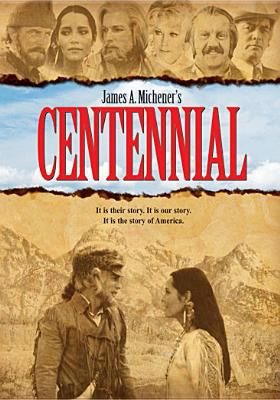
The average book runs around 250-300 pages, or around 80,000 words. Romance and Mystery can run shorter, Science Fiction a bit longer, but Fantasy is the king of long novels, consistently running up tallies beyond James Michener, and usually for the same reasons. Michener researched his novels down to the history of the formation of the tectonic plates that formed the island where his story took place – and that was before the internet. You were going to know exactly what it was like to be in that location, no detail spared. And that is generally true of fantasy novels (and some science fiction. We’re not ignoring you, Dune, at up to 896 pages in some versions) such as the Game of Thrones series (674 pages in the hardcover) and A Memory of Light, of the Wheel of Time series, at 912 pages.
What often separates these novels apart is the need for world building. When an urban romance begins, you, as an inhabitant of the modern Earth world, already understand the location. You’ve seen cars and buses, trucks, trains, maybe a subway, even if only in a movie. You know a jet from a prop plane from a blimp. No one has to describe it for you. You know what a crowded street sounds like, the crush of people pushing past you, the colors of the traffic lights, the enticing smell of a food cart on a cold winter afternoon, the spooked raccoon leaping out of a dumpster. All it takes is a mention (“A rat the size of a pregnant chihuahua dragged a greasy box of KFC down the deserted back alley.”) and you get a picture in your head that is fairly accurate to what the author imagined.
If you’re inventing a strange new world, whether it’s an alien land with orange skies and eight-legged monsters and a generational spaceship besieged by radiation and a twenty-year old 404 error, or a land of wizards and dragons and three-headed talking sheep, and a castle that can only be seen at midnight when a full moon lands on a Tuesday and it’s being besieged by green-skinned gnomes, then the author has to spend an inordinate amount of time teaching you to imagine this place, and how to make sense of it.
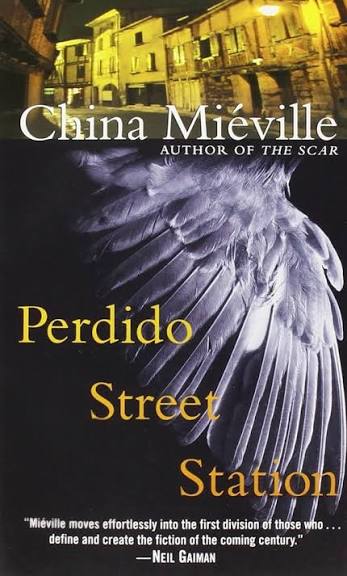
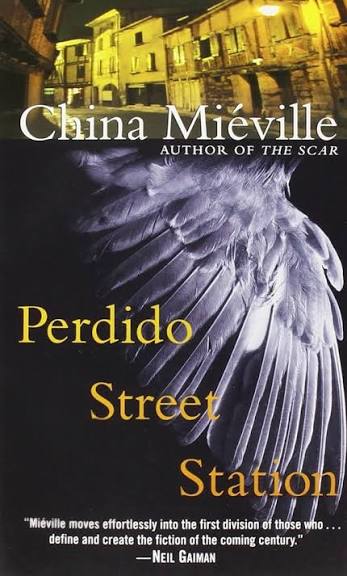
Which brings me to my latest read, the fantasy novel Perdido Street Station, a 700-page monster by China Miéville. Miéville hasn’t met a 12-letter word he can’t use in a sentence, no matter how highbrow and obscure it may be to the average reader – I’m not talking words like unconditionally, but thaumaturgy and ululating and palimpsest. Now, ululating may be the exact word you need, that undulating whoop given to Native Americans and Arabic people in movies, but using a rare word six times in one book doesn’t feel right. Despite that, the novel is sublime: extremely imaginative, walking the line between fantasy, steam punk, and horror, with fantastical creatures at every turn of the page. The story is long and involved, with twists and turns that may take a while to play out, leaving you just intrigued enough to keep reading. I liked it far more than The Difference Engine by William Gibson, which came so highly recommended.
I repeat, it was an entertaining novel, with an unexpected and satisfying ending.
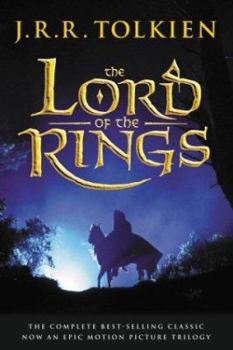
But it makes me think, when is enough enough? How much detail do we really need to be immersed in a setting? Miéville spares no detail in creating his world, right down to a map of his city, which the reader will reference often because he rattles off at least one neighborhood or train stop per page, as if the reader already knows the layout. Once or twice to give me a feel, fine, but do I really need to know the history of each neighborhood? Does the economic collapse of a neighborhood and the board by board building of the resultant slum really have a bearing on the story? I get it, it’s half human, half insect, but I’m losing track of head legs, human legs, and strange body parts. It’s nice to have details, but when do details begin to bog down a story, rather than elevate it? How much detail do we really need? The scattered Fremen words in Dune give the book flavor, and there’s enough of them that it comes with a dictionary in the back, but you can skip a lot of the words and still follow the story. Tolkien’s Elvish poetry in Lord of the Rings is beautiful, emphasizes the emotional depth of the ethereal elves, but you will lose no part of the story if you skip over them. Is it worth spending 200 pages of a book investing in a detailed character, only to have them die on page 300, but the story’s only half over? (Sit down, Game of Thrones. We learned not to invest after the first three characters died.)
An author’s world in their head is far more detailed than ever makes it to paper – sometimes. King’s The Stand is long, but there are several substories going on, and not one of them can be pulled out without affecting the story. Game of Thrones has so many stories going on that some characters are absent from entire volumes because there was no way to fit them in and keep it under 2,000 pages. Ayn Rand left no thought unspoken in Atlas Shrugged, at 1100 pages. Is that all you had to say, Ayn?
What’s the longest book you’ve read? Do you know a book that bogged down in so much detail you gave up? If you like imaginative steampunkish fantasy, give Perdido Street Station a try, but you’re going to need that renewal. Let us know what you think!
“Joseph was an elderly, nay, an old man, very old, perhaps, though hale and sinewy. “The Lord help us!” he soliloquised in an undertone of peevish displeasure, while relieving me of my horse: looking, meantime, in my face so sourly that I charitably conjectured he must have need of divine aid to digest his dinner, and his pious ejaculation had no reference to my unexpected advent.” – Wuthering Heights (it’s not just fantasy novels)
I love theHunger Games series. I love a good action story, and Hunger Games delivers.
Like anything else, I did read the books before seeing the films, and I do feel the films have a slight advantage (except for Mockingjay – it’s nice you made it into two parts, but seriously, you didn’t need to). The films, being visual, cut any bloat that might have been lurking. I love them. I love the casting, I love the cinematography, I love the creative storyline. Any story that can make me love and hate a character at the same time is a pretty good story.
I can’t decide which is my favorite – there’s so much to love about all of them. It’s hard to make a sequel as good as an original – and we can all think of sequels that shouldn’t be spoken of in polite company (ahem, Highlander 2, Frozen 2, Caddyshack 2, Jaws 2, Godfather 3, Star Trek 5, etc) – and few franchises can pull it off – Harry Potterand the Chamber of Secrets and Empire Strikes Back being two of them. Hunger Games does, driving home the horror and mental devastation with unrelenting drumbeats.
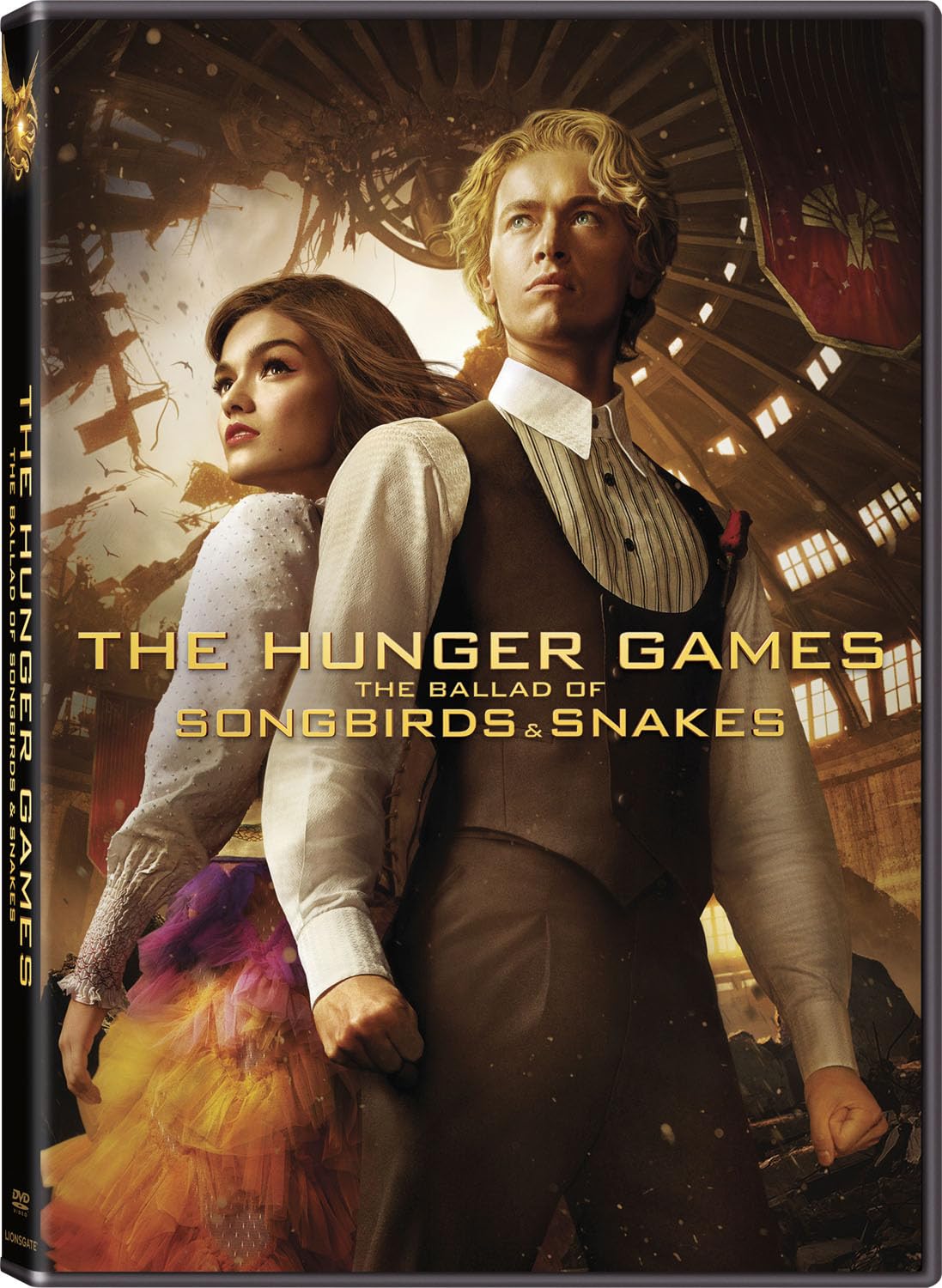
Prequels in general are easier to write (we won’t talk about Star Wars), because you generally know what came before and how it winds up. You’re just filling in the details between A and C. I’m sure Collins had a lot of the backstory written – or at least roughed out, before writing the Hunger Games prequel, Ballad of Songbirds and Snakes, a title that works perfectly on many levels. This volume, too, I adored, drawing me into the characters. Even so, I felt this was the most bloated of the series, and I couldn’t always track the action in my head. The movie fixed that gloriously. As always, the original folk music is just the icing on the cake.
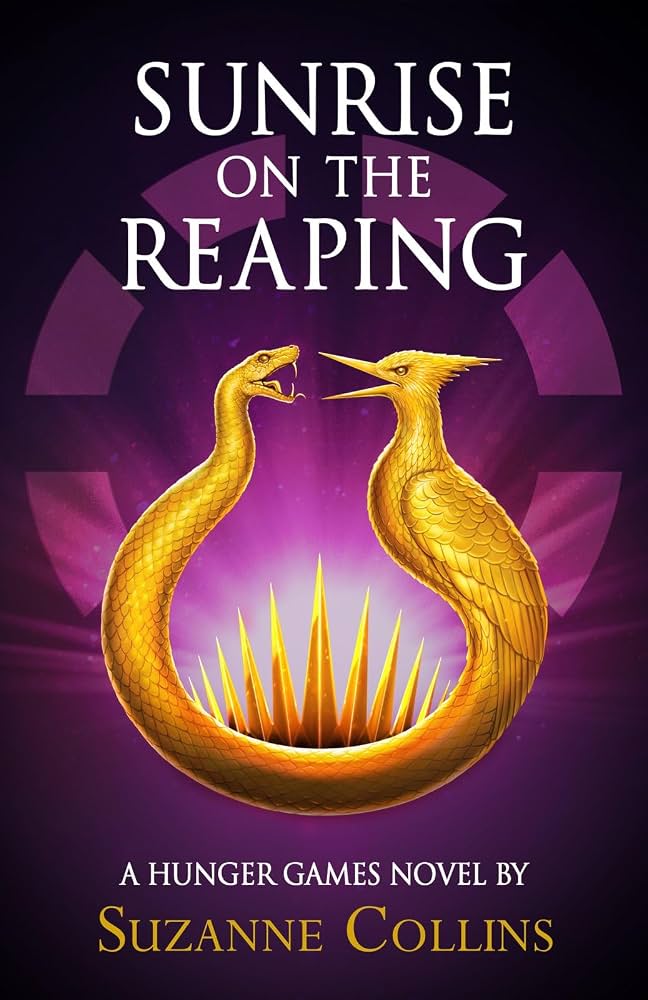
And, okay, I was a year late reading it, but we were gifted with a second prequel, twenty-five years later in the timeline, the 25th games where we first meet the alcoholic mentor Haymitch, Sunrise on the Reaping.
I love Haymitch. I love Woody Harrelson for playing him to perfection. Who the heck wouldn’t be an alcoholic after all that? And to find out you might have to do it again, late in life, when you don’t stand a chance against a 17 year old professional assassin? Yo! Fill my cup!
But for the first time in the series, this book on Haymitch left me wanting.
Sunrise suffers from what I’ve long-called “Muppet Baby Syndrome.” In the original Muppet Show, all the Muppets are adults from different backgrounds, just like people. When the Muppet Movie hit, it explored the origins of all the characters and how they all met and came together to work on The Muppet Show.
Good film. Funny and entertaining for adults, not just kids.
Then came the cartoon Muppet Babies, and suddenly all the Muppets are all together and in the same room as infants (grrr) and no one knows why or how. Many shows have fallen into this trap, where characters are thrown together years before they should be, have always known each other, and everyone who might possibly be a new character knows everyone already, even if the character lines were already set differently. Think of Scooby Doo, with 50 years of genre, and someone now starts a series where the characters were all adopted as newborns in the same family, all at the same time. Star Trek has done this with the Strange New Worlds series. Doesn’t make sense, does it. Sometimes, the stretch is so far, it’s painful.
And that’s what Sunrise on the Reaping does. Districts are districts, large geographic areas, not single towns. It’s like saying all of Appalachia – which spans 13 states – is the size of Bird-In-Hand, Pennsylvania (pop. 537). All of the entire District 12 assembles in one place for the reaping? How do all these poor people get there? Everyone in the village is related, knows everyone, has interbred for generations, even before the war? (Okay, that’s not too far-fetched, very small towns are very like that). Or is only that town lucky enough to be reaped? We really needed to drag in Effie Trinket, 25 years early (she never seemed that old)? Why? Why not someone else? She is the only one who can ever draw names for District 12? They don’t take turns with assignments? And Caesar? Plutarch? Beetee? Mags? It seems suddenly that every character in the last four books is here in this one, too, whether or not they need to belong there, and that hits that painful spot of disbelief. Muppet Baby Syndrome. Instead of introducing us to new characters, and new backgrounds, and new stories, it feels pieced together from all the other bits that we already know. And while I liked some of the new characters, even though you knew they were doomed, I just didn’t have enough feel for Haymitch and his girl to care.
Maybe because the story is tightly locked in by the formula, and “how many ways to kill 24/48 kids can we come up with and still make it fresh?” You can’t. It’s been done. Four times. We know what’s going to happen, and who’s going to live. That’s the way the story must play out. It can’t change, no matter what you try to make different.
Despite it all, I did enjoy it enough. Still love Haymitch. Still love the series. It’s just this book is my least favorite.
Watch for Sunrise on the Reaping in theaters this November 20. View the movie trailer here.
Have you ever had that feeling of dismay when something you believe and love is crushed before your eyes?
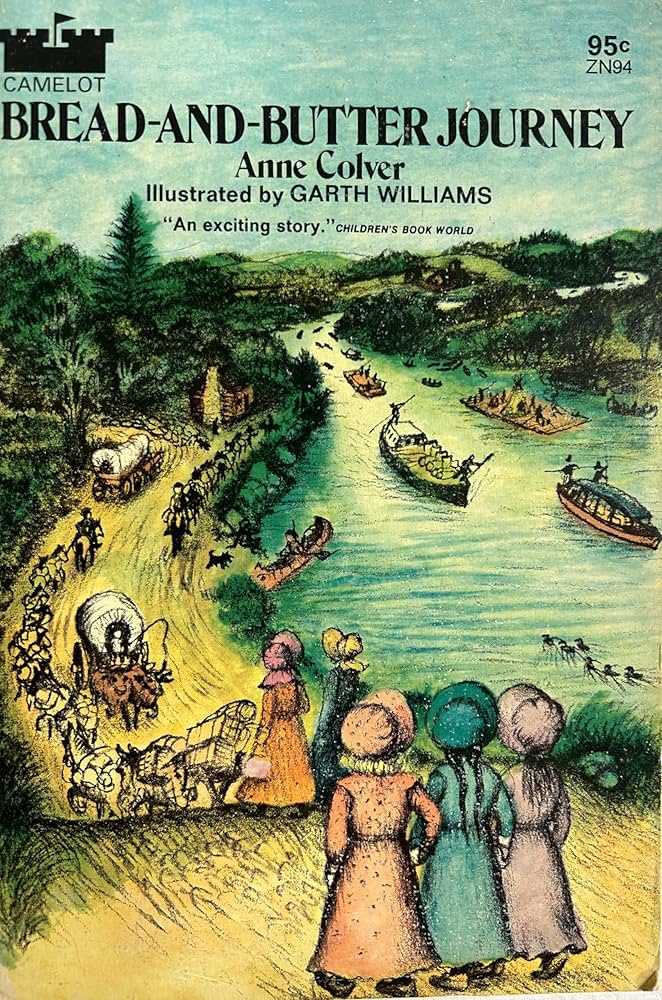
Having finished our last communal reading book, my youngest brought me another book off her shelf to read together, Bread and Butter Journey, by Ann Colver. Printed in 1972, it’s my original Scholastic copy. I loved this book when I was eight, steeped in the hoopla of Little House on the Prairie, from which I sidestepped into B&BJ, Caddie Woodlawn, Let the Hurricane Roar, Anne of Green Gables, and more. The illustrations being done by Garth Williams, of Little House fame, only made it that much dearer. I hadn’t read it in 40+ years, but I hadn’t forgotten the details. I was happy to read it again.
Bread and Butter Journey follows the 1784 travel of young Barbara Blaum (age never given, but somewhere in the 8-10 range) from her home in Pennsylvania to Ohio, where her father and her father’s friend were buying up farmland on the frontier. As in all stories with children, she misses home, misses her father, hates her brother, and in the end learns to love life more than things. Wholesome pioneer reading for the 7-11 crowd, and it’s based on the journals of the real Barbara Baum, the author’s husband’s great-great grandmother. Should be good, right?
But I am not eight anymore, and I’ve studied a lot of college-level history, especially the settling of the west. And the more I read this time, the more horrified I became, crushing my cozy memories. This book was not just historically inaccurate; it barely fit under the term historical at all. I kept stopping cold and explaining the problems to my girls as we went.
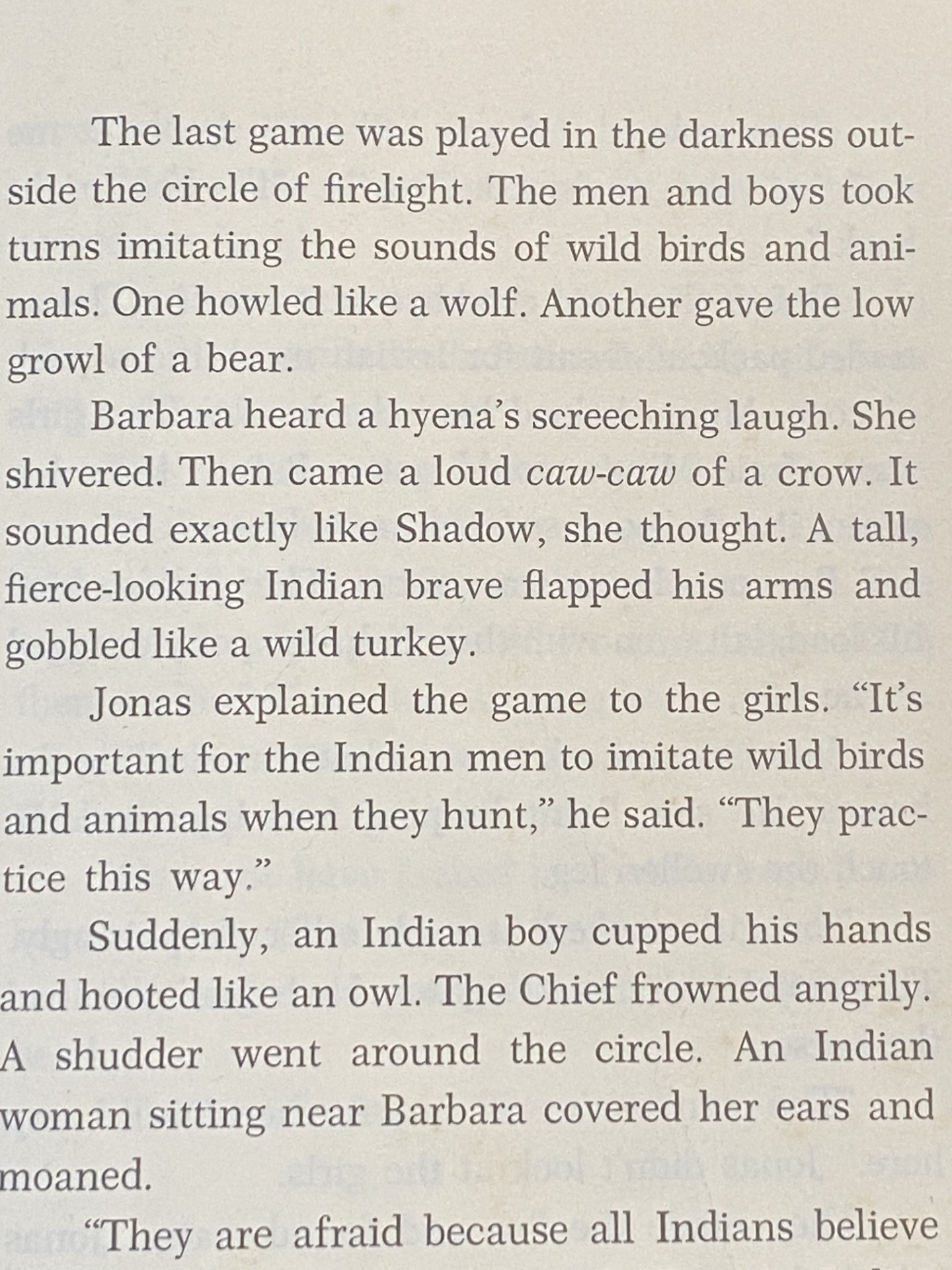
My first question mark arose when they made way on the path for the Pony Express. Hold your horses! This is Pennsylvania, 1784. The Pony Express only ran for 18 months, and the furthest east it went was St. Louis, Missouri – in 1860, 80 years in the future! I burst out laughing when they mentioned hyenas howling in the night. Yes, hyenas. An African animal that I assure you with total faith was not in the wilds of western Pennsylvania in 1784, not even in a zoo, and no one out there had ever known of. Just what was that woman thinking! I will let the idea of putting up fruit preserves slide, even though berries would be out of season (October at least). Canning food wasn’t invented until 1795, and the common Mason jar until the 1860’s. But people had been preserving fruit in jellies by pouring the jelly into pots and “sealing” them with wax or waxed paper since at least the 1500’s, so I don’t believe it, but I’ll allow it as possible. They seem to make bean soup in the matter of an hour, when anyone who’s ever dealt with dried beans (including Laura Ingalls Wilder) knows they must be soaked overnight, and even then, it takes more than an hour to cook them. In addition, it wasn’t legal to settle in the Ohio area until 1787, with the first permanent settlement in 1788. Yes, American Indians (probably Shawnee) had every right to kill anyone encroaching on their land.
Argh. The only thing that was actually right was the state of Pennsylvania existed, and there actually was a Fort Hannahstown in Western Pennsylvania. I was crushed, to say the least. My daughter loved the book anyway, though after treasuring it for so many decades, I’m ready to get rid of it.
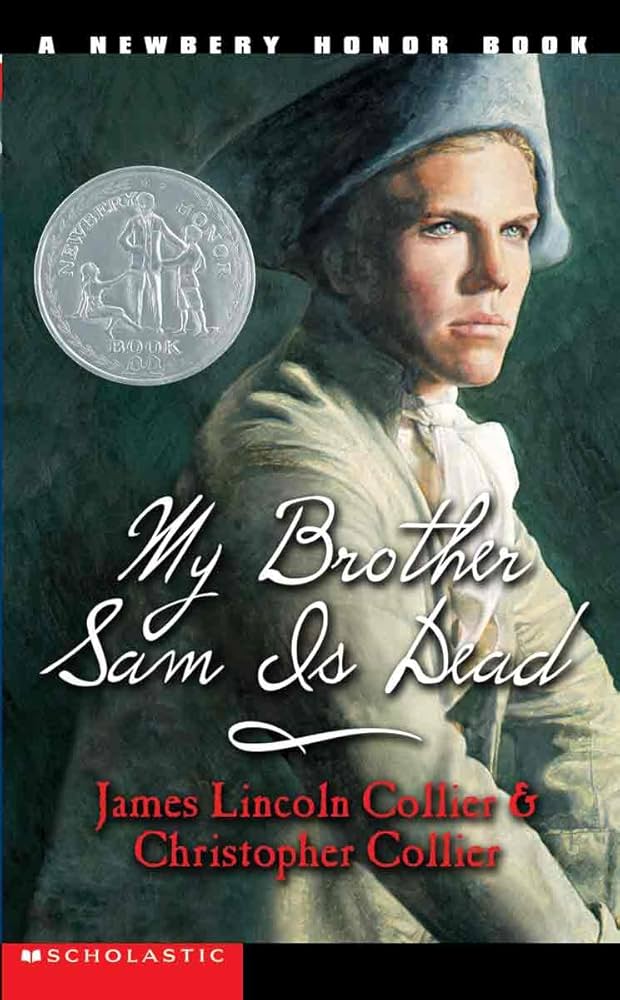
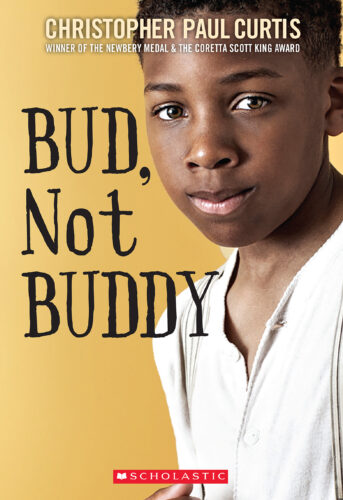
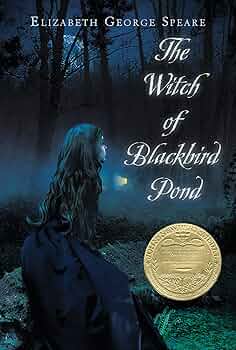
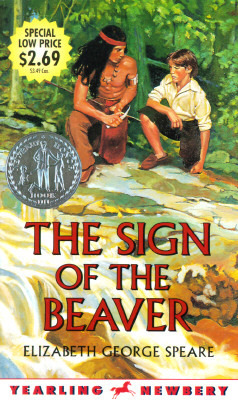
So what books are historically accurate for children? Okay, in 1970 we didn’t have an internet, and research had to be done in libraries or textbooks, by far a lot more time-consuming. There’s no excuse for any inaccuracies today. My favorites have always included My Brother Sam is Dead,by James and Christopher Collier, which won a Newberry in 1975 and takes place in Connecticut during the Revolutionary War. You can actually visit some of the places in the book, and if not the exact place, the towns still exist. Beware that the book is often banned in Southern schools, for including the words “hell,” “damn,” and “bastard.” Rough stuff. Spies on the Devil’s Belt is from the same era, and also takes place on the shoreline of Connecticut.
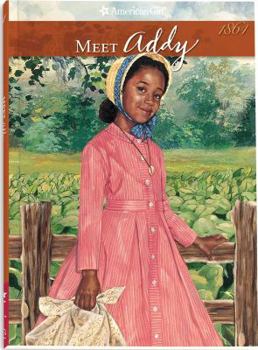
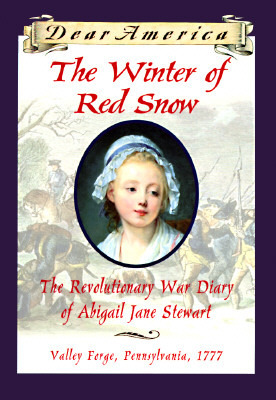
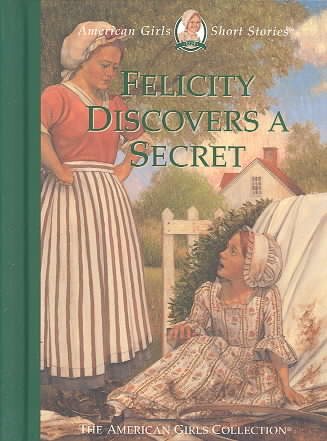
The entireAmerican Girl series, whether or not you want to plop down $150 for each accompanying doll, is praised for its historical accuracy. Covering different cultures and eras, from Kaya, a Nez Perce girl from the mid 1700’s, through Julie, who celebrates Chinese New Year in San Francisco in the 1970’s, the stories will give a good glimpse into what it was like to live in that time period. They’re uncomplicated, and it’s their simplicity and focus that keeps them from falling apart.
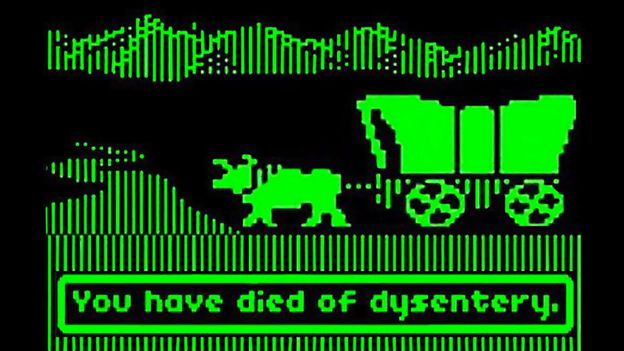
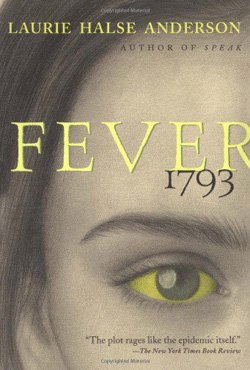
The Little House on the Prairieseries give an excellent view of 1870’s America, by someone who actually lived it. Same with Tom Sawyer or Huck Finn, perfectly accurate because Mark Twain lived them. Laurie Halse Anderson’sFever 1793and Seeds of America trilogy are highly regarded, as well as Number the Stars, by Lois Lowry, which won the 1990 Newberry Medal. Johnny Tremain, another oldie but goodie, still rings true today, despite its 1944 Newberry Medal. If you can find it, the book On to Oregon! by Honoré Willsie Morrow (and made into the movie Seven Alone) tells a mostly true tale of the seven Sager children who are orphaned on the trail from Ohio to Oregon. The children actually do make it all the way on their own (with a newborn) to Marcus Whitman, a real missionary who took in many orphaned children, but the movie (and tie-in novel) ends happily, ignoring the horrific end that awaited several of them during the Whitman massacre just three years later. Another book of their journey is For Ma and Pa: On the Oregon Trail, 1844 (go ahead, cue the game sound. You know you’re going to.).
What we live today is tomorrow’s history. Children may not see or understand the significance of what they live through today, but twenty years from now they will (I’m still not over the Watergate trials preempting my 8 year old TV watching, but I do get the point now). Spark an interest in the past with any of these or other amazing books, but remember, there are – and never were – no wild hyenas roaming Pennsylvania.
Ever.
For hands-on experiences for children, check out Old Sturbridge Village, just over the line in Sturbridge, Massachusetts, or Mystic Seaport, in Mystic, Connecticut (which is somehow farther away than Sturbridge) (discount pass here).
I once, briefly, had beautiful hair. In 2019, tired of the constant maintenance required by my standard-issue short bob, I decided to stop visiting the hairstylist. The Covid lockdowns in 2020 were a convenient excuse to continue the experiment. By the time I had my first child in the summer of 2021, my hair was lustrous, thicker and longer than ever (thanks, pregnancy hormones!), and shot through with cinnamon-brown highlights. On the rare occasions that I washed and dried my hair during maternity leave, I could almost pass for a mildly successful TikTok influencer.
Then, on cue, the postpartum hair loss started. Strands fell out at an alarming rate. Bouts with Covid and daycare-transmitted viral infections caused even more hair loss. I saw parts of my scalp I didn’t know existed. By the time I returned to work from having my second child, my hair resembled Albus Dumbledore’s phoenix, sad and ragged, a dark echo of its former glory (except for the new grays, of course). So, I went to the salon and had them take it all off, snipping and shaving me down until I had a pixie cut. I officially had my Mom Hair. I was in the club. I was no longer subverting gendered expectations, but living the reality of the most gendered expectation of them all.
I’ll spare you the other indignities that come with giving birth to another human being, but know, if you haven’t done it yourself, that they are legion. So are the complex social and emotional changes that happen when you transition to parenthood, and specifically to motherhood. Your whole identity changes overnight. That’s harder to talk about than the stupid hair thing. And the longer I’m mired in the day-to-day reality of being Mama / Mom / Mamba to two young kids, the harder it is for me to remember those changes, let alone articulate it to others. Luckily, there are women out there who have been able to do it. It’s not all beautiful, not like the flower arrangements and the precious handprint art that will be exchanged on Mother’s Day. But they provide an illuminating glimpse into motherhood for those on the outside. If you’re a mom like me, these titles might hit you right where you used to have ab muscles.
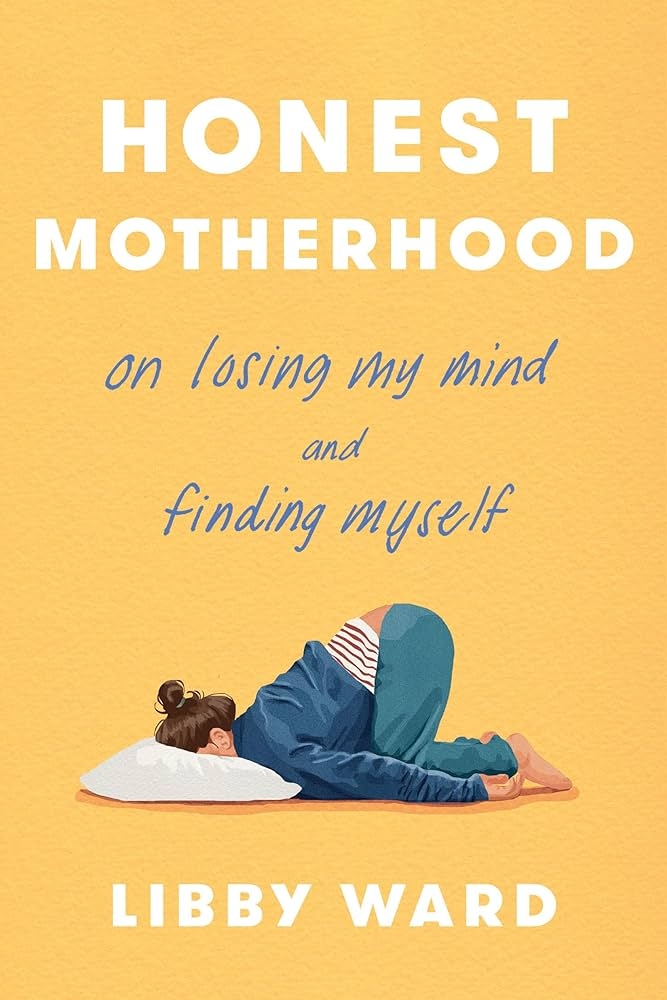
From the publisher: In Honest Motherhood, Libby candidly shares her journey of unlearning the myth of the ideal mother. She dives headfirst into the experiences many mothers have but few feel safe enough to say out loud—the lack of support, the guilt, the invisibility, the cycles they’re breaking, and the fantasies about a hospital stay just to get a flippin’ break. Libby untangles her social conditioning from learned trauma responses and discovers that letting go of unrealistic standards, asking for help, and prioritizing herself aren’t failures—they’re necessities.
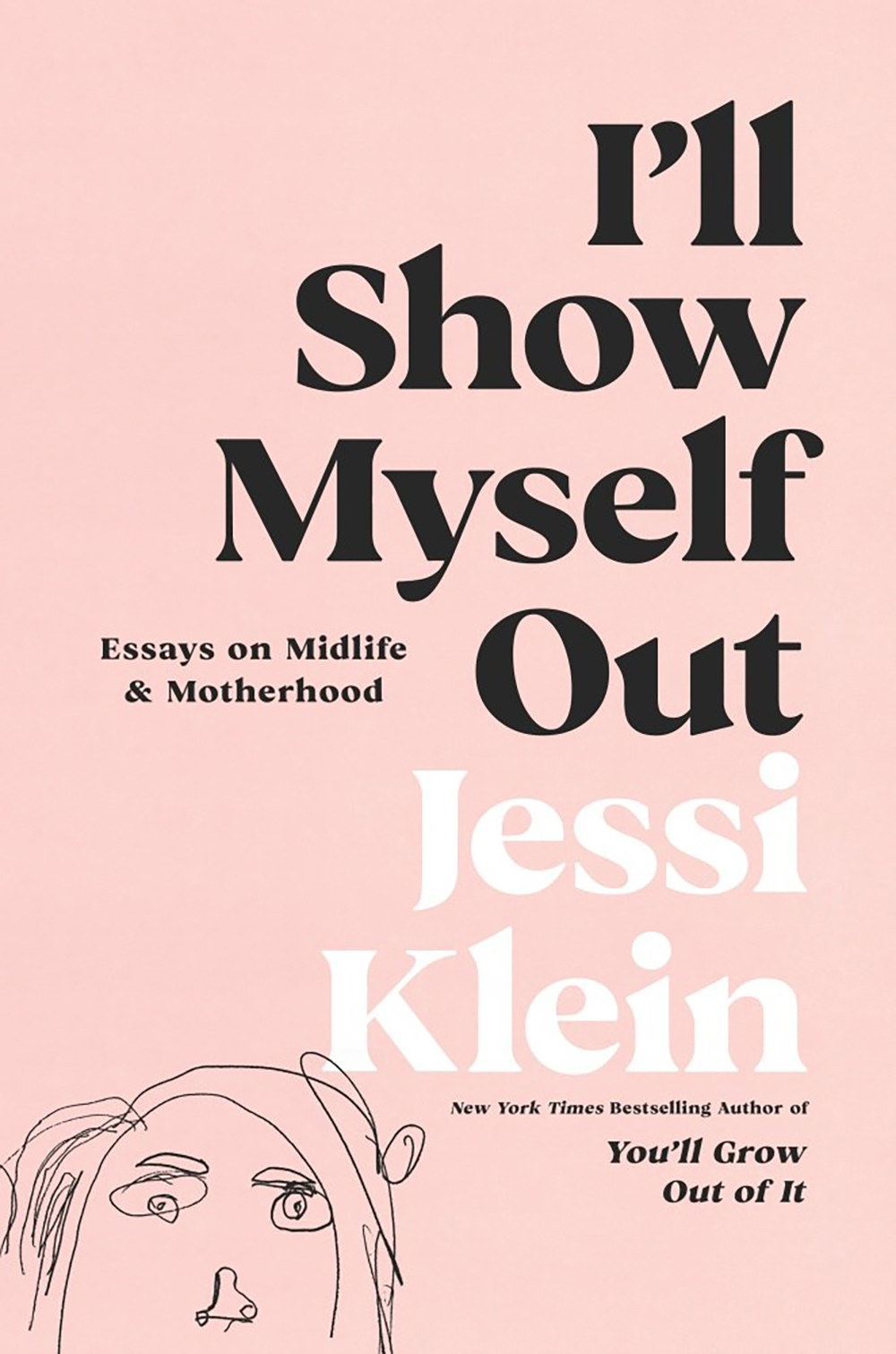
From the publisher: In Emmy Award-winning writer and producer Jessi Klein’s second collection, she hilariously explodes the cultural myths and impossible expectations around motherhood and explores the humiliations, poignancies, and possibilities of midlife. Klein explores this stage of life in all its cruel ironies, joyous moments, and bittersweetness.
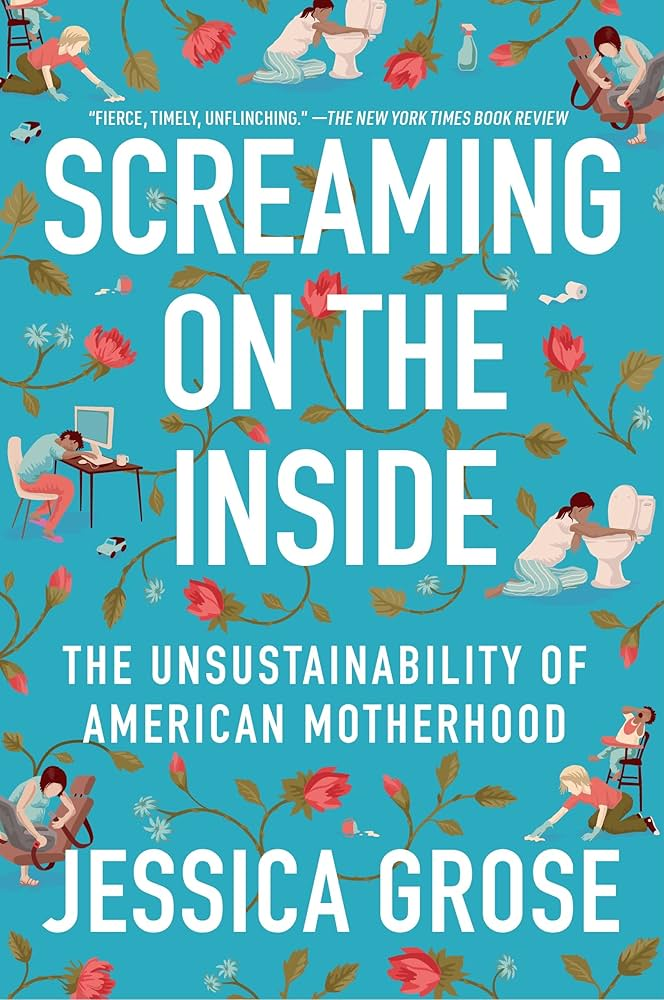
From the publisher: In this timely and necessary book, New York Times opinion writer Jessica Grose dismantles two hundred years of unrealistic parenting expectations and empowers today’s mothers to make choices that actually serve themselves, their children, and their communities.
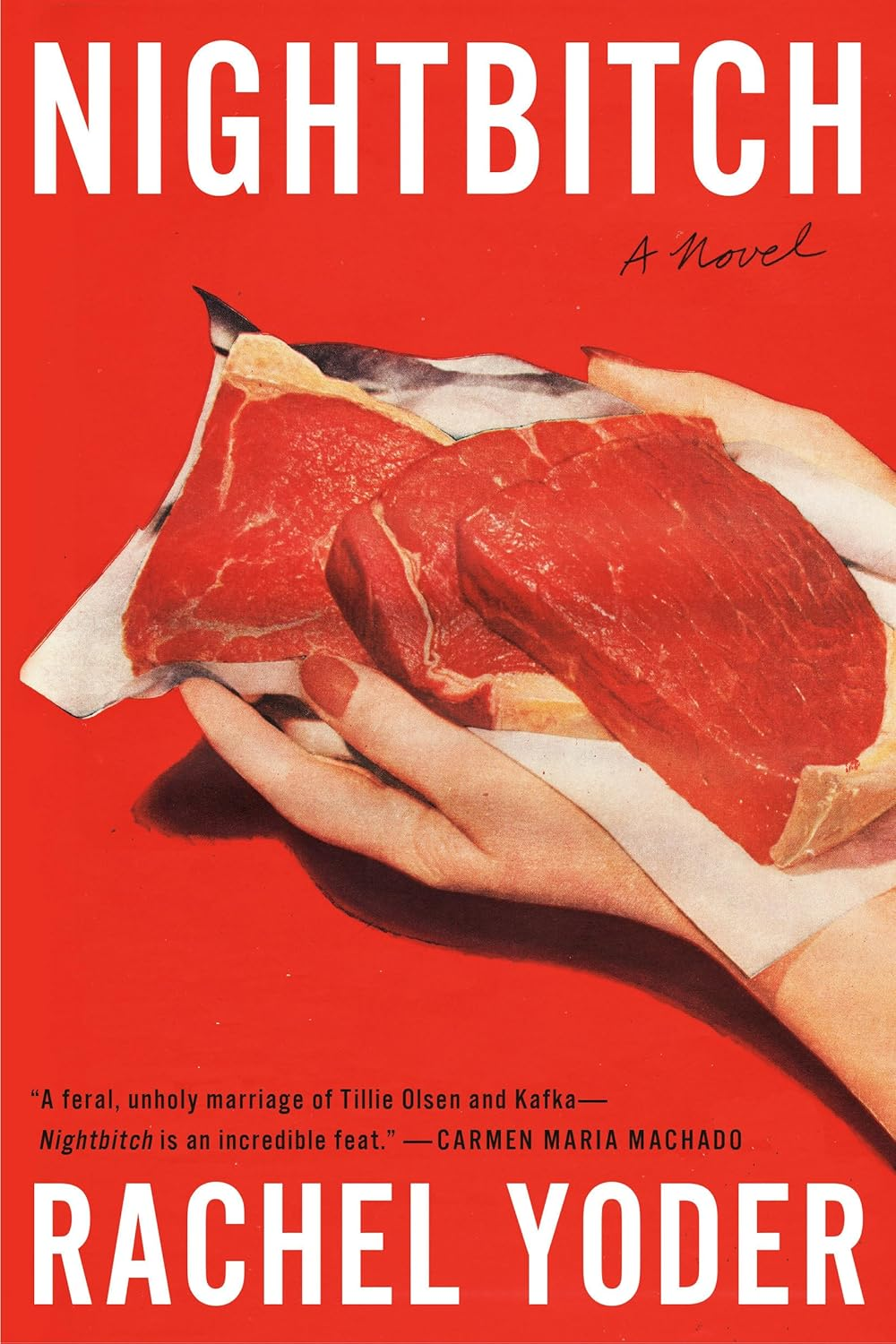
From the publisher: An artist turned stay-at-home mom becomes convinced that she is turning into a dog and, as her symptoms intensify, struggles to keep her alter-canine-identity a secret, until she meets a group of mothers who may also be more than what they seem.
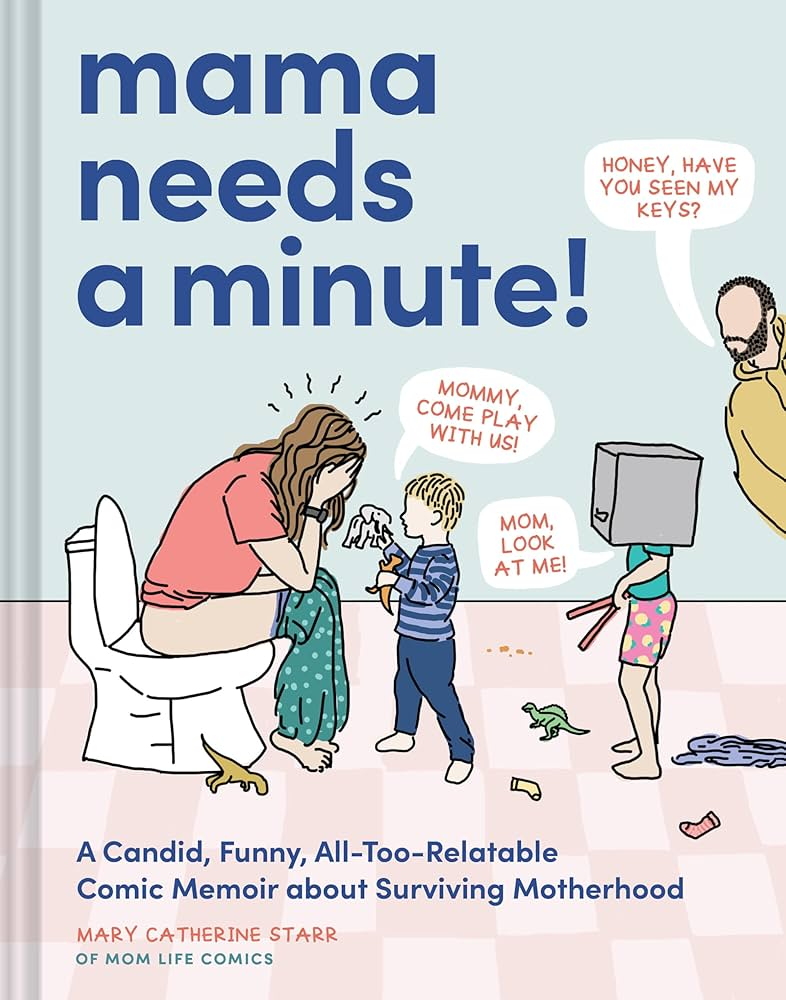
From the publisher: Filled with Starr’s signature wit, warmth, and observational humor, Mama Needs a Minute! tackles all the absurdities of modern motherhood through illuminating anecdotes and delightful illustrations. Whether you’re navigating a hellish sleep regression, wiping sweet potato off the walls, singing your four-thousandth lullaby, or simply hoping to pee without a toddler watching, this honest and irreverent account of motherhood will make you laugh, cry, and feel seen in a way that only a true mom-friend can.
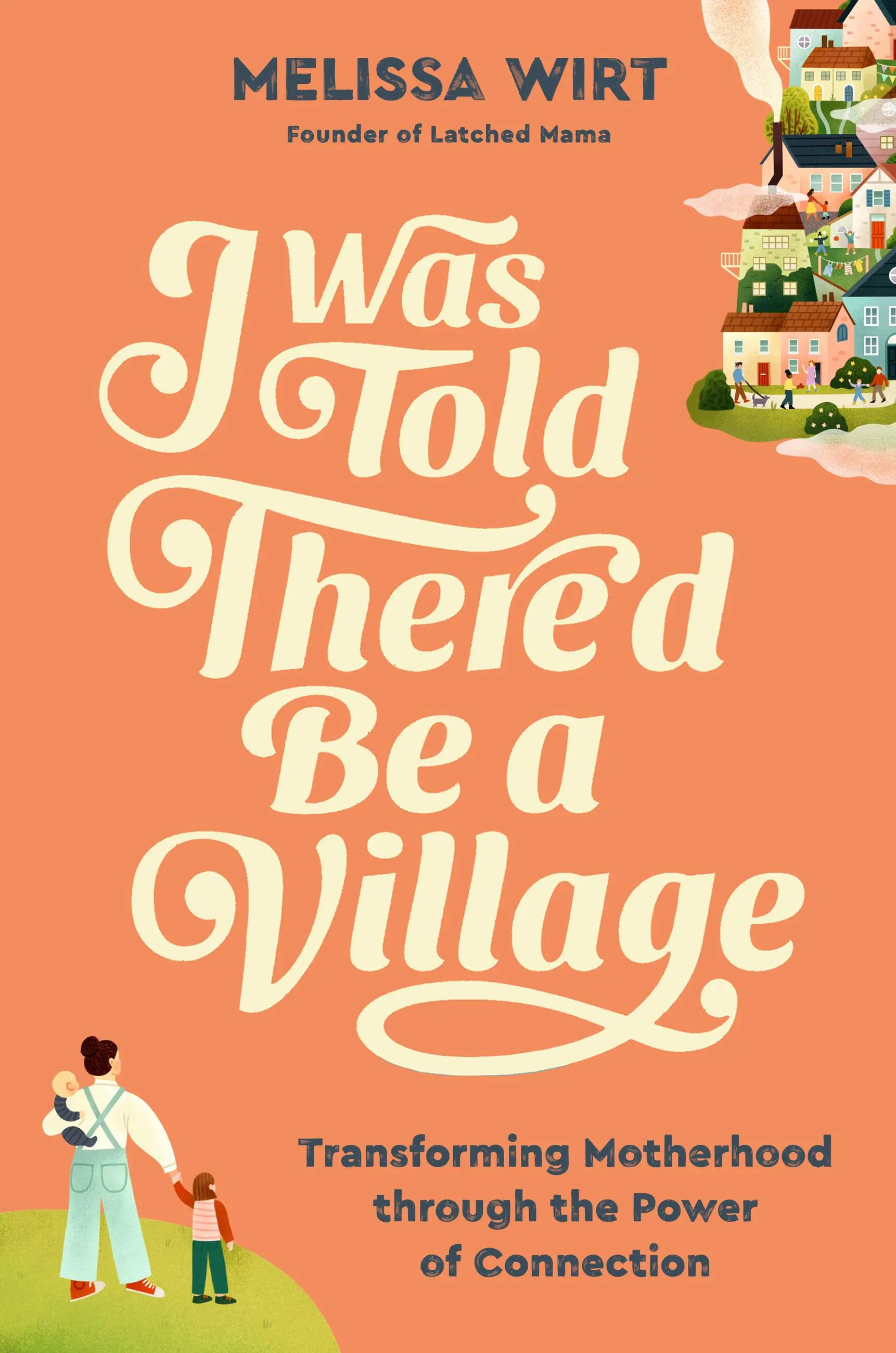
From the publisher: Melissa Wirt thought she had everything-she’d built her own company and moved to a beautiful farm with her family. Then during a personal crisis, she realized: despite having created an online community reaching thousands of moms, she’d also somehow, become utterly isolated. In I Was Told There’d Be a Village, Melissa describes how she began making small changes-leaving behind a damaging Isolation Mindset and developing an advantageous Village Mindset. Using personal anecdotes and stories from moms across the country, this book provides specific, actionable steps to transform oppressive, solitary parenting into a connected, collective (even joyful) endeavor.
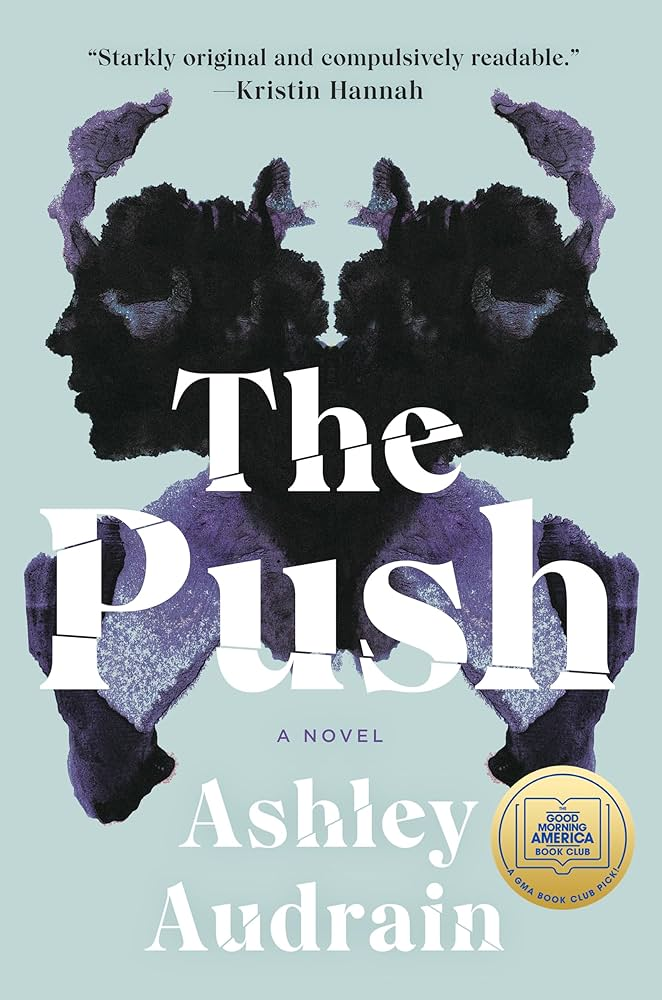
From the publisher: Blythe Connor is determined that she will be the warm, comforting mother to her new baby Violet that she herself never had. But in the thick of motherhood’s exhausting early days, Blythe becomes convinced that something is wrong with her daughter—she doesn’t behave like most children do. Or is it all in Blythe’s head? Her husband, Fox, says she’s imagining things. The more Fox dismisses her fears, the more Blythe begins to question her own sanity, and the more we begin to question what Blythe is telling us about her life as well. Then their son Sam is born—and with him, Blythe has the blissful connection she’d always imagined with her child. Even Violet seems to love her little brother. But when life as they know it is changed in an instant, the devastating fall-out forces Blythe to face the truth.
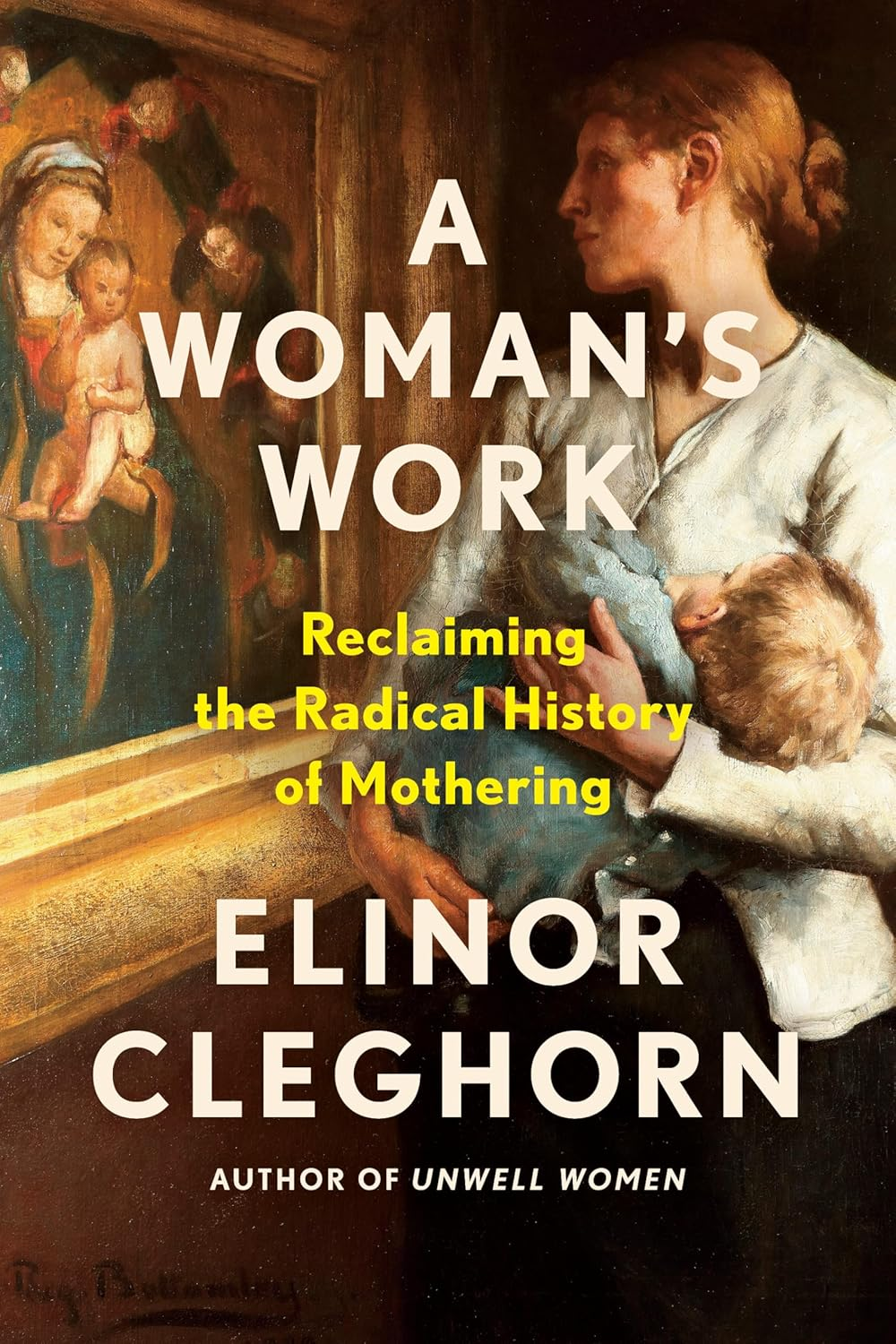
From the publisher: Mothers make history. But what it has meant for mothers to do the physical and emotional work of mothering has, for centuries, been neglected in the stories of the past. Patriarchal control of motherhood has relegated the acts of growing, birthing, nurturing, and loving to the sidelines, and deemed it unimportant, women’s work. Now, through the voices of women themselves, Elinor Cleghorn reclaims and retells the history of motherhood, showcasing the mothers, othermothers, midwives, activists, community leaders, and more who have shaped the course of history.
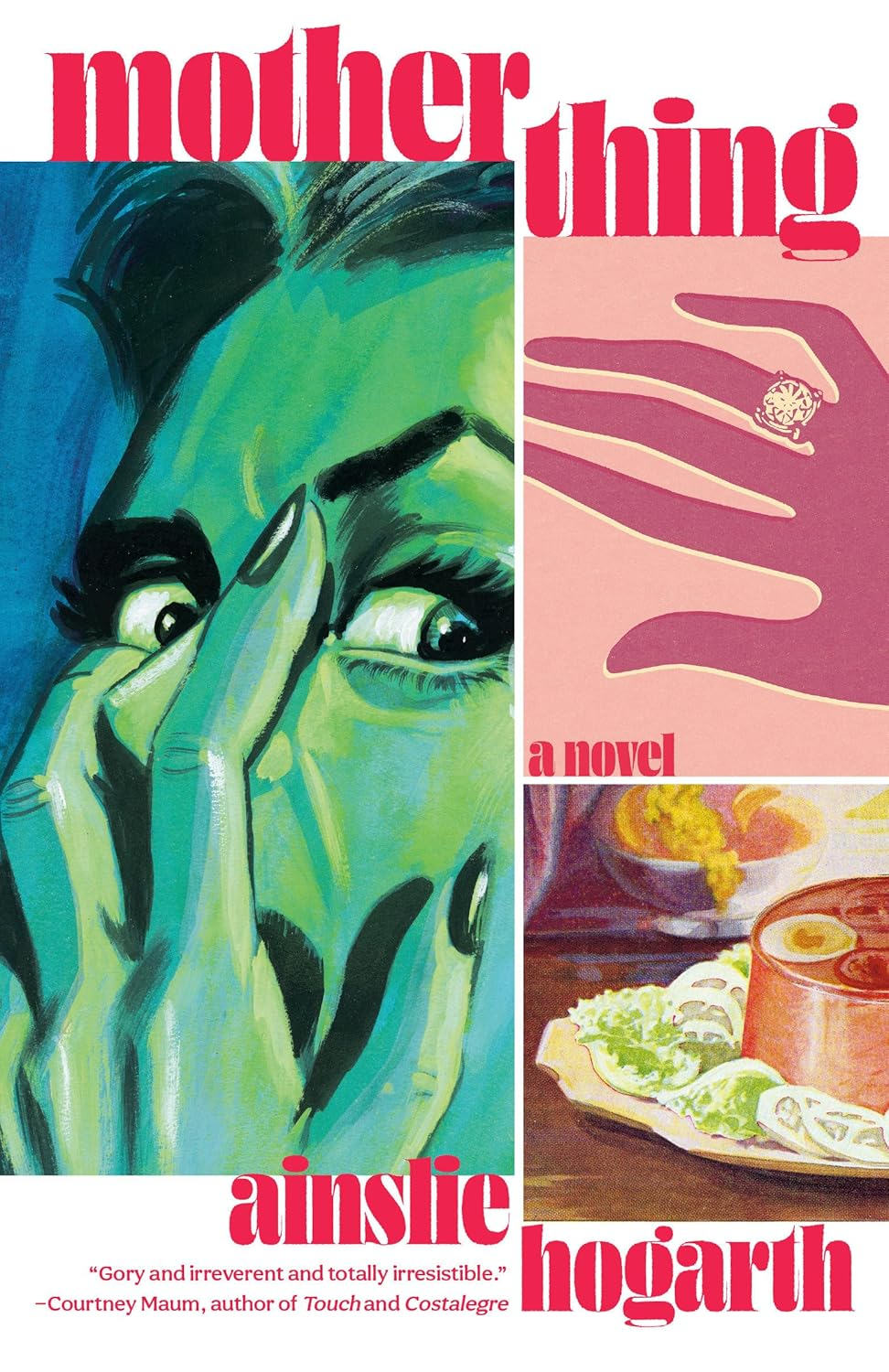
From the publisher: A darkly funny domestic horror novel about a woman who must take drastic measures to save her husband and herself from the vengeful ghost of her mother-in-law. Abby Lamb has done it. She’s found the Great Good in her husband, Ralph, and together they will start a family and put all the darkness in her childhood to rest. But then the Lambs move in with Ralph’s mother, Laura, whose depression has made it impossible for her to live on her own. She’s venomous and cruel, especially to Abby, who has a complicated understanding of motherhood given the way her own, now-estranged, mother raised her. When Laura takes her own life, her ghost starts to haunt Abby and Ralph in very different ways. Ralph is plunged into depression, and Abby is being terrorized by a force intent on taking everything she loves away from her. With everything on the line, Abby must make the ultimate sacrifice in order to prove her adoration to Ralph and break Laura’s hold on the family for good.