Mid-term election day is November 3, and rare is the country where elections are free to all citizens. While I will not discuss a word of American politics, local or national, I do urge you to get out and vote. Your vote DOES matter, even though it doesn’t always seem it. A vote against the eventual winner is still a vote of dissent. Vote as an example for the countries where the general population is not allowed to vote, or there is only one candidate to vote for (North Korea, Haiti, Ethiopia, and Russia), even if you believe your vote won’t win. In Australia, it is mandatory to cast your vote in a national election, and you will be fined for not using your right to vote. They also hold elections on Sundays, when fewer people are working and thus able to vote in person. Most other countries hold weekend elections, and in places like India, voting goes on for several days. In other countries, election day is often a holiday, so everyone is free to get out and vote.
No matter where you fall on the political spectrum, elections are stressful, even if it’s just having to listen to the endless campaign ads every three and a half minutes.
If you’re still vaguely interested in politics, but are feeling stressed over it, here’s a list of books about fictional elections of all sorts, no current politics included, and a couple of politically-oriented classical fiction stories that you should have read in school. If not, now is the perfect time, and no annoying ads included!
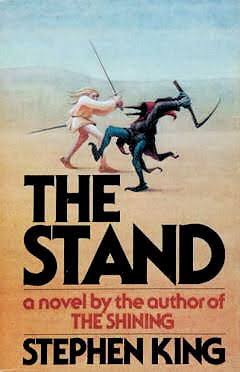
Big, thick books of more than 600 pages, such as Stephen King’s The Stand (823 pages originally, which he padded out to 1100 pages on rerelease), Sarah J. Maas’s A Court of Silver Flames (757),Outlander (850), The Hour I First Believed(768), Shogun (1200), or even Les Misérables (1400 pages. I confess, I didn’t make it past 800. That’s a lot of griping about a loaf of bread) can be considered doorstops, sometimes too big to fit on shelves. Certainly, the bindings on these monsters are not destined for long-life. There are a lot of popular books whose weight will hurt your wrists holding them up.
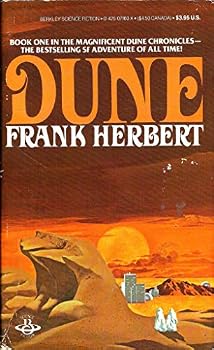
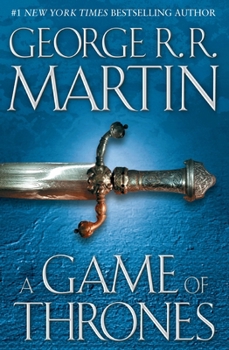
The average book runs around 250-300 pages, or around 80,000 words. Romance and Mystery can run shorter, Science Fiction a bit longer, but Fantasy is the king of long novels, consistently running up tallies beyond James Michener, and usually for the same reasons. Michener researched his novels down to the history of the formation of the tectonic plates that formed the island where his story took place – and that was before the internet. You were going to know exactly what it was like to be in that location, no detail spared. And that is generally true of fantasy novels (and some science fiction. We’re not ignoring you, Dune, at up to 896 pages in some versions) such as the Game of Thrones series (674 pages in the hardcover) and A Memory of Light, of the Wheel of Time series, at 912 pages.
What often separates these novels apart is the need for world building. When an urban romance begins, you, as an inhabitant of the modern Earth world, already understand the location. You’ve seen cars and buses, trucks, trains, maybe a subway, even if only in a movie. You know a jet from a prop plane from a blimp. No one has to describe it for you. You know what a crowded street sounds like, the crush of people pushing past you, the colors of the traffic lights, the enticing smell of a food cart on a cold winter afternoon, the spooked raccoon leaping out of a dumpster. All it takes is a mention (“A rat the size of a pregnant chihuahua dragged a greasy box of KFC down the deserted back alley.”) and you get a picture in your head that is fairly accurate to what the author imagined.
If you’re inventing a strange new world, whether it’s an alien land with orange skies and eight-legged monsters and a generational spaceship besieged by radiation and a twenty-year old 404 error, or a land of wizards and dragons and three-headed talking sheep, and a castle that can only be seen at midnight when a full moon lands on a Tuesday and it’s being besieged by green-skinned gnomes, then the author has to spend an inordinate amount of time teaching you to imagine this place, and how to make sense of it.
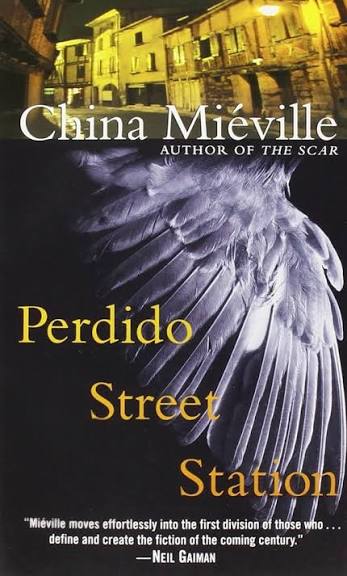
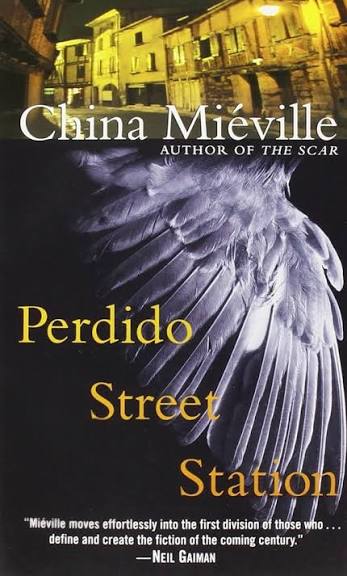
Which brings me to my latest read, the fantasy novel Perdido Street Station, a 700-page monster by China Miéville. Miéville hasn’t met a 12-letter word he can’t use in a sentence, no matter how highbrow and obscure it may be to the average reader – I’m not talking words like unconditionally, but thaumaturgy and ululating and palimpsest. Now, ululating may be the exact word you need, that undulating whoop given to Native Americans and Arabic people in movies, but using a rare word six times in one book doesn’t feel right. Despite that, the novel is sublime: extremely imaginative, walking the line between fantasy, steam punk, and horror, with fantastical creatures at every turn of the page. The story is long and involved, with twists and turns that may take a while to play out, leaving you just intrigued enough to keep reading. I liked it far more than The Difference Engine by William Gibson, which came so highly recommended.
I repeat, it was an entertaining novel, with an unexpected and satisfying ending.
But it makes me think, when is enough enough? How much detail do we really need to be immersed in a setting? Miéville spares no detail in creating his world, right down to a map of his city, which the reader will reference often because he rattles off at least one neighborhood or train stop per page, as if the reader already knows the layout. Once or twice to give me a feel, fine, but do I really need to know the history of each neighborhood? Does the economic collapse of a neighborhood and the board by board building of the resultant slum really have a bearing on the story? I get it, it’s half human, half insect, but I’m losing track of head legs, human legs, and strange body parts. It’s nice to have details, but when do details begin to bog down a story, rather than elevate it? How much detail do we really need? The scattered Fremen words in Dune give the book flavor, and there’s enough of them that it comes with a dictionary in the back, but you can skip a lot of the words and still follow the story. Tolkien’s Elvish poetry in Lord of the Rings is beautiful, emphasizes the emotional depth of the ethereal elves, but you will lose no part of the story if you skip over them. Is it worth spending 200 pages of a book investing in a detailed character, only to have them die on page 300, but the story’s only half over? (Sit down, Game of Thrones. We learned not to invest after the first three characters died.)
An author’s world in their head is far more detailed than ever makes it to paper – sometimes. King’s The Stand is long, but there are several substories going on, and not one of them can be pulled out without affecting the story. Game of Thrones has so many stories going on that some characters are absent from entire volumes because there was no way to fit them in and keep it under 2,000 pages. Ayn Rand left no thought unspoken in Atlas Shrugged, at 1100 pages. Is that all you had to say, Ayn?
What’s the longest book you’ve read? Do you know a book that bogged down in so much detail you gave up? If you like imaginative steampunkish fantasy, give Perdido Street Station a try, but you’re going to need that renewal. Let us know what you think!
“Joseph was an elderly, nay, an old man, very old, perhaps, though hale and sinewy. “The Lord help us!” he soliloquised in an undertone of peevish displeasure, while relieving me of my horse: looking, meantime, in my face so sourly that I charitably conjectured he must have need of divine aid to digest his dinner, and his pious ejaculation had no reference to my unexpected advent.” – Wuthering Heights (it’s not just fantasy novels)
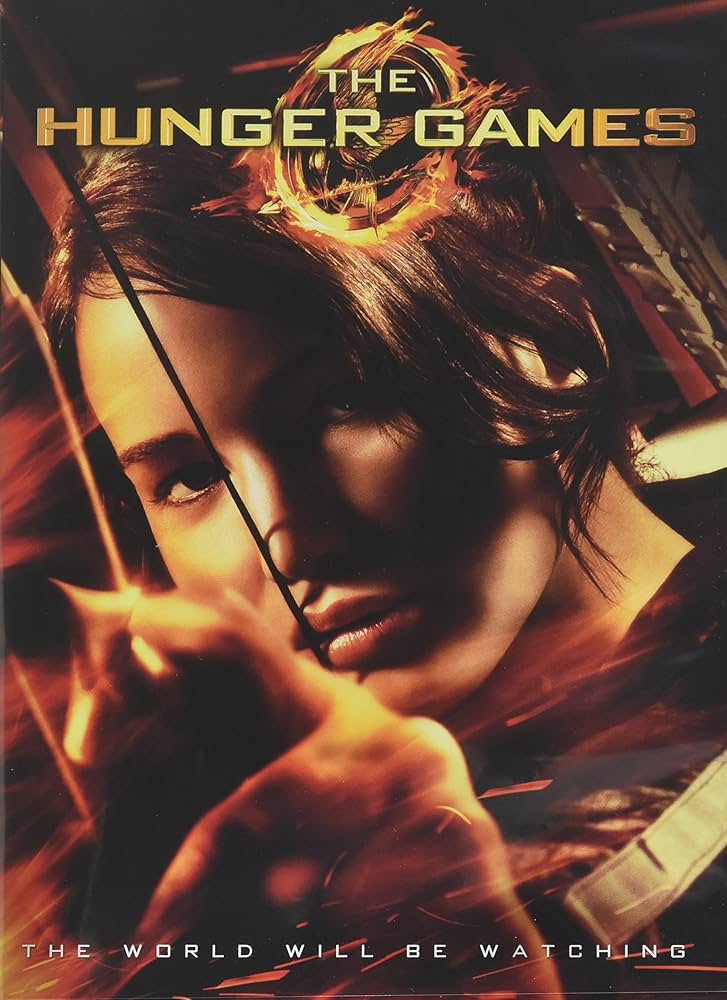
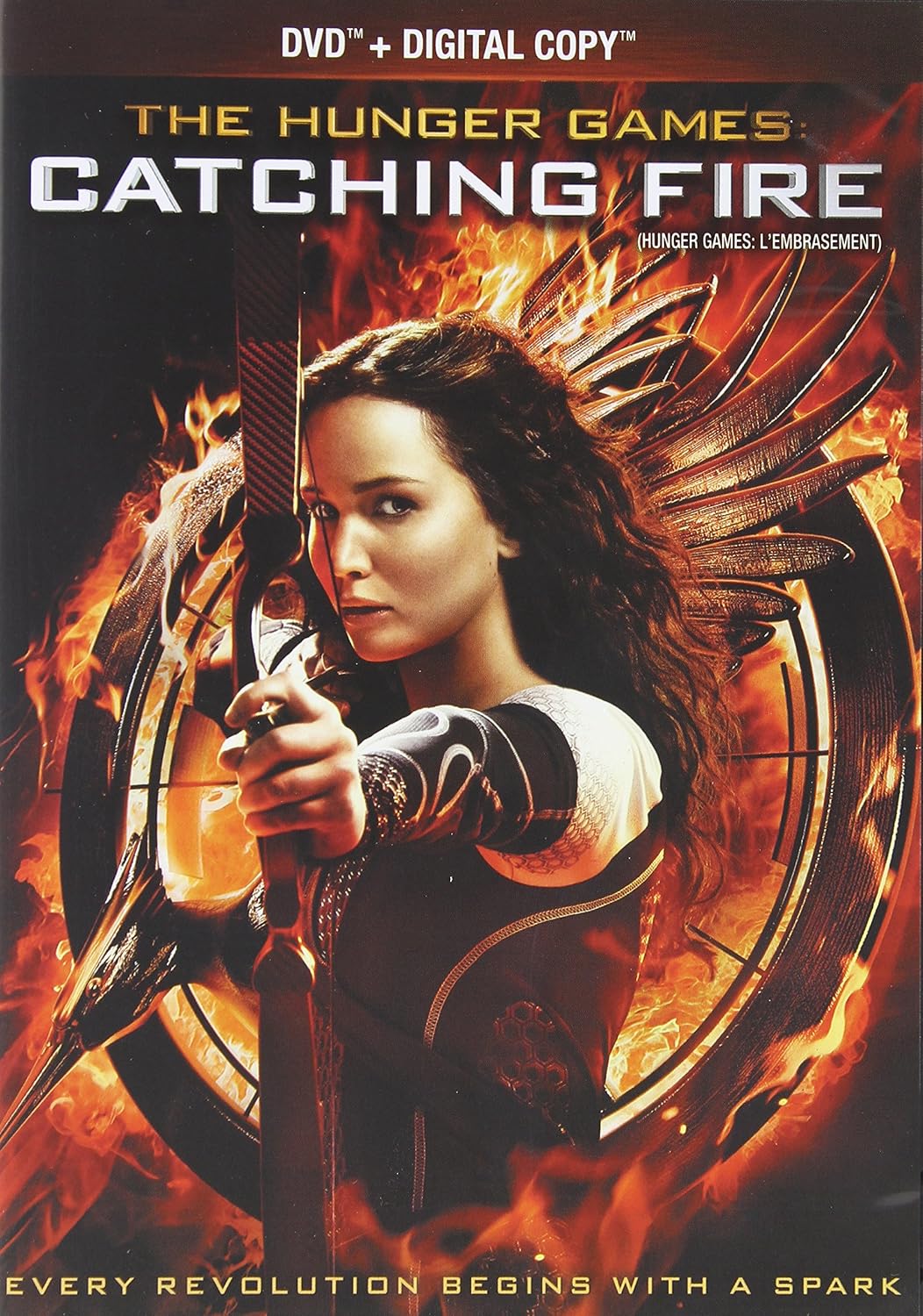
I love theHunger Games series. I love a good action story, and Hunger Games delivers.
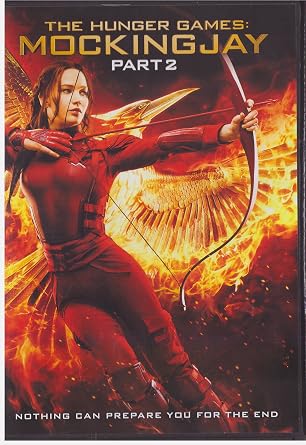
Like anything else, I did read the books before seeing the films, and I do feel the films have a slight advantage (except for Mockingjay – it’s nice you made it into two parts, but seriously, you didn’t need to). The films, being visual, cut any bloat that might have been lurking. I love them. I love the casting, I love the cinematography, I love the creative storyline. Any story that can make me love and hate a character at the same time is a pretty good story.
I can’t decide which is my favorite – there’s so much to love about all of them. It’s hard to make a sequel as good as an original – and we can all think of sequels that shouldn’t be spoken of in polite company (ahem, Highlander 2, Frozen 2, Caddyshack 2, Jaws 2, Godfather 3, Star Trek 5, etc) – and few franchises can pull it off – Harry Potterand the Chamber of Secrets and Empire Strikes Back being two of them. Hunger Games does, driving home the horror and mental devastation with unrelenting drumbeats.
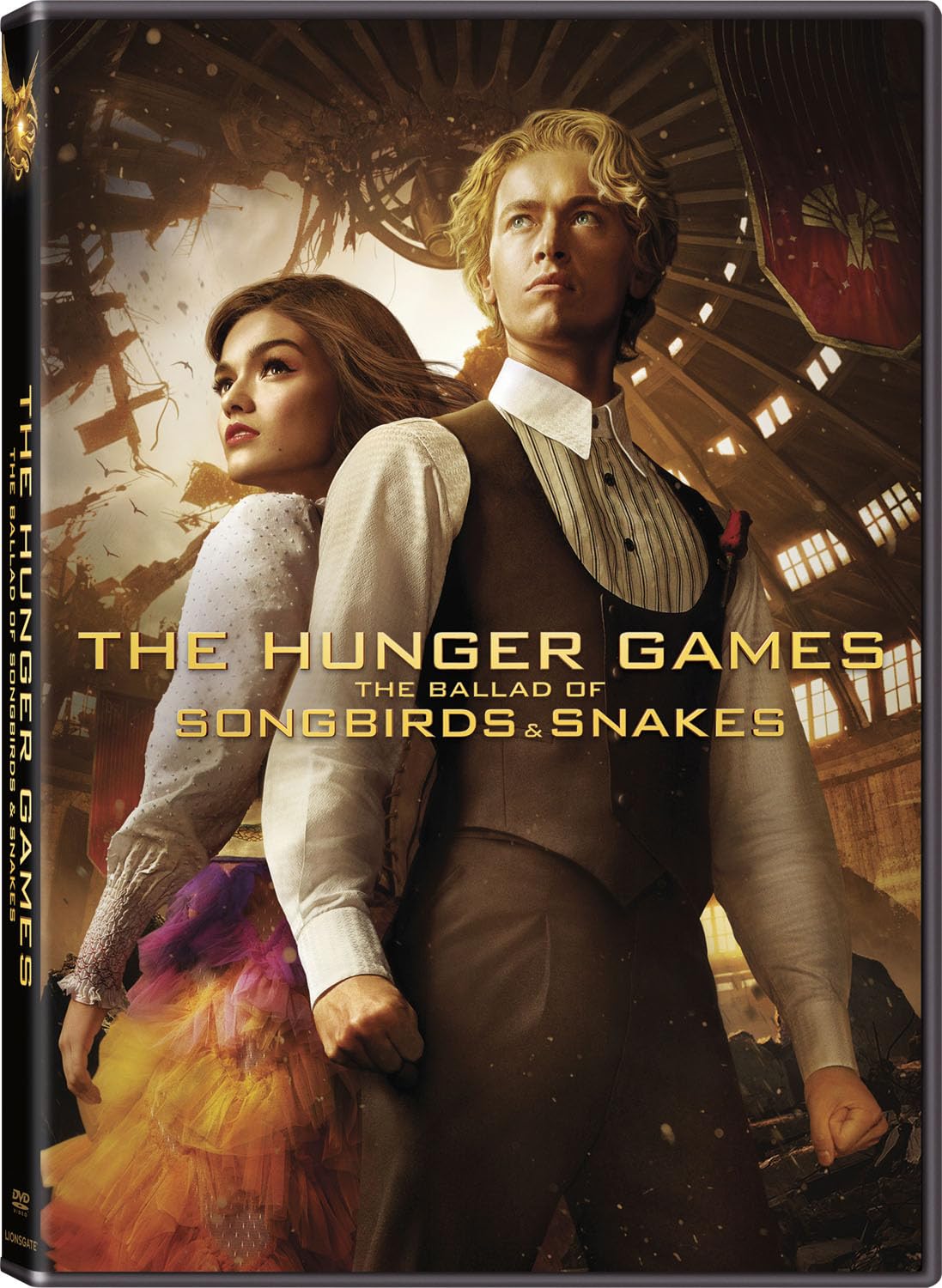
Prequels in general are easier to write (we won’t talk about Star Wars), because you generally know what came before and how it winds up. You’re just filling in the details between A and C. I’m sure Collins had a lot of the backstory written – or at least roughed out, before writing the Hunger Games prequel, Ballad of Songbirds and Snakes, a title that works perfectly on many levels. This volume, too, I adored, drawing me into the characters. Even so, I felt this was the most bloated of the series, and I couldn’t always track the action in my head. The movie fixed that gloriously. As always, the original folk music is just the icing on the cake.
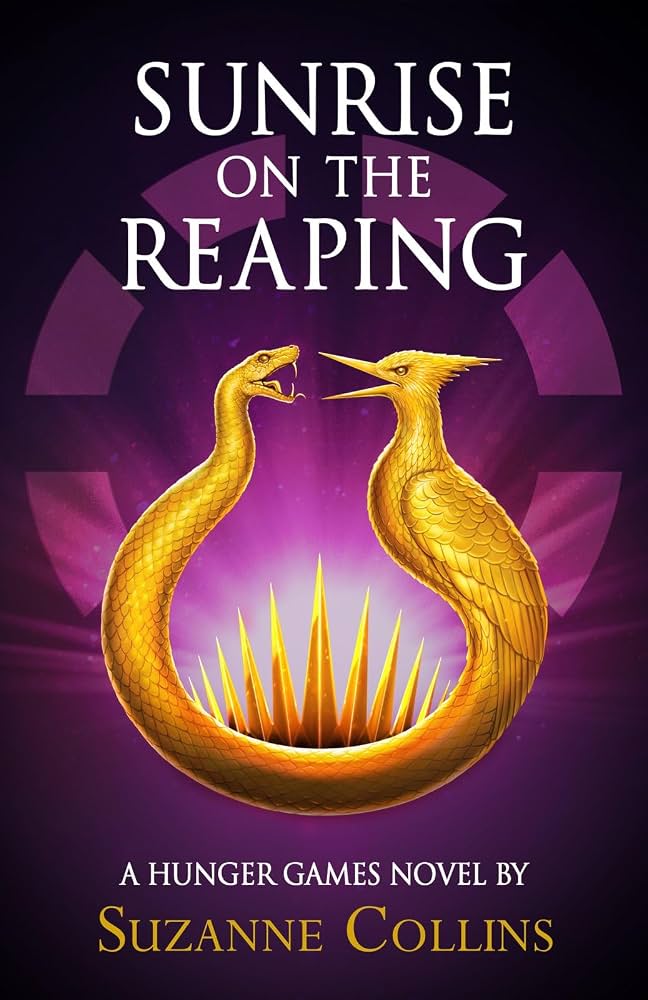
And, okay, I was a year late reading it, but we were gifted with a second prequel, twenty-five years later in the timeline, the 25th games where we first meet the alcoholic mentor Haymitch, Sunrise on the Reaping.
I love Haymitch. I love Woody Harrelson for playing him to perfection. Who the heck wouldn’t be an alcoholic after all that? And to find out you might have to do it again, late in life, when you don’t stand a chance against a 17 year old professional assassin? Yo! Fill my cup!
But for the first time in the series, this book on Haymitch left me wanting.
Sunrise suffers from what I’ve long-called “Muppet Baby Syndrome.” In the original Muppet Show, all the Muppets are adults from different backgrounds, just like people. When the Muppet Movie hit, it explored the origins of all the characters and how they all met and came together to work on The Muppet Show.
Good film. Funny and entertaining for adults, not just kids.
Then came the cartoon Muppet Babies, and suddenly all the Muppets are all together and in the same room as infants (grrr) and no one knows why or how. Many shows have fallen into this trap, where characters are thrown together years before they should be, have always known each other, and everyone who might possibly be a new character knows everyone already, even if the character lines were already set differently. Think of Scooby Doo, with 50 years of genre, and someone now starts a series where the characters were all adopted as newborns in the same family, all at the same time. Star Trek has done this with the Strange New Worlds series. Doesn’t make sense, does it. Sometimes, the stretch is so far, it’s painful.
And that’s what Sunrise on the Reaping does. Districts are districts, large geographic areas, not single towns. It’s like saying all of Appalachia – which spans 13 states – is the size of Bird-In-Hand, Pennsylvania (pop. 537). All of the entire District 12 assembles in one place for the reaping? How do all these poor people get there? Everyone in the village is related, knows everyone, has interbred for generations, even before the war? (Okay, that’s not too far-fetched, very small towns are very like that). Or is only that town lucky enough to be reaped? We really needed to drag in Effie Trinket, 25 years early (she never seemed that old)? Why? Why not someone else? She is the only one who can ever draw names for District 12? They don’t take turns with assignments? And Caesar? Plutarch? Beetee? Mags? It seems suddenly that every character in the last four books is here in this one, too, whether or not they need to belong there, and that hits that painful spot of disbelief. Muppet Baby Syndrome. Instead of introducing us to new characters, and new backgrounds, and new stories, it feels pieced together from all the other bits that we already know. And while I liked some of the new characters, even though you knew they were doomed, I just didn’t have enough feel for Haymitch and his girl to care.
Maybe because the story is tightly locked in by the formula, and “how many ways to kill 24/48 kids can we come up with and still make it fresh?” You can’t. It’s been done. Four times. We know what’s going to happen, and who’s going to live. That’s the way the story must play out. It can’t change, no matter what you try to make different.
Despite it all, I did enjoy it enough. Still love Haymitch. Still love the series. It’s just this book is my least favorite.
Watch for Sunrise on the Reaping in theaters this November 20. View the movie trailer here.
We’re continuing our look at global conflict with books about the Israel-Hamas war, which started in October 2023. As it stands in late May 2026, the military leader of Hamas was just killed in an airstrike, despite the ceasefire that’s been in place since October 2025. Israel and Hamas have both been accused of committing war crimes, and numerous international organizations and sovereign states have recognized Israel’s military actions as genocide. It’s too early to tell when or how the war will resolve.
As I said in my post about the war in Iran, I am a terrible historian and an even worse geopolitical expert, but I am a librarian who can find contextual works by experts and firsthand narratives by those whose lives are directly affected by these conflicts. I’ve compiled as many different perspectives as possible. Some perspectives may not exist in printed book format, or they haven’t been translated into English. If you know of an informative resource that’s not on the list, please feel free to leave a comment so other readers can find it!
Before the War
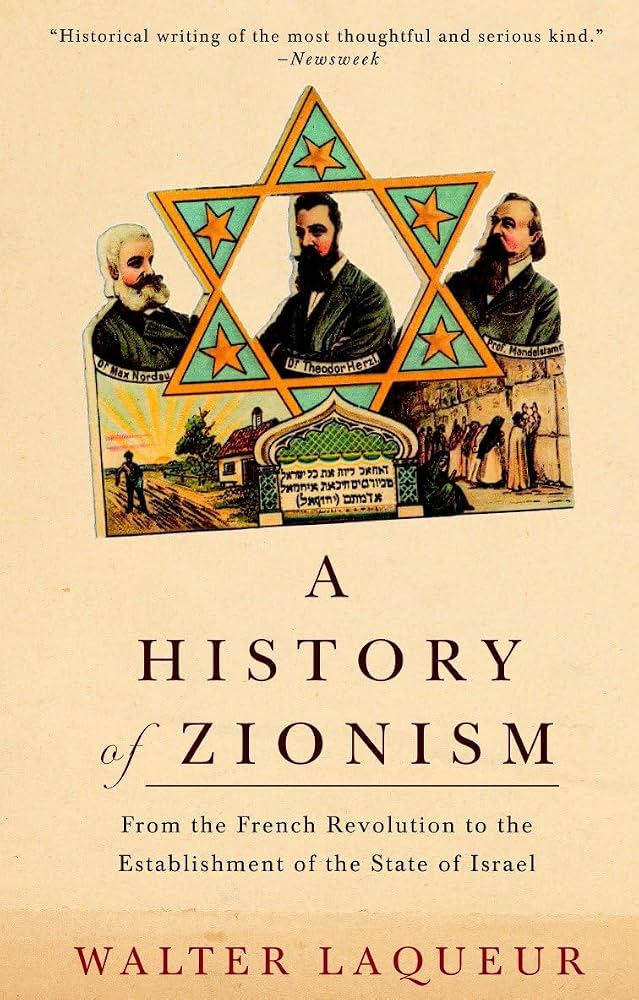
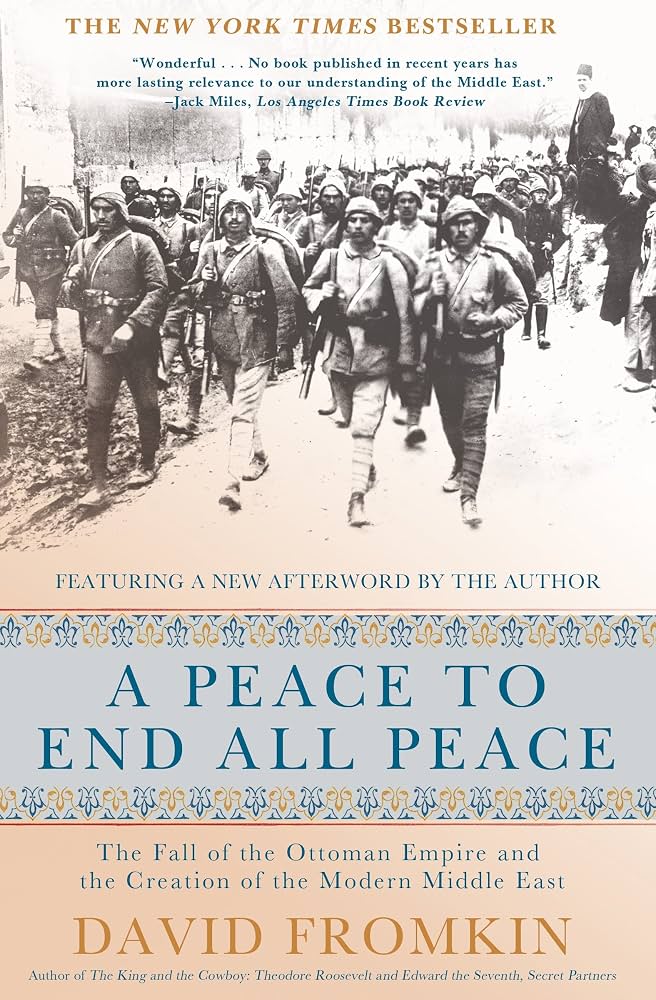
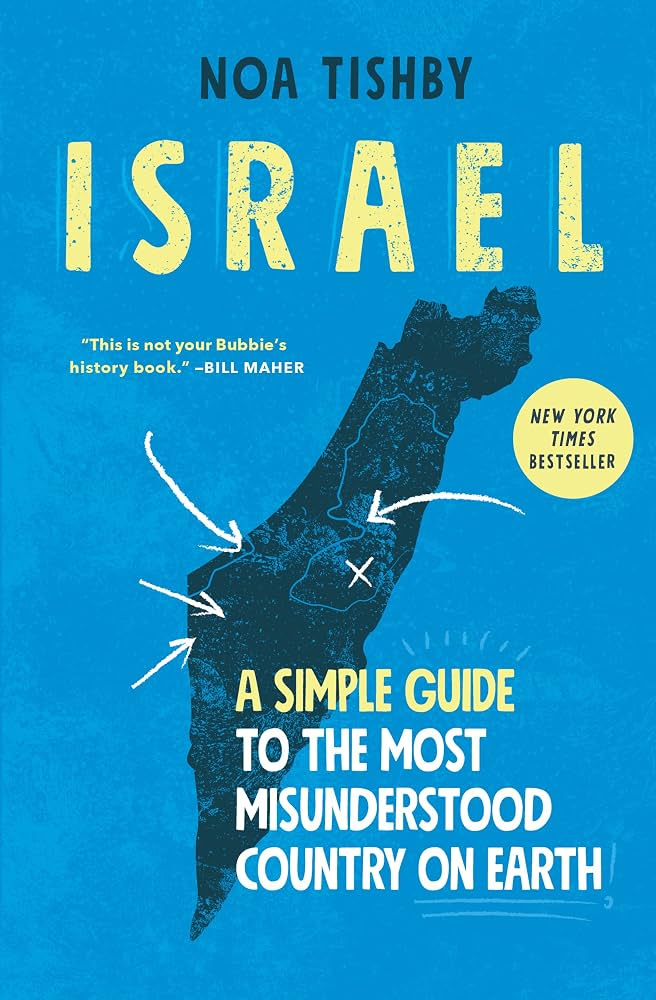
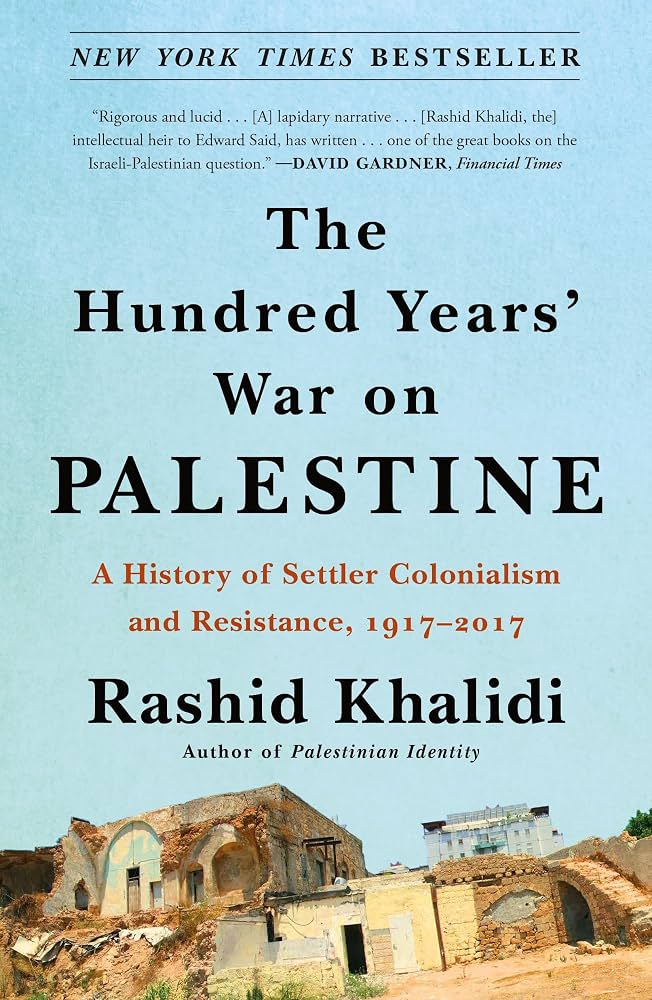
We have no shortage of books dedicated to the current Israel-Hamas conflict. However, if you want to go way back in history before Israel was even a state, try A History of Zionism by Walter Laqueur. Originally published in 1972, Laqueur covers the philosophical development of Zionism, touching on figures like Benjamin Disraeli, Moses Hess, and Theodor Herzl. For a more political context, there’s David Fromkin’s A Peace to End All Peace (1989). It’s a great read on how the modern Middle East was created in the wake of World War I and the dismantling of the Ottoman Empire – and how those new borders set the stage for many conflicts that followed. And if you’re looking for a quicker and less academic read, you could try Israel: A Simple Guide to the Most Misunderstood Country on Earth by Noa Tishby (2021).
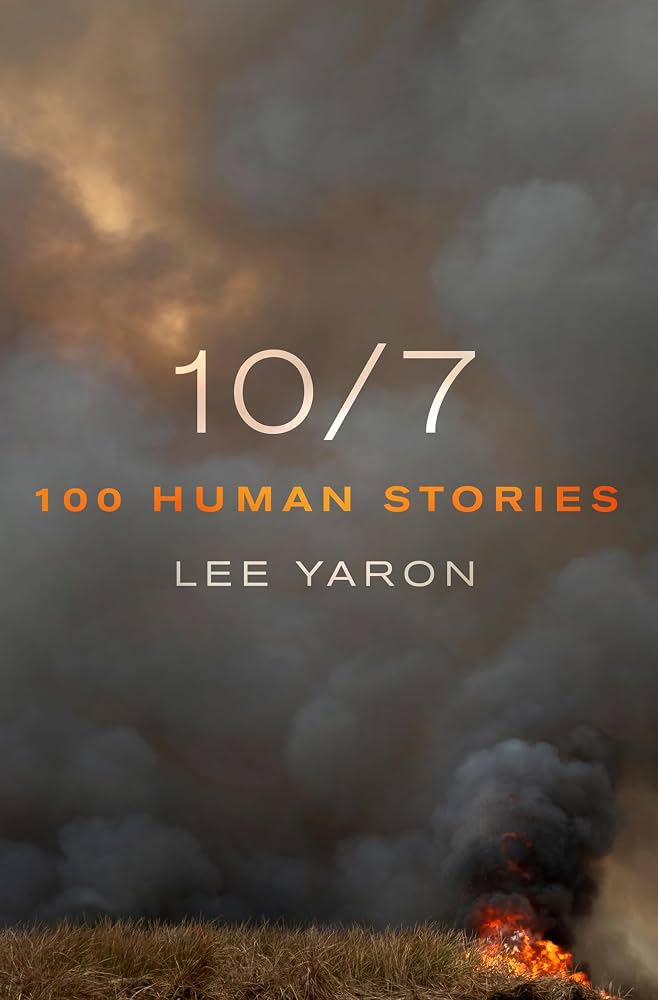
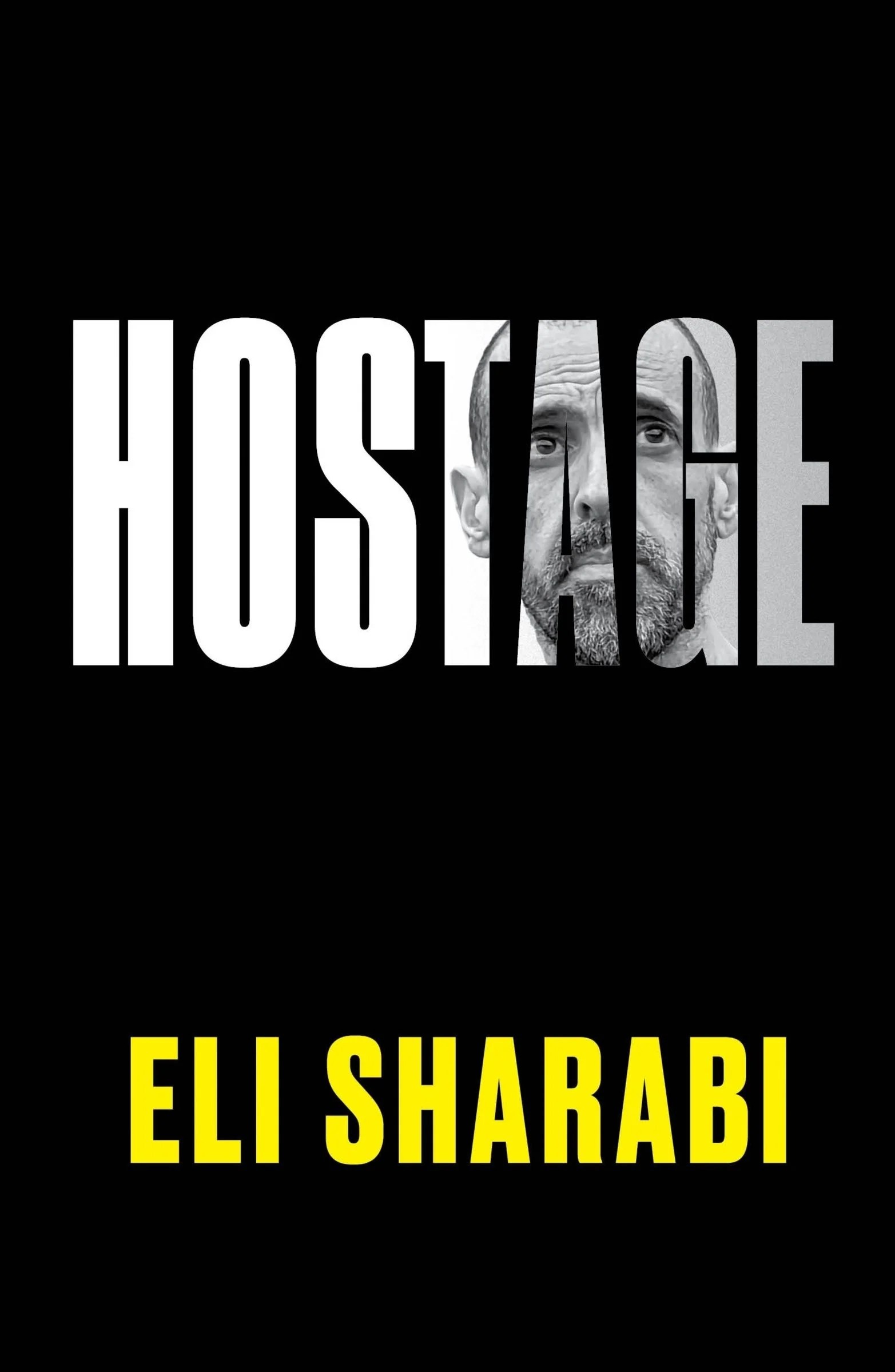
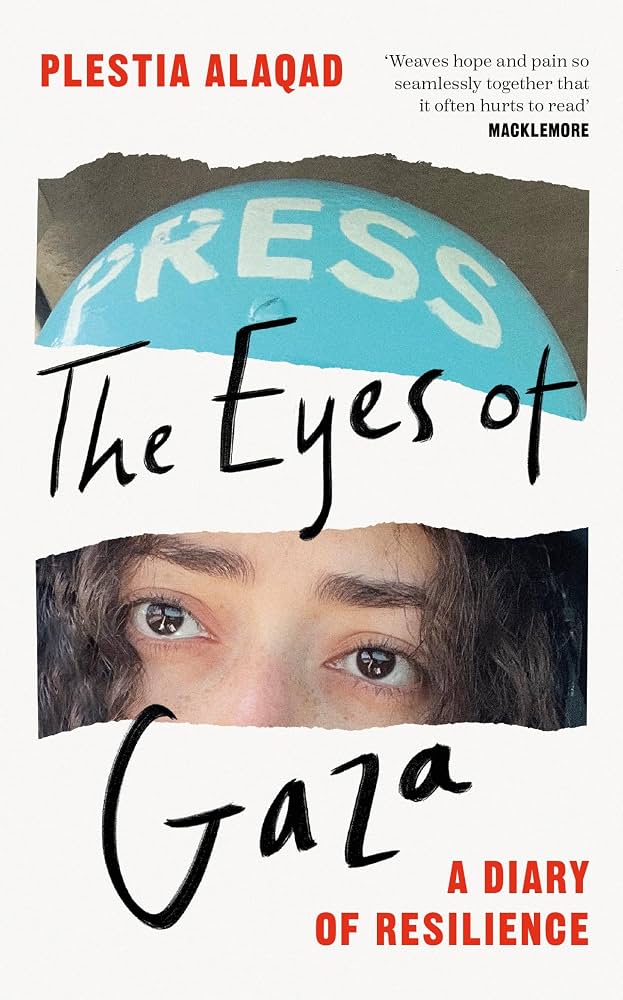
For firsthand accounts of the war, give a try to Hostage by Eli Sharabi (2025) and 10/7: 100 Human Stories by Lee Yaron (2024). Both of these books cover the Israeli side of the October 7, 2023 attacks. Meanwhile, The Eyes of Gaza: A Diary of Resilience by Plestia Alaqad (2025) recounts what happened in Gaza in the immediate aftermath of those attacks.
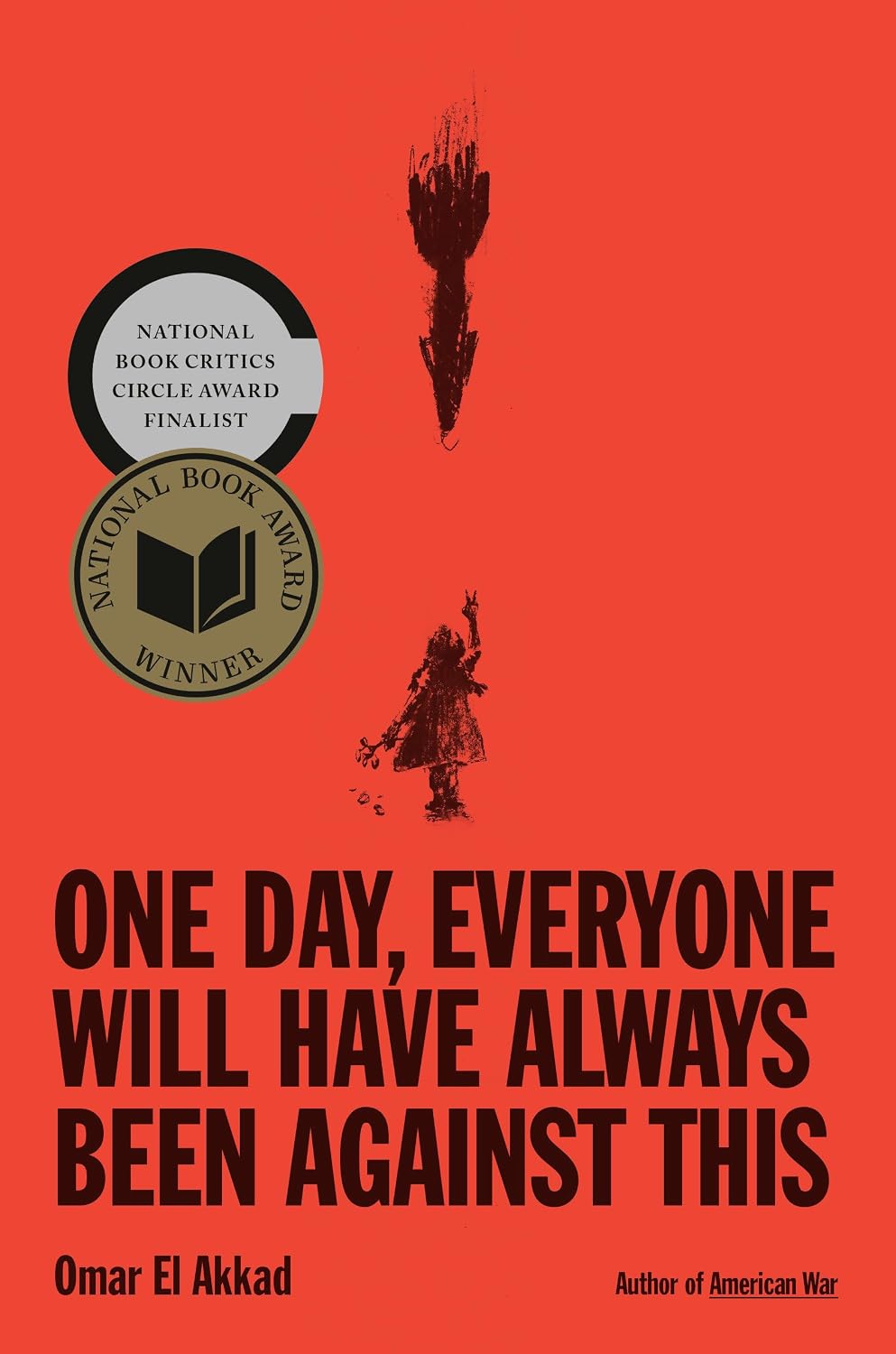
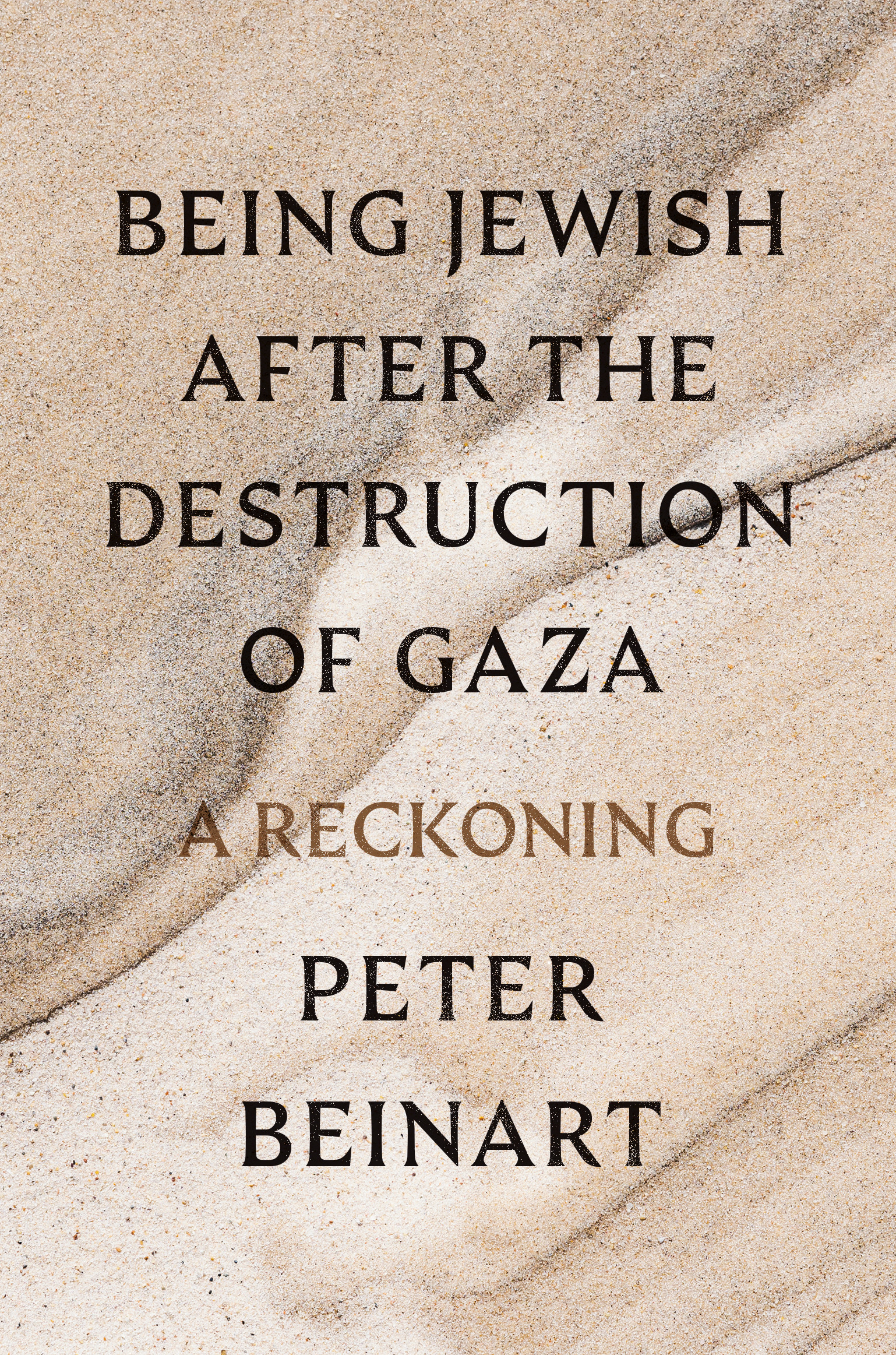
If you’re interested in responses to the war across the globe, there’s One Day, Everyone Will Have Always Been Against This by novelist and journalist Omar El Akkad (2025). It won the National Book Award in nonfiction last year. Another title worth checking out is Being Jewish After the Destruction of Gaza: A Reckoning by Peter Beinart (2025), who is an American journalist and professor. There are many more accounts, and undoubtedly more will continue to be published as the world comes to terms with its losses on both sides of the border and beyond.
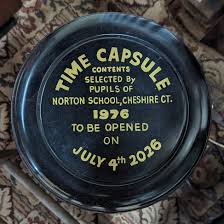
Is it already the 250th anniversary of America? It feels as if we just got over the Bicentennial celebrations of America’s 200th birthday. It’s hard to explain the Bicentennial to my kids, because there’s just nothing to compare it to. If you weren’t born before 1971, it’s just a random piece of history, along with the Oil Embargo, the Hostage Crisis, Live Aid, and Timothy McVeigh. People planned the celebrations for ten years – the committees were formed under Johnson in 1966. Everything was about the Bicentennial. It was on TV, radio, in the magazines and papers. In Cheshire schools, we sang all the America songs in glee club, a breathy childhood version of the “Hooked on America” track of Hooked on Classics – from Give my Regards to Broadway up to Over There and The Marine’s Hymn. I was in 5th grade, and there was no possible way you could escape it. Norton School made a time capsule – which will be opened this year. For me, I can’t imagine anything in it would be interesting – it seems so recent, I’m sure I can still find the same things in the corner of my attic, but to today’s children, no doubt pet rocks, velvet posters, and platform shoes would seem other-worldly, and 45rpm record would be unheard of.
Anything and everything historical became the rage. 1776 couture was lacking, but 1800’s wear was the rage – long prairie skirts, sunbonnets, ruffled-neck peasant blouses. It was chic to grow your own food. We had Earth shoes and gasohol (okay, that was from the Oil Embargo, but in 1975 we were still running it), and the EPA. Because of the Embargo, our 8-10 mpg V8s were frowned at, and little efficient Japanese cars were starting to be imported (Toyota outsold Volkswagen in 1975). Save the Condors and Save the Eagles were daily news – bald eagles, the very symbol of our country, were down to fewer than 1,000 nesting pairs in the lower 48 states – three million square miles, and less than 2,000 birds because our use of DDT had poisoned them. California condors were nearly extinct – 29 surviving birds were rounded up and put in captivity, their last chance at survival.
Home crafting saw an upsurge. Did they do it in colonial America? Let’s give it a try! Log cabins were again fashionable, though a whole lot bigger. Spinning yarn, knitting, crocheting, macrame – all popular again. Quilting was big – a huge, hand-made quilt was made in our town, each square representing a town landmark. It made the rounds around town when it was finished, through the schools, and now hangs in the town library. In school, we made decoupage plaques. Mine was of a drawing of a pioneer woman outside a mercantile.
In 1976, most coins looked alike. A 1960 penny looked like a 1975 penny, a 1947 nickel looked like a 1974 nickel, etc. For 1976, the US Treasury minted Bicentennial quarters, with a colonial drummer boy on the reverse, and the dates of 1776-1976 on the front. You tried never to spend them; they were a one-year only coin, to be forever hoarded. The silver dollar got a redesign, but those coins weren’t as popular due to their size. Have you seen an Eisenhower dollar? They used to be more common.
An actual Bicentennial Wagon Train was formed. Yes, Conestoga wagons were built, and costumed people started in the west and traveled in a wagon convoy across the US, to assemble in Valley Forge Pennsylvania in time for July 4th. They marched right up route 70, and Darcey School gathered at the fence line to watch them pass. A fleet of tall-masted sailing ships from around the world – 34 countries – assembled in New York Harbor for July 4th. I know, I know, the Polish ship was five weeks late, but sailing a ship that far comes with a lot of uncertainty due to wind and weather – just ask the Mayflower.
In pop culture, Holly Hobbie, dressed in her prairie attire, was the Hello Kitty of her day, plastered on anything that would hold still. Barbie wore maxi skirts. Gunne Sax dresses were the height of fashion. Anything everywhere possible was red, white, and blue. Even fire hydrants were painted patriotically. Green and pink were unheard of outside of The Preppy Handbook. Apollo missions ended, and the first reusable orbiting shuttle – the Enterprise – took its maiden flight from the back of a 747. People dressed up and re-enacted Washington crossing the Delaware.
The fireworks that year broke budgets. TV televised the Washington DC ones, but our TV was black and white, so it was lost on us. We enjoyed the local local ones.
While there’s been mild interest in having bigger celebrations for the 250th (and the $100,000 word for it is “semiquincentennial”), there have been no official plans, on a local or national scale. Certainly, nothing has been worked on for the last ten years, and no other countries have shown a desire to help us celebrate. If we travel back 200 years to 1826, we can celebrate the publishing of Last of the Mohicans, by James Fenimore Cooper, a book still popular today. It was the year where both Thomas Jefferson and John Adams both died on July 4th, Founding Fathers to the end. Regency dresses were fading out and Leg of Mutton sleeves were coming into fashion. It was the birth of Stephen Foster, the songwriter who wrote “My Old Kentucky Home,” “Oh, Susannah,” and “Camptown Races,” among many others.
In 1776 – even 1826 – most celebrations took place at home anyway. So make some lemonade, sit around a bonfire with some barbecue and corn on the cob, read the Declaration of Independence, perhaps knit or crochet or embroider something. You can watchLast of the Mohicans, Hamilton, or the musical 1776, and check out these books and films that celebrate America!