Honest Looks at Motherhood for Mother’s Day

I once, briefly, had beautiful hair. In 2019, tired of the constant maintenance required by my standard-issue short bob, I decided to stop visiting the hairstylist. The Covid lockdowns in 2020 were a convenient excuse to continue the experiment. By the time I had my first child in the summer of 2021, my hair was lustrous, thicker and longer than ever (thanks, pregnancy hormones!), and shot through with cinnamon-brown highlights. On the rare occasions that I washed and dried my hair during maternity leave, I could almost pass for a mildly successful TikTok influencer.

Then, on cue, the postpartum hair loss started. Strands fell out at an alarming rate. Bouts with Covid and daycare-transmitted viral infections caused even more hair loss. I saw parts of my scalp I didn’t know existed. By the time I returned to work from having my second child, my hair resembled Albus Dumbledore’s phoenix, sad and ragged, a dark echo of its former glory (except for the new grays, of course). So, I went to the salon and had them take it all off, snipping and shaving me down until I had a pixie cut. I officially had my Mom Hair. I was in the club. I was no longer subverting gendered expectations, but living the reality of the most gendered expectation of them all.

I’ll spare you the other indignities that come with giving birth to another human being, but know, if you haven’t done it yourself, that they are legion. So are the complex social and emotional changes that happen when you transition to parenthood, and specifically to motherhood. Your whole identity changes overnight. That’s harder to talk about than the stupid hair thing. And the longer I’m mired in the day-to-day reality of being Mama / Mom / Mamba to two young kids, the harder it is for me to remember those changes, let alone articulate it to others. Luckily, there are women out there who have been able to do it. It’s not all beautiful, not like the flower arrangements and the precious handprint art that will be exchanged on Mother’s Day. But they provide an illuminating glimpse into motherhood for those on the outside. If you’re a mom like me, these titles might hit you right where you used to have ab muscles.

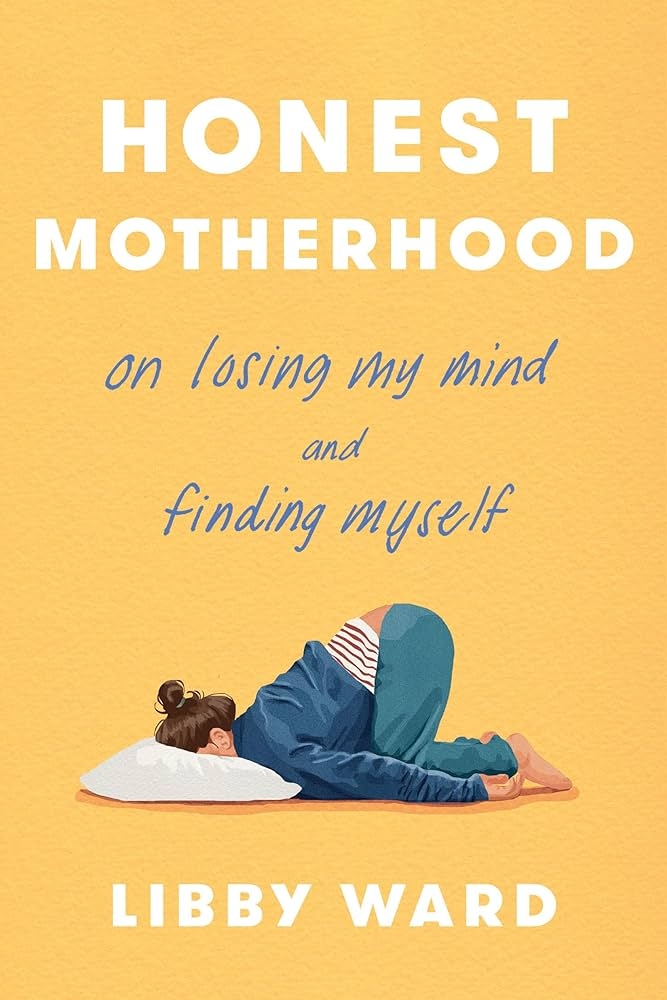
Honest Motherhood: On Losing My Mind and Finding Myself by Libby Ward (2026)

From the publisher: In Honest Motherhood, Libby candidly shares her journey of unlearning the myth of the ideal mother. She dives headfirst into the experiences many mothers have but few feel safe enough to say out loud—the lack of support, the guilt, the invisibility, the cycles they’re breaking, and the fantasies about a hospital stay just to get a flippin’ break. Libby untangles her social conditioning from learned trauma responses and discovers that letting go of unrealistic standards, asking for help, and prioritizing herself aren’t failures—they’re necessities.

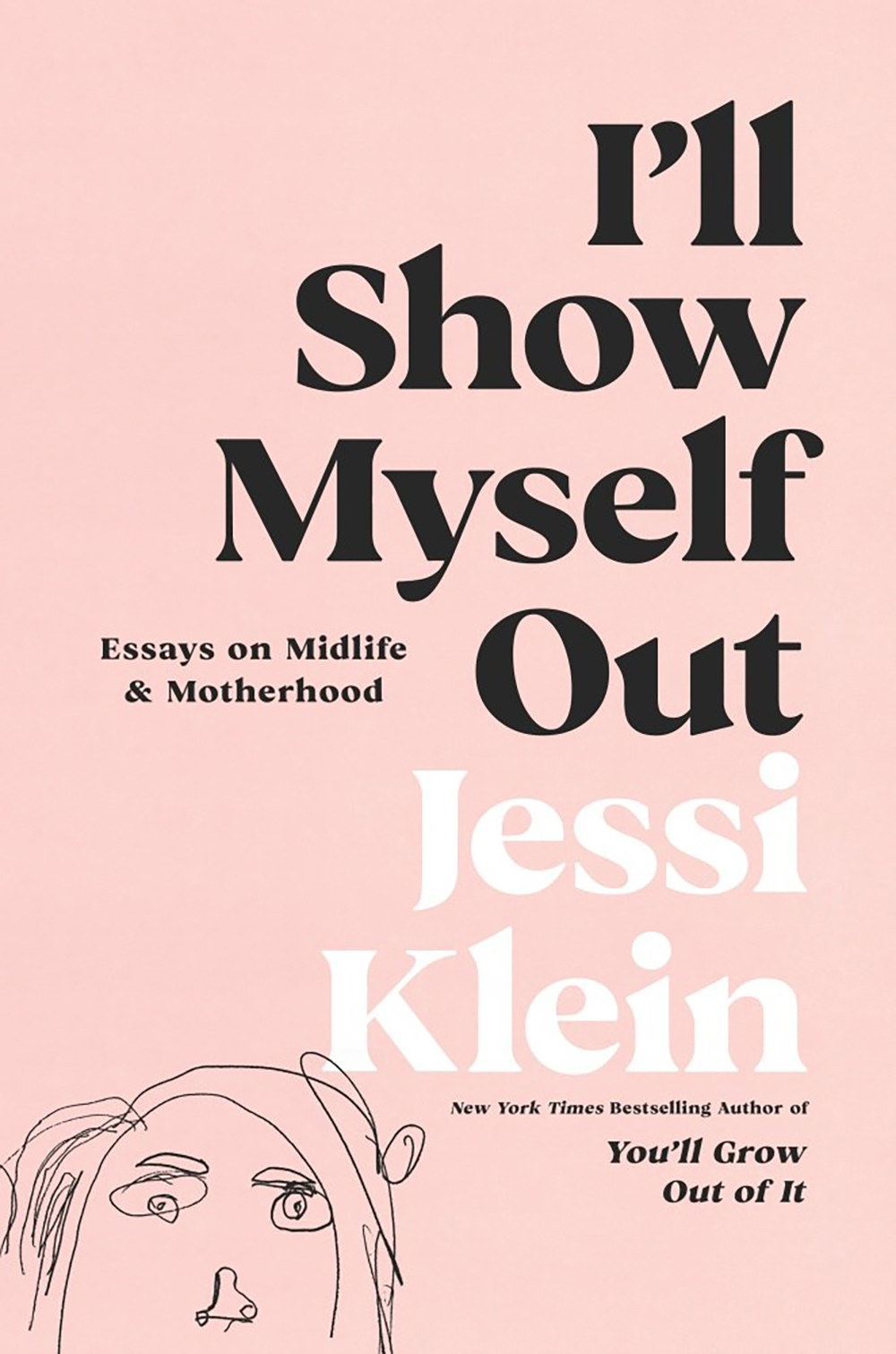
I’ll Show Myself Out: Essays on Midlife and Motherhood by Jessi Klein (2022)

From the publisher: In Emmy Award-winning writer and producer Jessi Klein’s second collection, she hilariously explodes the cultural myths and impossible expectations around motherhood and explores the humiliations, poignancies, and possibilities of midlife. Klein explores this stage of life in all its cruel ironies, joyous moments, and bittersweetness.

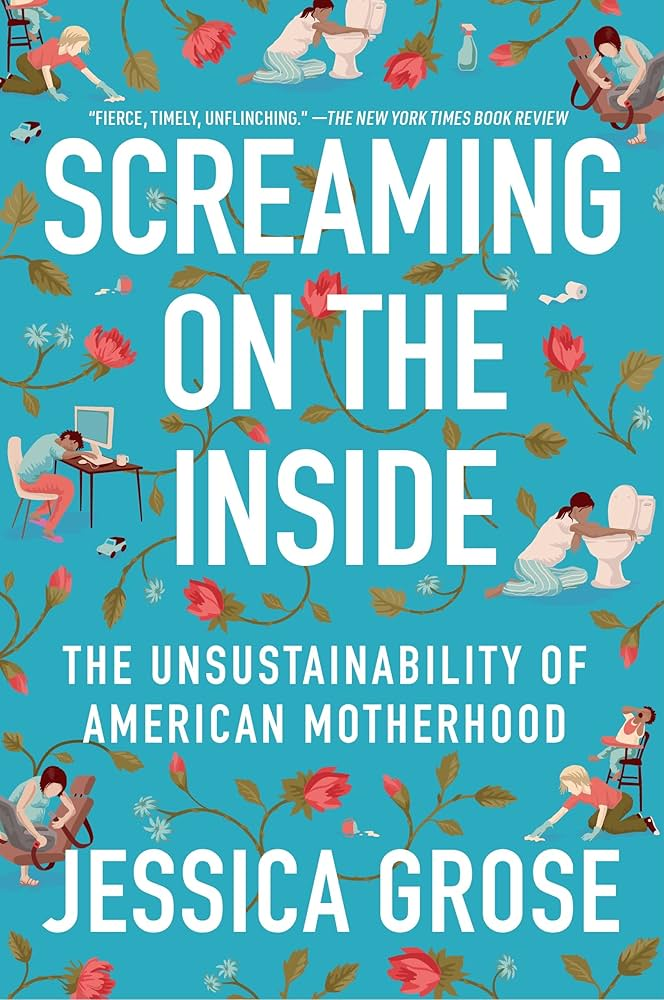
Screaming on the Inside: The Unsustainability of American Motherhood by Jessica Grose (2022)

From the publisher: In this timely and necessary book, New York Times opinion writer Jessica Grose dismantles two hundred years of unrealistic parenting expectations and empowers today’s mothers to make choices that actually serve themselves, their children, and their communities.

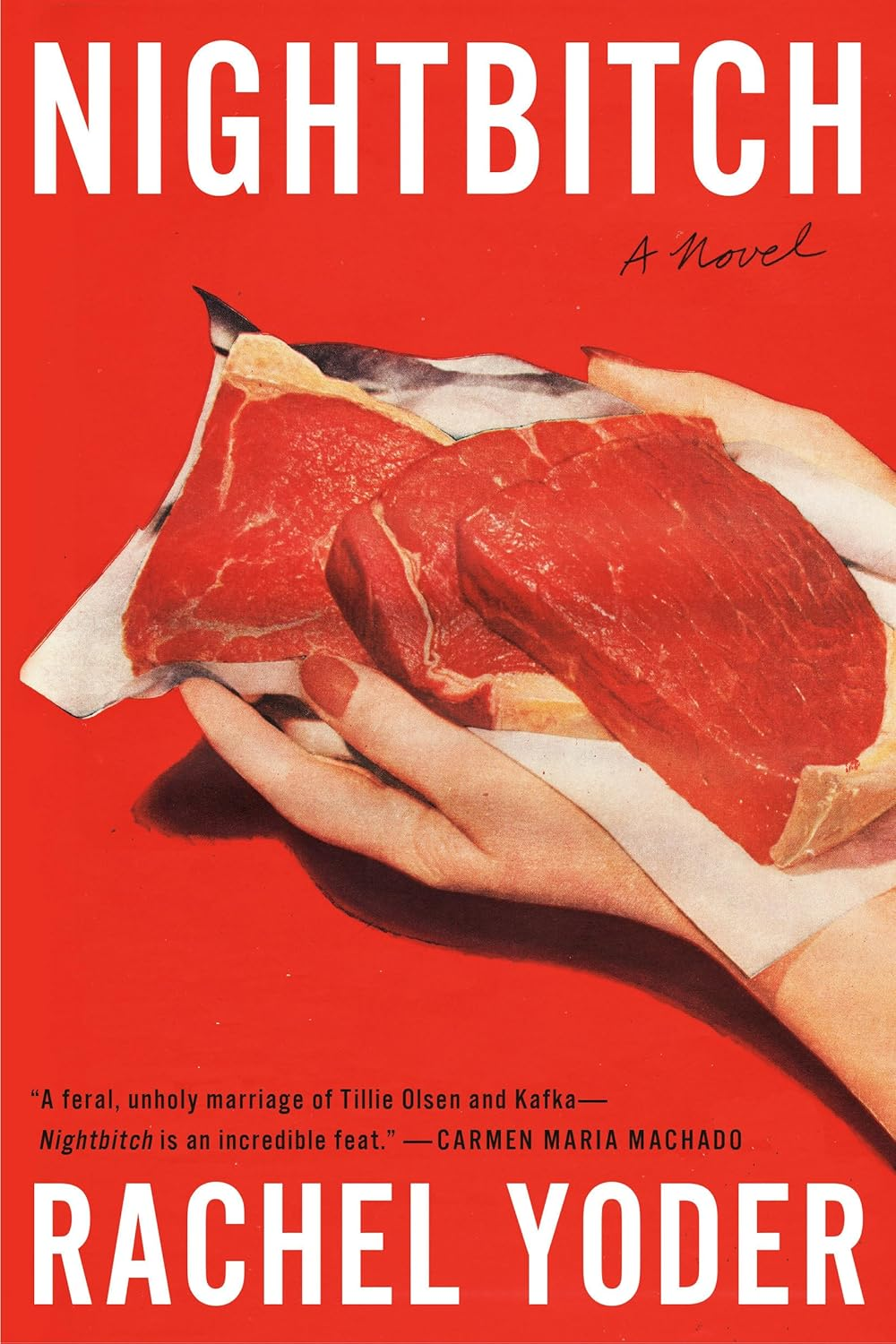
Nightbitch: A Novel by Rachel Yoder (2021)

From the publisher: An artist turned stay-at-home mom becomes convinced that she is turning into a dog and, as her symptoms intensify, struggles to keep her alter-canine-identity a secret, until she meets a group of mothers who may also be more than what they seem.

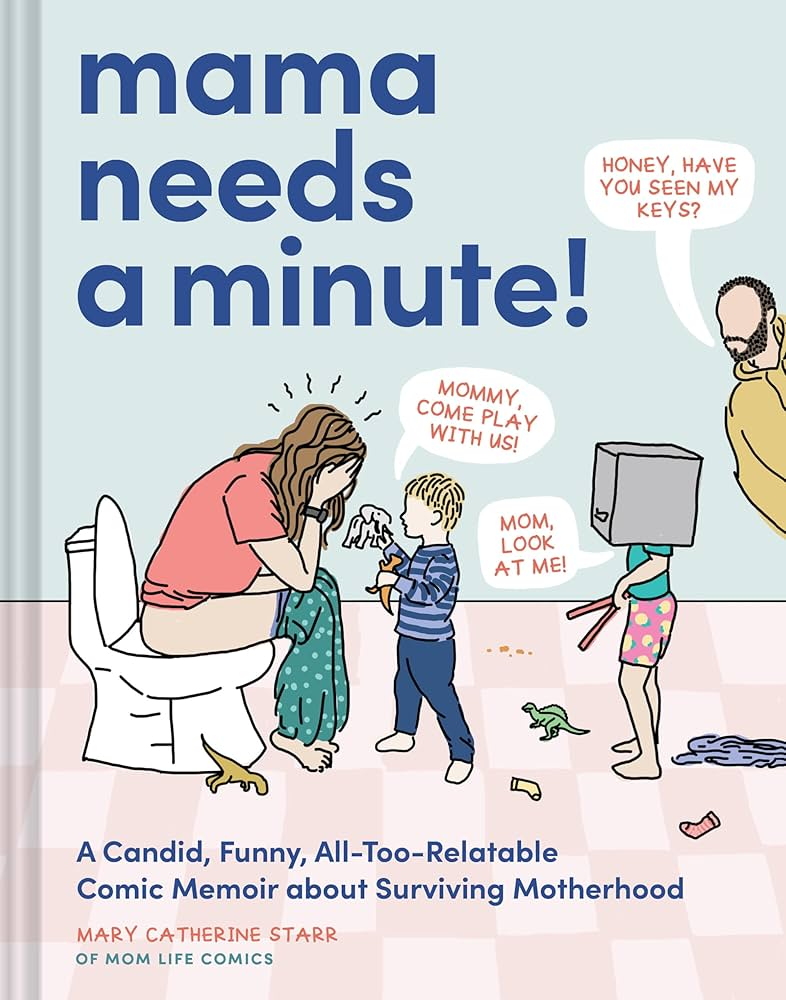
Mama Needs a Minute!: A Candid, Funny, All-Too-Relatable Comic Memoir About Surviving Motherhood by Mary Catherine Starr (2025)

From the publisher: Filled with Starr’s signature wit, warmth, and observational humor, Mama Needs a Minute! tackles all the absurdities of modern motherhood through illuminating anecdotes and delightful illustrations. Whether you’re navigating a hellish sleep regression, wiping sweet potato off the walls, singing your four-thousandth lullaby, or simply hoping to pee without a toddler watching, this honest and irreverent account of motherhood will make you laugh, cry, and feel seen in a way that only a true mom-friend can.

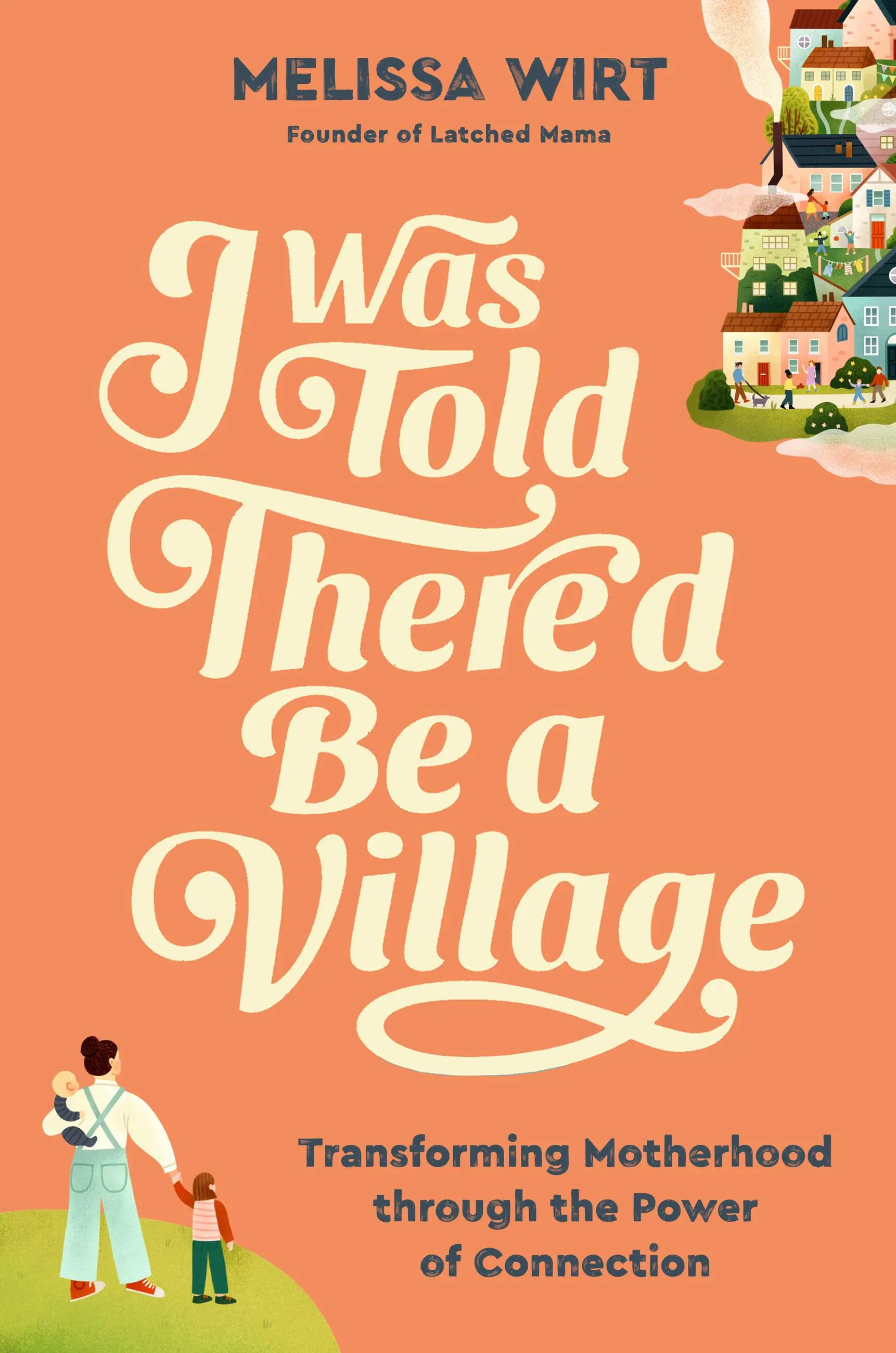
I Was Told There’d Be a Village: Transforming Motherhood Through the Power of Connection by Melissa Wirt (2025)

From the publisher: Melissa Wirt thought she had everything-she’d built her own company and moved to a beautiful farm with her family. Then during a personal crisis, she realized: despite having created an online community reaching thousands of moms, she’d also somehow, become utterly isolated. In I Was Told There’d Be a Village, Melissa describes how she began making small changes-leaving behind a damaging Isolation Mindset and developing an advantageous Village Mindset. Using personal anecdotes and stories from moms across the country, this book provides specific, actionable steps to transform oppressive, solitary parenting into a connected, collective (even joyful) endeavor.

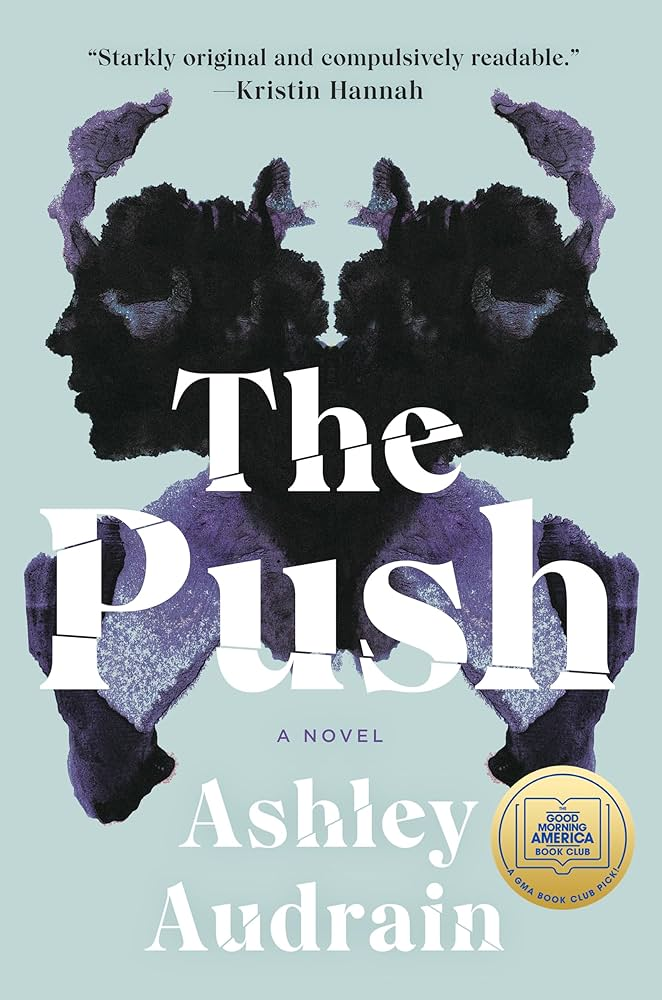
The Push: A Novel by Ashley Audrain (2021)

From the publisher: Blythe Connor is determined that she will be the warm, comforting mother to her new baby Violet that she herself never had. But in the thick of motherhood’s exhausting early days, Blythe becomes convinced that something is wrong with her daughter—she doesn’t behave like most children do. Or is it all in Blythe’s head? Her husband, Fox, says she’s imagining things. The more Fox dismisses her fears, the more Blythe begins to question her own sanity, and the more we begin to question what Blythe is telling us about her life as well. Then their son Sam is born—and with him, Blythe has the blissful connection she’d always imagined with her child. Even Violet seems to love her little brother. But when life as they know it is changed in an instant, the devastating fall-out forces Blythe to face the truth.

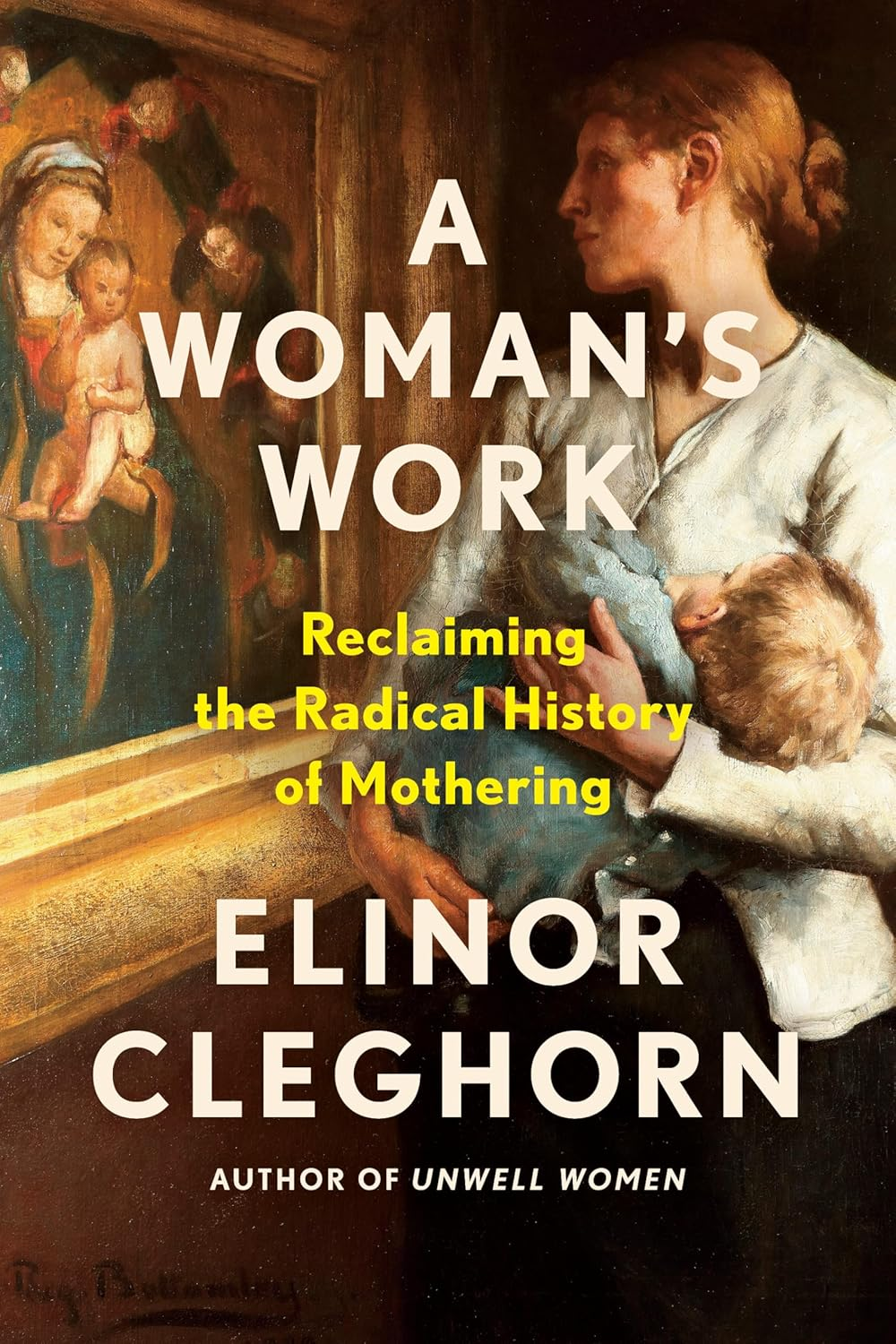
A Woman’s Work: Reclaiming the Radical History of Mothering by Elinor Cleghorn (2026)

From the publisher: Mothers make history. But what it has meant for mothers to do the physical and emotional work of mothering has, for centuries, been neglected in the stories of the past. Patriarchal control of motherhood has relegated the acts of growing, birthing, nurturing, and loving to the sidelines, and deemed it unimportant, women’s work. Now, through the voices of women themselves, Elinor Cleghorn reclaims and retells the history of motherhood, showcasing the mothers, othermothers, midwives, activists, community leaders, and more who have shaped the course of history.

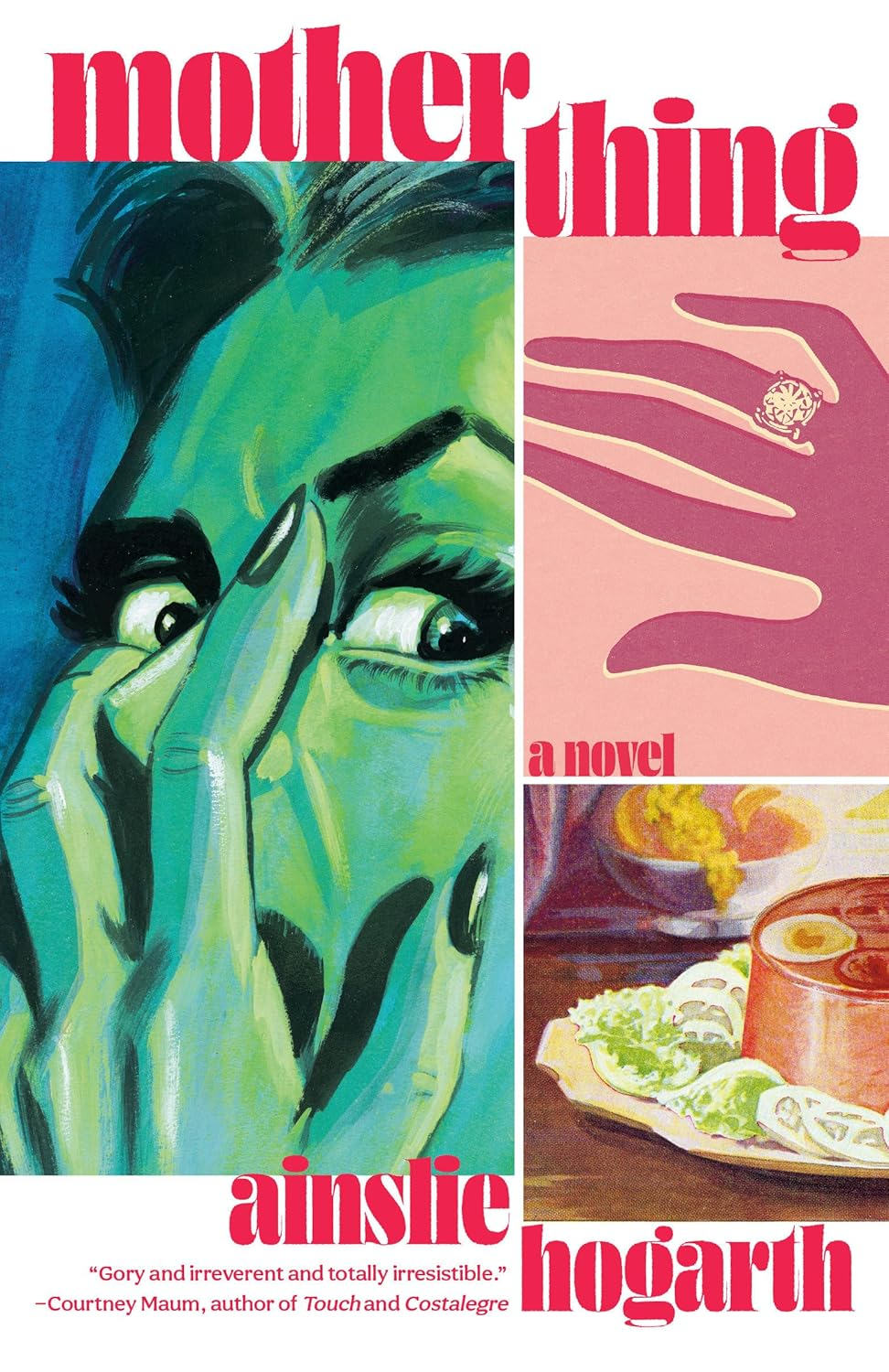
Motherthing by Ainslie Hogarth (2022)

From the publisher: A darkly funny domestic horror novel about a woman who must take drastic measures to save her husband and herself from the vengeful ghost of her mother-in-law. Abby Lamb has done it. She’s found the Great Good in her husband, Ralph, and together they will start a family and put all the darkness in her childhood to rest. But then the Lambs move in with Ralph’s mother, Laura, whose depression has made it impossible for her to live on her own. She’s venomous and cruel, especially to Abby, who has a complicated understanding of motherhood given the way her own, now-estranged, mother raised her. When Laura takes her own life, her ghost starts to haunt Abby and Ralph in very different ways. Ralph is plunged into depression, and Abby is being terrorized by a force intent on taking everything she loves away from her. With everything on the line, Abby must make the ultimate sacrifice in order to prove her adoration to Ralph and break Laura’s hold on the family for good.

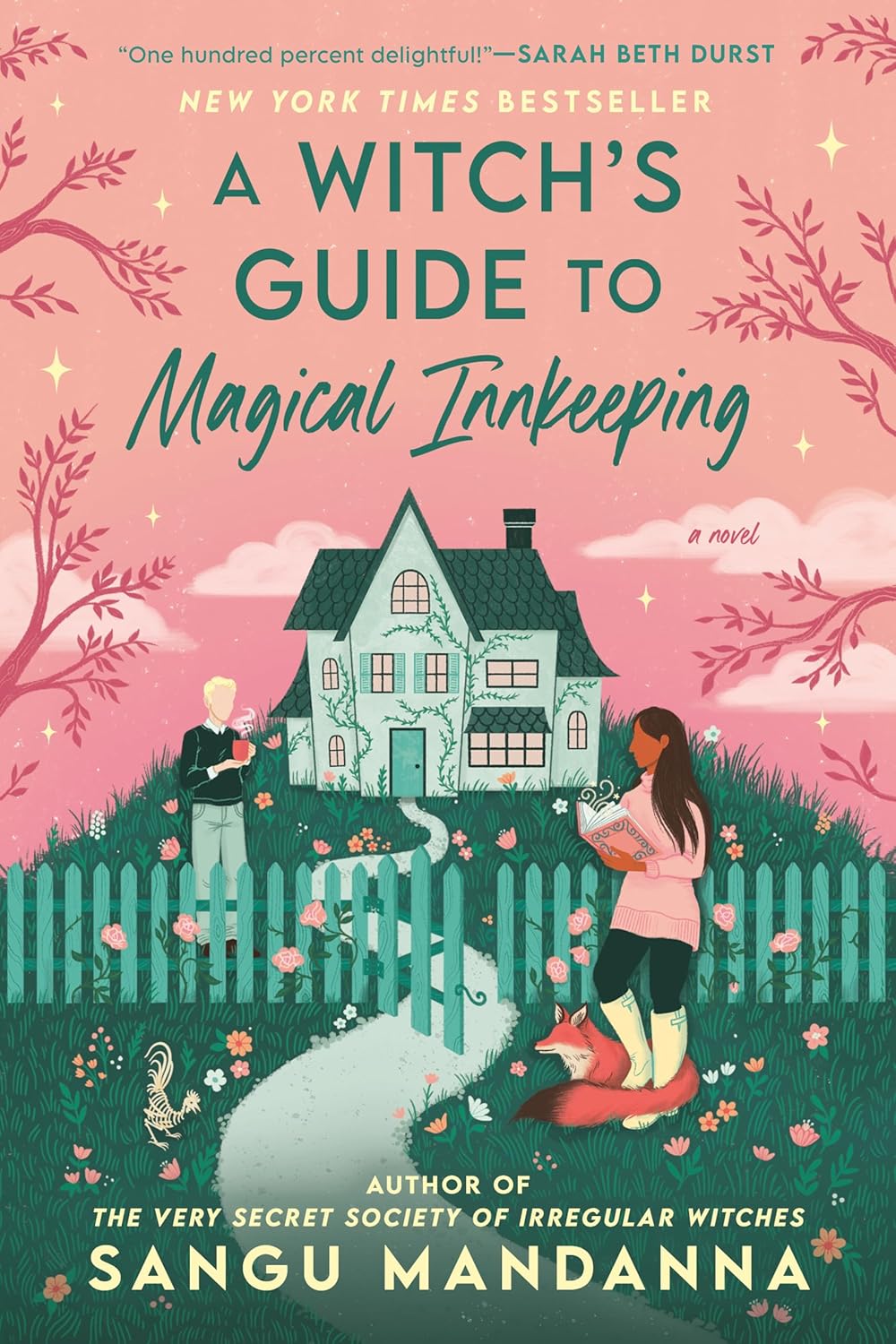
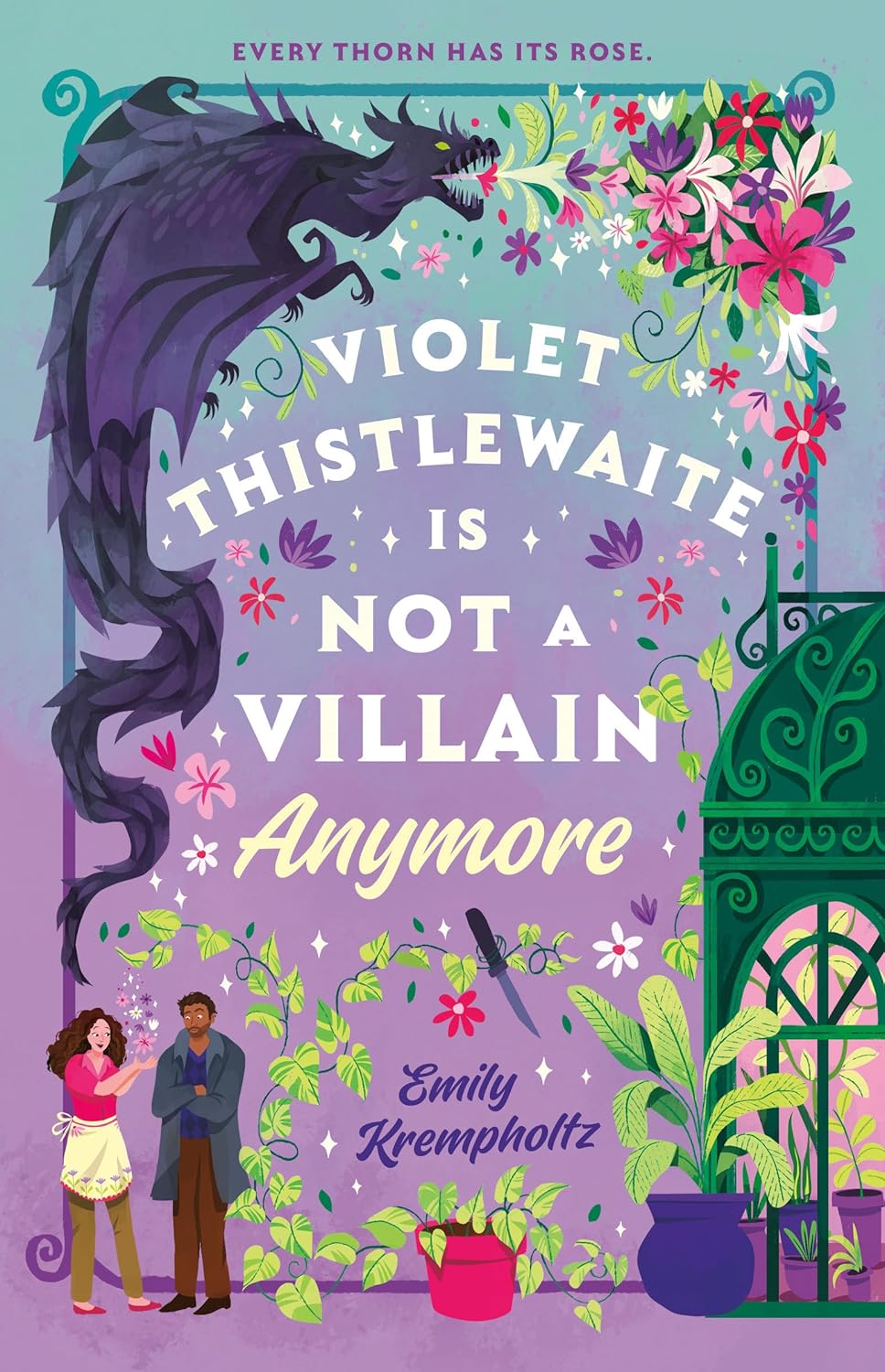
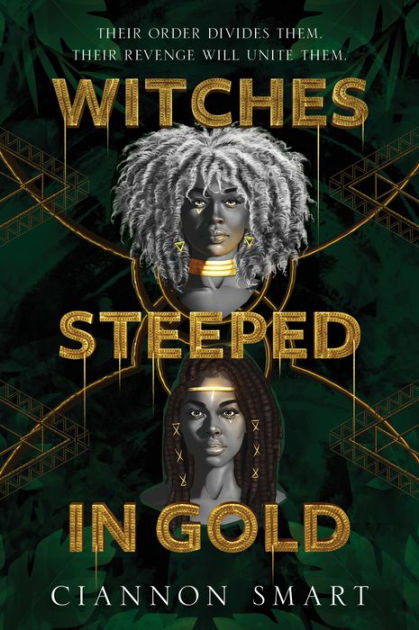
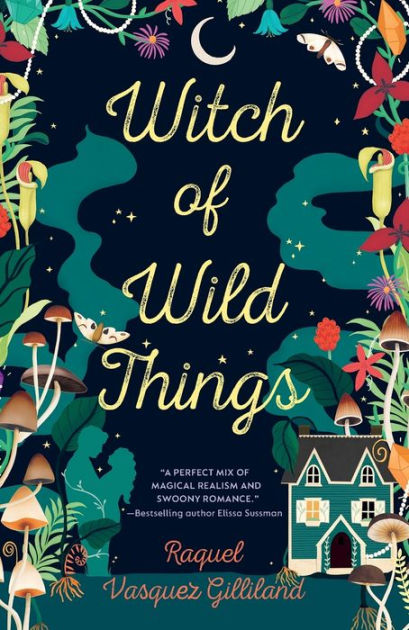
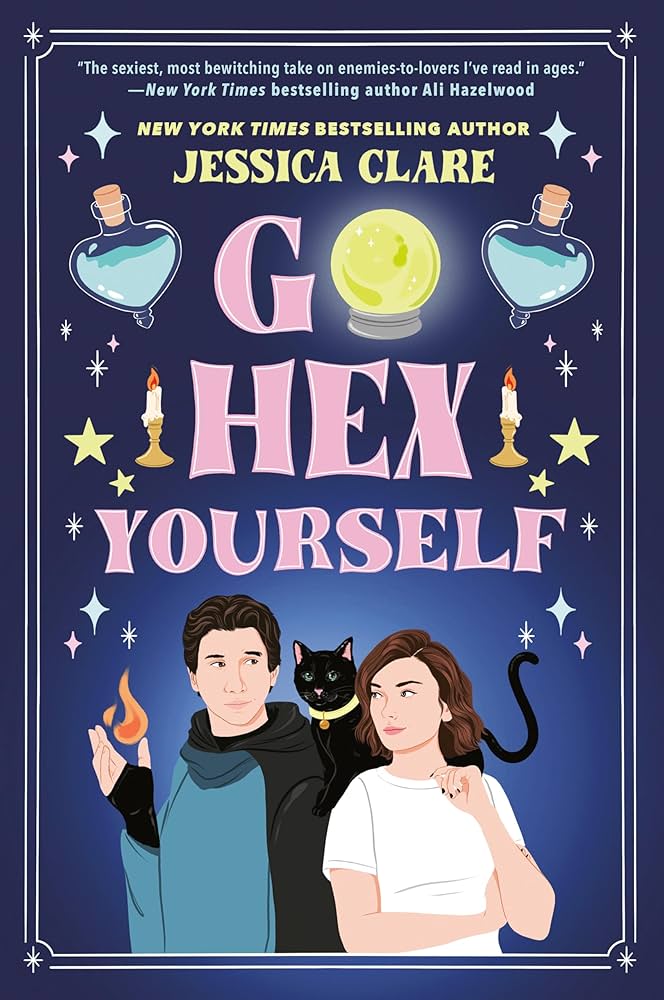
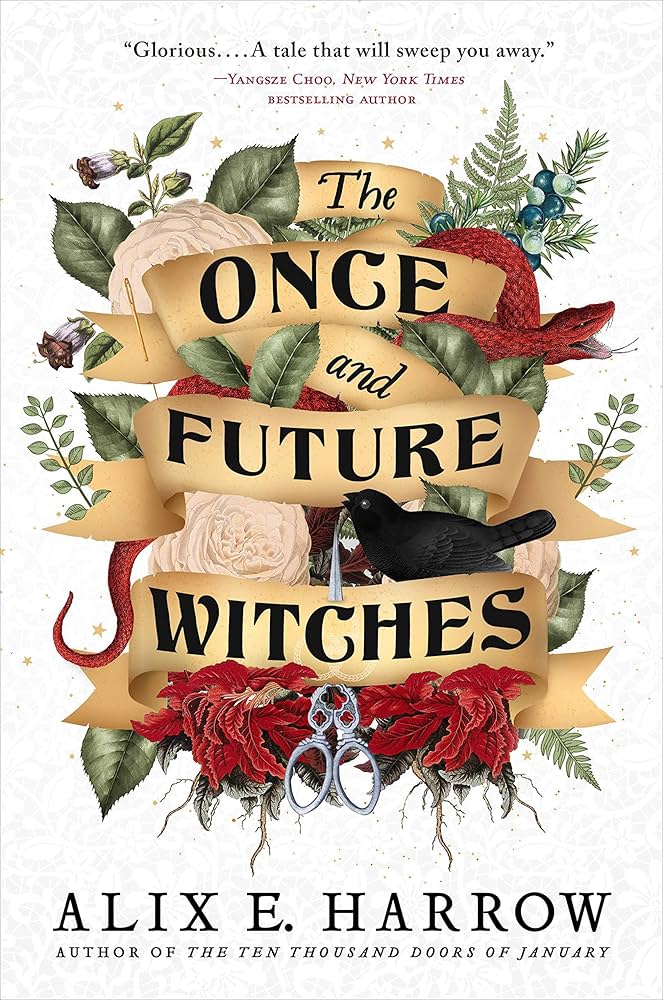
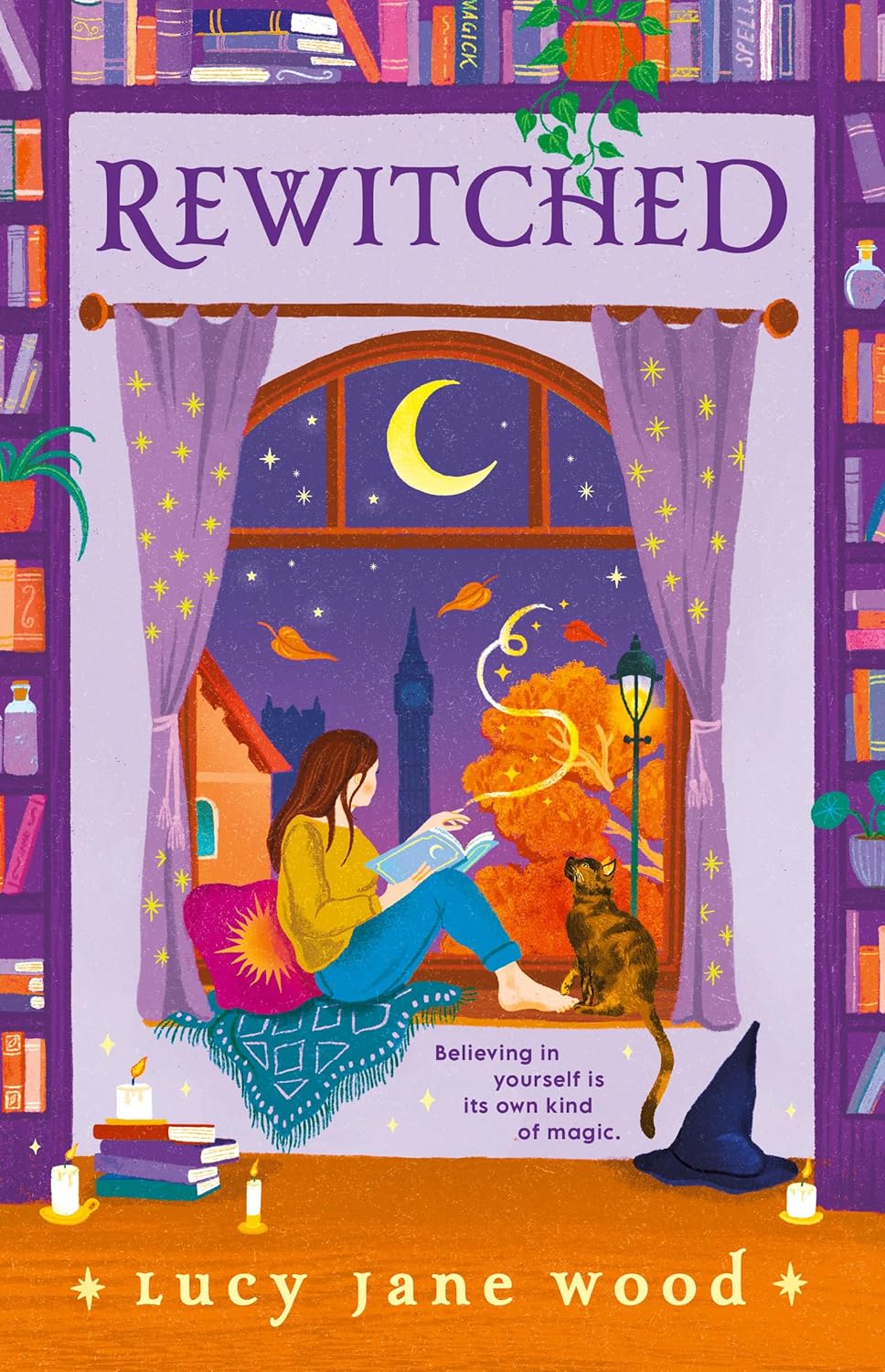
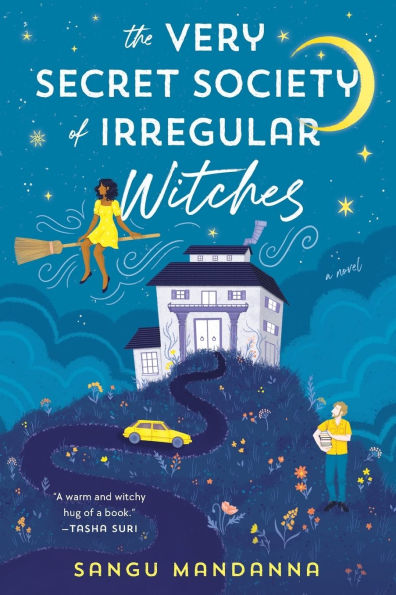
Witch Book to Read

What’s with him and Galadriel?

Twilight set off a whole graveyard of vampire romances, and then came werewolf romances. For a while paranormal romance was the genre of the day, with people falling in love with ghosts or people in past lives – no doubt fueled by time-travel stories like Outlander. When the person you love died 200 years previous, it makes that guy at the coffee shop seem rather dull in comparison. Monsters are a thing, especially in cozy fantasy – even dragons can be a thing (let’s not forget Donkey and his Dragon mate in Shrek!). Zombies picked up the slack, but are now fading away as a genre – you can only kill them twice. 

So what’s currently “trendy” in genre fiction? What have we circled back to? Cozy fantasy is all the rage, little stories with a slice of life that ends happily, whether you’re an ogre or gnome or pixie. Horror is making a comeback, including something called Fem-gore, which is written by women for women, and includes a lot of bloody-warrior revenge themes. LGBTQ stories and stories of people of color are on the rise, giving a long-overdue boost to underrepresented segments of the population. But the largest rising genre? Witches and wizards.

She made a child do her dirty work – good or evil?

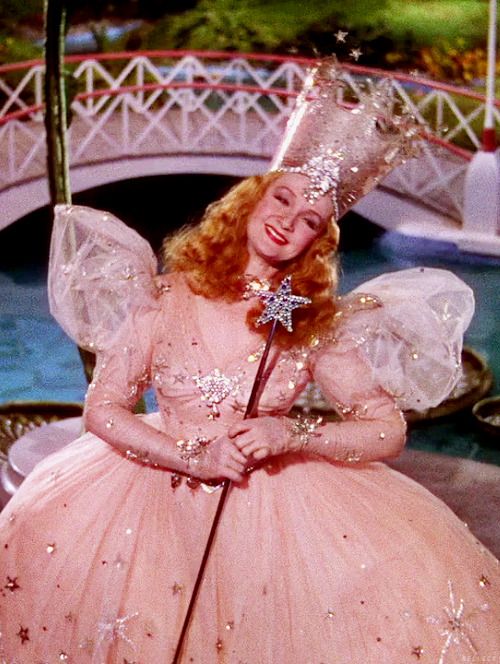
No, we’re not talking Lord of the Rings or Dragonlance (though you can read Dragonlance for either the action sequences or the burning romance of Raistlin and Crysania), but the Earthly plane stories that encompass every facet of storytelling. Magic stories. And magic is the realm of witches and wizards. Witches aren’t usually evil, even if, thanks to Wicked, we’re not sure Glinda is completely a good witch. 

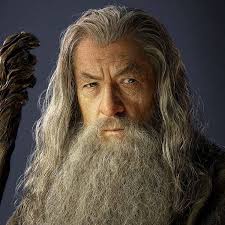
Technically, a male witch is called a … witch. Wizard is also acceptable, the difference being a wizard is usually academically oriented [think Gandalf] while a witch is more self-taught [Granny Weatherwax from the Terry Pratchett’s Discworld books]. Mage is also appropriate, but warlock is a slur. Witchy stories have been around forever – the Biblical Witch of Endor (10th century BCE), Circe of Homer’s Odyssey (8th century BCE), Hecate of the Greek pantheon (Hesiod’s Theogony, 7th century BCE), Merlin the Wizard and Morgan le Fay of Camelot (minimum, the 1100’s, possibly as early as the 400’s), and the witches of Macbeth (1606). Let’s not forget the witches of  The Wizard of Oz, or the terrifying Dust Witch of Bradbury’s Something Wicked This Way Comes, the marvelous Eglantine Price of Bedknobs and Broomsticks, Samantha Stephens of Bewitched, the Halliwell sisters of the TV show Charmed, or The Lion, The Witch, and the Wardrobe. The image of witches was improved by the popularity of Harry Potter and Hogwarts School of Witchcraft and Wizardry. Children’s stories aside, the rise of New-age witchcraft has no doubt helped the rise of witch stories as well.

“Witch” or “wizard” is appropriate for men

How did witches come to have such a bad rap? Throughout history, and amplified through Dark Ages ignorance, learned men and intelligent women, women who could read, women who were opinionated, or women who had some sort of good or bad fortune that couldn’t be explained by simple means, were suspected of using dark magic to gain their knowledge, even when it benefited the community itself. Magic, voodoo, and good or bad spirits were all people had to explain what was to them unexplainable any other way. Maybe your sheep all had twin lambs, but neighbor Geoff, who took poor care of his sheep, had 5 die in birthing – surely you must have worked dark magic on his sheep! All your 15 children survived the plague? You must be a witch! While New-Age witches study nature in all its forms, in reality, no study anywhere has proven that magic – not the magician kind – has any basis in fact.

Modern stories of magic run the full gamut, from cozy mysteries (such as those by Bailey Cates), humorous fantasy (Terry Pratchett’s Color of Magic series), Courtly intrigue without the morbid gore of Game of Thrones (The Chronicles of Amber series by Roger Zelazny), to the wildly popular Discovery of Witches series by Deborah Harkness, and the book and TV series of Jim Butcher’s Dresden Files. If you don’t like the idea of reading a fantasy book, try a more mainstream author like Alice Hoffman’s Practical Magic series, or The Year of Wonders, by Geraldine Brooks, or A Secret History of Witches, by Louisa Morgan. Harry Potter they are not. 

My favorite witches of literature? Gandalf, of course, from Lord of the Rings, along with Molly Weasley and Minerva McGonagall from Harry Potter, Ole Meg from Clifford D. Simak’s A Heritage of Stars, Raistlin Majere of Dragonlance, and perhaps Lady Jessica Atreides in Dune (yes, the Bene Gesserit are witches).

If you’re looking to put a little magic in your life, or just escape the pressures of our Earthly plane, check out some of these trending books!


Emerging Genre Highlight: LitRPG

LitRPG stands for “literary role-playing game.” These are fantasy or science fiction stories that incorporate elements from tabletop role-playing games (e.g., Dungeons & Dragons) and role-playing video games (e.g., The Elder Scrolls or Fallout series). For those unaware, role playing games (RPGs for short) involve players taking on roles in a fictional environment and developing their character in unique ways as the story progresses. This character development and its associated game mechanics are the common threads you will find in all LitRPG titles.
But haven’t RPG-influenced fantasy and science fiction been around for a while? What makes LitRPG unique? It can be difficult to parse genres because there are already novels that borrow quite a bit from RPGs. Dozens of authors have been writing authorized Dungeons & Dragons stories since the 80s—R. A. Salvatore and Margaret Weis among the most popular of this group. What differentiates LitRPG is that characters are aware of the game mechanics.

In traditional fantasy, a character might defeat an enemy and take their battle-axe. Perhaps the battle-axe emanates warmth and pulses with a red glow. In LitRPG on the other hand, a level 5 character might defeat a level 8 boss and take their Fire-Enchanted Dwarven Battle-Axe. A screen pops up in front of them, floating in mid-air, with text that reads: “This is a unique weapon. Wielder is granted +3 fire damage to melee attacks. When an enemy is slain with this weapon, they erupt in a fiery explosion that deals 5 fire damage to all creatures in a 3 meter radius.”

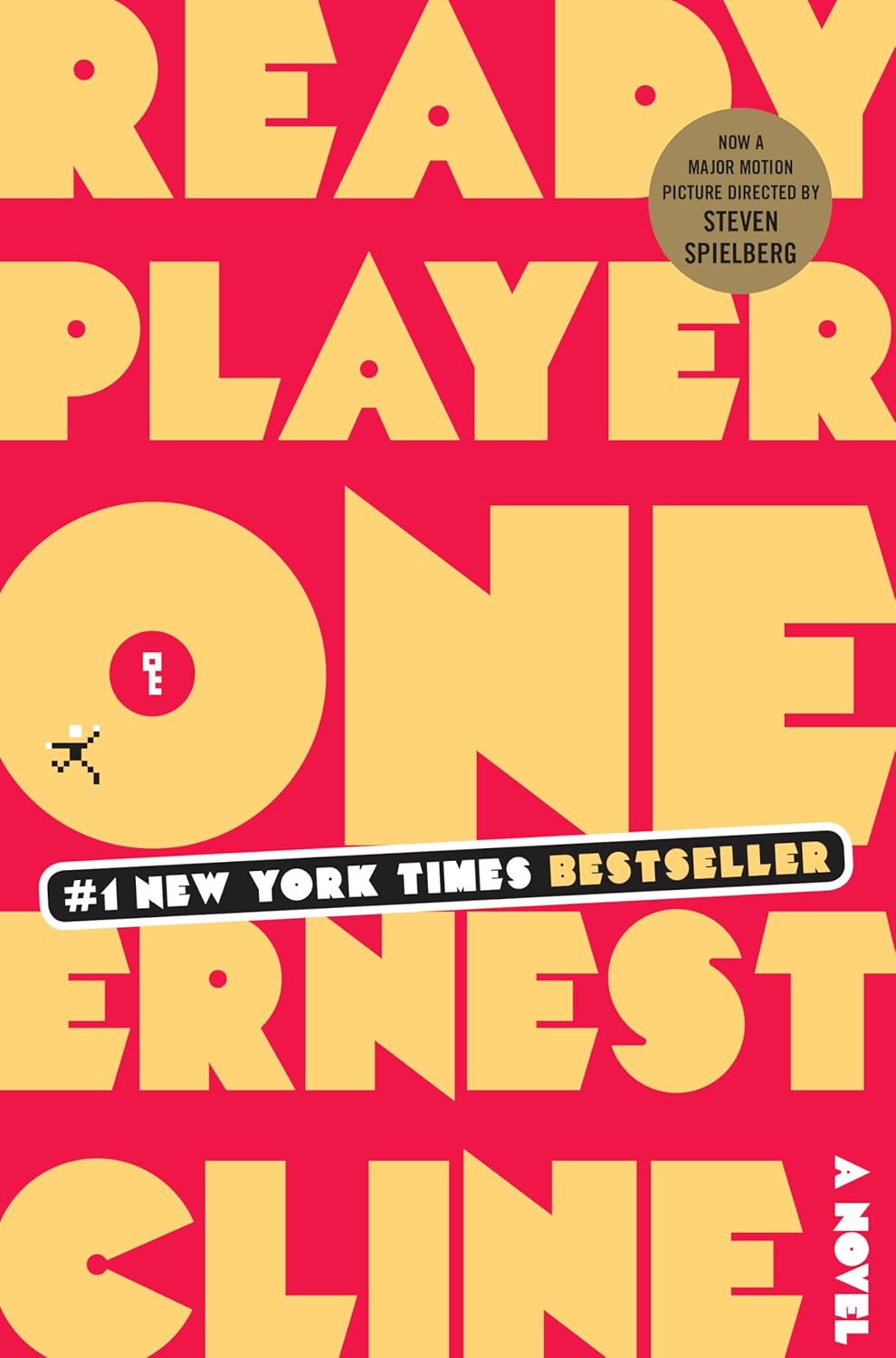
Ready Player One is a good touchstone when approaching this genre from a non-RPG background. Though some don’t consider it to be true LitRPG, it does feature a protagonist interacting in a video-game world and using game mechanics to become more powerful. There are passages like “This particular magic sword could only be used by an avatar who was tenth level or higher,” which is the kind of writing you would find in LitRPG.

Is this all sounding a little too video-gamey? Like Ready Player One, most LitRPG books can be read with no knowledge or interest in RPGs. I can attest that a number of my close friends are big fans and have never played an RPG in their life. As long as you find some thrill in cool loot, cool magic, and over-the-top action, there will be something for you in LitRPG.

“These books sound fun!” you say. “Where can I get my hands on one?” you ask. Well, LitRPG is still a relatively fledgling genre, and most books are self published. As such, you’ll only find a couple in our library system. More are sure to appear in the next year or two, but if you’re interested in diving into this genre now, you will find them online in eBook and eAudiobook formats. It’s also worth noting that, because of their emphasis on progression over time, many LitRPG series can be more than 10 books long. If you prefer short, self-contained stories, LitRPG is not for you.

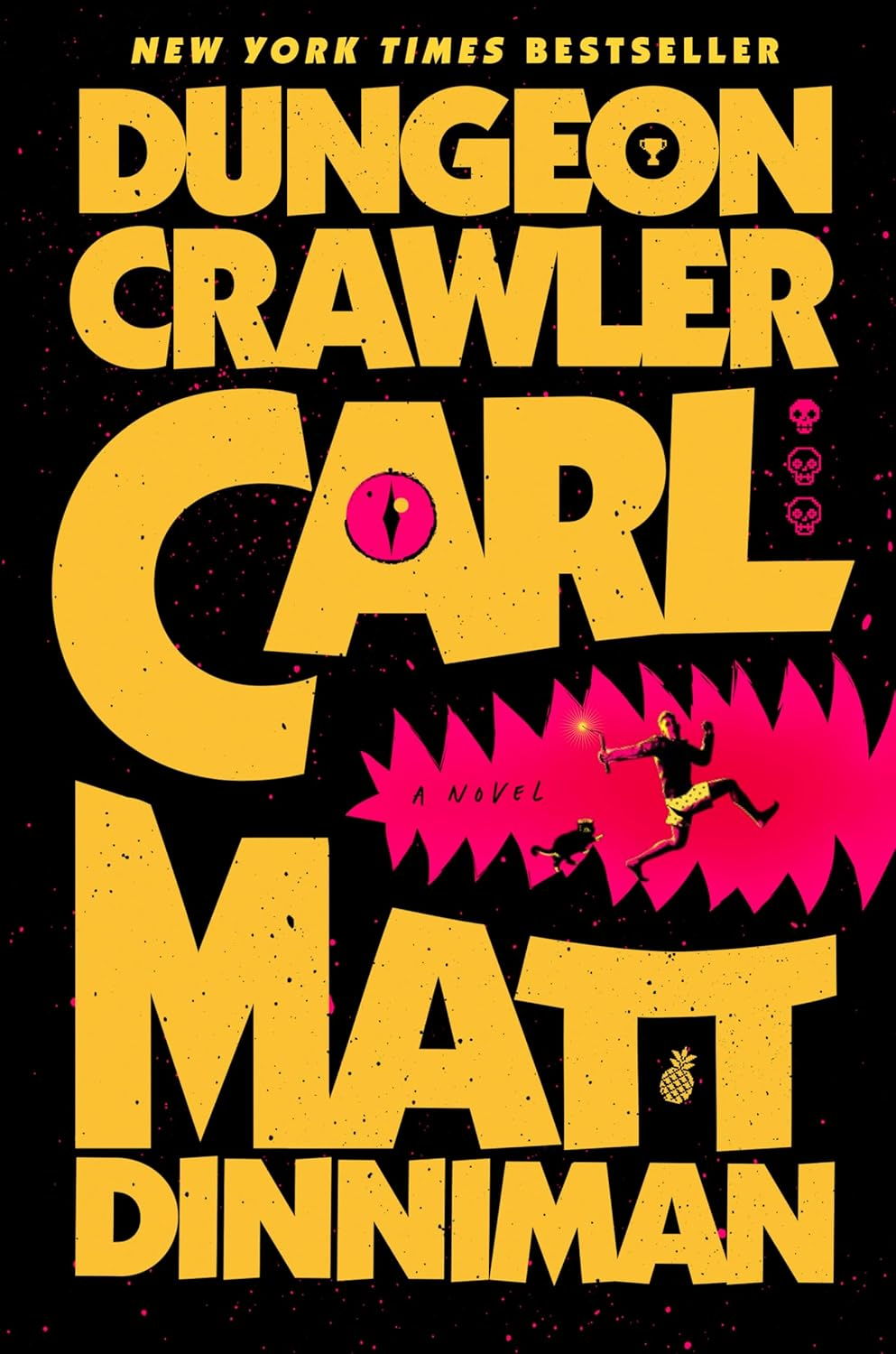
So where is this genre headed? In May of this year, the author who brought LitRPG closer to the mainstream, Matt Dinniman, is releasing the next book in his Dungeon Crawler Carl series. It’s worth noting this will be the first new entry in the series published by a major publishing house (Ace, an imprint of Penguin Random House). This is a clear indication that there’s money to be found in LitRPG and I expect other publishing houses will follow suit.

Also important to note: In 2024, Universal International Studios announced they were developing a TV adaptation of Dungeon Crawler Carl. As far as I can tell, it’s too early to call this a done deal; projects like this fizzle into nothing all the time. But if the show comes to fruition, expect even more of a spotlight on LitRPG.

In the meantime, here are several books that serve as good introductions to the genre:

Dungeon Crawler Carl by Matt Dinniman

You know what’s worse than breaking up with your girlfriend? Being stuck with her prize-winning show cat. And you know what’s worse than that? An alien invasion, the destruction of all man-made structures on Earth, and the systematic exploitation of all the survivors for a sadistic intergalactic game show. That’s what.

Join Coast Guard vet Carl and his ex-girlfriend’s cat, Princess Donut, as they try to survive the end of the world—or just get to the next level—in a video game–like, trap-filled fantasy dungeon. A dungeon that’s actually the set of a reality television show with countless viewers across the galaxy. Exploding goblins. Magical potions. Deadly, drug-dealing llamas. This ain’t your ordinary game show.

Welcome, Crawler. Welcome to the Dungeon. Survival is optional. Keeping the viewers entertained is not.

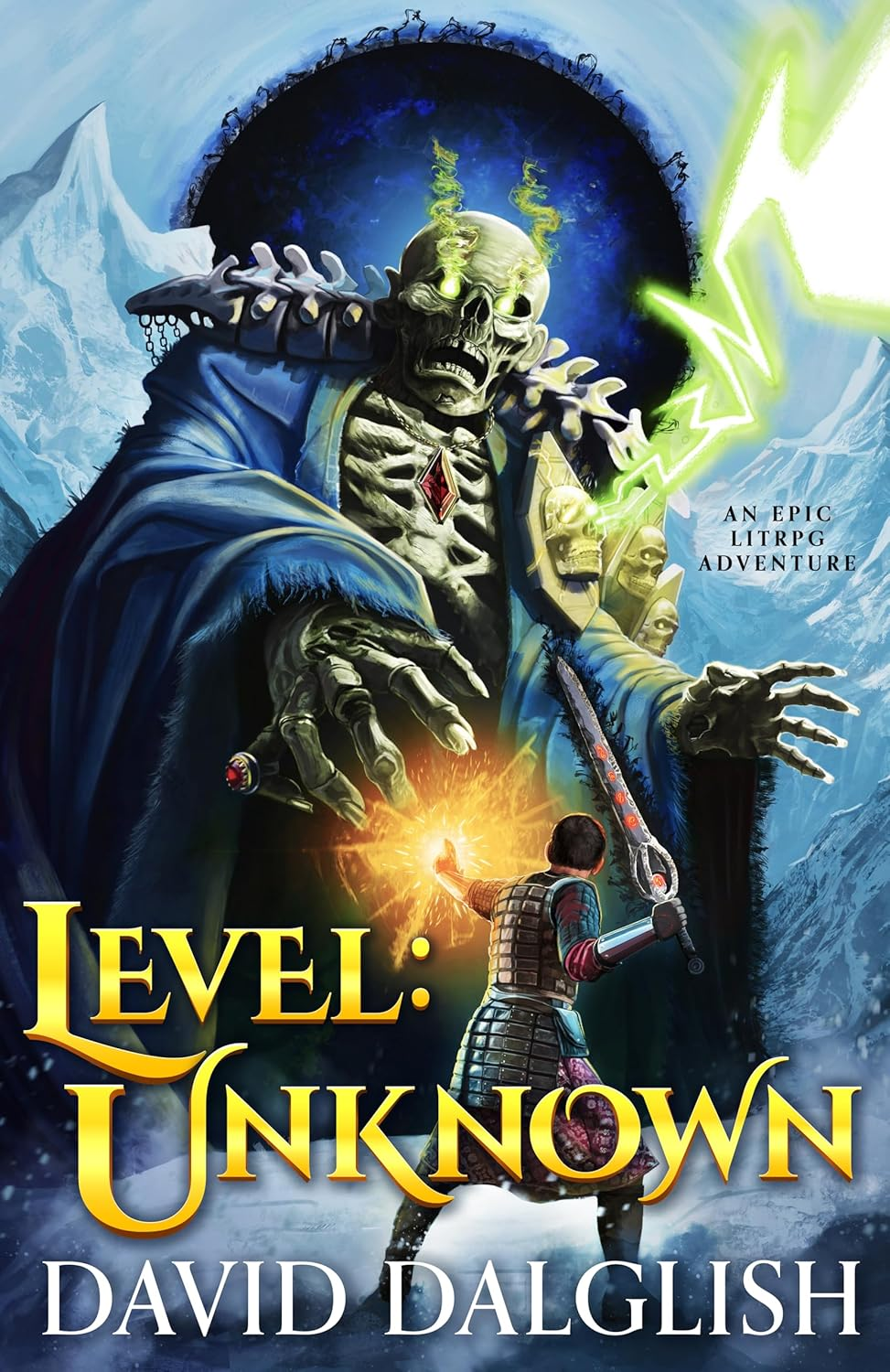
Level: Unknown by David Dalglish

When an ancient alien artifact chooses research cadet Nick to explore the world stored within it—a place full of forgotten empires, heroes with strange powers, and monstrous creatures that he is automatically transported to when he sleeps—he finds he has no choice but to grow stronger within the realm of Yensere to uncover its mysteries. 

But Yensere isn’t all fun exploration. In this land guided by statistics and levels, Nick is seen as a demonic threat by its diseased inhabitants and always killed on-sight. When he dies in Yensere, he awakens in his bed upon the research station, his body in a state of panic; when he sleeps again, Yensere drags him back for another life…and another death. 

Nick can only keep this up for so long before he dies for real. But there’s a good chance Yensere holds the key to saving humanity from a terrible fate, and so he ventures on, getting stronger and stronger with each new enemy defeated. And there are a LOT of enemies to defeat…

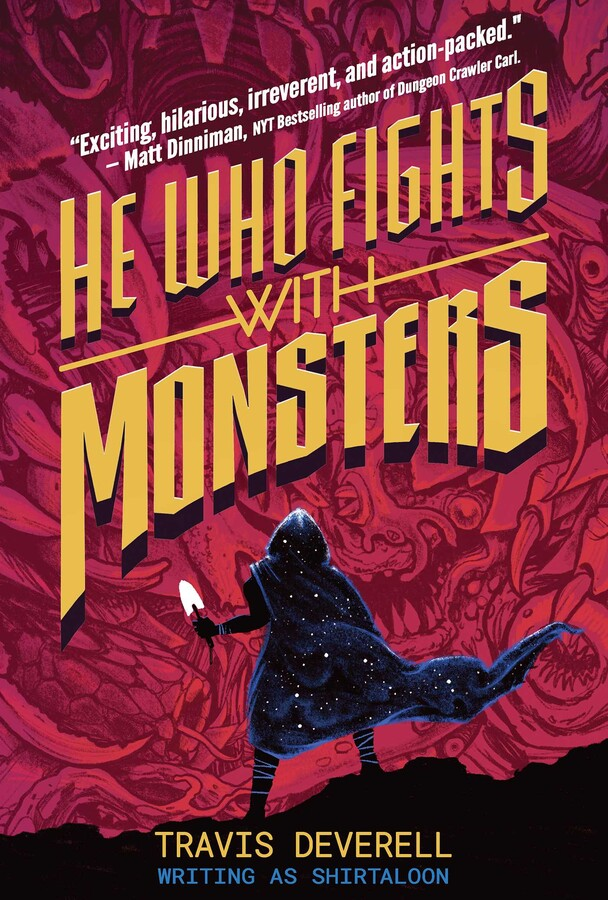
He Who Fights With Monsters by Shirtaloon (a.k.a. Travis Deverell)

It’s not easy making the career jump from office-supplies-store middle manager to heroic interdimensional adventurer. At least, Jason tries to be heroic, but it’s hard to be good when all your powers are evil.

He’ll face off against cannibals, cultists, wizards, monsters…and that’s just on the first day. He’s going to need courage, he’s going to need wit, and he’s going to need some magic powers of his own. But first, he’s going to need pants.

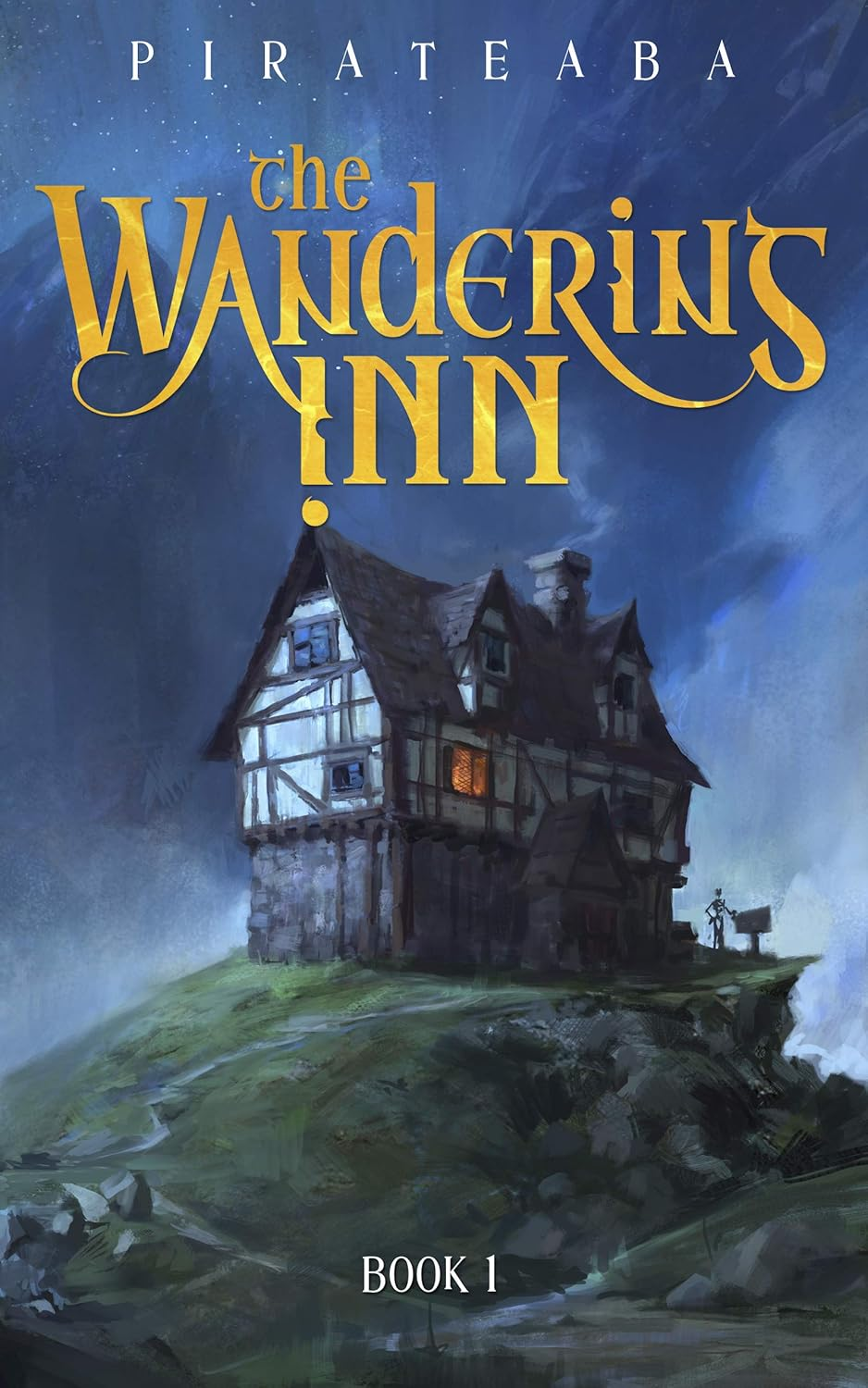
The Wandering Inn by Pirateaba

It’s a bad day when Erin finds herself transported to a fantastical world and nearly gets eaten by a Dragon. She doesn’t belong in a place where monster attacks are a fact of life, and where Humans are one species among many. But she must adapt to her new life. Or die.

In a dangerous world where magic is real and people can level up and gain classes, Erin Solstice must battle somewhat evil Goblins, deadly Rock Crabs, and hungry [Necromancers]. She is no warrior, no mage. Erin Solstice runs an inn.

She’s an [Innkeeper].

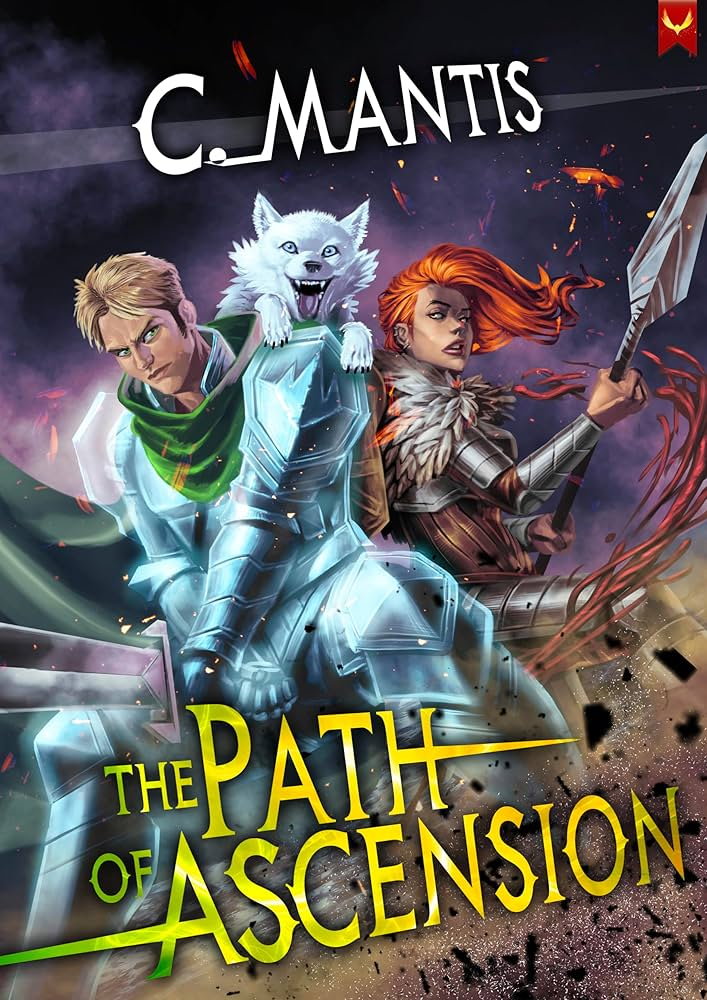
The Path of Ascension by C. Mantis

Matt plans to delve the rifts responsible for the monsters that destroyed his city and murdered his parents. But his dreams are crushed when his Tier 1 Talent is rated as detrimental and no guild or group will take him.

Working at a nearby inn, he meets a mysterious and powerful couple who give him a chance to join the Path of Ascension, an empire-wide race to ascend the Tiers and become living legends.

With their recommendation and a stolen Skill, Matt begins his journey to the peak of power. Maybe then, he can get vengeance he seeks…

Survival of the Fittest

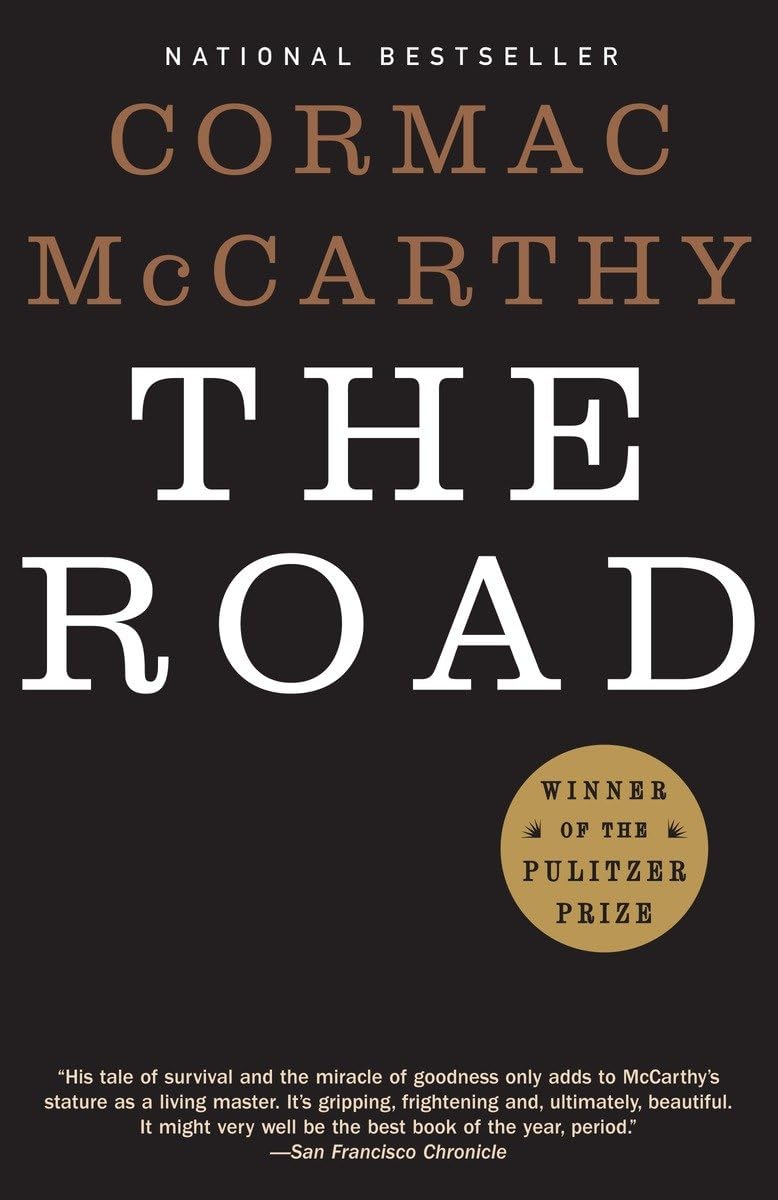
I finished reading my last book of the year on December 27 (Sugar, Salt, Fat: How the Food Giants Hooked Us, by Michael Moss, which was very good), and figured that was it for the year. I had too much going on to rush another book but I just couldn’t go without reading something, so I grabbed one off my To Be Read shelf – Cormac McCarthy’s The Road, which has so many recommendations the cover should be 14-carat gold.

Every review was correct. I read the book in a day and a half – I probably could have finished it in five hours, if I’d had uninterrupted time. I just could not put this book down. It’s a sparse novel about a father and son in a post-apocalyptic world – you don’t even find out what happened – as they try to survive travel on foot an unknown distance to the south shore to get out of the freezing winter weather. I’m guessing by the fact they crossed over high mountains they were heading to California, but no clues are given (in the movie, the map shows Florida). This book was beyond compelling, certainly worthy of every accolade. But I didn’t feel like writing an entire blog post about it. Nothing is worse than a review that gives a play by play recap of a book.

So I went and looked up books like The Road, because I’ve read enough post-apocalyptic fiction to have covered all the basics. What is it compared to? For decades (and arguably still) my favorite novel of all time, by number of rereads, is Alas, Babylon, by Pat Frank, a post-nuclear war novel from 1959. A little dated, but not much. In the chaos of 9/11, I sent my oldest friend a two-word text: Alas, Babylon, and he knew exactly what I meant.

But a couple of similar-to lists had the nerve to list Earth Abides, by George R. Stewart. My father was always after me to read this one, the Alas, Babylon of his youth, before the Cold War. Eventually I did, and honestly, it’s one of the worst apocalyptic books I’ve ever read. Okay, maybe they didn’t realize in 1949 that you should never dust pregnant women with DDT. The chemical world was still pretty much in denial that some things were deadly. But these “survivors,” instead of focusing on long-term survival, worry only about immediate needs and then go hungry when canned food runs out. They have no concept of gardening, let along farming and food storage. They think nothing about education, don’t teach their children even basic reading skills, and so that, although they have public libraries to learn survival skills from, in just one generation, no one can read the books. It’s difficult to root for their survival… After learning what to do and how to do it from Alas, Babylon, I truly hated this book. 

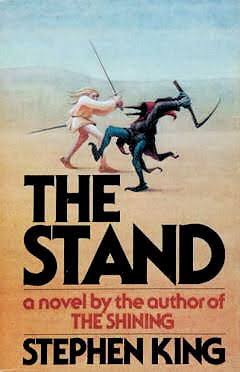
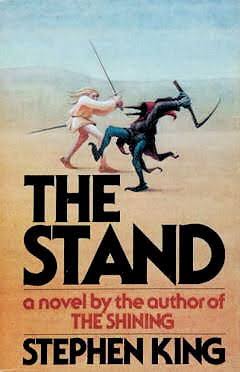
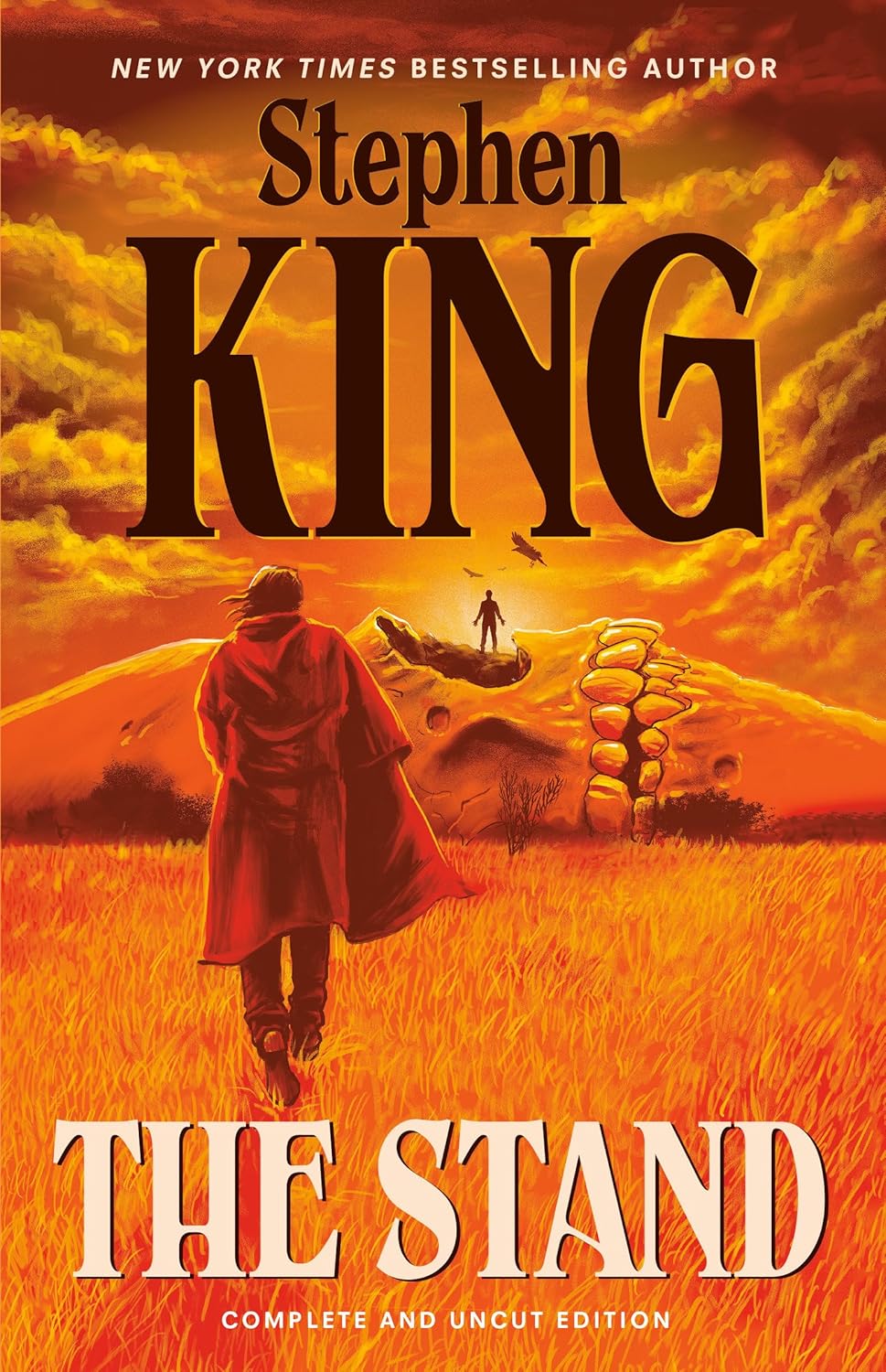
But that doesn’t mean there aren’t other really good books (and movies!) out there. And post-apocalyptic doesn’t necessarily mean science-fiction. Stephen King’s The Stand can be drama, horror, alternative history, Christian fiction, speculative fiction, or loosely science fiction, depending on how you want to interpret it. Same with The Road: It’s a story about father-son relationships, survival during hardship, and climate destruction.

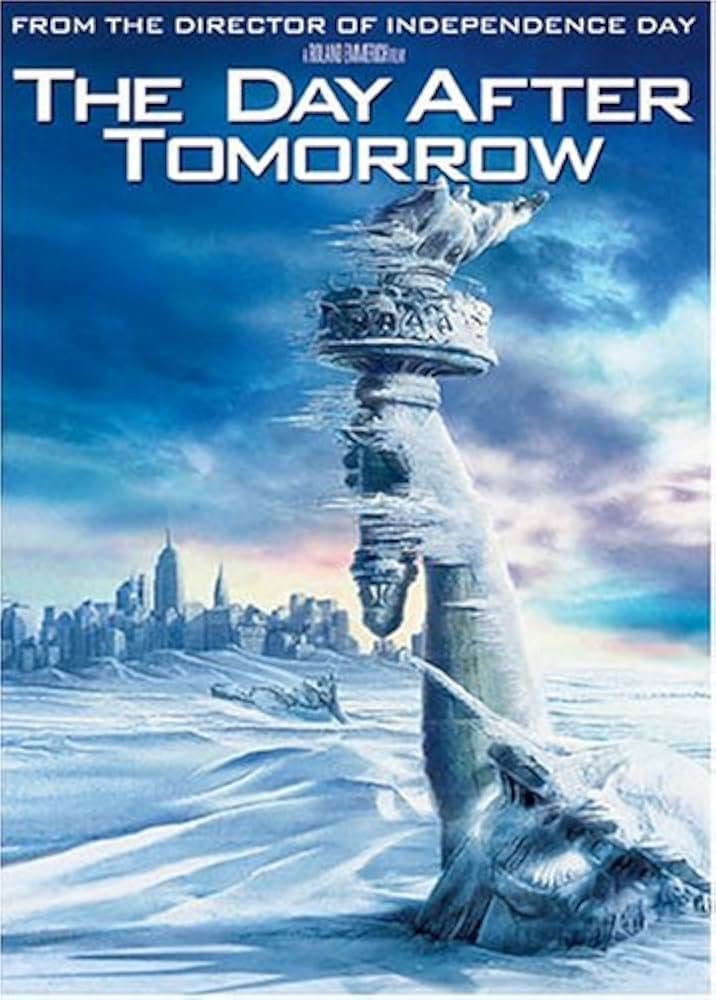
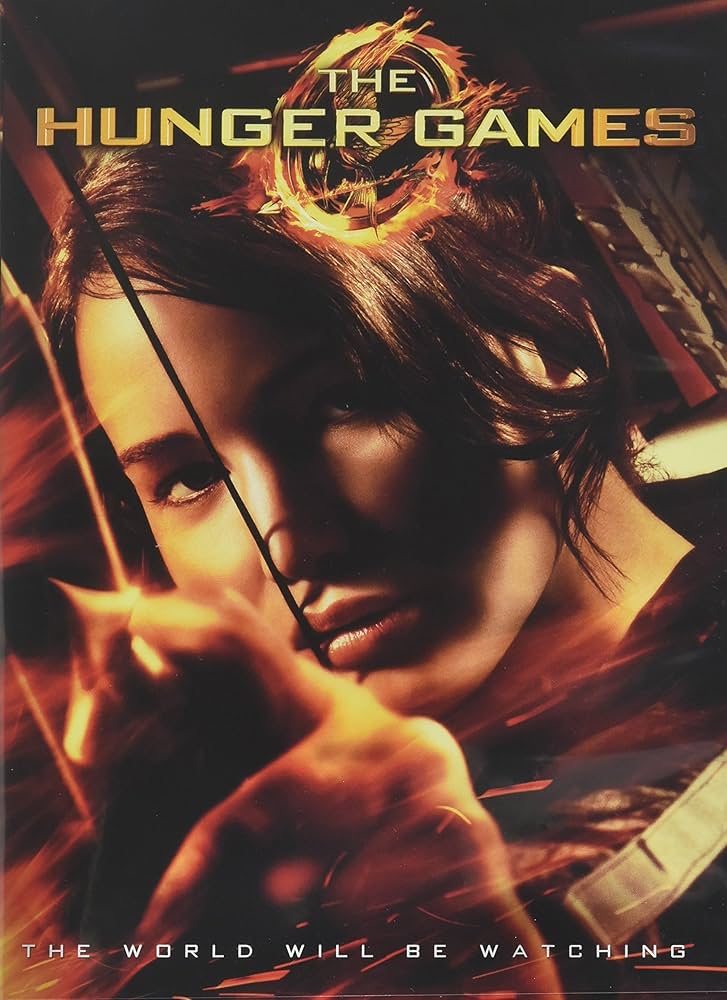
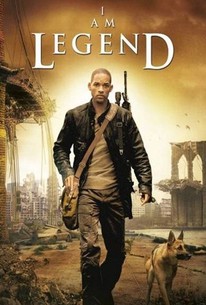
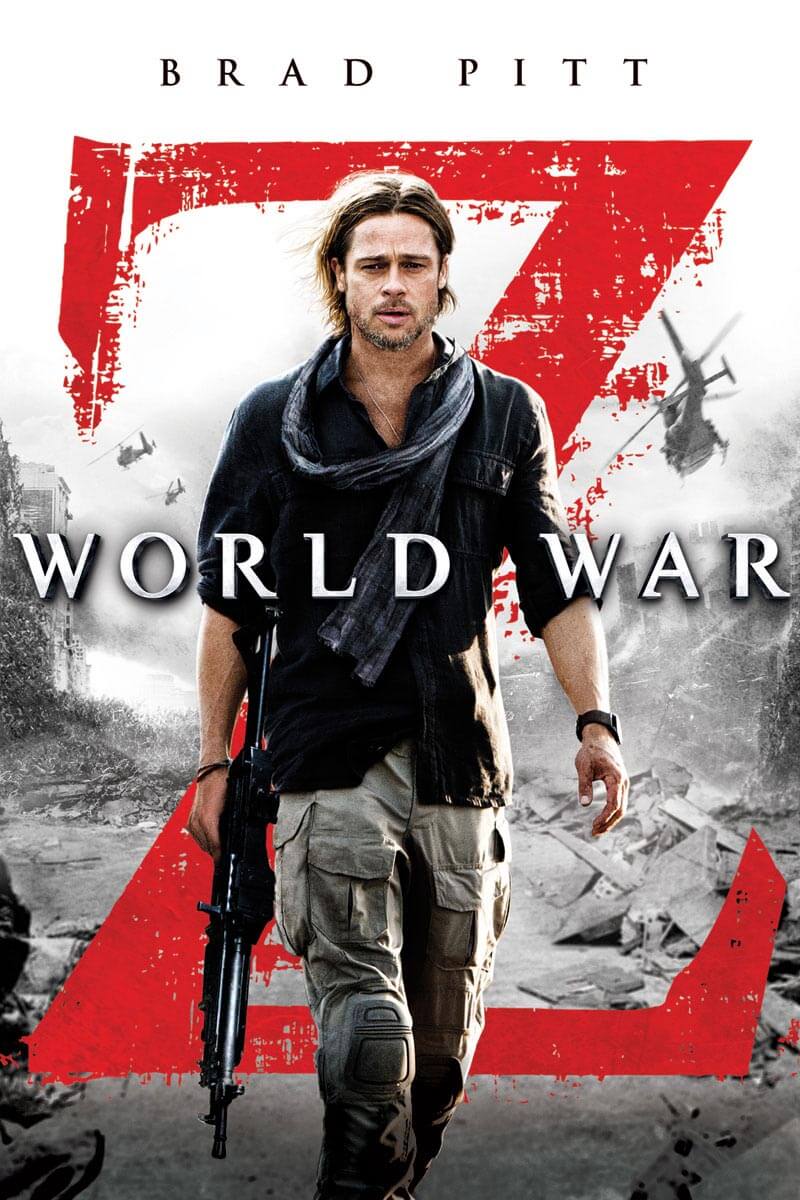
Post-apocalyptic fiction simply means that some calamity has befallen society, tearing apart what used to be normal. If a country – China, Turkey, Peru, Afghanistan, etc. – was utterly destroyed by earthquake and subsequent famine and plague, you could call their recovery post-apocalyptic, even though the rest of the world continued. How we formed trade networks and moved to online commerce during the Covid epidemic can be seen as apocalyptic in a way; we are in a post-apocalyptic society from Covid, as many of our bedrock companies folded, telehealth and working from home became a thing, and society as a whole changed. There are many, many excellent “post-apocalyptic” stories out there, some focusing on disease ( The Andromeda Strain), on climate (Day After Tomorrow), natural disasters (asteroids, etc.) (Solar), nuclear holocaust (Planet of the Apes), the death of oil (Road Warrior), electromagnetic pulse (One Second After), and more. How do people adapt? Can mankind survive? What determination does it take? How can you stay hopeful in the face of annihilation? What can we learn from these stories to avoid such scenarios, or how to survive them? Apocalyptic fiction can be quite imaginative (Hunger Games), and appeal to a wide range of readers (and viewers). Sometimes the book is meh, but the film is far better (Planet of the Apes, for one), sometimes the book is excellent but the movie is okay (Girl With All the Gifts), and sometimes there is more than one film version of the book, with differences between them (The Stand, Planet of the Apes, Day of the Triffids, War of the Worlds). All of them will question your morality and make you wonder about your ability to survive a serious disaster.

(Fun fact: the final battle in War of the Worlds was filmed at the old Uniroyal plant in Naugatuck, CT)

Here’s a wide array of post-apocalyptic novels and films sure to keep you engaged. Which do you like best?

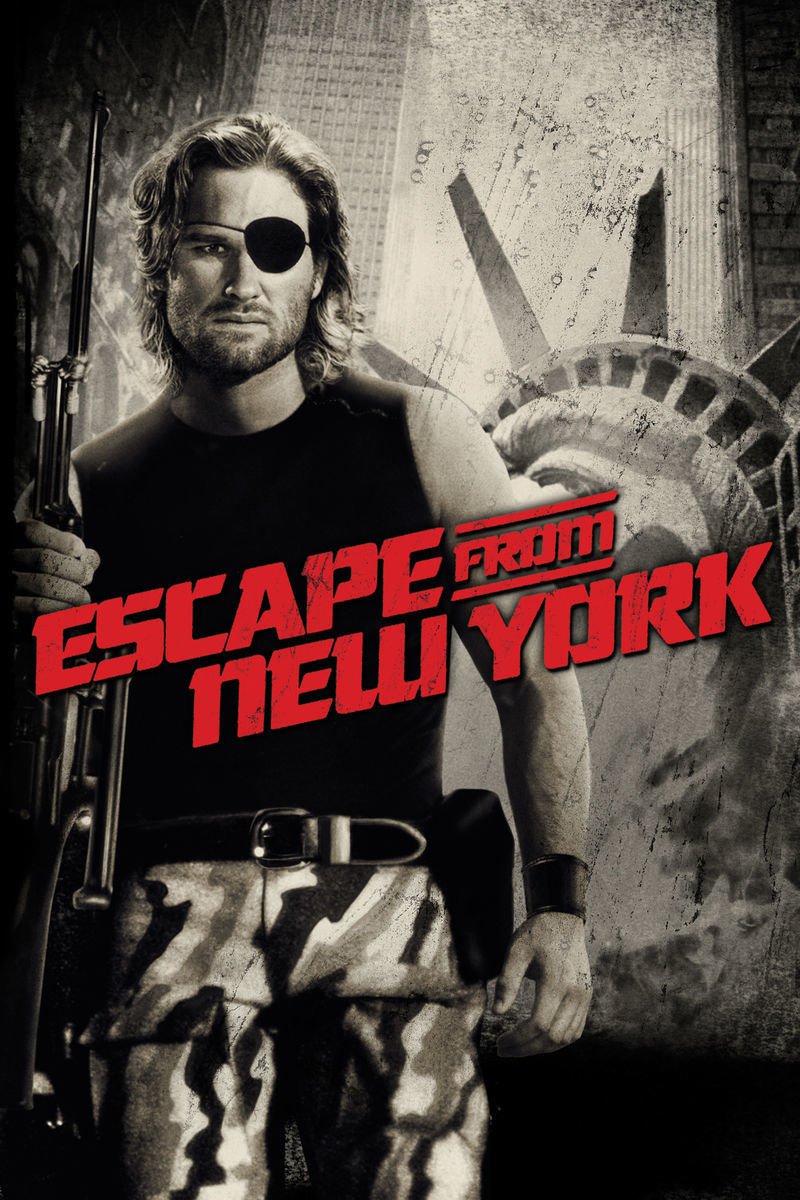
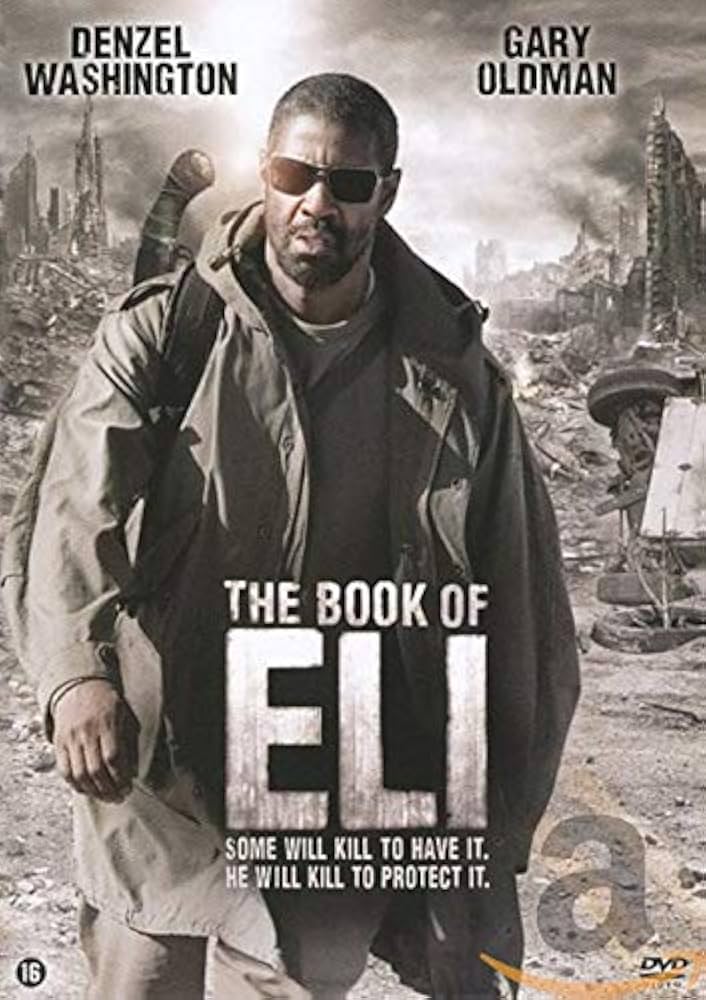
Films (some from novels):

Books (some with accompanying films):

Emerging Genre Highlight: Healing Fiction

To call healing fiction an “emerging” genre is a bit of a misnomer. It’s emerging to us Americans, but it’s enjoyed decades long popularity in South Korea and Japan, where it has its roots. Only in the 2010s and (more so) the early 2020s has it made waves in the West. Many see the genre’s newfound success as a logical response to the heightened political, epidemiological, economic, societal, and (*checks notes*) general turmoil that many have been subjected to as of late. In times of strife, healing fiction offers solace. You see this in reviews:

It’s like a cup of cocoa in front of the fireplace,” says one reader about Welcome to the Hyunam-Dong Bookshop by Hwang Bo-Reum.

This book was all the hope you need and want to see in the world,” says another about The Second Chance Convenience Store by Ho-Yeon Kim.

These books are not propelled by conflict, narrative threads are not left dangling uncomfortably, and cynicism is verboten. In a world that (at times) seems designed to erode the soul, healing fiction offers escape.

These stories share a number of traits. Found family, cozy settings like coffee shops or book stores, a sprinkling of magical elements, depictions of physical and emotional sustenance, second chances, feline friends, and traumatized protagonist who ultimately, well, heal. But more important than any individual story element is the pervasive idea that change is possible, that there is hope no matter what.

Before sharing some great introductory examples of healing fiction, I want to add that it’s possible you’ve already come across a Western read-alike. One example is the immensely popular The Midnight Library by Matt Haig, where protagonist Nora is transported to a mystical library after attempting suicide, each book representing a life she could have led. Though lacking the warmth generally apparent in healing fiction, its optimism and magical atmosphere are in line with the genre. Legends & Lattes by Travis Baldree and A Psalm for the Wild-Built by Becky Chambers are cozy fantasy/science fiction that borrow healing fiction’s slice-of-life narratives and hopeful, feel-good tone. If you enjoyed any of these books, or are merely curious about the genre, here are a handful of healing fiction books to get you started.

Before the Coffee Gets Cold by Toshikazu Kawaguchi

In a small back alley of Tokyo, there is a café that has been serving carefully brewed coffee for more than one hundred years. Local legend says that this shop offers something else besides coffee—the chance to travel back in time. Over the course of one summer, four customers visit the café in the hopes of making that journey. But time travel isn’t so simple, and there are rules that must be followed. Most important, the trip can last only as long as it takes for the coffee to get cold.

What You Are Looking For Is in the Library by Michiko Aoyama

What are you looking for? So asks Tokyo’s most enigmatic librarian. For Sayuri Komachi is able to sense exactly what each visitor to her library is searching for and provide just the book recommendation to help them find it. A restless retail assistant looks to gain new skills, a mother tries to overcome demotion at work after maternity leave, a conscientious accountant yearns to open an antique store, a recently retired salaryman searches for newfound purpose. In Komachi’s unique book recommendations they will find just what they need to achieve their dreams.

The Cat Who Saved Books by Sosuke Natsukawa

Bookish high school student Rintaro Natsuki is about to close the secondhand bookstore he inherited from his beloved bookworm grandfather. Then, a talking cat appears with an unusual request. The feline asks for—or rather, demands—the teenager’s help in saving books with him. The world is full of lonely books left unread and unloved, and the cat and Rintaro must liberate them from their neglectful owners. 

The Kamogawa Food Detectives by Hisashi Kashiwai

Down a quiet backstreet in Kyoto exists a very special restaurant. Run by Koishi Kamogawa and her father Nagare, the Kamogawa Diner serves up deliciously extravagant meals. But that’s not the main reason customers stop by… The father-daughter duo are ‘food detectives’. Through ingenious investigations, they are able to recreate dishes from a person’s treasured memories – dishes that may well hold the keys to their forgotten past and future happiness. The restaurant of lost recipes provides a link to vanished moments, creating a present full of possibility.

We’ll Prescribe You a Cat by Syou Ishida

Tucked away in an old building at the end of a narrow alley in Kyoto, the Kokoro Clinic for the Soul can only be found by people who are struggling in their lives and genuinely need help. The mysterious clinic offers a unique treatment to those who find their way there: it prescribes cats as medication. Patients are often puzzled by this unconventional prescription, but when they “take” their cat for the recommended duration, they witness profound transformations in their lives, guided by the playful, empathetic, occasionally challenging yet endearing cats.