Dragging Out the Details

Ever read a doorstop?
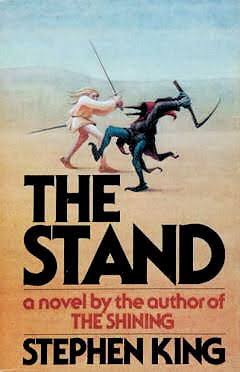
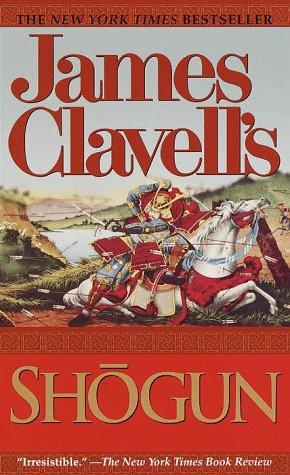
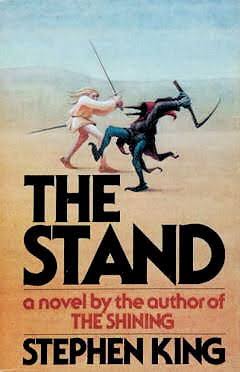
Big, thick books of more than 600 pages, such as Stephen King’s The Stand (823 pages originally, which he padded out to 1100 pages on rerelease), Sarah J. Maas’s A Court of Silver Flames (757), Outlander (850), The Hour I First Believed (768), Shogun (1200), or even Les Misérables (1400 pages. I confess, I didn’t make it past 800. That’s a lot of griping about a loaf of bread) can be considered doorstops, sometimes too big to fit on shelves. Certainly, the bindings on these monsters are not destined for long-life. There are a lot of popular books whose weight will hurt your wrists holding them up.

The average book runs around 250-300 pages, or around 80,000 words. Romance and Mystery can run shorter, Science Fiction a bit longer, but Fantasy is the king of long novels, consistently running up tallies beyond James Michener, and usually for the same reasons. Michener researched his novels down to the history of the formation of the tectonic plates that formed the island where his story took place – and that was before the internet. You were going to know exactly what it was like to be in that location, no detail spared. And that is generally true of fantasy novels (and some science fiction. We’re not ignoring you, Dune, at up to 896 pages in some versions) such as the Game of Thrones series (674 pages in the hardcover) and A Memory of Light, of the Wheel of Time series, at 912 pages.

What often separates these novels apart is the need for world building. When an urban romance begins, you, as an inhabitant of the modern Earth world, already understand the location. You’ve seen cars and buses, trucks, trains, maybe a subway, even if only in a movie. You know a jet from a prop plane from a blimp. No one has to describe it for you. You know what a crowded street sounds like, the crush of people pushing past you, the colors of the traffic lights, the enticing smell of a food cart on a cold winter afternoon, the spooked raccoon leaping out of a dumpster. All it takes is a mention (“A rat the size of a pregnant chihuahua dragged a greasy box of KFC down the deserted back alley.”) and you get a picture in your head that is fairly accurate to what the author imagined.

If you’re inventing a strange new world, whether it’s an alien land with orange skies and eight-legged monsters and a generational spaceship besieged by radiation and a twenty-year old 404 error, or a land of wizards and dragons and three-headed talking sheep, and a castle that can only be seen at midnight when a full moon lands on a Tuesday and it’s being besieged by green-skinned gnomes, then the author has to spend an inordinate amount of time teaching you to imagine this place, and how to make sense of it.
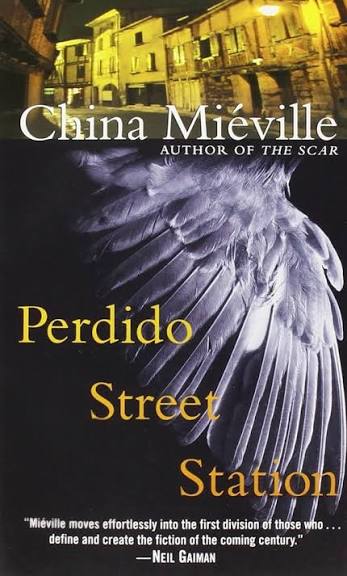
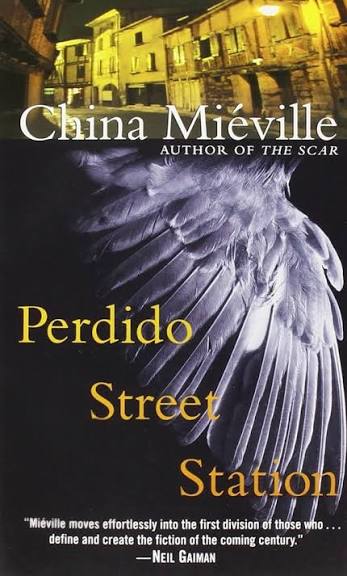
Which brings me to my latest read, the fantasy novel Perdido Street Station, a 700-page monster by China Miéville. Miéville hasn’t met a 12-letter word he can’t use in a sentence, no matter how highbrow and obscure it may be to the average reader – I’m not talking words like unconditionally, but thaumaturgy and ululating and palimpsest. Now, ululating may be the exact word you need, that undulating whoop given to Native Americans and Arabic people in movies, but using a rare word six times in one book doesn’t feel right. Despite that, the novel is sublime: extremely imaginative, walking the line between fantasy, steam punk, and horror, with fantastical creatures at every turn of the page. The story is long and involved, with twists and turns that may take a while to play out, leaving you just intrigued enough to keep reading. I liked it far more than The Difference Engine by William Gibson, which came so highly recommended.

I repeat, it was an entertaining novel, with an unexpected and satisfying ending.

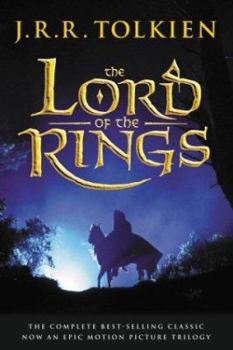
But it makes me think, when is enough enough? How much detail do we really need to be immersed in a setting? Miéville spares no detail in creating his world, right down to a map of his city, which the reader will reference often because he rattles off at least one neighborhood or train stop per page, as if the reader already knows the layout. Once or twice to give me a feel, fine, but do I really need to know the history of each neighborhood? Does the economic collapse of a neighborhood and the board by board building of the resultant slum really have a bearing on the story? I get it, it’s half human, half insect, but I’m losing track of head legs, human legs, and strange body parts. It’s nice to have details, but when do details begin to bog down a story, rather than elevate it? How much detail do we really need? The scattered Fremen words in Dune give the book flavor, and there’s enough of them that it comes with a dictionary in the back, but you can skip a lot of the words and still follow the story. Tolkien’s Elvish poetry in Lord of the Rings is beautiful, emphasizes the emotional depth of the ethereal elves, but you will lose no part of the story if you skip over them. Is it worth spending 200 pages of a book investing in a detailed character, only to have them die on page 300, but the story’s only half over? (Sit down, Game of Thrones. We learned not to invest after the first three characters died.)

An author’s world in their head is far more detailed than ever makes it to paper – sometimes. King’s The Stand is long, but there are several substories going on, and not one of them can be pulled out without affecting the story. Game of Thrones has so many stories going on that some characters are absent from entire volumes because there was no way to fit them in and keep it under 2,000 pages. Ayn Rand left no thought unspoken in Atlas Shrugged, at 1100 pages. Is that all you had to say, Ayn?

What’s the longest book you’ve read? Do you know a book that bogged down in so much detail you gave up? If you like imaginative steampunkish fantasy, give Perdido Street Station a try, but you’re going to need that renewal. Let us know what you think!


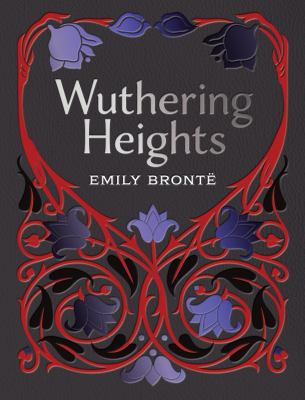
“Joseph was an elderly, nay, an old man, very old, perhaps, though hale and sinewy. “The Lord help us!” he soliloquised in an undertone of peevish displeasure, while relieving me of my horse: looking, meantime, in my face so sourly that I charitably conjectured he must have need of divine aid to digest his dinner, and his pious ejaculation had no reference to my unexpected advent.” – Wuthering Heights (it’s not just fantasy novels)
Sunrise on the Reaping

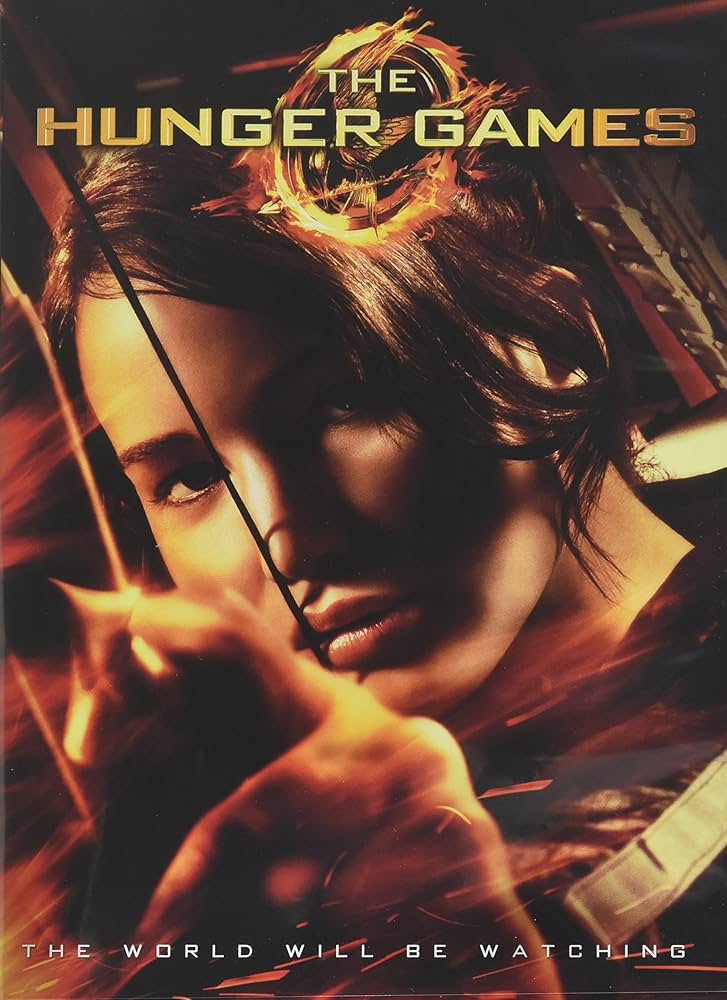
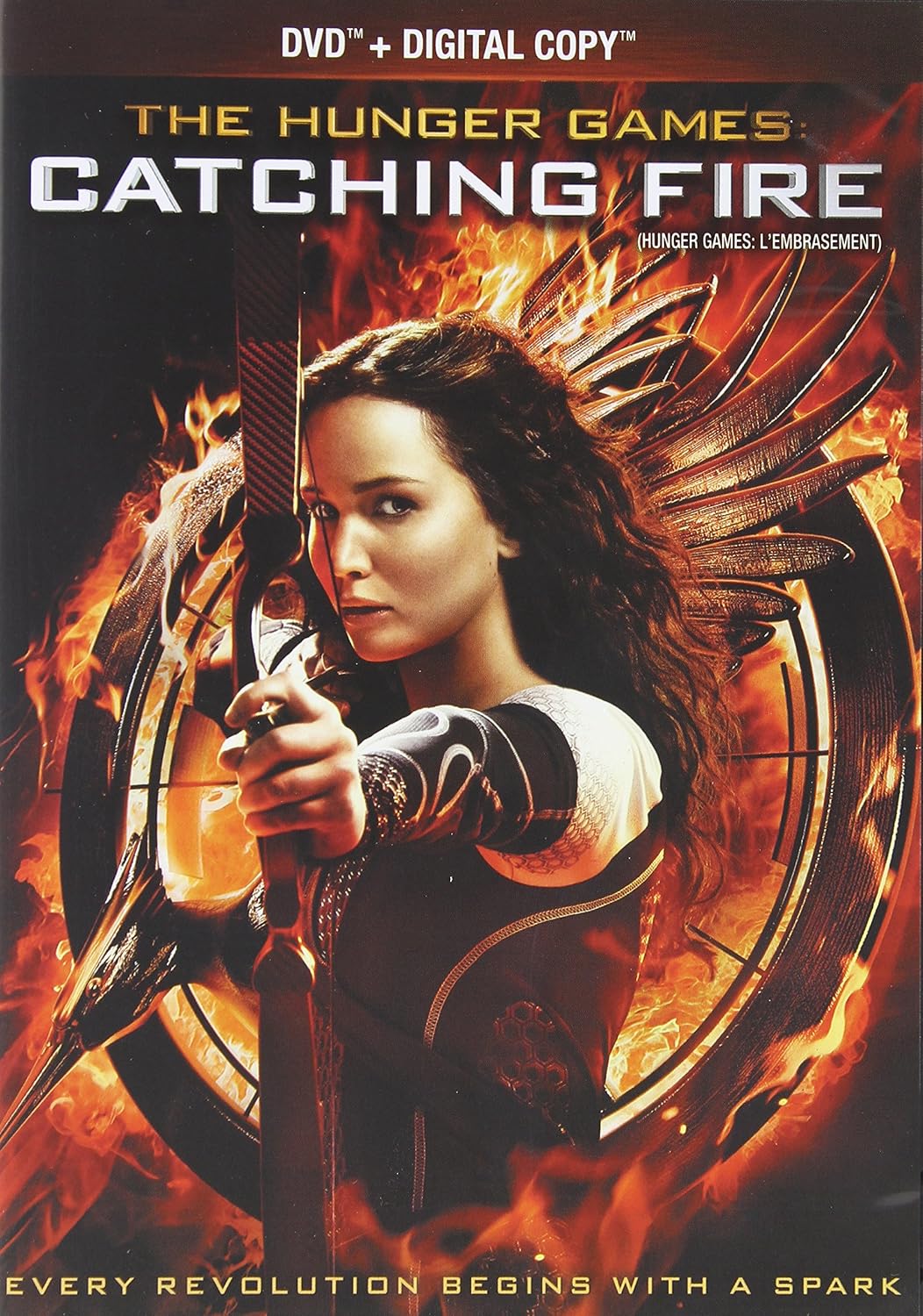
I love the Hunger Games series. I love a good action story, and Hunger Games delivers.

Like anything else, I did read the books before seeing the films, and I do feel the films have a slight advantage (except for Mockingjay – it’s nice you made it into two parts, but seriously, you didn’t need to). The films, being visual, cut any bloat that might have been lurking. I love them. I love the casting, I love the cinematography, I love the creative storyline. Any story that can make me love and hate a character at the same time is a pretty good story.

I can’t decide which is my favorite – there’s so much to love about all of them. It’s hard to make a sequel as good as an original – and we can all think of sequels that shouldn’t be spoken of in polite company (ahem, Highlander 2, Frozen 2, Caddyshack 2, Jaws 2, Godfather 3, Star Trek 5, etc) – and few franchises can pull it off – Harry Potter and the Chamber of Secrets and Empire Strikes Back being two of them. Hunger Games does, driving home the horror and mental devastation with unrelenting drumbeats. 

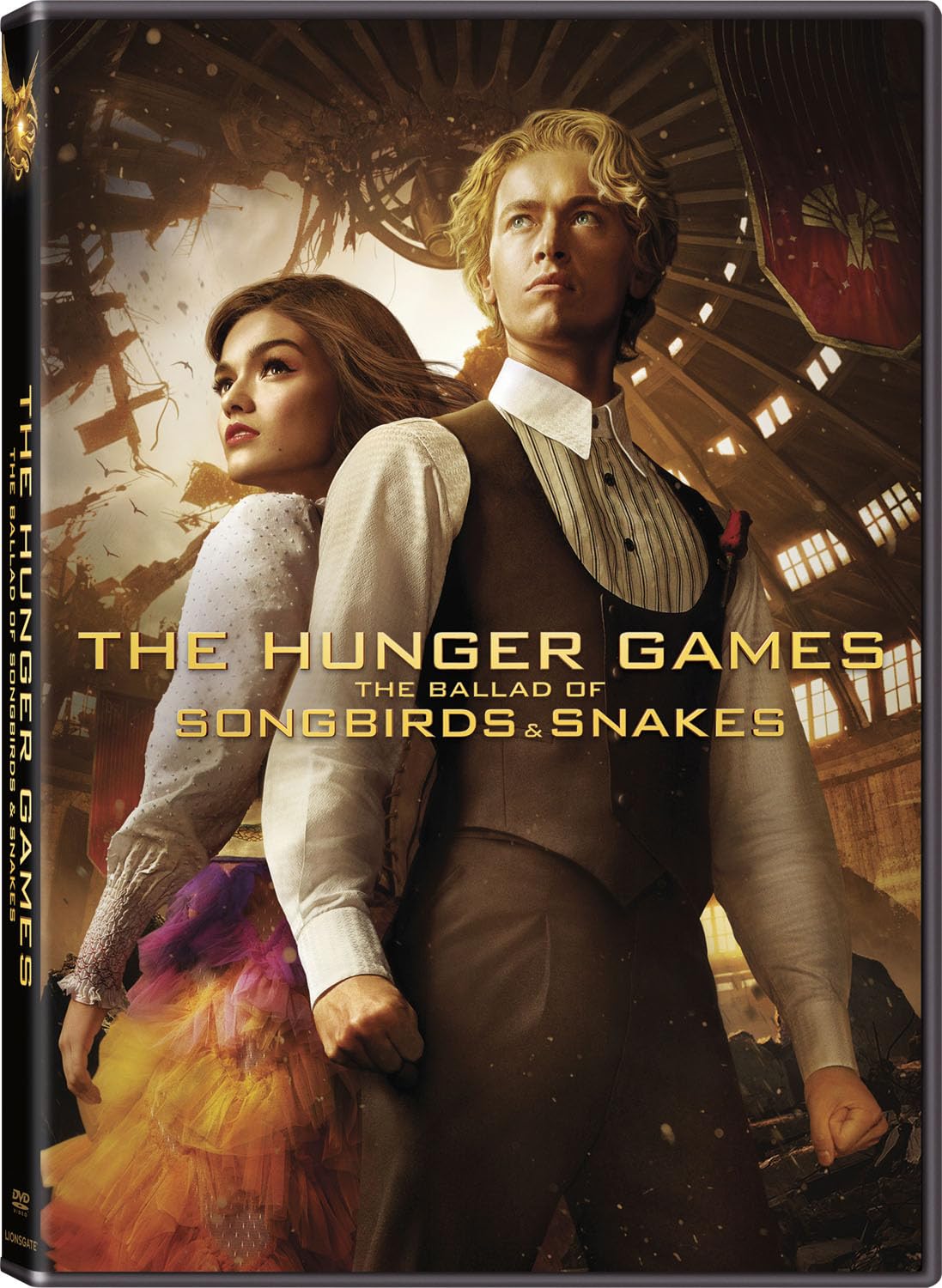
Prequels in general are easier to write (we won’t talk about Star Wars), because you generally know what came before and how it winds up. You’re just filling in the details between A and C. I’m sure Collins had a lot of the backstory written – or at least roughed out, before writing the Hunger Games prequel, Ballad of Songbirds and Snakes, a title that works perfectly on many levels. This volume, too, I adored, drawing me into the characters. Even so, I felt this was the most bloated of the series, and I couldn’t always track the action in my head. The movie fixed that gloriously. As always, the original folk music is just the icing on the cake. 

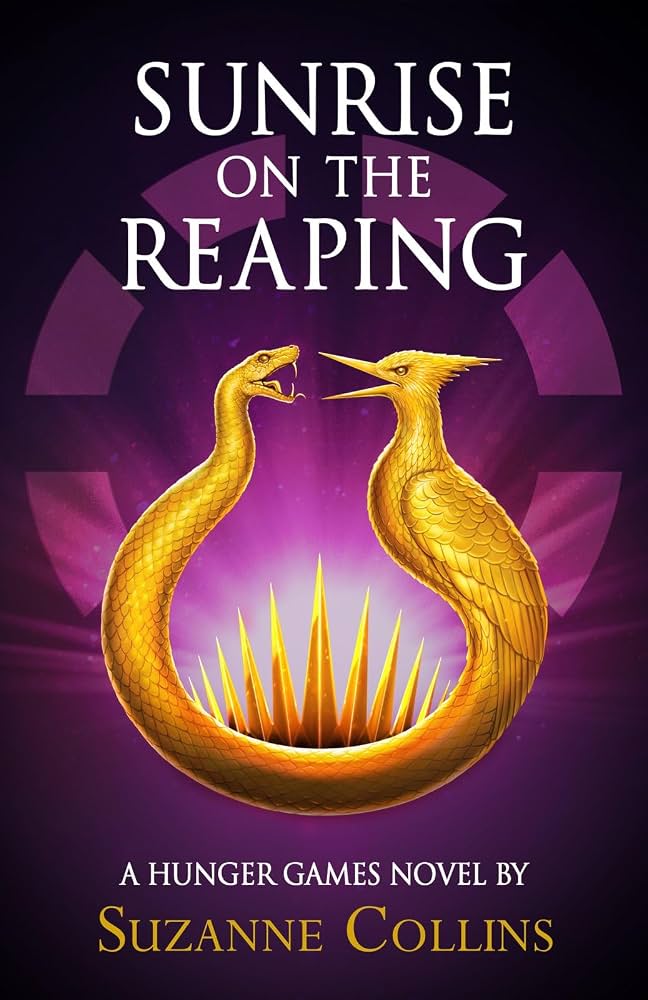
And, okay, I was a year late reading it, but we were gifted with a second prequel, twenty-five years later in the timeline, the 25th games where we first meet the alcoholic mentor Haymitch, Sunrise on the Reaping.

I love Haymitch. I love Woody Harrelson for playing him to perfection. Who the heck wouldn’t be an alcoholic after all that? And to find out you might have to do it again, late in life, when you don’t stand a chance against a 17 year old professional assassin? Yo! Fill my cup! 

But for the first time in the series, this book on Haymitch left me wanting.

Sunrise suffers from what I’ve long-called “Muppet Baby Syndrome.” In the original Muppet Show, all the Muppets are adults from different backgrounds, just like people. When the Muppet Movie hit, it explored the origins of all the characters and how they all met and came together to work on The Muppet Show. 

Good film. Funny and entertaining for adults, not just kids.

Then came the cartoon Muppet Babies, and suddenly all the Muppets are all together and in the same room as infants (grrr) and no one knows why or how. Many shows have fallen into this trap, where characters are thrown together years before they should be, have always known each other, and everyone who might possibly be a new character knows everyone already, even if the character lines were already set differently. Think of Scooby Doo, with 50 years of genre, and someone now starts a series where the characters were all adopted as newborns in the same family, all at the same time. Star Trek has done this with the Strange New Worlds series. Doesn’t make sense, does it. Sometimes, the stretch is so far, it’s painful.

And that’s what Sunrise on the Reaping does. Districts are districts, large geographic areas, not single towns. It’s like saying all of Appalachia – which spans 13 states – is the size of Bird-In-Hand, Pennsylvania (pop. 537). All of the entire District 12 assembles in one place for the reaping? How do all these poor people get there? Everyone in the village is related, knows everyone, has interbred for generations, even before the war? (Okay, that’s not too far-fetched, very small towns are very like that). Or is only that town lucky enough to be reaped? We really needed to drag in Effie Trinket, 25 years early (she never seemed that old)? Why? Why not someone else? She is the only one who can ever draw names for District 12? They don’t take turns with assignments? And Caesar? Plutarch? Beetee? Mags? It seems suddenly that every character in the last four books is here in this one, too, whether or not they need to belong there, and that hits that painful spot of disbelief. Muppet Baby Syndrome. Instead of introducing us to new characters, and new backgrounds, and new stories, it feels pieced together from all the other bits that we already know. And while I liked some of the new characters, even though you knew they were doomed, I just didn’t have enough feel for Haymitch and his girl to care. 

Maybe because the story is tightly locked in by the formula, and “how many ways to kill 24/48 kids can we come up with and still make it fresh?” You can’t. It’s been done. Four times. We know what’s going to happen, and who’s going to live. That’s the way the story must play out. It can’t change, no matter what you try to make different.

Despite it all, I did enjoy it enough. Still love Haymitch. Still love the series. It’s just this book is my least favorite. 

Watch for Sunrise on the Reaping in theaters this November 20.  View the movie trailer here.

Signing off from District 13.

Dragon Cards, Dueling Decks, and a Packed House: Reading Dragons Soar at Cheshire Public Library

This summer, the Cheshire Public Library turned up the heat (and the magic) on our Summer Adventure by introducing a wildly fun and fiery addition: Reading Dragons!

Originally developed by the Dover Public Library in Ohio, Reading Dragons is a free, card-based reading incentive program that rewards kids with collectible dragon cards for each hour they read. Thanks to the collaborative efforts of librarians nationwide, the program has taken flight, now used in over 400 libraries across 42 states and 5 countries—and we’re thrilled to be part of the dragon-loving fun.

How It Works

At its core, Reading Dragons inspires kids to read more by tapping into their love of collecting, creativity, and games:

  • Finish 3 levels of the Cheshire Library Summer Reading Adventure and get a complete starter deck of Dragon Duel Cards—it is that simple.
  • Each card features original artwork of dragons and mythical creatures.
  • Gameplay is similar to Rock, Paper, Scissors, except with dragon types (fire, water, and leaf).

Cheshire’s Dragon Dueling Decks: Our Fiery Twist

We decided to take the Reading Dragons concept and add our own twist to the cards and the program. Originally, the program called for giving readers a individual trading card for each hour they read. At first, we planned to follow the program as designed but we quickly realized this would overwhelm our staff. Instead, we decided to give participants who completed the first three levels of our program, a full starter deck of 24 custom-designed cards.  

This not only freed up staff for programs, collection maintenance, and development but it also allowed our summer readers to get their cards at the halfway point. This allowed us to recapture our summer readers attention. We are hoping this will lead to more kids to finishing the program this year. 

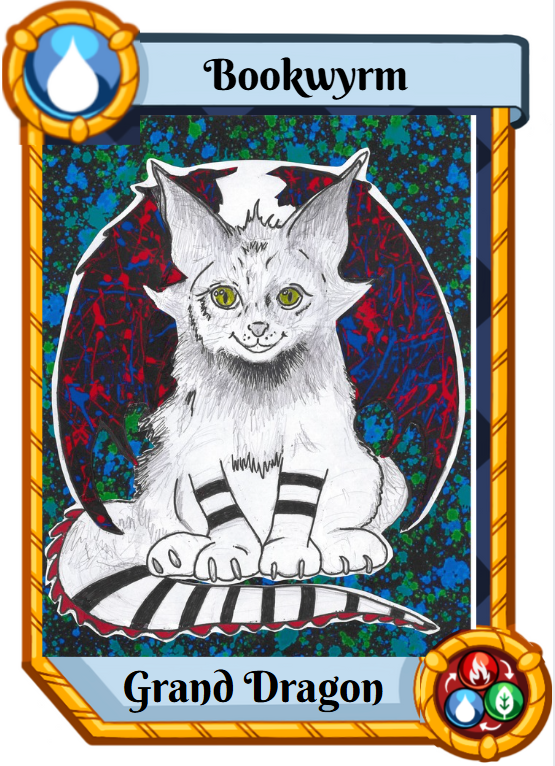
One of our proudest additions? The Bookwyrm Dragon set, lovingly designed by our talented staff member Laurie Lee, who previously created the Cheshire Cat logo for last year’s registration prize. This year, Laurie stunned us again with her imaginative Cheshire Cat/Dragon hybrid—one of the stars of the starter deck! Laurie is an incrdible artist who always goes above and beyond for the library.

Game On: Our First Dragon Duel Tournament

This week, the dragons truly came to life with our first-ever Dragon Duel Tournament—and the turnout was amazing! Our library was packed with excited young readers-turned-card battlers, eager to put their decks to the test! Their goal defeat their opponent’s dragons and win special edition cards with game changing powers!

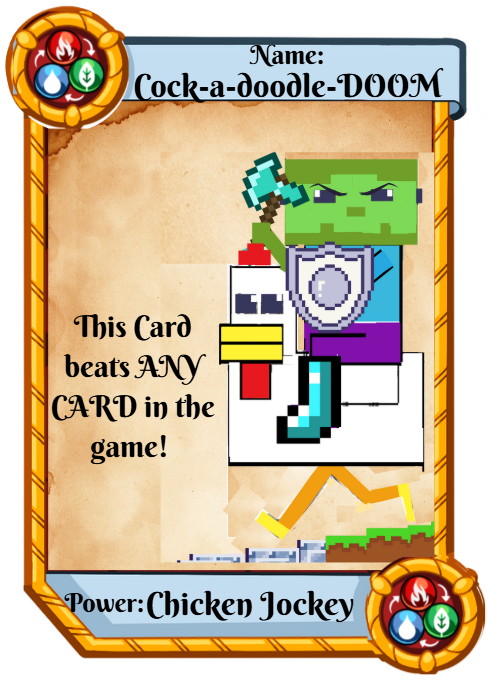
All of our participants received a special edition card, however our tournament champions walked away with the most powerful card we have unveiled so far:

The dreaded and coveted Cock-a-doodle-DOOM card! A card that harnesses the massive power of the Chicken jockey and defeats any card in the game. Needless to say, this will be a very limited edition card.

What’s Next for Cheshire Library and Reading Dragons?

This is just the beginning. We are already brewing up plans to continue the Reading Dragons experience into the fall and winter, with:

  • All-new cards
  • New game changing powers
  • Even more duels, events, and excitement

Reading has never been so mythical—or so much fun.

A huge thank you to the creators of the Reading Dragons program, local artist and library staff member Laurie Lee, and to our own amazing team here in Cheshire. We’re thrilled to bring reading and creativity together in such an unforgettable way.

Making Sense of Book Awards

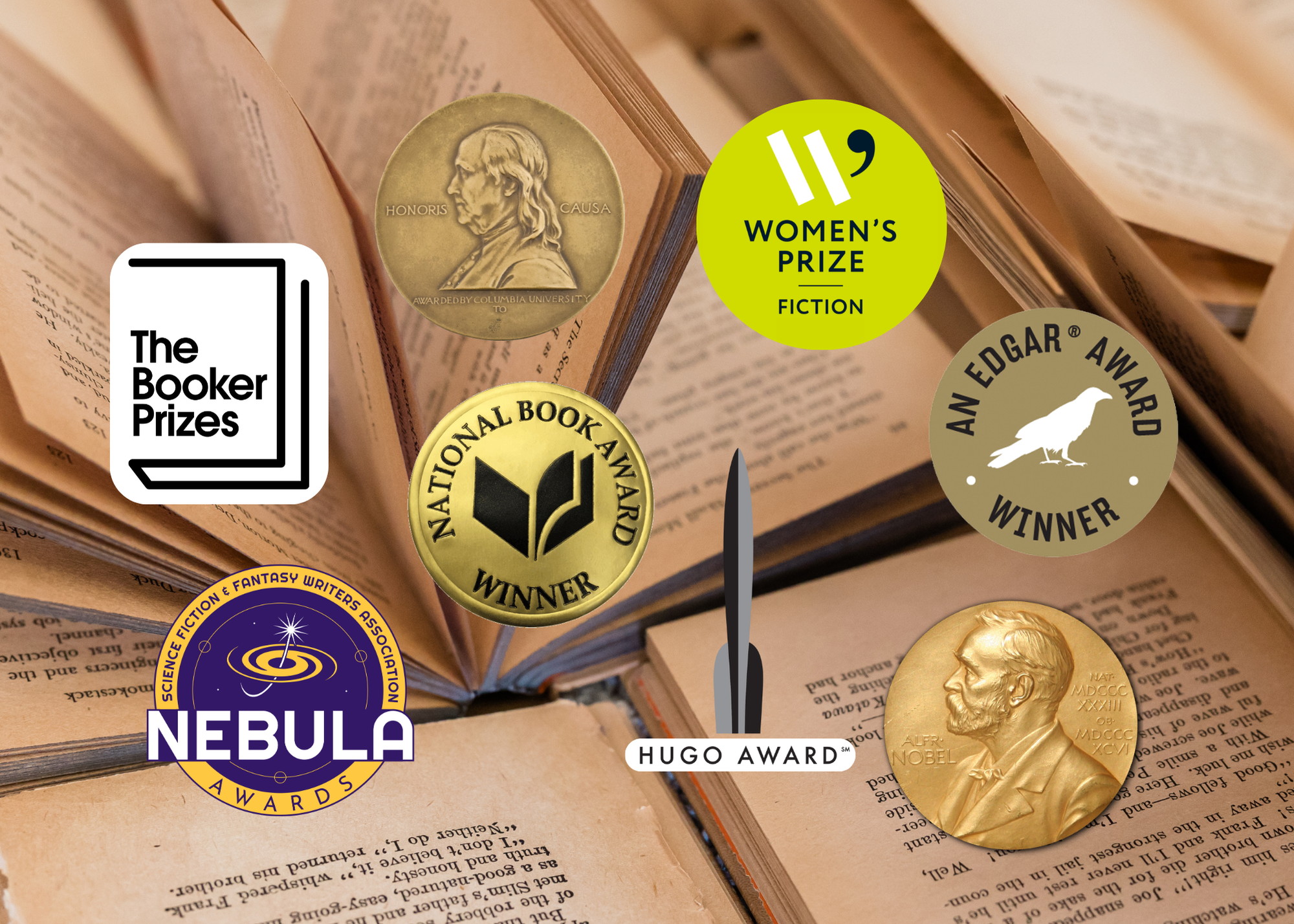
Has this ever happened to you? You’re in a library or book store, minding your own business, when a ray of light blinds you, stopping you in your tracks. You think, “Is this aliens? Is this the rapture? What is going on?” You catch your breath and realize it’s just the gleam of one of those shiny emblems that says, “Booker Prize.” You pick up the book and even more questions flood your mind: “Who’s this Booker fella and what right does he have to tell me what to read?!” I’ve been there, I get it. But there’s no need to dismay. Once you make sense of book awards, they can be helpful tools in the eternal search for your next book.

Booker Prize

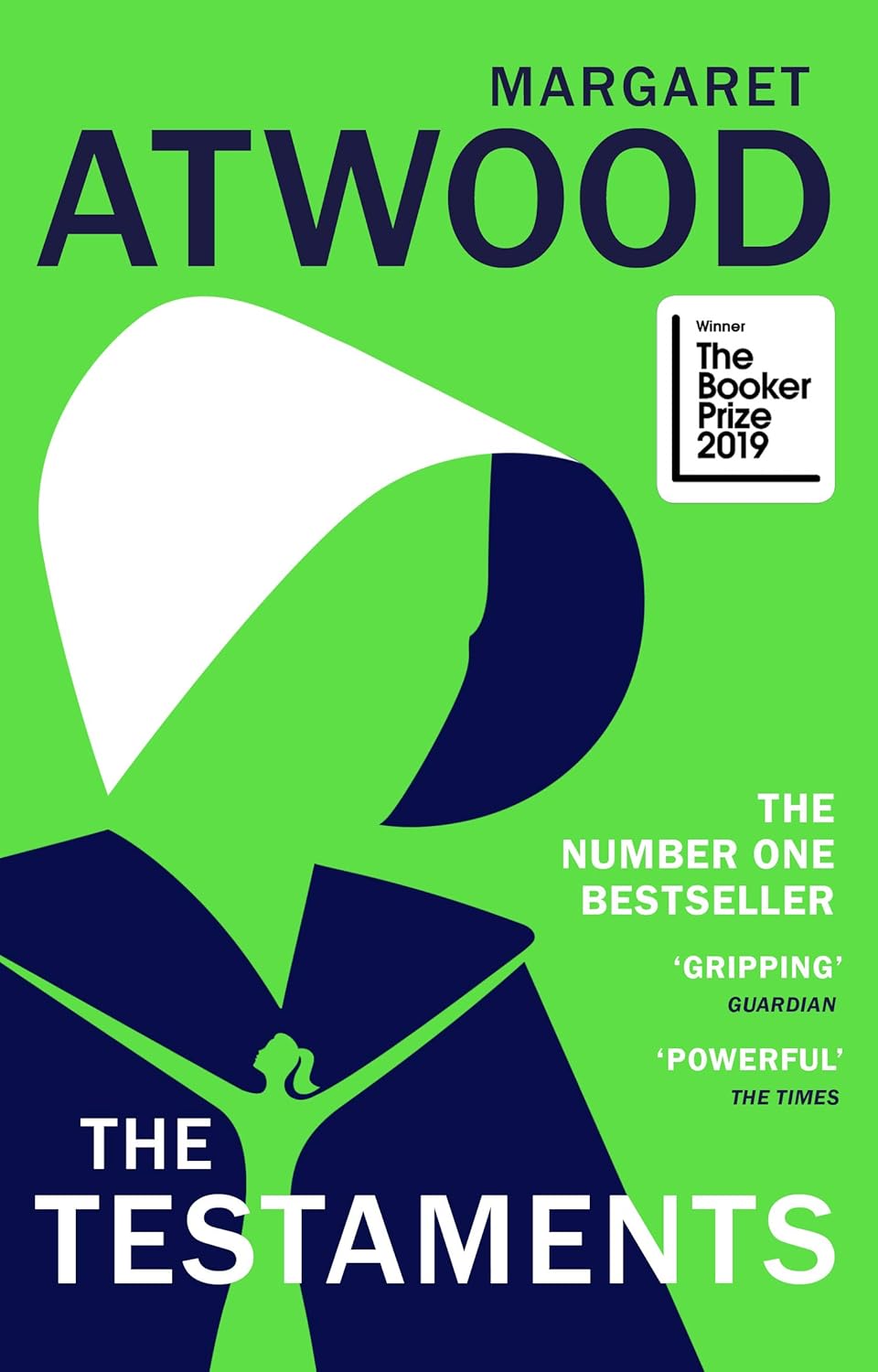
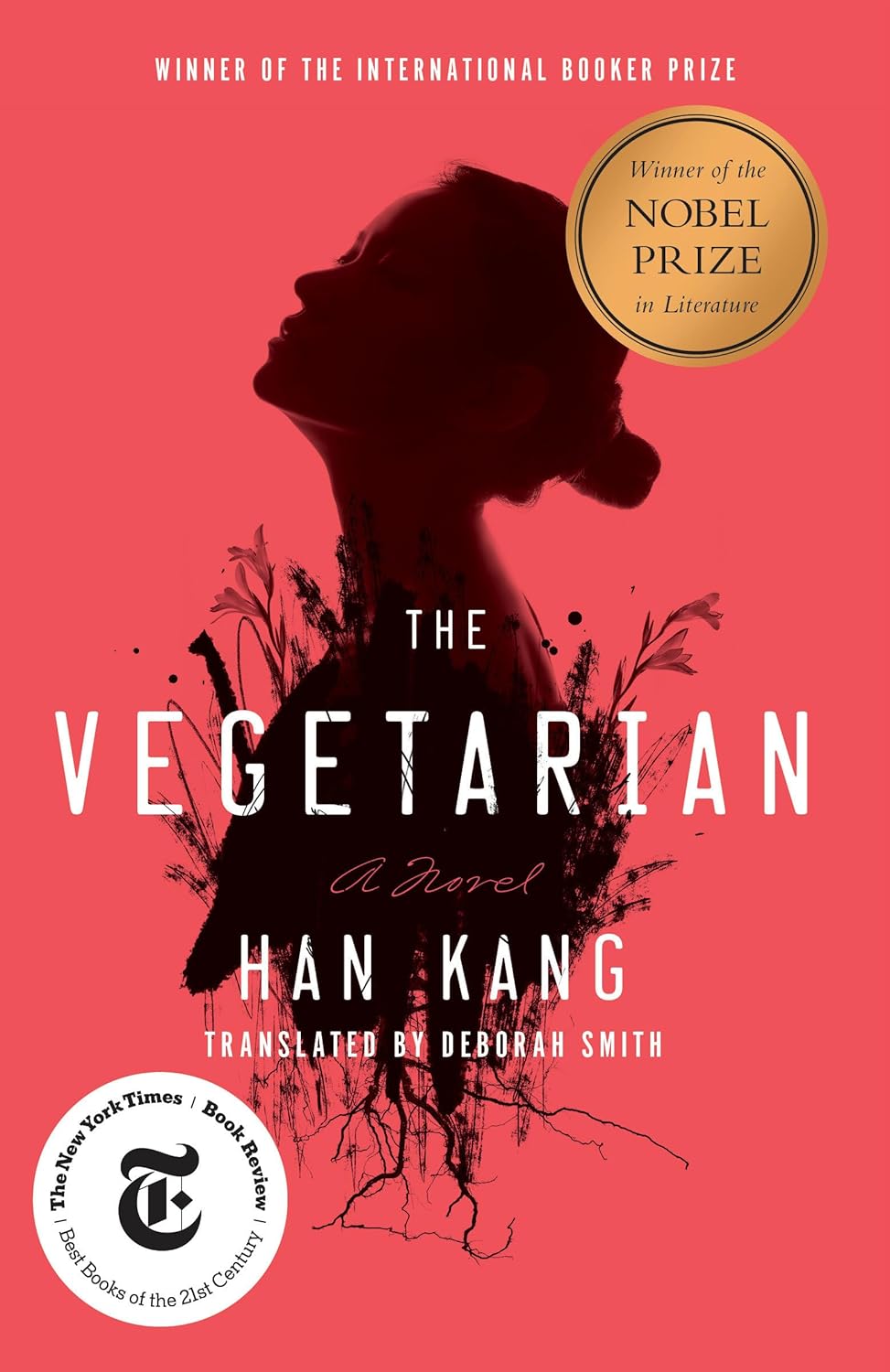
The Booker Prize (formerly the Man Booker Prize) is awarded to a book written in English and published in the United Kingdom or Ireland. A panel of five, made up of “creative peers,” choose the winning book. The award skews towards British and Irish authors, but winners hail from around the world, like Sri Lankan author Shehan Karunatilaka or Jamaican author Marlon James. These books land on the literary side side of things, and some recent winners include George Saunders’ Lincoln in the Bardo, Margaret Atwood’s The Testaments, and Bernadine Evaristo’s Girl, Woman, Other.

The International Booker Prize is also worth noting. These books are translated into English and must be published in the UK or Ireland. The Vegetarian by Han Kang, Flights by Olga Tokarczuk, and Time Shelter by Georgi Gospodinov won in 2016, 2018, and 2023 respectively.

Nebula and Hugo Awards

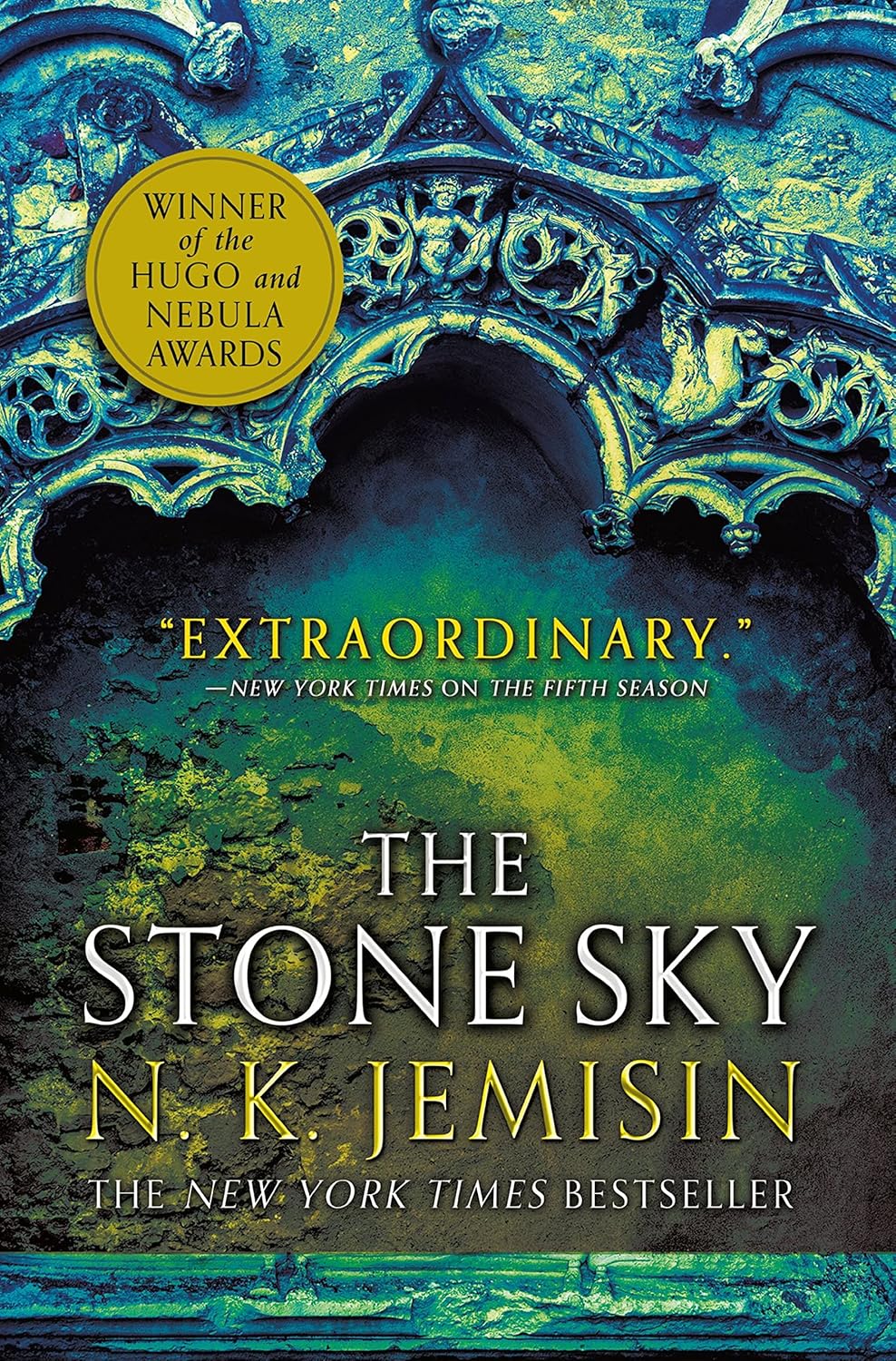
The Nebula and Hugo Awards are the two big names associated with science fiction and fantasy (SF/F) literature. The biggest difference between these awards is the voting body. To vote on the Nebula, you need to belong to the Science Fiction and Fantasy Writers Association. Essentially, you need to be a SF/F writer yourself. For the Hugo Award, all you need is a membership to the World Science Fiction Convention, which costs $50. Despite this difference, it’s not uncommon for a single title to win both awards. Some recent examples of this feat are Network Effect by Martha Wells, The Stone Sky by N. K. Jemisin, and This is How You Lose the Time War by Amal El-Mohtar and Max Gladstone.

Edgar Award

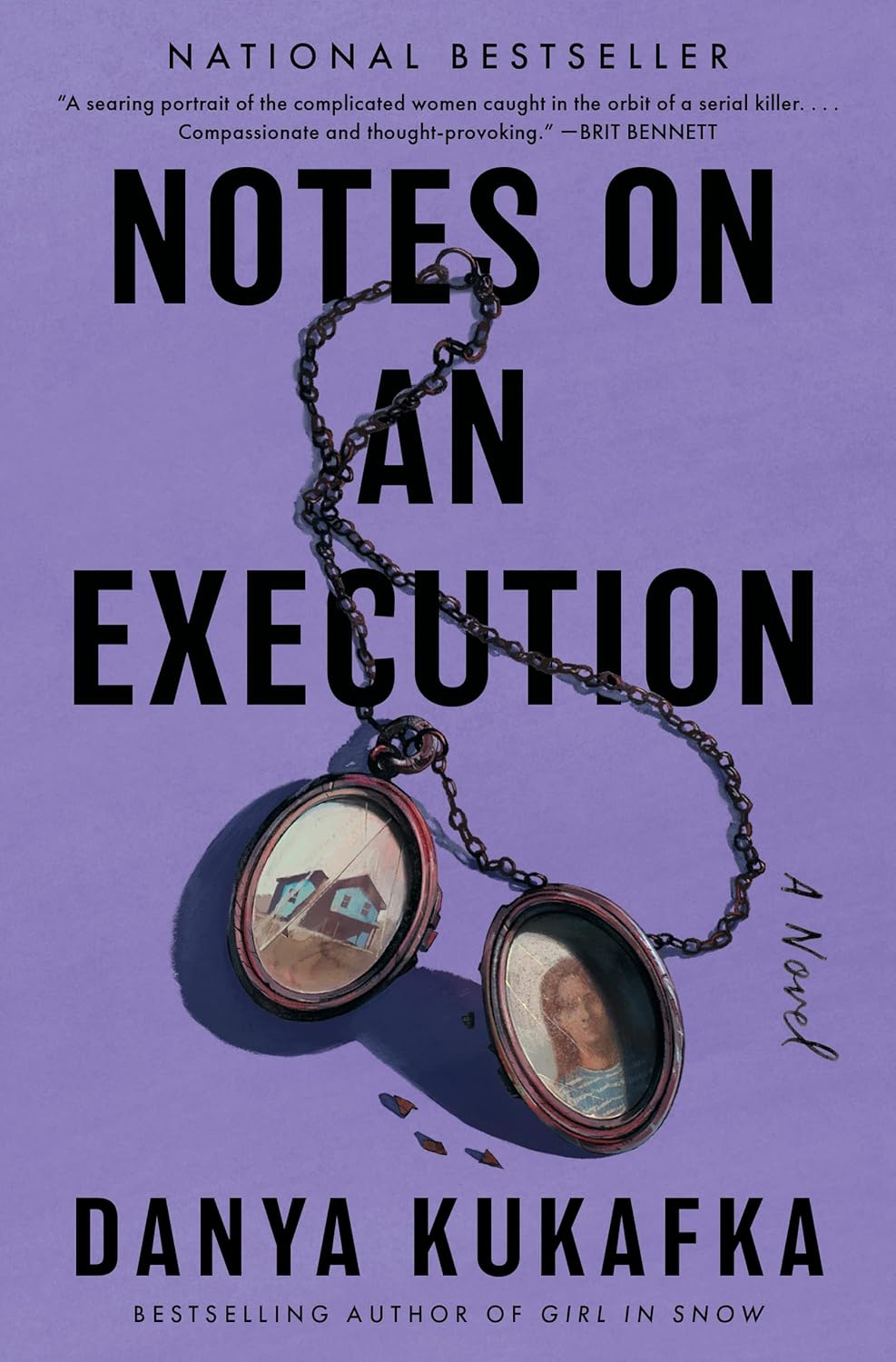
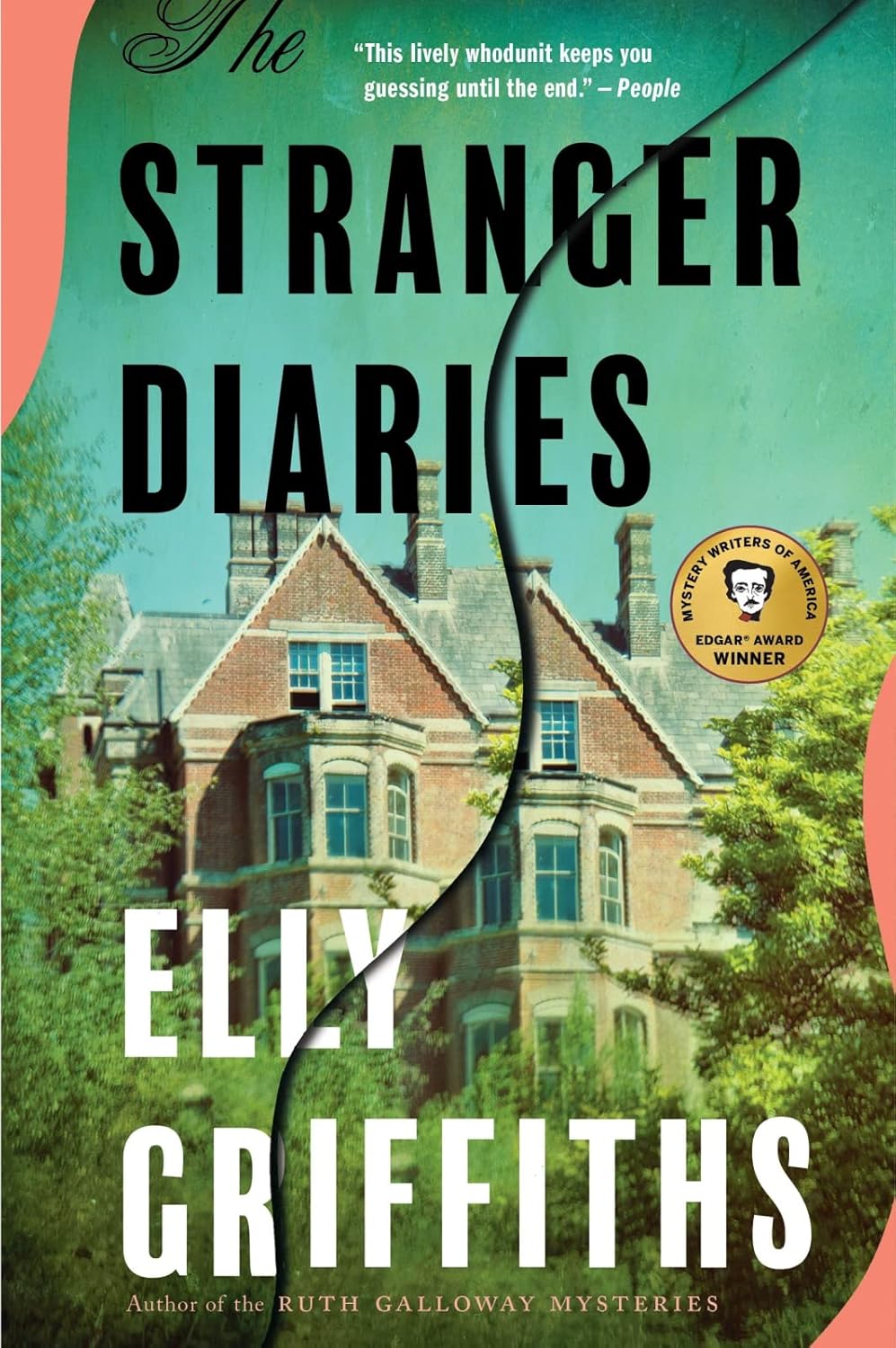
The Edgar Award is named after (who else but) Edgar Allen Poe to honor the best of the mystery genre, and chosen by the Mystery Writers of America. In the past, some familiar names have won: Stephen King for Mr. Mercedes and Noah Hawley (writer of the Fargo television series) for Before the Fall. But overall, The Edgar Award stands out to me because the winning books tend to be less well known; it’s a good way to find underappreciated gems. Some recent winners include Notes on an Execution by Danya Kukafka, Djinn Patrol on the Purple Line by Deepa Anappara, and The Stranger Diaries by Elly Griffiths.

National Book Award and Pulitzer Prize

The National Book Award (courtesy of the National Book Foundation) and the Pulitzer Prize for Fiction (courtesy of Columbia University) are both meant for American authors. The Pulitzer Prize is awarded to novels that “deal with American life” and tend to be fairly popular, often getting the television or movie treatment in the years after its win. The National Book Award has more lofty goals, and is designed to “ensure that books have a prominent place in our culture.” These winners don’t generate as much buzz, but they’re just as profound and moving.

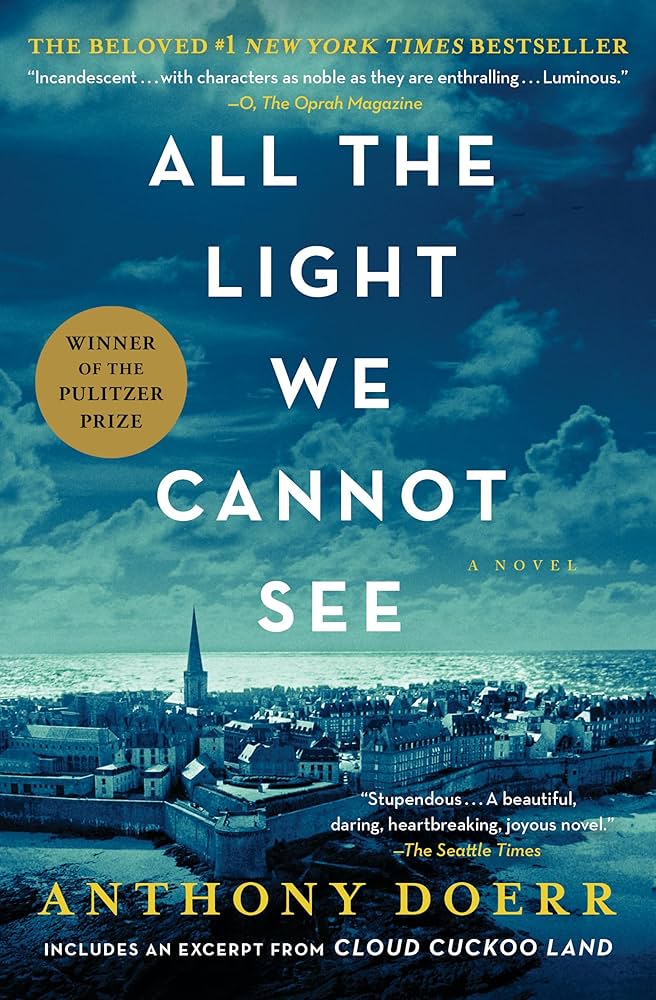
Winners of the Pulitzer Prize for Fiction include The Nickel Boys by Colson Whitehead, All the Light We Cannot See by Anthony Doerr, and The Goldfinch by Donna Tartt.

Winners of the National Book Award include Blackouts by Justin Torres, Sing, Unburied, Sing by Jesmyn Ward, and The Good Lord Bird by James McBride.

Nobel Prize in Literature

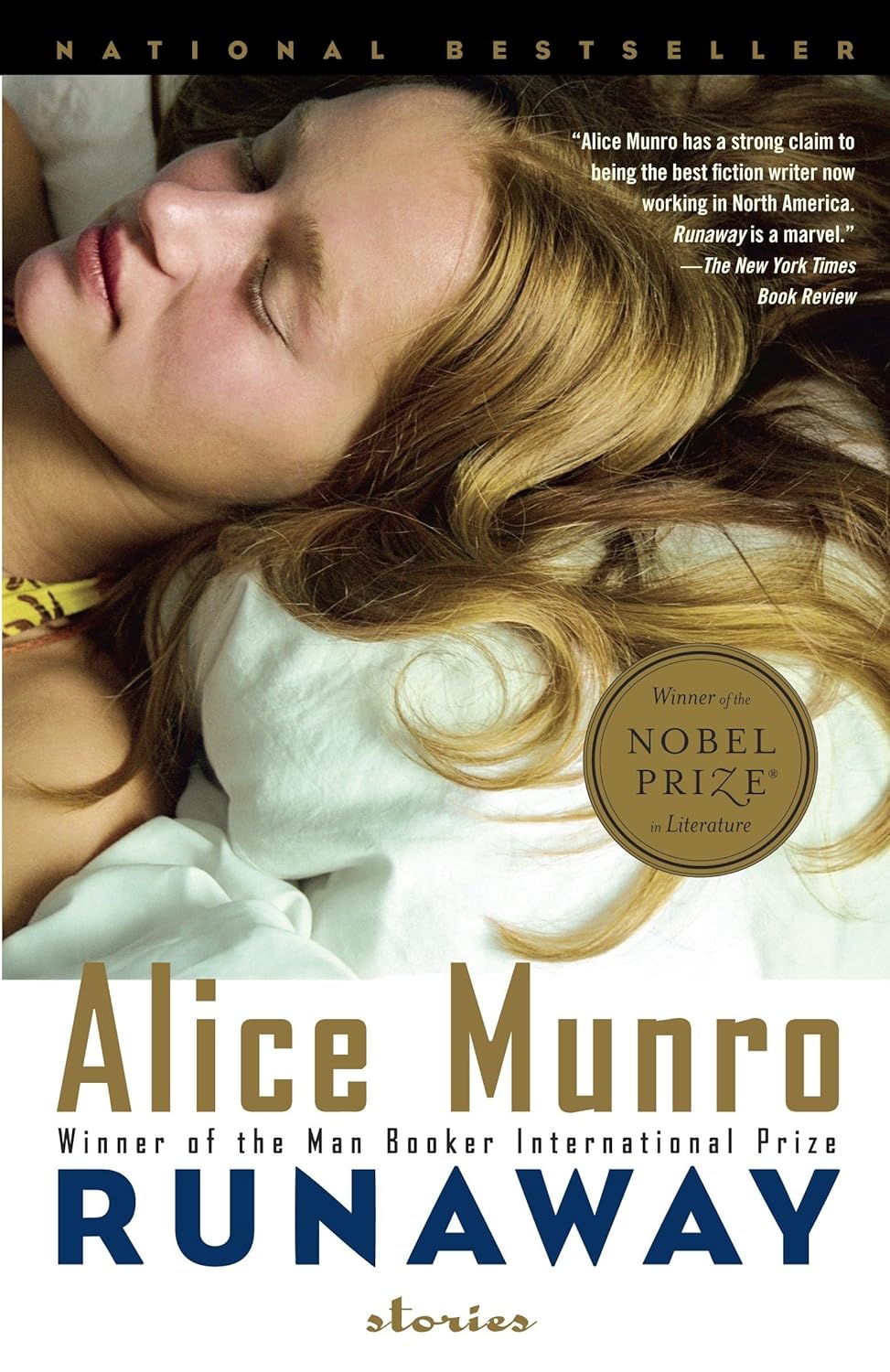
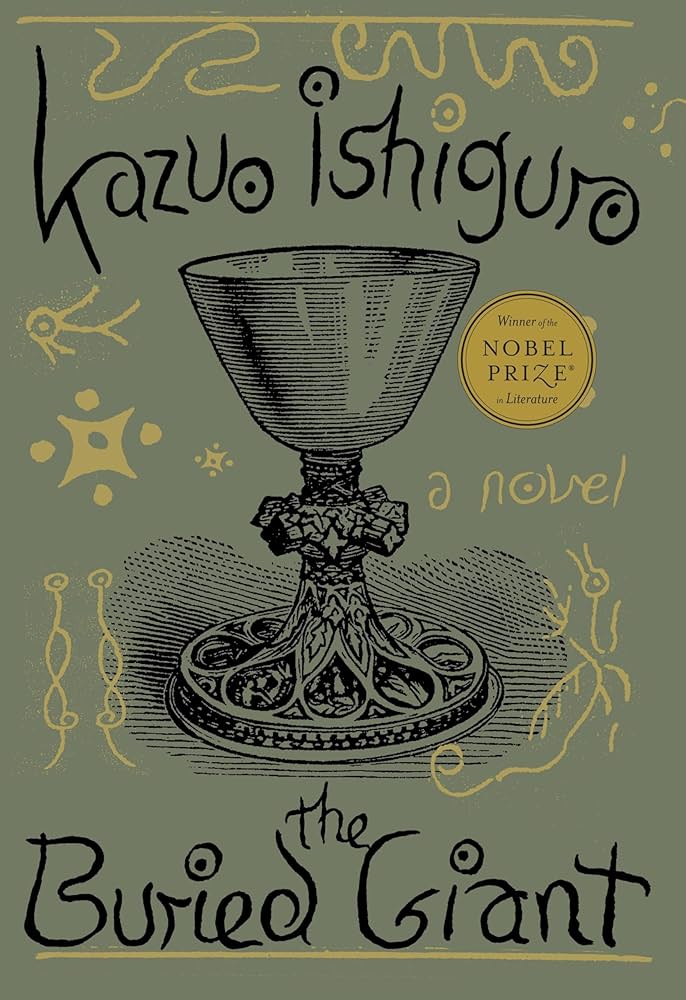
The Nobel Prize in Literature is voted for by the Swedish Academy and stands out in a couple ways: Authors from any country are eligible for the award, and awards are based on an author’s body of work as a whole. This means that the winning author can put the “Winner of the Nobel Prize in Literature” stamp on any book in their back catalogue and any future book they write. Sounds like a good deal to me! Past winners include Kazuo Ishiguro, Alice Munro, and Toni Morrison.

Women’s Prize for Fiction

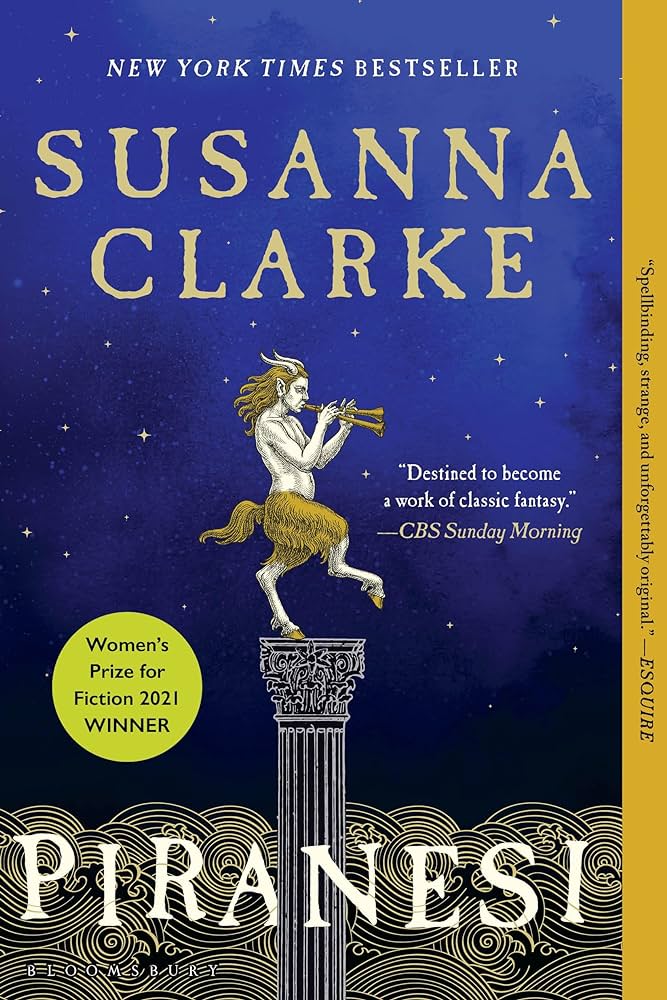
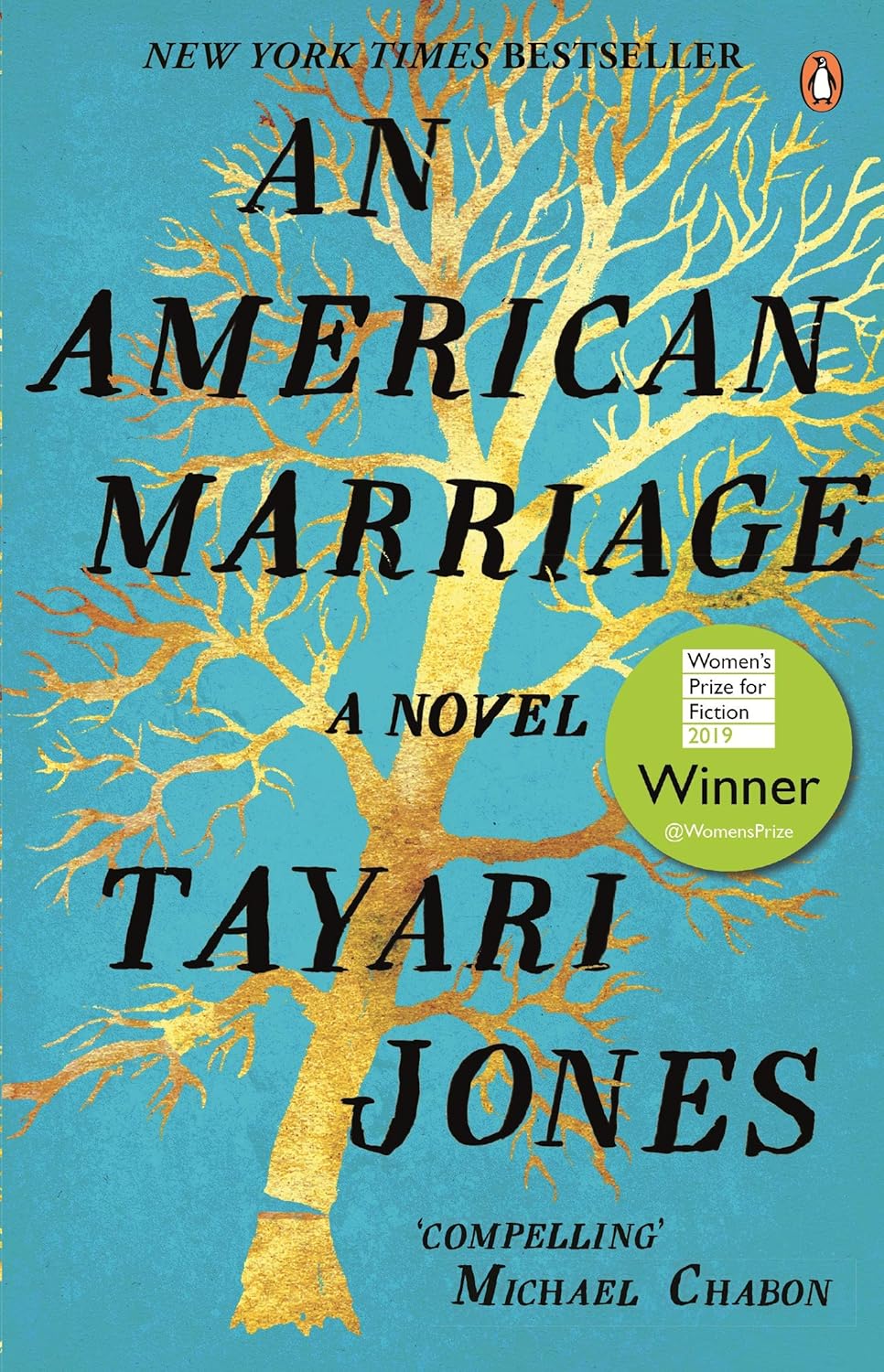
The last award I’ll touch upon is the Women’s Prize for Fiction which is voted on by a panel of five notable women. This award, along with the Booker Prize and the now defunct Costa Book Awards, at one point made up the “trinity” of UK’s literary prizes. Recent winners include Piranesi by Susanna Clarke, Hamnet by Maggie O’Farrell, and An American Marriage by Tayari Jones.

It can also be interesting to look at the notable awards of non-English speaking countries. Winners usually have an English translation available, and their relative obscurity makes it feel like you’ve uncovered some esoteric text. Compass by Mathias Énard was a great find of mine that won the French Prix Goncourt Award in 2015.

At the end of the day, it’s important to remember that these awards are all made up. They were all chosen by people, and people have their own tastes, their own mercurial and indecipherable preferences. There is no trait–not intelligence, success, nor clout–that makes one person a better “book judge” than another. If you find an award that speaks to you, great! But otherwise, take them all with a grain of salt and keep in mind the only book award that truly matters: The (insert your name here) Award.

P.S. If you really want to dive into the dramatic side of the book award world, there is always heated discussion about each year’s Booker Prize shortlist. This year, the six shortlisted books will be announced on September 23rd, and the more bookish parts of the internet will be a-buzz, defending their favorites and attacking the books they deem unworthy. It’s a bit messy, but good fun.

4 Teens’ Takes on “A Good Girl’s Guide to Murder”

The following is a collection of book reviews by four teens (identified here by their initials) who read Holly Jackson’s novel, A Good Girl’s Guide to Murder. All four teens rated the book 5/5 stars. What makes it so good? Should you read it, too? Read on!
Grammar and spelling in some reviews have been edited for clarity.

Summary (provided by the publisher):

Everyone in Fairview knows the story.

Pretty and popular high school senior Andie Bell was murdered by her boyfriend, Sal Singh, who then killed himself. It was all anyone could talk about. And five years later, Pip sees how the tragedy still haunts her town.

But she can’t shake the feeling that there was more to what happened that day. She knew Sal when she was a child, and he was always so kind to her. How could he possibly have been a killer?

Now a senior herself, Pip decides to reexamine the closed case for her final project, at first just to cast doubt on the original investigation. But soon she discovers a trail of dark secrets that might actually prove Sal innocent . . . and the line between past and present begins to blur. Someone in Fairview doesn’t want Pip digging around for answers, and now her own life might be in danger.

Use 5 words to describe this material.

OM: Truth, justice, friendship, reputation, mystery

GF: Mystery, suspenseful, confusing, thought-provoking, and compelling

KA: Mysterious, action-filled, suspenseful, perseverance, and thrilling

MH: Captivating, thrilling, entertaining, suspenseful, shocking

Why did you read/view this material?

OM: It is a New York Times bestseller and friends were recommending it.

GF: I read this book because my friend recommended it to me and it looked like a very interesting book.

KA: I read this book because of how it was getting amazing reviews and also because of how I wanted to read the whole series.

MH: I read A Good Girl’s Guide to Murder because it was popular and I am interested in the genre of murder mysteries. 

What was your favorite part and why? 

OM: The surprise twist at the end. This story kept you at the edge of your seat. 

GF: My favorite part of the book is when you find out who is behind the whole scene. The buildup in this book is amazing, and I was questioning who actually did it the whole time. The book surprises you with that answer! 

KA: My favorite part was when Pip found out who was the true murderer. It was the person I least expected. 

MH: My favorite part is the part that must never be spoiled ahead of time, this is the part where everything falls together and Pippa figures everything out. This is my favorite part because it’s so satisfying to see all the clues put together, the ending is so unexpected. It is an ending worthy of Agatha Christie.

What is one thing that you would change about this material? Why? 

OM: The beginning is a little confusing, as it switches from first person, to journal entries, to interview transcripts. I had to spend more time than I usually would figuring out what was important to focus on before could I really process the point of the story.

GF: One thing that I would change about this book is giving the outside characters that are still relevant to the book more of a story. In this book, everyone is viewed as a suspect for Pip to investigate, but in reality, every character is different and has their strengths and weaknesses.

KA: Something I would change about this book is how it has pictures. I prefer when books do not have pictures.  

If you could ask the author/creator one question about this material, what would it be and why? 

OM: I would ask the author how she got the idea because the book states that it is completely fiction. It is such a well thought out and creative story, I would love to know where she gets her inspiration.

GF: If I could meet Holly Jackson and ask her one question about A Good Girl’s Guide To Murder, I would ask her what gave her the idea to write this book. It has very big plot twists and the storyline is complex, so I would ask her how she came up with this.

KA: Something that I would ask Holly Jackson is what inspired her to write a book about this topic. Was it based on a true story/something that really happened?

MH: If I could ask Ms. Jackson one question about A Good Girl’s Guide To Murder, it would be this, how did you come up with your ending? The ending was truly very unexpected and surprising, I would like to know how Ms. Jackson came up with such a unique ending.

Who do you think would like this material and why?

OM: Anyone that enjoys mysteries or realistic fiction would enjoy this book.

GF: I think that teenagers would like this book. This is because it has great characters that most people can relate to, and it has big plot twists that older kids would enjoy.    

KA: I think people who like crime/murder related books would like this.

MH: I think anyone thirteen years old or older would enjoy this book, even adults, the plot develops very quickly, yet it is not at all predictable. It is a thrilling and exciting read for anyone, not just true crime geeks.