Memoirs of an Underdog – 3 Dog Tales

Hard to believe that it’s been 10 years since “doggy memoir” Marley & Me came out. The runaway popularity of this dog tale spawned several spinoff books (Marley: A Dog Like No Other, Bad Dog, Marley!,  A Very Marley Christmas, to name a few), and a very successful movie (Marley & Me starring Owen Wilson and Jennifer Anniston). I cried like a baby, you know you did, too!

Suddenly, book deals for dogs became a regular thing. Stories of how animals make a difference in so many lives can make for some pretty compelling reading, especially if you’re an animal lover to begin with. Here are a few more dog tales that will tug at your heartstrings:
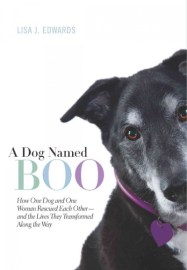
1A Dog Named Boo by Lisa J. Edwards. Boo was found by Lisa in a cardboard box outside a pet store. Lisa, a professional dog trainer, felt drawn to the runt of the litter, and decided to take him home and train him to be a companion animal for her terminally ill brother, who was becoming more physically restricted by the day. Unfortunately, Boo turned out to be the class dunce. Boo’s apparent failure to live up to Lisa’s expectations was followed shortly by the loss of the family member she loved most. It was when things were at their worst, however, that Boo’s exceptional talent for giving love and comfort showed.

*
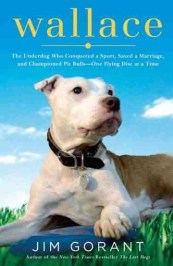
2Wallace by Jim Gorant. Today, Wallace is a champion; but in the summer of 2005, he was living in a shelter, a refugee from a suspicious pit-bull breeding operation. Then Andrew “Roo” Yori entered the picture. A scientist and shelter volunteer, Roo could immediately see that Wallace was something special. When Roo learned that Wallace was about to be put down, he and his wife frantically fought to keep Wallace alive until they could adopt him. Overcoming everything from injuries to prejudice against the breed, the unlikely pair persevered to become world champions.
                                                                 
3Until Tuesday by Luis Carlos Montalván. Captain Luis Montalvan never backed down from a challenge during his two tours of duty in Iraq. After returning home from combat, however, the pressures of his physical wounds, traumatic brain injury, and crippling post-traumatic stress disorder began to take their toll. Then Luis met Tuesday, a beautiful and sensitive golden retriever trained to assist the disabled. A unique story about the love between a man and a dog, and how they healed each other’s souls.


*

*

Some other wonderful stories about the bonds between humans and dogs include:
A Dog Walks Into a Nursing Home : Lessons in the Good Life From an Unlikely Teacher by Sue Halpern
You Had Me at Woof : How Dogs Taught Me the Secrets of Happiness by Julie Klam
Oogy : The Dog Only a Family Could Love by Larry Levin
Dogs Never Lie About Love : Reflections on the Emotional World of Dogs by Jeffrey Moussaieff Masson
Good Dog. Stay. by Anna Quindlen
Pure Joy : The Dogs We Love by Danielle Steel
   

Son Risen – Books about Children With Autism

Barry Neil Kaufman’s son Raun was born in 1973, only to be diagnosed with severe autism by the age of one and a half. Refusing to believe the prognosis, the Kaufmans spent hours observing their son, and created their own special program for him long before anyone beyond Lovaas and Bettleheim were making any attempt to teach autistics. Three years later, their son showed no symptoms of autism, not even Aspergers. They named their program the Son-Rise Program, now taught at their foundation, the Autism Treatment Center of America in Sheffield, Mass. You can read their incredible story in Kaufman’s book Son-Rise, or the newer version, Son-Rise: The Miracle Continues, which includes the development of their foundation and follows Raun when he’s older. I warn you, however, the newer version gets a little heavy in the New-Agey/Hippie feel.

To prove that you didn’t need to start with an infant to get results, Kaufman also wrote up his work with a five-year old boy named Robertito, in the book A Miracle to Believe In. Again, Kaufman’s methods produced a child who came back from the depths of Autism to be a happy, intelligent, socially-adjusted verbal child.51ip9t-N0wL._SX331_BO1,204,203,200_

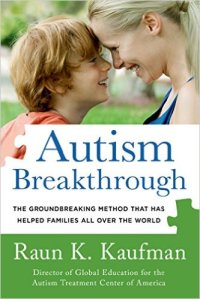
Now Raun Kaufman himself, the director of Global Outreach for the ATCA, has written Autism Breakthrough, a book that details the process the Son-Rise program uses, so you can try it yourself. The basis for the program goes against modern practices – and Kaufman’s explanations make very good sense. In short, autism is a disorder of social-relational behavior; if you can’t fix that, then all the educational training in the world isn’t going to help. The program focuses intensively on connecting with the child by entering their world, and then drawing them out into yours. Once you have social interaction and communication, then education can fall into place easily and logically.

While I am a Kaufman guru – I’ve used many of their methods with a number of “throwaway” kids and made connections like no one else – there are places we’ll have to agree to disagree. Diet is one of them. If your child’s autism is cured by diet, then chances are it wasn’t autism to start with. While organic diets are wholesome and ideal for everyone, I do not recommend “assuming” your child has a difficulty with a food just because someone said so. I do not recommend filling your child with probiotics or supplements unless a doctor has proven there is a serious deficiency. Too much of the wrong thing can be just as bad as a lack of something, and certain vitamins can be toxic in large doses. He doesn’t mention honest-to-goodness physical issues, such as brain disorders, genetic issues (such as Rett’s or Fragile X, often lumped with autism), or seizure disorders. While he does mention that you should not allow your child to do anything unsafe, he makes no attempt to give guidance to parents whose children are severely hyperactive, sleepless, or self-injurious. It’s wonderful, it works, but he glosses over the amount of time it takes to make the program work and have even the most minimal semblance of a life. His own “cure” took a team of people working almost around the clock for more than three years. Most people can’t do that.

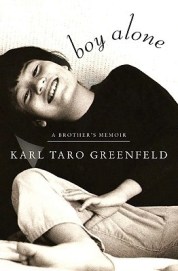
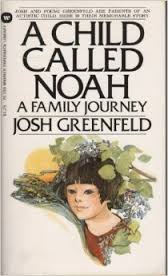
On the opposite side of the spectrum (no pun intended), hunt down A Child Called Noah, by Josh Greenfeld. Greenfeld’s son Noah was born in 1966, just a few years before Raun Kaufman. Noah was also born severely autistic, and his story is much more typical. His father, a screenwriter, documented their family struggles through three volumes, and the other year his brother, Karl Greenfeld, wrote Boy Alone: A Brother’s Memoir, on what it’s like to live in the shadow of an autistic sibling. What he chronicles is much more typical of a family with extreme autism. If your child is not or will not be a miracle, the Greenfelds will let you know you are not alone.

Soak yourself in the Kaufman’s program (he does have a chapter just for dealing with Aspergers). Of all the programs out there, this is one I can stand behind, but like everything else, take it with a grain of salt. Critics complain it is not possible to scientifically measure the program, therefore no aspect of it can be considered valid, others complain it is still a gentle teaching/ABA program under a different name; other parents have not seen such miracle results. Nothing is perfect, nothing works all of the time. But in the land of Autism, even a thirty-percent increase in functional ability is a landmark indeed.


  6357288                           index                               content

8 Reasons to Love Audiobooks (Or Give Them a Try)

Ever notice how your list of books to read never seems to get any shorter? For every title I cross off my list, three more appear, and at this rate it’ll take me at least 20 years to completely finish (I know because I’ve calculated it). I lose precious reading time to obligations like commuting, feeding myself, and keeping my living space somewhat clean. But I recently started listening to audiobooks, and I was able to turn those obligations into perfect opportunities to whittle down my list. I can now go through a book in one day and still get the laundry done!

We have a bunch of books on CD here at the library, but I prefer downloading audiobooks with the OverDrive app on my smartphone. I hook up my phone to my car stereo and don’t have to fumble with CDs while I’m on the highway, and I can keep listening indoors without having to drag a pile of discs with me. Another upside to downloading: no fees! Digital items disappear automatically when the loan period expires so you’ll never get hit with late charges, plus you can’t scratch them up or lose them under a car seat.

Here are some more reasons to love audio:

1) Multitask like a boss. Start up an audiobook and chores will suddenly become much more enjoyable. You can spend an afternoon reorganizing your closets while also tackling titles on your to-read list, like Graham Greene’s The End of the Affair read by Colin Firth. You may even find yourself actually seeking out more chores so you can continue listening!

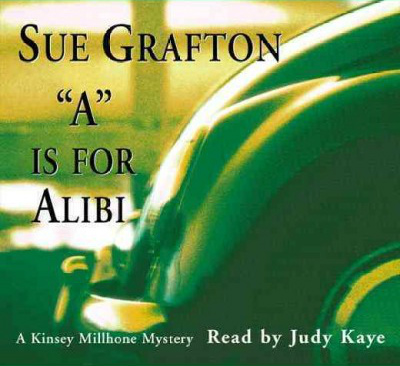
2) Cut your screen time. After a long workday in front of a computer screen, do you really want to veg out in front of another glowing blue screen? Light mysteries like the books in Sue Grafton’s Kinsey Millhone series (A is for Alibi, B is for Body, etc.) offer nice background noise without disrupting your sleep.

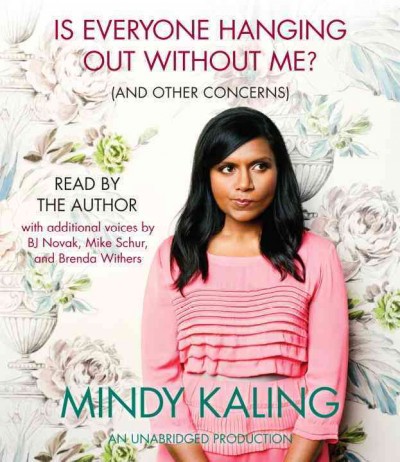
3) A good narrator enhances your experience of the book. Mindy Kaling’s Is Everyone Hanging Out Without Me? is a funny book, but it’s even better when you hear her narration. An adept narrator enhances humor, drama, and other emotions in ways that you can’t replicate when your eyes are zooming across the page. Augusten Burroughs’ memoir Dry had me laughing hysterically one minute, then weeping the next.

4) Long drives seem shorter. It’s tough to stay alert when you’re driving alone, at night, on a really boring road (I’m thinking of you, New Jersey interstate). Picking up something long like The Book Thief by Marcus Zusak will keep your brain engaged and will make any long drive more endurable. Similarly, long workouts on the treadmill are less arduous when you have a plot to engage your mind.

5) Audiobooks are interactive. Have you been on the waitlist for the print copy of The Life-Changing Magic of Tidying Up by Marie Kondo? You can download it right now through Hoopla and experience the magic by listening to the audio – while simultaneously tidying up! I’ve also found myself talking out loud to characters in suspenseful audiobooks like Tana French’s The Secret Place.

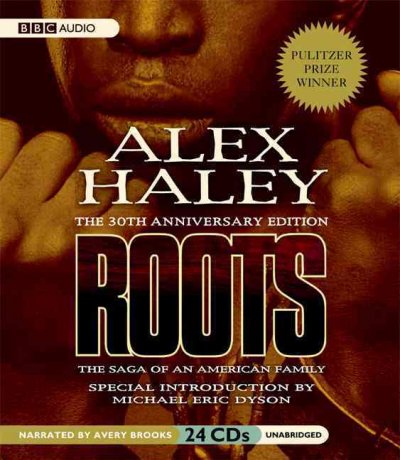
6) Long, difficult books can be less daunting in audio. Everyone has those “I’d like to read it, but I probably will never get around to it” books. I would never realistically have finished the 917-page behemoth of Roots, but it only took me a couple weeks to reach the end of disc 24.

7) You might actually retain more. There’s a theory that you retain more information when listening because your brain doesn’t have to work as hard at creating imagery. I used to think I would have a problem remembering what happened in audiobooks, but then I remembered all the times I’d looked up from reading a printed book and realized I didn’t remember any of the last six pages. It’s just bound to happen, I think (no pun intended).

8) You’ll realize you’ve been pronouncing a word wrong your entire life. Interminable. Prerogative. Indefatigable. Cache. Aluminum has five syllables?! Oh wait, nevermind, the narrator is British.

Now here’s how to get the audiobooks mentioned:

Do you currently listen to audio books? If not, do you think you’ll give them a try?

Nonfiction Can Be Fun: 10 LOL Titles About Serious Subjects

I almost fell off my chair last week when a friend told me he never reads nonfiction because it was boring and no fun. As I madly started listing nonfiction books that I had enjoyed, he held up his hands. Although I had been, ahem, speaking vehemently, it was a gesture of appeasement, not protection. He liked to learn things, he explained, but couldn’t stand being bored by dry dissertations. He asked if I could come up with ten books that were instructional and fun.

You betcha!

Economics
BoomerangBoomerang: Travels in the New Third World by Michael Lewis
A candid and humorous look at the global financial crisis of 2002-2009. Lewis examines five cultures that were hit hard: The Icelanders, who wanted to stop fishing and become investment bankers. The Greeks, who wanted to turn their country into a piñata stuffed with cash and allow as many citizens as possible to take a whack at it. The Germans, who wanted to be even more German. The Irish, who wanted to stop being Irish. And the Americans, who were “Too Fat to Fly”.

Language
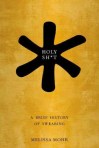
HolyHoly Shit: A Brief History of Swearing by Melissa Mohr
With humor and insight, Melissa Mohr takes readers on a journey to discover how “swearing” has come to include both testifying with your hand on the Bible and calling someone a *#$&!* when they cut you off on the highway. You will definitely learn some new words.


Grammar
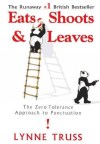
eatsEats, Shoots, and Leaves: The Zero Tolerance Approach to Punctuation
by Lynne Truss
Former editor Lynne Truss, gravely concerned about our current grammatical state, boldly defends proper punctuation. Using examples from literature, history, neighborhood signage, and her own imagination, Truss shows how meaning is shaped by commas and apostrophes, and the hilarious consequences of punctuation gone awry. Think “sign fail photos” you see on Facebook.


Science
stuffStuff Matters: Exploring the Marvelous Materials that Shape Our Man-made World
by Mark Miodownik
Why is glass see-through? What makes elastic stretchy? These are the sorts of questions that renowned materials scientist Mark Miodownik constantly asks himself. Full of tales of the miracles of engineering that permeate our lives, Stuff Matters will make you see stuff in a whole new way. Investigate chapters titled “Invisible” and “Immortal” and the all-important “Delicious”.

Art
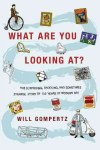
lookingWhat Are You Looking at? The Surprising, Shocking, and Sometimes Strange Story of 150 Years of Modern Art
by Will Gompertz
What is Modern Art? Who started it? Why do we love/hate it? And, most importantly, why does it cost so darn much? Will Gompertz takes the reader on a captivating tour of modern art, telling the story of the movements, the artists and the works that changed art forever. Refreshing, irreverent, and extremely accessible, this is art history with a sense of humor

Sports
peaceNow I Can Die in Peace: How ESPN’s Sports Guy Found Salvation with a Little Help from Nomar, Pedro, Shawshank, and the 2004 Red Sox
by Bill Simmons
No more worrying about living an entire life — that’s 80 years, followed by death — without seeing the Red Sox win a World Series. But then Bill Simmons began asking questions: Why didn’t he see it coming? Why didn’t it happen sooner? What was the key deal, the lucky move, the sign from above that he failed to spot? The result is a hilarious look at some of the best sportswriting in America, with sharp critical commentary and new insights from the guy who wrote it in the first place.
Philosophy
poohThe Tao of Pooh
by Benjamin Hoff
The how of Pooh? The Tao of who? The Tao of Pooh!?! In which it is revealed that one of the world’s great Taoist masters isn’t Chinese–or a venerable philosopher–but is in fact none other than that effortlessly calm, still, reflective bear. Learn the How of Pooh, the Now of Pooh and all about Cottleston Pie.


Geography
BlissThe Geography of Bliss: One Grump’s Search for the Happiest Places in the World
by Eric Weiner
Travel from America to Iceland to India in search of happiness, or, in the crabby author’s case, moments of “un-unhappiness.” The book uses a beguiling mixture of travel, psychology, science, and humor to investigate not what happiness is, but where it is. With chapter titles that assert that “Happiness is Boredom” and “Happiness is Somewhere Else” how can it miss?


History
MentalThe Mental Floss History of the United States: The (Almost) Complete and (Entirely) Entertaining Story of America
by Erik Sass with Will Pearson and Mangesh Hattikudur
Featuring episodes from history that fall under titles such as “Drunk and Illiterate” and “Time for Your Bloodbath” this book is an entertaining and educational look at America’s past. So if you are in an “Empire State of Mind” and are wondering about “Sex, Drugs, and Mocking Roles” take a smiling stroll through the pages of this offbeat, memorable book.

Travel
RoadWay Off the Road: Discovering the Peculiar Charms of Small Town America
by Bill Geist
Who wouldn’t love a travel book that has chapters like “The Church of the Holy BBQ”, “The Cow Photographer”, and “Frozen Dead Guy”?


Top Picks: Outdoor Literature

mountains

“I now walk into the wild.”
― Jon Krakauer, Into the Wild

It’s summer, and everyone is busy enjoying the outdoors with friends and family. Nice weather brings swimming, hiking, camping, and picnics, and a greater appreciation for nature. With so much time outside, you may feel inspired to read some Outdoor Literature. The Cheshire Public Library has you covered!

Outdoor Literature encompasses several different subgenres of literature, including exploration literature, adventure literature, mountain literature, and nature writing. Here’s a small sample of the books we carry to get you started.

Jacket.aspx4 2


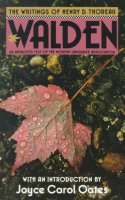
Walden by Henry David Thoreau

Originally published in 1854, Walden, or Life in the Woods, is a vivid account of the time that Henry D. Thoreau lived alone in a secluded cabin at Walden Pond. It is one of the most influential and compelling books in American literature.

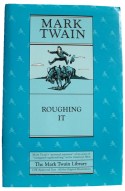
Roughing It by Mark Twain

Roughing It follows the travels of a young Mark Twain through the Wild West during the years 1861–1867. U.S. astronauts Frank Borman and Jim Lovell read Roughing It aloud to pass the time aboard NASA’s Gemini VII in 1965.

Into the Wild by Jon Krakauer

In April 1992 a young man from a well-to-do family hitchhiked to Alaska and walked alone into the wilderness. He had given $25,000 in savings to charity, abandoned his car and most of his possessions, burned all the cash in his wallet, and invented a new life for himself. Four months later, his decomposed body was found by a moose hunter. How McCandless came to die is the unforgettable story of Into the Wild.


5    63

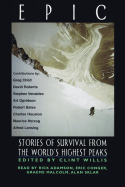
Epic: stories of survival from the world’s highest peaks edited by Clint Willis

Epic is a collection of fifteen memorable accounts of legend-making expeditions to the world’s most famous peaks, often in the world’s worst possible conditions. Editor Clint Willis has gathered the most exciting climbing literature of the modern age into one cliff-hanging volume.

American Earth: environmental writing since Thoreau, edited by Bill McKibben; foreword by Al Gore

American Earth is an anthology of seminal American environmental writing from the past two centuries. It considers the influence on the ways in which people view the natural world and includes pieces by such figures as Henry David Thoreau, John Muir, and John James Audubon.

Wild by Cheryl Strayed

A powerful, blazingly honest, inspiring memoir: the story of a 1,100 mile solo hike on the Pacific Crest Trail that broke down a young woman reeling from catastrophe–and built her back up again.

If you care to delve deeper into the subject of Outdoor Literature, check out National Geographic’s list, Extreme Classics: The 100 Greatest Adventure Books of All Time.