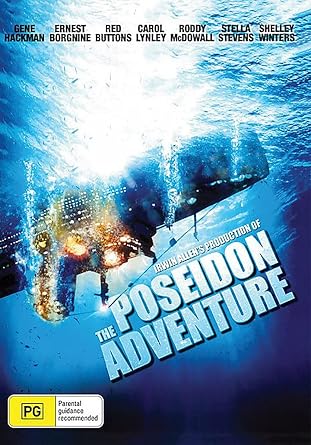
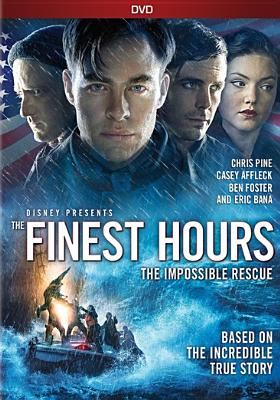
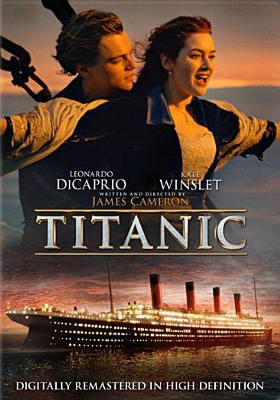
I’ve written about shipwrecks before. Reading books on maritime disasters isn’t on purpose. Maybe it’s because I watched The Poseidon Adventure when I was all of seven, when I was supposed to be asleep in the back seat of the station wagon at the drive-in, and the dead guy in the kitchen freaked me out (yet, still one of my favorite movies). Whether or not you like boats (I do not; refer to Poseidon Adventure), shipwrecks and storms almost always make for a great story – the hardy heroes, the evil corporation (and there’s one in almost every wreck) who says Full Speed Ahead! in the face of the apocalypse, and the tragic family member crying on shore, waiting for news. And too often, it’s a true story. Sometimes they make it (The Finest Hours), sometimes they don’t (Titanic, of course).
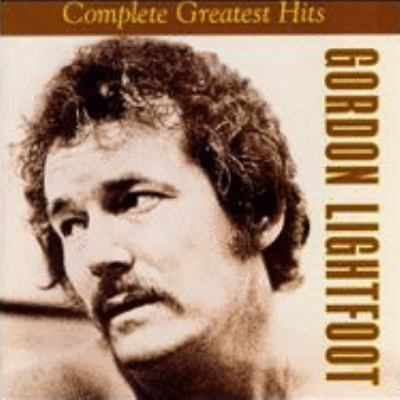
November 10 marks the 51st anniversary of the wreck of the SS Edmund Fitzgerald, perhaps the second most widely-known shipwreck in America after the Titanic. While it was a tragedy with every possible Hollywood-style foreshadowing, it might have passed into history if folksinger Gordon Lightfoot hadn’t seen an article about it in Newsweek and then wrote a song about it, a song so long it should never have been a hit (six minutes for the single), yet it touched so many people that it peaked at number 2 on the music charts. The song is where I first learned of it, and unless you’re from Michigan, that’s where you probably heard about it, too.
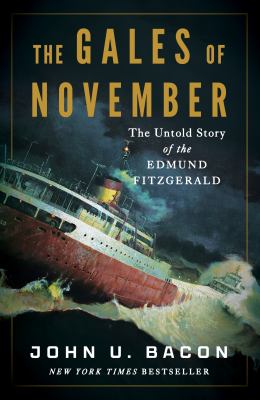
To coincide with the 50th anniversary last year, John Bacon released his book Gales of November: The Untold Story of the Edmund Fitzgerald, and if you’ve ever heard the song, this is a book you really will want to read. Forget books about ships. Forget that you know the ending (didn’t stop you from watching Titanic, did it?). Forget you ever heard about the ship. This is a book that reads like a murder mystery, and will keep you riveted to each and every page as the critical moment draws nearer and nearer.
Through Bacon’s unrelenting microresearch, we learn that the Fitz, as it was called in the shipping industry, was a not only the Rolls Royce of the ore-shipping industry (she won the shipping awards six times, breaking her own records), it was a floating timebomb that hit an unimaginable string of bad luck at the wrong time.
The Fitz was so luxurious, guests used to sail on it, in plush quarters with crew assigned just for them. The crew ate food that rivaled the finest hotels. The captain, Ernest McSorley, was highly regarded by the crew, and to serve on the ship was a true honor. The Fitz carried taconite, a type of pelletized iron ore, across Lake Superior, from Minnesota to Michigan, where it would be turned to cheap iron. While the Fitz was a big ship from the start, she was refitted to maximum possible length – just an inch or so shorter than the Soo Locks, which she had to fit through on the voyage. It was never rated for that length (729 feet), and was known to wiggle and bob in the middle when loaded. Its joints were cheaply welded, not riveted, like older, sturdier ships. When fully loaded (or overloaded, as captains liked to do, because they got bonuses for the amount of ore they brought in), her decks officially sat only nineteen feet (if not overloaded) above the water (at times as little as eleven. This means that any wave over ten feet would wash over the deck).
In November of 1975, the Fitz was headed for five months of drydock for overdue repairs and upgrades. It was Captain McSorley’s last voyage; he was retiring. To make their bonuses, the Fitz took on maximum load, maybe a little more – at least 26,000 tons of taconite. November was an iffy time, as storms could happen at any time, and Superior is so large it rates as an inland sea. This one started as a snow storm that bulldozed across the plains, picking up speed until the winds hit hurricane proportions – almost 100 miles per hour.
And the Fitzgerald had no positioning system. It depended on lighthouses. It didn’t even have a depth finder – to know how deep the water was, they – like Huck Finn – had to go to the edge of the ship and drop a line.
It was 1975. The maps they were using had not been updated since 1913.
1913.
And they were inaccurate, with shallow shoals being in the wrong place, and the international border being in the wrong place (the wreck actually lies in Canadian waters).
The storm hit hard, with waves hitting heights of as much as sixty feet (on a ship only eleven feet above waterline) (for comparison, just one square foot of water, sixty feet high, weighs 3700 pounds. Multiply that by the width of a wave, times speed, times gravity, and you get a slight idea just what was hitting that boat for hours). Fully loaded, the Fitz could move 16 miles an hour. You could outride it easily on a bicycle. It’s known a hatch gave in, the rails tore off, and they were being swamped by waves, but there were no alarms to tell if water was in the hold, or how much. Taconite absorbs water, and water is more weight on an overloaded ship (times the water on deck). The Edmund Fitzgerald had no way to save itself.
Bacon walks you through facts from a variety of sources, minute by agonizing minute, as each and every system falls apart, and the Fitz is left helpless by weather, greed, hubris, and bad equipment.
While there are several possibilities as to what finally did the Fitzgerald in, Bacon makes a damning case for something many authorities try to dismiss – I won’t give away the secret, but it’s not mentioned in the song. And, like any tragedy, it changed the level of safety ships operate at today.
This may be the best book I read this year. It is worth every minute of your time, whether you like disaster stories or not.