Historical Children’s Fiction, Hysterically

Have you ever had that feeling of dismay when something you believe and love is crushed before your eyes?

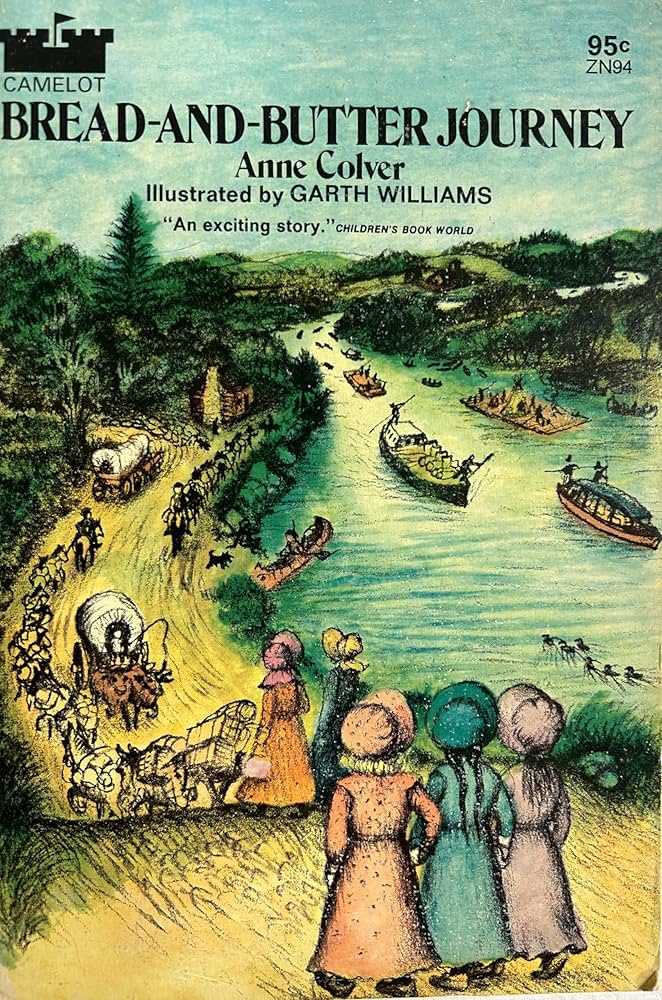
Having finished our last communal reading book, my youngest brought me another book off her shelf to read together, Bread and Butter Journey, by Ann Colver. Printed in 1972, it’s my original Scholastic copy. I loved this book when I was eight, steeped in the hoopla of Little House on the Prairie, from which I sidestepped into B&BJ, Caddie Woodlawn, Let the Hurricane Roar, Anne of Green Gables, and more. The illustrations being done by Garth Williams, of Little House fame, only made it that much dearer. I hadn’t read it in 40+ years, but I hadn’t forgotten the details. I was happy to read it again.

Bread and Butter Journey follows the 1784 travel of young Barbara Blaum (age never given, but somewhere in the 8-10 range) from her home in Pennsylvania to Ohio, where her father and her father’s friend were buying up farmland on the frontier. As in all stories with children, she misses home, misses her father, hates her brother, and in the end learns to love life more than things. Wholesome pioneer reading for the 7-11 crowd, and it’s based on the journals of the real Barbara Baum, the author’s husband’s great-great grandmother. Should be good, right?

But I am not eight anymore, and I’ve studied a lot of college-level history, especially the settling of the west. And the more I read this time, the more horrified I became, crushing my cozy memories. This book was not just historically inaccurate; it barely fit under the term historical at all. I kept stopping cold and explaining the problems to my girls as we went.

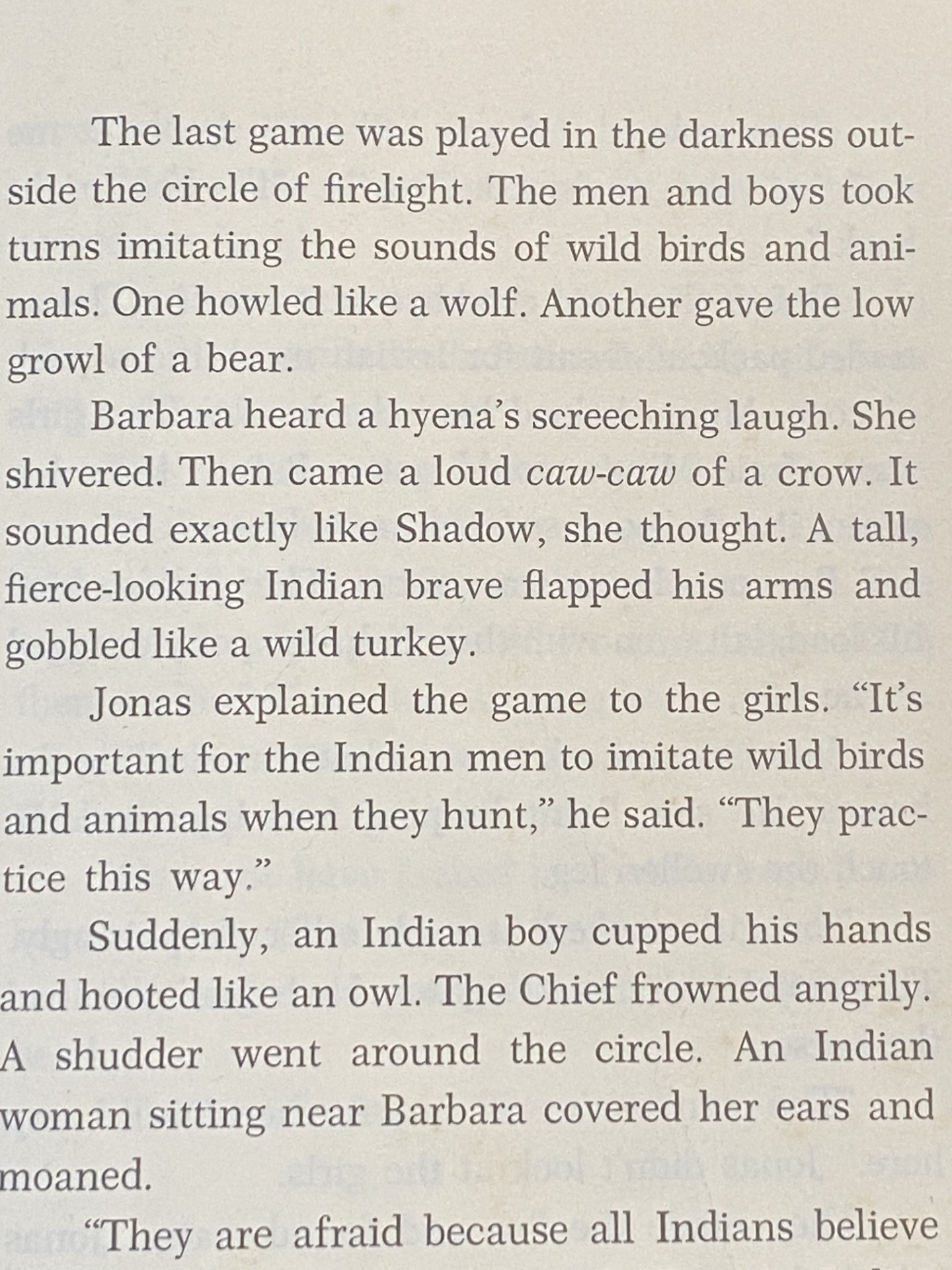
My first question mark arose when they made way on the path for the Pony Express. Hold your horses! This is Pennsylvania, 1784. The Pony Express only ran for 18 months, and the furthest east it went was St. Louis, Missouri – in 1860, 80 years in the future! I burst out laughing when they mentioned hyenas howling in the night. Yes, hyenas. An African animal that I assure you with total faith was not in the wilds of western Pennsylvania in 1784, not even in a zoo, and no one out there had ever known of. Just what was that woman thinking! I will let the idea of putting up fruit preserves slide, even though berries would be out of season (October at least). Canning food wasn’t invented until 1795, and the common Mason jar until the 1860’s. But people had been preserving fruit in jellies by pouring the jelly into pots and “sealing” them with wax or waxed paper since at least the 1500’s, so I don’t believe it, but I’ll allow it as possible. They seem to make bean soup in the matter of an hour, when anyone who’s ever dealt with dried beans (including Laura Ingalls Wilder) knows they must be soaked overnight, and even then, it takes more than an hour to cook them. In addition, it wasn’t legal to settle in the Ohio area until 1787, with the first permanent settlement in 1788. Yes, American Indians (probably Shawnee) had every right to kill anyone encroaching on their land.

Argh. The only thing that was actually right was the state of Pennsylvania existed, and there actually was a Fort Hannahstown in Western Pennsylvania. I was crushed, to say the least. My daughter loved the book anyway, though after treasuring it for so many decades, I’m ready to get rid of it. 

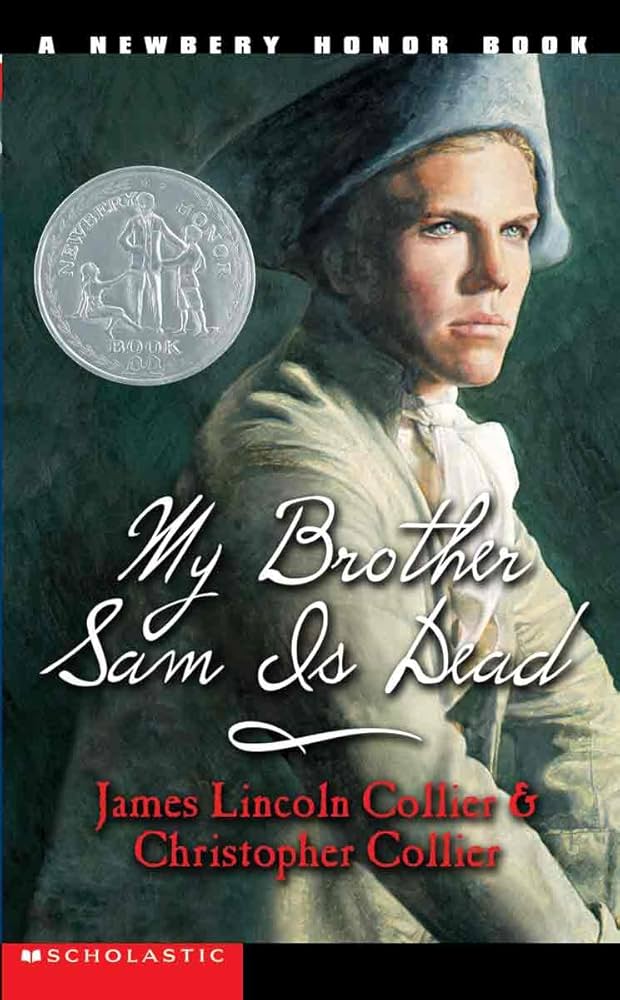
So what books are historically accurate for children? Okay, in 1970 we didn’t have an internet, and research had to be done in libraries or textbooks, by far a lot more time-consuming. There’s no excuse for any inaccuracies today. My favorites have always included My Brother Sam is Dead, by James and Christopher Collier, which won a Newberry in 1975 and takes place in Connecticut during the Revolutionary War. You can actually visit some of the places in the book, and if not the exact place, the towns still exist. Beware that the book is often banned in Southern schools, for including the words “hell,” “damn,” and “bastard.” Rough stuff. Spies on the Devil’s Belt is from the same era, and also takes place on the shoreline of Connecticut. 

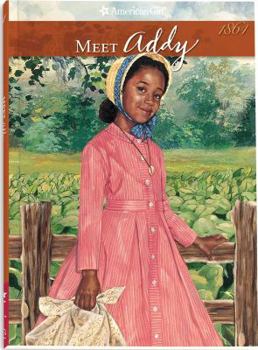
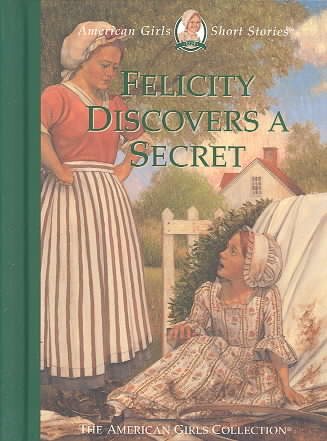
The entire American Girl series, whether or not you want to plop down $150 for each accompanying doll, is praised for its historical accuracy. Covering different cultures and eras, from Kaya, a Nez Perce girl from the mid 1700’s, through Julie, who celebrates Chinese New Year in San Francisco in the 1970’s, the stories will give a good glimpse into what it was like to live in that time period. They’re uncomplicated, and it’s their simplicity and focus that keeps them from falling apart. 

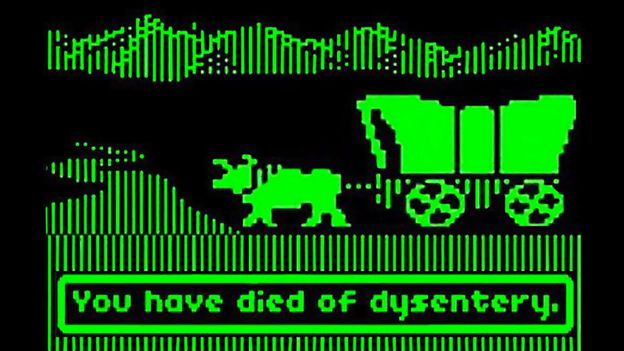
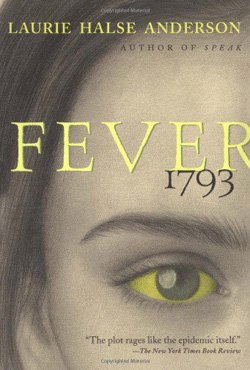
The Little House on the Prairie series give an excellent view of 1870’s America, by someone who actually lived it. Same with Tom Sawyer or Huck Finn, perfectly accurate because Mark Twain lived them. Laurie Halse Anderson’s Fever 1793 and Seeds of America trilogy are highly regarded, as well as Number the Stars, by Lois Lowry, which won the 1990 Newberry Medal. Johnny Tremain, another oldie but goodie, still rings true today, despite its 1944 Newberry Medal. If you can find it, the book On to Oregon! by Honoré Willsie Morrow (and made into the movie Seven Alone) tells a mostly true tale of the seven Sager children who are orphaned on the trail from Ohio to Oregon. The children actually do make it all the way on their own (with a newborn) to Marcus Whitman, a real missionary who took in many orphaned children, but the movie (and tie-in novel) ends happily, ignoring the horrific end that awaited several of them during the Whitman massacre just three years later. Another book of their journey is For Ma and Pa: On the Oregon Trail, 1844 (go ahead, cue the game sound. You know you’re going to.).

What we live today is tomorrow’s history. Children may not see or understand the significance of what they live through today, but twenty years from now they will (I’m still not over the Watergate trials preempting my 8 year old TV watching, but I do get the point now). Spark an interest in the past with any of these or other amazing books, but remember, there are – and never were – no wild hyenas roaming Pennsylvania. 

Ever.  

For hands-on experiences for children, check out Old Sturbridge Village, just over the line in Sturbridge, Massachusetts, or Mystic Seaport, in Mystic, Connecticut (which is somehow farther away than Sturbridge) (discount pass here).

Serial Solving

I never know what I’ll read next. What ever sparks my interest, either by title, by book cover, or by subject. I have no special direction or particular interest, but if I found one book on a subject interesting, I’m far more likely to read another on the subject, or by the same author.  Hence I’ve read an inordinate amount of books on Ebola, fast fashion, tea, books on the making of various movies, and, well, serial killers.

We know the names. Son of Sam. Ted Bundy. Green River Killer. BTK Killer. Long Island Killer. 

I have no fascination with them, find most of them repellent and frightening beyond description, and did not shed a tear when Jeffery Dahmer died in prison, but I find the psychological processes and forensics involved in tracking them down utterly intriguing. The science end, not the murder end. And there is SO much to be fascinated about. 

Most recently, I read the book American Serial Killers: The Epidemic Years, by Peter Vronsky, and I was blown away by the premise. America – which has more serial killers than any other country (well, that are reported and connected. Other countries have mass murders by corrupt governments, so maybe we’re better off) – had a major epidemic of serial killers (those that intermittently kill more than three people, as opposed to a spree all at once) from around 1970 to the mid 1990’s – more than 600 a year, and then it tapered off sharply. Why? Why did we have terrible trails of serial murders for 25 or 30 years, and then few?  Vronsky makes a very strong, documented  case for the fact that most of these killers were born in the late 40’s and early 50’s (25 or 30 by 1975) and their fathers fought in World War II. Vronsky documents that many of these fathers came back damaged from the war – PTSD, violent, depressed, alcoholic, received no help, and were unable to nurture their children. These boys – coming of age with violent sex images in men’s magazines, pulp fiction novels, and comics – grew up with attachment issues, poor self-image, and violent fantasies about sex, which they slowly began to work up the nerve to carry out. Why did things taper off? Most of those killers were either dead, in prison for other crimes, or had worn themselves out and were living a quiet life until something might trigger them again, unknown to their neighbors. Vietnam Vets received more services than soldiers in the 40’s, there was more public support, it wasn’t as big a deal to divorce a man, and those children did not have the same issues their grandfathers did. Those children of Vietnam vets would have been 25-30 in 1990-95 – years when serial killers were in decline.

Another utterly fascinating book – one that sent me down a long, long wormhole of research – is Barbara Rae-Venter’s I Know Who You Are: How an Amateur DNA Sleuth Unmasked the Golden State Killer and Changed Crime Fighting Forever. The Golden State Killer was alleged to have killed 13 people and committed more than 50 rapes across California between 1974-1986. Because police departments didn’t talk to each other or share information, no one was ever able to piece together all the information. Enter Rae-Venter. Rae-Venter spent her days helping people trace their genealogy and find their families using her home computer. Asked if she could do the same for a suspect, Rae-Venter needed 63 days and $200 to make a genetic profile of the killer from her dining room – something 30 years and $10 million of taxpayer money had never been able to do, leading directly to the apprehension of the killer. Since Rae-Venter, a huge number of backlogged, dead-end cases have been solved and cleared (like the Long Island Killer) due to the methods she used.

Spurred on by her methods, I fell down a rabbit-hole of genealogical research, aided by ancestry.com (free at the library), and in a week was able to trace my mother’s ancestry back 12 generations, connect some gaps, discover my grandmother had an older sister we never heard of (probably because she died at 5 months), and my grandmother’s younger sister was four when she died, not the two my grandmother remembered. Sometimes books are dangerous!

Through both of these books, several names kept popping up, and I realized I’d already read books by both men. John Douglas was the first real FBI criminal profiler, starting in the 1980’s, creating many of the procedures we use today. His book, Mindhunter, chronicles how he began, in a time where every department wanted the glory of solving the case, and thus no one ever shared information, and no one ever solved the cases. 

Unmasked: My Life Solving America’s Cold Cases by Paul Holes, is another. Holes learned the business under Douglas, pursuing cold-case investigations from the 1990’s into the 2000’s.  Some of the cold cases that perplexed them the most and they were never able to solve were later solved by Barbara Rae-Venter’s methods, like the Long Island Killer and the Golden State Killer.

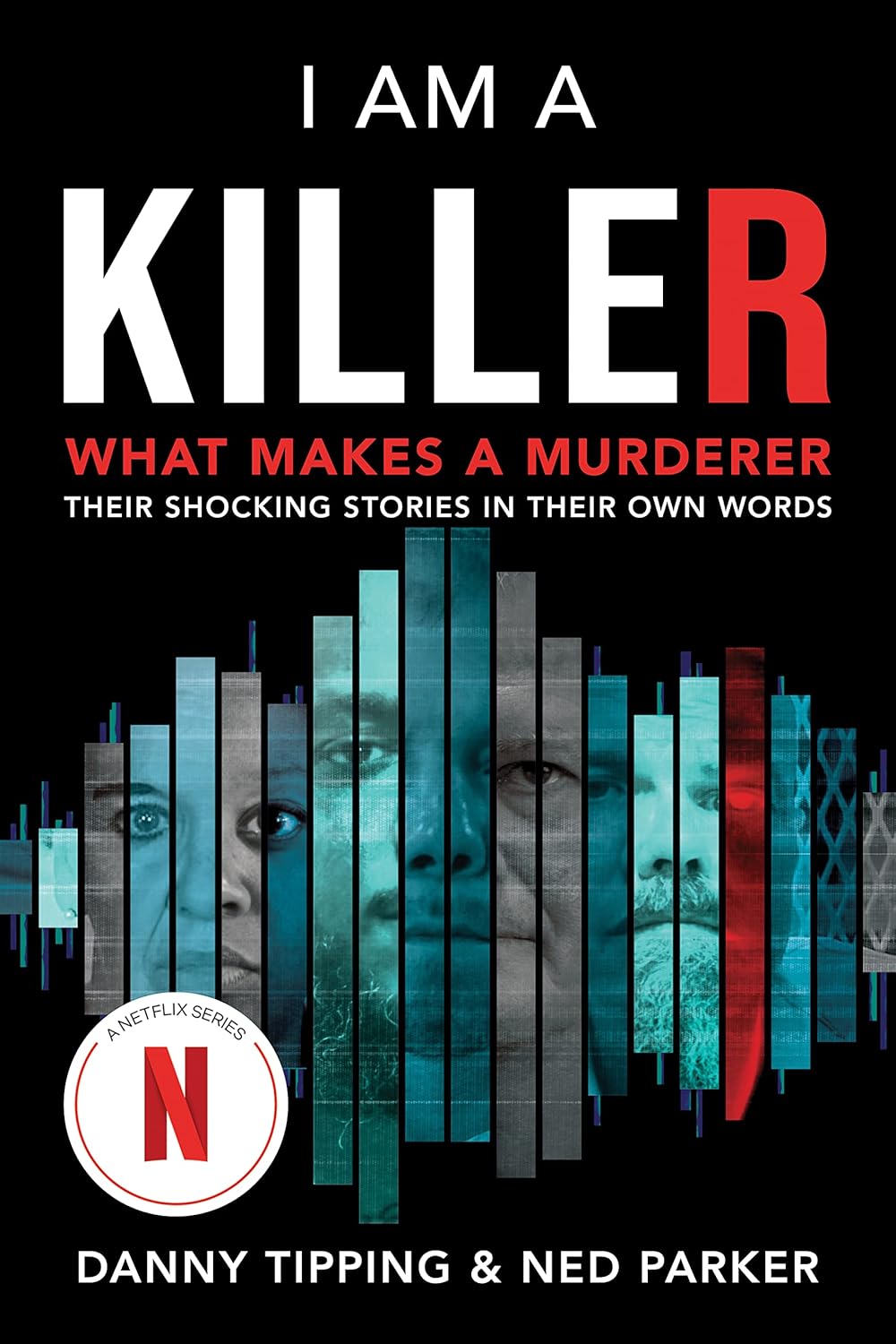
If you don’t care so much about crime but like psychology and sociology, and want to find out why people kill, try I Am a Killer, by Danny Tipping.  It’s a sad book that dwells on the murderers and not so much the crime. Time after time, the horrific backgrounds of these killers are revealed (one father, to hide the bruises and welts on his kid when Social Services was coming, tied him to a mattress, poured lighter fluid on him, and set his back on fire). Many did not deserve the sentences they received, responding to unimaginable abuse. There are no winners in this book. 

Though he technically didn’t kill anyone, if you want local flavor, read Incendiary: The Psychiatrist, The Mad Bomber, and the Invention of Criminal Profiling, by Michael Cannell. Many people claim to have invented criminal profiling, but this was an early case. In the 1940’s, a bomber went around exploding devices all over New York City, then teasing the police through letters. After twenty years, he was determined to be George Metesky – from Waterbury, Connecticut, and the criminal profiling was eerily correct.

If you like crime stories and investigations, these are excellent books. If you like psychology and deviant behavior, these are also excellent books. The difficult part is that they had to be written at all.

4 Teens’ Takes on “A Good Girl’s Guide to Murder”

The following is a collection of book reviews by four teens (identified here by their initials) who read Holly Jackson’s novel, A Good Girl’s Guide to Murder. All four teens rated the book 5/5 stars. What makes it so good? Should you read it, too? Read on!

Grammar and spelling in some reviews have been edited for clarity.

Summary (provided by the publisher):

Everyone in Fairview knows the story.

Pretty and popular high school senior Andie Bell was murdered by her boyfriend, Sal Singh, who then killed himself. It was all anyone could talk about. And five years later, Pip sees how the tragedy still haunts her town.

But she can’t shake the feeling that there was more to what happened that day. She knew Sal when she was a child, and he was always so kind to her. How could he possibly have been a killer?

Now a senior herself, Pip decides to reexamine the closed case for her final project, at first just to cast doubt on the original investigation. But soon she discovers a trail of dark secrets that might actually prove Sal innocent . . . and the line between past and present begins to blur. Someone in Fairview doesn’t want Pip digging around for answers, and now her own life might be in danger.

Use 5 words to describe this material.

OM: Truth, justice, friendship, reputation, mystery

GF: Mystery, suspenseful, confusing, thought-provoking, and compelling

KA: Mysterious, action-filled, suspenseful, perseverance, and thrilling

MH: Captivating, thrilling, entertaining, suspenseful, shocking

Why did you read/view this material?

OM: It is a New York Times bestseller and friends were recommending it.

GF: I read this book because my friend recommended it to me and it looked like a very interesting book.

KA: I read this book because of how it was getting amazing reviews and also because of how I wanted to read the whole series.

MH: I read A Good Girl’s Guide to Murder because it was popular and I am interested in the genre of murder mysteries. 

What was your favorite part and why? 

OM: The surprise twist at the end. This story kept you at the edge of your seat. 

GF: My favorite part of the book is when you find out who is behind the whole scene. The buildup in this book is amazing, and I was questioning who actually did it the whole time. The book surprises you with that answer! 

KA: My favorite part was when Pip found out who was the true murderer. It was the person I least expected. 

MH: My favorite part is the part that must never be spoiled ahead of time, this is the part where everything falls together and Pippa figures everything out. This is my favorite part because it’s so satisfying to see all the clues put together, the ending is so unexpected. It is an ending worthy of Agatha Christie.

What is one thing that you would change about this material? Why? 

OM: The beginning is a little confusing, as it switches from first person, to journal entries, to interview transcripts. I had to spend more time than I usually would figuring out what was important to focus on before could I really process the point of the story.

GF: One thing that I would change about this book is giving the outside characters that are still relevant to the book more of a story. In this book, everyone is viewed as a suspect for Pip to investigate, but in reality, every character is different and has their strengths and weaknesses.

KA: Something I would change about this book is how it has pictures. I prefer when books do not have pictures.  

If you could ask the author/creator one question about this material, what would it be and why? 

OM: I would ask the author how she got the idea because the book states that it is completely fiction. It is such a well thought out and creative story, I would love to know where she gets her inspiration.

GF: If I could meet Holly Jackson and ask her one question about A Good Girl’s Guide To Murder, I would ask her what gave her the idea to write this book. It has very big plot twists and the storyline is complex, so I would ask her how she came up with this.

KA: Something that I would ask Holly Jackson is what inspired her to write a book about this topic. Was it based on a true story/something that really happened?

MH: If I could ask Ms. Jackson one question about A Good Girl’s Guide To Murder, it would be this, how did you come up with your ending? The ending was truly very unexpected and surprising, I would like to know how Ms. Jackson came up with such a unique ending.

Who do you think would like this material and why?

OM: Anyone that enjoys mysteries or realistic fiction would enjoy this book.

GF: I think that teenagers would like this book. This is because it has great characters that most people can relate to, and it has big plot twists that older kids would enjoy.    

KA: I think people who like crime/murder related books would like this.

MH: I think anyone thirteen years old or older would enjoy this book, even adults, the plot develops very quickly, yet it is not at all predictable. It is a thrilling and exciting read for anyone, not just true crime geeks.

Teen Volunteer Reviews: “Serpent & Dove” and “Powerless”

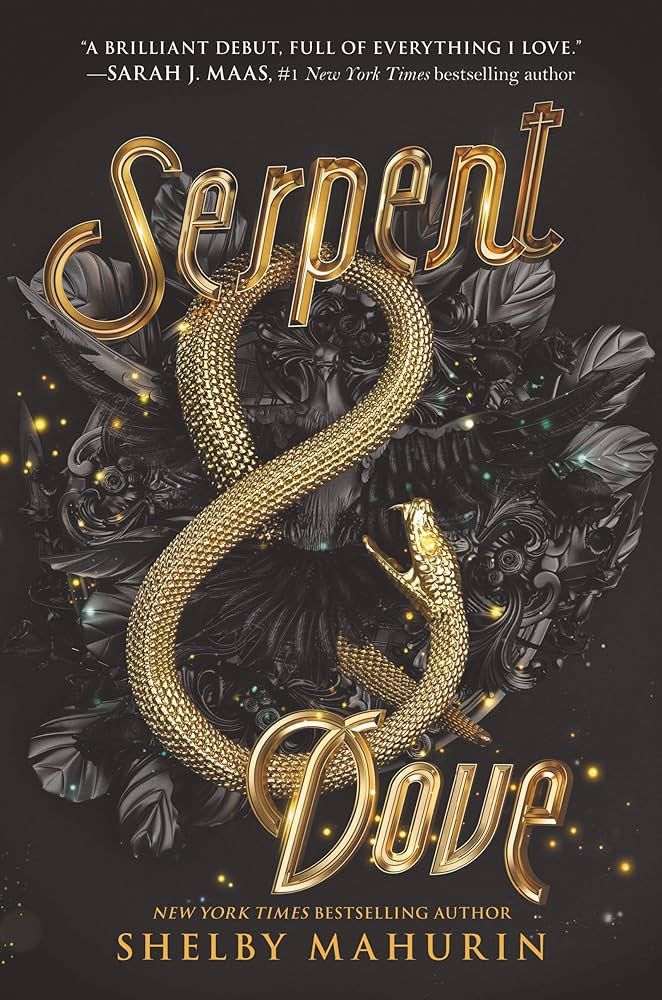
Serpent & Dove by Shelby Mahurin. Reviewed by SS ⭐⭐⭐⭐

Serpent & Dove is a fantasy romance novel following Louise Le Blanc and Reid Diggory. A few years ago, Louise ran away from her witch coven and tried to survive in Cesarine by forsaking magic and stealing. In Cesarine, witches are hunted, feared, and burned. On the other hand, Reid Diggory is Chausser, sworn to the Church to protect the people from witches. He’s only ever lived by the principle “thou shalt not suffer a witch to live”. When a chase gone wrong forces Louise and Reid to become tied together in marriage, the situation becomes much more dangerous. The war between the Church and witches has an ancient past, but when the pair’s feelings for each other grow, Louise realizes she must make a choice. And love might change everything.

I’ve been searching for a good romance novel in a fantasy setting. Recently, I’ve been reading a lot of realistic fiction romance, which is excellent, but sometimes the books just get a bit too real, which isn’t great. Hence the great search for a well-thought-out fantasy romance novel. When I read Serpent & Dove, I really loved it. I liked how the romance wasn’t immediate but rather a transition from hatred to tolerance to supporters and finally to lovers. It made the romance a lot more profound and more connected. I loved Louise’s character – the opposite of a “demure woman” – who Reid has always been surrounded by. She cusses like an old sailor, which I find quite funny, and Reid’s reactions to her actions are often quite comical. The only negative I have for this story is the beginning. The beginning was kind of abrupt, I had no context for what was happening, or why. However, once Reid and Louise got married, the story got into the swing of things. It’s also important to note that while this book is part of a trilogy, please stop reading after the Serpent & Dove. As many other readers have claimed, the other two books make you lose connections with the characters, and there is a lot of talking and no action. So while this book is truly unique, be aware that the next two will not live up to expectations. On that note, I think I would give this story four stars.

Powerless by Lauren Roberts. Reviewed by MP ⭐⭐⭐⭐⭐

“Powerless” by Lauren Roberts is the perfect romantic fantasy. Powerless follows Paedyn, a girl without powers, and Kai, a boy who hunts the powerless. Paedyn has to take part in a dangerous competition held at the castle. Kai is the prince. A romance starts to bloom. Expect enemies to lovers, pretty ball gowns, knife to the throat, dual points of view, and witty bantering!

Plot: While the plot is pretty simple and similar to the Hunger Games, it still manages to engage readers.

Characters: This book is primarily character-driven. Where the plot could be seen as bland, the characters make up for it. Being in Kai’s head was amazing. He’s amazing. I loved it. Paedyn was excellent, too. Dual point of view can be hit or miss, but I loved the use of it in this book. These characters are both grumpy and pretty morally grey. I love that combo. They both can be ruthless, but deep down, they are softies. Their romance is so sweet and extremely slow burn. It’s also full of tension as Kai kills people like Paedyn. They have many cute moments, such as a rock paper scissors game! Both characters are deep and compelling. They are not simply one-dimensional. Due to the first-person point of view, you get to understand their personality and get to know them well.

World-building: It’s quite simple, actually—think superheroes. The world is not one bit confusing (at least for me). If you’re new to fantasy, this book would be a great choice because it won’t overwhelm you. The world-building was minimal and simple.

Writing: The writing was gorgeous. I loved the pretty words, the metaphors, and the dialogue. Its poetic while being easy to understand. This book is highly quotable because of its beautiful sentences. The author is extremely talented.

Whether new to fantasy or not, this book is fresh and fun. You’ll adore the characters, root for them, and be at the edge of your seat for our girl, Paedyn. I know I was kicking my feet, smiling, and swooning. I read it twice because that’s how great it is!

Holler Rat: Kentucky Meets Connecticut in Anya Liftig’s Memoir

Meet the author! Anya Liftig will come to the library on Thursday, August 1 at 6:30 pm for a conversation about her memoir. Cheshire residents can borrow the audiobook with Libby, and physical copies will be available for sale at the event. Reserve your spot for August 1st!

Anya Liftig grew up in Westport and graduated from Yale. She was an artist living in Brooklyn before it was cool. You wouldn’t expect her memoir to begin with a relative lying dead in a shack in rural Kentucky, cleaved in half by a piece of construction equipment. But as I learned from my recent reading (audiobook listening, really) of her memoir Holler Rat, Liftig defies expectations.

Liftig’s mother hails from that ramshackle home in Kentucky, and her father is from an upper-middle-class Jewish family in Connecticut. When school ends each year in Westport, the family drives down to the holler to spend summers with Mamaw, the family matriarch. The book initially caught my interest because it straddles the vastly different worlds of rural poverty and New England affluence. I’ve got my own history between those worlds, so I wondered how much of this book would resonate with me personally. Liftig’s narrative was so engrossing that from the first paragraph, I completely forgot about my search for parallels and just settled in to enjoy the ride.

She details medical traumas, cringeworthy adolescent romances, and her family’s quirks (her father plays the bagpipes and her grandmother won’t sell the old Studebaker that’s decaying in the middle of a potato field). Also, there was that time she made out with a dead fish in front of an audience and then put it in a blender and drank it. If it sounds both horrifying and hilarious, that’s a pretty good way to describe the memoir. Liftig moves from story to story with a masterful sense of pace, and her brilliant placement of her performance art pieces within the narrative helped me interpret and appreciate this art genre, which I knew only from parodies. The lead-up to the last chapter is heavy, and you don’t know how it’ll end until you reach the very last word. It’s the best memoir I’ve read recently, and I’m really looking forward to having a conversation with her at the library program on August 1!

It’s worth mentioning a book by another Yale alum and descendant of poor Kentuckians: Hillbilly Elegy, the 2016 memoir by J.D. Vance. This Ohio senator was announced as Donald Trump’s pick for VP candidate only a few days ago. Hillbilly Elegy was a bestseller upon release, but it was criticized for painting broad generalizations and reinforcing negative stereotypes about the rural poor. Now in 2024, it’s not hard to see Elegy as a calculated move from an aspiring politician. (It’s standard political playbook – Barack Obama made a similar move in 1995 when he released his memoir Dreams from My Father right before he ran for senate in Illinois.) Vance’s book is great if you want to better understand his politics, but if you’re looking for a more sympathetic and arguably more accurate portrayal of Appalachia, Holler Rat’s tight personal narrative from a longtime artist is a better pick.