Twilight set off a whole graveyard of vampire romances, and then came werewolf romances. For a while paranormal romance was the genre of the day, with people falling in love with ghosts or people in past lives – no doubt fueled by time-travel stories like Outlander. When the person you love died 200 years previous, it makes that guy at the coffee shop seem rather dull in comparison. Monsters are a thing, especially in cozy fantasy – even dragons can be a thing (let’s not forget Donkey and his Dragon mate in Shrek!). Zombies picked up the slack, but are now fading away as a genre – you can only kill them twice.
So what’s currently “trendy” in genre fiction? What have we circled back to? Cozy fantasy is all the rage, little stories with a slice of life that ends happily, whether you’re an ogre or gnome or pixie. Horror is making a comeback, including something called Fem-gore, which is written by women for women, and includes a lot of bloody-warrior revenge themes. LGBTQ stories and stories of people of color are on the rise, giving a long-overdue boost to underrepresented segments of the population. But the largest rising genre? Witches and wizards.
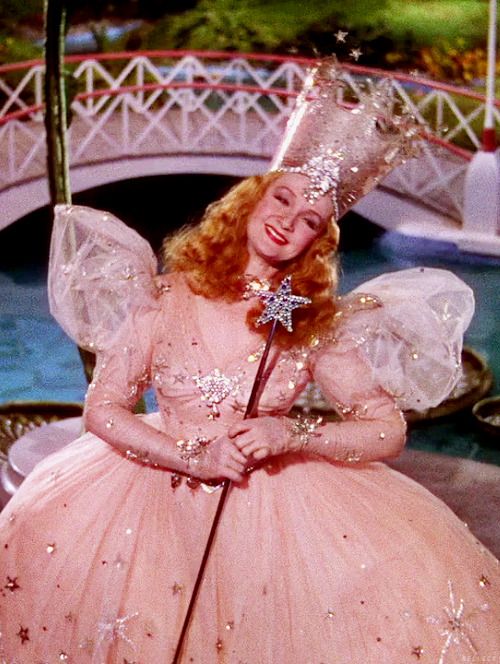
No, we’re not talking Lord of the Rings or Dragonlance (though you can read Dragonlance for either the action sequences or the burning romance of Raistlin and Crysania), but the Earthly plane stories that encompass every facet of storytelling. Magic stories. And magic is the realm of witches and wizards. Witches aren’t usually evil, even if, thanks to Wicked, we’re not sure Glinda is completely a good witch.
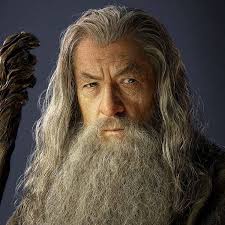
Technically, a male witch is called a … witch. Wizard is also acceptable, the difference being a wizard is usually academically oriented [think Gandalf] while a witch is more self-taught [Granny Weatherwax from the Terry Pratchett’s Discworld books]. Mage is also appropriate, but warlock is a slur. Witchy stories have been around forever – the Biblical Witch of Endor (10th century BCE), Circe of Homer’s Odyssey (8th century BCE), Hecate of the Greek pantheon (Hesiod’s Theogony, 7th century BCE), Merlin the Wizard and Morgan le Fay of Camelot (minimum, the 1100’s, possibly as early as the 400’s), and the witches of Macbeth (1606). Let’s not forget the witches of The Wizard of Oz, or the terrifying Dust Witch of Bradbury’s Something Wicked This Way Comes, the marvelous Eglantine Price of Bedknobs and Broomsticks, Samantha Stephens of Bewitched, the Halliwell sisters of the TV show Charmed, or The Lion, The Witch, and the Wardrobe. The image of witches was improved by the popularity of Harry Potter and Hogwarts School of Witchcraft and Wizardry. Children’s stories aside, the rise of New-age witchcraft has no doubt helped the rise of witch stories as well.
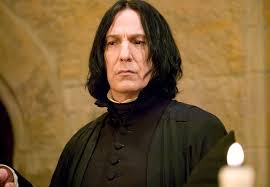
How did witches come to have such a bad rap? Throughout history, and amplified through Dark Ages ignorance, learned men and intelligent women, women who could read, women who were opinionated, or women who had some sort of good or bad fortune that couldn’t be explained by simple means, were suspected of using dark magic to gain their knowledge, even when it benefited the community itself. Magic, voodoo, and good or bad spirits were all people had to explain what was to them unexplainable any other way. Maybe your sheep all had twin lambs, but neighbor Geoff, who took poor care of his sheep, had 5 die in birthing – surely you must have worked dark magic on his sheep! All your 15 children survived the plague? You must be a witch! While New-Age witches study nature in all its forms, in reality, no study anywhere has proven that magic – not the magician kind – has any basis in fact.
Modern stories of magic run the full gamut, from cozy mysteries (such as those by Bailey Cates), humorous fantasy (Terry Pratchett’s Color of Magic series), Courtly intrigue without the morbid gore of Game of Thrones (The Chronicles of Amber series by Roger Zelazny), to the wildly popular Discovery of Witches series by Deborah Harkness, and the book and TV series of Jim Butcher’s Dresden Files. If you don’t like the idea of reading a fantasy book, try a more mainstream author like Alice Hoffman’s Practical Magic series, or The Year of Wonders, by Geraldine Brooks, or A Secret History of Witches, by Louisa Morgan. Harry Potter they are not.
My favorite witches of literature? Gandalf, of course, from Lord of the Rings, along with Molly Weasley and Minerva McGonagall from Harry Potter, Ole Meg from Clifford D. Simak’s A Heritage of Stars, Raistlin Majere of Dragonlance, and perhaps Lady Jessica Atreides in Dune (yes, the Bene Gesserit are witches).
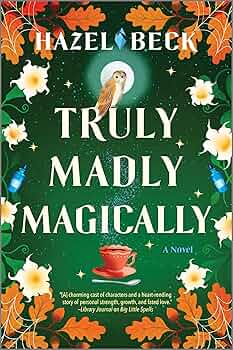
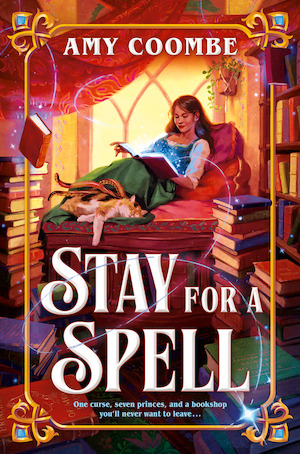
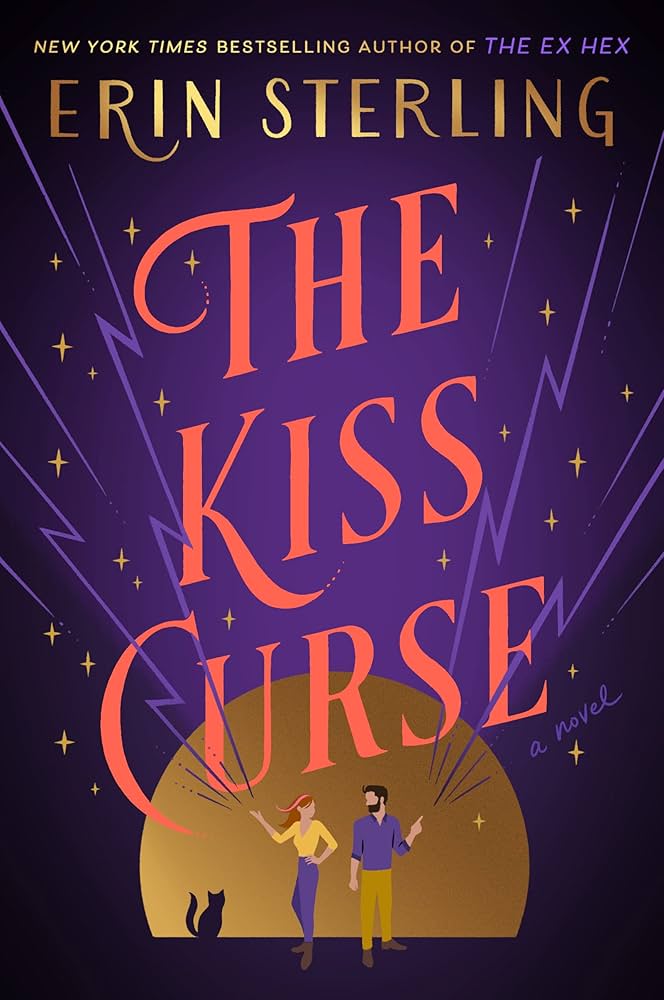
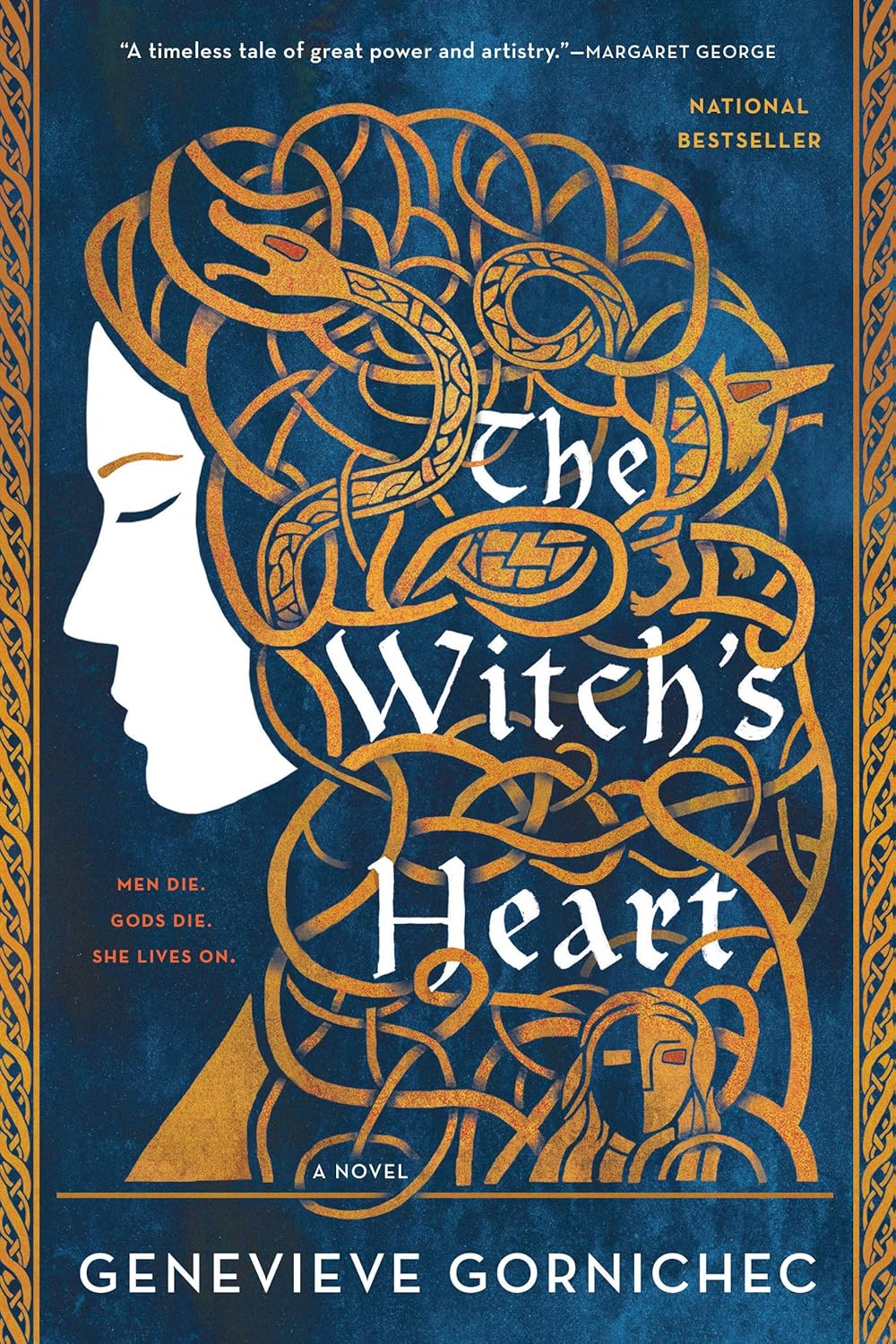
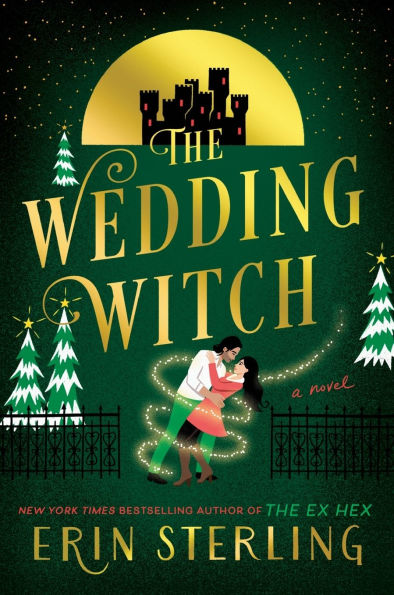
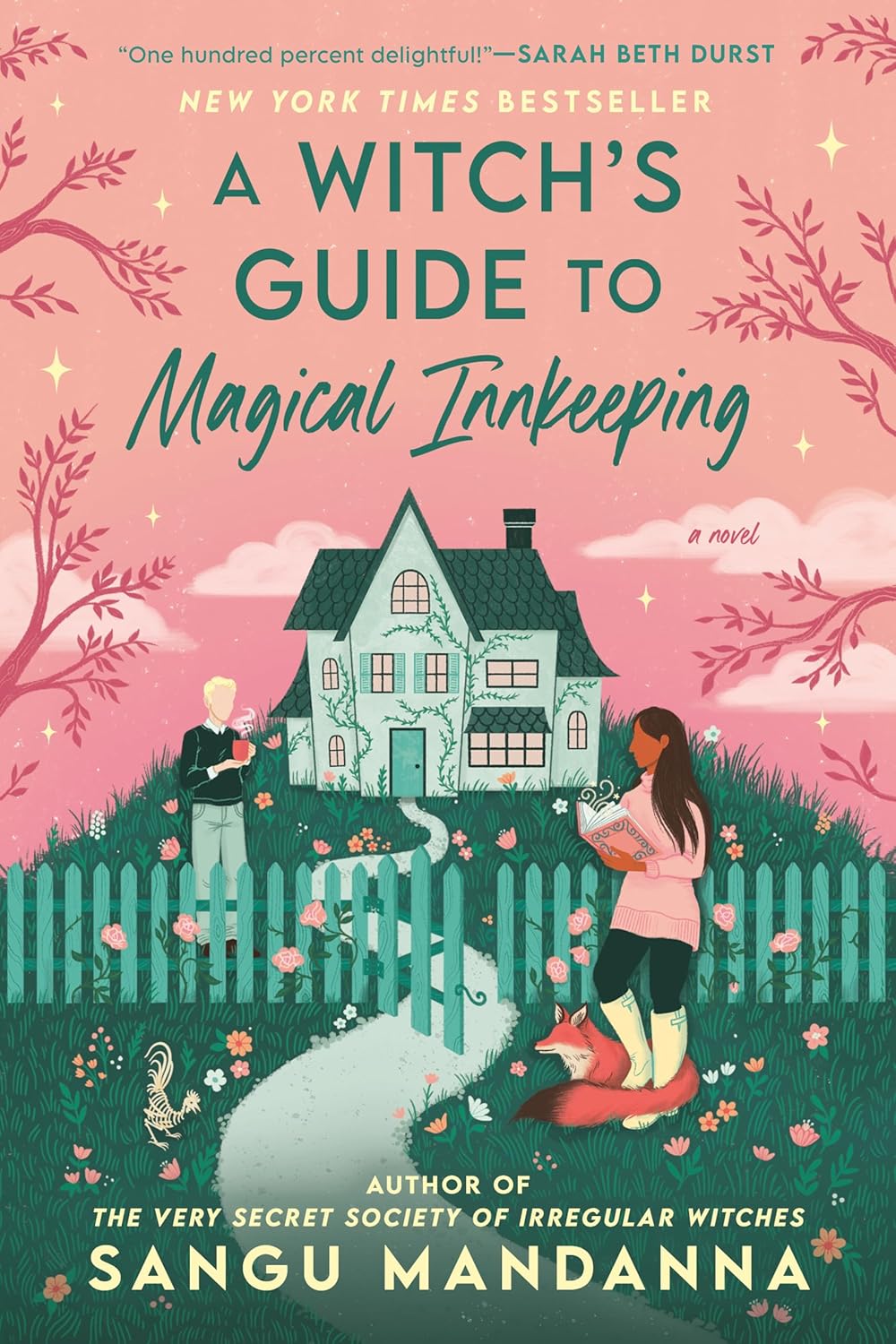
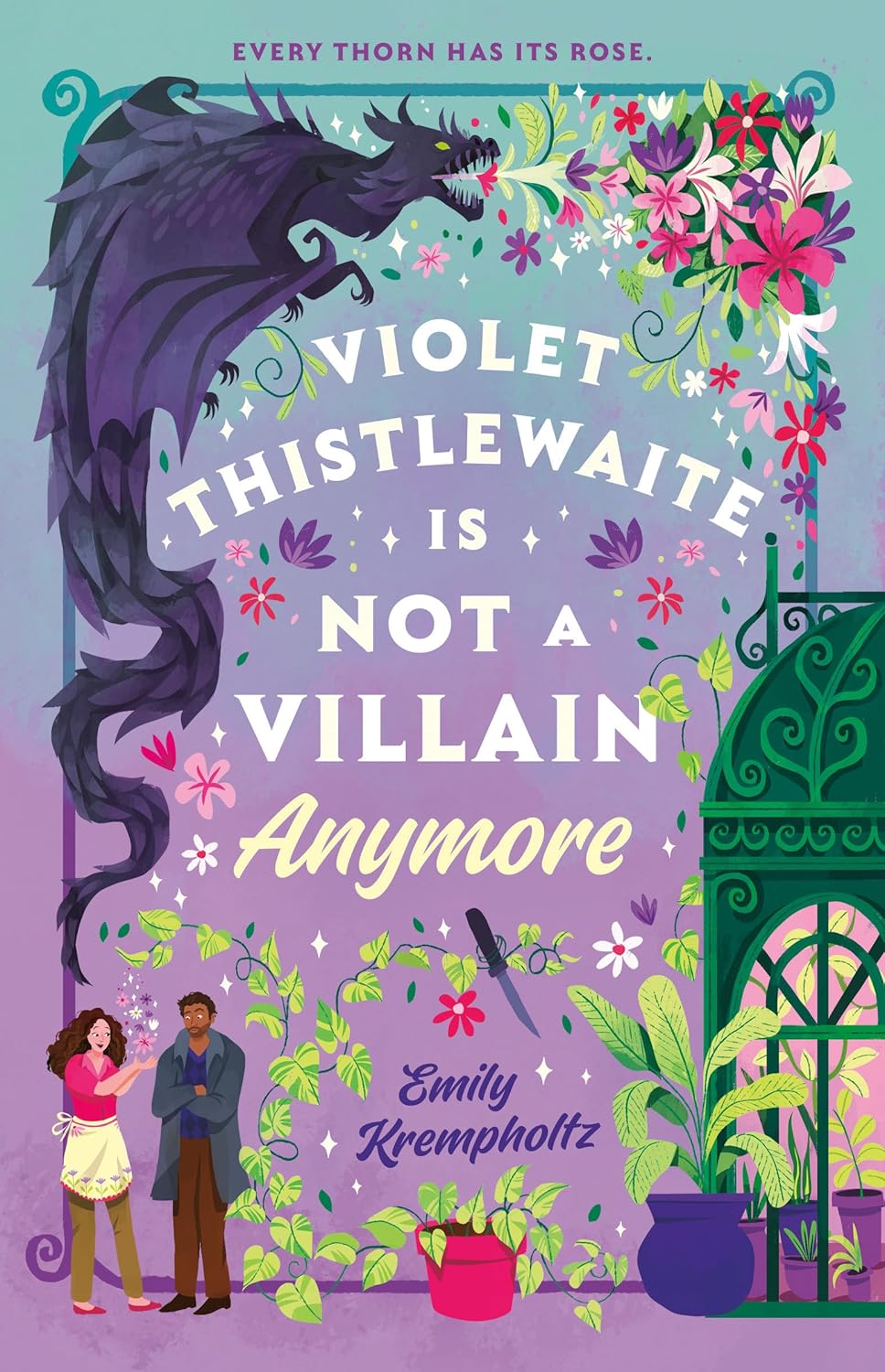
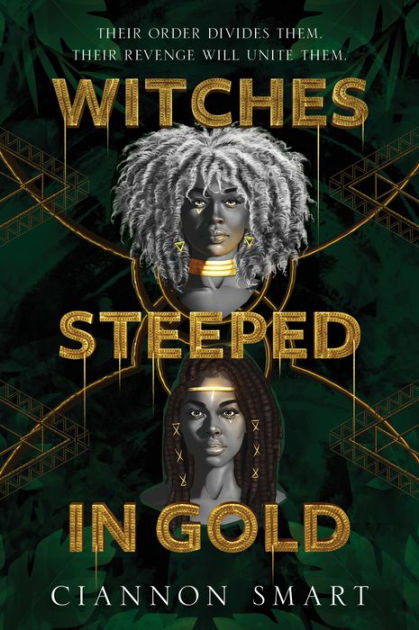
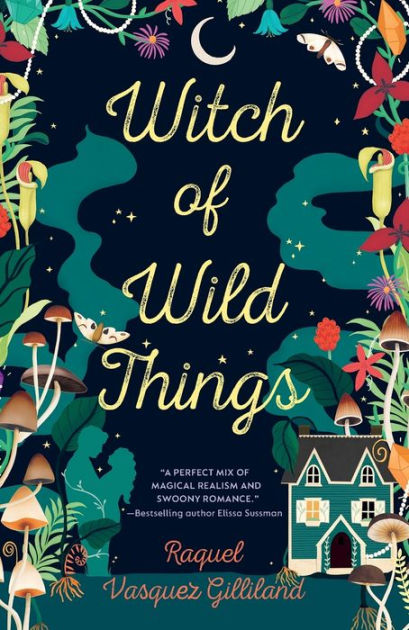
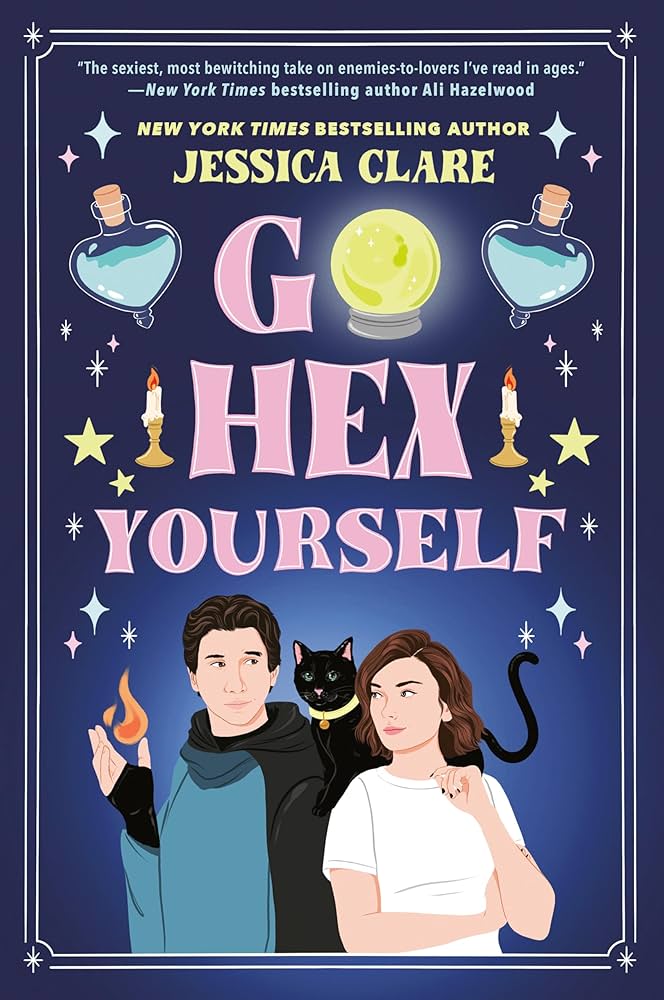
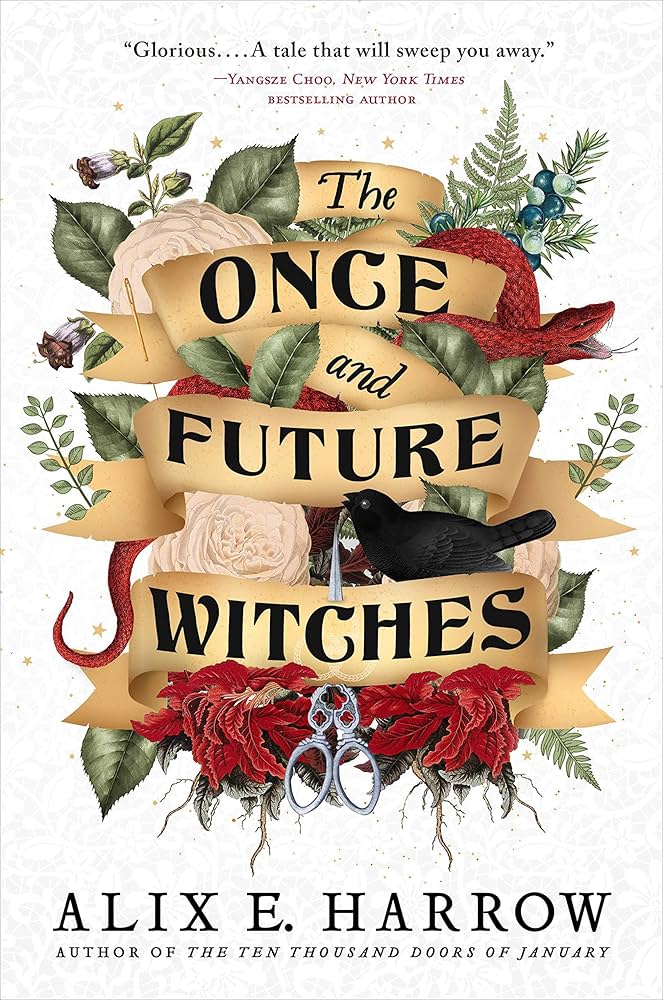
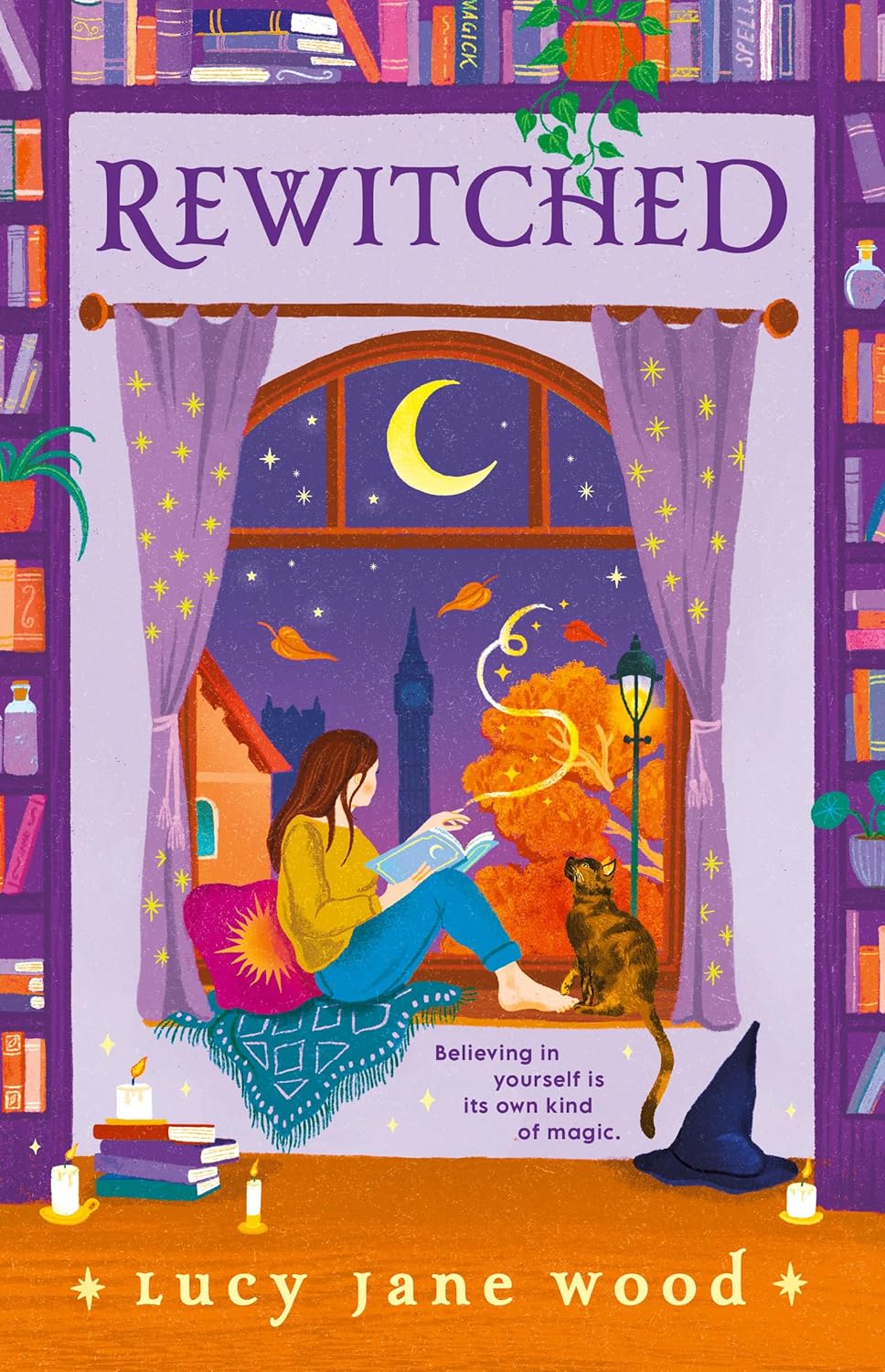
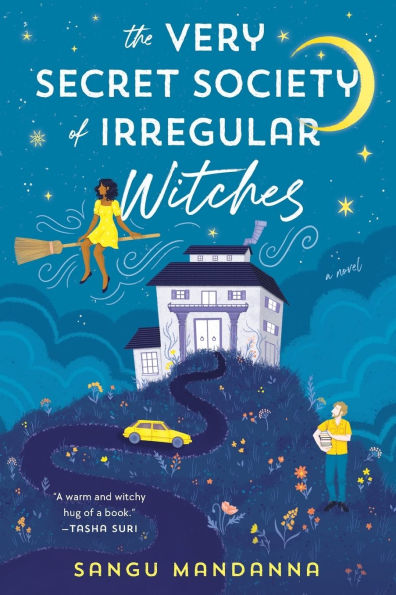
If you’re looking to put a little magic in your life, or just escape the pressures of our Earthly plane, check out some of these trending books!
 The Cheshire Library Blog