Can summer be here already? It’s our busiest time at Cheshire Library – sign up now & don’t miss out on the terrific programs we have lined up. See our June Event Calendar for more!
 Vision Board Workshop
Saturday Jun 3, 2017, 2:00 – 4:30 PM
Imagine what it would be like to visualize what you wanted to achieve and then use that visualization to make it happen. Could it really be that simple? How often do you “wish” for things to be different? Vision Boards Help Provide Clarity — By placing your images on a board, you create a bridge between the thoughts in your mind to something tangible-a format you can see and feel. Composing a clear, vivid vision board is an important step in making your goals and dreams a reality. Certified Life Coach Fiona Bain will show us how to create our own Vision Boards.
Registration is required.
 Introduction to the Internet
PART 1 : Wednesday Jun 7, 2017, 2:00 – 3:00 PM
PART 2 : Wednesday Jun 14, 2017, 2:00 – 3:00 PM
In Part 1, we will introduce you to the Internet and explain the basic elements of a Web page. Learn about Web browsers and how to access different web pages, identify hyperlinks and navigate web pages using the back, forward and refresh buttons. In Part 2, you will learn how to find information on the Web and how to use search engines. Learn how to mark a web site as a Favorite and how to print an entire web page, or a part of a web page using print preview option. Registration is required.
 Expert Travel Tips From a Pro
Thursday Jun 8, 2017, 6:00 PM
With so many ways to book travel how do you know the best? What is the difference between booking with a traditional travel agency, an online travel agency or the supplier directly? With over 30 years of travel industry experience, Katie Relkin is the founder of JourneyBusters.com, a consumer friendly travel education company. She will share a wealth of travel tips in this program. Registration is required.
 Beyond Death: Medical Facts, Mysticism, and Meditation
Wednesday Jun 14, 2017, 6:30 – 8:00 PM
Since the 1980s when near death experiences became part of the public consciousness, they have held endless attractions for people. Why do they resonate so powerful within us? Join Dr. Matthew Raider, hear the latest medical research and discover a simple, natural way to connect with the inner light talked about by those who’ve experienced an NDE. Through a simple time-honored method of meditation, you can explore those realms of peace within you. Registration is required.
 Passport Fair
Friday Jun 16, 2017, 12:00 – 4:00 PM
Join us for your one stop shop to acquire* or renew your passport.
Please bring the following:
- Passport Application
- Evidence of Citizenship
- Two Forms of ID
- Payment (2 checks for renewals)
Please direct all questions regarding Passports to the The National Passport information line at 1-877-487-2778 or visit Travel.State.Gov. This service provided by the United States Postal Service. *Please be advised to receive your completed passport by mail can take several weeks. Please see Travel.State.Gov for more information.
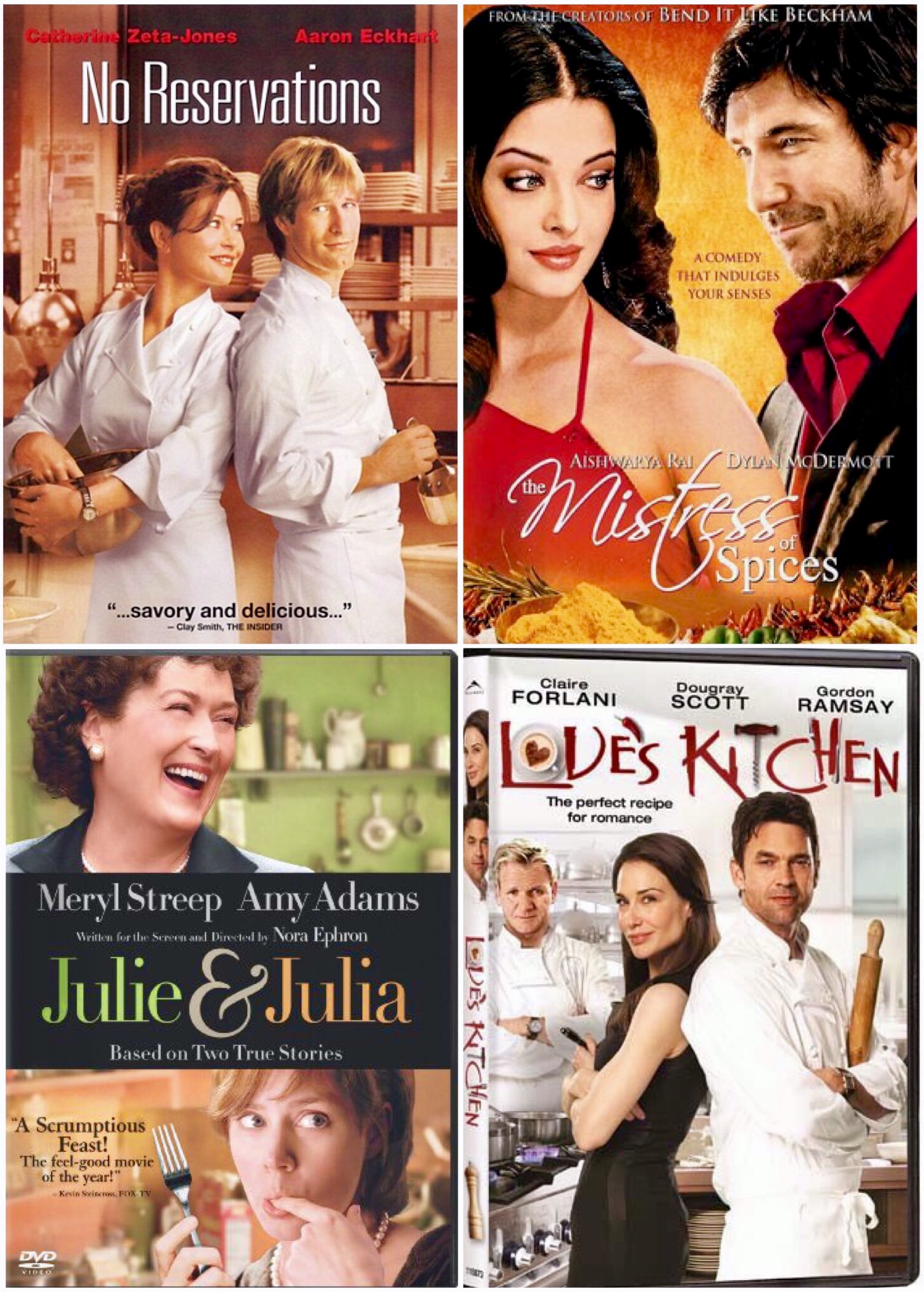
 Taste the World: Movie Matinees
Fridays in June, 12:30 – 3:00 PM
Take a tasty tour around the globe with movies associated with international snacks. Please register individually for each movie.
Cut the Cord – Life Without Cable TV
Saturday Jun 17, 2017, 2:00 – 4:00 PM
This seminar presented by James Gifford will discuss how cable customers can get rid of high-priced cable services. Learn how to switch to options that give better entertainment value and review phone service choices at much lower costs, even if you’re not a tech whiz. Registration is required.
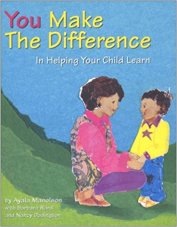 Parent Workshop: Helping Your Child Learn
Wednesday Jun 21, 2017, 6:00 – 7:30 PM
Join us as we discuss simple, effective ways to get your child ready to use words. This workshop will utilize the best practices from
You Make the Difference in Helping Your Child Learn, published by the Hanen Centre. Books will be available for checkout at the end of the program. We’ll go over ways you can incorporate the practices into playtime, reading time, and everyday activities. Dinner and childcare will be provided. Best suited for parents/caregivers of children ages birth to 3.
- Dinner 6:00-6:30 pm
- Parent class 6:30-7:30 pm
- Childcare provided
Registration required. Registration is open to all Cheshire residents starting May 15. Non-residents may register starting June 20.
 Brain Fitness
Thursday Jun 22, 2017, 1:30 – 2:30 PM
Come learn how to keep your brain fit. Studies show that those who engage in regular cognitive activities (such as attending educational seminars, discussion groups or learning a new language) had higher levels of brain functioning and lower rates of Alzheimer’s disease, dementia and other forms of cognitive impairment. The brain is a muscle like any other and benefits from regular exercise. Light refreshments will be served. Please register early.
 Solo Travel Bootcamp
Thursday Jun 22, 2017, 6:30 PM
Get ready for a solo travel adventure! More and more people are heading out on trips alone and they aren’t just singles. Whether you are an experienced solo traveler or new to solo travel, join Travel Artisan Nina Lesiga for an evening of fresh ideas on how to achieve vibrant, authentic and fun experiences. Registration is required.
 STEM Coffee Hour: The Impact of DNA-Editing Technology on the Future of Science and Medicine
Thursday Jun 22, 2017, 7:00 – 8:00 PM
Facilitator: Dr. Jian Cao, Associate Research Scientist, Yale University. Co-developer of a Gene-Editing Toolbox.
STEM Coffee Hours are designed for adults who are interested in learning more about a particular science, technology, engineering, and math (STEM) topic. The general format is an informative presentation followed by group discussion. Please register HERE (password CheshireSTEM).
 Parenting Workshop: Positive Discipline
Monday Jun 26, 2017, 6:00 – 7:30 PM
This is an eight-session workshop for parents who are looking to learn how to develop relationships with their children based upon mutual respect, personal responsibility, and problem-solving skills for successful living. Come work with other parents finding practical solutions to children’s most challenging behaviors. Open to parents with children ages birth to 5 years old. Free childcare provided.
A Certifed Positive Discipline Parent Educator will conduct 8 weekly evening sessions that include:
- Free Dinner 6:00-6:30 pm
- Parent class 6:30-7:30 pm
- Free children’s books
This program meets 8 times: June 26, July 3, 10, 17, 24, 31, August 7 and 14. You only need to register once to attend all 8 sessions.
Registration required. This program is open to Cheshire residents to register starting May 22 all others may register starting June 23 if space is available.
 Traveling Lantern Theatre Company
Wednesday Jun 28, 2017, 1:00 PM
Play: The Ribbles Build a Residence. Soon after their lovely insect nuptuals Mr. and Mrs. Ribble are expecting a baby Ribblet, and they need a new home for their family! Mr. Ribble wants a to go big with a four grasshopper garage, but Mrs. Ribble convinces him to build a dream home that is more environmentally and neighborhood friendly. Best for ages 4+, No registration required.
 Summer Reading Kickoff!
Friday Jun 30, 2017, 5:30 PM
Join us for our adult and children’s summer reading kickoff. The library will be opening at 5:30 pm to host events for children, families, and adults. At 7:00 pm the Lost Acres String Band will be performing. Bring a picnic or purchase pizza (from Cheshire Pizza and Ale) and drinks from our Friends of the Library. All ages welcome, no registration required.
 ng is special. Laying about, maybe on a beach or by a pool, with nothing on my schedule but relaxing with a book is my idea of a perfect vacation.
 One wrinkle in this perfect plan, though, is getting the books from here to there. How many to pack? (don’t want to run out…) How much book-space is in the suitcase? Are these books going to put me over the baggage weight limit?
 0, or 30!) books with you in less space than 1 book would take in your luggage. Rapture!

 family oriented, but the writing is not always the greatest, with occasional weak scripts and clichéd lines. Because each episode wraps up on its own, nothing can get too much meat to it.
 San Francisco lends itself to many great film chases (such as the comedy