New Trends in Science Fiction

Say Science Fiction, and most readers will make a face as images of bad 50’s movies, computers and technobabble, and Star Wars arguments come to mind. “I don’t read Science Fiction,” but chances are, you do. Science Fiction simply means a story that more or less follows the laws of science as we know them, as opposed to fantasy, which drags in magic and elves and things that don’t normally exist on Earth. The material is as broad as anything else in fiction.

Science Fiction has come a long way since 1977, and is almost unrecognizable to the campy 50’s tin-can imagery. Like rock music, science fiction has a hundred sub-categories, and chances are you’ve read – and liked – at least one. Here are some of the newest trends you may not know about.

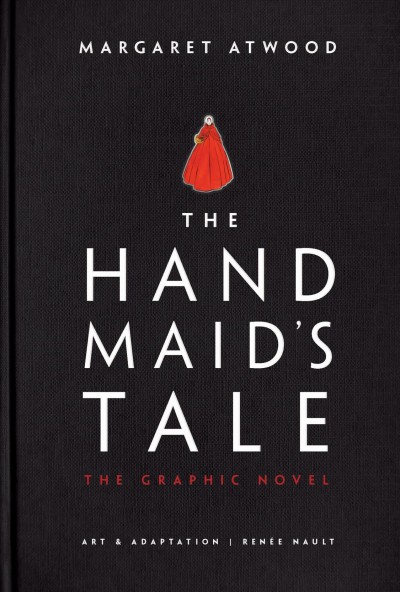
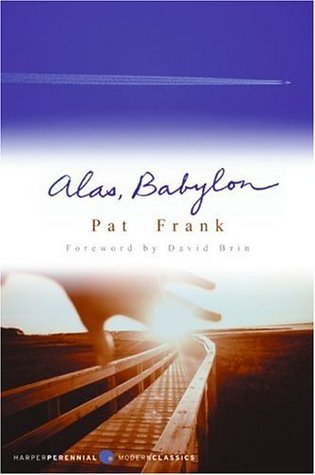
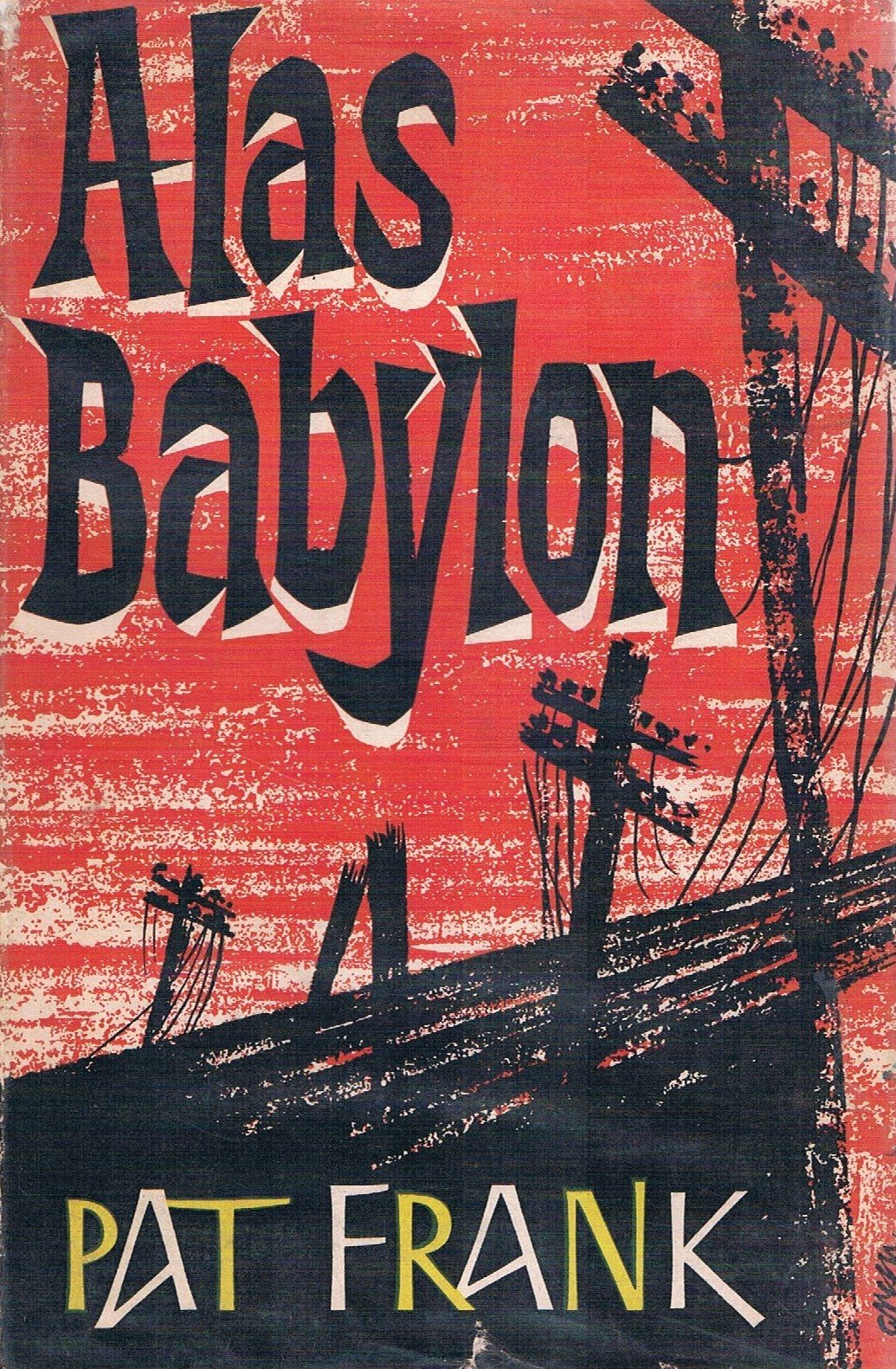
Soft Science Fiction:  “Soft SF” isn’t new, but the definition is newer. Soft SF doesn’t deal with “hard” techno stuff, but concentrates on people, societies, psychology, and intrigue.  Cloud Atlas, The Handmaid’s Tale, Flowers for Algernon, Yiddish Policemen’s Union, The Time Traveler’s Wife, and Alas, Babylon all fall under “Soft” SF. Half of Stephen King can be categorized here. You could make an argument for Jason Bourne, too.

Gender-Focused: These stories explore cultures and people who may have a single gender, multiple genders, or are genderless entirely. Check out Ancillary Justice by Ann Leckie, Seveneves by Neal Stephenson, Mask of Shadows by Linsey Miller, or the Grandmama of them all, The Left Hand of Darkness by Ursula K. LeGuin.

Afrofuturism: Representation of minorities is growing in SF, and with it new ways of seeing inclusion in the future. Check out top authors like N. K. Jemisin, Colson Whitehead, Nnedi Okorafor, P. Djeli Clark, and Octavia Butler.

International: There’s a huge influx of stories being translated from other countries. While America may be stuck on space opera and predictable heroes, other countries aren’t, and offer a refreshing break from the Same Old Thing. Try The Three-Body Problem by Liu Cixin, Master and the Margarita by Mikhail Bulgakov, The Witcher Series (yeah, the TV one) by Andrzej Sapkowski, The Lost Village by Camilla Sten, or Shadow of the Wind by Carlos Ruis Zafon.

Generation Ship fiction: No faster than light ships here, but pressure-cooker stories onboard ships making a long haul. Dangers take on a whole new meaning when you’re dependent on your ship for years on end. Check out Across the Universe by Beth Rivis, Rendezvous with Rama by Arthur C. Clarke, Aurora by Kim Stanley Robinson, or Ship of Fools by Richard Russo.
New Space Opera: Space opera traditionally involves weapons, danger, heroes, and rescued damsels (Star Wars being a perfect example, among many), but newer stories are throwing in more gritty realism. They’re a higher quality of writing, more scientifically plausible, and tend to address more social issues under the guise of “fiction.” Grown-up SF. Try the Leviathan Falls series by James Corey, Hail Mary by Andy Weir, the Thrawn series by Timothy Zahn, The Echo Wife by Sarah Gailey, or Winter’s Orbit, by Everina Maxwell.

Climate SF:  With the doomsday clock ticking down the moments to an expected 6th mass extinction, climate SF may be the most relevant wave of stories to hit shelves, and can fully include apocalyptic virus stories. Read them!  State of Fear by Michael Crichton, New York 2140 by Kim Stanley Robinson, The Overstory by Richard Powers, Oryx and Crake by Margaret Atwood, The Bone Clocks by David Mitchell, Flight Behavior by Barbara Kingsolver.

Science Fiction isn’t the same old trope you’re used to, but a growing, evolving body of literature with numerous authors, styles, and focus – and guaranteed there’s one right for you!

The Maus Trap

As long as there have been books, there has been controversy about books. There have been six major book-burnings in the US (yes, America) over Harry Potter, because some people believe a little too much in witches, though, personally, if I believed that strongly in witches, I might just not want to anger them.

But logic doesn’t exist in book burnings, or bannings.

In 1948, in Binghamton, New York , people went door to door gathering and burning comic books, to save youth from their moral depravity. It sparked a nationwide comic-book burning spree, including here in Connecticut.

This year’s book fiasco (and this happened on January 10), has been the McMinn County (Tennessee) School Board voting 10-0 to remove the graphic novel Maus from their curriculum, over the use of 8 curse words (the most objectioned being – forgive me if you will, God damn), and the depiction of a naked mouse in a bathtub, with a breast showing. A mouse-breast. 

Maus is not drawn as graphic realism; with its heavy line style, it could be cut and printed in woodblocks and look the same.

Maus, by Art Spiegelman, is the winner of a 1992 Pulitzer Prize, the only graphic novel ever to do so. In it (sometimes found in two volumes, sometimes as one combined), Spielman interviews his father, a Polish Jew, as to what it was like to survive the Concentration Camps – his father spent time in both Auschwitz and Dachau, and his mother in Auschwitz. Nazis are portrayed by cats, Jews by mice, Americans by dogs, French by frogs, British as fish, and Swedes as deer.  

Spiegelman has a lot of anger toward his father that comes out now and then in the story. His father was, understandably, damaged by the war and not necessarily an empathetic father. Spiegelman’s mother couldn’t rid herself of the experience, and committed suicide when he was 20 (the unfortunate mouse in the bathtub). It’s a true story, an honest story, and Spiegelman’s struggle to make sense of it and his place in the narrative is the struggle we all face trying to understand the Nazi rise to power and the unimaginable atrocities they carried out – atrocities so horrific, the experiences threw open the study of epigenetics on the belief that the DNA of survivors’ children had been altered by the experiences of the parents, though some studies are undecided.

Tennessee withdrew the book from the curriculum just three days before Holocaust remembrance day, citing moral issues that included violence and showing dead mouse children, language, and that naked mouse breast in one panel. 

Maus is now the top-selling book in America, thanks to Tennessee’s decision that thirteen year olds learning about the Holocaust in graphic form and seeing mild curse words in print might damage them. Good thing they never saw the photo novel my father, a historian, has of World War II, which is nothing but photographs of the war, including too many horrific images from the various camps, a book which has haunted me since childhood.

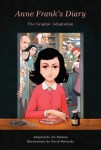
The internet, while not reliable for many things, had the best quote: If it was okay for 13 year old Anne Frank to live through it, why is it too disturbing for 13 year old Tennessee children to learn about it? 

There are many reasons some books may be objectionable, outside of really bad prose, and yes, it is not unreasonable that some books should have an age limit – after all, movies and video games do. I would not recommend reading “The Exorcist” to a ten year old, even a literate one. The thing to remember is that not everyone can agree on what or why something should be limited, or worse, banned. Always, always, read the banned book, find out what information someone is trying to suppress, why, and then talk about it. If you still find the material objectionable, that’s fine, but you don’t have the right to control its availability to others.

Decide for yourself. Maus is currently sold out on Amazon, but you can join the wait list for the library’s copy here. Meanwhile, check out these commonly banned books – most of which the rest of America considers classics (1984 by Orwell is the #1 banned book in America).

Read it Before You See it: Book-to-Screen Adaptations Coming in 2022

So many screen adaptations, so little time! There are so many books coming to big and small screens this year, it’s easy to lose track or what’s coming out when. We’ve put together a list of some adaptations that we’re really looking forward to this year – some have release dates, some do not, but the list will give us time to read as many books as we can before their adaptations come out! Which books are you most looking forward to seeing on the screen this year?


MOVIES


The Black Phone Release date: Feb. 4, 2022

Death on the Nile Release date: Feb. 11, 2022

Mothering Sunday Release date: Feb. 25, 2022

Where the Crawdads Sing Release Date: July 22, 2022 (Netflix)

Salem’s Lot Release Date: September 9, 2022

White Bird: A Wonder Story Release Date: October 14, 2022

She Said Release date: Nov. 28, 2022

The Nightingale Release Date: December 23, 2022

Persuasion Release date: TBD 2022

The School for Good and Evil Release Date: TBD 2022 (Netflix)

The Wonder Release Date: TBD 2022 (Netflix)


TV SERIES


Outlander Season 6 (Starz) Premiere Date: March 6, 2022

Based on the book: A Breath of Snow and Ashes by Diana Gabaldon 

Bridgerton Season 2 (Netflix) Premiere Date: March 25, 2022

Based on the book: The Viscount Who Loved Me by Julia Quinn

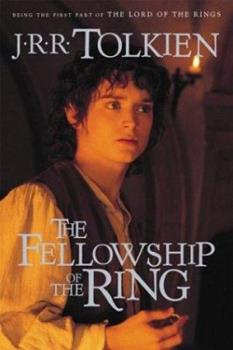
Lord of the Rings (Amazon Prime Video) Premiere Date: Sept. 2, 2022

Based on the books: The Lord of the Rings trilogy by J.R.R. Tolkein 

The Sandman (Netflix) Premiere Date: TBD 2022

Daisy Jones & the Six (Amazon Prime Video) Premiere Date: TBD 2022

Conversations with Friends (Hulu) Premiere Date: Spring 2022

Teen Book Reviews: The Unwanteds and Lord of the Flies

Teens: did you know that you can earn community service credit for writing a book review and submitting it to us? Today, we’ll hear from two teens who did just that. Find out more about how to earn community service hours from home at cheshirelibrary.org/teens/.

The Unwanteds by Lisa McMann, reviewed by Claire J.

Upon being asked what book she is most thankful for, my cousin responded with the book The Unwanteds. She said the book appealed to her, as she related to many of the Unwanteds. The book allows people who couldn’t embrace their creativity an environment to thrive. When I read it, I liked how people did not have to suppress their hobbies. They had no rush to become serious and become an adult. I like the childish aspect of the book. Most of all, I really liked that the book gave people who felt out of place for the entirety of their lives a place to embrace their identities. I also just wish I had a place where I could also escape from reality and embrace my own creativity as the main characters did.

When asked about who my cousin’s favorite character was, she said her favorite character was Mr. Today, the man that saves everyone from death. I would have to agree. I want to be like him in the sense that I also really wanted to help others. Since I feel that my passion and dream is to provide whatever I can to help other people thrive, Mr. Today is an important factor that contributed to this dream. I also liked his wacky sense of fashion, as I also like to experiment with my own clothing. When he was killed in the series, I was so upset. I don’t approve of the main character taking Mr. Today’s position. Before anything else, the book had simply just brought me a lot of joy while reading it. I am the type of person who becomes immersed in their book, so I enjoyed days I spent reading on my bed, enjoying the contents of the book. Overall, I really enjoyed this read.

5 stars.

Lord of the Flies by William Golding, reviewed by Ali A.

In my opinion, Lord of the Flies by William Golding is the greatest classic book written. The book is about a group of schoolboys who get stranded on a desert island during a world war. However, all of them are scattered around the island. The main character, Ralph, finally finds another chubby boy named Piggy. Together they find a conch shell and blow it to summon all the boys to them. They hold a meeting and make rules for the island, assign jobs, start a fire, and elect a chief. Ralph ends up winning the role of chief, but makes Jack, another important character, a co-leader. At first the community is peaceful and law-abiding to the rules, but soon problems occur.

One of the problems was that the people assigned to keep the fire going on the mountain weren’t doing their job, and neither were the hunters. It is vital that the fire burns at all times, because the fire sends smoke into the air for ships to see them. The hunters were also not able to catch any meat, so Ralph thought they should give up hunting and instead help with other tasks, such as building shelters. However, Jack and the hunters continued to hunt and come empty-handed. Although it was frustrating for Ralph, he kept his cool and decided to just call more and more meetings. Then a little boy with a mulberry birthmark says that he sees a vicious monster on the island, and soon he goes missing. This injects terror into the community and more and more people say they saw the “beastie”. Finally one day a ship goes by the island. Ralph is excited for a potential rescue, but it turns out the signal fire on the mountain wasn’t burning! Ralph quickly went to light it again but the ship had already passed. All the people who were supposed to keep the fire going were out hunting and they finally killed a pig. Ralph and Jack got really mad at each other and Jack ended up slapping Piggy. Then one night military planes fought in the air and a dead parachutist falls onto the island. When two twins wake up to help light the signal fire, they notice the dead parachutist tangled in rocks. From far, the twins think the parachutist is the beast and they run to warn the community. Jack and his hunters decide to hunt the beast but can’t find it so Jack, Ralph, and Simon decide to try again and they too spot the dead parachutist. Just like Sam and Eric, they think that the dead parachutist is the beast so they confirm to the community that the beast is real.

Tension starts building between Jack and Ralph, so Jack decides to make his own “tribe”. Jack gathers his hunters and makes his own tribe where he’s the chief. Ralph’s group was based on peace, survival, and rules whereas Jack’s was based on hunting, violence, and dictatorship. The events following this cause mass destruction, corruption, and killing. This is my favorite classic book because the actions on the island resemble the actions in society. Countries usually start at peace with each other, but after a few wrong and cruel actions, they can cause hatred and warfare between them, just as Jack’s tribe did to Ralph’s community. Although this book did end with a cliffhanger, you can read a book called The Second Flight: A Sequel to Lord of the Flies by Elizabeth Blackwell to continue the story.

5 stars.

The Legacy of MLK

It’s hard to live in America and not know who Martin Luther King Jr. was. If you’re reading this from out of the country, MLK was a black Baptist minister who became the driving force in the 1960’s fight for civil rights, and for the equal treatment of black citizens in America. His call was for peaceful protest and non-violence – always non-violence – and he was awarded the Nobel Peace Prize in 1964. For his outstanding efforts, Mr. King was assassinated on April 4, 1968. James Earl Ray was charged with the murder, a white troublemaker with a 7th grade education and a long rap sheet. Ray admitted to the crime, had a strong timeline leading up to the crime, had fingerprints on the weapon, but because he lied numerous times and changed pleas and facts all over the place, conspiracy theories abound.

Kings death no doubt played a major role in the passage of the 1968 Civil Rights Act, just a week later, in an effort to help quell the riots that followed his death. His examples reached into South Africa and Northern Ireland, areas of long hostilities, and a statue of him stands in Westminster Abbey in London.

King’s beliefs and activities created as many conflicts as they tried to solve. While the racially charged South saw him as too progressive, so far as to call him a communist, many in the black community, such as Malcolm X, thought he didn’t go far enough and demanded radical action, not peaceful protests. King alienated himself from the US government by opposing the war in Vietnam. Herbert Hoover, head of the FBI, considered King a radical and sent him threatening letters. It wasn’t until 1986 that Ronald Reagan enacted Martin Luther King Day as a Federally recognized holiday.

Biographies will give the standard information on Martin Luther King, and while White Trash (warning: FaceBook will jail you for discussing this book) and Caste are excellent books which will open your eyes to issues you never considered, they’re heavy on sociology and can be difficult to slog through at times. If you’d rather read about the issues he fought against, and where we stand today on Civil Rights in an easier fashion, check out these non-fiction books that will give you a good perspective of the issues. If non-fiction isn’t your thing, try these novels about modern issues as well, and realize we still have a long way to go. 

The Hate U Give

The Immortal Life of Henrietta Lacks

Small Great Things

My Brother Moochie

The Help

Evicted

Native Son

Born a Crime

Sing, Unburied, Sing

A Raisin in the Sun

Long Way Down

The Autobiography of Martin Luther King Jr.

Dear Martin

My Life With Martin Luther King Jr

Survival Math

How We Fight for Our Lives