Books and Shows to Confirm Your Growing Technological Anxiety

“Have I told you all about the time that I got sucked into a hole through a handheld device?” asks the narrator of a song from the Arctic Monkeys’ 2018 album Tranquility Base Hotel and Casino. Technological ambivalence (or perhaps anxiety?) is a recurring theme. I can relate. I spend too many nights sitting down to unwind for just a few minutes, and somehow two hours pass by, during which I’ve clicked link after link on my phone while the dirty dishes sit neglected in the sink and my toddler’s toys are still strewn across every floor. If you’ve ever lost an evening of your life to Wikipedia or Youtube, or ever looked up from staring at a screen to wonder if you still have long-distance vision, you can relate, too. 

While I can’t give you advice on how to stop the vicious cycle of passive consumption – every time I delete a time-sucking app, I seem to replace it with another one – what I can do is suggest some slightly more cerebral time-killers to add to your queues. 

To Read/Listen to:

The Shallows: What the Internet Is Doing to Our Brains by Nicholas Carr 

As we enjoy the Internet’s bounties, are we sacrificing our ability to read and think deeply? The printed book served to focus our attention, promoting deep and creative thought. In contrast, the Internet encourages rapid, distracted sampling of small bits of information. As we become ever more adept at scanning and skimming, are we losing our capacity for concentration, contemplation, and reflection? 

The Anxious Generation: How the Great Rewiring of Childhood Is Causing an Epidemic of Mental Illness by Jonathan Haidt 

Social psychologist Jonathan Haidt lays out the facts about the epidemic of teen mental illness, then investigates the nature of childhood, including why children need play and independent exploration to mature into competent, thriving adults. Haidt shows how the “play-based childhood” began to decline in the 1980s, and how it was finally wiped out by the arrival of the “phone-based childhood” in the early 2010s. He presents more than a dozen mechanisms by which this “great rewiring of childhood” has interfered with children’s social and neurological development. Most important, he describes steps that parents, teachers, schools, tech companies, and governments can take to end the epidemic of mental illness and restore a more humane childhood. 

Fahrenheit 451 by Ray Bradbury

Many folks would point to Aldous Huxley’s Brave New World as fitting in best with this post’s theme, but those screen-covered parlor walls in front of which Mildred parks herself in Bradbury’s book-burning dystopia come to my mind more often than the Shakespeare-quoting John. Plus, Bradbury’s foretold degradation of the human attention span has supposedly come true. 

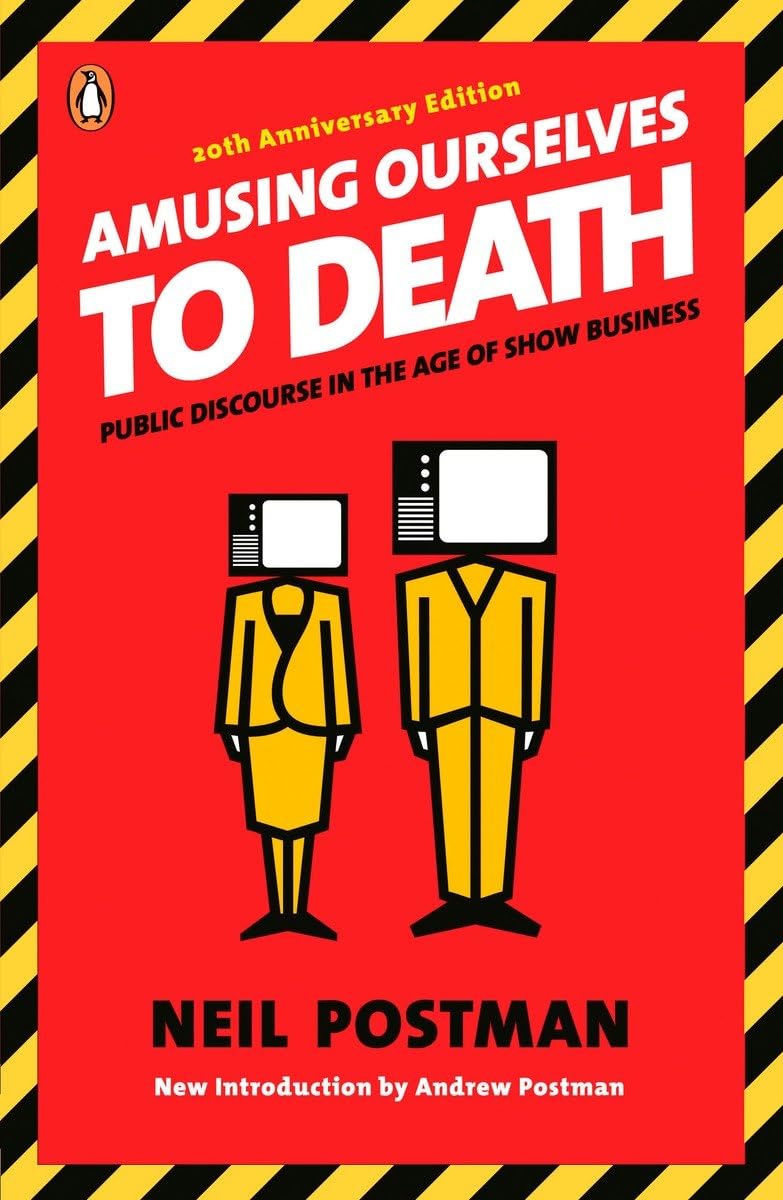
Amusing Ourselves to Death: Public Discourse in the Age of Show Business by Neil Postman 

It’s hard to believe this book is almost 40 years old, but the thesis is just as relevant now as it was back when Family Ties and 60 Minutes were among the top television shows. Postman posits that the visual medium of television has led to the decay of rational discourse by turning information into entertainment. On paper (or screen) it might sound like Postman is a technophobic curmudgeon, but one need only think back to how often misinformation under the guise of “news” has spread like wildfire via social media over the last ten years to see his point. 
Stolen Focus: Why You Can’t Pay Attention – And How to Think Deeply Again by Johann Hari 

Like so many of us, Johann Hari was finding that constantly switching from device to device and tab to tab was a diminishing and depressing way to live. So he went on an epic journey across the world to interview the leading experts on human attention – and he discovered that everything we think we know about this crisis is wrong. He introduces readers to Silicon Valley dissidents who learned to hack human attention, and veterinarians who diagnose dogs with ADHD. Crucially, Hari learned how we can reclaim our focus, if we are determined to fight for it. 

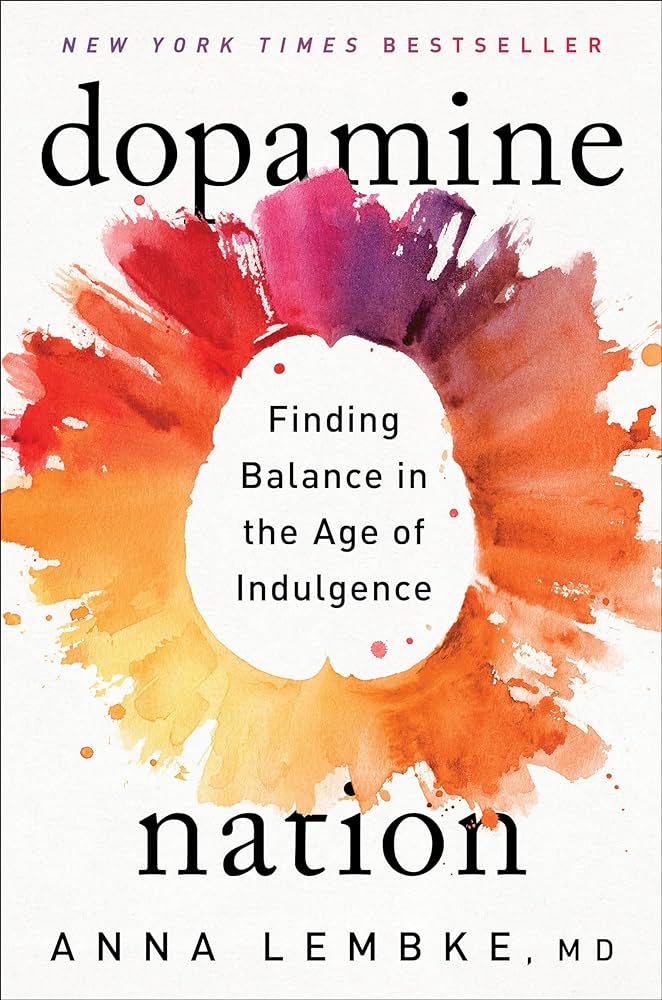
Dopamine Nation: Finding Balance in the Age of Indulgence by Anna Lembke 

This book is about pleasure. It’s also about pain. Most important, it’s about how to find the delicate balance between the two, and why now more than ever finding balance is essential. We’re living in a time of unprecedented access to high-reward, high-dopamine stimuli, and we’ve all become vulnerable to compulsive overconsumption. Dr. Anna Lembke, psychiatrist and author, explores the exciting new scientific discoveries that explain why the relentless pursuit of pleasure leads to pain . . . and what to do about it. 
To Watch:
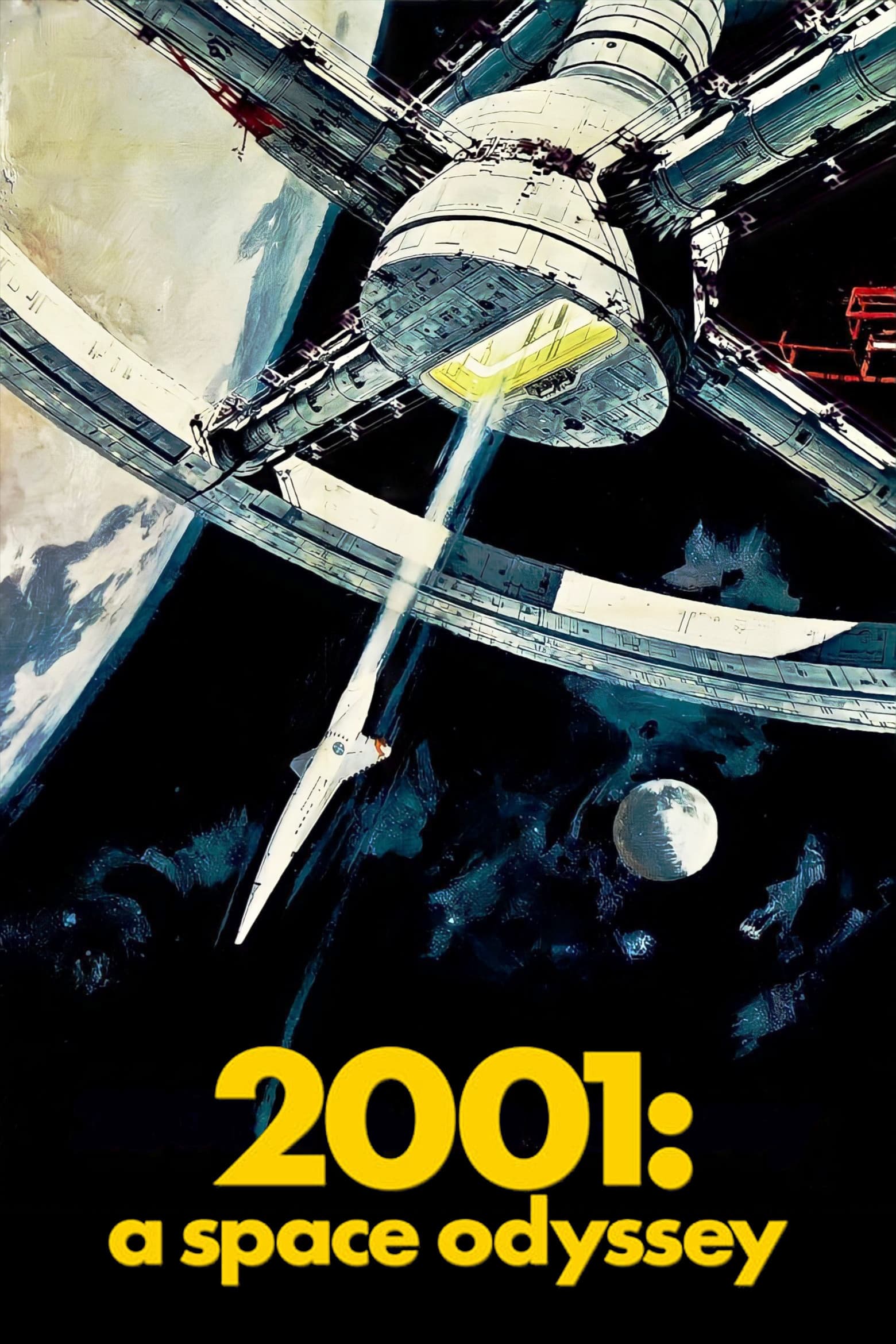
2001: A Space Odyssey 

Stanley Kubrick’s classic film, and its sentient computer that turns murderous, has been so influential that even AI voice assistants will often respond back with a knowing reply if you quote the film at them. This is a film that tells its story mostly through the visual medium with little dialogue, so you’ll have to put aside from time to watch this one without compulsively scrolling on your phone. 

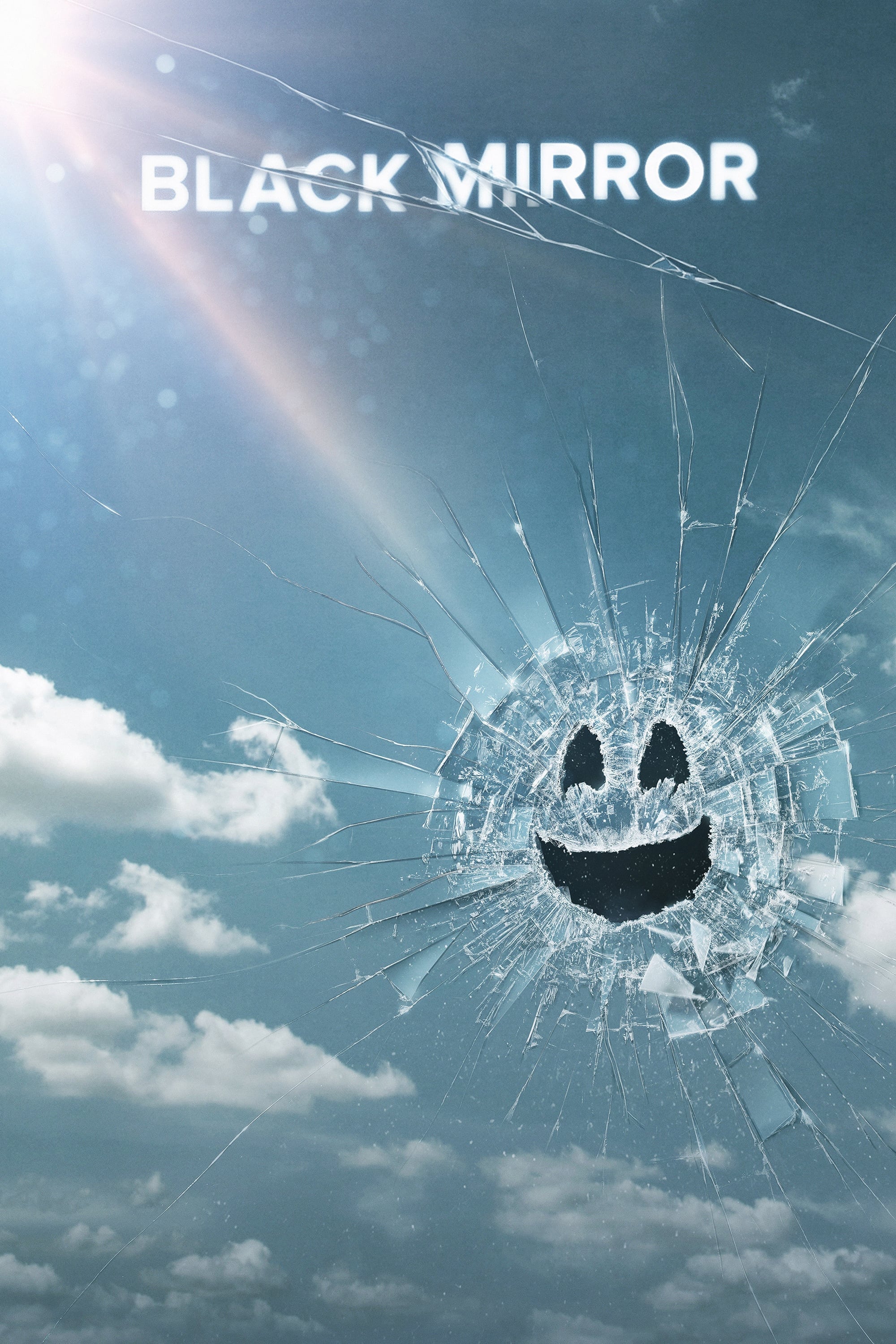
Black Mirror (available on Netflix) 

Twilight Zone for the information age. This Channel 4 / Netflix drama is composed of standalone episodes where technology complicates, or more likely completely destroy, the lives of the characters. In one story they can store, replay, and delete memories via an implanted device in their skin. In another, social interactions are given ratings, and they affect one’s socioeconomic status. Every once in a while you’ll have a happy ending, but you’re usually buckling in for a dystopian take on the computer-based tools we already use. Watch it via Netflix or purchase episodes through Amazon Prime. 
The Social Dilemma (available on Netflix) 

This docu-drama explores the dangerous human impact of social networking, with tech experts sounding the alarm on their own creations. It’s no mistake that Google’s own (former) design ethicist is a key narrator in this Emmy-winning documentary. Watch it via Netflix. 

One Book, One Town, One Difficult Choice!

The Cheshire Public Library is planning on hosting a One Book, One Town program in 2025. For those unfamiliar with this concept, the idea is to select a book the whole town can read “together”. The library will host a kick-off party and plan programming based on the book’s narrative and themes. We are so excited for this chance to bring the community together under one book, and we’ve been giving the selection process a lot of thought. As a fun peek behind the curtains, I would like to talk a little about the books that we thought could be potential contenders and the reasons why they weren’t selected.

The first novel we considered for this program is Overstory by Richard Powers. This is a dense novel both in size (512 pages) and in content. The story follows 9 characters spanning from the 1950s through the early 2000s as their stories overlap. It’s difficult to say exactly what Overstory is about. It’s a novel about trees, but really, it’s a novel about people, nature and how closely these two worlds overlap. It’s a novel about the importance of paying attention to nature as well as tackling questions about what we can do, both as individuals and collectively, to protect nature and each other. It is beautifully written, each character given their own story and arc. It is also a powerful love letter to trees.

Ultimately, we decided not to choose this book for our program because of its length and concerns about being able to secure the author for an author talk. Powers will be busy with press for his new book titled Playground about oceans, which I am sure is as masterfully written as Overstory. If you can carve out time to read this novel, I highly recommend it.

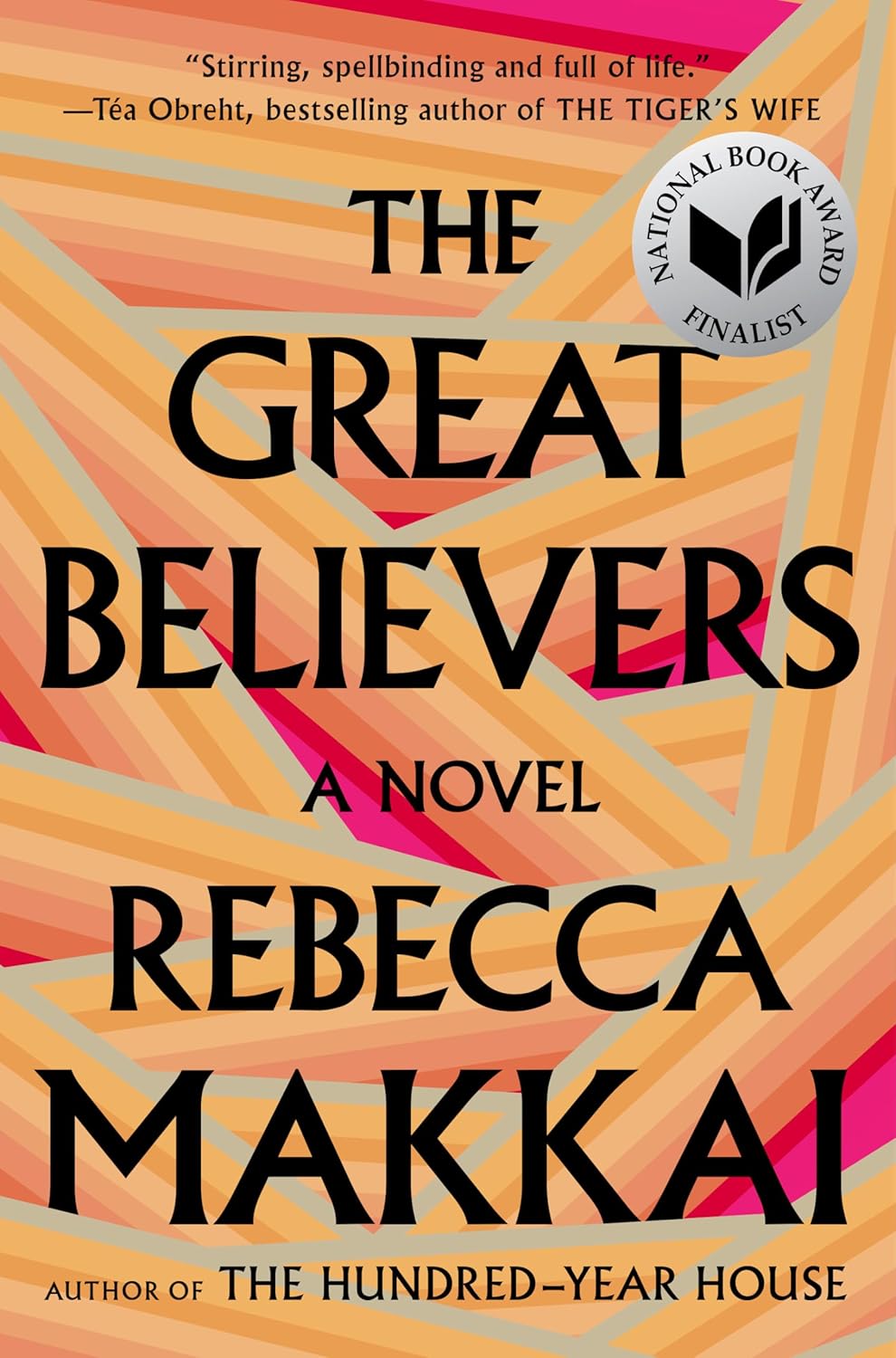
The second novel in the running for this program was The Great Believers by Rebecca Makkai. Like Overstory, The Great Believers also made it onto the New York Times list of the best 100 books of the 21st century. The story jumps in time; one part is set in Chicago between 1985 and 1992 and the other in Paris in 2015. The novel is about a group of friends, predominantly gay men, navigating the AIDS crisis in its early days. This is the strongest part of the novel. Makkai captures the fear, loss, and grief from this era while still managing to tell a beautiful story about love and friendship. As the reader, it is easy to fall in love with these characters and feel tremendous sadness about the senselessness of their deaths.

Unfortunately, the parts of the novel that take place in 2015 are less effective. Much of these chapters, which concern survivor’s guilt and lasting trauma, feel extraneous and only serve to distract from the gripping 80s narrative. We decided against this book partly because of these jarring time jumps, as well as concern about the overall heaviness of the subject matter. That being said, if you are looking for something on the power of love and friendship, please don’t hesitate to pick up this book.

The last novel strongly considered for our One Book program was The Women by Kristin Hannah. The hype around this novel has been almost as big as the number of patrons requesting it at the library. The story is about combat nurses in Vietnam and their lives after the war. It’s a difficult read, particularly in its depiction of post traumatic stress disorder. The resources for soldiers returning from the Vietnam war were abysmal and the resources for returning female combat nurses were non-existent. The novel deals with the struggles of settling back into civilian life while having your war experiences repeatedly minimized or even denied.  

This book would appeal to a wide audience, particularly those who lived during the Vietnam War, those who served in the war, or those who are interested in the history of that era. We decided against selecting this book because Kristin Hannah’s speaking fees are prohibitively expensive.

We are hoping to finalize the book selection for the program by the end of this month so be sure to keep an eye out early next year for the book unveiling as well as a list of programs. We can’t wait to read with you!

Summer Reads: Books to Beat the Heat

Whether you prefer snarky humor, historical fiction, or a nice, wholesome murder, there’s something on this list for you.

Killing Me by Michelle Gagnon

The single-line summary on the cover of some editions of this title reads, “She escaped a serial killer. Then things got weird.” I’ve loved the proliferation of murder mysteries featuring a heavy dose of dark humor that have swept publishing over the last few years, and the glitzy Las Vegas setting in Killing Me secures this as a summer read for me. The protagonist is far from perfect but you’ll still want to root for her; the supporting cast will win your heart, and the twists are just frequent and surprising enough to keep the pages turning.

Two Nights in Lisbon by Chris Pavone

A woman wakes up alone in her bed. Her husband has vanished. She’s on vacation in a strange place with no idea where her husband may have gone, and in every place she turns she finds no help- or worse, is met with suspicion. Pavone paints a beautiful picture of Lisbon; it’s an interesting juxtaposition, where the setting should make you yearn to be there, but each chapter brings new revelations and a heightened sense of dread. If you’re looking for a taut thriller to read on the beach, poolside, or on the patio, this is a great pick.

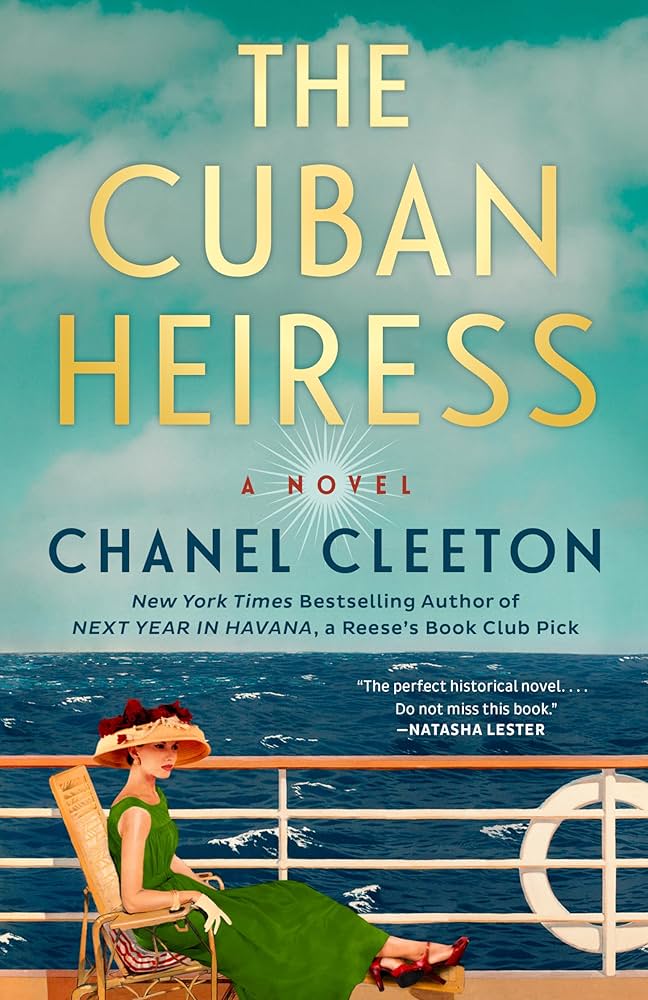
The Cuban Heiress by Chanel Cleeton

Cleeton is, to my mind, one of the most underrated authors of historical fiction writing today. Is it because she sometimes allows women’s faces to be seen on her book covers, while others in the genre stick to the “women in period costume facing away” template? Hard to say. What is clear is her talent for creating three-dimensional women characters in rich historical settings. The Cuban Heiress is a great example of Cleeton’s ability to weave the lives and storylines of disparate characters together throughout her books, generally in a tropical setting (think Florida, Cuba, or here, a luxury ship), always with an immensely satisfying ending.

I Hope This Finds You Well by Natalie Sue

This book is perfect for anyone who has wished for death over the prospect of replying to one more email. Sue skewers workplace culture and the characters she writes are laugh-out-loud funny, but be careful, those same characters develop over time and the same people you at first found annoying for microwaving popcorn in the break room or asking for help doing the same thing you’ve shown them 20 times become surprisingly relatable and even heartbreakingly vulnerable the more you learn about them. Perfect for anyone who has ever had to work with human beings, and great for summer because does anyone ever want to be at work in this season?

Sag Harbor by Colson Whitehead

This is a funny but heartfelt coming-of-age tale, set in a 1980s summer, in the Hamptons. That should be enough to place it on any summer Must-Read list, but thankfully, because it’s Colson Whitehead, it doesn’t stop there. The writing is superb and the story feels authentic; it’s based on Whitehead’s own experiences as a Black kid who went to a mostly-white Manhattan prep school but spent his summers in Sag Harbor, an enclave for Black upper class professionals. If you’ve read some of Whitehead’s other works like Underground Railroad or Nickel Boys you might think that such a premise as this will necessarily be lacking in the gravitas of those other books, but you would be wrong: although lighter in tone, there is much to be gleaned from Sag Harbor.

Starter Villain by John Scalzi

Finding out you’ve been left a life-changing inheritance from a relative to whom you have no emotional attachment is the dream, right? Our hero, Charlie, has a somewhat sad but entirely relatable life when he finds out a long-lost uncle has bequeathed him his fortune and his business. His supervillain business. Charlie must learn how to fend off rival supervillains, do right by his new employees, and survive each day in this new world.

Why is this a summer read? Much of the book is set on a tropical (okay, volcanic) island, complete with (foul-mouthed, desperate to unionize) dolphins. What’s not to love?

Tress of the Emerald Sea by Brandon Sanderson

According to the internet [so insert grain of salt here], the author was watching The Princess Bride with his family when his wife complained of Buttercup’s passivity given her circumstances. This inspired Sanderson to write Tress in secret, eventually surprising his wife with the story, who in turn urged him to publish it more widely. Tress is an appealing protagonist, the world she inhabits is wildly creative, and you’ll finish the book hoping for more adventures with Tress and crew.

A Psalm for the Wild-Built by Becky Chambers

First of all, the dedication in this book reads, “For anybody who could use a break.” Second, we have a book club here at the library whose majority is very vocal about the fact that they neither read nor care for the Science Fiction and Fantasy genres. I knew this would be a hard sell. (Overheard grumbling when I handed out copies of the book: “There’s a robot on the cover!”) But at 147 pages, I asked the participants to trust me and give it a try- even if it didn’t end up being their cup of tea, I believed they could stick it out for a book this short. Lo and behold, a month later we met again, and 18 out of 21 participants enjoyed it immensely, much to everyone’s surprise.

This book is thoughtful but soothing, with page after page of phrases you’ll want to pluck out, scribble down on an index card or in your Notes app, and reread to yourself on rough days. Oh, you wanna know what the book’s about? A garden monk living in a Utopian world has an existential crisis, becomes a tea monk, meets one of the robots who wandered off into the wilderness centuries ago, and together they attempt to answer the question, “What do people need?”

Just- trust me and give it a try.

Holler Rat: Kentucky Meets Connecticut in Anya Liftig’s Memoir

Meet the author! Anya Liftig will come to the library on Thursday, August 1 at 6:30 pm for a conversation about her memoir. Cheshire residents can borrow the audiobook with Libby, and physical copies will be available for sale at the event. Reserve your spot for August 1st!

Anya Liftig grew up in Westport and graduated from Yale. She was an artist living in Brooklyn before it was cool. You wouldn’t expect her memoir to begin with a relative lying dead in a shack in rural Kentucky, cleaved in half by a piece of construction equipment. But as I learned from my recent reading (audiobook listening, really) of her memoir Holler Rat, Liftig defies expectations.

Liftig’s mother hails from that ramshackle home in Kentucky, and her father is from an upper-middle-class Jewish family in Connecticut. When school ends each year in Westport, the family drives down to the holler to spend summers with Mamaw, the family matriarch. The book initially caught my interest because it straddles the vastly different worlds of rural poverty and New England affluence. I’ve got my own history between those worlds, so I wondered how much of this book would resonate with me personally. Liftig’s narrative was so engrossing that from the first paragraph, I completely forgot about my search for parallels and just settled in to enjoy the ride.

She details medical traumas, cringeworthy adolescent romances, and her family’s quirks (her father plays the bagpipes and her grandmother won’t sell the old Studebaker that’s decaying in the middle of a potato field). Also, there was that time she made out with a dead fish in front of an audience and then put it in a blender and drank it. If it sounds both horrifying and hilarious, that’s a pretty good way to describe the memoir. Liftig moves from story to story with a masterful sense of pace, and her brilliant placement of her performance art pieces within the narrative helped me interpret and appreciate this art genre, which I knew only from parodies. The lead-up to the last chapter is heavy, and you don’t know how it’ll end until you reach the very last word. It’s the best memoir I’ve read recently, and I’m really looking forward to having a conversation with her at the library program on August 1!

It’s worth mentioning a book by another Yale alum and descendant of poor Kentuckians: Hillbilly Elegy, the 2016 memoir by J.D. Vance. This Ohio senator was announced as Donald Trump’s pick for VP candidate only a few days ago. Hillbilly Elegy was a bestseller upon release, but it was criticized for painting broad generalizations and reinforcing negative stereotypes about the rural poor. Now in 2024, it’s not hard to see Elegy as a calculated move from an aspiring politician. (It’s standard political playbook – Barack Obama made a similar move in 1995 when he released his memoir Dreams from My Father right before he ran for senate in Illinois.) Vance’s book is great if you want to better understand his politics, but if you’re looking for a more sympathetic and arguably more accurate portrayal of Appalachia, Holler Rat’s tight personal narrative from a longtime artist is a better pick.

Behind the Scenes: The Mark Twain American Voice in Literature Award

I never really need an excuse to read. It is my favorite pastime. I typically have an expanding “to be read” list and my nightstand is always covered by an unwieldy pile of books. At the start of this year, however, I was in a reading funk and couldn’t seem to finish any book I started. It was right around that time that I received an email from someone at the Mark Twain House looking for readers to help create the long list for the Mark Twain American Voice in Literature Award. The Mark Twain House has been giving the award out since 2016 to works of fiction that “speak with an American voice about American experiences.” I signed up to be a judge, hoping that this commitment to judging at least three titles on the list would motivate me to start reading again.

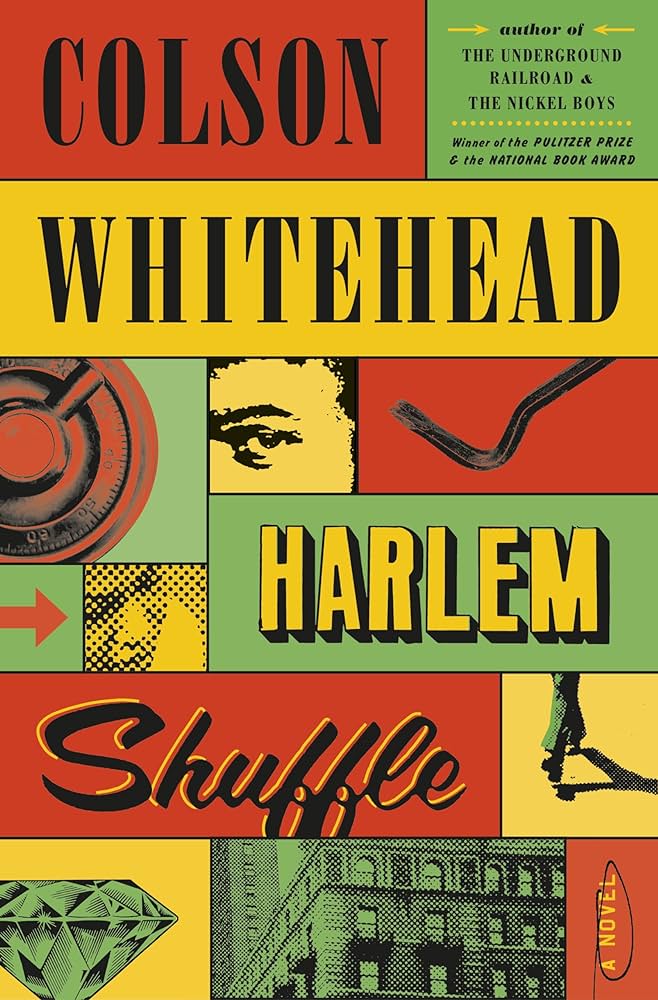
The list of titles to choose from was long and extensive so I decided to pick a variety of different genres. Crook Manifesto by Colson Whitehead was first on my list but to read that book, I needed to read the first in what will eventually be a three-part series, Harlem Shuffle.  Harlem Shuffle is set in Harlem from 1959-1964. For anyone who has read Colson Whitehead, it is a departure from his heavier works like The Nickel Boys. Harlem Shuffle follows the life of Ray Carney, a furniture salesman in Harlem with a dubious past, desperately trying to live a crime-free life. It is a funny, clever, and breezy crime novel, reminiscent of Chester Himes’s Harlem Detective Series.

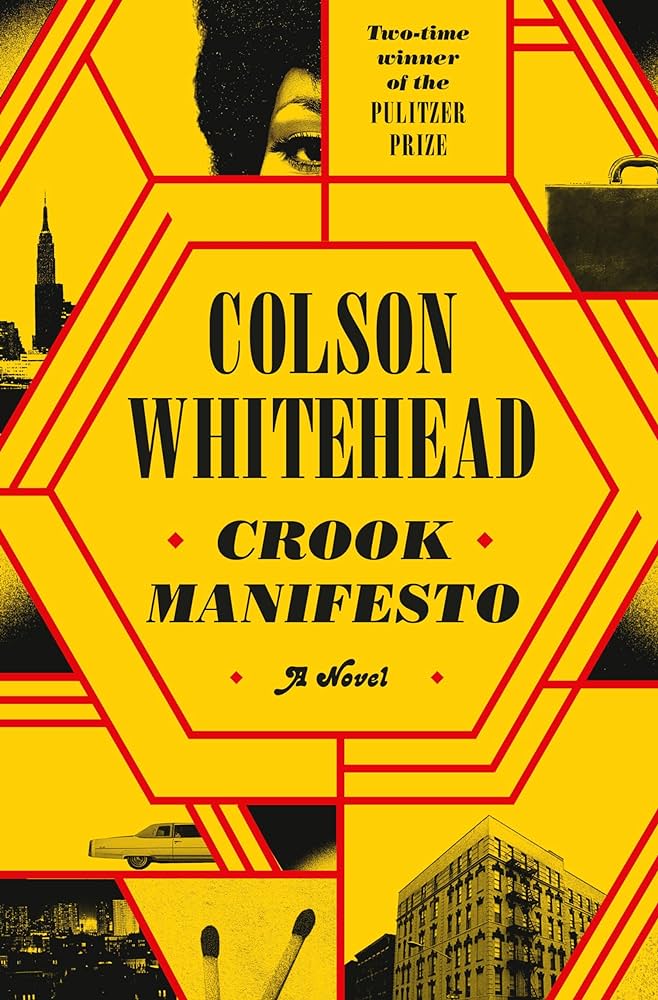
The second in Whitehead’s series, Crook Manifesto takes place in the early 70s and the plot is centered around the protagonist, Ray Carney trying to score impossible to find Jackson 5 tickets for his daughter. Crime, violence, and comedy ensue. The two books in the series are both fun reads that give a great snapshot of New York City in the 60s and 70s. Whitehead still manages to portray issues of race, class, and police brutality, particularly during his description of the Harlem race riot of 1964 and the tension between the police and those active in the Black Power movement in the 1970s. There is no date set for the publication of the final book in the series, but I am awaiting its release to see if Ray Carney does eventually manage to stay on the straight and narrow.

The next book I read was a debut novel titled A Haunting in Hialeah Gardens, by Cuban American author Raul Palma. I was immediately intrigued by the title having grown up in Miami. The story follows Hugo Contreras who is mourning the sudden death of his wife as well as dealing with mountains of debt. Deeply immersed in the world of Santeria since he is a Babalawo, Hugo agrees to help the debt collector who has been tormenting him, who is in turn being tormented by a ghost, in exchange for clearing his debt. It is an absurd story, but also a very Miami story. The novel is a modern gothic tale, complete with hauntings, demonic possession, and highly accurate descriptions of the oppressive heat in Miami and endless rows of strip malls. It is scary at times with an ending easily left up to interpretation by the reader and a good read for anyone who wants a different kind of supernatural novel.

The last book I chose to read was Dearborn, a collection of short stories, also written by a debut author, Ghassan Zeineddine. I love short stories as a genre, so I was excited to dive into these ten stories chronicling the Arab American experience in Dearborn, Michigan. The stories were funny, sweet, poignant, and at times heartbreaking. Though focused on Arab American life, the stories often told a greater story about the immigrant experience more broadly. This was the book that I most enjoyed out of all the ones that I read and the one I chose to be considered for the prize’s long list. Zeinedine writes beautifully and I hope he chooses to publish more in the future.

The long list for the Mark Twain American Voice in Literature Award is up on their website. Unfortunately, Dearborn didn’t make the list but I am grateful for the experience of being a reader for this prize. I was able to discover novels I might not have read otherwise and it got me reading again.