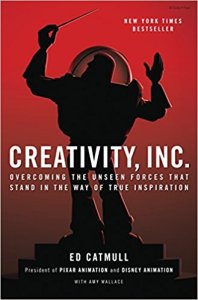
 Every once in a while you come across a book you would never attempt to read but for some stupid reason you do, and you are so thankful you did. This is one of those times.
While researching material on writing, I came across a recommendation for a book, and I kind of scratched my head. This was a book on business, and there was just no way I would read a book on business – my eyes would glaze in the first page, the same way they do if someone is talking actuarial tables or student loan forms. What could such a book have to do with writing? It just so happened the library had a copy I was able to grab. And that book, despite being a couple of years old (2014), is the best book I have read so far this year.
Creativity, Inc. is written by Ed Catmull, who was part of the driving force behind Pixar Studios, the film company known for making ground-breaking and award-winning (and record-breaking, with more than 14 Billion dollars in revenue) animated films, such as Toy Story, Monsters,Inc, A Bug’s Life, and more. When Pixar and Disney merged in 2006, he applied his same priciples to the flagging animation department at Disney, who hadn’t had a hit in 16 years. Disney shot right back up with films like Wall-E, Cars, Incredibles, Coco, Brave, etc. To read this book is to relive the last 30 years of animated film making. If it’s not a walk down memory lane for your childhood, it is a reminder of all the wonderful films you saw with your children. If you haven’t enjoyed any of them, run and grab one today.
 What is Catmull’s secret? Of course a strong bottom line is what investors want, and Catmull agrees, but he refuses to allow the creativity of the artists to be stymied in any way. There are no superstars – not even preferred parking. Everyone from the janitor to the lunch lady to the writer is allowed equal – respected – input. Employees are encouraged to do what it takes to keep happy and relaxed, because happy employees are productive employees. They are encouraged to take time for classes offered at work – art, archery, whatever. If they are producing a film in Africa, a team of writers and artists will take a field trip to Africa and experience what they are trying to portray. Films, from first idea pitch to final cut – are brought up for constant, honest review, where the ensemble team toss ideas off each other about the work, good or bad, and the film may take a twist for the better from it. Every artist is respected every step of the way. Written into the contracts is a proviso that if a film reaches a certain amount of return, a portion of that is given to the employees as a bonus.
Needless to say, Pixar and Disney Animation staff are happy to go to work.
So, how did that all relate to writing?
Remember that movies start as stories. Someone has to write them before they can be filmed. By keeping an atmosphere that encourages creativity, no matter how odd (come on – talking cars? Emotions? Bugs? A rat who likes to cook? ), by immersing yourself in a creative environment, by learning to take constructive criticism without imploding, you become a better writer. A writer needs feedback as they develop ideas, as they write the ideas, as they polish their ideas into a final copy.
This book was a joy to read. Grab it, read it, whether you’re looking for a business model to follow, as a manager looking to improve productivity, as an artist looking for appreciation, as a movie person wanting to know more about Pixar and Disney films. It’s all there.





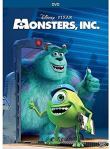
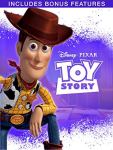
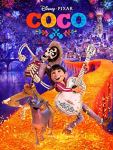
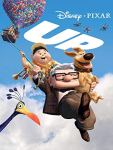
Be amazed at the process, and then check out one of the masterpieces Catmull’s presided over. Wall-E, Coco and Up are perfect for adults!
The Incredibles – Ratatouille – Cars – Shorts – Finding Dory – Wall-E
Inside Out – Brave – Monsters, Inc – Toy Story – Coco – Up
 There are only two days a year when no major sports games are held: the day before baseball’s Major League All-Star Game, and the day after. On every other day of the year, a major sporting event occurs somewhere in the country. Indeed, there are only 26 days a year when the PGA is not on tour, 51 days without tennis, and 95 days without a NASCAR event. Many sport seasons overlap – baseball ends long after football starts, basketball begins during football, and hockey runs long after baseball starts.
 sport was Indy car racing, and if you practice that, police get annoyed. I earned an inter-dorm basketball championship shirt in college, but that was because we won three games by default, and yes, I watch two full weeks of the Olympics each time.
 Mountain














 actual world championships (but no flying on the brooms), and there is still a push to make Quidditch an Olympic sport. Or you can follow Connecticut Quidditch teams at Yale, UConn, or Quinnipiac to watch live action on the pitch. (Yes, I’m serious. My daughter’s team ranked 22nd in the world).
 Whether you’ve lived here a short time or half a century, Cheshire can seem like a sleepy, quiet little town, without much going for it beyond being close to most of the state’s highways. Settled in 1694 as part of Wallingford, Cheshire broke away to become a separate town in 1780 – eight years before Connecticut would ratify the Constitution to become the fifth state of a brand-new nation. Between the Grange Fair, Strawberry Festival, and the annual Memorial Day Parade, sometimes it feels like we haven’t changed much since then. We’re a small town that doesn’t attract a lot of attention.
 Plant Capital of Connecticut” – our multiple large farms and greenhouses grow and distribute flower-bed plants to stores and markets throughout the state. You’ve probably passed by the Foote House on West Main Street – Samuel Foote was the 28th Governor of Connecticut, born the year Cheshire became a town. In 1823, Amos B. Alcott, born in Wolcott, became a teacher in Cheshire – his daughter


 Lonnie Quinn, actor, TV meteorologist for CBS NY (you’ve seen him covering the Macy’s Parade).
 Not every book becomes a movie; not every movie started out as a book, but the two feed off each other like peanut butter and chocolate. Many of the top Oscar-winning films started out as books (



 Perhaps one of the fastest ways to pick a fight with a stranger is to comment on their parenting style. Around the country, let alone around the world, each culture or region is convinced only their way is right. Yet, American education has been in decline for years, currently ranking 27th in the world.