It’s hot outside, but it’s cool inside at Cheshire Public Library, and we don’t just mean the temperature! Check out some of the cool programming we’ve got coming up in August:
Tuesdays from 1:00 – 3:00pm
Beat the heat and enjoy a movie on the big screen every Tuesday afternoon in August. This month we’re playing “Who did it best?”, comparing remakes to their original films. No registration required.
Fridays, 1:00 – 3:00pm
Bring your works in progress and supplies (no turpentine, please!) to this drop-in art program. This is an opportunity to create in a collaborative environment with other artists. No formal instruction will be provided, but informal critiquing for those who want it is encouraged. Table covers will be provided. There is a sink in the room for basic cleanup. No registration required.
Thursday, August 8, 2019, 6:30 – 8:00pm
Join us as Stephen Spignesi returns to present on his acclaimed book The Big Book Of UFO Facts, Figures & Truth. What are the 5 types of Close Encounters? Who are the Men in Black? How are mysterious Crop Circles related to the UFO Phenomenon? Register for this program and find out!
Thursday, August 15, 2019, 5:00 – 5:45pm
Enjoy fun, active learning with hands-on investigations of live animals and rare biofacts from the Mystic Aquarium. Young children must be accompanied by a parent or guardian. For ages 4 and up. Please register starting August 1.
Thursday, August 15, 2019, 6:00 – 6:45pm
Experience the same class presentations as those at Mystic Aquarium but closer to home! Don’t miss this unique hands-on opportunity. Learn about and get up-close-and-personal with live marine invertebrates like include crabs, lobsters, snails and other shellfish. Please note this session is for ages 18 and up. Registration is required.
 Summer Adventure Finale (all ages)
Friday, August 16, 2019, 2:00 – 4:00pm
Wrap up our summer adventure with games, dancing, activities, and ice cream! Which lucky (or unlucky) librarian will get slimed? Please register so we know how many goodies to provide.
 Exploring the Night Sky
Tuesday, August 20, 2019, 6:30 – 8:00pm
Have you ever looked up into the night sky and felt lost? Have you thought about buying a telescope but don’t even know how to find a single constellation? Dr. Kristine Larson, professor of astronomy at CCSU, will help you learn how to start exploring the night sky without expensive equipment. Registration is required.
Thursday, August 22, 2019, 6:30 – 8:00pm
Join us for a short film lecture on the life and art of Dutch Post-Impressionist painter, Vincent Willem van Gogh and then create your own work of art in his style. All materials will be provided. Registration required for this adult( 18+) program. The winners for the Adult/Teen Cheshire Library Summer Adventure will be revealed at the conclusion of this event. Please have all bingo and reading logs in by August 17.
Books Over Coffee: The Great Gatsby doubleheader
Want to engage in great discussions about books? Meet new people? Eat lunch with friends? Join us for an adult monthly book club program called “Books Over Coffee.” On the last Wednesday of every month from 12-1:30pm we’ll meet to discuss the selected title. You bring your lunch, we’ll provide the coffee and tea. We will read two books this month The Great Gatsby by F. Scott Fitzgerald and Careless People: Murder, Mayhem, and the Invention of The Great Gatsby by Sarah Churchwell. Copies will be available to check out. Registration is required.
 Special Trivia Night : All Things Cheshire
Wednesday, August 28, 2019, 6:30 – 8:00pm
Join us for a special trivia night in honor of Cheshire being settled 325 years ago. Come test your knowledge of all things Cheshire. Multiple choice answers will be available. Come by yourself or bring friends, test your knowledge from general categories including pop culture, current events, history, music, and of course literature! It’s all for pride, not prize. Registration required for this adult program. When registering please register entire group from one person to a max five people.
 Jim Hawk Productions
Thursday, August 29, 2019, 6:00 – 8:00pm
Cheshire Connecticut’s independent filmmaker, James W. Hawk and guest host Ron Gagliardi will be screening five of his short films. Hawk’s films were all made in and around Cheshire. Registration is required. The evening’s program will include:
- THE UNFORGIVEN – drama – “No matter how thin you slice it, there will always be two sides,”
- CONNOR – drama – “Like father, like son.”
- VERDICT – drama – “WIN…whatever the cost!”
- THE SATURN MISSION – science fiction – “The search for the truth.”
- SHADOWS ON NEW SNOW AND WIND IN THE OLD OAK TREE – experimental time-lapse
 But where to start? Volunteering implies responsibility, and might seem intimidating. How can you be sure you’re finding opportunities that are right for you? There are always easy entry points, like the service clubs at high schools or helping out at a local library, but beyond that, the options can get overwhelming. So where should you look? There are many local and national volunteer agencies and non-profit organizations that accept teens under 18 who are interested in everything from working with animals to crafting for charities, and we’ve put together a volunteering resource for the teens of Cheshire, which is located on the teen page of our website.
 Movie Matinees
 Open Art Studio in the Library Loft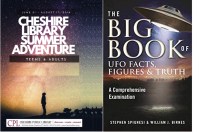
 Mystic Aquarium Comes to Cheshire: The Touch Tank Experience (kids ages 4-up)
 Mystic Aquarium Comes to Cheshire: The Touch Tank Experience – ADULT SESSION
 Starry Night ~ Craft Program







 The Night Before


 The Big Kahuna


 ind a few ads) free as well. So I was surprised when a patron at our circulation desk recently asked me where we kept our new CDs. On my way to show him our selection it occurred to me that we don’t really have a section for “new” CD’s. Like most libraries and retail stores today,
  Until recently, having unlimited access to a song meant owning a copy of it. Even a casual listener would find themselves with five or ten of their favorites in the car’s center console. The avid collectors on the other hand, would be filling up half their homes with shelving and crates, still on the hunt for that one rare gem. Whether it’s vinyl, tapes or CDs, someones collection (or lack there of) would speak volumes about them, in a way that a playlist wouldn’t. Even a few albums could act as a tell-all autobiography. Collections like these were also a window into the past. Sifting through a grandparent’s dusty old jazz records, or vinyls from the Woodstock era was like cracking open a musical time-capsule.
 like
like 
 If you have a kindle, Ipad, or smartphone, you have access to a world of books, movies and magazines from the comfort of your own home. Our library alone has access to several apps including
  d the product they carry is built on the community around it. This creates a unique experience in every bookstore you frequent, you’ll never find the same selection twice. Used bookstores are also the place to go if you’re looking to bulk up your classics collection (I’ve been known to walk out with a stack of mass market
  Have friends who are just as into reading as you are? Start a book swap between friends! This is a fantastic way to read new titles, and share books that you’ve loved with friends. That way, you both get to read them, and talk about your favorite titles and characters. After all, what’s a better gift to give and receive than a new book. I’ve been trading books with friends for years, and I find it’s a fantastic way to read things I normally never would have picked up, and learn more about my friends taste in books. It’s like having an informal book club, without all the pressure of meetings and who’s bringing the snacks.
