I’m no gardener. Sure, I have flowers all over my yard, I grow enough vegetables to bother canning, but I consider that a miracle of nature, not anything I do. I throw some plants in the ground, and if they’re lucky I remember to water them in the heat of summer. If they’re REALLY lucky, I may actually fertilize them. The only thing I try hard to remember to keep fertilized is my tulips, because my soil is two steps shy of toxic, and tulips like sunlight and fertilizer, and my tulips are spectacular (my soil is so bad that the only reason my flowers look good is because in our second year, we scraped away all the soil and replaced it with 5 cubic yards of new soil. Move away from the new soil, and the plants don’t do well).
But hope, like the seasons, springs eternal, and every year I start out hoping my gardens will outdo themselves (Not likely. I planted 150 croci, and 8 survived). I pour over the catalogs and dream of a yard landscaped out of a high-end advertisement, wanting to buy 50 of those beautiful flowering plants, only to sigh when the ad says they cost $30. A plant.
If you don’t want to sink huge coin into plants that, like my azaleas and pink dogwood (who else manages to kill a pink dogwood?), are likely to croak before the end of the season, there is always the elusive task of growing your own from seed.
Yeah, right.
That always works for other people, who, when the weather warms, bring out trays and trays of robust seedlings ready for transplant, when, despite the best potting soil and grow lights and care, I have spindly little fragile things in half my pots, wishing they could die and end their misery. I repeat, the beauty of my gardens is a mystery.
 I prefer to purchase my seedlings from local nurseries – they have a much better shot at living – but I dutifully fill a tray or two of seeds with the kids in late winter, hoping to inspire a love of nature, and maybe a greener thumb. It doesn’t take much – a $2 packet of carrot seeds, a glass container, and you can watch roots grow as well as green leaves. Sadly, planting seeds and watching them grow doesn’t always inspire kids to eat that vegetable. Plants can be started in egg cartons, yogurt cups, red Solo cups, even eggshells – seeds, as you can tell from the cracks of pavement, aren’t fussy on where they sprout, though you may have to move them to a bigger cup if you’re using eggshells. If nothing else, it gives the kids something to do on a dreary day.
But seeds take time, and kids aren’t patient, so what are the easiest seeds to grow? The cheapskate in me says plant seeds for the most expensive plants you want to grow, but that doesn’t mean the seeds will take. I’ve planted enough catnip seeds for a jungle, and just five plants finally grew – outside, not in a pot. I could mention morning glories, but morning glories are a lifetime commitment; they can be invasive, and even if you plant them only once, you might be yanking up sprouts for the next 10 years. These are some of the best seeds to grow with kids, and some books to help you once they’re past their leafy infancy. Give it a try!
Marigold
Zinnia
Peas
Bush beans
Tomatoes
Peppers
Watermelon
Cat grass
Nasturtiums
Sunflowers
Corn (or better yet, try your own popcorn.
Even if the ears are 2″ long, it’s fun!)
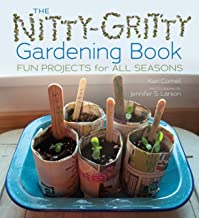
Want to learn more about starting a garden? Check out the 635 section of non-fiction books in both the Adult and Children’s sections at the library:
 High-Yield Vegetable Gardening
 atoes
atoes
 I used to enjoy cooking and baking once, but life happened (as it does), and over the years it evolved from a fun hobby into a chore. I’ve bounced back from my low point of lockdown-era frozen buffalo chicken strips, but cooking is still not something that brings me joy. Even when I try new recipes. No, especially when I try new recipes. There’s too much thinking, too many variables, not enough autopilot. I groan whenever my produce subscription boxes send me yet another unidentifiable root vegetable that requires a consultation with the internet. And if a new recipe starts going sideways – I’m looking at you, butternut squash gnocchi that I made for Christmas – I tend to season the cooking process with a heaping spoonful of expletives.
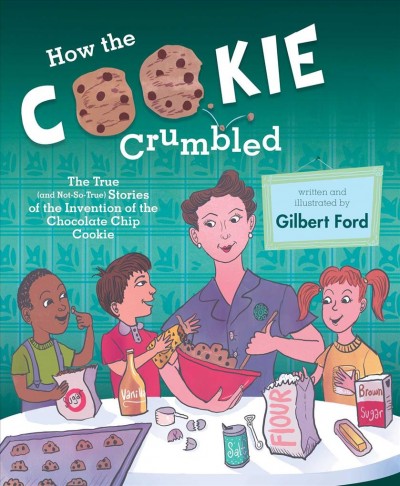



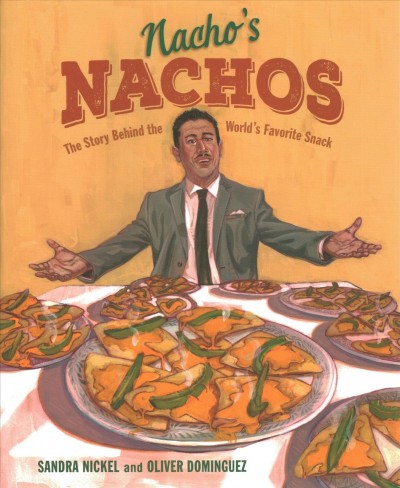 Celebrating 80 Years of Nachos, this book introduces young readers to Ignacio “Nacho” Anaya and tells the true story of how he invented the world’s most beloved snack in a moment of culinary inspiration.


 he Rising Dark
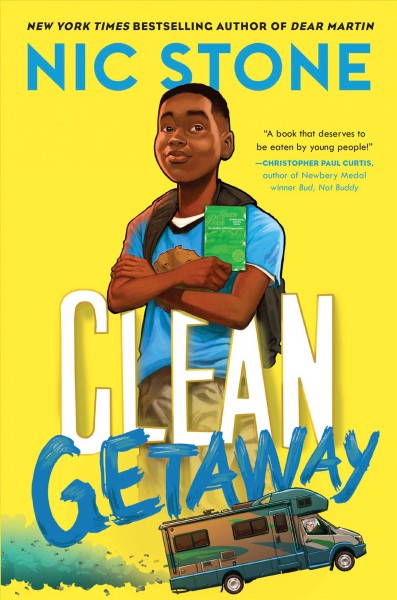

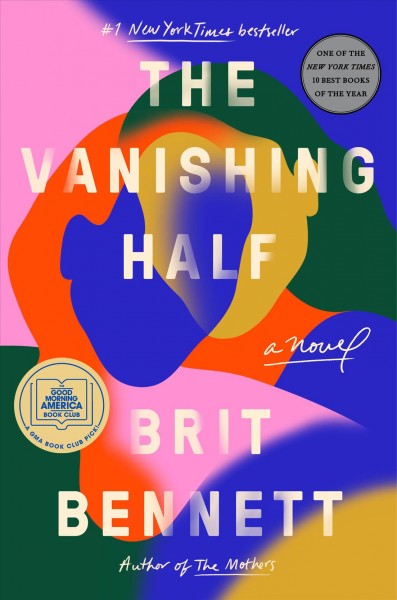




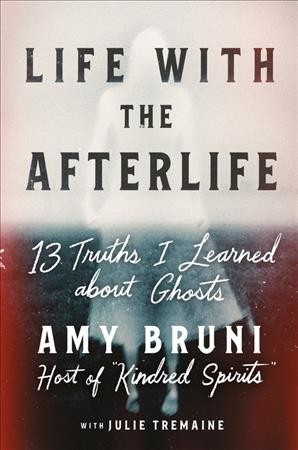 ith the Afterlife

 More than a quarter of the kids he went to school with died of drugs, alcohol, suicide, or reckless accidents caused by drugs or alcohol. Why did he make it out in one piece, while his friends died slowly of alcoholism, often homeless most of their lives? Why did families lose 3, 4, 5 kids to drugs and alcohol? Why did some do fine?
 Kristof narrows the biggest issues down to two: One is education. Most of the people he knew didn’t graduate, had parents that barely made it to 8th grade, and grandparents who might not have made it to fifth. If you come from a home where there are no books, no magazines, and no expectations of further education, it’s harder to succeed. He explores one family where the mother had a 5th-grade education, and five children by four different fathers. When the first was expelled from kindergarten twice for behavioral issues, she – with a fifth-grade education – decided to home-school her kids (5 under the age of 6). How much of a chance do those kids have?