September 19th is Talk Like a Pirate Day. There are many ways to celebrate. Dress like a pirate, talk like a pirate, watch a pirate movie, and, of course, read about pirates.
What’s your pleasure, matey?
 How to Talk Like a Pirate: Take Pirate language lessons from Mango Languages. Available online from the Cheshire Library’s eResources page. Click on the Languages button and login to Mango to learn the proper way to talk on the high seas.
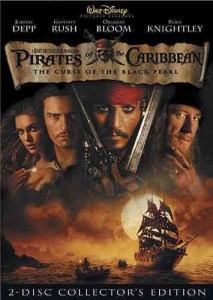 Pirate Movies. We’ve not only got all the Pirates of the Caribbean movies, but several other pirate films and TV series, too.
The Pirates! Band of Misfits (DVD – Animation)
After years of failed attempts to win the Pirate of the Year Award, Pirate Captain and his oddball crew go on a race to pillage the most booty.
Pirates: Dead Men Tell Their Tales (Downloadable)
Step back in time and discover the magic of the real Pirates of the Caribbean investigating the stories of Blackbeard, Sir Henry Morgan, Captain Kidd, Anne Bonny and Mary Read.
 Treasure Planet (DVD – Animation)
Young Jim is given a map that charts the course to Treasure Planet, a distant world where hundreds of space pirates have stashed their loot.
Black Sails: The Complete First Season (DVD)
In 1715 New Providence Island is controlled by notorious pirate captains, and the most feared is Captain Flint. As the British Navy returns to exterminate Flint and his crew, Flint allies himself with Eleanor Guthrie, daughter of the local kingpin.
Cutthroat Island (DVD)
Morgan Adams, the female captain of a pirate ship, is on a treasure hunt for millions of pounds of gold buried on Cutthroat Island. She and her uncles each hold sections of the map to the treasure, but her Uncle Dawg would rather kill everyone in his way, including his niece.
Captain Blood (DVD)
A swashbuckling classic. After he treats wounded English rebels, physician Peter Blood (Errol Flynn) is arrested and sentenced to slavery in Jamaica. But Blood leads fellow slaves in an escape and strikes terror into the Jamaicans as the pirate Captain Blood.
Books about pirates.
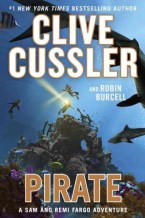 Pirate by Clive Cussler (Fiction)
Confronted by a determined adversary, husband-and-wife treasure hunters Sam and Remi Fargo embark on an international quest involving an eight-hundred-year-old relic and a brutal murder. Also available as an eBook.
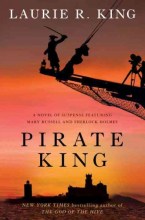 Pirate King by Laurie R. King (Fiction)
Mary Russell, wife to Sherlock Holmes, is traveling undercover along with a film crew that is ready to shoot a pirate movie. When the crew embarks for their Morocco location, Russell feels a building storm of trouble: a film crew with secrets, decks awash with romance, and now the the real buccaneers the studio has recruited to provide authenticity are ignoring the movie studio owner and answering only to their dangerous outlaw leader. Also available as an audiobook.
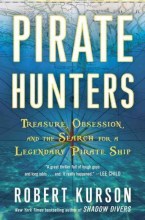 Pirate Hunters: Treasure, Obsession, and the Search for a Legendary Pirate Ship by Robert Kurson (Non-fiction)
Pirate Hunters’ is a gripping account of two courageous divers’ quest to uncover the shipwrecked vessel of Joseph Bannister, one of history’s most infamous pirates. Also available as an audiobook.
 Daughter of the Pirate King by Tricia Levenseller (Young Adult Fiction)
Sent on a mission to retrieve an ancient hidden map, pirate captain Alosa deliberately allows herself to be captured by her enemies. Now the only thing standing between her and the map: her captor, the unexpectedly clever and unfairly attractive first mate Riden. Her power to enchant with song makes her a formidable foe– Alosa is only half-human, the daughter of a pirate king and a siren.
 During National Keep Kids Creative Week, parents are encouraged to eliminate or at least cut down on kids’ screen time, and help them brainstorm creative activities instead. Write a story or create a recipe together. Challenge them to come up with their own superhero, cool invention, or fun game to play. Bruce Van Patter’s website has some great ideas to get the ball rolling.




 The concept of Outdoor Rooms isn’t new. The idea of expanding living space to the exterior of our homes has been around a while but planning and building an outdoor space can be a challenge!

 The Cheshire Library Blog