Recent Reads for Black History Month

February is a month of opposites. Love (Valentine’s Day) and hatred (New England winters) and apathy (NFL championships). There’s also the forgetting of the very recent past (last month’s resolutions) and the remembrance of our longer past: presidential birthdays and Black History Month. For the latter, we celebrate the contributions of members of the African diaspora to the culture and history of the United States. There’s been a recent flurry of books related to African American history, and I’m excited to share them with you this month.

But first, I’m gonna tell you about something that is 1) not a book 2) not about America. It is the excellent BBC documentary series, A History of Africa, which you can view for free on YouTube. The African continent has a diverse and fascinating history that deserves way more attention than it gets. This documentary is a great starting point to enrich your knowledge of Africa’s diasporic daughters and sons.

If you prefer to start your journey in print, though, first on our list is the book equivalent of the aforementioned documentary.

An African History of Africa: From the Dawn of Humanity to Independence by Zeinab Badawi (2025)

Badawi (the host of A History of Africa) is a Sudanese-British journalist who worked for Channel 4 and the BBC before her current gig as President of the prestigious SOAS University of London. Her sweeping historical survey traces Africa’s rich legacy from prehistory to the present, exploring ancient civilizations, medieval empires and colonialism’s impact, while highlighting African voices and perspectives to offer a long-overdue account of the continent’s global significance.

Somewhere Toward Freedom: Sherman’s March and the Story of America’s Largest Emancipation by Bennett Parten (2025)

A groundbreaking account of Sherman’s March to the Sea—the critical Civil War campaign that destroyed the Confederacy—told for the first time from the perspective of the tens of thousands of enslaved people who fled to the Union lines and transformed Sherman’s march into the biggest liberation event in American history.

Sharks Don’t Sink: Adventures of a Rogue Shark Scientist by Jasmin Graham (2024)

You never forget your first shark. For Jasmin Graham, it was a little bonnethead, a type of hammerhead shark. Jasmin fell in love with sharks and with science, but the traditional academic path wasn’t for her. So, she joined with three other Black women to form Minorities in Shark Sciences (MISS), an organization dedicated to providing support and opportunities for young women of color who were pursuing the fascinating and environmentally essential work of marine studies. Jasmin became an independent researcher: a rogue shark scientist, learning how to keep those endangered but precious sharks swimming free – just like her.

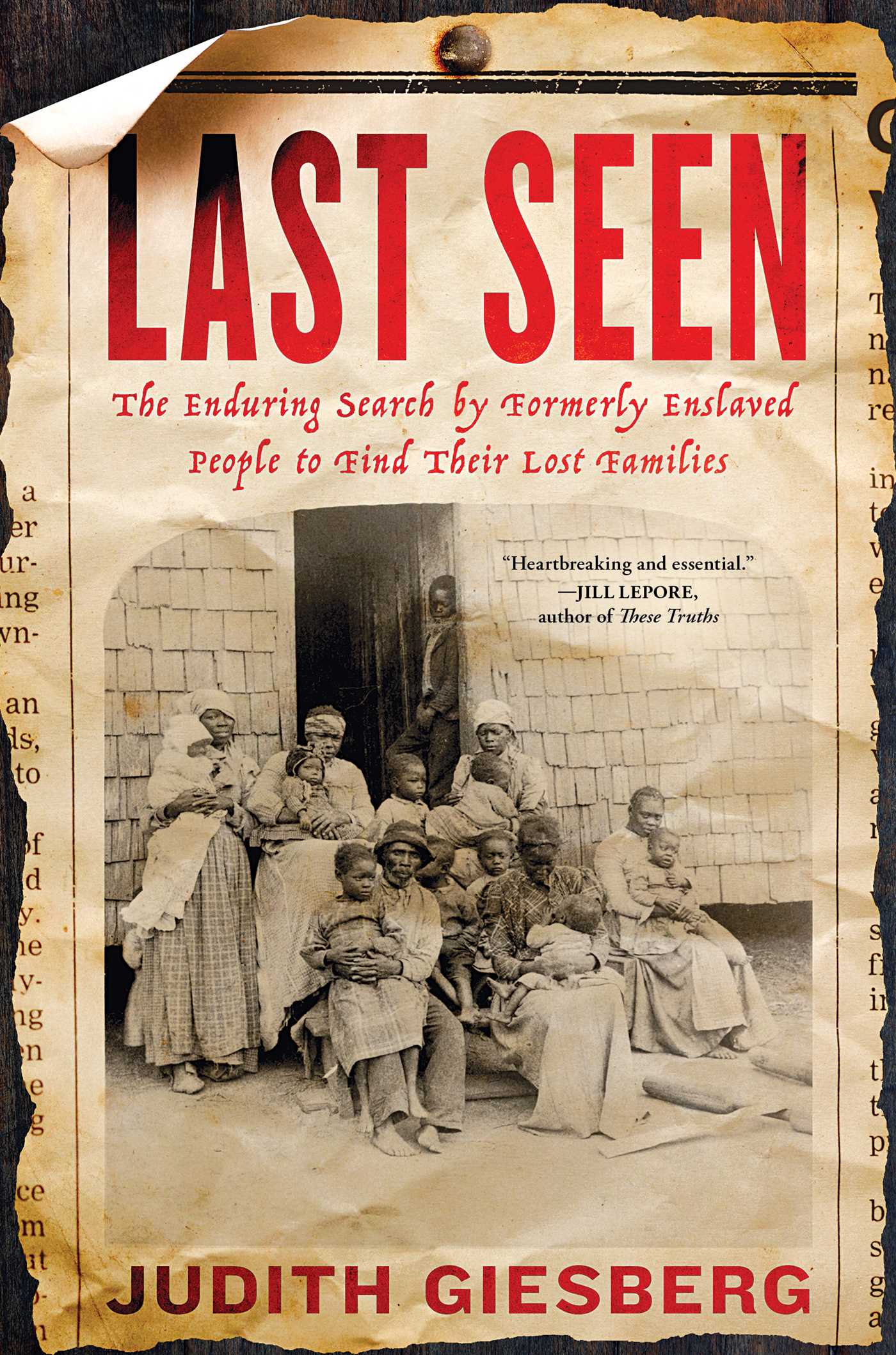
Last Seen: The Enduring Search by Formerly Enslaved People to Find Their Lost Families by Judith Giesberg (2025)

Drawing from an archive of nearly five thousand letters and advertisements, this is the riveting, dramatic story of formerly enslaved people who spent years searching for family members stolen away during slavery.

John Lewis: A Life by David Greenberg (2024)

Born into poverty in rural Alabama, John Lewis rose to prominence in the civil rights movement, becoming second only to Martin Luther King, Jr. in his contributions. Greenberg’s biography, a New York Times Book Review Top 100 Book of 2024, follows Lewis’s journey beyond the civil rights era, highlighting his leadership in the Voter Education Project and his ascent in politics.

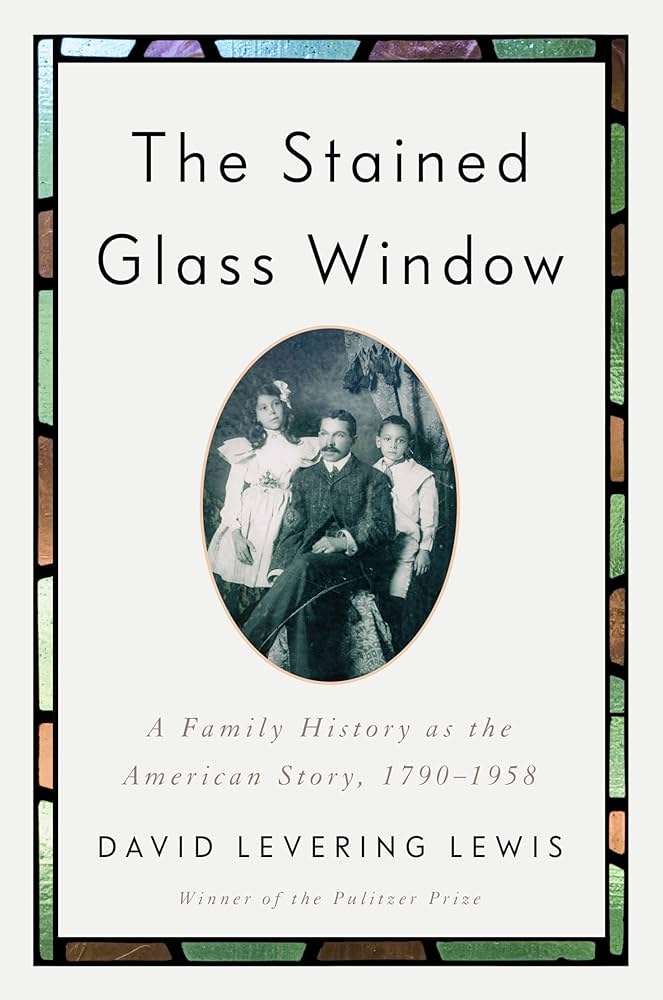
The Stained Glass Window: A Family History As the American Story, 1790-1958 by David Levering Lewis (2025)

Sitting beneath a stained-glass window dedicated to his grandmother in the Atlanta church where his family had prayed for generations, it struck Lewis that he knew very little about those ancestors. And so, in his mid-80s, the esteemed historian began to excavate their past and his own, from white slaveholding families to a mulatto slaveholding family to an up-from-slavery black family. Lewis previously won two Pulitzer Prizes, one for each volume of his biography of W.E.B. DuBois.

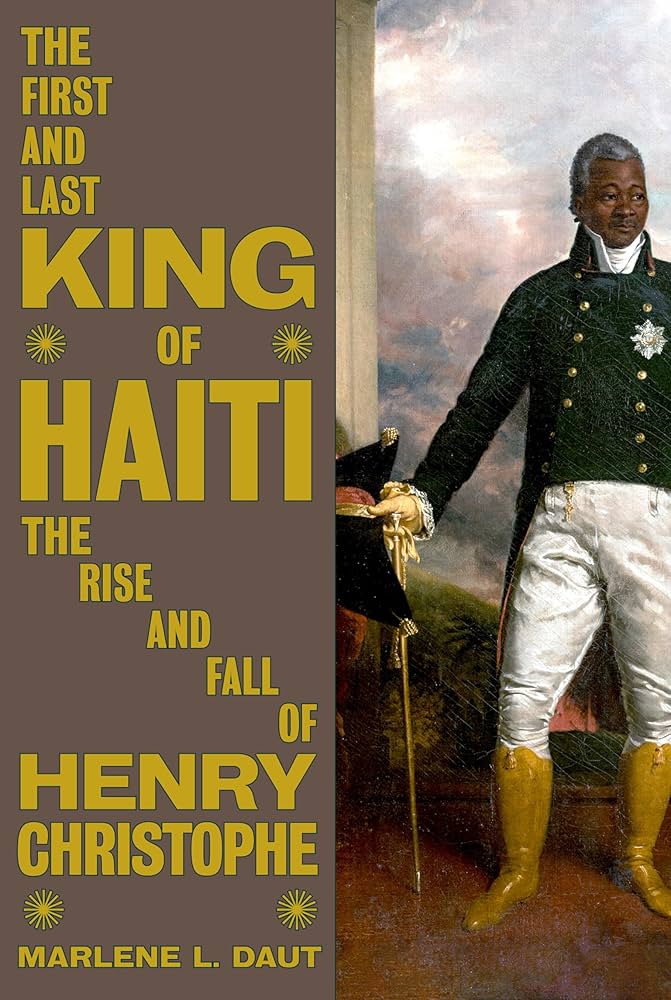
The First and Last King of Haiti: The Rise and Fall of Henry Christophe by Marlene Daut (2025)

Haiti has the amazing distinction of being home to history’s most successful slave revolt, which led to its independence from France in 1804 and its establishment as a sovereign republic. Its significance looms large in the consciousness of African American thinkers and writers, with figures like Langston Hughes spending time on its soil. This book is the essential biography of the controversial rebel, traitor, and only king of Haiti, Henry Christophe (1767-1820).

Growing Up Urkel by Jaleel White (2024)

An incisive and insightful memoir by Jaleel White, the actor who portrayed Steve Urkel on the hit sitcom Family Matters. You may wonder what place this has among serious history books, but Family Matters remains one of the longest-running live action sitcoms starring a mostly African American cast. Join Jaleel as he invites you to relive the unforgettable ride of nineties nostalgia, while uncovering the personal growth behind the iconic suspenders and the lasting impact of his journey as one of America’s favorite sitcom stars.

Further Reading

Who Better Than You?: The Art of Healthy Arrogance & Dreaming Big by Will Packer (2025)

In Open Contempt: Confronting White Supremacy in Art and Public Space by Irvin Weathersby Jr (2025)

Talk to Me: Lessons from a Family Forged by History by Rich Benjamin (2025)

Plant Intelligence

For thousands of years, Man considered himself the only sentient being in the universe, the only one capable of higher thought, understanding, and language and communication.

We now know that isn’t true. Higher primates, such as gorillas and chimps, are certainly capable of learning not only their own forms of communication, but American Sign Language as well. Dogs, it turns out, are capable of understanding human language at the level of a three year old human child, with some breeds (like German Shepherds) able to differentiate up to a thousand different words. We know that octopi can perform complex tasks (of their own planning, nonetheless), recognize people, and have a functional IQ of about 40. Dolphins and whales have complex languages and not only communicate, but show empathy.

Hence, many people choose not to eat animals, and dine only on plants.

But what about plants? What about their feelings?

Plants? What does a plant know? Corn has ears, but that doesn’t mean it’s listening.

Turns out, plants know more than you think. Plants have been caught communicating in numerous ways, understand when danger is near, and sympathize with other plants.

Yes, really.

This communication is known as phytosemiotics. One way is through chemical signals. A wounded plant will give off a volatile chemical compound (something you can smell) that other plants can sense. The receiving plant can then roll up its leaves or lean away. That wonderful fresh-cut grass smell we love in the summer? Yeah, that’s a hundred thousand blades of grass screaming in agony and warning other plants to beware that something is damaging them. Plants also communicate through ultrasonics – noises above our hearing range but which can be detected and recorded on audio equipment (ultrasonic vibration of 20–105 kHz). Some of this may be due to tiny air bubbles being released due to chemicals triggered during stress. Trees, it turns out, communicate under the soil as well, using certain types of fungi in the dirt to communicate through their roots. Are they discussing algebra? No. But they can tell each other about dangers, or fresh rain, or the pain of bark beetles, and other plants can ‘arm’ themselves accordingly. Just the sound of insects chewing can cause plants to release chemicals that deter insects (caffeine, by the way, exists in plants as a natural insect repellent).

Perhaps the Druids were on to something, thanking plants for sacrificing their leaves.

If that’s not weird enough, plants – even those without ears – apparently respond to music. Sure, houseplant lovers will tell you they’ve always known this, but numerous studies have turned up actual results. As early as 1962, studies showed that plants exposed to classical music had a 20% growth increase and a 72% increase in biomass over controls. Violins gave the best result. This was repeated by a Canadian researcher, with 66% increase in wheat yields using Bach’s violin sonatas. Duckweed, a water plant, exposed to Bandri’s Purple Butterfly, five hours a day for seven days at 60-70 decibels, showed a 10% increase in leaf growth and a slightly higher protein content compared to silent plants. Roses love violin music. Heavy metal tends to induce stress. Devendra Varol of the Institute of Integrated Study in India found that plants can not only distinguish between genres of music, but also nature sounds and traffic noises.

Oh, those poor weeds on the highway!

And while you laugh and scoff, know that in 2004 the TV show MythBusters attempted similar experiments in seven greenhouses. In their experience, Death Metal produced the best growth, second was classical, and third was positive spoken words. The silent greenhouse had the worst growth.

How can this possibly be?

The best theory is that the vibration of music may aid plants in transporting their nutrients more efficiently, shaking things through faster. 

Next time you pull a carrot, remember those mandrakes in Harry Potter shrieking piteously when pulled from the pot.

In the meantime, check out these books on the wisdom of plants, and be kind to your root-footed friends!

Finding the Mother Tree by Suzanne Simard

The Serviceberry by Robin Wall Kimmerer

Listen to the Language of Trees by Tera Kelley

Aromatherapy Garden by Kathi Keville

Secret Wisdom of Nature by Peter Wohlleben

Flora by Helen Fewster

The Light Eaters by Zoe Schlanger

I Heard There Was a Secret Chord: Music as Medicine by Daniel Levitin

Healing at the Speed of Sound by Don Campbell

How Shostakovich changed my mind by Stephen Johnson

Violin Music:

Shatter Me by Lindsey Stirling

David Garrett by David Garret

Vivaldi for Dummies

The Ultimate Most Relaxing Mozart in the Universe

The Library of Congress Needs Your Help!

I recently took a class on archives and manuscript management- as one does- and learned about a problem in the world of museums and archives. Many of them have large numbers of old documents they have scanned into their digital collections for preservation, but they’re not searchable. What do I mean by “searchable?” Let’s say you’re doing research online, looking for information on feral pigs in North America in the 19th century. Now, it turns out the Library of Congress had a bunch of letters donated to them that discuss precisely this, and you could read all about the problems Matilda had on her farm in Cheshire as she writes to Cletus in Middletown. Unfortunately, you’re not likely to find these letters by blindly sorting through the images that make up the archives’ massive collection. Those letters first need to be transcribed, where someone looks at the pictures taken of the letters and types what is written there. Once this text has been typed, the computer is able to match your search for “feral pigs, North America, 1800s” with the text that was entered via transcription.

Here’s the problem: it takes a lot of time to transcribe all those old historical records. The solution? You.

That’s right! There are all kinds of archives and other historical organizations looking for volunteers to transcribe and review old documents. What does this look like in action? Here’s an example from a transcription I did on the Library of Congress’s We the People website:

Above is an article written by Frederick Law Olmsted, the “father of landscape architecture in the United States,” best known for designing Central Park in New York City. Here, he enthuses about the “Lungs of London,” another term for London’s Royal Parks. Even within this brief two-page document, there is so much to sink your teeth into. He describes the necessity of public parks that do not exclude the working class:

Money, and their legs, will carry [genteel people] whither they will; but with the poor artisan or labouring man it is not so. He cannot afford time or means to set out with his wife and children on a Sunday voyage of discovery – and to find the shades of night, perhaps, falling around him just as he has succeeded in refreshing his eyes with a bit of anything green.

Poetic! And relevant 185 years later… When opening up a new document to transcribe, there’s no telling what you may find.

This kind of project is perfect for history buffs, puzzle hounds, those interested in volunteering their time, or anyone who has ever thought, “Gee, I bet I’d make a good code cracker.” Each organization has slightly different guidelines for transcription, so definitely peruse those before you get started. Generally, these institutions want to make it easy for volunteers to provide their help, so it doesn’t take more than a few minutes before you’re transcribing your first document.

Here are a few of my favorites:

The Library of Congress– Probably the quickest to get started, with the easiest-to-use interface. You don’t have to have an account to transcribe, but if you create one (it’s free), you can track your hours.

National Archives– Volunteers here are called “Citizen Archivists,” and have more options outside of straightforward transcription like their “Outside the Box Missions.” This one wins for coolest branding.

Historic New England– They’re focusing on transcribing the Casey Family Papers right now, and from what I can tell this is a family with decent handwriting, great for beginners.

There are also many other smaller institutions looking for transcription help, along with international archives. Try googling “archives transcription volunteers” or “digital transcription volunteers” if none of the above suggestions tickle your fancy.

Questions? Did you try it? What did you think?

Books and Shows to Confirm Your Growing Technological Anxiety

“Have I told you all about the time that I got sucked into a hole through a handheld device?” asks the narrator of a song from the Arctic Monkeys’ 2018 album Tranquility Base Hotel and Casino. Technological ambivalence (or perhaps anxiety?) is a recurring theme. I can relate. I spend too many nights sitting down to unwind for just a few minutes, and somehow two hours pass by, during which I’ve clicked link after link on my phone while the dirty dishes sit neglected in the sink and my toddler’s toys are still strewn across every floor. If you’ve ever lost an evening of your life to Wikipedia or Youtube, or ever looked up from staring at a screen to wonder if you still have long-distance vision, you can relate, too. 

While I can’t give you advice on how to stop the vicious cycle of passive consumption – every time I delete a time-sucking app, I seem to replace it with another one – what I can do is suggest some slightly more cerebral time-killers to add to your queues. 

To Read/Listen to:

The Shallows: What the Internet Is Doing to Our Brains by Nicholas Carr 

As we enjoy the Internet’s bounties, are we sacrificing our ability to read and think deeply? The printed book served to focus our attention, promoting deep and creative thought. In contrast, the Internet encourages rapid, distracted sampling of small bits of information. As we become ever more adept at scanning and skimming, are we losing our capacity for concentration, contemplation, and reflection? 

The Anxious Generation: How the Great Rewiring of Childhood Is Causing an Epidemic of Mental Illness by Jonathan Haidt 

Social psychologist Jonathan Haidt lays out the facts about the epidemic of teen mental illness, then investigates the nature of childhood, including why children need play and independent exploration to mature into competent, thriving adults. Haidt shows how the “play-based childhood” began to decline in the 1980s, and how it was finally wiped out by the arrival of the “phone-based childhood” in the early 2010s. He presents more than a dozen mechanisms by which this “great rewiring of childhood” has interfered with children’s social and neurological development. Most important, he describes steps that parents, teachers, schools, tech companies, and governments can take to end the epidemic of mental illness and restore a more humane childhood. 

Fahrenheit 451 by Ray Bradbury

Many folks would point to Aldous Huxley’s Brave New World as fitting in best with this post’s theme, but those screen-covered parlor walls in front of which Mildred parks herself in Bradbury’s book-burning dystopia come to my mind more often than the Shakespeare-quoting John. Plus, Bradbury’s foretold degradation of the human attention span has supposedly come true. 

Amusing Ourselves to Death: Public Discourse in the Age of Show Business by Neil Postman 

It’s hard to believe this book is almost 40 years old, but the thesis is just as relevant now as it was back when Family Ties and 60 Minutes were among the top television shows. Postman posits that the visual medium of television has led to the decay of rational discourse by turning information into entertainment. On paper (or screen) it might sound like Postman is a technophobic curmudgeon, but one need only think back to how often misinformation under the guise of “news” has spread like wildfire via social media over the last ten years to see his point. 

Stolen Focus: Why You Can’t Pay Attention – And How to Think Deeply Again by Johann Hari 

Like so many of us, Johann Hari was finding that constantly switching from device to device and tab to tab was a diminishing and depressing way to live. So he went on an epic journey across the world to interview the leading experts on human attention – and he discovered that everything we think we know about this crisis is wrong. He introduces readers to Silicon Valley dissidents who learned to hack human attention, and veterinarians who diagnose dogs with ADHD. Crucially, Hari learned how we can reclaim our focus, if we are determined to fight for it. 

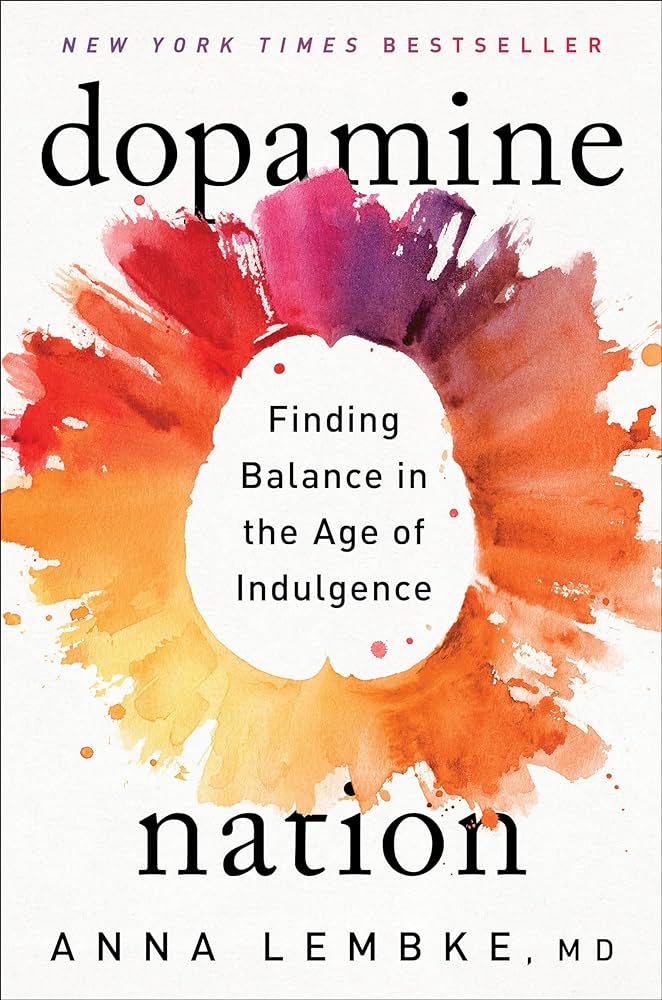
Dopamine Nation: Finding Balance in the Age of Indulgence by Anna Lembke 

This book is about pleasure. It’s also about pain. Most important, it’s about how to find the delicate balance between the two, and why now more than ever finding balance is essential. We’re living in a time of unprecedented access to high-reward, high-dopamine stimuli, and we’ve all become vulnerable to compulsive overconsumption. Dr. Anna Lembke, psychiatrist and author, explores the exciting new scientific discoveries that explain why the relentless pursuit of pleasure leads to pain . . . and what to do about it. 

To Watch:

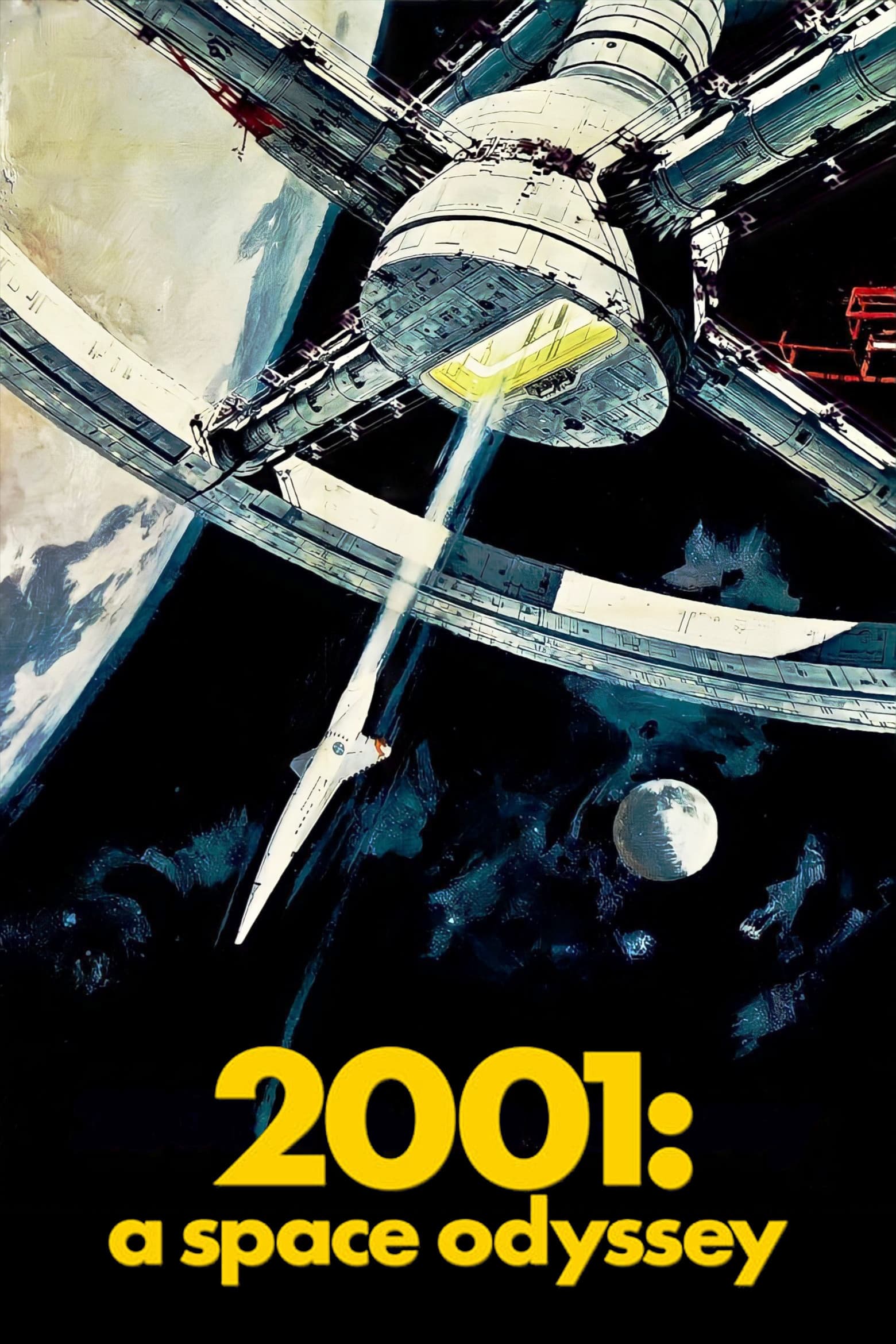
2001: A Space Odyssey 

Stanley Kubrick’s classic film, and its sentient computer that turns murderous, has been so influential that even AI voice assistants will often respond back with a knowing reply if you quote the film at them. This is a film that tells its story mostly through the visual medium with little dialogue, so you’ll have to put aside from time to watch this one without compulsively scrolling on your phone. 

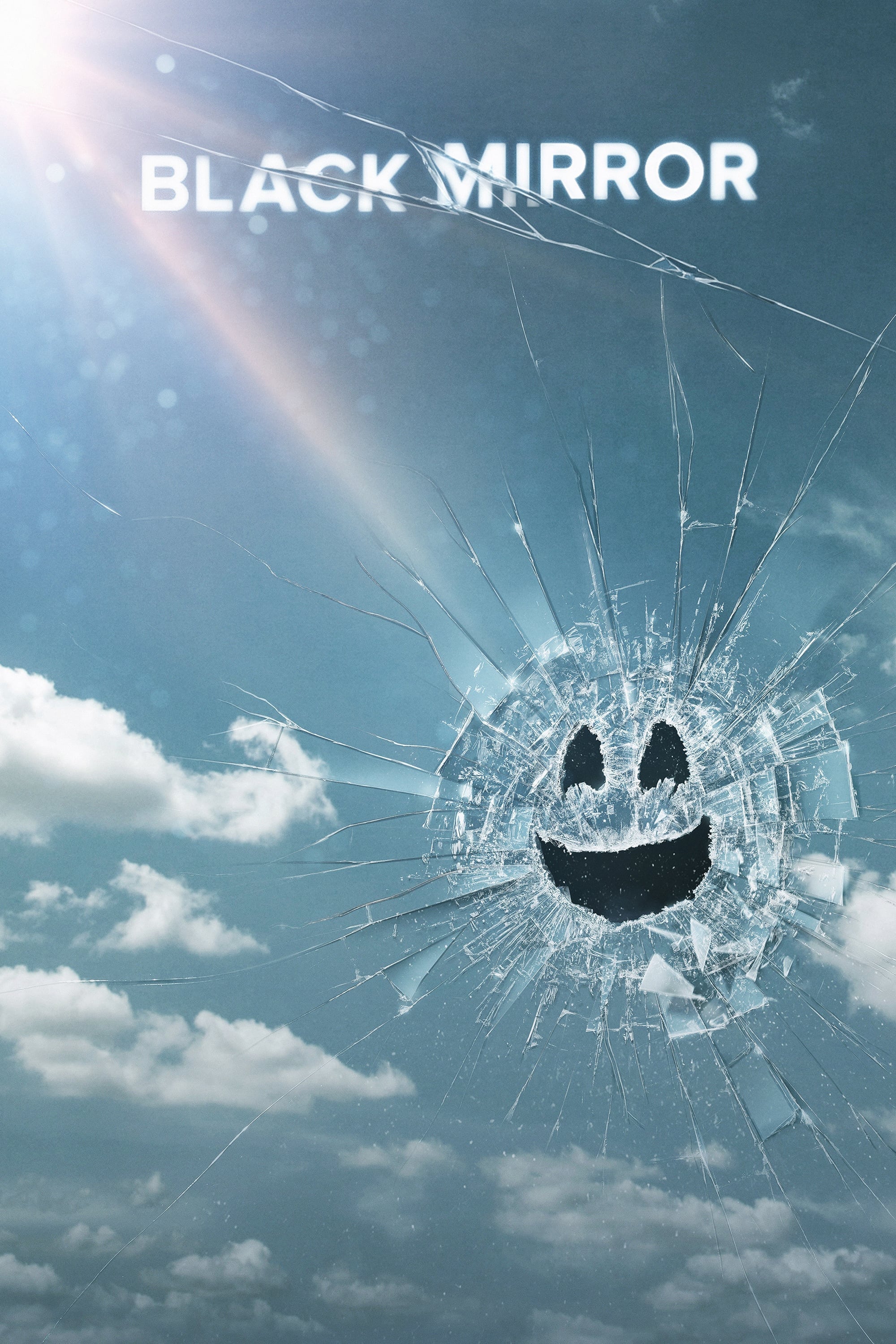
Black Mirror (available on Netflix) 

Twilight Zone for the information age. This Channel 4 / Netflix drama is composed of standalone episodes where technology complicates, or more likely completely destroy, the lives of the characters. In one story they can store, replay, and delete memories via an implanted device in their skin. In another, social interactions are given ratings, and they affect one’s socioeconomic status. Every once in a while you’ll have a happy ending, but you’re usually buckling in for a dystopian take on the computer-based tools we already use. Watch it via Netflix or purchase episodes through Amazon Prime. 

The Social Dilemma (available on Netflix) 

This docu-drama explores the dangerous human impact of social networking, with tech experts sounding the alarm on their own creations. It’s no mistake that Google’s own (former) design ethicist is a key narrator in this Emmy-winning documentary. Watch it via Netflix. 

Exploring the Rich History of Cheshire

Cheshire may be a small town, but it has an interesting and well documented history. Whether you have lived here all your life or just moved to Cheshire, you might have fun exploring the library’s local history collection.

You may be aware that the Farmington Canal ran through Cheshire and the rail trail goes right by Lock 12 park. If you have ever wanted to know more about the history of the Farmington Canal, we have the book: Reflections on the Canal in Cheshire, composed by Raimon L. Beard and published by the Cheshire Historical Society in June of 1976. This 81-page booklet gives a complete account of the inspiration, construction and usage of the Farmington Canal during a time when actual boats moved goods and people through the town of Cheshire. There are illustrations and some fun stories. It’s well worth the read and probably something to read while you’re sitting on one of the benches on the linear park.


If you’re curious about the earliest history of Cheshire, History of Cheshire Connecticut from 1694-1840, by Joseph Perkins Beach is a good one to read. It takes you from the arrival of the first ships in New Haven Harbor until 1840. The first half of the book is a historical narrative and the second half are records from various churches, tombstones, and the Town Hall, listing individuals who were born, baptized, married, and died in Cheshire.  The Cheshire Daughters of the American Revolution were responsible for getting this book finished and published. This is a good book for those who are looking for early history and it is also available for free online.

One book that I always love to read and reread is Landmarks of Old Cheshire, published by the Cheshire bicentennial committee in 1976. Landmarks is the go-to book for Cheshire history. It is logically laid out by geographical area and pulls from several historical accounts. It covers information and stories from the colonial area to the mid-20th century. Kathleen Gagnon did an incredible job providing about a hundred illustrations for this book. Even if you don’t read the book, just look at the pictures!

Glaciers to Greenhouses, the Changing Landscape of Cheshire Connecticut, from Mile-High Ice to Surburban Backyards is a recent book by local author Jeanne R. Stewart, our town historian from 2012-2019. This one takes quite a different spin on the history of the area. It begins with the ice age and the history of the Native Americans in our area, the Quinnipiac. The book includes many illustrations and is so wonderfully written that it is hard to put down.

The above are a few titles to get you started on your path to learn about Cheshire’s past. There are plenty of other very interesting books on Cheshire’s history that are available for checkout from the library. Come see us at the reference desk or give us a call at (203) 272-2245 ext. 33007 to learn more!