Short Stuff

I’d like to read more, but I don’t have time to read a long, involved story.

There’s a solution for that. It’s called a short story.

 Short stories are those that can be read in under an hour – often not more than 5,000 words (beyond 7,500 is called a novella, and they are often published alone in little books, like Stephen King’s The Shawshank Redemption,  J.A. Jance’s The Old Blue Line, or Shirley Goodness and Mercy by Debbie Macomber) and they are often grouped together in anthology volumes, anthology meaning, literally, a collection of stories, the same way a CD album is a collection of individual songs.

Short stories are an art form of their own, still carrying the same structures of their longer novel cousins (plot, themes, metaphors, etc) but in a very short package. Some are complete stories (think of Ray Bradbury’s All Summer in a Day, or Shirley Jackson’s The Lottery) while others might just give you a slice of life, a few hours in the life of an individual with no clear beginning and no clear end, leaving you to wonder what might come next (some stories by Anton Chekhov, or Ernest Hemingway’s Hills Like White Elephants). They can be happy or sad, comic or dramatic, or full of irony (The Necklace, by Guy de Maupassant). Sometimes an anthology might consist of short stories on a single theme (love, loss, westerns, adventure), or they could be a mix of anything. And the beauty of an anthology is you can read one or two stories, or the whole thing, depending on your time and interest.

But short stories don’t carry the same weight as novels.

Of course they do! Many writers are known more for their short stories than for their novels – Alice Munro is considered one of the premier short story writers, having won the 2013 Nobel Prize for Literature in part for her short stories. Ray Bradbury is another prolific short-story writer, not quite horror, not quite science fiction, not quite fantasy, just imaginative. His philosophy was to write one short story a week, because out of 52 short stories, you were bound to have three or four that were really good. Short stories are easier to sell, if not to anthologies then to magazines – many a writer got their start in The New Yorker, Collier’s, or Atlantic, let alone Good Housekeeping and Readers’ Digest. Some of the most popular authors – Isaac Asimov, Dashiell Hammett, and Raymond Chandler – carved their name writing for pulp fiction magazines.

Short stories don’t always stay short, either. Many popular films started out as short stories – The Secret Life of Walter Mitty (published in The New Yorker) (Did you realize this one takes place in Waterbury, Connecticut?), All About Eve, 2001: A Space Odyssey, The Curious Case of Benjamin Button, 3:10 to Yuma, Shawshank Redemption, Minority Report, Brokeback Mountain, Rear Window, Total Recall, and many, many others.

A little story can go a long way. If you’re pressed for time, check out the stories in these collections, and more!

Best Short Stories of Jack London

Ray Bradbury Stories: 100 of His Most Celebrated Tales

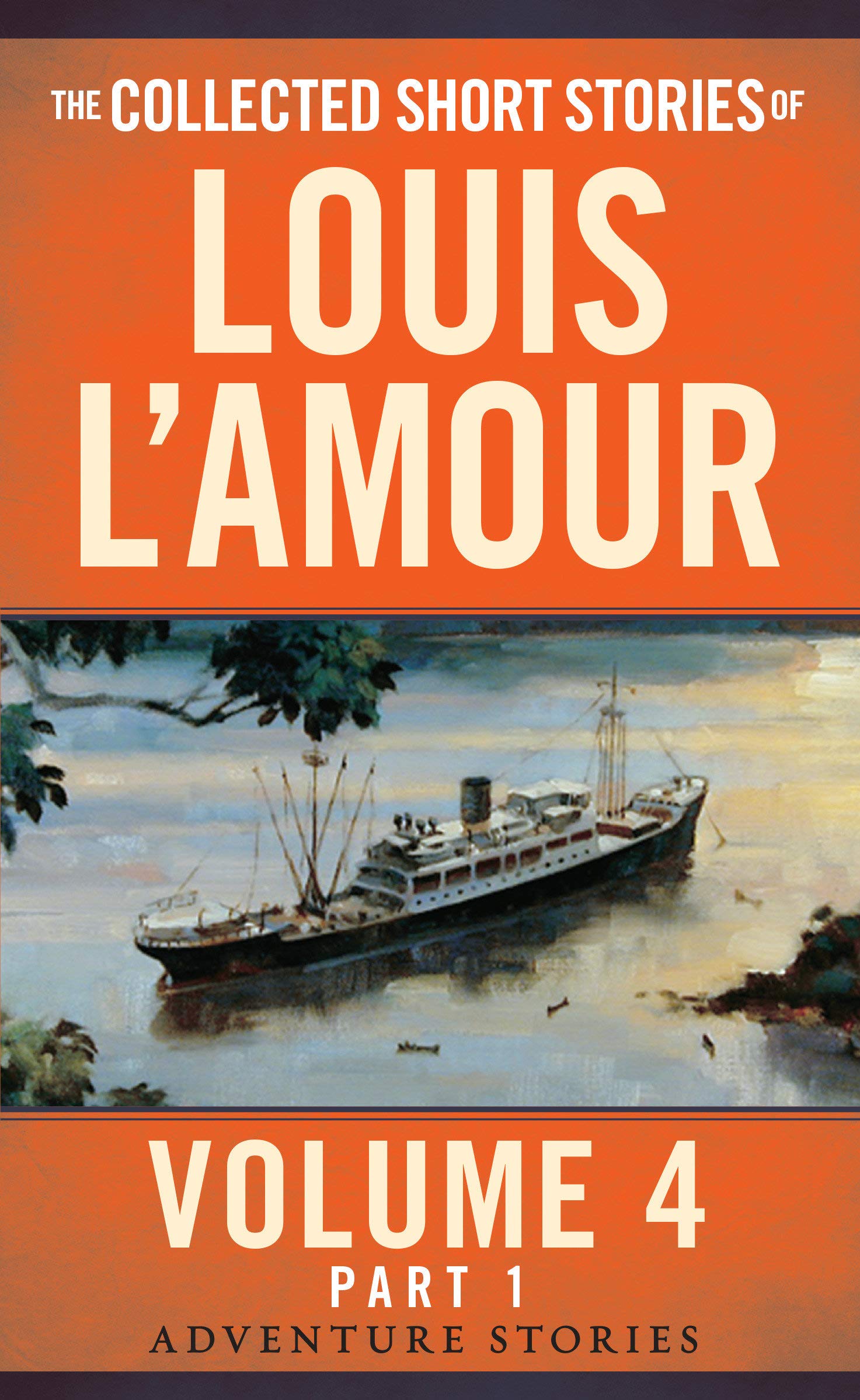
Collected Short Stories of Louis L’Amour, Vol. 4

Children of the Night: Best Short Stories by Black Writers

Dancing Through Life in a Pair of Broken Heels

No Middle Name: The Complete Collected Jack Reacher Short Stories

Beautiful Days

Amish Front Porch Stories

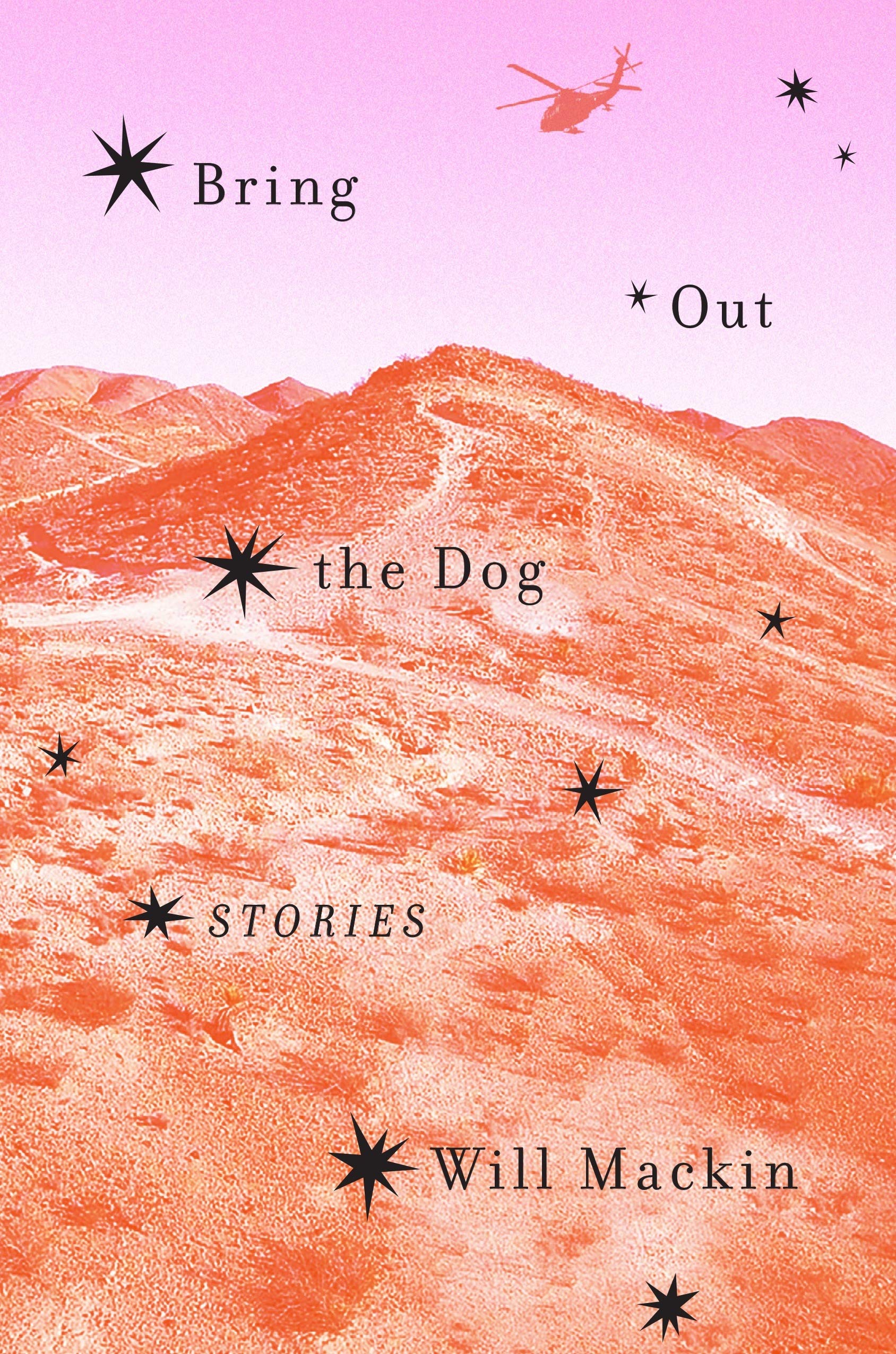
Bring Out the Dog: Stories

Complete Stories of Edgar Allen Poe

Cutting Edge: New Stories of Mystery and Crime by Women Writers

20th Century Ghosts

One Book, Two Readers – Teens Review “They Both Die at the End”

Teens: did you know that you can earn community service credit for writing a book review and submitting it to us? Today, we’ll hear from two teens who did just that, and get their different takes on the same book. Find out more about how to earn community service hours from home at cheshirelibrary.org/teens/.

They Both Die at the End by Adam Silvera. Reviewed by Jessica N.

They Both Die at the End, the title itself is intriguing and Adam Silvera does a fantastic job creating a book that lives up to its engaging title. He allows us as the readers to think and reflect about our own lives and what we would do if we found out that we would be dying in the next 24 hours.

The book starts off with the two main characters, Mateo and Rufus, getting Death-Cast calls that they will be dying that day. This news changes their lives for the little amount of time they have left. They have to figure out how they are going to spend their last day, also known as their “End Day”, and leave their final mark on Earth. The novel also brings up topics of friendship and relationship. The Death-Cast company provides an app for the people that are going to die and allow them to make a new friend, a Last Friend, for the day.

Through this app and each character in the novel, each person has a significant story and the book itself is told from multiple perspectives. So not only are us the readers tasked with reflecting on how they would spend their last day on Earth, if we knew it was our last day, but, we get to see how people of different ages, ethnicities, and popularities spend their last days. This book is an emotional one that is well worth the read, and even though the readers know what is going to happen at the end (the characters both die), the ending is still very gutting and astonishing. Also, the author, Adam Silvera is expanding the story and coming out with two new further novels. The next one (the second one) is projected to come out later this 2022 year and titled The First to Die at the End, so there is something more to look forward to after reading the beautiful story of They Both Die at the End!

4 stars.

They Both Die at the End by Adam Silvera. Reviewed by Claire J.

Overall, this book covered many intriguing events and evoked a variety of emotions. The “ spoiler” being in the title of the book is what drew me to pick it up, still having hope throughout the book that they would both live despite the title. It is a darker book, with themes of violence such as guns, so I do not recommend it for younger readers. The positive portrayal of LGBTQ relationships is evident throughout the book, which was pleasant to read.

Silvera takes the reader on a rollercoaster of emotions as we follow the two main characters rated to die on their last adventures on Earth. Both boys were also trying to run from their own issues aside from death. From sick fathers to running from the police, they were already struggling with the real world struggles. Although the book showed rather interesting plot points, some felt a bit boring, hence why the rating is not as high as expected. The pacing of the book was also rather slow in my opinion, although this could have been due to the fact that I do not typically read books of this genre. Another criticism of the book is that some characters were underdeveloped. Although the two main characters were well rounded with great writing skills used to make them, some other characters I felt were not as developed. Even though they had smaller roles in the overall story of the book, I thought that they could have their characters elaborated on a bit more.

I still greatly enjoyed the book, however, it was a wonderful book to read in my down time! I recommend this book to middle-schoolers and older. For science fiction and fantasy readers looking out to try realistic fiction novels, this book is a great transition.

3 stars.

Graphic Novel Adaptations: Old Stories with a New Twist

Graphic novel adaptations are not new, comic books based on classic literature could be found as early as the 1940’s and 50’s. Lately, however, there’s been a new crop of adaptations in graphic novel format that deserve some attention. While an adaptation of a book can never take the place of the original, it has value as a companion piece to the original, offering a fresh perspective on a well-established tale. This is particularly true of graphic novel adaptations, where illustrations and a change in pace can breathe new life into an older book. Even when a book isn’t all that old, a graphic novel interpretation allows us to see the story from a different angle.

We have a whole bunch of graphic novel adaptations on our shelves, for all ages. Here are some of our favorites.

FOR ADULTS:

The Handmaid’s Tale, original story by Margaret Atwood ; art & adaptation by Renée Nault.

Animal Farm, original story by George Orwell ; adapted and illustrated by Odyr.

The Great Gatsby, original story by F. Scott Fitzgerald ; illustrated by Aya Morton ; text adapted by Fred Fordham

Small Gods : a Discworld graphic novel, original story by Terry Pratchett ; adaptation by Ray Friesen

City of Glass, original story by Paul Auster ; adaptation by Paul Karasik and David Mazzucchelli

American Gods 1: Shadows, story and words by Neil Gaiman ; art by Scott Hampton 

A Game of Thrones, original story by George R.R. Martin ; adapted by Daniel Abraham ; art by Tommy Patterson

FOR TEENS (and adults, too!):

The Hobbit, original story by J.R.R. Tolkien ; adapted by Charles Dixon with Sean Deming : illustrated by David Wenzel

To Kill a Mockingbird, original story by Harper Lee ; adapted and illustrated by Fred Fordham

Jane (based on Jane Eyre by Charlotte Brontë), written by Aline Brosh McKenna ; illustrated by Ramón K. Pérez 

Poe : Stories and Poems, original content by Edgar Allan Poe ; adapted by Gareth Hinds

A Wrinkle in Time, original story by Madeleine L’Engle ; adapted and illustrated by Hope Larson

The Giver, original story by Lois Lowry ; adapted by P. Craig Russell ; illustrated by P. Craig Russell, Galen Showman, Scott Hampton

Speak, by Laurie Halse Anderson ; artwork by Emily Carroll

FOR MIDDLE GRADE READERS:

Meg, Jo, Beth, and Amy (based on Little Women by Louisa May Alcott) ; adapted by Rey Terciero ; pencils by Bre Indigo

Anne Frank’s Diary ; adapted by Ari Folman ; illustrations by David Polonsky

The Graveyard Book, original story by Neil Gaiman ; adapted by: P. Craig Russell ; illustrated by: Kevin Nowlan, P. Craig Russell, Tony Harris, Scott Hampton, Galen Showman, Jill Thompson, Stephen B. Scott

Anne of Green Gables, original story by L. M. Montgomery ; adapted by Mariah Marsden & Brenna Thummler

The Secret Garden on 81st Street (based on The Secret Garden by Frances Hodgson Burnett) ; adapted by Ivy Noelle Weir ; illustrated by Amber Padilla

The Witches, original story by Roald Dahl ; adapted and illustrated by Pénélope Bagieu

Oz : the manga, original story by L. Frank Baum ; adapted by David Hutchison

Teen Book Reviews: We Are the Ants and Zen and Gone

Teens: did you know that you can earn community service credit for writing a book review and submitting it to us? Today, we’ll hear from a teen who did just that. Find out more about how to earn community service hours from home at cheshirelibrary.org/teens/.

We are the Ants by Shaun Hutchinson reviewed by Ali A.

We Are the Ants is a book about a 16-year old boy named Henry Denton. Henry Denton suffers from depression because his friend Jesse committed suicide. It doesn’t help that Henry gets bullied at school and gets periodically abducted by aliens. Although it might be a delusion, Henry absolutely believes he gets abducted by them while aliens run experiments on him. In one of the abduction sessions, the aliens try communicating with him. They show him a button and say that the Earth will end in 144 days unless he presses the button. Henry at first decides he will never press the button because there’s nothing on Earth to live for. He argues that no matter what humans do they will die anyway and their lives would have been useless, so Henry might as well end everyone’s lives quicker. Henry asks everyone he knows about whether they would press the button or not. At school Henry gets bullied more than usual until one day a new kid shows up to class, Diego Vega. Diego and Henry instantly become friends, but Diego never talks about his mysterious past or why he lives with his sister rather than his parents. One day Henry is in the locker room when 3 bullies assault him and beat him up. Henry wants to kill himself and share the same fate with Jesse, but Diego is the only thing Henry looks forward to in life. Later in the book Henry and Diego are at a fair when one of the bullies tries to hurt Marcus. Diego gets mad and punches the bully, which sends Diego to court. I’d rate this book 2/5 stars because of the terrible plot and ending. The author never says if the alien abductions are real or mere hallucinations, and the author never tells us if Henry pressed the button or not.

2 Stars.

Zen and Gone by Emily France reviewed by Ali A.

Zen and Gone is one of my all-time favorite young adult books. The novel takes place in Boulder, Colorado, and revolves around the lives of Essence and Oliver. Essence, a buddhist, is trying to take care of her little sister, Puck. Her mother works at a pot shop selling legalized intoxicants so she’s high and irresponsible most of the time and can’t give the care her children need. Oliver on the other hand is a kid with a mysterious past in Chicago. He was sent out to Boulder because of an incident involving his sister. Olliver rarely speaks about his past and feels sadness everytime he thinks of it. Essa and Olliver both take part-time jobs at a kite shop and become friends. Essa then invites Olliver to come with her other friends, Micah and Anish, to a hiking trip in the Rocky Mountains. Things start to go wrong when Essa and her friends realize that Puck stowed away on the trip to join them. Essa decides to bring Puck back home and cancel the dangerous expedition through the woods, especially when she finds a creepy guy roaming the woods in the dark, but it starts to thunder so they have to find shelter. Things go EVEN MORE wrong when Essa wakes up at 3:00 AM and discovers that Puck and Oliver are missing. However, Oliver comes back a few minutes later claiming that he was using the bathroom. Essa and her friends search everywhere in the woods, but can’t find Puck. Did this have anything to do with the strange man they saw earlier? Or did it have to do with Oliver, who she had just met a month ago? Plus, she barely knew anything about his life in Chicago, or his sister’s incident. Brilliant, touching, and spooky, Zen and Gone is the perfect book for readers who love adventure books and mysteries.

5 Stars.

New Trends in Science Fiction

Say Science Fiction, and most readers will make a face as images of bad 50’s movies, computers and technobabble, and Star Wars arguments come to mind. “I don’t read Science Fiction,” but chances are, you do. Science Fiction simply means a story that more or less follows the laws of science as we know them, as opposed to fantasy, which drags in magic and elves and things that don’t normally exist on Earth. The material is as broad as anything else in fiction.

Science Fiction has come a long way since 1977, and is almost unrecognizable to the campy 50’s tin-can imagery. Like rock music, science fiction has a hundred sub-categories, and chances are you’ve read – and liked – at least one. Here are some of the newest trends you may not know about.

Soft Science Fiction:  “Soft SF” isn’t new, but the definition is newer. Soft SF doesn’t deal with “hard” techno stuff, but concentrates on people, societies, psychology, and intrigue.  Cloud Atlas, The Handmaid’s Tale, Flowers for Algernon, Yiddish Policemen’s Union, The Time Traveler’s Wife, and Alas, Babylon all fall under “Soft” SF. Half of Stephen King can be categorized here. You could make an argument for Jason Bourne, too.

Gender-Focused: These stories explore cultures and people who may have a single gender, multiple genders, or are genderless entirely. Check out Ancillary Justice by Ann Leckie, Seveneves by Neal Stephenson, Mask of Shadows by Linsey Miller, or the Grandmama of them all, The Left Hand of Darkness by Ursula K. LeGuin.

Afrofuturism: Representation of minorities is growing in SF, and with it new ways of seeing inclusion in the future. Check out top authors like N. K. Jemisin, Colson Whitehead, Nnedi Okorafor, P. Djeli Clark, and Octavia Butler.

International: There’s a huge influx of stories being translated from other countries. While America may be stuck on space opera and predictable heroes, other countries aren’t, and offer a refreshing break from the Same Old Thing. Try The Three-Body Problem by Liu Cixin, Master and the Margarita by Mikhail Bulgakov, The Witcher Series (yeah, the TV one) by Andrzej Sapkowski, The Lost Village by Camilla Sten, or Shadow of the Wind by Carlos Ruis Zafon.

Generation Ship fiction: No faster than light ships here, but pressure-cooker stories onboard ships making a long haul. Dangers take on a whole new meaning when you’re dependent on your ship for years on end. Check out Across the Universe by Beth Rivis, Rendezvous with Rama by Arthur C. Clarke, Aurora by Kim Stanley Robinson, or Ship of Fools by Richard Russo.

New Space Opera: Space opera traditionally involves weapons, danger, heroes, and rescued damsels (Star Wars being a perfect example, among many), but newer stories are throwing in more gritty realism. They’re a higher quality of writing, more scientifically plausible, and tend to address more social issues under the guise of “fiction.” Grown-up SF. Try the Leviathan Falls series by James Corey, Hail Mary by Andy Weir, the Thrawn series by Timothy Zahn, The Echo Wife by Sarah Gailey, or Winter’s Orbit, by Everina Maxwell.

Climate SF:  With the doomsday clock ticking down the moments to an expected 6th mass extinction, climate SF may be the most relevant wave of stories to hit shelves, and can fully include apocalyptic virus stories. Read them!  State of Fear by Michael Crichton, New York 2140 by Kim Stanley Robinson, The Overstory by Richard Powers, Oryx and Crake by Margaret Atwood, The Bone Clocks by David Mitchell, Flight Behavior by Barbara Kingsolver.

Science Fiction isn’t the same old trope you’re used to, but a growing, evolving body of literature with numerous authors, styles, and focus – and guaranteed there’s one right for you!