 The other year, in preparation for a novel I hoped would have more intrigue and action than I was used to writing, I decided to break with my comfort zone and read a few spy novels to deconstruct the genre and see how the action was set up and paced. I’d read a James Bond novel once and was less than impressed; the movies I loved so much were horribly dull novels, and the book-Bond looked much more like Truman Capote than any pretty-boy actor.
I didn’t want to waste time, so I Googled “best spy novels”, and one of the top two on almost every list was John LeCarré’s 1974 novel Tinker, Tailor, Soldier, Spy, so that was the one I read first.
The lists were right. The book was brilliant, and I couldn’t put it down. After that I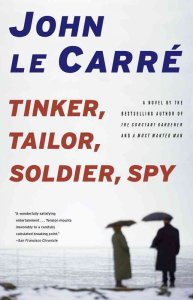 rushed out to watch the 2012 BBC film version, an incredible cast including Toby Jones, Gary Oldman, Benedict Cumberbatch, John Hurt, Tom Hardy, and more – which was still excellent, though some people prefer the 1979 mini-series adaption with Alec Guinness (that’s Obi Wan Kenobi to some of you). The strangest part was that, while reading the book, I had already cast Toby Jones in one of the roles in my head – but as Peter Guillam, though, not Percy Alleline as he was in the film.
 Why so good? Well, see – like Ian Fleming, John LeCarré (real name: David Cornwell; spies aren’t allowed to use their real names to publish novels) was an actual British spy in World War II, so he knows the ins and outs and tiny little details of how the game is played, layers upon layers of secrets and trades and double-dealings. He’s lived it first hand, and that makes all the believable difference. He began writing novels in 1961 (Call for the Dead), but it wasn’t until his third novel in 1963, The Spy Who Came In From the Cold, that he hit the best-seller list and wound up quitting MI6 (the British Secret Intelligence Service) to pursue writing full time.
While all of us sit here and think, why would you quit being an awesome spy to write books?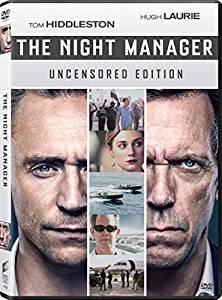
But LeCarré certainly is good at it, with more than 24 novels to his name, almost all of them best-sellers. Several have been made into successful film adaptions, including The Constant Gardener (2005), starring Ralph Fiennes and Rachel Weisz, The Spy Who Came in From the Cold (1965) starring Richard Burton, and the recent delicious adaption of The Night Manager (2016), starring Tom Hiddleston and Hugh Laurie, a book that reads more like a James Bond adaption than a Bond novel does.
Unable to sit still in retirement, LeCarré, now 86, has pumped out yet another novel last year, A Legacy of Spies, a conclusion of sorts for George Smiley’s people, his ex-agent who keeps coming back. Pulling his best-loved characters from so many of his novels, LeCarré manages to weave them together with new characters in present-day, finding new depths and bringing new truths to light, even after 50 years. LeCarré shows that time has not diminished him nor his characters, and if you think you know how it will end, like all of his works, it’s pretty well guaranteed you don’t.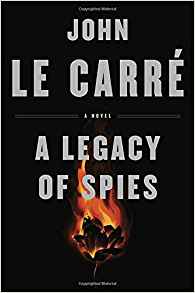
Give le Carré a try. If you like mystery, espionage, intrigue, and unraveling puzzles with characters who won’t let you go, then you’ll love his work. If you haven’t tried him, he’s a wonderful place to begin to explore the genre. For modern novels, he’s rather clean, without a lot of graphic violence or sex or language, perhaps making the stories even more remarkable. Start with Legacy of Spies and work backward, or start at the beginning and work forward. If you prefer to watch rather than read, there are more than ten films, five television adaptions, and four radio plays to keep you entertained. You’ll be so glad you did.





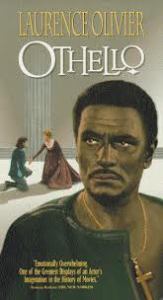 One of the more controversial topics in Hollywood is the concept of whitewashing – casting a white actor in a role meant to be Black, Asian, Native American, Latin, or other ethnic group. Some of the more egregious examples are Laurence Olivier (and Orson Welles) playing Othello – in blackface, Ralph Fiennes playing Michael Jackson; Mickey Rooney (
 grossing black-lead films are comedies (Eddie Murphy has 5 of the top 7, not including
  Now, Hollywood may be on the verge of a true black superhero blockbuster with the release of February’s
  warm reviews. As the
  Some people love winter, love the brisk air, the blinding glare, the crystal-clear night skies, soft fluffy snow and cups of steaming hot chocolate. Other people hate the freezing cold, the knifing winds, the treacherous roads, bare trees, and endless brown mud and slush clinging to shoes, cars, and pet feet tracking through the house.
 drapes (one of my favorite possessions), reading a book in a favorite chair while snow swirls outside the window and an animal lounges at my feet. It means a stew bubbling on the stove, fresh bread in the oven, or perhaps fresh shortbread cookies and a cup of Earl Gray tea by that fire. Perhaps it’s a holiday, with candles and lights and decorations, waiting for company to make it through the snow. Yeah, yeah, there’s no groundsman to shovel the walks when it’s over, I have to do it myself, but for a few hours I’m lost in an old English fantasy, there’s a mystery in the air, a challenge ahead, but love and fortune win in the end (note: I have never achieved this fantasy, but I keep hoping).
 English Tales of Winter
 historical
  Just because our snow stories don’t go back to King Wenceslas (ok, Wenceslas was Bohemian/ Czechoslovakian, but the song, 900 years later, is English) doesn’t mean American literature isn’t good, it just means it’s different. Maybe you’ll have to settle for cotton twill drapes and a medium double-latte with a space heater and a Snuggie. If you love gothic literature, delve into a classic or something newer; there are hundreds of books (and films!) to choose from. If you love reading about snowy days while curled in a chair listening to the winds howl, try some of these modern tales (and films):


 Sometimes a literary character – and an author – just doesn’t quit, staying popular generation after generation. Sometimes we call that a classic – Scarlett O’Hara, Oliver Twist, Jane Eyre, Robin Hood and Maid Marian. Sometimes we call that Hercule Poirot.
 Marple), a retired Belgian police officer with peculiarly meticulous habits and a brilliant mind for solving crimes, well-known for his thick black curling mustache – the only fictional character to ever have an obituary on the front of the New York Times. Poirot first appears in
  Numerous film and television adaptions of both Orient Express and
  screen on November 10, 2017, with a – dare I say it? – killer cast. Kenneth Branagh, British superstar of myriad films including
  The Cheshire Library Blog