It’s the most wonderful time of the year: hot drink season. When the weather turns cold, I stock my cabinet with dessert-flavored black teas and mocha mixes, and I chill sweet, chocolatey stouts and porters in my fridge. For many of us, it’s the perfect time to curl up with a favorite drink and a good book. (Or Netflix. No judgment.)
I’ve been doing my part to encourage this pastime with Books Over Coffee, a monthly book club where I tasked myself with pairing bags of ground coffee with whatever title we’re reading. It’s a little challenging and a whole lot of fun, and a coworker suggested I share the combinations I came up with. I hope you enjoy them as much as I enjoyed sampling the candidates.
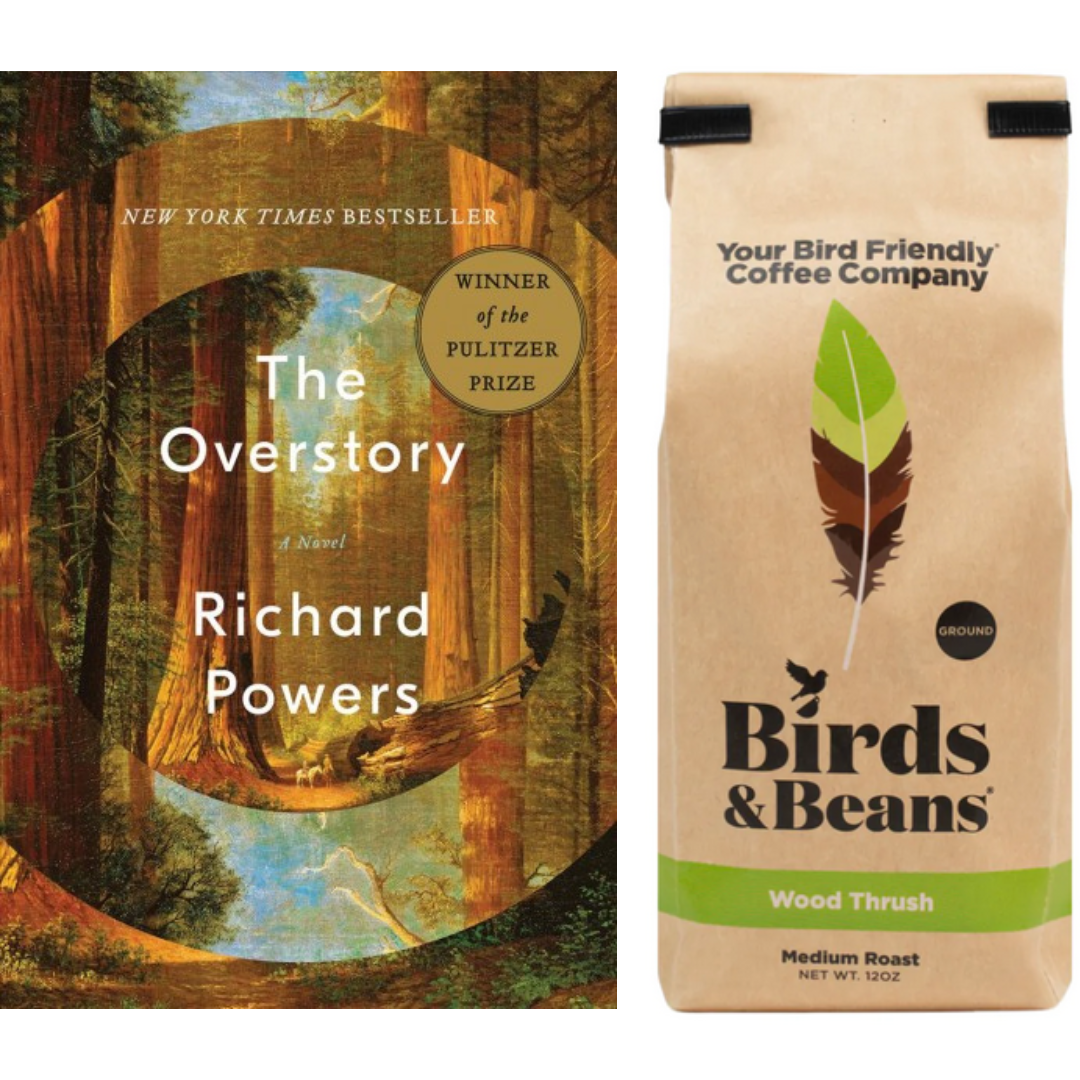
Bird-friendly coffee like Birds & Beans is grown under the shade of trees and doesn’t contribute to deforestation. It’s a fitting brew to sip while reading Richard Powers’ epic love letter to trees, which spans the lives of nine characters and about 23 hours of listening time for you fellow audiobook fans. Settle down, brew yourself a pot, and imagine you’re sitting at the base of your childhood tree as you start the narrative’s journey.
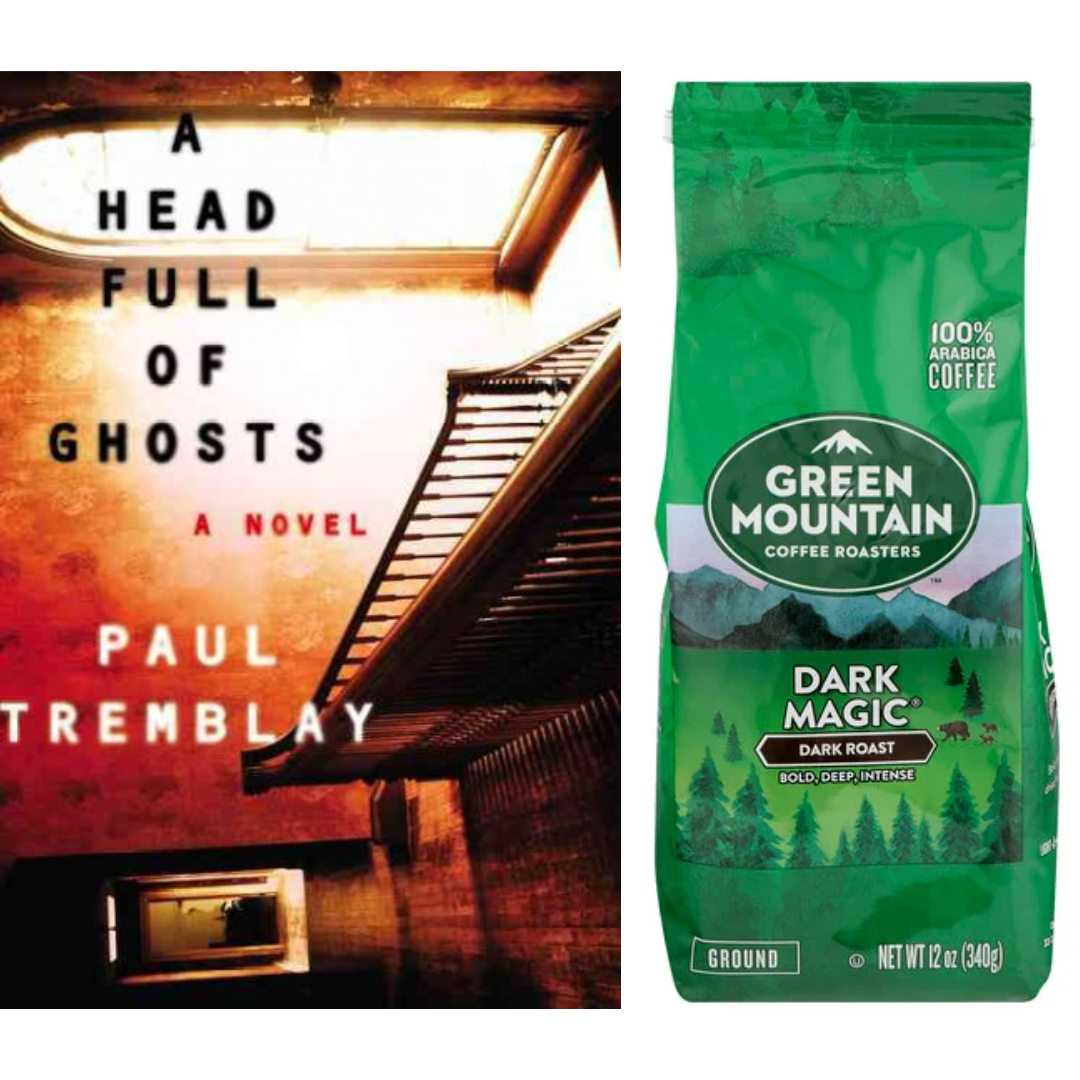
Dark Magic is a staple of Keurig machines everywhere – just like how demon possession is a long-running horror trope. And to horror nerds like me, there’s something magical about the meta-narrative on the genre that you’ll find within the pages of A Head Full of Ghosts. The story is creepy enough on its own, but the references to Shirley Jackson, H.P. Lovecraft, The Exorcist, and contemporary horror writers will raise your spirits like a strong, hot drink on a cold winter night. If you love darkness, you’ll enjoy this unholy matrimony of book and brew.
Read: Good Omens by Neil Gaiman and Terry Pratchett
Drink: Black and Tan from Eight O’Clock Coffee Company
Angels and demons, good and evil, stark prophecy and satiric comedy are blended together in Good Omens, a collaboration from two prominent fantasy authors. It’s only fitting to accompany it with the bold and mild blend of Black and Tan. The laugh-out-loud jokes are delightful dollops of cream and sugar – and when you’ve drunk the last drop, you can have a second helping by watching the Amazon Prime miniseries.
Like the aesthetics of those blonde, sun-kissed Californian twins in the Sweet Valley High books, books which Roxane Gay devoured as a teen and scrutinized with her cultural commentary as an adult author, I find light roasts bland, ubiquitous, and unsatisfying. (If I’m feeling especially contrarian, I might say the same about Starbucks as an institution.) My distaste for light roasts – and the marketing for this one nods to both unattainable beauty standards and classism! – makes it the perfect tag-along while Gay pokes holes in pop culture, politics, feminism, and other topics in this book of essays.
In all fairness to Veranda Blend, this month’s book club hasn’t met yet, so I haven’t tried it. The blend may throw me a major twist like the best thrillers, or offer me that cloying tannic quality euphemized as “fruitiness,” like a well-reviewed literary novel that falls short of expectations. What will you be sipping when you curl up with your next read? (Or Netflix. No judgment.)
I used to love true crime. For my first research paper in high school, I wrote about the 1964 murder of Kitty Genovese and the phenomena of the bystander effect. In college, Investigation Discovery was my background noise while working. More recently, murder podcasts and true crime audiobooks accompanied my commute to work, and I unwound with Netflix miniseries that dissected cold cases.
But my tastes are changing. Death got a little too close to me over the last two years. A podcaster made me question the ethics of finding entertainment in another’s pain. And becoming a parent obliterated my tolerance for stories where terrible things happen to small and vulnerable beings. Don’t get me wrong – I’m still fascinated by the darkness. I just need to be more selective. Minimal death and violence. Minimal gore. Thefts, forgeries, con artists. White collar crimes. Maybe the occasional plane crash or disaster.
So I present you with an updated list of true crime stories in various formats for those who, like me, have to say “hard pass” to serial killers and kidnappers.
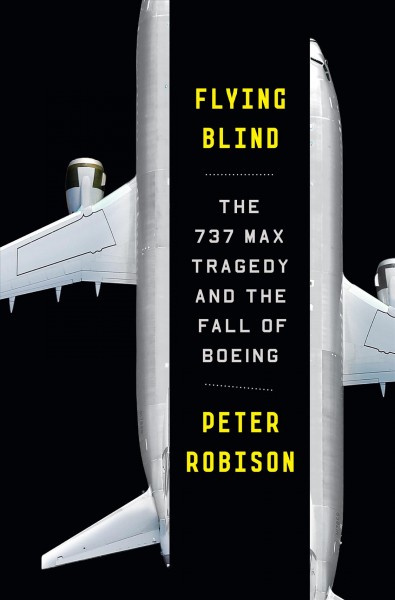
Flying Blind : The 737 MAX Tragedy and the Fall of Boeing by Peter Robison. A fast-paced look at the corporate dysfunction–the ruthless cost-cutting, toxic workplaces, and cutthroat management–that contributed to one of the worst tragedies in modern aviation.
Bad Blood : Secrets and Lies in a Silicon Valley Startup by John Carreyrou. Recounts the story behind Theranos, the medical equipment company that misled investors to believe they developed a revolutionary blood testing machine, detailing how its CEO, Elizabeth Holmes, perpetuated the lie to bolster the value of the company by billions.
Empire of Pain : The Secret History of the Sackler Dynasty by Patrick Radden Keefe. Presents a narrative account of how a prominent wealthy family sponsored the creation and marketing of one of the most commonly prescribed and addictive painkillers of the opioid crisis.
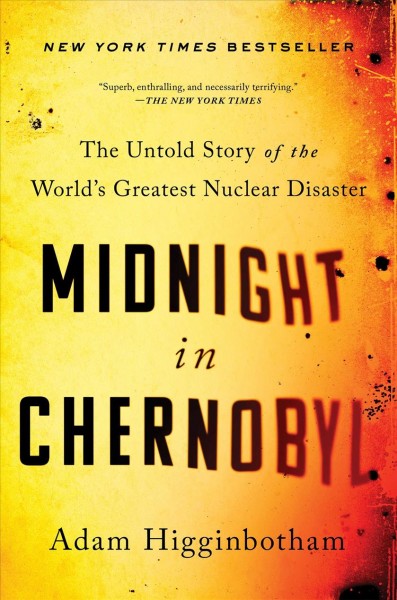
Midnight in Chernobyl : The Untold Story of the World’s Greatest Nuclear Disaster by Adam Higginbotham. Journalist Adam Higginbotham’s definitive, years-in-the-making account of the Chernobyl nuclear power plant disaster–and a powerful investigation into how propaganda, secrecy, and myth have obscured the true story of one of the twentieth century’s greatest disasters.
Related media: Chernobyl: The Lost Tapes documentary and the award-winning dramatized miniseries Chernobyl, both on HBO. The latter will make your skin crawl, when it’s not making you cry.
The Gardner Heist : The True Story of the World’s Largest Unsolved Art Theft by Ulrich Boser. Shortly after midnight on March 18, 1990, two men broke into the Isabella Stewart Gardner Museum in Boston and committed the largest art heist in history. But after thousands of leads, hundreds of interviews, and a $5-million reward, not a single painting has been recovered. Worth a total of $500 million, the missing masterpieces have become the Holy Grail of the art world and one of the nation’s most extraordinary unsolved mysteries.
On April 28, we partnered with our local health organization, Chesprocott, to host an educational conversation about the Covid-19 vaccine. Dr. Henry Anyimadu and Dr. Sarah Banks from Hartford Healthcare volunteered their time to give us the latest information and answer any questions we had. We furiously took notes for those who weren’t able to make it to the program. Here’s what we learned:
What’s the current positivity rate for Connecticut? As of late April, our positivity rate was 8.8-9% positivity rate, but it’s difficult to get a good number on community activity. The state calculates positivity by looking at PCR tests done in labs, but it doesn’t count home tests. The rate could be much higher.
How many people in Connecticut are vaccinated? 2.7 million people are vaxxed, which translates to 75% of the population.
What are the benefits of the covid vaccine? The risk of death from covid is three to four times higher in unvaccinated people, and the risk of hospitalization is four times higher. The vaccine doesn’t protect you 100% from severe illness, hospitalization, or death, but it dramatically reduces your risk.
What about the fourth dose? Currently a fourth dose is recommended for immunocompromised people and those at high risk.
What treatments are available for covid? Antivirals such as Paxlovid and monoclonal antibodies are effective at fighting covid. They must be prescribed early in the illness, within five days of the onset of symptoms. Typically, they are given to folks 65 years old and older and to people with other risks. Your primary care practitioner can figure out if you are eligible for antiviral treatment. It’s very important that antivirals are prescribed early, as they are lot as effective in later stages of the illness.
Why are cases spiking? There are a number of reasons. Mask mandates have gone away and people are just plain tired of wearing them. People are going out and traveling more often. We don’t have herd immunity yet. And most people were vaccinated six months ago and their antibodies are starting to wane. The numbers of cases are expected to continue rising until the middle or end of May. The good news, though, is that our high level of vaccination does mean that most of us have some level of immunity against covid.
What’s going on with the vaccine for kids younger than five years old? Pfizer retracted their application for emergency use when their data showed it wasn’t as effective against omicron. Now that they have better omicron data, they are closer to submitting an application. Moderna just submitted an application on Thursday, April 28 for use in children under five. We are still waiting for a lot of data, but young children should have an approved vaccine soon. In the meantime, Remdesivir was just approved for treatment of severe illness in younger children. It’s also true that children generally do better than adults with viral illnesses, so they are not getting as sick as adults when it comes to covid. We don’t know yet if the covid vaccine will join the group of required childhood vaccine.
What’s in the future for the vaccine? Companies are trying to come up with variant-specific vaccines. It’s easy to manipulate mRNA vaccines like those offered by Pfizer and Moderna, so we are expecting to see mRNA vaccines become responsive to evolving variants.
If you’re looking for more information on covid-19 or other health topics, we recommend the federal Centers for Disease Control and Prevention, the Connecticut Department of Public Health, or the local Chesprocott Health District. Why, you ask, are library professionals recommending websites instead of books? Well, even when we don’t have global supply chain issues slowing down every aspect of our lives, websites can be updated way faster than books – especially with the covid pandemic, when information changes daily. Websites are our first choice when it comes to timely health topics!
Raise your hand if you’re traveling for the holidays! Road trips to Pennsylvania are a regular part of the holidays for my family, and good listening material is the key to keeping everyone in the car happy and sane (or as sane as you can be, when traffic stops for no apparent reason). In situations like this, I often turn to fantasy, adventure, and sci-fi audiobooks. The plots move fast enough to keep my attention engaged for long periods, and they’re usually hefty books that will keep me occupied for a while. Plus, otherworldly settings mean that not only can I disconnect from my everyday worries, but it makes it easier for multiple generations to enjoy the same story. You don’t necessarily get that with realistic fiction, which is a popular genre here in the Children’s department, but it’s much more targeted to its specific age group. Four straight hours of fictionalized minutiae of elementary school? Most adults I know would rather spend that time listening to politics podcasts. But four straight hours of a kid who’s raised by ghosts in a graveyard? Tell us more. No, please – make it eight hours.
The following titles have various runtimes to get you to wherever your holiday destination might be – and we’ll even give you some ideas of cities whose travel time from Cheshire is about the same as the book’s runtime. As a bonus, almost all of them are available in our Playaway format, which is a self-contained audiobook player. All you provide is an auxiliary cord with a 3.5mm jack to connect to your car’s stereo, or a regular set of headphones for solo listening. For those of you lucky enough to have Bluetooth connectivity in your car, look for downloadable audiobooks that you can play through your phone.
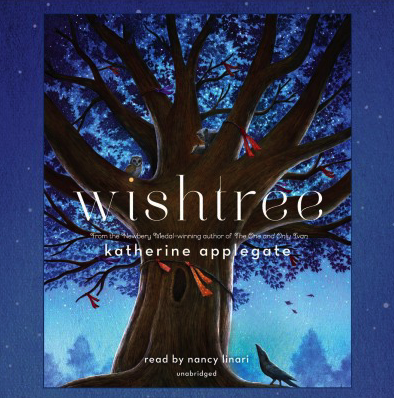
Red is an oak tree who is many rings old. Red is the neighborhood “wishtree”—people write their wishes on pieces of cloth and tie them to Red’s branches. Along with her crow friend Bongo and other animals who seek refuge in Red’s hollows, this “wishtree” watches over the neighborhood.You might say Red has seen it all. Until a new family moves in. Not everyone is welcoming, and Red’s experiences as a wishtree are more important than ever.
Listen while you drive to: Philadelphia, Pennsylvania
Roz the robot discovers that she is alone on a remote, wild island with no memory of where she is from or why she is there, and her only hope of survival is to try to learn about her new environment from the island’s hostile inhabitants.
Many years have passed since the Jedi Knight Luke Skywalker and the Rebel Alliance were victorious over the evil Empire, and the galaxy has been at peace. But now a darkness is rising. The brave men and women of the Resistance must stand against Kylo Ren and the villainous First Order.
The city of Ember was built as a last refuge for the human race. Two hundred years later, the great lamps that light the city are beginning to flicker. When Lina finds part of an ancient message, she’s sure it holds a secret that will save the city. She and her friend Doon must decipher the message before the lights go out on Ember forever!
In 2041 twelve-year-old Dashiell Gibson is a resident of Moon Base Alpha, and at the moment he is faced with a number of problems: coping with the nasty Sjoberg twins, finding out how the commander of the base has managed to disappear from a facility no bigger than a soccer field, and dealing with the alien Zan who communicates with him telepathically from afar–and who is hiding a secret which may threaten the whole Earth.
Listen while you drive to: Pittsburgh, Pennsyvlania
Joining her family in her community’s annual New Year’s Day magic-capturing ceremony, a 12-year-old girl who has always been lucky captures just one tiny jar of magic, revealing the true nature and beliefs of her loved ones.
Through the mysterious powers of a cherished book of stories, twins Alex and Conner leave their modern world behind and find themselves in a foreign land full of wonder and magic where they come face-to-face with the fairy tale characters they grew up reading about. But after a series of encounters with witches, wolves, goblins, and trolls alike, getting back home is going to be harder than they thought.
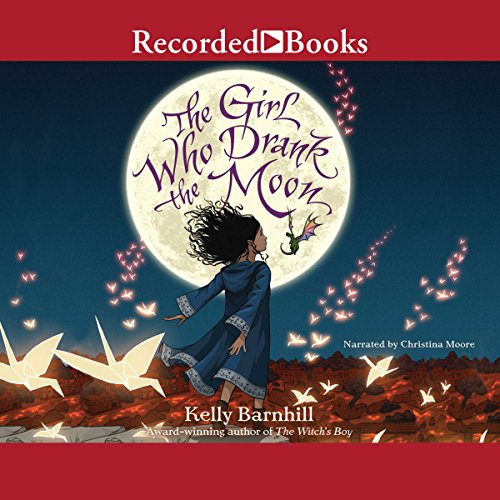
Every year, the people of the Protectorate leave a baby as an offering to the witch who lives in the forest. They hope this sacrifice will keep her from terrorizing their town. But the witch in the Forest, Xan, is kind. She shares her home with a wise Swamp Monster and a Perfectly Tiny Dragon. Xan rescues the children and delivers them to welcoming families on the other side of the forest, nourishing the babies with starlight on the journey. One year, Xan accidentally feeds a baby moonlight instead of starlight, filling the ordinary child with extraordinary magic. Xan decides she must raise this girl, whom she calls Luna, as her own. As Luna’s thirteenth birthday approaches, her magic begins to emerge—with dangerous consequences. Meanwhile, a young man from the Protectorate is determined to free his people by killing the witch.
Listen while you drive to: Kitty Hawk, North Carolina
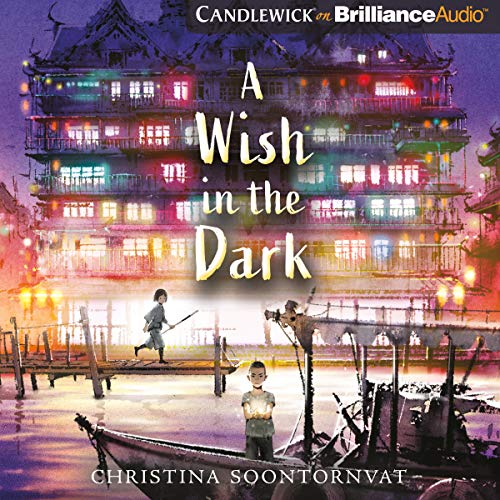
All light in Chattana is created by one man – the Governor, who appeared after the Great Fire to bring peace and order to the city. For Pong, who was born in Namwon Prison, the magical lights represent freedom, and he dreams of the day he will be able to walk among them. But when Pong escapes from prison, he realizes that the world outside is no fairer than the one behind bars. Nok, the prison warden’s perfect daughter, is bent on tracking Pong down and restoring her family’s good name. But as Nok hunts Pong through the alleys and canals of Chattana, she uncovers secrets that make her question the truths she has always held dear. Set in a Thai-inspired fantasy world, this twist on Victor Hugo’s Les Misérables explores the difference between law and justice.
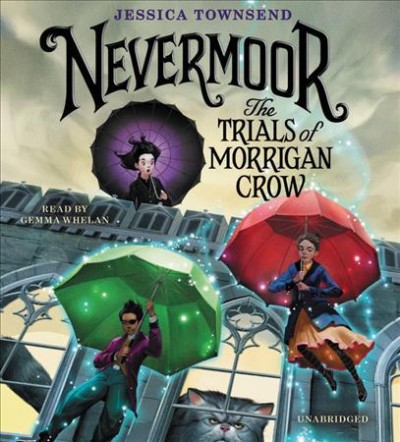
Born on the unluckiest day of the year and blamed for all misfortunes that occur in her community, Morrigan Crow is doomed to die at midnight on her 11th birthday. That is, until she is unexpectedly whisked away by a stranger on horseback who brings her to the magical city of Nevermoor, where she learns she has been chosen to compete for a position with an organization comprised of highly talented individuals. To stay in the safety of Nevermoor for good, Morrigan will need to find a way to pass the tests–or she’ll have to leave the city to confront her deadly fate.
Listen while you drive to: Charlotte, North Carolina
Haunted by the bus accident that ended his best friend’s life, seventh grader Tristan Strong dreads a visit to his grandparents’ Alabama farm before a bizarre living doll snatches away his friend’s notebook and draws him into a world of burning seas, iron monsters and Black folk heroes exhausted from battle. In order to get back home, Tristan and his new allies will need help from the god Anansi – but bartering with the trickster always comes at a price. Can Tristan save this world before he loses more of the things he loves?
At age 12, Sophie learns that the remarkable abilities that have always made her different from others actually identify her as an elf. After being brought to Eternalia to hone her skills, she discovers that she has secrets buried in her memory for which some would kill.
Earth Day is upon us once again, and I don’t know about you, but mine are looking different lately. Gone are the days when this millennial would spend April 22nd learning about endangered species in school. Now I spend Earth Day, and all of April, and pretty much every day of my life, really, worrying about the changing climate we’re experiencing here on our home planet. I think about greenhouse gas emissions every time I crave a bacon cheeseburger, wonder if the plastic containers from last night’s takeout are truly recyclable, and whenever I buy new clothing, I picture the dried-up Aral Sea or the mass of garbage floating in the Pacific.
It’s exhausting to think about all the ways that we contribute to climate change simply by existing. But instead of spending all our time in a near-paralytic state of worry, there are things we can do to slow down and perhaps even reverse climate change. And by “we,” I mean every one of us: guilt-addled tofu-munching Ziploc-reusing urban dwellers like myself, homeowners with roofs to solarize and garage outlets that can charge plug-in vehicles, all the way down to kids who are going to inherit this growing problem. Yep. Kids. They can absolutely fight against climate change, and the following book titles will help empower them to work for a brighter, more optimistic future.
Baby Loves Green Energy!Accurate enough to satisfy an expert, yet simple enough for baby, this clever board book explores the science of global warming and shows how we can use green energy to help combat climate change.
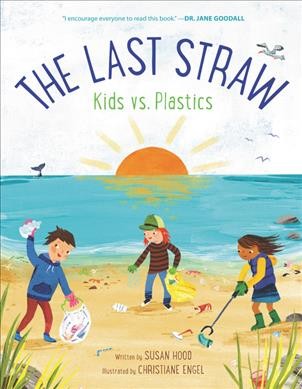
The Last Straw : Kids Vs. Plastics There’s no doubt about it: plastic is in almost everything. From our phones and computers to our toys and utensils, plastic is everywhere. But the amount of plastic we throw away is hurting the health of our planet. With this book, readers will be fascinated as they learn about the growing plastic problem and meet just a few of the young activists who are standing up and speaking out for change.
Stand Up! Speak Up! : A Story Inspired by the Climate Change Revolution After attending a climate march, a young activist is motivated to make an effort and do her part to help the planet by organizing volunteers to work to make green changes in their community. Here is an uplifting picture book that is an important reminder that no change is too small–and no person is too young–to make a difference.
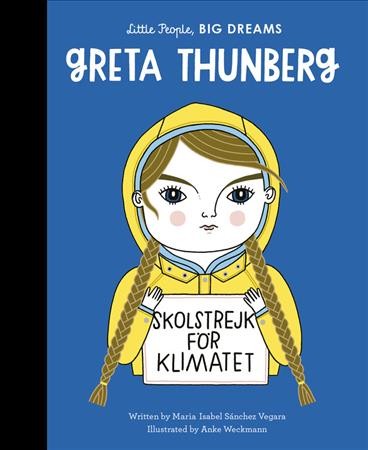
Greta Thunberg When young Greta learned of the climate crisis, she stopped talking. She couldn’t understand why people in power were not doing anything to save our Earth. One day she started protesting outside the Swedish Parliament, creating the “School Strike for Climate.” Soon, lots more young people joined her in a global movement that shook adults and politicians alike. She had found her voice and uses it to inspire humans to action with her powerful message: “No one is too small to make a difference.”
Kids Who Are Saving the Planet You can make a difference, no matter how old you are! These kids are helping to save honeybees, teaching people the importance of clean air and water, raising money to help endangered birds, and writing petitions to raise awareness of climate change. You should meet these kids who are saving the planet!
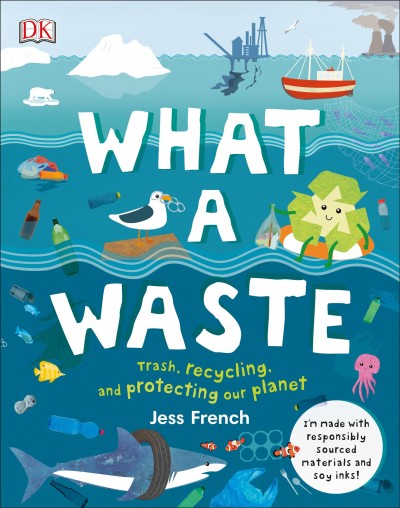
Did you know that every single plastic toothbrush ever made still exists? Or that there’s a floating mass of garbage larger than the USA drifting around the Pacific Ocean? It’s not all bad news though. As well as explaining where we’re going wrong, this book shows what we’re doing right! Discover plans already in motion to save our seas, how countries are implementing schemes that are having a positive impact, and how your waste can be turned into something useful. Every small change helps our planet!
Kids are on a mission to save the Earth! This book is the hands-on, practical guide you need to get started. Each of the activities directly relates to an environmental hot topic, such as plastic pollution, food waste, or deforestation. Budding environmentalists all over the world are feeling inspired to do their bit for our unique planet.
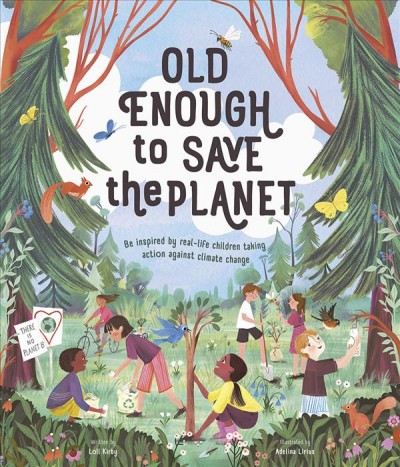
As people saw in the youth climate strike in September 2019, kids will not stay silent about this subject: they’re going to make a change. Meet 12 young activists from around the world who are speaking out and taking action against climate change. Learn about the work they do and the challenges they face, and discover how the future of our planet starts with each and every one of us.
Climate Action: What Happened and What We Can Do Did you know that the past five years have been the hottest ever recorded? Or that over seven million people participated in the global Climate Strike? We’re facing a very real problem, but there’s hope. Learn how our behavior and actions have led us to this point, hear from kids around the world dealing with extreme storms, wildfires, and sea level rise, and discover what scientists, youth activists, and ordinary citizens are doing to protect their communities.
This Book Is Not Garbage: 50 Ways to Ditch Plastic, Reduce Trash, and Save the World! Do you worry about the world’s waste? The bad news is, humans throw away too much trash. But the good news is, there are lots of easy ways you can get involved and make a difference! From ditching straws and banning glitter to hosting a plastic-free birthday party, helping to save the planet is not as difficult as you think. So, take control of your future! Become an eco-warrior instead of an eco-worrier and do your part to save the world from GARBAGE!
Bonus book: if your young activist is already following Greta’s Twitter account and policing your recycling bin for contraband, they could probably use a story about how we humans have managed to fix our mistakes. I adore Bringing Back the Wolves: How a Predator Restored an Ecosystemfor its uplifting true story featuring one of our iconic national parks, its inviting illustrations, and its generous serving of scientific info. Plus wolves are awesome.