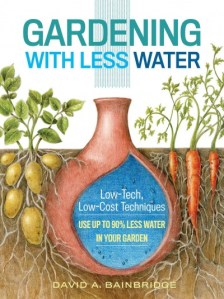
Learn about Xeriscaping

Jacket.aspx

Water is a precious resource. As the planet warms and the weather changes, more and more gardeners are turning to xeriscaping as a water-conserving alternative to traditional gardens.

So, the big question is, what is xeriscaping?

Basically, it is landscaping that reduces or eliminates the need for supplemental water. In an age when weather extremes are becoming the norm, gardens that are indifferent to the amounts of water they receive are a good idea.

Xeriscaping uses drought-tolerant plants and non-plant elements. Crushed stone, boulders, large urns, and decorative pieces of sculpture are often the backbone of xeriscapes. Plants such as cacti, low-water grasses, and succulents add a touch of green.

New to xeriscaping? We have the resources you need to get started.

Jacket1.aspxThe Water Saving Garden:  how to grow a gorgeous garden with a lot less water by Pam Penick


lawngoneLawn Gone! Low-maintenance, sustainable, attractive alternatives for your yard by Pam Penick


Jacket4.aspxRock Garden Design and Construction by by the North American Rock Garden Society; edited by Jane McGary


Jacket9.aspxDesigning with Succulents by Debra Lee Baldwin

Everything I Know About Stonescaping I Learned from the Library

stones2It’s true. I didn’t know much about stonescaping when I began a little over ten years ago. And when I don’t know about something, the first thing I do is head for the book shelves.

The books I found were educational and inspiring. I marveled at all the creative ways gardeners had used stones in their landscapes. Ideas began to brew. I collected stones and left them in piles around my yard like the Blair Witch.

My love of rocks grew. From the boulders down to the gravel, I cherished every last bit of stone in my landscape. Some, like the rocks in the old stone wall that runs along the border of my property, have been there since that late 1800’s. Others, my husband and I purchased and carefully placed throughout the yard, guided by the beautiful pictures in the books we borrowed from the library.

How much do I really love rocks? Well one year for my birthday, my husband bought me a 5-ton dumpster full of broken slabs of granite that were destined for a landfill. It took me five years, but I found a place in our yard for every last piece, from the slab as large as I am to the small round sink cutouts. Some wound up as stepping-stones, others as part of the backyard patio. Some line my garden beds. A few ended up in unusual places, such as cascading down the side of a berm or encircling a small tree. Each piece is unique, and I like to think that they are better in my yard than being forever buried in a landfill.

Rocks are great in a yard. They don’t care if it is flooding or it hasn’t rained in a month. They never need to be trimmed. They look spectacular when it rains.

Together, my husband and I have moved several tons of stone, from gravel to boulders. Every time we are working with stone, he makes jokes (We’re really rockin’ now!), priding himself on his wit. I pride myself on the fact that I have never once given into the temptation to whack him with a shovel.

Want to be inspired to try stonescaping? Start with some great titles like these:

simple stonescaping          complete stonescaping          stonescaping ideas