Witch Book to Read

What’s with him and Galadriel?

Twilight set off a whole graveyard of vampire romances, and then came werewolf romances. For a while paranormal romance was the genre of the day, with people falling in love with ghosts or people in past lives – no doubt fueled by time-travel stories like Outlander. When the person you love died 200 years previous, it makes that guy at the coffee shop seem rather dull in comparison. Monsters are a thing, especially in cozy fantasy – even dragons can be a thing (let’s not forget Donkey and his Dragon mate in Shrek!). Zombies picked up the slack, but are now fading away as a genre – you can only kill them twice. 

So what’s currently “trendy” in genre fiction? What have we circled back to? Cozy fantasy is all the rage, little stories with a slice of life that ends happily, whether you’re an ogre or gnome or pixie. Horror is making a comeback, including something called Fem-gore, which is written by women for women, and includes a lot of bloody-warrior revenge themes. LGBTQ stories and stories of people of color are on the rise, giving a long-overdue boost to underrepresented segments of the population. But the largest rising genre? Witches and wizards.
She made a child do her dirty work – good or evil?

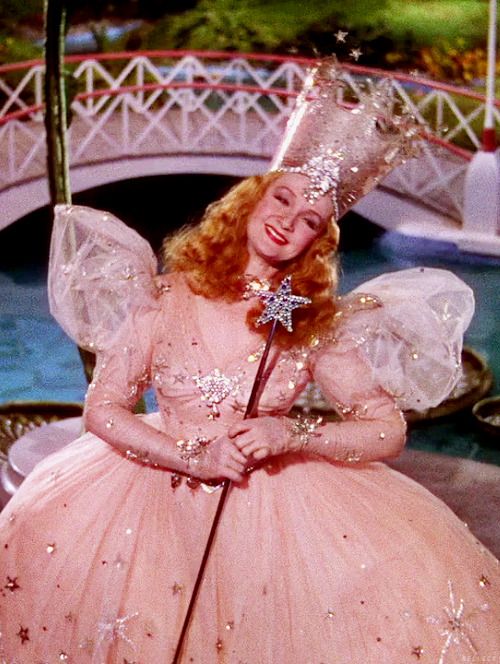
No, we’re not talking Lord of the Rings or Dragonlance (though you can read Dragonlance for either the action sequences or the burning romance of Raistlin and Crysania), but the Earthly plane stories that encompass every facet of storytelling. Magic stories. And magic is the realm of witches and wizards. Witches aren’t usually evil, even if, thanks to Wicked, we’re not sure Glinda is completely a good witch. 

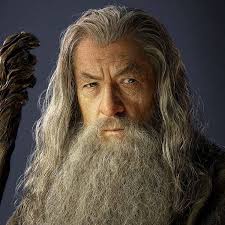
Technically, a male witch is called a … witch. Wizard is also acceptable, the difference being a wizard is usually academically oriented [think Gandalf] while a witch is more self-taught [Granny Weatherwax from the Terry Pratchett’s Discworld books]. Mage is also appropriate, but warlock is a slur. Witchy stories have been around forever – the Biblical Witch of Endor (10th century BCE), Circe of Homer’s Odyssey (8th century BCE), Hecate of the Greek pantheon (Hesiod’s Theogony, 7th century BCE), Merlin the Wizard and Morgan le Fay of Camelot (minimum, the 1100’s, possibly as early as the 400’s), and the witches of Macbeth (1606). Let’s not forget the witches of  The Wizard of Oz, or the terrifying Dust Witch of Bradbury’s Something Wicked This Way Comes, the marvelous Eglantine Price of Bedknobs and Broomsticks, Samantha Stephens of Bewitched, the Halliwell sisters of the TV show Charmed, or The Lion, The Witch, and the Wardrobe. The image of witches was improved by the popularity of Harry Potter and Hogwarts School of Witchcraft and Wizardry. Children’s stories aside, the rise of New-age witchcraft has no doubt helped the rise of witch stories as well.
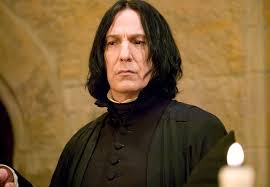
“Witch” or “wizard” is appropriate for men

How did witches come to have such a bad rap? Throughout history, and amplified through Dark Ages ignorance, learned men and intelligent women, women who could read, women who were opinionated, or women who had some sort of good or bad fortune that couldn’t be explained by simple means, were suspected of using dark magic to gain their knowledge, even when it benefited the community itself. Magic, voodoo, and good or bad spirits were all people had to explain what was to them unexplainable any other way. Maybe your sheep all had twin lambs, but neighbor Geoff, who took poor care of his sheep, had 5 die in birthing – surely you must have worked dark magic on his sheep! All your 15 children survived the plague? You must be a witch! While New-Age witches study nature in all its forms, in reality, no study anywhere has proven that magic – not the magician kind – has any basis in fact.

Modern stories of magic run the full gamut, from cozy mysteries (such as those by Bailey Cates), humorous fantasy (Terry Pratchett’s Color of Magic series), Courtly intrigue without the morbid gore of Game of Thrones (The Chronicles of Amber series by Roger Zelazny), to the wildly popular Discovery of Witches series by Deborah Harkness, and the book and TV series of Jim Butcher’s Dresden Files. If you don’t like the idea of reading a fantasy book, try a more mainstream author like Alice Hoffman’s Practical Magic series, or The Year of Wonders, by Geraldine Brooks, or A Secret History of Witches, by Louisa Morgan. Harry Potter they are not. 

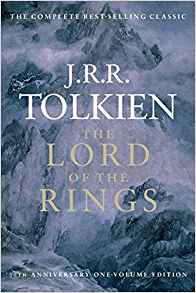
My favorite witches of literature? Gandalf, of course, from Lord of the Rings, along with Molly Weasley and Minerva McGonagall from Harry Potter, Ole Meg from Clifford D. Simak’s A Heritage of Stars, Raistlin Majere of Dragonlance, and perhaps Lady Jessica Atreides in Dune (yes, the Bene Gesserit are witches).

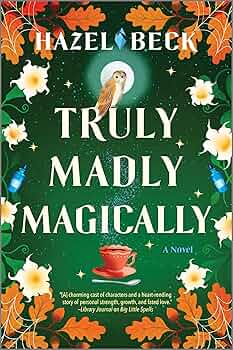
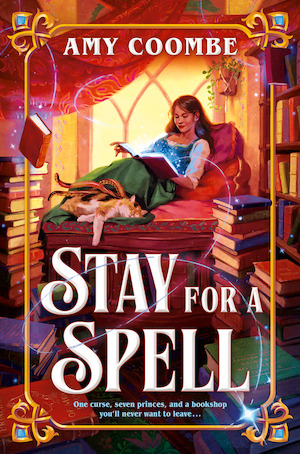
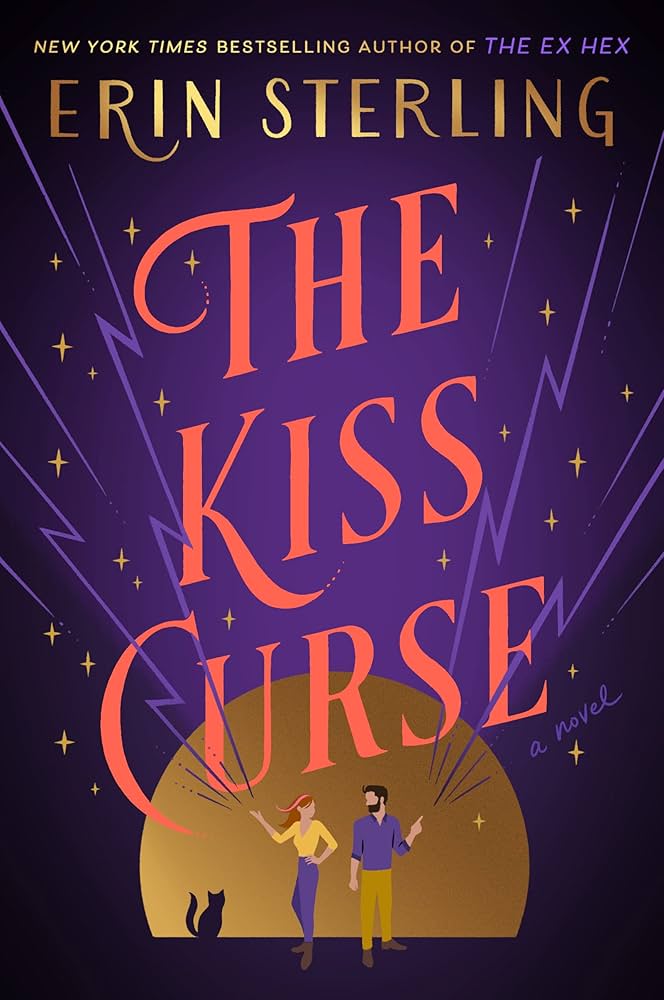
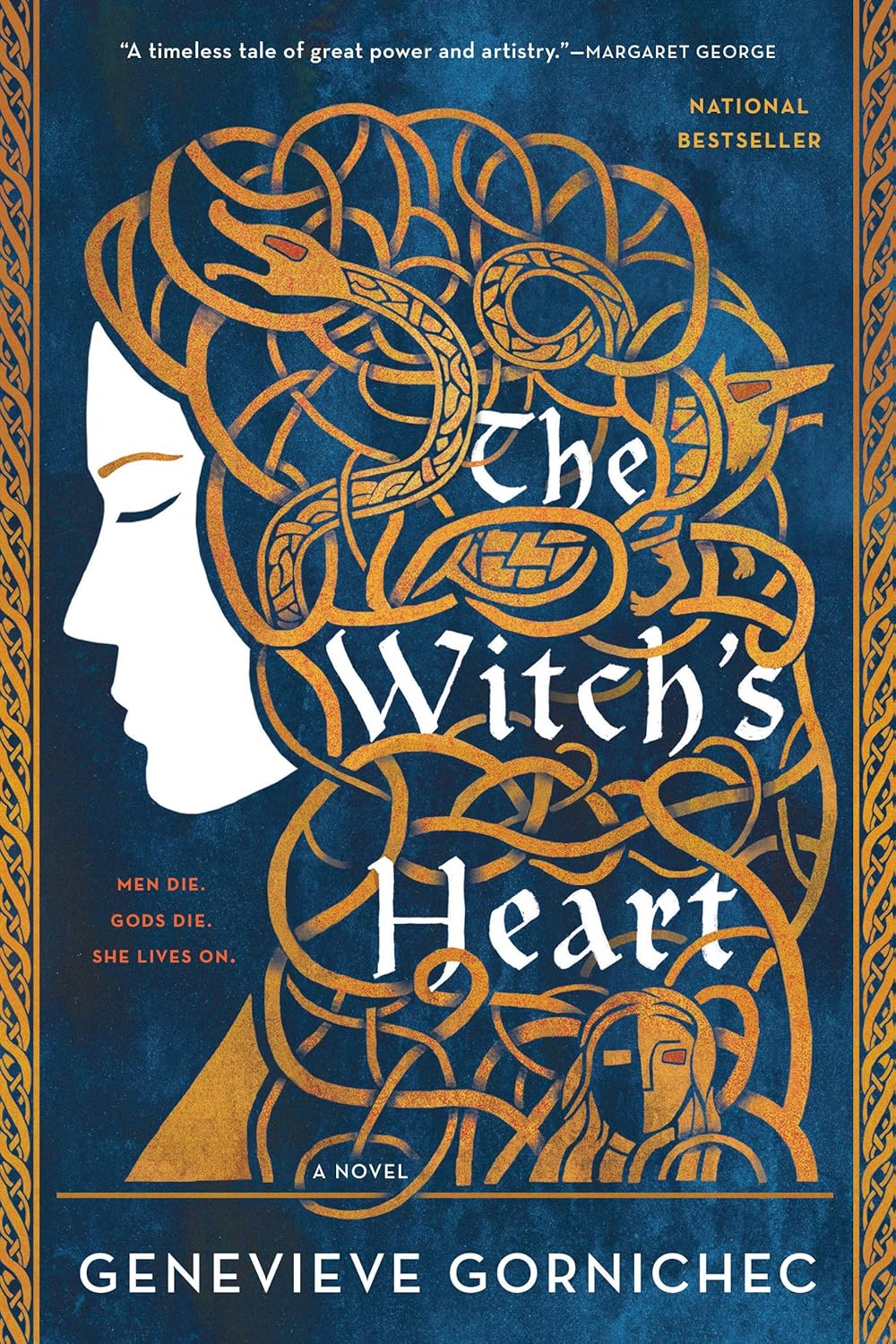
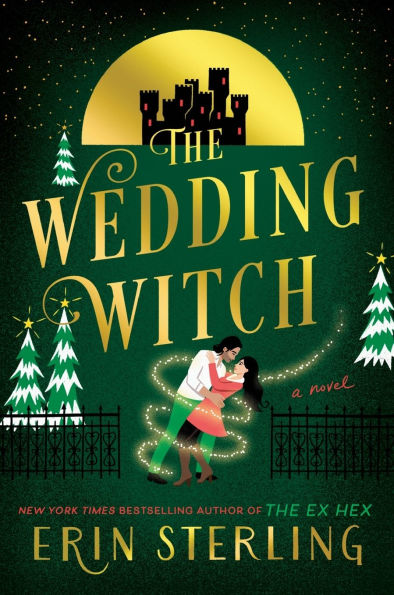
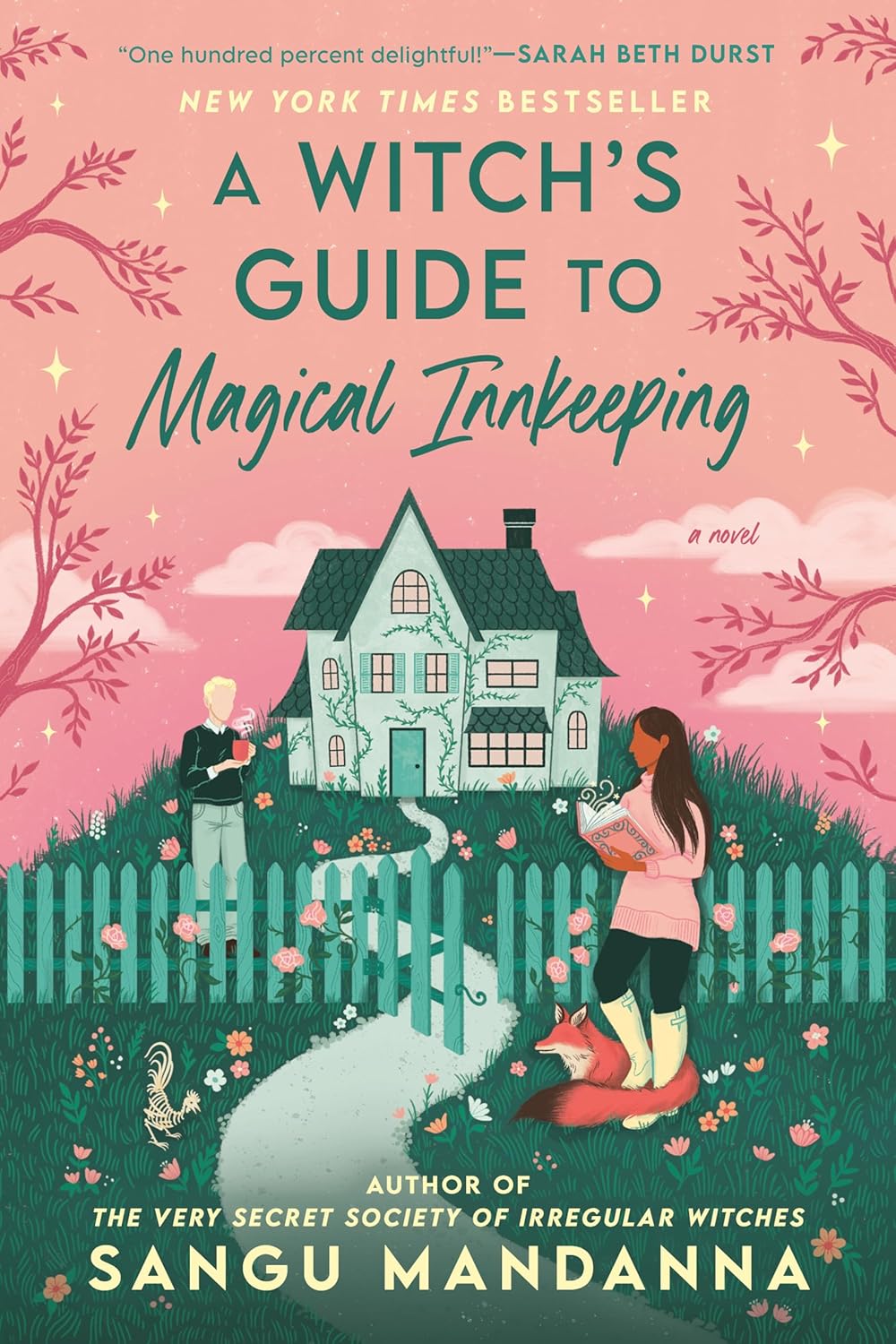
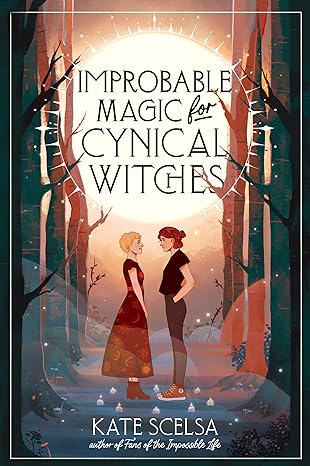
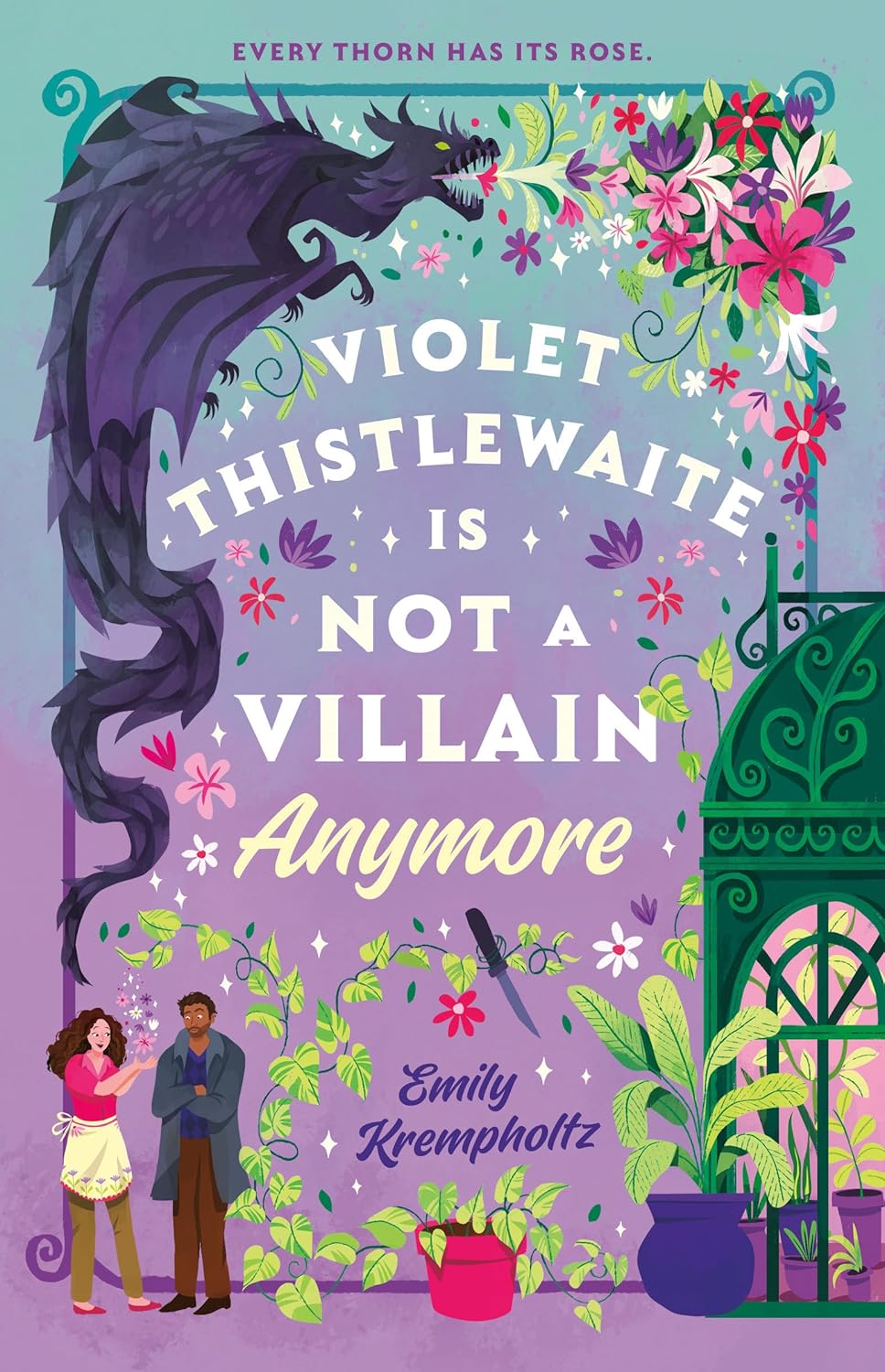
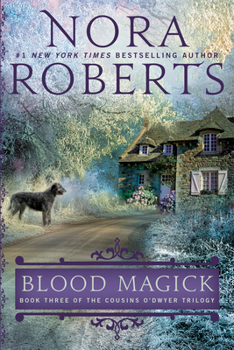
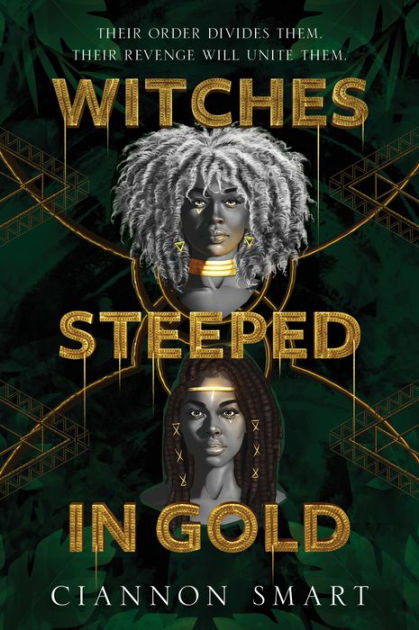
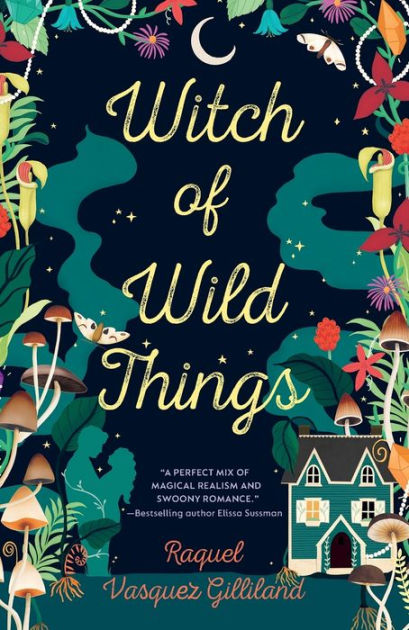
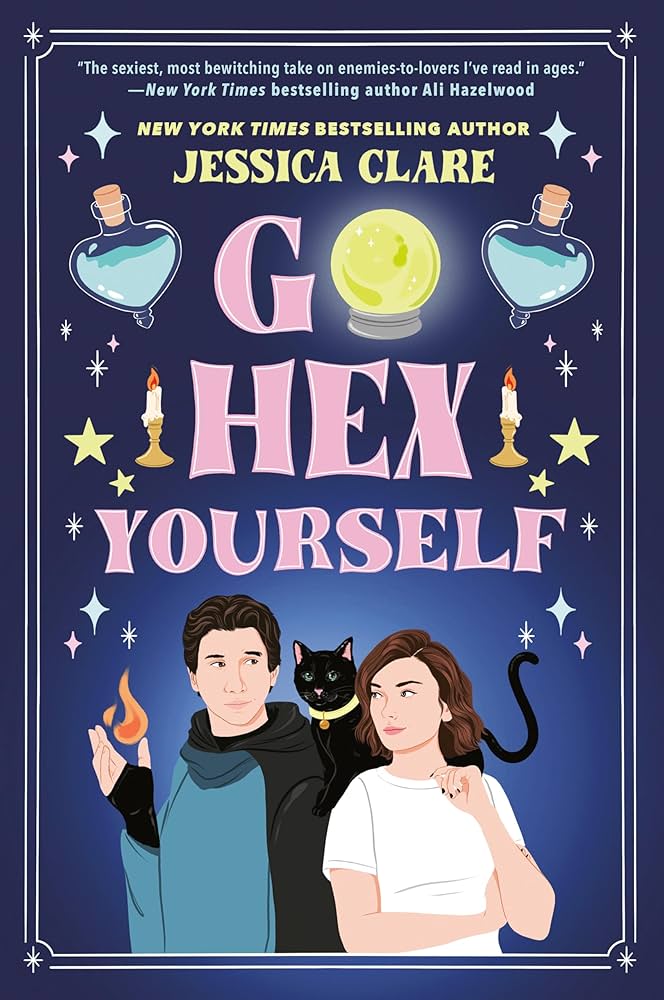
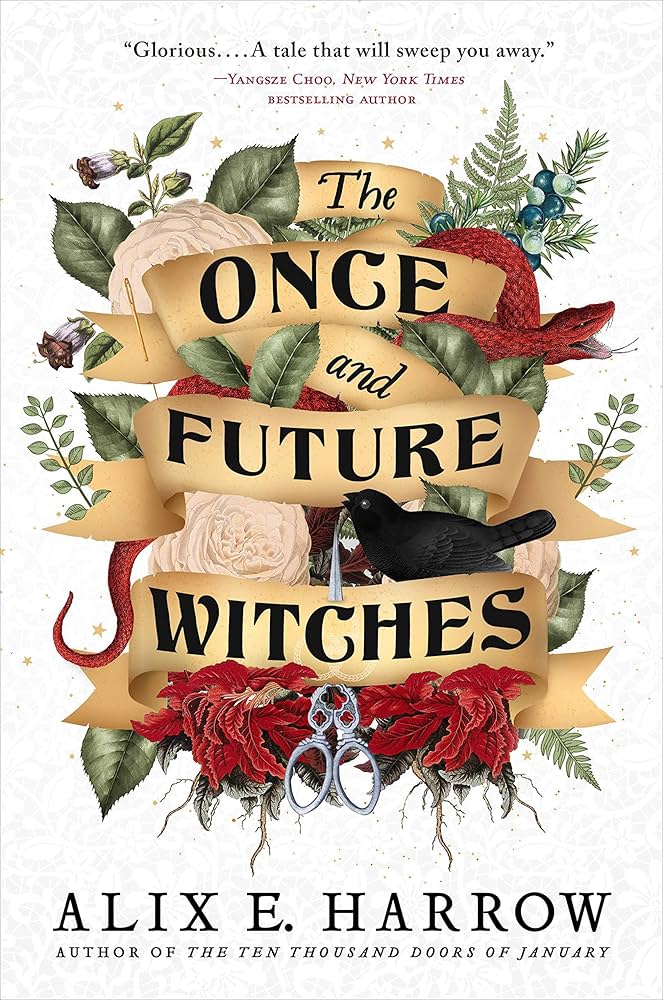
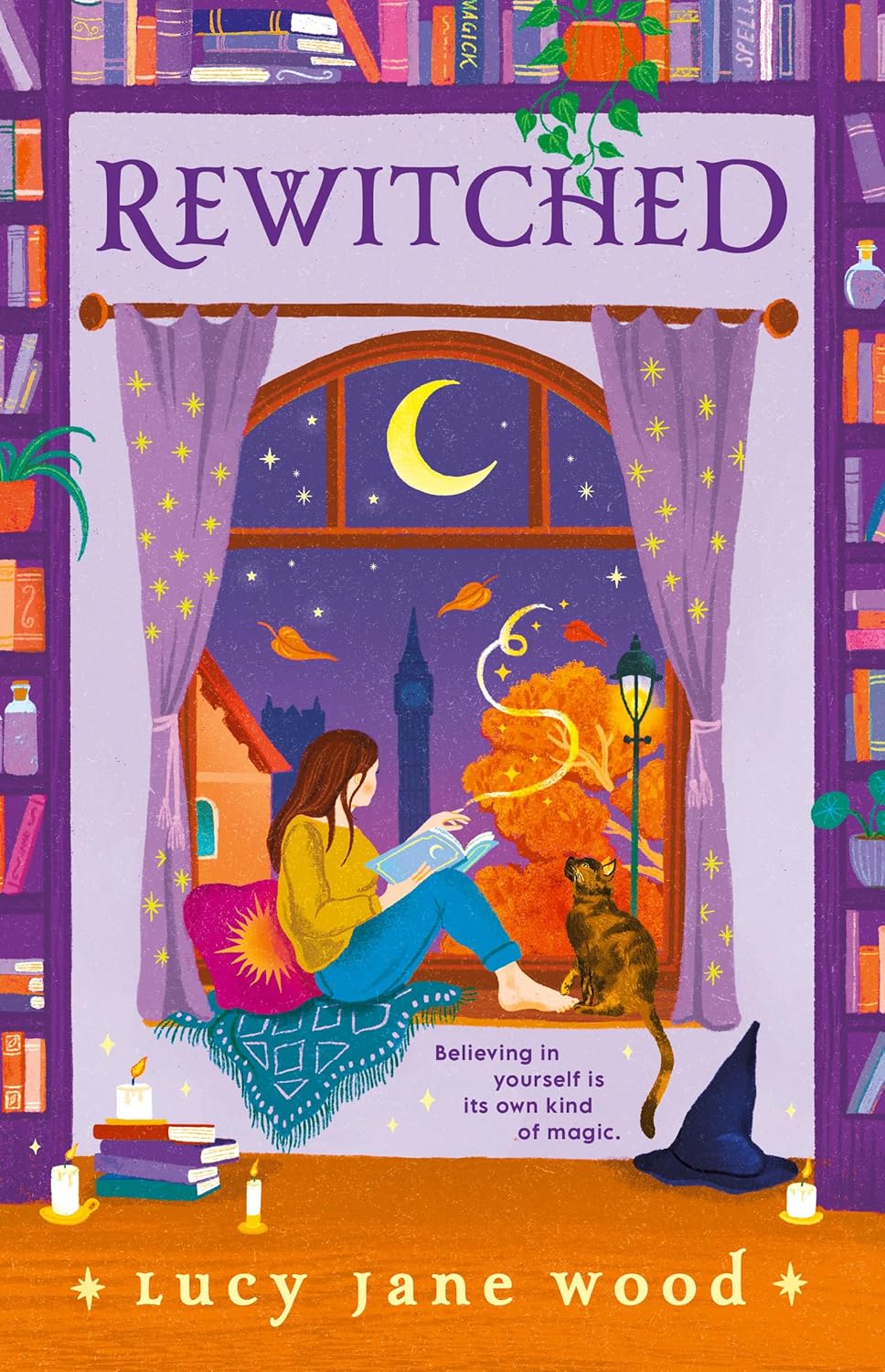
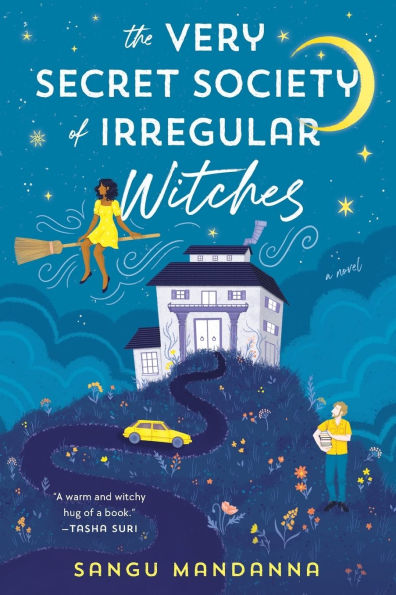
If you’re looking to put a little magic in your life, or just escape the pressures of our Earthly plane, check out some of these trending books!

Upcoming Books-to-Movies

Not every book becomes a movie; not every movie started out as a book, but the two feed off each other like peanut butter and chocolate. Many of the top Oscar-winning films started out as books (The Godfather, Lord of the Rings, One Flew Over the Cuckoo’s Nest, No Country for Old Men, Schindler’s List, and more). Some movies were better films than their book (in my opinion, Planet of the Apes, Poseidon Adventure, and Casino Royale are three). Some people want to read a book before they see a film adaption, while others see a great film and want to read the book to see if any good bits were left out.

If you’re of the group that prefers to read the book first, better get started! A whole new wave of book adaptions is readying for the coming year. Here’s a peek at some of them:

Old Possum’s Book of Practical Cats – that’s the collection of T.S. Elliott’s poem collection that became the musical CATS. Whether this is a filmed “stage” production or a cohesive musical film remains to be seen, but it stars Judi Dench and Ian McKellan, no theater slouches. Look for it at Christmas.

Death on the Nile – Kenneth Brannaugh’s second attempt to capture Agatha Christie’s Hercule Poirot in a mystery due out in October of 2020. It also stars Gal Godot of Wonder Woman fame.

Doctor Sleep – Stephen King’s sequel to The Shining stars Ewan McGregor as the adult Danny Torrence, due out in November 2019.

Dune – Yet another attempt to harness Frank Herbert’s cornerstone classic, most assuredly without the winged underwear. Although it bears an all-star cast, I loved the deep details of the novel, and I have a special affinity for the admitted mess of the 1984 Lynch adaption. Like Batman, all the reboots get tedious after a while. Sometimes you can’t capture greatness.

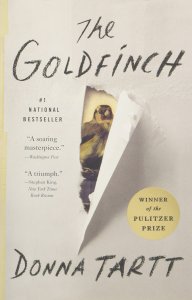
The Goldfinch Donna Tartt’s Pulitzer-Prize winning novel hits theaters in September of 2019. It has promised to be faithful to the book, a coming of age story of a boy whose life changes in an instant.

The Turning – A modern adaption of Henry James’s Turn of the Screw, it’s produced by Stephen Spielberg. Spielberg’s track record isn’t perfect, but still one of the best in Hollywood. The story is the one of the classic horrors of literature. Due out in January of 2020.

Little Women – The long-time classic of girl literature by Louisa May Alcott, it was first adapted for film in 1933, and most recently in 1994. A very strong cast (Saoirse Ronan, Emma Watson, Timothée Chalamet, Laura Dern, Meryl Streep, the list goes on) has given this move a lot of buzz. Now’s the time to catch up on the classic story you may have missed (it’s not as bad as you fear). Look for it at Christmas, 2019.


The Good Liar – Nicholas Searle’s novel will star Helen Mirren and Ian McKellan as a con man trying to steal from a widow who has more than one trick up her sleeve. Look for it in November of 2019.

The Woman in the Window – A.J. Finn’s #1 thriller of a woman who witnesses a crime will star Amy Adams, Julianne Moore, and Gary Oldman. Since Disney acquired 20th Century Fox, it’s technically a Disney film (with no princesses, no mermaids, and no singing), due out in October of 2019.

Bond 25: Ian Fleming wrote only 12 Bond novels, and two collections of short stories. The films have now exceeded the original material. The movie has been through a long list of issues from a revolving door of writers and directors to explosions on set, and the working title of Bond 25 gives away no details about the story, but you can get your fill on the original novels. The movie, purportedly the last for Daniel Craig, is set for April of 2020.

Deadpool 3, Black Panther 2, Black Widow, Wonder Woman 1984 : 2020’s crop of Comic-book Hero films, from Marvel and DC. Most of them still have current story lines, or track down the older versions online or in graphic novel compilations.

Motherless Brooklyn – Jonathan Lethem’s novel of a detective with Tourette’s Syndrome searching for the killer of his best friend won multiple awards for fiction and crime fiction. The all-star cast is headed by Ed Norton, who stars, directed, produced, and wrote the script. During filming, a set caught fire and a fireman died during the response, fueling accusations and lawsuits. It’s due out in November of 2019.

Myth-ing Persons : Heroes of Myth and Legend

January began as one of the last months of year, not the first.  The start of the Roman calendar (and the astrological one) was March. Back then there were only ten months to the year, totaling 304 days. Between was a miasmic 66 monthless days of “winter.” According to legend, Numa Pompilius, the second King of Rome (after Romulus himself), added January and February to codify that winter term (along with a catch-up month every other year of 22 days).

Was Numa a real figure? History leans toward yes, born around 753 BC. Both Plutarch and Livy (major Roman writers) wrote about him. He codified Roman laws and religion, so we know he actually lived, but like many legends, there are stories about him that are most likely fable.

Every culture has their grandiose heroes of myth and legend. Some we know are fantasy (Beowulf), while others we know are fact (Jesse James). Let’s look at some famous heroes that history can’t make up its mind about.

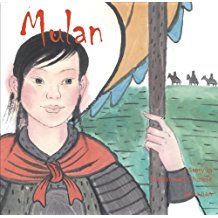
Mulan

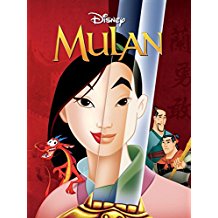
Disney’s Mulan is based on a Chinese poem called The Ballad of Mulan. She is believed to have lived somewhere between 386 CE and 620 CE (if you’re not up on your history, Common Era has replaced the Anno Domini). She takes her aging father’s place in the army, and serves for twelve years without her fellow soldiers realizing she’s a woman. Depending on the source, her name might be Hua Mulan, Zhu Mulan, or Wei Mulan. Although she’s first mentioned by the 500’s, historians can’t decide if she’s real or just an interesting story.


John Henry

The steel-driving African American of song fame who managed to hammer more rock than the new-fangled steam drill before collapsing and dying was likely a real man. In the 1920’s, sociologist Guy Johnson tracked down not only people who claimed to have worked with John Henry, but one man who claimed to have seen the showdown. The front runner for the actual location is during the cutting of the Big Bend Tunnel in Talcott, West Virginia, around 1870, but no one has definitive proof.


William Tell

A folk hero of Switzerland, Tell was an expert bowman. When Switzerland fell under control of the Habsburgs, a magistrate put his hat on a pole and demanded all citizens bow before it, or be imprisoned. While in town with his son, Tell refused to bow, was arrested and sentenced to death – though, since he was such a marksman, the Magistrate would let him go if he could shoot an apple off his son’s head. Tell did so, was arrested anyway, escaped, and the people rose up in rebellion, in an act considered the founding of the Swiss Confederacy, around 1307. Some historians believe Tell is merely a new twist on an old Danish fable.
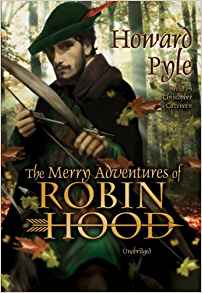
Robin Hood

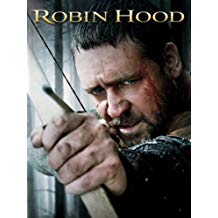
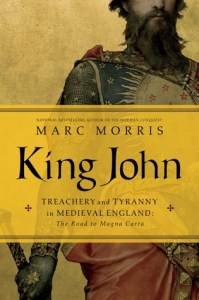
     The story of Robin Hood, Maid Marian, Prince John, King Richard, and the Band of Merrymen has been told for almost a thousand years. We know King Richard and Prince John are real (Richard took the throne in 1189), but there is debate about Robin Hood. Most likely a yeoman, not a noble, the name Robin was about as common as fleas, and the word Hood (sometimes Wood; the Old English were creative spellers) simply meant a man who made or wore hoods – more common then than hats. History’s been singing about him since the 1300’s, but his true identity isn’t known. If you can, check out the BBC series Robin of Sherwood.


King Arthur

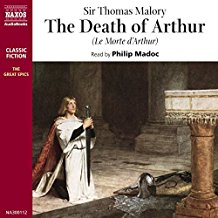
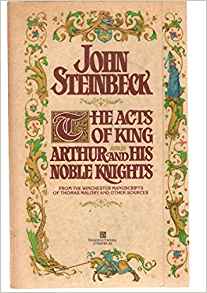
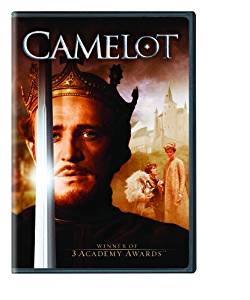
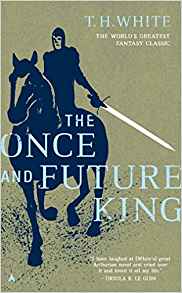
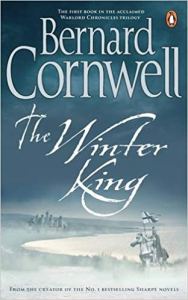
Oh, Arthur! How we want to believe! Of all legends, yours is perhaps the most influential of any! Your mage Merlin/Myrrdin is the direct ancestor of Gandalf, Dungeons and Dragons, Dumbledore, and more.  “Arthur” (depending on spelling) is believed to have actually been a military leader who fought battles against the Saxons around the end of the 5th century. The earliest possible references to him date to the 600’s, though some discuss a Battle of Badon but give no mention of a king named Arthur.  Geoffrey of Monmouth was the first to give a romanticized version in the 1100’s, then Thomas Malory came along in the 1400’s and standardized the legend. T.H. White called him the Once and Future King, and Lerner and Loewe put it all to music so we could remember it easier. Arthur was probably real, but not quite as mystical as we’ve been made to believe.


January’s a harsh month, but 31 days is sure better than 66, so curl up with a legendary figure, real or possibly not, and decide for yourself.


Childhood Horrors

Sometime ago in the mists of the last century, there were only three TV networks. On holidays, you usually had the choice of a football game, a different football game, or the longest movies the network could find – usually Chitty Chitty Bang Bang and The Sound of Music.  Chitty, an overly technicolor musical, scared the daylights out of me. As soon as that Childcatcher came prowling, I was behind the sofa holding my breath. Today’s kids would just send his photo to Instagram and beat him up.

Children see things differently. Some are easily spooked, some are skeptical from birth. Kids misunderstand and misinterpret things, and that alone can create unfounded horror.

Obviously, most children’s films try to avoid horror, but what’s marketed to kids is not always Barney and Big Bird – few Grimm’s Fairy Tales end happily ever after. Poltergeist –  ghosts, demons, peeling faces, and evil clowns in child-swallowing glowing closets – was only rated PG. PG, because PG-13 hadn’t been invented yet.

Young Sherlock Holmes (the food nightmare) scarred one of my children; to this day she won’t eat cream puffs. Tim Burton’s Mars Attacks! and its disembodied heads was another. Another didn’t trust Nazgûl (nor should you), and was terrified by Matilda. The 1971 Alastair Sim animated A Christmas Carol, with its writhing starving waifs and the faceless, voiceless Ghost of Christmas Future taints every incarnation I’ve seen since.

If your child likes spooky things and wants to be a part of the Addams family, here’s a list of kid’s films – honest! – that just might give your kid the shivers. If you have a child with a more sensitive nature, you might want to wait a few years on these:

Toy Story – Oh, doll-headed spider and hook-bodied Barbie, how we hate you! You may be Pixar, but you’re scary!

Coraline – Creepy button-eyed fake parents trying to steal a child?  Hmm….

Labyrinth – Sure, we adore Bowie, but these are Muppets who steal babies, chase girls with drill bits with intent to kill, and drop people into pits lined with talking disembodied hands. ‘Nuff said.

Something Wicked This Way Comes – Disney likes to whistle and pretend this isn’t theirs, but Ray Bradbury didn’t edit the scariness out of his novel of two boys and an evil carnival run by Mr. Dark, complete with electrocutions and freakshow.

Who Framed Roger RabbitBut this is a comedy! you cry – and it is, until crying Toons get faced with The Dip. Be prepared for a talk on death.

Return to Oz – if the flying monkeys didn’t scare you, perhaps Dorothy’s electroshock treatments will.

Jumanji – sure, it’s a game, but a deadly one. Floors that swallow people are just some of the issues; the intensity and situations may be too much entirely for young viewers.

Harry Potter series – yes, the first one is a charming tale of an orphan boy who learns he’s a wizard, but the stories get darker, and major beloved characters start dying. By the third film, Voldemort is embodied evil and believably out to get Muggles. Like your child.

The Dark CrystalFraggle Rock it’s not. It’s a dark Muppet film with lots of dark themes. Preteens maybe, but there’s no Elmo to lighten it for the little kids.

Gremlins – another movie made before PG-13, so it was stuck with PG. Gremlins are cute little things until you feed them, and then they become psychopathic demons out to harm and kill.  If preteen horror films was a separate genre, this would be one of their cornerstones, along with perhaps The Witches, Watcher in the Woods, and Jaws (which is also only PG).

Willy Wonka and the Chocolate Factory – let’s face it, Roald Dahl is almost never nice to children. Here alone, he sucks them up pipes, dumps them down garbage chutes, and has them cornered by very scary men in dark alleys asking them to sell their souls for money. But the crowning touch cited by many critics is the boat ride  scene, all psychedelic and threatening – but that’s the way it is in the book, too – a disorienting journey where everyone believes Wonka’s looney.

Every parent knows their child best. Some kids like a scary movie, some kids will wind up sleeping in your bed for a week with all the lights on. If your kid shows interest in scary movies, these might be a gentler introduction over, say, The Exorcist. Just be aware that even a seemingly wholesome, kid-marketed movie can have some really scary moments when you least expect it.

Unsung Heroes: The Soundtracks of Your World

Think of your favorite movie or television program. Now think about watching it with the sound turned off. It’s just not the same, is it?

amiv9s537f2i3cn7y4noEvery film, starting with the advent of the movie theater, has some sort of background music that adds to the drama of the moment. You know many of these tunes without even thinking, like Chopin’s Sonata No. 2 in B-flat Minor. Say what? You might know it better as the iconic Funeral March, parodied in umpteen cartoons and shows. Even if you’ve never seen the films, you can probably recognize the theme from Rocky, or Star Wars, Raiders of the Lost Ark, or Purple Rain. Remember the hits Ghost Busters, Saturday Night Fever, or 9 to 5? Those all began as movie songs. Think of na-na’ing with Batman or to Jaws, Hawaii Five-O, or Bad Boys, the theme from the white-T-shirt-promoting TV show Cops. Soundtrack songs stick in your head, sometimes without you wanting them there.

Sometimes a soundtrack can introduce you to music you wouldn’t normally listen to11avneu. My chances of cranking Mozart in my car are close to zero, but I’ll watch the film Amadeus over and over, reveling in “Salieri’s” moving descriptions of Mozart’s music, and I’ll feel every note of its beauty. I’m not too much into old-timey twangy folk, but the soundtrack to the 30’s-era epic Oh Brother, Where Art Thou? adds an earthy realism to the film. Stand By Me is chock full of pop hits from the early ’60’s. Ditto for Forrest Gump, whose soundtrack is pretty much a history of modern American music. Sometimes the music seems to have nothing to do with the movie but we love it anyway, such as Simon and Garfunkel’s top hits from The Graduate. The folky acapella track of Katniss singing “Hanging Tree” in Mockingjay hit number one on the charts in England. Philadelphia has a nice variety of music, from Oscar-winning pop hits to opera. The old British comedy series Young Ones used to spotlight different songs, and got me hooked on the group Madness.

10-jack-sparrow-pirates-of-the-carribean.w529.h529There are times, however, that the orchestral music in the background of a film or TV series is so beautiful it can distract you from the film itself. The soundtrack to Thor did that to me; the movie was engaging, but the music drew your ear away. Pirates of the Caribbean is another – what is Jack Sparrow without his sneaky tiptoe music? Like Star Wars, the music themes give away what’s coming next. The soundtrack to The Lord of the Rings is majestic, speckled with sung tracks by Bjork, Annie Lennox, and the vastly underrated voice of Billy Boyd – Pippin himself. If you want to find a good one fast, John Williams is probably the undisputed King of Soundtrack music, but also look for Hans Zimmer, Danny Elfman, Howard Shore, and the late James Horner. Every one of them makes soundtrack music look effortless. You may not like “classical” music, but these orchestral arrangements – “modern classical” – can put a different voice to the genre.

Soundtrack music can make or break a film or TV show. I’ve never seen 1981’s ChariotsScooby-gang-1969 of Fire, but that darned theme is still stuck in my head. Whether or not you liked the shows, the title themes from The Brady Bunch, Gilligan’s Island, The Addams Family, and The Mickey Mouse Club remain cultural icons, still widely recognized decades later. It was a song in the middle of the movie version of M*A*S*H* that later became the opening theme for the television series. Forty years later we still know the theme song to Scooby Doo, a show that originally ended in 1976, or The Flintstones (ended in 1966), but no one remembers the theme from Holmes and Yoyo, Dharma and Greg, Eureka, or even Monk. Half of Malcolm in the Middle’s charm was the catchy theme by There Might Be Giants.

Having a “soundtrack” album isn’t just for Hollywood musicals – those are a class by themselves – but for every film or TV series, and most of them, good or bad, have released one, though some may be hard to find (took me years to find the soundtrack to Ladyhawke, a poorly filmed but underrated movie). Check out the film, then check out the soundtrack. You may be delightfully surprised.

What movie or TV music rocks your world?