Have you ever had that feeling of dismay when something you believe and love is crushed before your eyes?
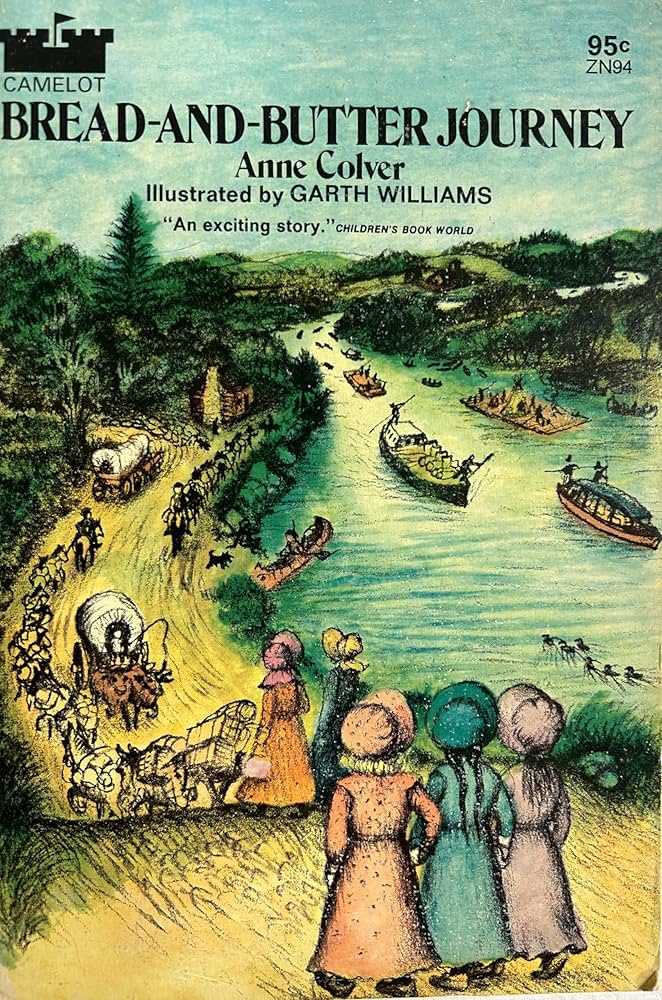
Having finished our last communal reading book, my youngest brought me another book off her shelf to read together, Bread and Butter Journey, by Ann Colver. Printed in 1972, it’s my original Scholastic copy. I loved this book when I was eight, steeped in the hoopla of Little House on the Prairie, from which I sidestepped into B&BJ, Caddie Woodlawn, Let the Hurricane Roar, Anne of Green Gables, and more. The illustrations being done by Garth Williams, of Little House fame, only made it that much dearer. I hadn’t read it in 40+ years, but I hadn’t forgotten the details. I was happy to read it again.
Bread and Butter Journey follows the 1784 travel of young Barbara Blaum (age never given, but somewhere in the 8-10 range) from her home in Pennsylvania to Ohio, where her father and her father’s friend were buying up farmland on the frontier. As in all stories with children, she misses home, misses her father, hates her brother, and in the end learns to love life more than things. Wholesome pioneer reading for the 7-11 crowd, and it’s based on the journals of the real Barbara Baum, the author’s husband’s great-great grandmother. Should be good, right?
But I am not eight anymore, and I’ve studied a lot of college-level history, especially the settling of the west. And the more I read this time, the more horrified I became, crushing my cozy memories. This book was not just historically inaccurate; it barely fit under the term historical at all. I kept stopping cold and explaining the problems to my girls as we went.
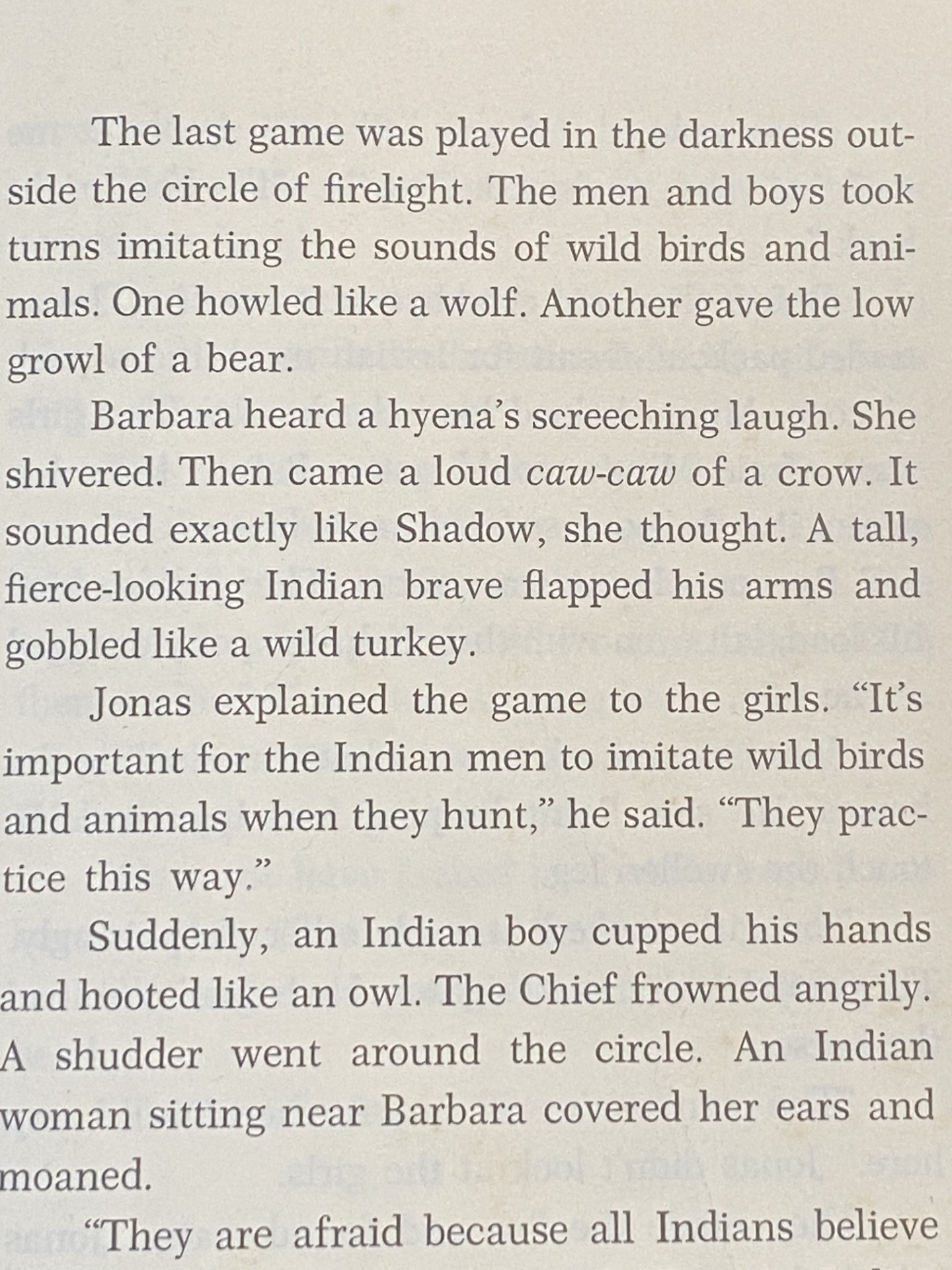
My first question mark arose when they made way on the path for the Pony Express. Hold your horses! This is Pennsylvania, 1784. The Pony Express only ran for 18 months, and the furthest east it went was St. Louis, Missouri – in 1860, 80 years in the future! I burst out laughing when they mentioned hyenas howling in the night. Yes, hyenas. An African animal that I assure you with total faith was not in the wilds of western Pennsylvania in 1784, not even in a zoo, and no one out there had ever known of. Just what was that woman thinking! I will let the idea of putting up fruit preserves slide, even though berries would be out of season (October at least). Canning food wasn’t invented until 1795, and the common Mason jar until the 1860’s. But people had been preserving fruit in jellies by pouring the jelly into pots and “sealing” them with wax or waxed paper since at least the 1500’s, so I don’t believe it, but I’ll allow it as possible. They seem to make bean soup in the matter of an hour, when anyone who’s ever dealt with dried beans (including Laura Ingalls Wilder) knows they must be soaked overnight, and even then, it takes more than an hour to cook them. In addition, it wasn’t legal to settle in the Ohio area until 1787, with the first permanent settlement in 1788. Yes, American Indians (probably Shawnee) had every right to kill anyone encroaching on their land.
Argh. The only thing that was actually right was the state of Pennsylvania existed, and there actually was a Fort Hannahstown in Western Pennsylvania. I was crushed, to say the least. My daughter loved the book anyway, though after treasuring it for so many decades, I’m ready to get rid of it.
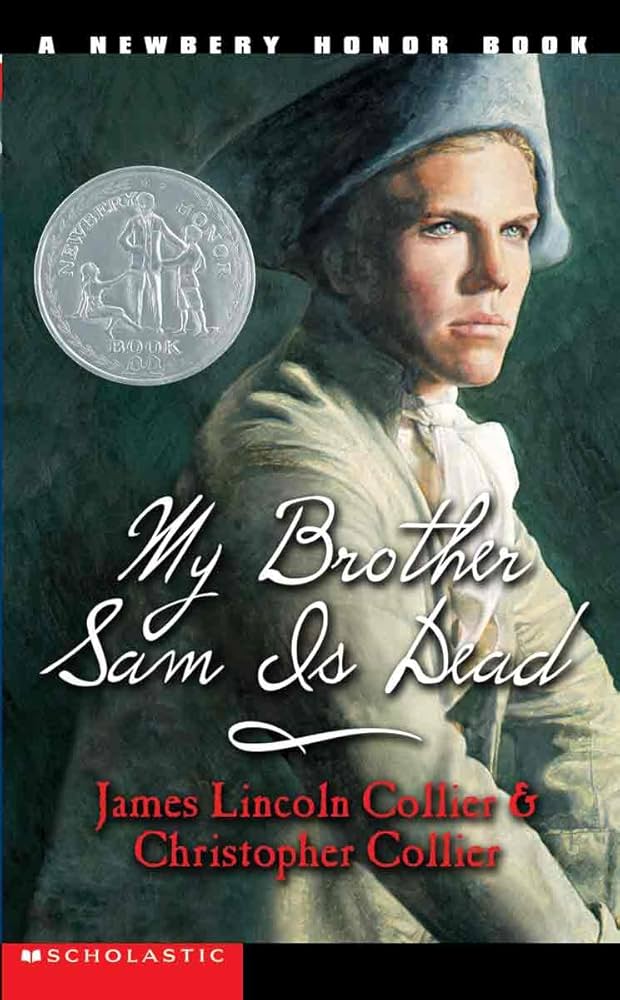
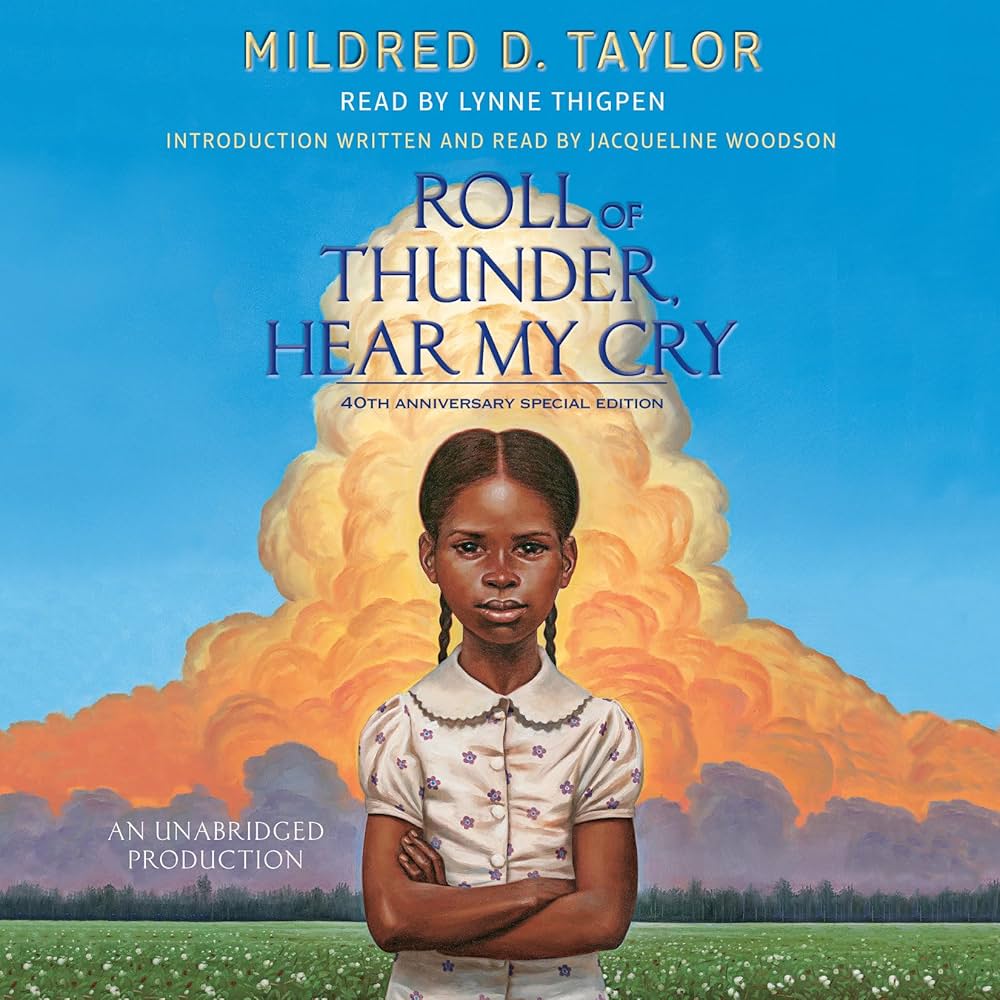
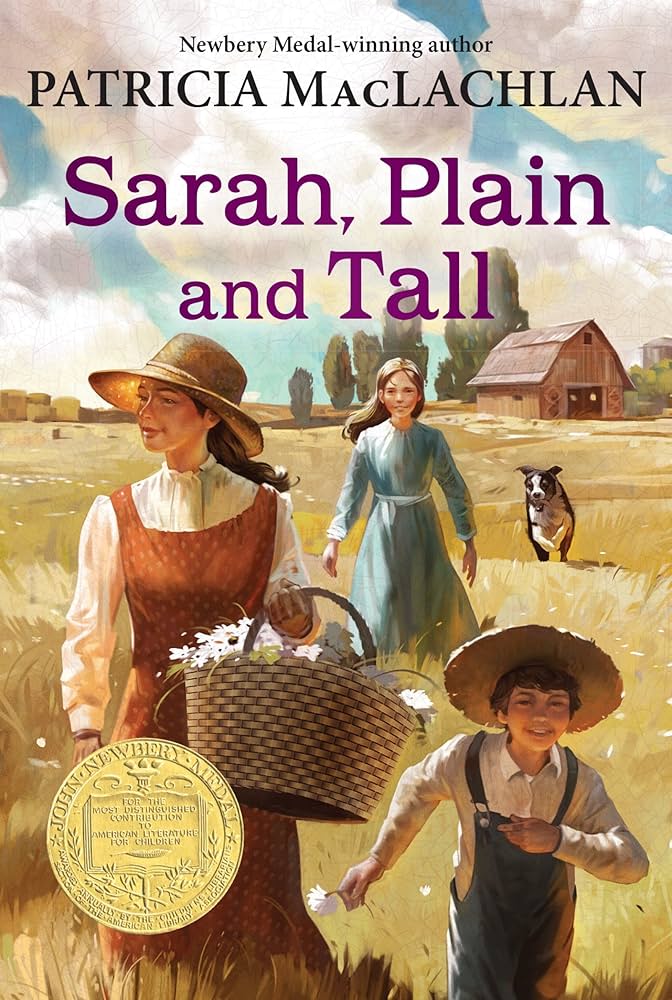
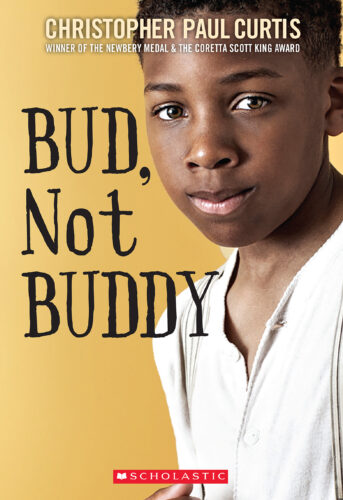
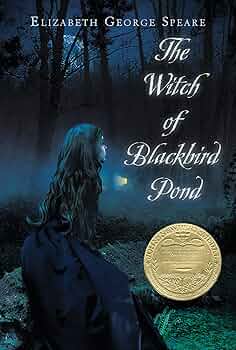
So what books are historically accurate for children? Okay, in 1970 we didn’t have an internet, and research had to be done in libraries or textbooks, by far a lot more time-consuming. There’s no excuse for any inaccuracies today. My favorites have always included My Brother Sam is Dead, by James and Christopher Collier, which won a Newberry in 1975 and takes place in Connecticut during the Revolutionary War. You can actually visit some of the places in the book, and if not the exact place, the towns still exist. Beware that the book is often banned in Southern schools, for including the words “hell,” “damn,” and “bastard.” Rough stuff. Spies on the Devil’s Belt is from the same era, and also takes place on the shoreline of Connecticut.
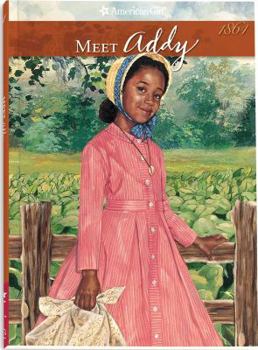
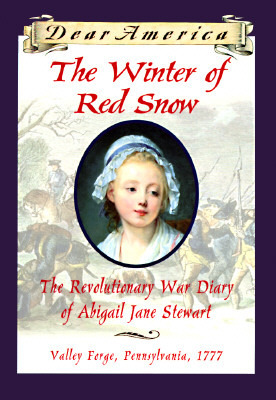
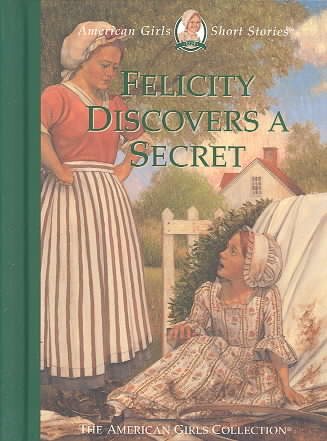
The entire American Girl series, whether or not you want to plop down $150 for each accompanying doll, is praised for its historical accuracy. Covering different cultures and eras, from Kaya, a Nez Perce girl from the mid 1700’s, through Julie, who celebrates Chinese New Year in San Francisco in the 1970’s, the stories will give a good glimpse into what it was like to live in that time period. They’re uncomplicated, and it’s their simplicity and focus that keeps them from falling apart.
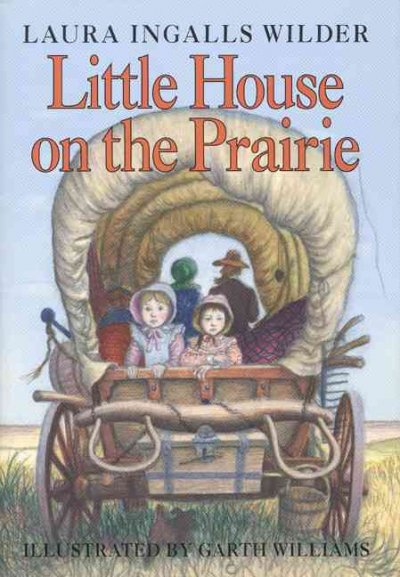
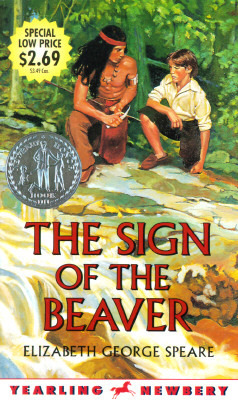
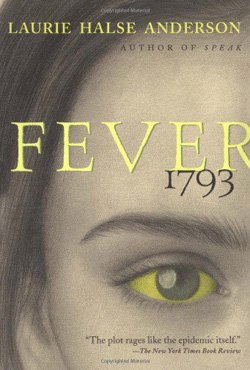
The Little House on the Prairie series give an excellent view of 1870’s America, by someone who actually lived it. Same with Tom Sawyer or Huck Finn, perfectly accurate because Mark Twain lived them. Laurie Halse Anderson’s Fever 1793 and Seeds of America trilogy are highly regarded, as well as Number the Stars, by Lois Lowry, which won the 1990 Newberry Medal. Johnny Tremain, another oldie but goodie, still rings true today, despite its 1944 Newberry Medal. If you can find it, the book On to Oregon! by Honoré Willsie Morrow (and made into the movie Seven Alone) tells a mostly true tale of the seven Sager children who are orphaned on the trail from Ohio to Oregon. The children actually do make it all the way on their own (with a newborn) to Marcus Whitman, a real missionary who took in many orphaned children, but the movie (and tie-in novel) ends happily, ignoring the horrific end that awaited several of them during the Whitman massacre just three years later. Another book of their journey is For Ma and Pa: On the Oregon Trail, 1844 (go ahead, cue the game sound. You know you’re going to.).
What we live today is tomorrow’s history. Children may not see or understand the significance of what they live through today, but twenty years from now they will (I’m still not over the Watergate trials preempting my 8 year old TV watching, but I do get the point now). Spark an interest in the past with any of these or other amazing books, but remember, there are – and never were – no wild hyenas roaming Pennsylvania.
Ever.
For hands-on experiences for children, check out Old Sturbridge Village, just over the line in Sturbridge, Massachusetts, or Mystic Seaport, in Mystic, Connecticut (which is somehow farther away than Sturbridge) (discount pass here).
 Westerns are not my bag. They cover a very short piece of history (usually post-Civil War to the early 1900’s), they’re often trite, and too many of them bore me. You can run down a checklist for almost every one: Horse? Check. Damsel? Check. Angry Indian? Check. Sheriff? Check. Big shootout? Check.
 never seen the entire