Historical Children’s Fiction, Hysterically

Have you ever had that feeling of dismay when something you believe and love is crushed before your eyes?
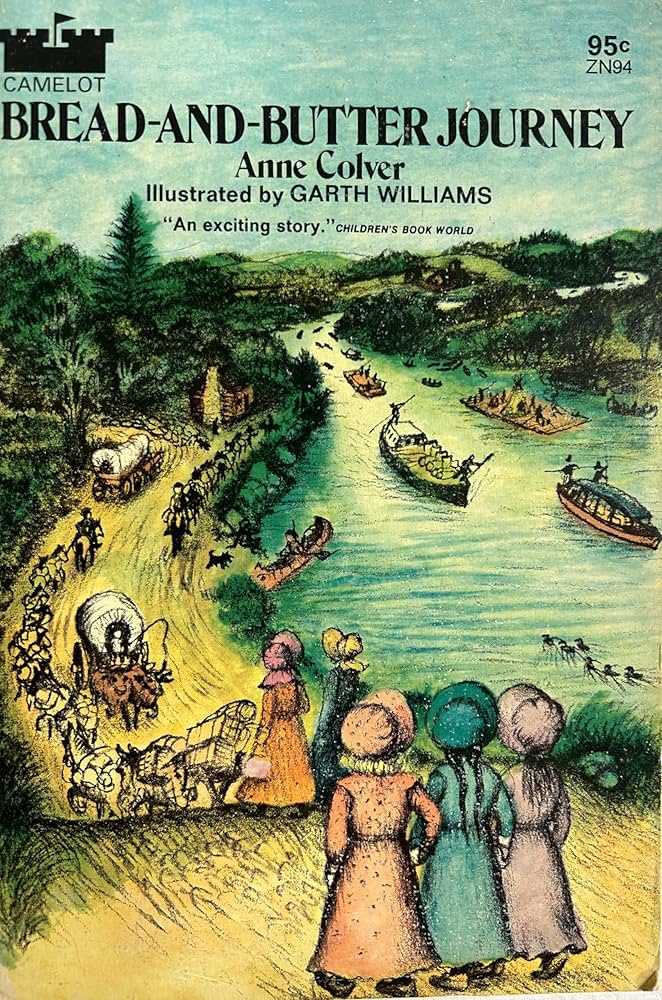
Having finished our last communal reading book, my youngest brought me another book off her shelf to read together, Bread and Butter Journey, by Ann Colver. Printed in 1972, it’s my original Scholastic copy. I loved this book when I was eight, steeped in the hoopla of Little House on the Prairie, from which I sidestepped into B&BJ, Caddie Woodlawn, Let the Hurricane Roar, Anne of Green Gables, and more. The illustrations being done by Garth Williams, of Little House fame, only made it that much dearer. I hadn’t read it in 40+ years, but I hadn’t forgotten the details. I was happy to read it again.

Bread and Butter Journey follows the 1784 travel of young Barbara Blaum (age never given, but somewhere in the 8-10 range) from her home in Pennsylvania to Ohio, where her father and her father’s friend were buying up farmland on the frontier. As in all stories with children, she misses home, misses her father, hates her brother, and in the end learns to love life more than things. Wholesome pioneer reading for the 7-11 crowd, and it’s based on the journals of the real Barbara Baum, the author’s husband’s great-great grandmother. Should be good, right?

But I am not eight anymore, and I’ve studied a lot of college-level history, especially the settling of the west. And the more I read this time, the more horrified I became, crushing my cozy memories. This book was not just historically inaccurate; it barely fit under the term historical at all. I kept stopping cold and explaining the problems to my girls as we went.
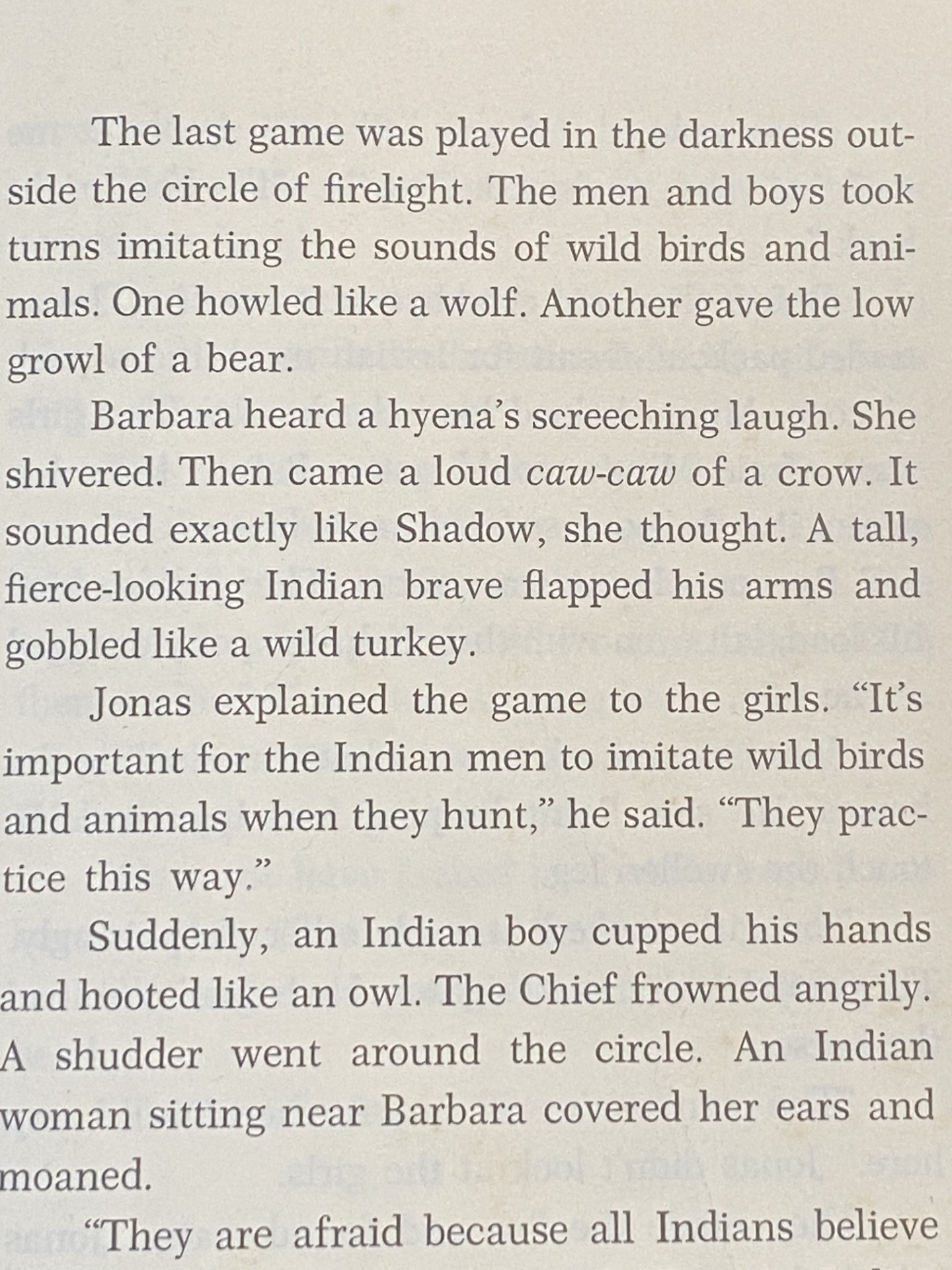
My first question mark arose when they made way on the path for the Pony Express. Hold your horses! This is Pennsylvania, 1784. The Pony Express only ran for 18 months, and the furthest east it went was St. Louis, Missouri – in 1860, 80 years in the future! I burst out laughing when they mentioned hyenas howling in the night. Yes, hyenas. An African animal that I assure you with total faith was not in the wilds of western Pennsylvania in 1784, not even in a zoo, and no one out there had ever known of. Just what was that woman thinking! I will let the idea of putting up fruit preserves slide, even though berries would be out of season (October at least). Canning food wasn’t invented until 1795, and the common Mason jar until the 1860’s. But people had been preserving fruit in jellies by pouring the jelly into pots and “sealing” them with wax or waxed paper since at least the 1500’s, so I don’t believe it, but I’ll allow it as possible. They seem to make bean soup in the matter of an hour, when anyone who’s ever dealt with dried beans (including Laura Ingalls Wilder) knows they must be soaked overnight, and even then, it takes more than an hour to cook them. In addition, it wasn’t legal to settle in the Ohio area until 1787, with the first permanent settlement in 1788. Yes, American Indians (probably Shawnee) had every right to kill anyone encroaching on their land.

Argh. The only thing that was actually right was the state of Pennsylvania existed, and there actually was a Fort Hannahstown in Western Pennsylvania. I was crushed, to say the least. My daughter loved the book anyway, though after treasuring it for so many decades, I’m ready to get rid of it. 
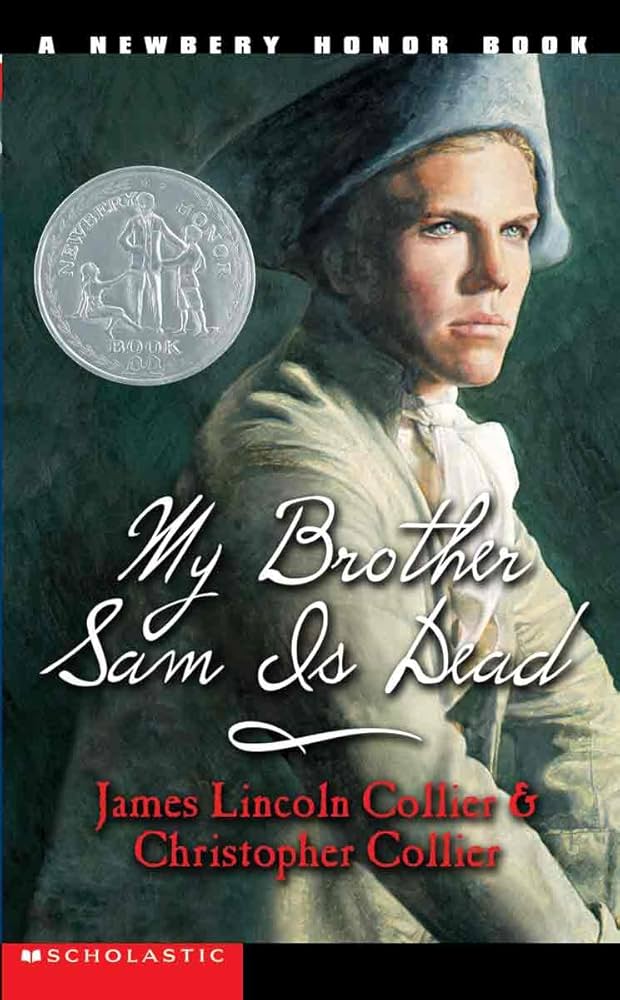
So what books are historically accurate for children? Okay, in 1970 we didn’t have an internet, and research had to be done in libraries or textbooks, by far a lot more time-consuming. There’s no excuse for any inaccuracies today. My favorites have always included My Brother Sam is Dead, by James and Christopher Collier, which won a Newberry in 1975 and takes place in Connecticut during the Revolutionary War. You can actually visit some of the places in the book, and if not the exact place, the towns still exist. Beware that the book is often banned in Southern schools, for including the words “hell,” “damn,” and “bastard.” Rough stuff. Spies on the Devil’s Belt is from the same era, and also takes place on the shoreline of Connecticut. 

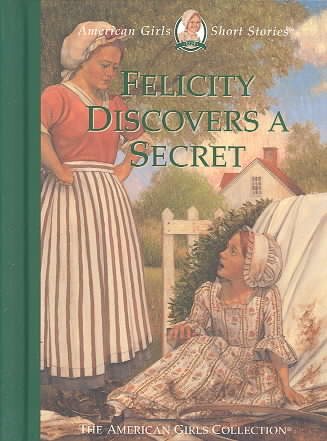
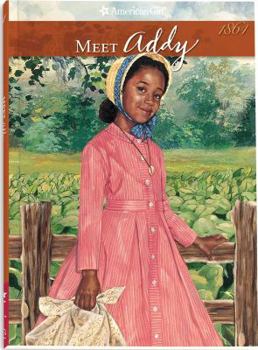
The entire American Girl series, whether or not you want to plop down $150 for each accompanying doll, is praised for its historical accuracy. Covering different cultures and eras, from Kaya, a Nez Perce girl from the mid 1700’s, through Julie, who celebrates Chinese New Year in San Francisco in the 1970’s, the stories will give a good glimpse into what it was like to live in that time period. They’re uncomplicated, and it’s their simplicity and focus that keeps them from falling apart. 

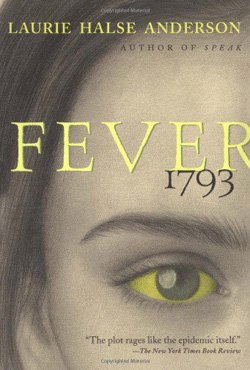
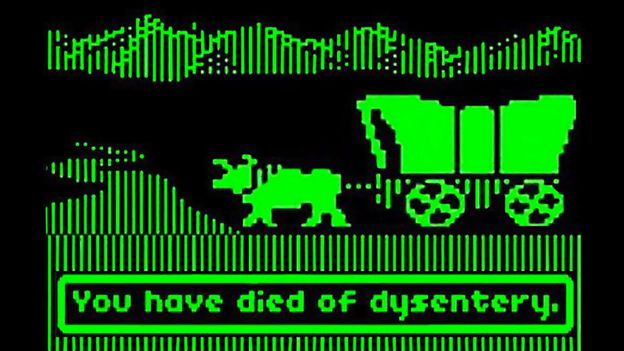
The Little House on the Prairie series give an excellent view of 1870’s America, by someone who actually lived it. Same with Tom Sawyer or Huck Finn, perfectly accurate because Mark Twain lived them. Laurie Halse Anderson’s Fever 1793 and Seeds of America trilogy are highly regarded, as well as Number the Stars, by Lois Lowry, which won the 1990 Newberry Medal. Johnny Tremain, another oldie but goodie, still rings true today, despite its 1944 Newberry Medal. If you can find it, the book On to Oregon! by Honoré Willsie Morrow (and made into the movie Seven Alone) tells a mostly true tale of the seven Sager children who are orphaned on the trail from Ohio to Oregon. The children actually do make it all the way on their own (with a newborn) to Marcus Whitman, a real missionary who took in many orphaned children, but the movie (and tie-in novel) ends happily, ignoring the horrific end that awaited several of them during the Whitman massacre just three years later. Another book of their journey is For Ma and Pa: On the Oregon Trail, 1844 (go ahead, cue the game sound. You know you’re going to.).
What we live today is tomorrow’s history. Children may not see or understand the significance of what they live through today, but twenty years from now they will (I’m still not over the Watergate trials preempting my 8 year old TV watching, but I do get the point now). Spark an interest in the past with any of these or other amazing books, but remember, there are – and never were – no wild hyenas roaming Pennsylvania. 

Ever.  

For hands-on experiences for children, check out Old Sturbridge Village, just over the line in Sturbridge, Massachusetts, or Mystic Seaport, in Mystic, Connecticut (which is somehow farther away than Sturbridge) (discount pass here).
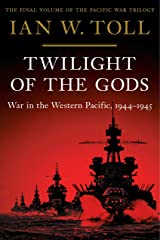
Twilight of the Gods, Ian Toll

Media has changed warfare. Thanks to Matthew Brady, photos of the brutality and hopelessness of war affected people in an entirely new way. At the time, the Civil War was the most documented war in history - yet it had nothing on World War II, just 75 years later. Movie film captured every last horror of that war, by both those who wanted to document the atrocities and those who wanted to bask in what they saw as glory. By Viet Nam, with Kodak Instamatics fitting in a soldier’s pocket, the grit was documented by everyone, not just official sources. In today’s internet era, conflicts are documented and uploaded to the world live, before officials even know they’ve happened. It will take decades to sort through available data and make viable conclusions on modern conflicts.

Media has changed warfare. Thanks to Matthew Brady, early photographer, photos of the brutality and hopelessness of war affected people in an entirely new way. At the time, the Civil War was the most documented war in history – yet it had nothing on World War II, just 75 years later. Now movie film captured every last horror of that war, by both those who wanted to document the atrocities and those who wanted to bask in what they saw as glory. By Viet Nam, with Kodak Instamatics fitting in a soldier’s pocket, the grit was documented by everyone, not just official sources. In today’s internet era, conflicts are documented and uploaded to the world live, before officials even know they’ve happened. It will take decades to sort through available data and make viable conclusions on modern conflicts.

German Sub U-755 is sunk by an RAF rocket, 1943

But World War II was no slouch. In doing a bit of research the other month on my grandmother’s little-known younger brother (they were 16 years apart), within 10 minutes, my sister and I were able to pull up information that stunned us. All anyone knew had been “Uncle Laurie was on a Coast Guard ship that was presumed lost at sea, possibly due to a German Sub, during World War II.”  Well, thanks to unfailing documentation, we found out that Laurie had been a radioman on the USS Muskeget, a weather ship, which was shot at 3 times by the German sub U-755 at 3:15 in the afternoon of September 9, 1942. Two torpedoes hit, killing all aboard. They even had the coordinates off Greenland. Not only that, but there’s a photo of U-755 being sunk by an RAF plane several months later!  No one in the family had ever known any of those facts.

With that type of minutiae now available, Ian Toll brings together his final tome on the history of the Asian Theater in WWII, Twilight of the Gods (I know, I just switched from the European front to the Asian one, but our family knows less about the Asian front: Uncle Art was a Marine at Iwo Jima, but not the famous flag raising, and my psychiatrist grandfather was stationed in California as a Navy Captain treating shell-shocked soldiers returning from the lines). In his third installment of the war, Toll covers the months between  June of 1944 and the Peace Treaty in 1945, after the dropping of the bomb. 

The Asian theater is an anomaly: this is the part of the war that actually attacked US territory, the act of aggression that finally drew us into the war despite the incomprehensible acts going on in Europe, and yet, we tend to teach only the European aspect of the war, beyond the two facts of 1) Pearl Harbor was attacked by the Japanese, and 2) we dropped the first (and only) nukes on them in retaliation. Is it because of the difference of a Navy war vs. an Army land war? It’s easy to follow Maginot lines on a map, but ships bouncing from island to island around a massive ocean isn’t as visual: We can understand where France is, but where exactly is 7.1315° N, 171.1845° E? (It’s the Marshall Islands. Can you picture them? Neither can I.) How can people fight over water, which has no country? Far more people had relatives affected somewhere in Europe, vs no one was taking up collections to send to Vanuatu. Yet the battles were the largest naval battles in history, and the cruelty and aspirations no less than that of Hitler. 

Toll spares no fact from his relentless research, and the brutality and heartbreak can inure the reader – much as it did those who lived through it. He covers the infighting among leaders – no one thought highly of Admiral Halsey – and the waste of young men literally being thrown at ships as kamikaze pilots – a tactic that eventually wore thin even among the Japanese. Good or bad, Toll covers it in a narrative style that will give you a far greater appreciation for the lesser-known side of a war that literally covered the world.  Whew.

If you don’t have time to sit and read a thousand pages, Twilight of the Gods is now available at CPL on audiobook, to make that commute just a little more interesting!

Twilight of the Gods

Audio book Print

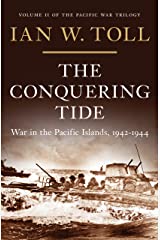
The Conquering Tide

Audio book Print

Pacific Crucible

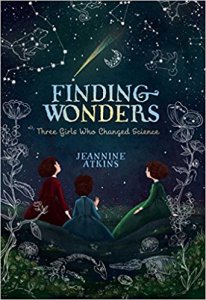
Finding Wonders

Finding Wonders by Jeannine Harris is a fictional children’s book based on three real girls, Maria Sibylla Merian, Mary Anning, and Maria Mitchell, who made scientific contributions. Told with poems, each girl’s story begins with her childhood. Each girl learned to look beyond what other people took for granted or mistrusted. Each girl overcame the biases and challenges of her time for the sake of learning. These stories are an inspiration to anyone who has ever wanted to try something new despite the people around them. These girls were told they could not, should not, and would not, but they did anyway.

Genre: Children’s historical fiction

Setting: 1600s Germany, Amsterdam, and Suriname, 1800s England, 1800s Massachusetts

Number of pages: 195

Objectionable content? Several characters die, both adults and children, and religion is portrayed in a negative manner in some parts of the book.

Can children read this? Yes. This book is well-suited for elementary school children and up.

Themes: Learning, independent women, science, curiosity, restrictions

Rating: Five stars

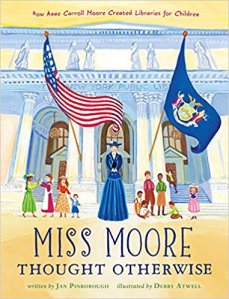
Miss Moore Thought Otherwise

Miss Moore Thought Otherwise by Jan Pinborough is a true children’s story about one of the first children’s librarians. Anne Moore grew up in a time where many libraries were not free, and they were certainly not meant for children. Usually, children were not even allowed inside, especially girls. But Miss Moore thought otherwise.

Anne Carroll Moore was an independent thinker ever since she was a child. While other girls stayed inside and sewed, Anne was outside sledding on the hills. When other girls got married, Anne was working in her father’s office, learning how to be a lawyer. When other women stayed home, Anne moved to New York City, went to college, and got a job in a library.

Anne Moore changed the ways in which libraries viewed children. Under her supervision, libraries no longer demanded silence from patrons, children were allowed to take books home, child-sized furniture was built, more children’s books were published, rooms became more colorful, and people were brought in to do children’s programming. Libraries all around the world followed her example, all because she always looked at things differently.

Genre: Children’s non-fiction

Setting: Maine and New York in the late 1800s-early 1900s

Number of pages: 40

Themes: History of children’s libraries, and independent women

Objectionable content? None.

Can children read this? Yes. This book is appropriate for all ages. There are interesting things for the older kids to read, and the younger kids will enjoy the beautiful pictures.

Who would like this? Anyone who is interested in how children’s libraries developed into their current focus on library users, and anyone who enjoys learning about strong women.

Rating: Five stars

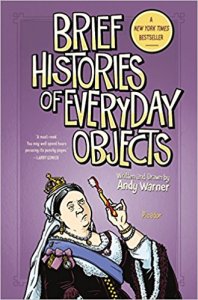
Brief Histories of Everyday Objects

Brief Histories of Everyday Objects by Andy Warner is a hilarious non-fiction graphic novel that describes how many of the items that we take for granted have interesting, unusual, and sometimes downright silly origins. The author guessed when it came down to deciding what people looked like and what they said (unless they were quoted), but the facts are all true! Once you read this book, you will never look at the things you use on a daily basis in the same way again. The next time you go to a party, you’ll be able to tell people about the story behind the pull tabs on their soda cans.

Did you know that the woman who invented flat-bottomed paper grocery bags had to fight for her right to the patent when a man tried to steal it? She became the first woman to win a patent lawsuit.

Did you know that Earl Tupper invented Tupperware, but Brownie Wise made it sell? In fact, she was so successful that she became the face of the product. This greatly angered Mr. Tupper, so he fired her, sold the company, and purchased an island where he lived for the rest of his life.

Did you know that postcards were the results of an elaborate prank?

Did you know that roller skates were first invented in 1760 when John Joseph Merlin, a prolific inventor, built a pair so he could show off at a masquerade?

Genre: Non-fiction graphic novel

Setting: All over the world, throughout different times

Is this good for a book club? Only if the book club is interested in discussing previously unknown facts regarding everyday things.

How long is the book? 206 pages

Objectionable content? Barely. There are some references to bathing, bras, excrement, and violence, but there is nothing explicit. There are some illustrations of women wearing sports bras.

Can children read this? The humor and information are enjoyable for all ages, as long as they have a good vocabulary.

Who would like this? Anyone with a good sense of humor and a good appreciation for learning about how everyday objects were created.

Rating: Five stars

Save

Save