Historical Children’s Fiction, Hysterically

Have you ever had that feeling of dismay when something you believe and love is crushed before your eyes?
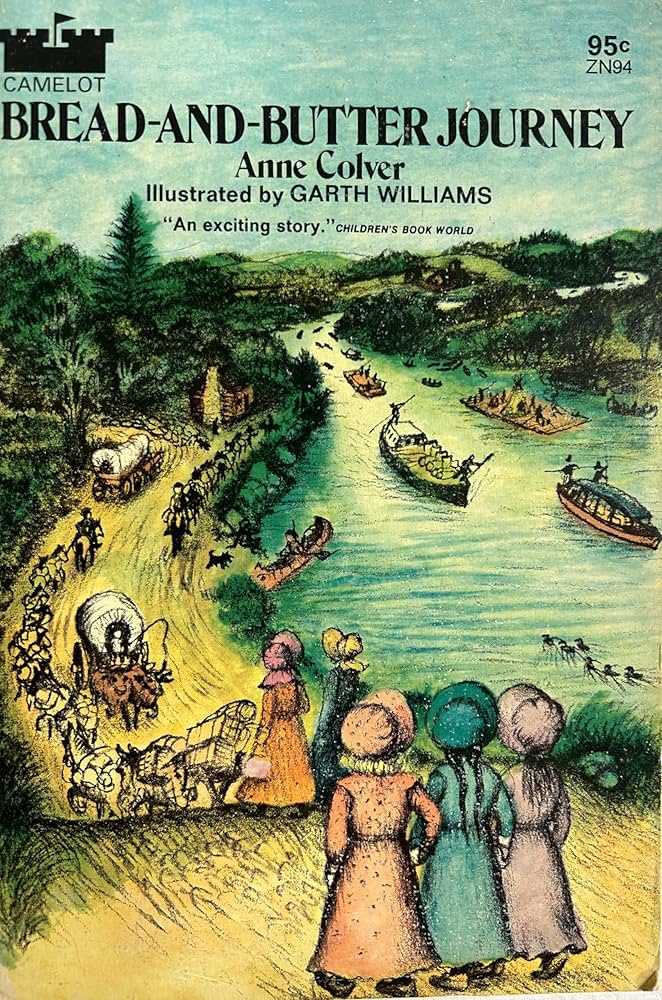
Having finished our last communal reading book, my youngest brought me another book off her shelf to read together, Bread and Butter Journey, by Ann Colver. Printed in 1972, it’s my original Scholastic copy. I loved this book when I was eight, steeped in the hoopla of Little House on the Prairie, from which I sidestepped into B&BJ, Caddie Woodlawn, Let the Hurricane Roar, Anne of Green Gables, and more. The illustrations being done by Garth Williams, of Little House fame, only made it that much dearer. I hadn’t read it in 40+ years, but I hadn’t forgotten the details. I was happy to read it again.

Bread and Butter Journey follows the 1784 travel of young Barbara Blaum (age never given, but somewhere in the 8-10 range) from her home in Pennsylvania to Ohio, where her father and her father’s friend were buying up farmland on the frontier. As in all stories with children, she misses home, misses her father, hates her brother, and in the end learns to love life more than things. Wholesome pioneer reading for the 7-11 crowd, and it’s based on the journals of the real Barbara Baum, the author’s husband’s great-great grandmother. Should be good, right?

But I am not eight anymore, and I’ve studied a lot of college-level history, especially the settling of the west. And the more I read this time, the more horrified I became, crushing my cozy memories. This book was not just historically inaccurate; it barely fit under the term historical at all. I kept stopping cold and explaining the problems to my girls as we went.
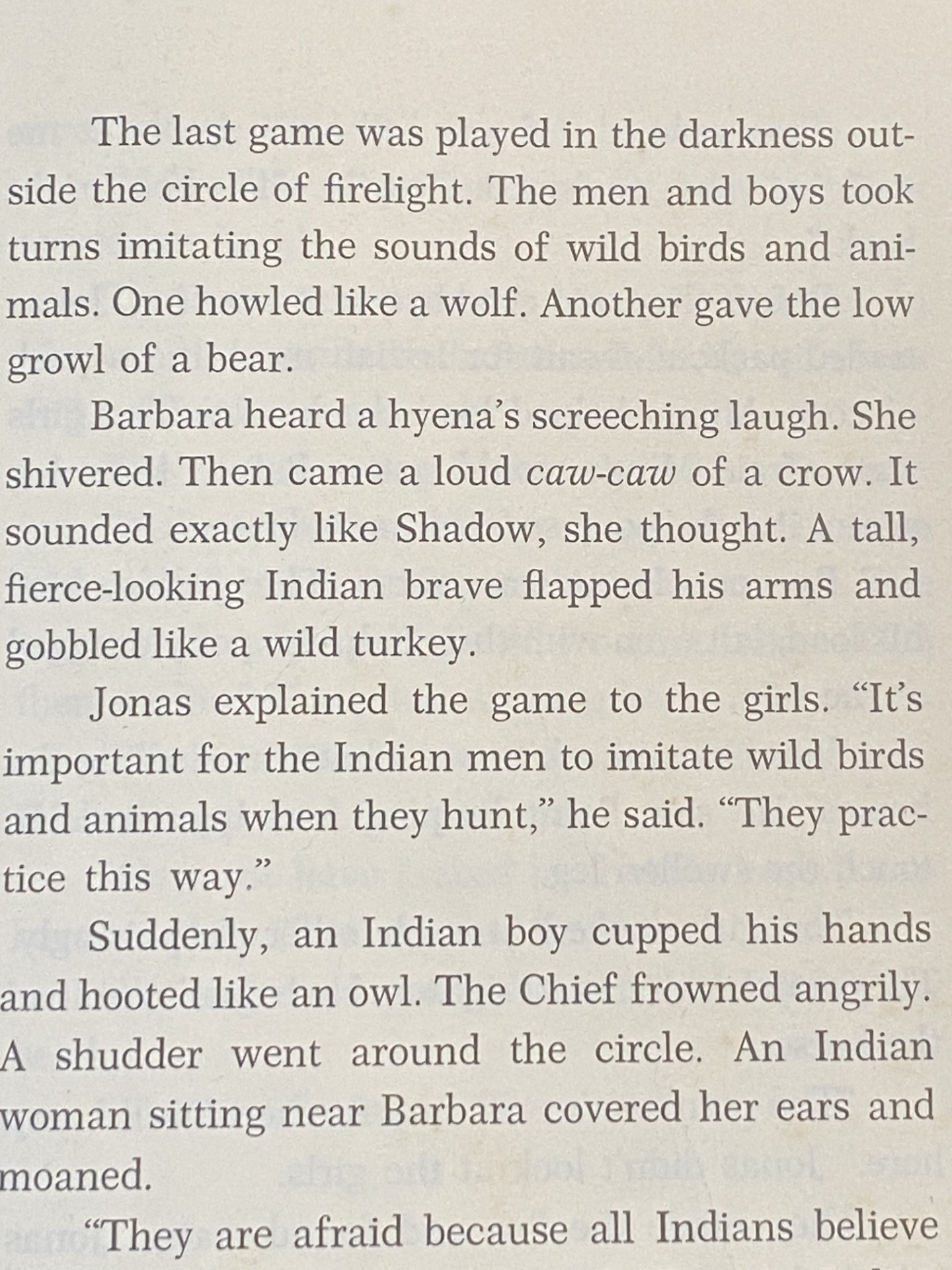
My first question mark arose when they made way on the path for the Pony Express. Hold your horses! This is Pennsylvania, 1784. The Pony Express only ran for 18 months, and the furthest east it went was St. Louis, Missouri – in 1860, 80 years in the future! I burst out laughing when they mentioned hyenas howling in the night. Yes, hyenas. An African animal that I assure you with total faith was not in the wilds of western Pennsylvania in 1784, not even in a zoo, and no one out there had ever known of. Just what was that woman thinking! I will let the idea of putting up fruit preserves slide, even though berries would be out of season (October at least). Canning food wasn’t invented until 1795, and the common Mason jar until the 1860’s. But people had been preserving fruit in jellies by pouring the jelly into pots and “sealing” them with wax or waxed paper since at least the 1500’s, so I don’t believe it, but I’ll allow it as possible. They seem to make bean soup in the matter of an hour, when anyone who’s ever dealt with dried beans (including Laura Ingalls Wilder) knows they must be soaked overnight, and even then, it takes more than an hour to cook them. In addition, it wasn’t legal to settle in the Ohio area until 1787, with the first permanent settlement in 1788. Yes, American Indians (probably Shawnee) had every right to kill anyone encroaching on their land.

Argh. The only thing that was actually right was the state of Pennsylvania existed, and there actually was a Fort Hannahstown in Western Pennsylvania. I was crushed, to say the least. My daughter loved the book anyway, though after treasuring it for so many decades, I’m ready to get rid of it. 
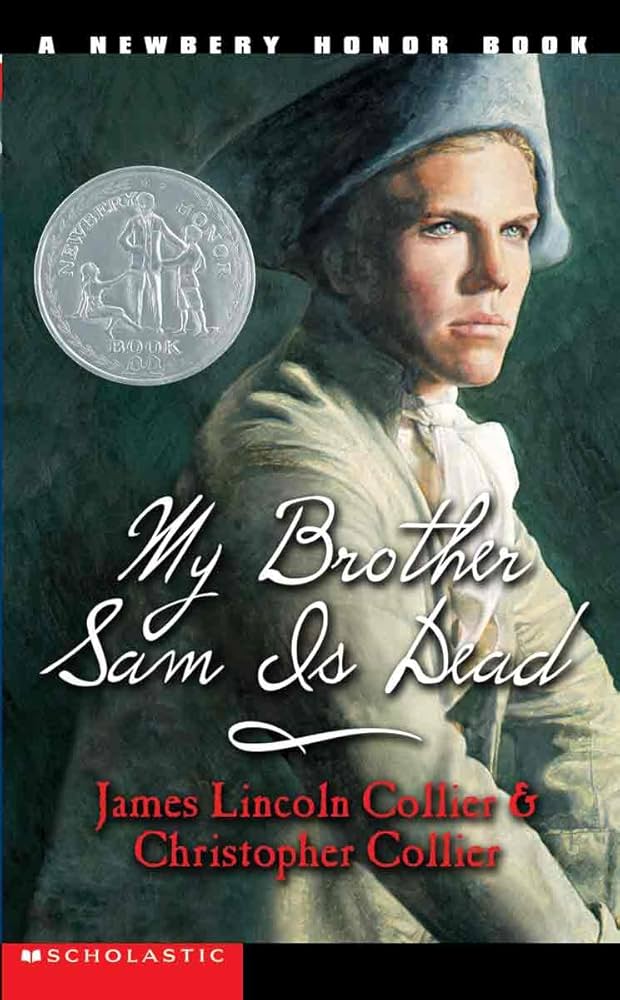
So what books are historically accurate for children? Okay, in 1970 we didn’t have an internet, and research had to be done in libraries or textbooks, by far a lot more time-consuming. There’s no excuse for any inaccuracies today. My favorites have always included My Brother Sam is Dead, by James and Christopher Collier, which won a Newberry in 1975 and takes place in Connecticut during the Revolutionary War. You can actually visit some of the places in the book, and if not the exact place, the towns still exist. Beware that the book is often banned in Southern schools, for including the words “hell,” “damn,” and “bastard.” Rough stuff. Spies on the Devil’s Belt is from the same era, and also takes place on the shoreline of Connecticut. 

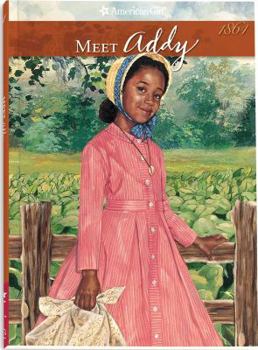
The entire American Girl series, whether or not you want to plop down $150 for each accompanying doll, is praised for its historical accuracy. Covering different cultures and eras, from Kaya, a Nez Perce girl from the mid 1700’s, through Julie, who celebrates Chinese New Year in San Francisco in the 1970’s, the stories will give a good glimpse into what it was like to live in that time period. They’re uncomplicated, and it’s their simplicity and focus that keeps them from falling apart. 

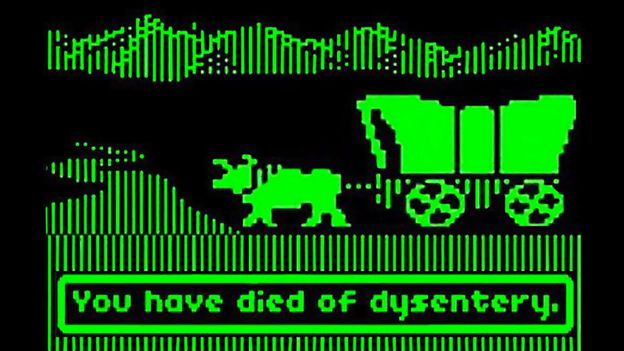
The Little House on the Prairie series give an excellent view of 1870’s America, by someone who actually lived it. Same with Tom Sawyer or Huck Finn, perfectly accurate because Mark Twain lived them. Laurie Halse Anderson’s Fever 1793 and Seeds of America trilogy are highly regarded, as well as Number the Stars, by Lois Lowry, which won the 1990 Newberry Medal. Johnny Tremain, another oldie but goodie, still rings true today, despite its 1944 Newberry Medal. If you can find it, the book On to Oregon! by Honoré Willsie Morrow (and made into the movie Seven Alone) tells a mostly true tale of the seven Sager children who are orphaned on the trail from Ohio to Oregon. The children actually do make it all the way on their own (with a newborn) to Marcus Whitman, a real missionary who took in many orphaned children, but the movie (and tie-in novel) ends happily, ignoring the horrific end that awaited several of them during the Whitman massacre just three years later. Another book of their journey is For Ma and Pa: On the Oregon Trail, 1844 (go ahead, cue the game sound. You know you’re going to.).
What we live today is tomorrow’s history. Children may not see or understand the significance of what they live through today, but twenty years from now they will (I’m still not over the Watergate trials preempting my 8 year old TV watching, but I do get the point now). Spark an interest in the past with any of these or other amazing books, but remember, there are – and never were – no wild hyenas roaming Pennsylvania. 

Ever.  

For hands-on experiences for children, check out Old Sturbridge Village, just over the line in Sturbridge, Massachusetts, or Mystic Seaport, in Mystic, Connecticut (which is somehow farther away than Sturbridge) (discount pass here).
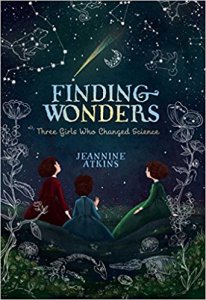
Finding Wonders

Finding Wonders by Jeannine Harris is a fictional children’s book based on three real girls, Maria Sibylla Merian, Mary Anning, and Maria Mitchell, who made scientific contributions. Told with poems, each girl’s story begins with her childhood. Each girl learned to look beyond what other people took for granted or mistrusted. Each girl overcame the biases and challenges of her time for the sake of learning. These stories are an inspiration to anyone who has ever wanted to try something new despite the people around them. These girls were told they could not, should not, and would not, but they did anyway.

Genre: Children’s historical fiction

Setting: 1600s Germany, Amsterdam, and Suriname, 1800s England, 1800s Massachusetts

Number of pages: 195

Objectionable content? Several characters die, both adults and children, and religion is portrayed in a negative manner in some parts of the book.

Can children read this? Yes. This book is well-suited for elementary school children and up.

Themes: Learning, independent women, science, curiosity, restrictions

Rating: Five stars

Jane Austen Spinoffs

If one way to measure the popularity of an author is to note the number of spinoffs that his or her work has created, then Jane Austen is high on the popularity list!

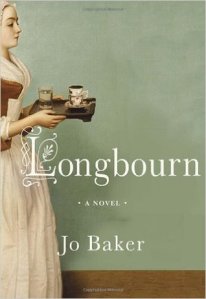
longbourn Longbourn by Jo Baker
This is the story of Sarah, the Bennet’s housemaid in Pride and Prejudice, as she serves in their household while the events of the classic unfold. However, the downstairs is just as eventful as the upstairs, especially when a new footman arrives.


prideandprejudiceandzombiesPride and Prejudice and Zombies by Jane Austen and Seth Grahame-Smith
This is a retelling of Pride and Prejudice during a zombie apocalypse. Elizabeth Bennett is fighting off the zombie infestation after a plague has settled on the village. However, she also finds herself fighting Mr. Darcy after his arrival.


scargravemanorJane Austen and the Unpleasantness at Scargrave Manor by Stephanie Barron
This is the first book in a mystery series about Jane Austen as a detective. In this book, Jane’s friend Isobel is newly wed to a man who is many years her senior. Then, during the night, her new husband dies. Soon after his death, Isobel’s maid accuses Isobel of murdering her husband and committing adultery with her late husband’s nephew.

anassemblysuchasthisAn Assembly Such as This by Pamela Aidan
This is the story of Pride and Prejudice, told from the point of view of Fitzwilliam Darcy. This is the book to read if you wish to know more about the mysterious man and his view of the events in the classic novel.


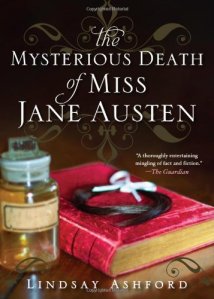
janeaustenThe Mysterious Death of Miss Jane Austen by Lindsay Ashford
Anne Sharp was Jane Austen’s governess. Ever since Jane’s death twenty-six years earlier, Anne has held onto a lock of Jane’s hair. However, Anne is following up on a suspicion that she has carried with her all this time. Jane may have been murdered, and the lock of hair may prove it.


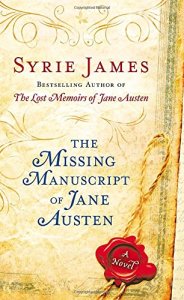
missingmanuscriptofjaneaustenThe Missing Manuscript of Jane Austen by Syrie James
Samantha McDonough finds a letter that laments a missing manuscript at an estate in Devonshire. The author of both the letter and the manuscript is thought to be none other than Jane Austen. All that that Samantha needs to do is figure out a way of working with Anthony Whitaker, the handsome owner of the estate.


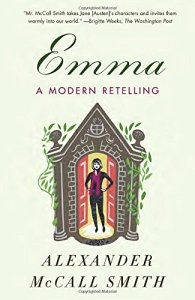
emmaEmma: A Modern Retelling by Alexander McCall Smith
As the title describes, this is the modern version of the classic novel about a young woman who interferes in the lives of those around her. Fresh from college, Emma is kept busy by running her own business, caring for her father, and playing matchmaker.


northangerabbeyNorthanger Abbey by Val McDermid
This is a modern retelling of Northanger Abbey. Cat Morland, who loves to read novels, constantly fantasizes about experiencing adventures. So, when she travels to Edinburgh to attend a festival, she begins to wonder about the mysterious Northanger Abbey and its seemingly perfect residents, one of whom is very handsome.


Classic Spinoffs

Have you read any classic books? Even if you haven’t, you can still enjoy the books on this list. These are inspired by classics as they tell the stories of supporting characters, are prequels or sequels to the classic stories, or even retell the classics themselves. Read them all!

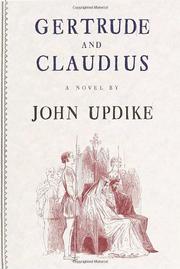
gertrudeandclaudius Gertrude and Claudius by John Updike  
This prequel to Hamlet tells the story of Gertrude Queen of Denmark before the action of Shakespeare’s Hamlet begins. Updike brings to life Gertrude’s girlhood as the daughter of King Rorik, her arranged marriage to the man who becomes King Hamlet, and her middle-aged affair with her husband’s younger brother.


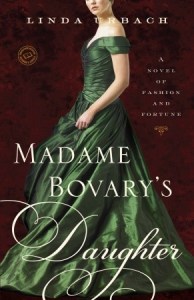
MadameBovarysDaughter Madame Bovary’s Daughter by Linda Urbach
This continuation of Flaubert’s classic Madame Bovary finds twelve-year-old Berthe cast off by society in the aftermath of her mother’s suicide and sent to live with her impoverished grandmother, from where she eventually rises through the ranks of Charles Worth’s famed fashion empire.


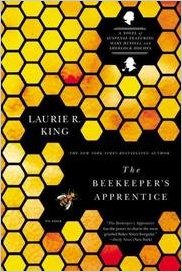
thebeekeepersapprentice The Beekeeper’s Apprentice, or, On the Segregation of the Queen by Laurie R. King   
In 1914, a young woman named Mary Russell meets a retired beekeeper on the Sussex Downs. His name is Sherlock Holmes. The Great Detective is no fool, and can spot a fellow intellect even in a fifteen-year-old woman. So, at first informally, then consciously, he takes Mary as his apprentice.


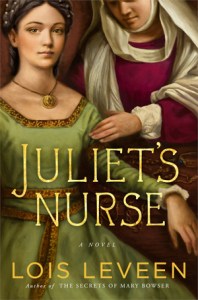
julietsnurseJuliet’s Nurse by Lois Leveen   
A new telling of Shakespeare’s Romeo and Juliet, from the perspective of Juliet’s nurse. In Verona, a city ravaged by plague and political rivalries, a mother mourning the death of her day-old infant enters the household of the powerful Cappelletti family to become the wet-nurse to their newborn baby. As she serves her beloved Juliet over the next fourteen years, the nurse learns the Cappelletti’s darkest secrets.

ruthsjourney Ruth’s Journey by Donald McCaig
A prequel to one of the most beloved and bestselling novels of all time, Gone with the Wind. The critically acclaimed author of Rhett Butler’s People magnificently recounts the life of Mammy, one of literature’s greatest supporting characters, from her days as a slave girl to the outbreak of the Civil War.


revenge Revenge by Stephen Fry  
This brilliant recasting of the classic story The Count of Monte Cristo centers on Ned Maddstone, a happy, charismatic, Oxford-bound seventeen-year-old whose rosy future is virtually pre-ordained. Handsome, confident, and talented, newly in love with bright, beautiful Portia, his father an influential MP, Ned leads a charmed life. But privilege makes him an easy target for envy, and in the course of one day Ned’s destiny is forever altered.

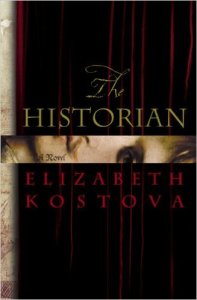
thehistorian The Historian by Elizabeth Kostova
A woman discovers that the past of her family is connected to the stories of Vlad the Impaler, the man who inspired Dracula and must decide whether to follow her father in a hunt that nearly brought him to ruin years ago, when he was a vibrant young scholar and her mother was still alive.


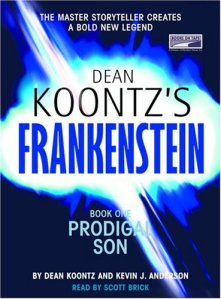
deankoontzfrankenstein Dean Koontz’s Frankenstein: Prodigal Son
This is a retelling of Frankenstein set in New Orleans. In the 19th century, Dr. Victor Frankenstein brought his first creation to life, but a horrible turn of events forced him to abandon his creation and fall away from the public eye. Now, two centuries later, a serial killer is on the loose in New Orleans, and he’s salvaging body parts from each of his victims, as if he’s trying to create the perfect person. But the two detectives assigned to the case are about to discover that something far more sinister is going on…

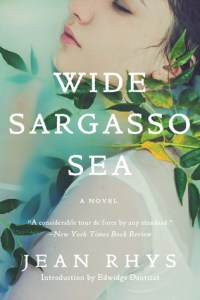
widesargassosea Wide Sargasso Sea by Jean Rhys  
Jean Rhys brings into the light one of fiction’s most mysterious characters: the madwoman in the attic from Charlotte Brontë’s Jane EyreSet in the Caribbean, its heroine is Antoinette Cosway, a sensual and protected young woman who is sold into marriage to the prideful Rochester. In this best-selling novel, Rhys portrays a society so driven by hatred, so skewed in its sexual relations, that it can literally drive a woman out of her mind.

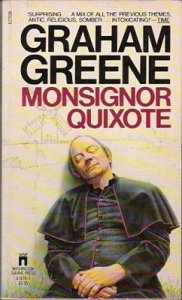
monsignorquixote Monsignor Quixote by Graham Greene
When Father Quixote, a local priest of the Spanish village of El Toboso who claims ancestry to Cervantes’ fictional Don Quixote, is elevated to the rank of monsignor through a clerical error, he sets out on a journey to Madrid to purchase purple socks appropriate to his new station. Accompanying him on his mission is his best friend, Sancho, the Communist ex-mayor of the village who argues politics and religion with Quixote and rescues him from the various troubles his innocence lands him in along the way.

There are many, many more books that are inspired by the classics. Sometimes even classics are inspired by other classics! What are your favorite classic spinoffs?

They’re Not What They Seem…

Can you figure out what these women have in common?

AlanaAlanna: The First Adventure by Tamora Pierce “I did this because I wanted to become a knight.”


Jacket.aspxShadowbridge by Gregory Frost “I did this because I needed to protect myself.”


Jacket.aspxThe Education of Bet by Lauren Baratz-Logsted “I did this because I wanted an education.”


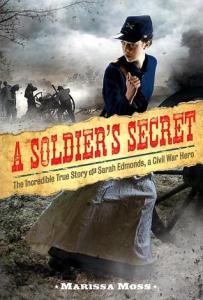
jacketA Soldier’s Secret: The Incredible True Story of Sarah Edmonds, a Civil War Hero by Marissa Moss “I did this because I wanted to escape from my previous life and fight for a cause.”


Jacket.aspxTwelfth Night by William Shakespeare “I did this because I needed a way to live.”


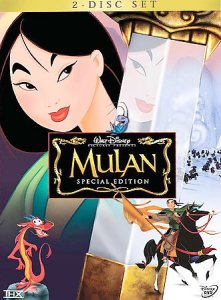
Jacket.aspxDisney’s Mulan “I did this because I needed to protect my family.”


Jacket.aspxBloody Jack by L.A. Meyer. “I did this because I wanted to sail around the world.”


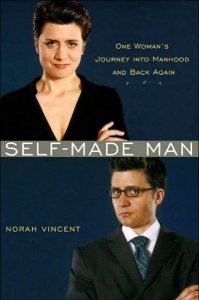
Jacket.aspxSelf-Made Man by Norah Vincent “I did this because I wanted to learn about how men live.”


Jacket.aspxRowan Hood: Outlaw Girl of Sherwood Forest by Nancy Springer “I did this because I was searching for my father.”


Ouran

Ouran High School Host Club by Bisco Hatori “I did this because I was in debt.”


Did you guess? Women disguised as men. They were disguised so they could fight for themselves or their families, protect themselves when they were all alone in a man’s world, and earn an education, which they would have been denied otherwise. Each and every one of these is absolutely fascinating. Do yourself a favor and work your way through this list!

Do you have any favorite books/movies/plays with this subject that did not make this list?