It’s an awesome time to be a fan of pop culture. You can listen to podcasters going episode-by-episode through the shows you binge-watched on DVD in college. You can read delightfully bizarre theories about the characters in your preschooler’s favorite TV show. You can gather with other fans at venues like ConnectiCon. And as the main orderer of nonfiction books, I know this is an excellent time to read about pop culture, too. Here are some new and recent books to both entertain you and deepen your appreciation for your show / movie / franchise du jour.
You Are What You Watch: How Movies and TV Affect Everything by Walt Hickley (2024)
Did Arya, Maximus, or Chandler have the biggest surge in popularity as a baby name? How many parents start off dead in Disney movies? Is Ash Ketchum a better GM or coach? Find the answers in this book, which is a fun mix of visualized data and writing which explores how mere “entertainment” affects politics, the economy, and even shark populations. Pulitzer Prize-winning author Hickley used to be the Chief Culture Writer at FiveThirtyEight, and it shows in his love of statistics.

The Blues Brothers: An Epic Friendship, the Rise of Improv, and the Making of an American Film Classic by Daniel DeVisé (2024)

The saga behind The Blues Brothers is epic, encompassing the colorful childhoods of Belushi and Aykroyd, the comedic revolution sparked by Harvard’s Lampoon and Chicago’s Second City, the early years of Saturday Night Live where the Blues Brothers were born, and the indelible behind-the-scenes narrative of how the film was made. Based on original research and interviews of principals from director John Landis and producer Bob Weiss to SNL creator Lorne Michaels and Aykroyd himself, The Blues Brothers vividly portrays the creative geniuses behind modern comedy.
On Locations: Lessons Learned from My Life On Set with The Sopranos and in the Film Industry by Mark Kamine (2024)
Married and with a child, the author takes unpaid gigs to get a foot in the door, and eventually ends up working on all seasons of The Sopranos. The show’s setting and its creator’s insistence on accuracy placed the native New Jersey author in the right place at the right time to become part of television history, and to witness the effects of sudden fame and acclaim on the show’s principal players. Includes many stories about guest stars, as well as the cast, including new tales of James Gandolfini.

Opposable Thumbs: How Siskel & Ebert Changed Movies Forever by Matt Singer (2023)

Award-winning editor and film critic Matt Singer eavesdrops on the iconic balcony set of Gene Siskel and Roger Ebert, detailing their rise from making a few hundred dollars a week on local Chicago PBS to securing multimillion-dollar contracts for a syndicated series. Their partnership was cut short when Gene Siskel passed away in February of 1999, but their influence on in the way we talk about (and think about) movies continues to this day.
I Like to Watch: Arguing My Way Through the TV Revolution by Emily Nussbaum (2019)
In this collection, New Yorker columnist and Pulitzer Prize winner Emily Nussbaum writes about her passion for television beginning with Buffy–as she writes, a show that was so much more than its critical assessment–the evolution of female protagonists over the last decade, the complex role of sexual violence on TV, and what to do about art when the artist is revealed to be a monster. And, she also explores the links between the television antihero and the rise of Trump. The book is an argument, not a collection of reviews. Through it all, Nussbaum recounts her fervent search, over fifteen years, for a new kind of criticism that resists the false hierarchy that places one kind of culture over another. It traces her own development as she has struggled to punch through stifling notions of ‘prestige television,’ searching for a wilder and freer and more varied idea of artistic ambition.

Best. Movie. Year. Ever.: How 1999 Blew Up the Big Screen by Brian Raftery (2019)
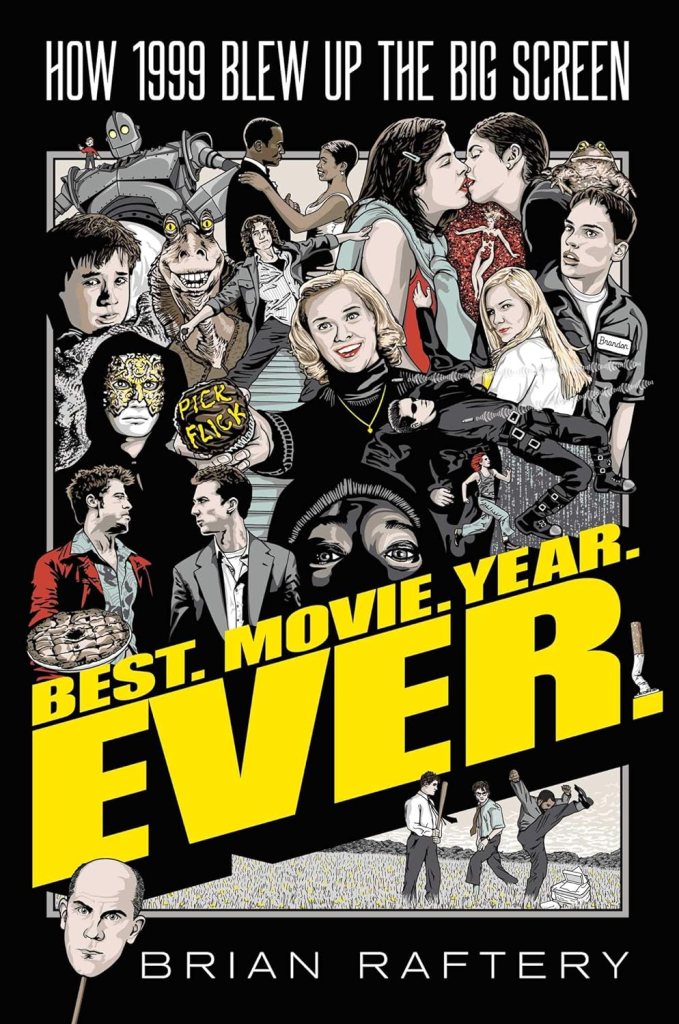
In 1999, Hollywood as we know it exploded: Fight Club. The Matrix. Office Space. The Blair Witch Project. The Sixth Sense. Being John Malkovich. Star Wars: The Phantom Menace. Those are just some of the landmark titles released in a dizzying movie year, one in which a group of daring filmmakers and performers pushed cinema to new limits—and took audiences along for the ride. Freed from the restraints of budget, technology (or even taste), they produced a slew of classics that took on every topic imaginable, from sex to violence to the end of the world. The result was a highly unruly, deeply influential set of films that would not only change filmmaking, but also give us our first glimpse of the coming twenty-first century.
Surely You Can’t Be Serious: The True Story of Airplane! by David Zucker, Jim Abrahams, and Jerry Zucker (2023) (downloadable audiobook)
An in-depth and hysterical look at the making of 1980s comedy classic Airplane! by the legendary writers and directors of the hit film. With anecdotes, behind the scenes trivia, and never-before-revealed factoids, these titans of comedy filmmaking unpack everything from how they persuaded Peter Graves to be in the movie after he thought the script was a piece of garbage, how Lorna Patterson auditioned for the stewardess role in the back seat of Jerry’s Volvo, and how Leslie Nielsen’s pranks got the entire crew into trouble, to who really wrote the jive talk. It also features testimonials and personal anecdotes from well-known faces in the film, television, and comedy sphere, proving how influential Airplane! has been from day one.

Titles we don’t have but you can borrow from other libraries in our consortium:
No Crying in Baseball: The Inside Story of A League of Their Own by Erin Carlson (2023)
The Coen Brothers: This Book Really Ties the Films Together by Adam Nayman (2018)
Movies (And Other Things): A Collection of Questions Asked, Answered, Illustrated by Shea Serrano, illustrated by Arturo Torres (2019)


 The History of Photography – from 1839 to present
 A World History of Photography
 The Book of Photography – the history, the technique, the art, the future – Anne H. Hoy
  The Camera Phone Book: secrets to making better pictures
  Kodak, the art of digital photography
  L.L. Bean Outdoor Photography Handbook
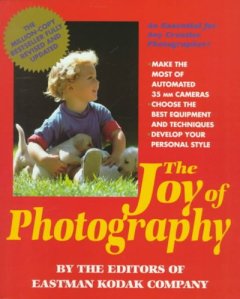 Joy of Photography
 A Photographer’s Life
 It’s What I Do: a photographer’s life of love and war

 The Cheshire Library Blog