Teen Book Reviews: Warcross & Call Down the Hawk

Teens: did you know that you can earn community service credit for writing a book review and submitting it to us? Today, we’ll hear from two teens who did just that. Find out more about how to earn community service hours from home at cheshirelibrary.org/teens/.

Warcross by Marie Lu. Reviewed by Ella K.
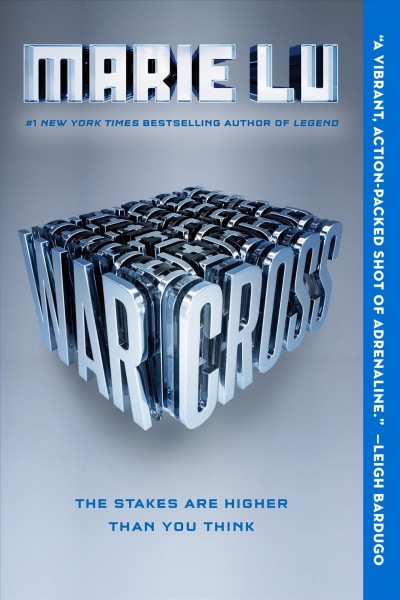
Warcross is a book perfect for teens and young adults who enjoy science fiction and future societies. The story is set in a world where a young fourteen-year-old boy, Hideo Tanaka invents a pair of highly sophisticated virtual reality glasses called the NeuroLink. The glasses work by tricking the brain into thinking what it is seeing is real. In order to market the product, Tanaka also creates a video game that can be played within the virtual reality construct. This game, called Warcross, involves two teams battling to steal the other’s gem, called an Artifact, while avoiding a series of obstacles and the other team.

Emika Chen, a struggling hacker makes money in the only way that she can with her criminal record, as a bounty hunter. After failing to get a $5000 bounty that would have saved her from eviction, Emika turns to that fake reality to escape her problems. In the process, she accidentally hacks her way into the Warcross international tournament and makes the news worldwide. After this display of talent in hacking into one of the world’s most secure systems, Emika is invited by Hideo Tanaka himself to visit his headquarters in Japan. He offers her a ten million dollar reward to discover the identity of a hacker, nicknamed Zero, who he believes is a threat to the entire NeuroLink system. Emika has to use her hacking abilities, wit, and deception skills in order to remain undercover and thwart Zero.

The creation of this science fiction world is a shift away from the dystopian works that most know Marie Lu for, specifically her work in the Legend series. In this story, Lu showcases her writing and world building abilities by creating a world that many video game players dream of. The book’s plot is enticing outside of the new society that the reader gets to experience. While the betrayals and spy work that the reader gets to experience is captivating, the addition of a romance seems cliche in the midst of the situation that Emika finds herself in. It is well written, but Emika has been a powerful and independent person for most of her life. Her troubled childhood ensured it. Her interest in a powerful man takes away from that aspect of her character in a way. Overall, this hardly takes away from the book, and some readers, particularly those interested in romance, will enjoy the addition.

4 stars.

Call Down the Hawk by Maggie Stiefvater. Reviewed by Mia V.
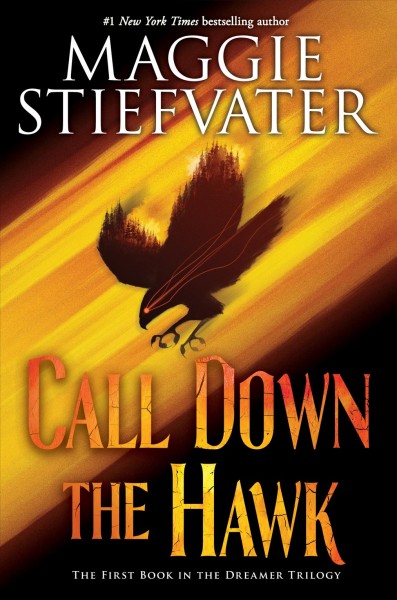
Call Down The Hawk, the first book in the Dreamer Trilogy by Maggie Stiefvater, is a spin-off from the Raven Cycle series, following Ronan Lynch. The original Raven gang has all been split apart due to college, with Adam studying at Harvard, Gansey and Blue taking a gap year to travel and Ronan going off on his own. In the second book of the Raven Cycle, we find out that Ronan can pull objects and creatures (such as his pet raven, Chainsaw) out of his dreams. This power is incredibly rare and powerful, which makes Ronan vulnerable to being killed by those who don’t approve of his power or captured in order to make use of this power.

In Call Down The Hawk, however, Ronan’s power seems to be acting strange. Ronan feels as if he is dying if he is not near the ley lines, or the Barn at all times. Ronan also finds he is being hunted again, as threats loom from all different directions. Ronan meets other people with similar dreaming issues as himself, such as Jordan Henessey, who battles her own fears and nightmares which manifest themselves in real life due to her powers. As Ronan runs from those who want him dead, he also tries to help Hennessey deal with her own issues with her power. Call Down The Hawk takes a break from the search for Glendower and instead dives deeper into Ronan’s power and his own personal struggles both with himself and with his family.

I would definitely recommend this book. I would especially recommend it to someone who has read the Raven Cycle and has loved Ronan. Ronan was one of my favorite characters in the Raven Cycle, so I was very excited when Maggie Steifvater’s new Dreamer Trilogy was released and was set to focus more on Ronan. Although I was expecting the book to take a different direction, I still found the plot interesting and exciting.

4 stars.

Short Stuff

I’d like to read more, but I don’t have time to read a long, involved story.

There’s a solution for that. It’s called a short story.

 Short stories are those that can be read in under an hour – often not more than 5,000 words (beyond 7,500 is called a novella, and they are often published alone in little books, like Stephen King’s The Shawshank Redemption,  J.A. Jance’s The Old Blue Line, or Shirley Goodness and Mercy by Debbie Macomber) and they are often grouped together in anthology volumes, anthology meaning, literally, a collection of stories, the same way a CD album is a collection of individual songs.

Short stories are an art form of their own, still carrying the same structures of their longer novel cousins (plot, themes, metaphors, etc) but in a very short package. Some are complete stories (think of Ray Bradbury’s All Summer in a Day, or Shirley Jackson’s The Lottery) while others might just give you a slice of life, a few hours in the life of an individual with no clear beginning and no clear end, leaving you to wonder what might come next (some stories by Anton Chekhov, or Ernest Hemingway’s Hills Like White Elephants). They can be happy or sad, comic or dramatic, or full of irony (The Necklace, by Guy de Maupassant). Sometimes an anthology might consist of short stories on a single theme (love, loss, westerns, adventure), or they could be a mix of anything. And the beauty of an anthology is you can read one or two stories, or the whole thing, depending on your time and interest.

But short stories don’t carry the same weight as novels.

Of course they do! Many writers are known more for their short stories than for their novels – Alice Munro is considered one of the premier short story writers, having won the 2013 Nobel Prize for Literature in part for her short stories. Ray Bradbury is another prolific short-story writer, not quite horror, not quite science fiction, not quite fantasy, just imaginative. His philosophy was to write one short story a week, because out of 52 short stories, you were bound to have three or four that were really good. Short stories are easier to sell, if not to anthologies then to magazines – many a writer got their start in The New Yorker, Collier’s, or Atlantic, let alone Good Housekeeping and Readers’ Digest. Some of the most popular authors – Isaac Asimov, Dashiell Hammett, and Raymond Chandler – carved their name writing for pulp fiction magazines.

Short stories don’t always stay short, either. Many popular films started out as short stories – The Secret Life of Walter Mitty (published in The New Yorker) (Did you realize this one takes place in Waterbury, Connecticut?), All About Eve, 2001: A Space Odyssey, The Curious Case of Benjamin Button, 3:10 to Yuma, Shawshank Redemption, Minority Report, Brokeback Mountain, Rear Window, Total Recall, and many, many others.

A little story can go a long way. If you’re pressed for time, check out the stories in these collections, and more!

Best Short Stories of Jack London

Ray Bradbury Stories: 100 of His Most Celebrated Tales

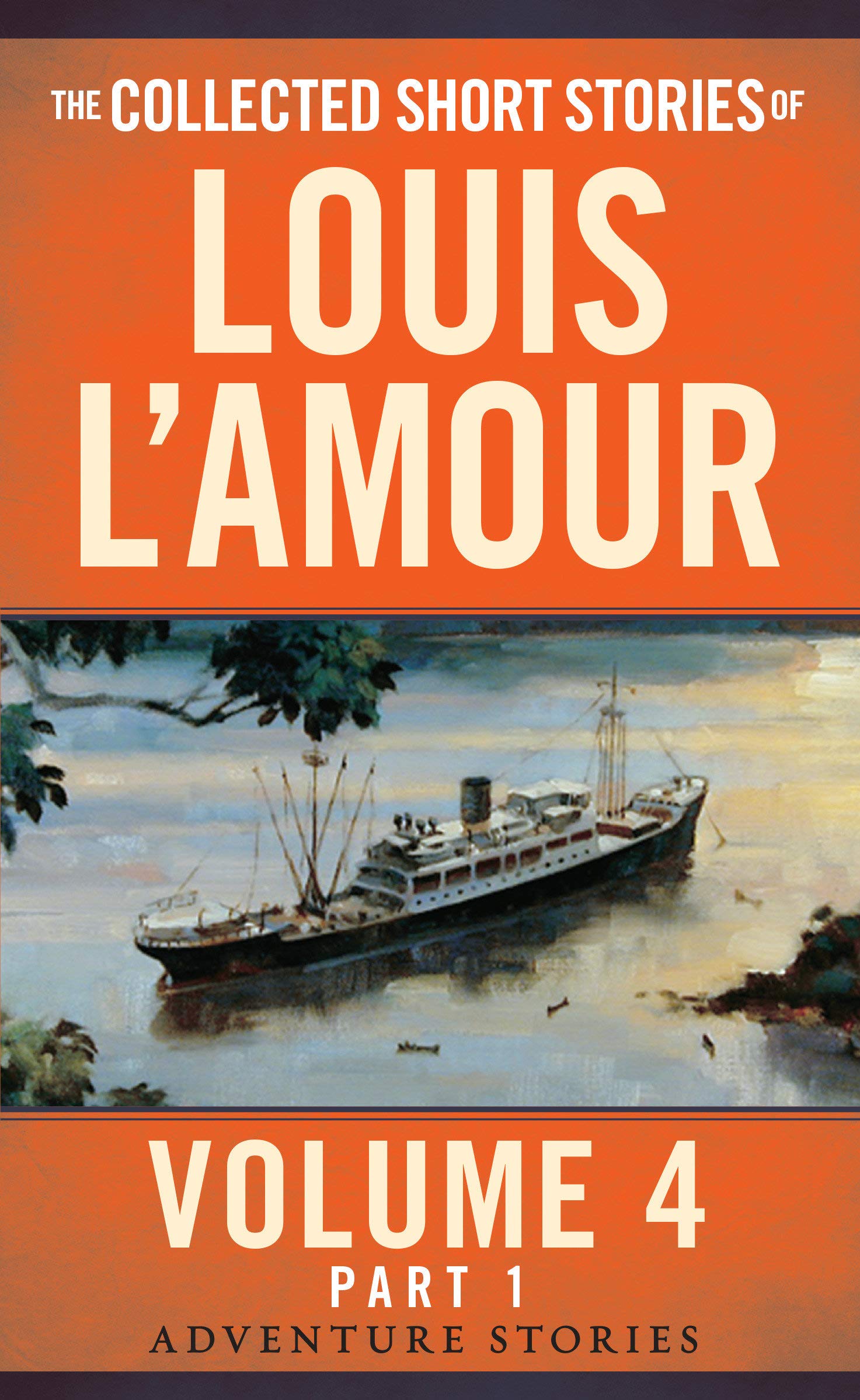
Collected Short Stories of Louis L’Amour, Vol. 4

Children of the Night: Best Short Stories by Black Writers

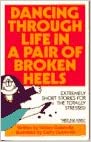
Dancing Through Life in a Pair of Broken Heels

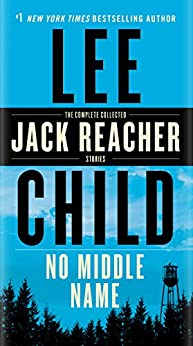
No Middle Name: The Complete Collected Jack Reacher Short Stories

Beautiful Days

Amish Front Porch Stories

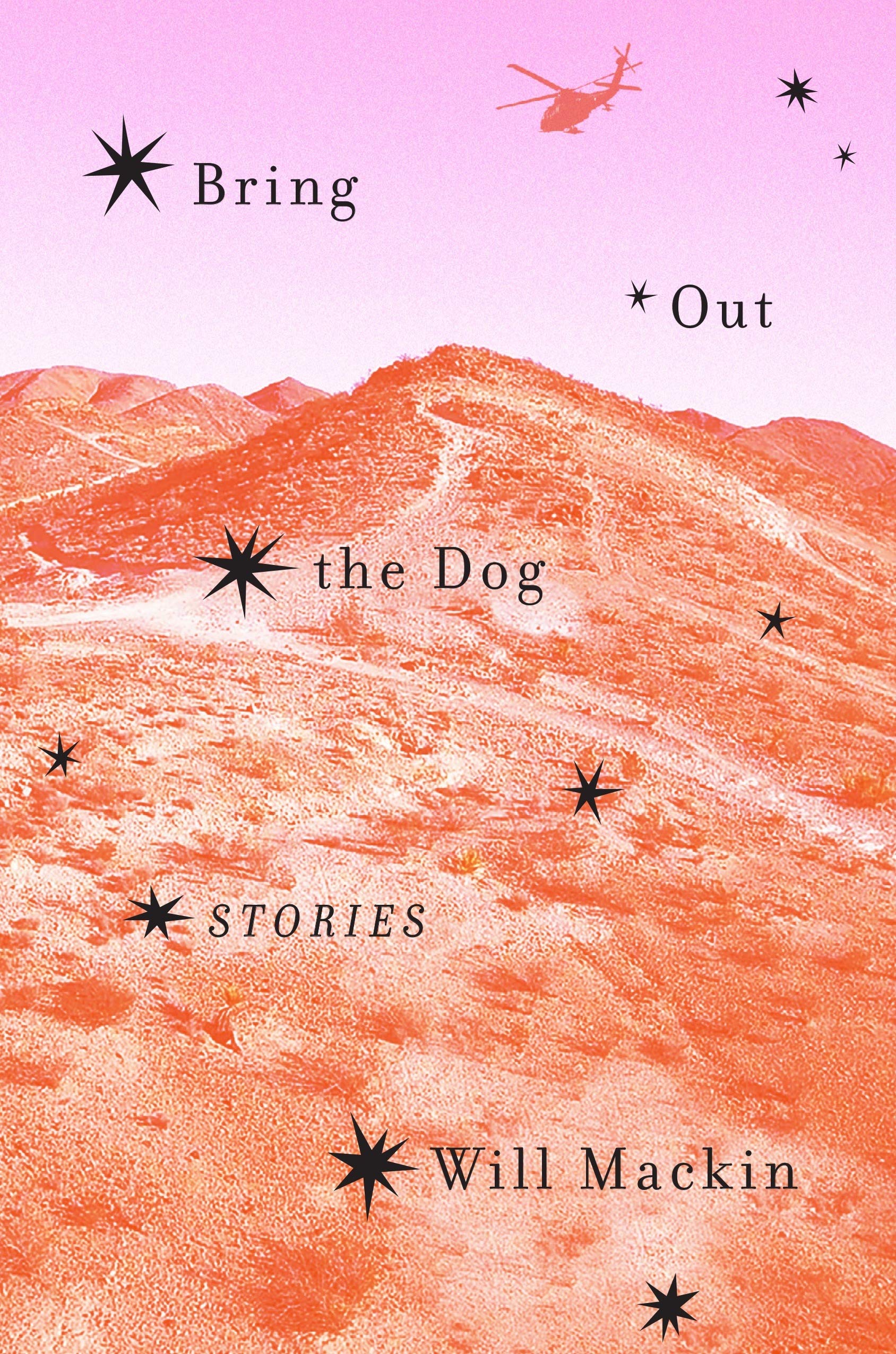
Bring Out the Dog: Stories

Complete Stories of Edgar Allen Poe

Cutting Edge: New Stories of Mystery and Crime by Women Writers

20th Century Ghosts

The Maus Trap

As long as there have been books, there has been controversy about books. There have been six major book-burnings in the US (yes, America) over Harry Potter, because some people believe a little too much in witches, though, personally, if I believed that strongly in witches, I might just not want to anger them.

But logic doesn’t exist in book burnings, or bannings.

In 1948, in Binghamton, New York , people went door to door gathering and burning comic books, to save youth from their moral depravity. It sparked a nationwide comic-book burning spree, including here in Connecticut.

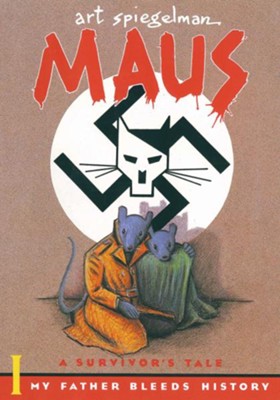
This year’s book fiasco (and this happened on January 10), has been the McMinn County (Tennessee) School Board voting 10-0 to remove the graphic novel Maus from their curriculum, over the use of 8 curse words (the most objectioned being – forgive me if you will, God damn), and the depiction of a naked mouse in a bathtub, with a breast showing. A mouse-breast. 

Maus is not drawn as graphic realism; with its heavy line style, it could be cut and printed in woodblocks and look the same.

Maus, by Art Spiegelman, is the winner of a 1992 Pulitzer Prize, the only graphic novel ever to do so. In it (sometimes found in two volumes, sometimes as one combined), Spielman interviews his father, a Polish Jew, as to what it was like to survive the Concentration Camps – his father spent time in both Auschwitz and Dachau, and his mother in Auschwitz. Nazis are portrayed by cats, Jews by mice, Americans by dogs, French by frogs, British as fish, and Swedes as deer.  

Spiegelman has a lot of anger toward his father that comes out now and then in the story. His father was, understandably, damaged by the war and not necessarily an empathetic father. Spiegelman’s mother couldn’t rid herself of the experience, and committed suicide when he was 20 (the unfortunate mouse in the bathtub). It’s a true story, an honest story, and Spiegelman’s struggle to make sense of it and his place in the narrative is the struggle we all face trying to understand the Nazi rise to power and the unimaginable atrocities they carried out – atrocities so horrific, the experiences threw open the study of epigenetics on the belief that the DNA of survivors’ children had been altered by the experiences of the parents, though some studies are undecided.

Tennessee withdrew the book from the curriculum just three days before Holocaust remembrance day, citing moral issues that included violence and showing dead mouse children, language, and that naked mouse breast in one panel. 

Maus is now the top-selling book in America, thanks to Tennessee’s decision that thirteen year olds learning about the Holocaust in graphic form and seeing mild curse words in print might damage them. Good thing they never saw the photo novel my father, a historian, has of World War II, which is nothing but photographs of the war, including too many horrific images from the various camps, a book which has haunted me since childhood.

The internet, while not reliable for many things, had the best quote: If it was okay for 13 year old Anne Frank to live through it, why is it too disturbing for 13 year old Tennessee children to learn about it? 

There are many reasons some books may be objectionable, outside of really bad prose, and yes, it is not unreasonable that some books should have an age limit – after all, movies and video games do. I would not recommend reading “The Exorcist” to a ten year old, even a literate one. The thing to remember is that not everyone can agree on what or why something should be limited, or worse, banned. Always, always, read the banned book, find out what information someone is trying to suppress, why, and then talk about it. If you still find the material objectionable, that’s fine, but you don’t have the right to control its availability to others.

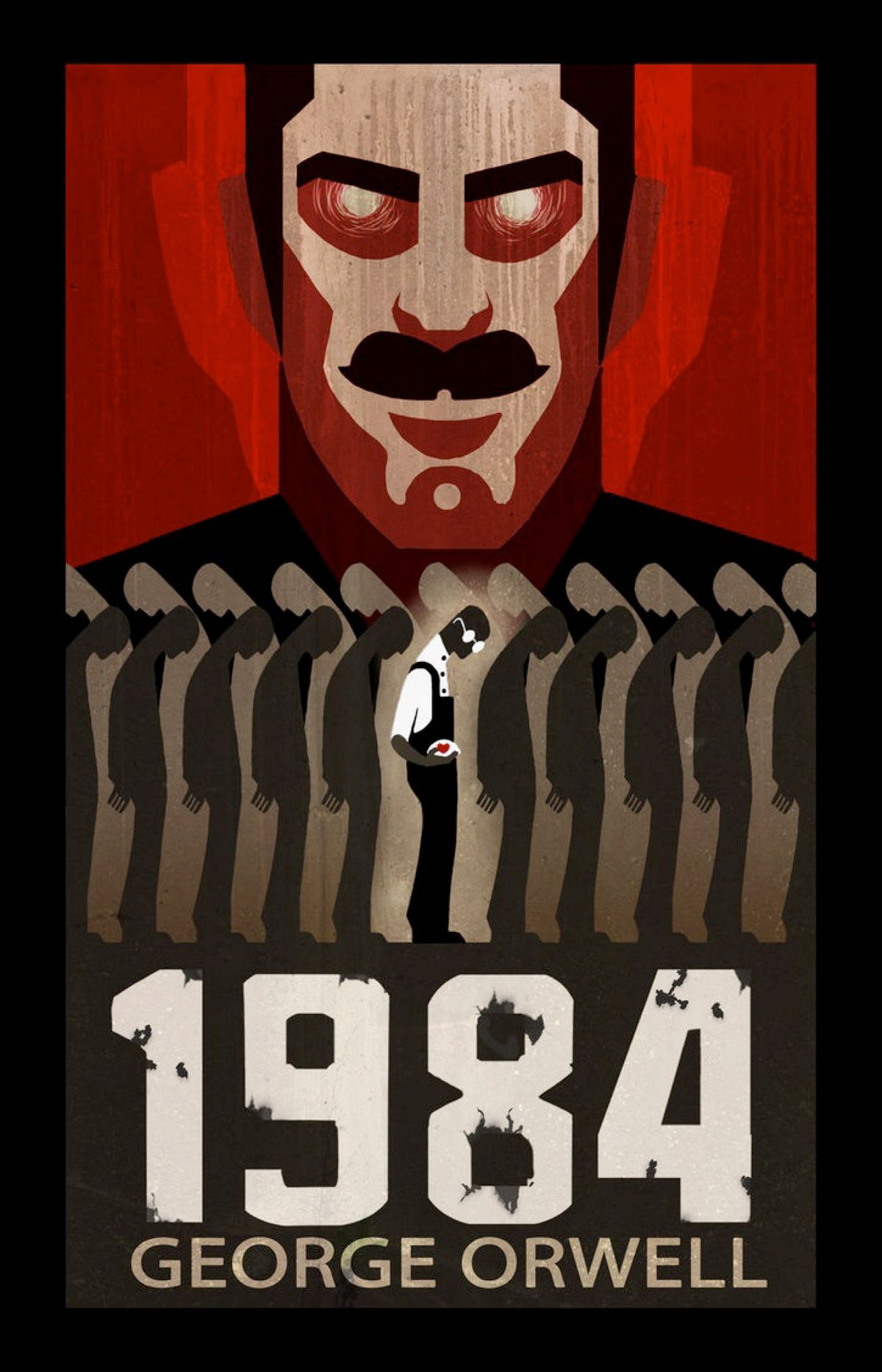
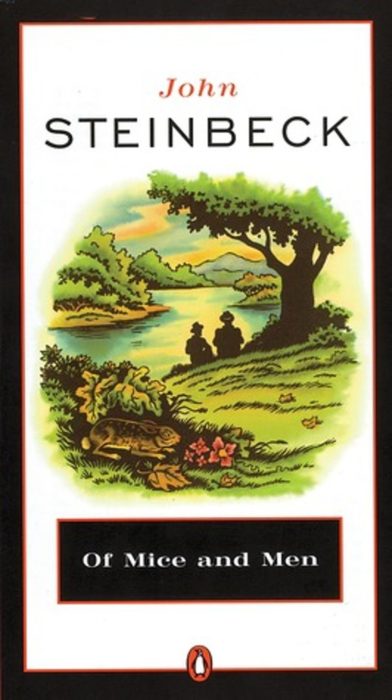
Decide for yourself. Maus is currently sold out on Amazon, but you can join the wait list for the library’s copy here. Meanwhile, check out these commonly banned books – most of which the rest of America considers classics (1984 by Orwell is the #1 banned book in America).

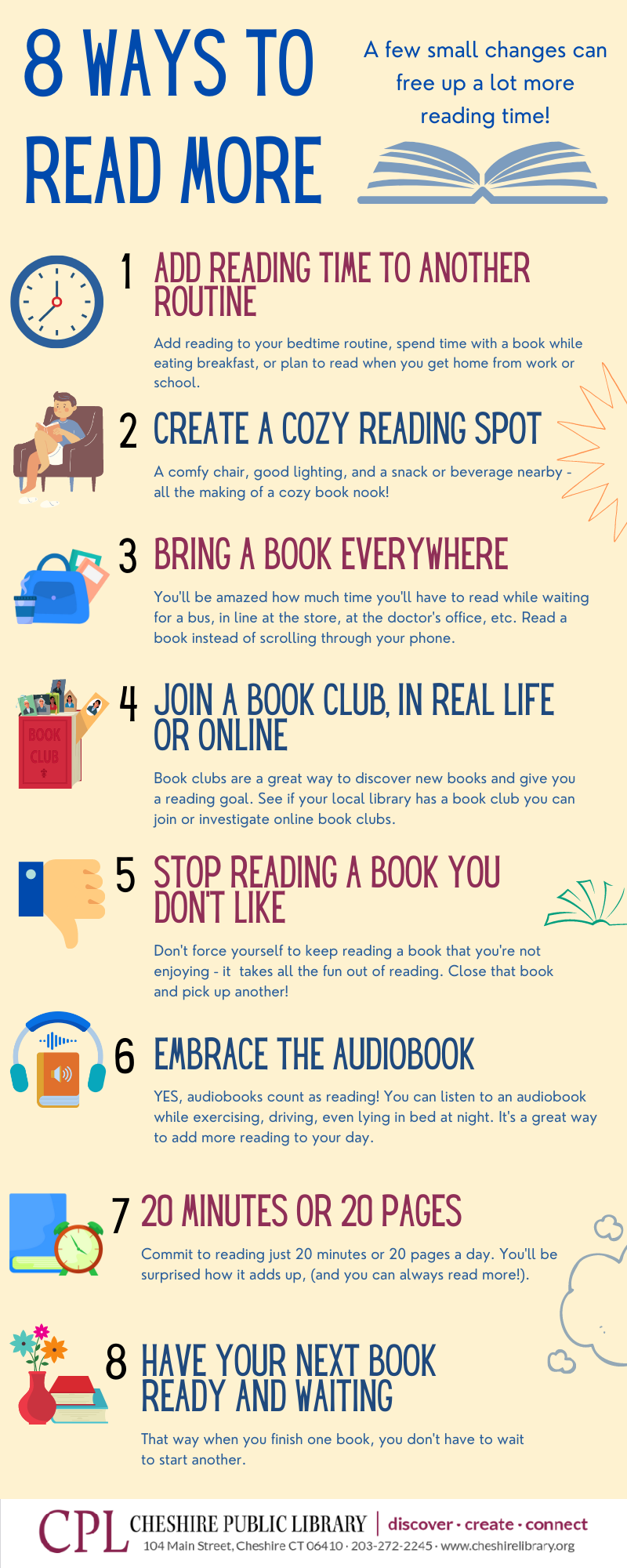
8 Strategies to Read More in 2022

Is “reading more” on your list of things to do this year? Finding time to read isn’t always easy – life can often get in the way, and distractions are plentiful! So how can we devote more time to books and reading in the coming year? Here are 8 strategies to try, you’ll be surprised how much reading you can get done!

OK, now that you’ve found some time to read, here are a few tips for finding what to read.

Check out the FastTrack shelf when you’re at Cheshire Library. We reserve a copy of our most popular titles for the FastTrack shelf. These copies are immune from Holds, go out for 14 days, and cannot be renewed. If there’s a hot new book that you’re dying to read (or you just want to see what the hot new books are), check out this shelf each time you come into the library. They’re designed to move fast, so check back often!

Sign up for our New Items Newsletter. Powered by Wowbrary, our weekly e-newsletter shows you everything the library has purchased for the collection (including downloadable items) each week. You can get a jump on the Holds list by requesting items as soon as we’ve ordered them.

Browse the Staff Picks display. This wall of books is located near the Checkout area, and our staff keeps it filled with their favorites. Librarian approved!

Peruse the book lists in our online catalog. You can find the latest New York Times Bestseller lists, lists of our newest items, and Staff Picks (staff-created book lists on a wide range of topics).

Grab a Book Bundle. We bundle together 3 books on a similar theme and display them on the Book Bundle shelf in our lobby. The themes change frequently, check this shelf often!

Try our MatchBook service. Our personalized reading service will help you find your next book. Just answer a few questions on our online form and we’ll provide you with a selection of fresh reads based on your interests.

There are even more ways to find a good book on our website, check out our Find a Good Book page.