Dragon Cards, Dueling Decks, and a Packed House: Reading Dragons Soar at Cheshire Public Library

This summer, the Cheshire Public Library turned up the heat (and the magic) on our Summer Adventure by introducing a wildly fun and fiery addition: Reading Dragons!

Originally developed by the Dover Public Library in Ohio, Reading Dragons is a free, card-based reading incentive program that rewards kids with collectible dragon cards for each hour they read. Thanks to the collaborative efforts of librarians nationwide, the program has taken flight, now used in over 400 libraries across 42 states and 5 countries—and we’re thrilled to be part of the dragon-loving fun.

How It Works

At its core, Reading Dragons inspires kids to read more by tapping into their love of collecting, creativity, and games:

  • Finish 3 levels of the Cheshire Library Summer Reading Adventure and get a complete starter deck of Dragon Duel Cards—it is that simple.
  • Each card features original artwork of dragons and mythical creatures.
  • Gameplay is similar to Rock, Paper, Scissors, except with dragon types (fire, water, and leaf).

Cheshire’s Dragon Dueling Decks: Our Fiery Twist

We decided to take the Reading Dragons concept and add our own twist to the cards and the program. Originally, the program called for giving readers a individual trading card for each hour they read. At first, we planned to follow the program as designed but we quickly realized this would overwhelm our staff. Instead, we decided to give participants who completed the first three levels of our program, a full starter deck of 24 custom-designed cards.  

This not only freed up staff for programs, collection maintenance, and development but it also allowed our summer readers to get their cards at the halfway point. This allowed us to recapture our summer readers attention. We are hoping this will lead to more kids to finishing the program this year. 

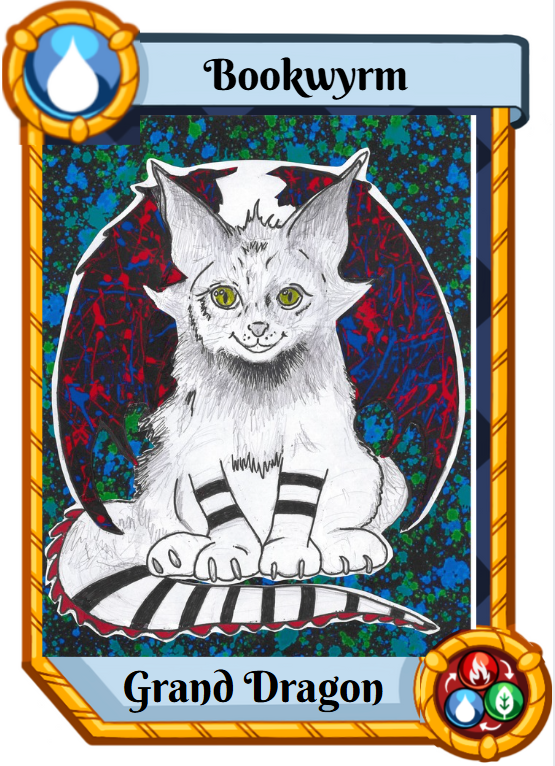
One of our proudest additions? The Bookwyrm Dragon set, lovingly designed by our talented staff member Laurie Lee, who previously created the Cheshire Cat logo for last year’s registration prize. This year, Laurie stunned us again with her imaginative Cheshire Cat/Dragon hybrid—one of the stars of the starter deck! Laurie is an incrdible artist who always goes above and beyond for the library.
Game On: Our First Dragon Duel Tournament

This week, the dragons truly came to life with our first-ever Dragon Duel Tournament—and the turnout was amazing! Our library was packed with excited young readers-turned-card battlers, eager to put their decks to the test! Their goal defeat their opponent’s dragons and win special edition cards with game changing powers!

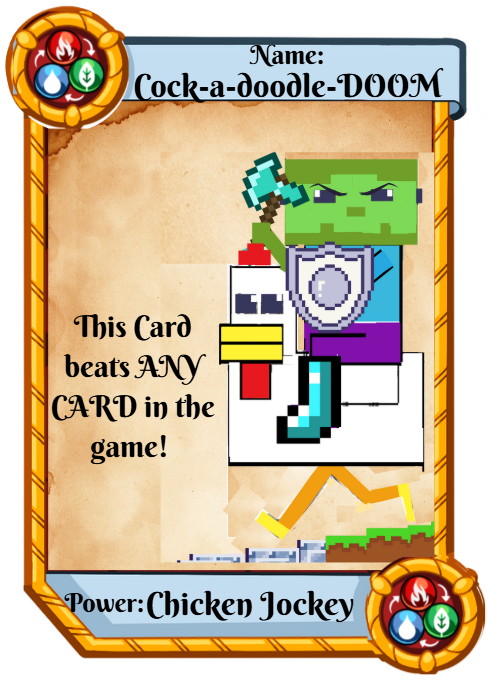
All of our participants received a special edition card, however our tournament champions walked away with the most powerful card we have unveiled so far:

The dreaded and coveted Cock-a-doodle-DOOM card! A card that harnesses the massive power of the Chicken jockey and defeats any card in the game. Needless to say, this will be a very limited edition card.
What’s Next for Cheshire Library and Reading Dragons?

This is just the beginning. We are already brewing up plans to continue the Reading Dragons experience into the fall and winter, with:

  • All-new cards
  • New game changing powers
  • Even more duels, events, and excitement

Reading has never been so mythical—or so much fun.

A huge thank you to the creators of the Reading Dragons program, local artist and library staff member Laurie Lee, and to our own amazing team here in Cheshire. We’re thrilled to bring reading and creativity together in such an unforgettable way.
Making Sense of Book Awards

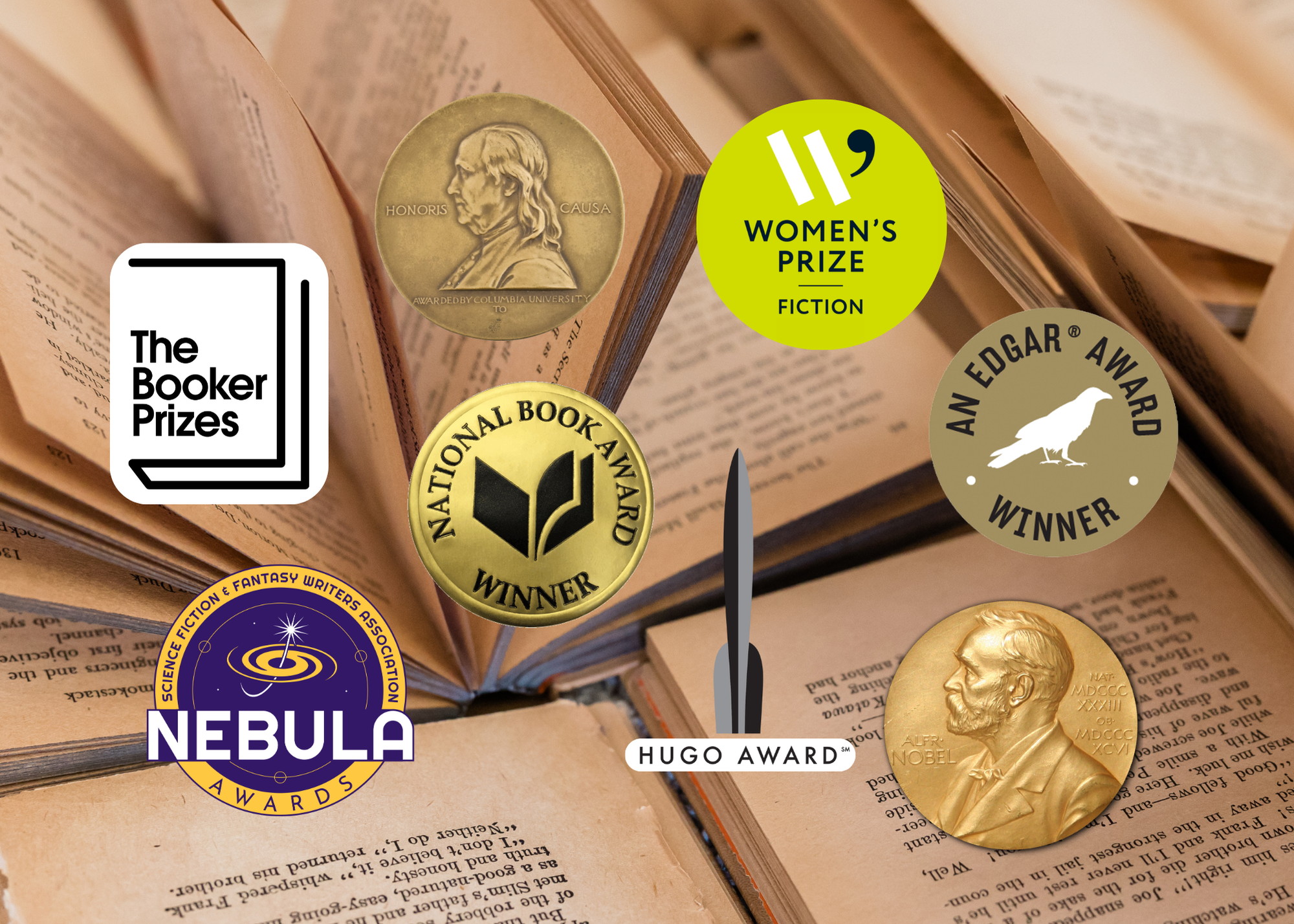
Has this ever happened to you? You’re in a library or book store, minding your own business, when a ray of light blinds you, stopping you in your tracks. You think, “Is this aliens? Is this the rapture? What is going on?” You catch your breath and realize it’s just the gleam of one of those shiny emblems that says, “Booker Prize.” You pick up the book and even more questions flood your mind: “Who’s this Booker fella and what right does he have to tell me what to read?!” I’ve been there, I get it. But there’s no need to dismay. Once you make sense of book awards, they can be helpful tools in the eternal search for your next book.

Booker Prize

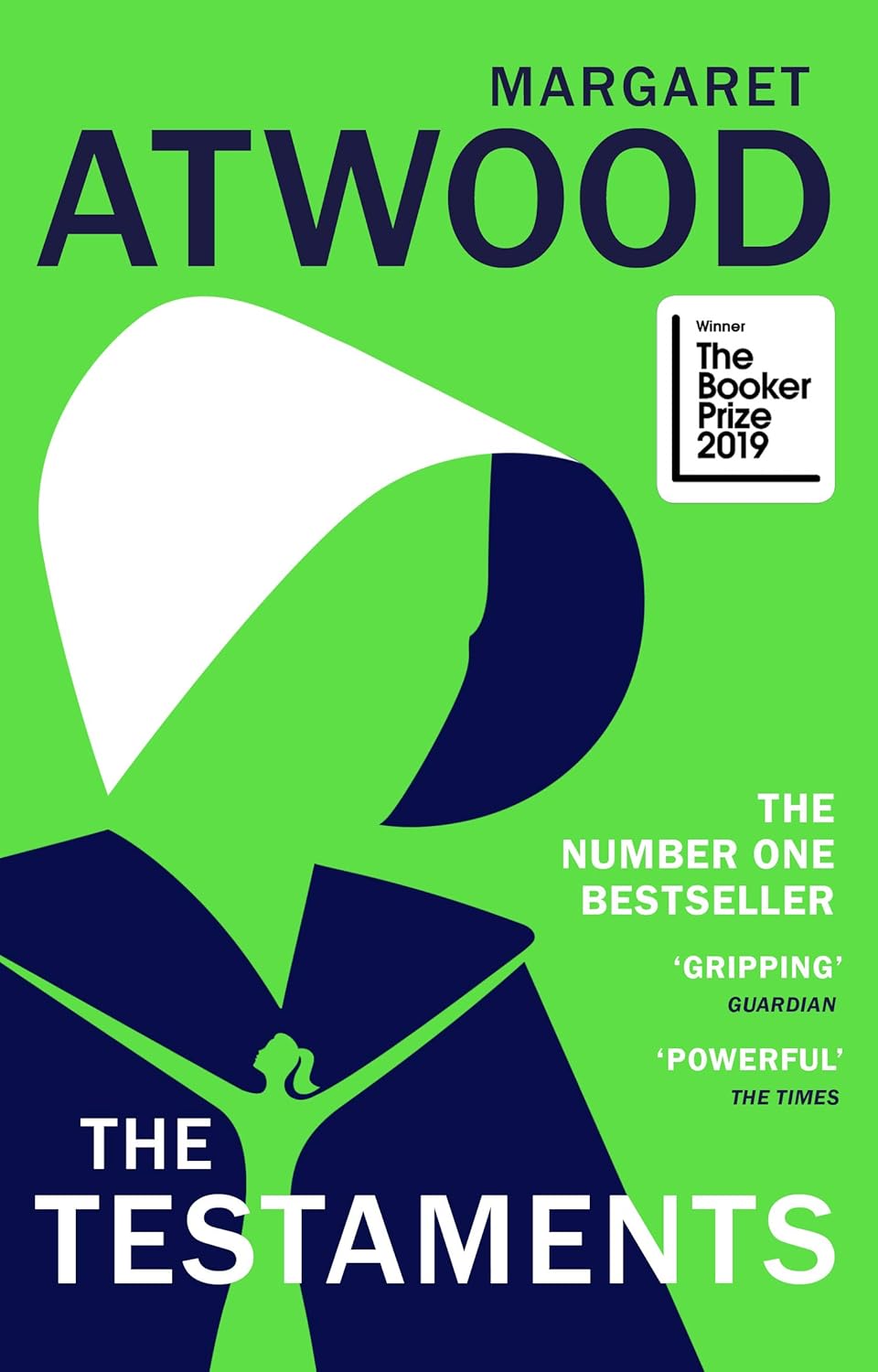
The Booker Prize (formerly the Man Booker Prize) is awarded to a book written in English and published in the United Kingdom or Ireland. A panel of five, made up of “creative peers,” choose the winning book. The award skews towards British and Irish authors, but winners hail from around the world, like Sri Lankan author Shehan Karunatilaka or Jamaican author Marlon James. These books land on the literary side side of things, and some recent winners include George Saunders’ Lincoln in the Bardo, Margaret Atwood’s The Testaments, and Bernadine Evaristo’s Girl, Woman, Other.

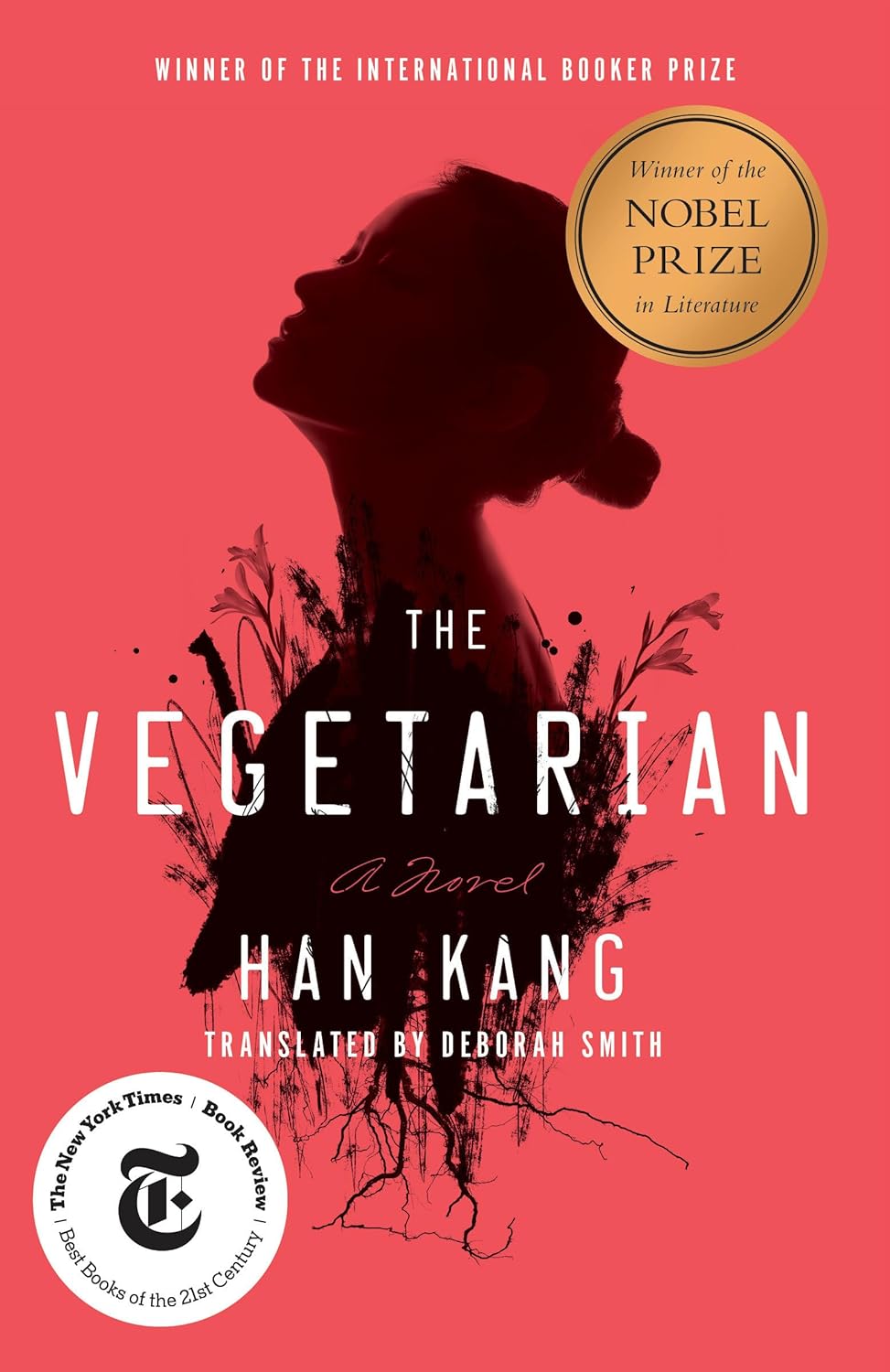
The International Booker Prize is also worth noting. These books are translated into English and must be published in the UK or Ireland. The Vegetarian by Han Kang, Flights by Olga Tokarczuk, and Time Shelter by Georgi Gospodinov won in 2016, 2018, and 2023 respectively.

Nebula and Hugo Awards

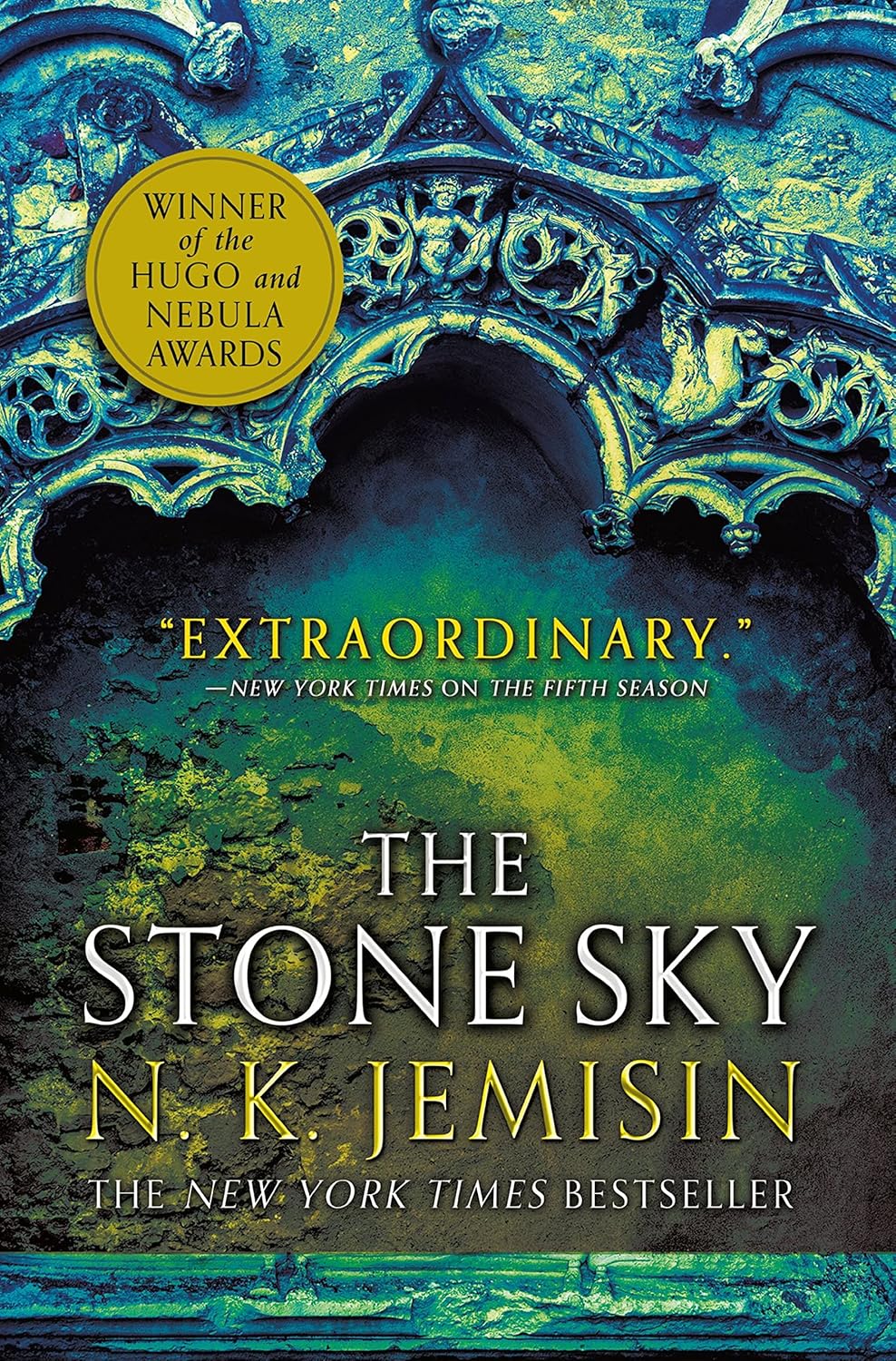
The Nebula and Hugo Awards are the two big names associated with science fiction and fantasy (SF/F) literature. The biggest difference between these awards is the voting body. To vote on the Nebula, you need to belong to the Science Fiction and Fantasy Writers Association. Essentially, you need to be a SF/F writer yourself. For the Hugo Award, all you need is a membership to the World Science Fiction Convention, which costs $50. Despite this difference, it’s not uncommon for a single title to win both awards. Some recent examples of this feat are Network Effect by Martha Wells, The Stone Sky by N. K. Jemisin, and This is How You Lose the Time War by Amal El-Mohtar and Max Gladstone.

Edgar Award

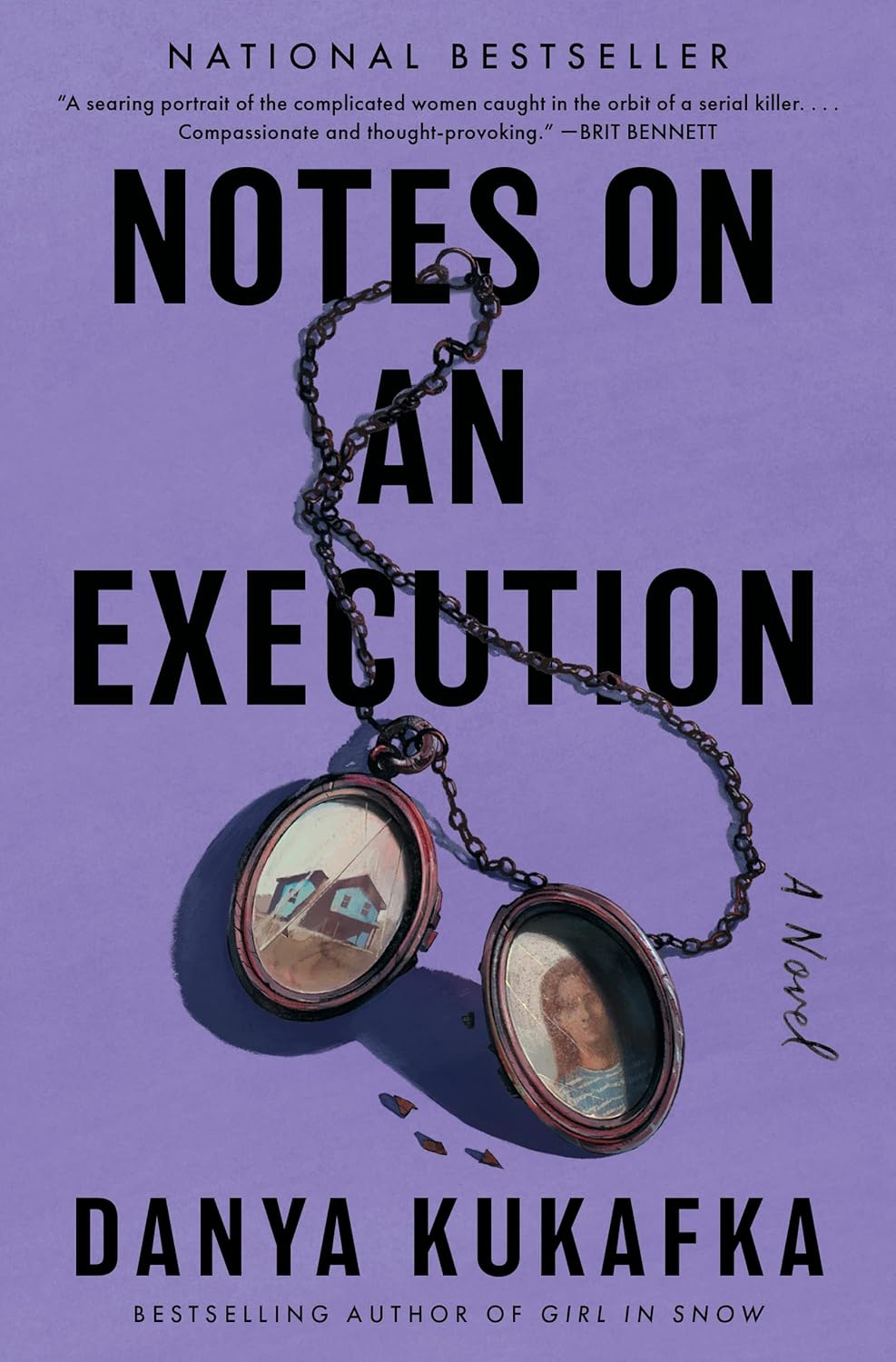
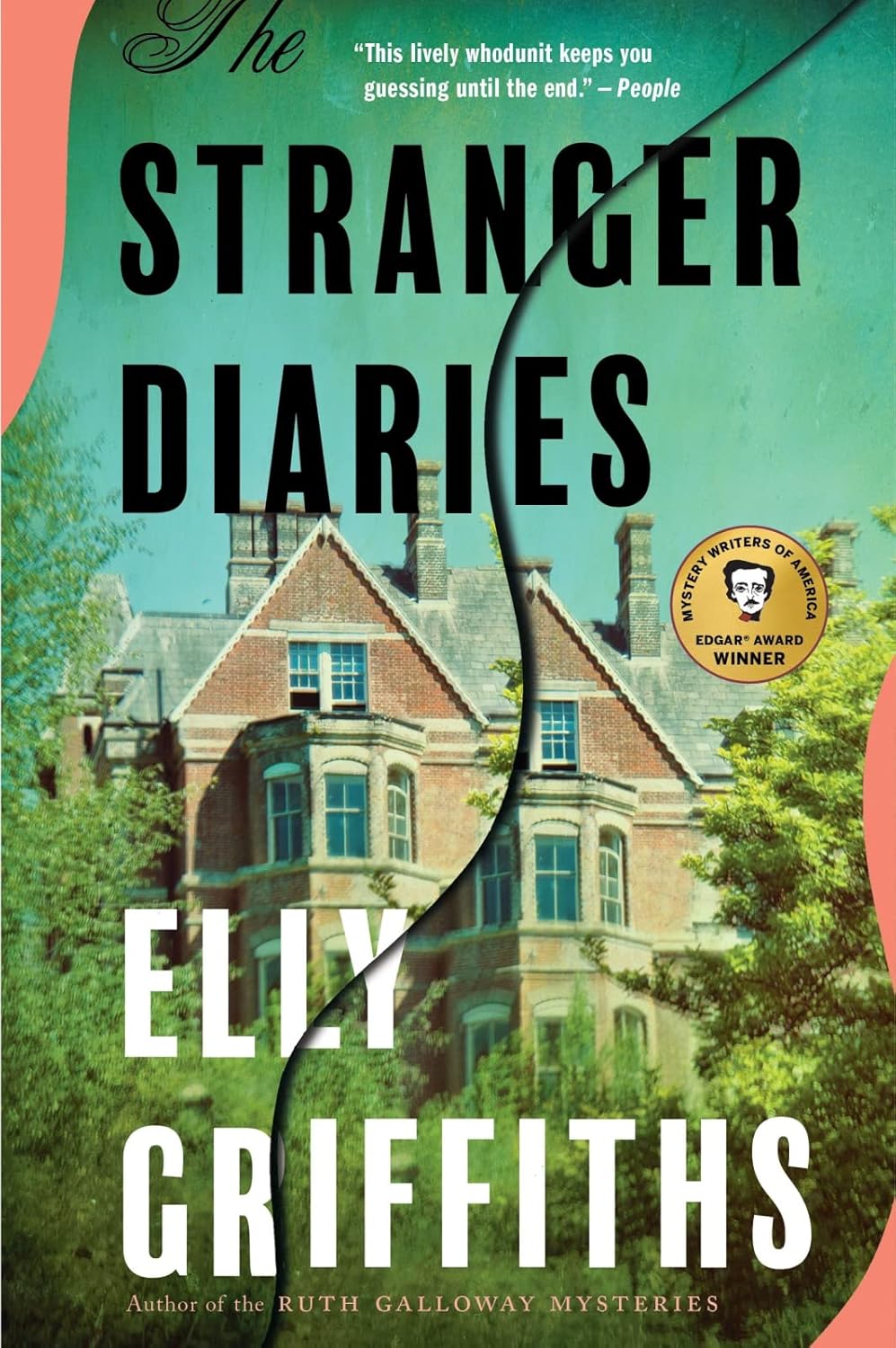
The Edgar Award is named after (who else but) Edgar Allen Poe to honor the best of the mystery genre, and chosen by the Mystery Writers of America. In the past, some familiar names have won: Stephen King for Mr. Mercedes and Noah Hawley (writer of the Fargo television series) for Before the Fall. But overall, The Edgar Award stands out to me because the winning books tend to be less well known; it’s a good way to find underappreciated gems. Some recent winners include Notes on an Execution by Danya Kukafka, Djinn Patrol on the Purple Line by Deepa Anappara, and The Stranger Diaries by Elly Griffiths.

National Book Award and Pulitzer Prize

The National Book Award (courtesy of the National Book Foundation) and the Pulitzer Prize for Fiction (courtesy of Columbia University) are both meant for American authors. The Pulitzer Prize is awarded to novels that “deal with American life” and tend to be fairly popular, often getting the television or movie treatment in the years after its win. The National Book Award has more lofty goals, and is designed to “ensure that books have a prominent place in our culture.” These winners don’t generate as much buzz, but they’re just as profound and moving.

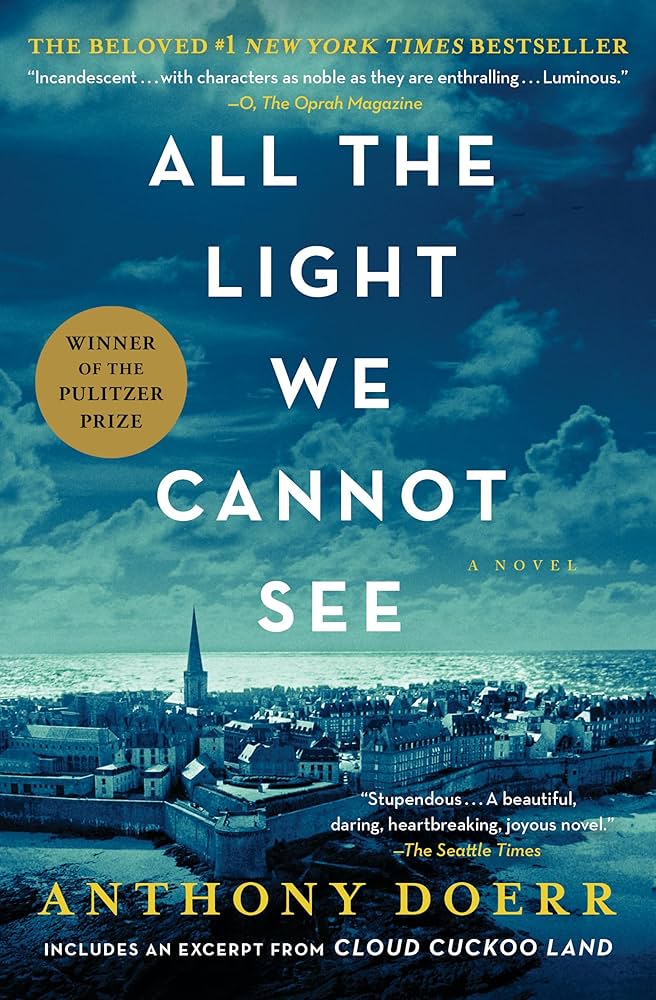
Winners of the Pulitzer Prize for Fiction include The Nickel Boys by Colson Whitehead, All the Light We Cannot See by Anthony Doerr, and The Goldfinch by Donna Tartt.

Winners of the National Book Award include Blackouts by Justin Torres, Sing, Unburied, Sing by Jesmyn Ward, and The Good Lord Bird by James McBride.

Nobel Prize in Literature

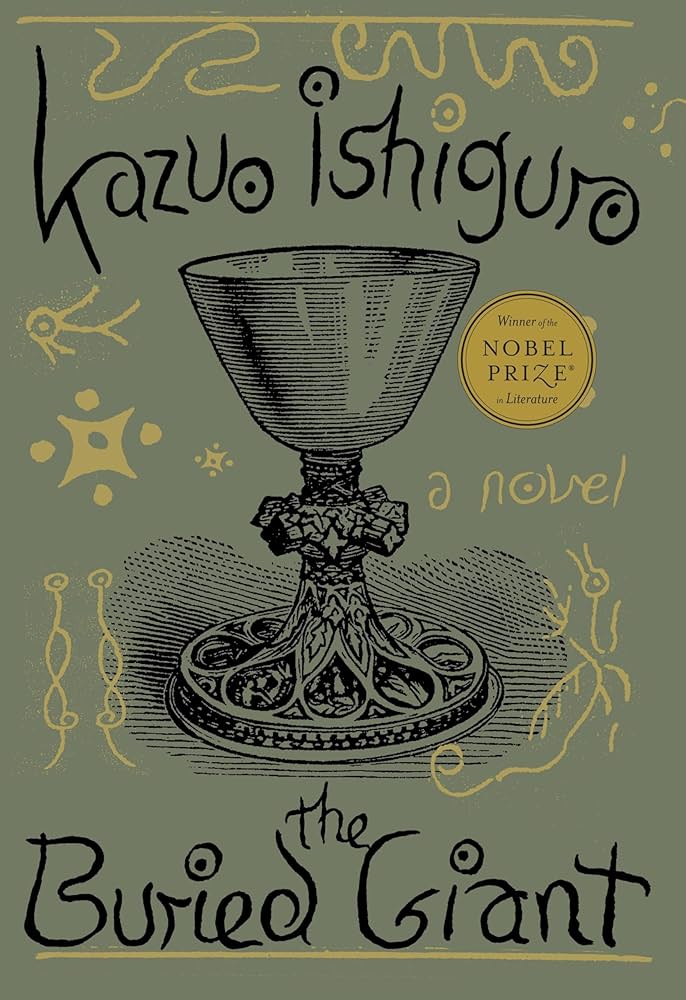
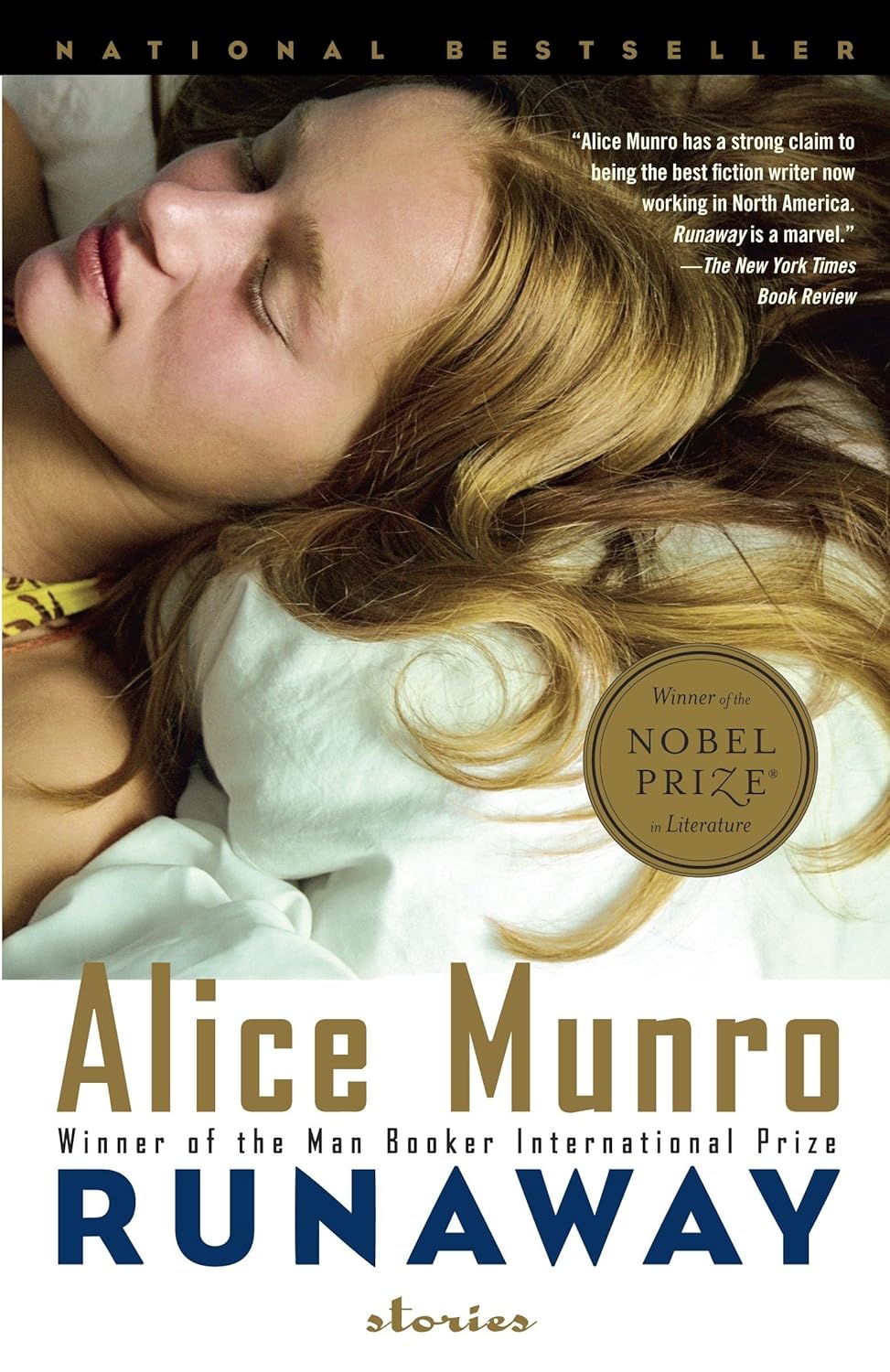
The Nobel Prize in Literature is voted for by the Swedish Academy and stands out in a couple ways: Authors from any country are eligible for the award, and awards are based on an author’s body of work as a whole. This means that the winning author can put the “Winner of the Nobel Prize in Literature” stamp on any book in their back catalogue and any future book they write. Sounds like a good deal to me! Past winners include Kazuo Ishiguro, Alice Munro, and Toni Morrison.

Women’s Prize for Fiction

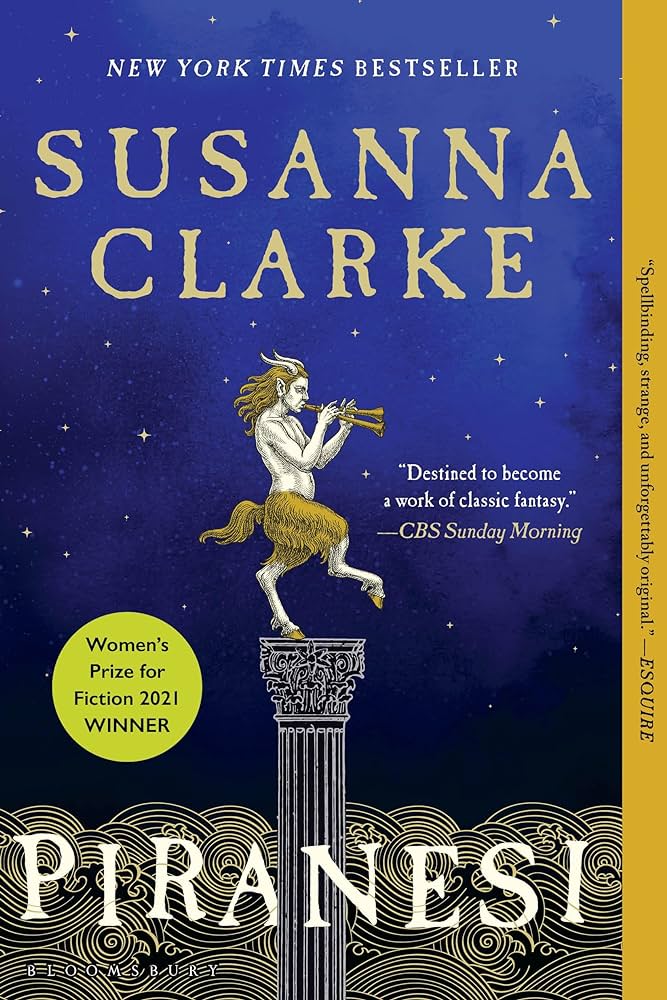
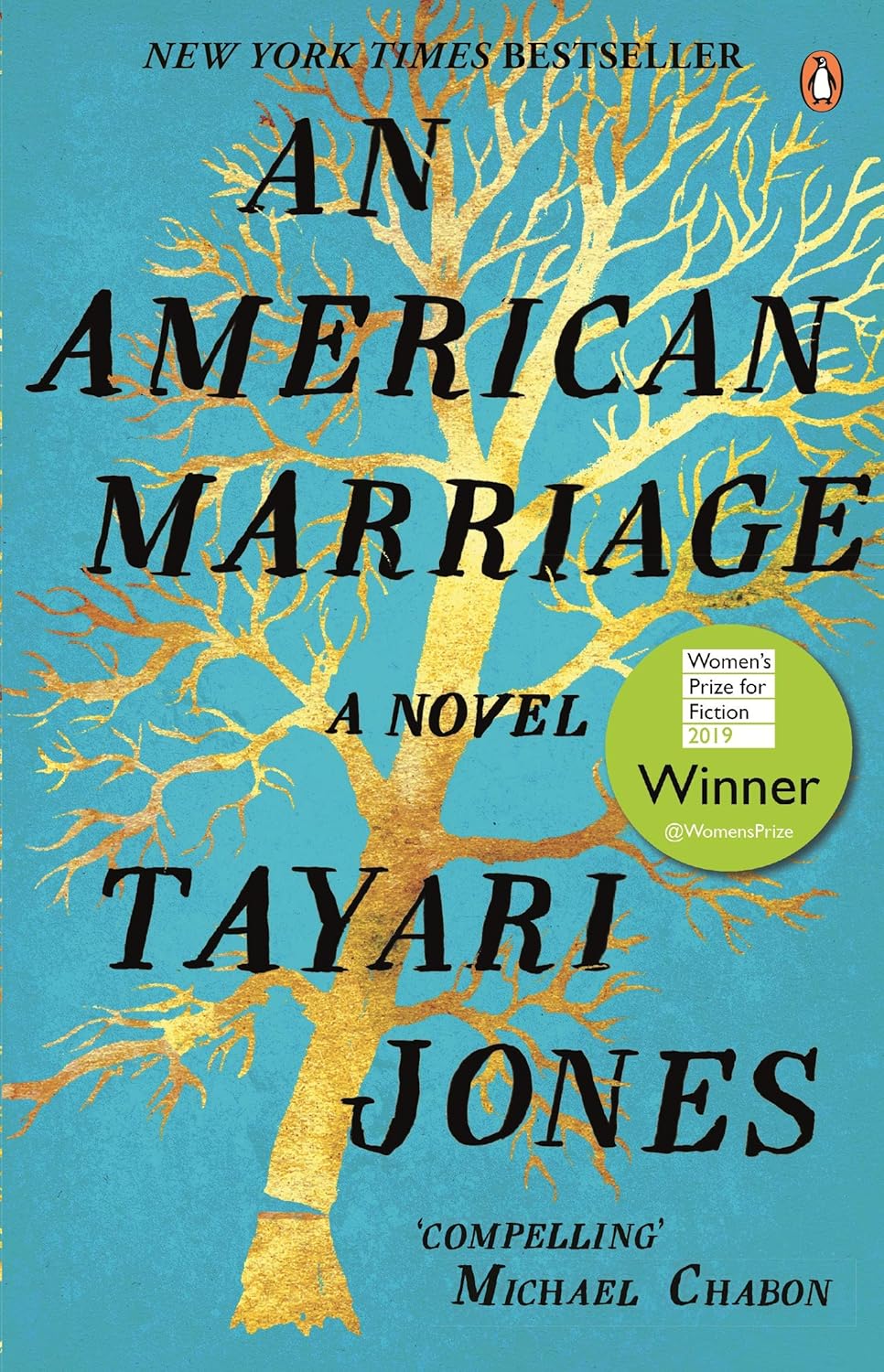
The last award I’ll touch upon is the Women’s Prize for Fiction which is voted on by a panel of five notable women. This award, along with the Booker Prize and the now defunct Costa Book Awards, at one point made up the “trinity” of UK’s literary prizes. Recent winners include Piranesi by Susanna Clarke, Hamnet by Maggie O’Farrell, and An American Marriage by Tayari Jones.

It can also be interesting to look at the notable awards of non-English speaking countries. Winners usually have an English translation available, and their relative obscurity makes it feel like you’ve uncovered some esoteric text. Compass by Mathias Énard was a great find of mine that won the French Prix Goncourt Award in 2015.

At the end of the day, it’s important to remember that these awards are all made up. They were all chosen by people, and people have their own tastes, their own mercurial and indecipherable preferences. There is no trait–not intelligence, success, nor clout–that makes one person a better “book judge” than another. If you find an award that speaks to you, great! But otherwise, take them all with a grain of salt and keep in mind the only book award that truly matters: The (insert your name here) Award.

P.S. If you really want to dive into the dramatic side of the book award world, there is always heated discussion about each year’s Booker Prize shortlist. This year, the six shortlisted books will be announced on September 23rd, and the more bookish parts of the internet will be a-buzz, defending their favorites and attacking the books they deem unworthy. It’s a bit messy, but good fun.

4 Teens’ Takes on “A Good Girl’s Guide to Murder”

The following is a collection of book reviews by four teens (identified here by their initials) who read Holly Jackson’s novel, A Good Girl’s Guide to Murder. All four teens rated the book 5/5 stars. What makes it so good? Should you read it, too? Read on!

Grammar and spelling in some reviews have been edited for clarity.

Summary (provided by the publisher):

Everyone in Fairview knows the story.

Pretty and popular high school senior Andie Bell was murdered by her boyfriend, Sal Singh, who then killed himself. It was all anyone could talk about. And five years later, Pip sees how the tragedy still haunts her town.

But she can’t shake the feeling that there was more to what happened that day. She knew Sal when she was a child, and he was always so kind to her. How could he possibly have been a killer?

Now a senior herself, Pip decides to reexamine the closed case for her final project, at first just to cast doubt on the original investigation. But soon she discovers a trail of dark secrets that might actually prove Sal innocent . . . and the line between past and present begins to blur. Someone in Fairview doesn’t want Pip digging around for answers, and now her own life might be in danger.

Use 5 words to describe this material.

OM: Truth, justice, friendship, reputation, mystery

GF: Mystery, suspenseful, confusing, thought-provoking, and compelling

KA: Mysterious, action-filled, suspenseful, perseverance, and thrilling

MH: Captivating, thrilling, entertaining, suspenseful, shocking

Why did you read/view this material?

OM: It is a New York Times bestseller and friends were recommending it.

GF: I read this book because my friend recommended it to me and it looked like a very interesting book.

KA: I read this book because of how it was getting amazing reviews and also because of how I wanted to read the whole series.

MH: I read A Good Girl’s Guide to Murder because it was popular and I am interested in the genre of murder mysteries. 

What was your favorite part and why? 

OM: The surprise twist at the end. This story kept you at the edge of your seat. 

GF: My favorite part of the book is when you find out who is behind the whole scene. The buildup in this book is amazing, and I was questioning who actually did it the whole time. The book surprises you with that answer! 

KA: My favorite part was when Pip found out who was the true murderer. It was the person I least expected. 

MH: My favorite part is the part that must never be spoiled ahead of time, this is the part where everything falls together and Pippa figures everything out. This is my favorite part because it’s so satisfying to see all the clues put together, the ending is so unexpected. It is an ending worthy of Agatha Christie.

What is one thing that you would change about this material? Why? 

OM: The beginning is a little confusing, as it switches from first person, to journal entries, to interview transcripts. I had to spend more time than I usually would figuring out what was important to focus on before could I really process the point of the story.

GF: One thing that I would change about this book is giving the outside characters that are still relevant to the book more of a story. In this book, everyone is viewed as a suspect for Pip to investigate, but in reality, every character is different and has their strengths and weaknesses.

KA: Something I would change about this book is how it has pictures. I prefer when books do not have pictures.  

If you could ask the author/creator one question about this material, what would it be and why? 

OM: I would ask the author how she got the idea because the book states that it is completely fiction. It is such a well thought out and creative story, I would love to know where she gets her inspiration.

GF: If I could meet Holly Jackson and ask her one question about A Good Girl’s Guide To Murder, I would ask her what gave her the idea to write this book. It has very big plot twists and the storyline is complex, so I would ask her how she came up with this.

KA: Something that I would ask Holly Jackson is what inspired her to write a book about this topic. Was it based on a true story/something that really happened?

MH: If I could ask Ms. Jackson one question about A Good Girl’s Guide To Murder, it would be this, how did you come up with your ending? The ending was truly very unexpected and surprising, I would like to know how Ms. Jackson came up with such a unique ending.

Who do you think would like this material and why?

OM: Anyone that enjoys mysteries or realistic fiction would enjoy this book.

GF: I think that teenagers would like this book. This is because it has great characters that most people can relate to, and it has big plot twists that older kids would enjoy.    

KA: I think people who like crime/murder related books would like this.

MH: I think anyone thirteen years old or older would enjoy this book, even adults, the plot develops very quickly, yet it is not at all predictable. It is a thrilling and exciting read for anyone, not just true crime geeks.

Unorthodox Aliens

Reading science fiction can be overwhelming — what on earth is a chrono-synclastic infundibulum? Despite the tough jargon and speculative concepts, it’s quite an inward-looking genre. These stories typically loop back around to reflect something about ourselves — an assumption or expectation or fear that could use some interrogation. Aliens are possibly the most overt display of this narrative device. They are funhouse mirror versions of ourselves: the same but different. Aliens carry all the social, cultural, and political baggage we tend to associate with Otherness, but evoke sympathy too. At the end of E.T., are we not puffy-eyed to see that strange creature, who’s been nurtured and accepted, finally return home?

And don’t we all feel like E.T. — an alien, a pariah — in some way?

Here are some novels and stories that feature subtle and unconventional alien characters.


Sirens of Titan by Kurt Vonnegut

Kurt Vonnegut loves his unorthodox aliens. Hand-shaped Tralfamadorians play a significant role in Slaughterhouse-Five, but I’d like to mention a minor alien race from Sirens of Titan. In a slight deviation from his main journey, protagonist Malachi Constant crash-lands on a planet populated by harmoniums: flat, kite-shaped beings that cling to cave walls and only perceive the world through touch. They communicate with limited telepathic abilities and are able to send two possible messages:


The first is an automatic response to the second, and the second is an automatic response to the first.
The first is, “Here I am, here I am, here I am.”
The second is, “So glad you are, so glad you are, so glad you are.”


Hyperion by Dan Simmons

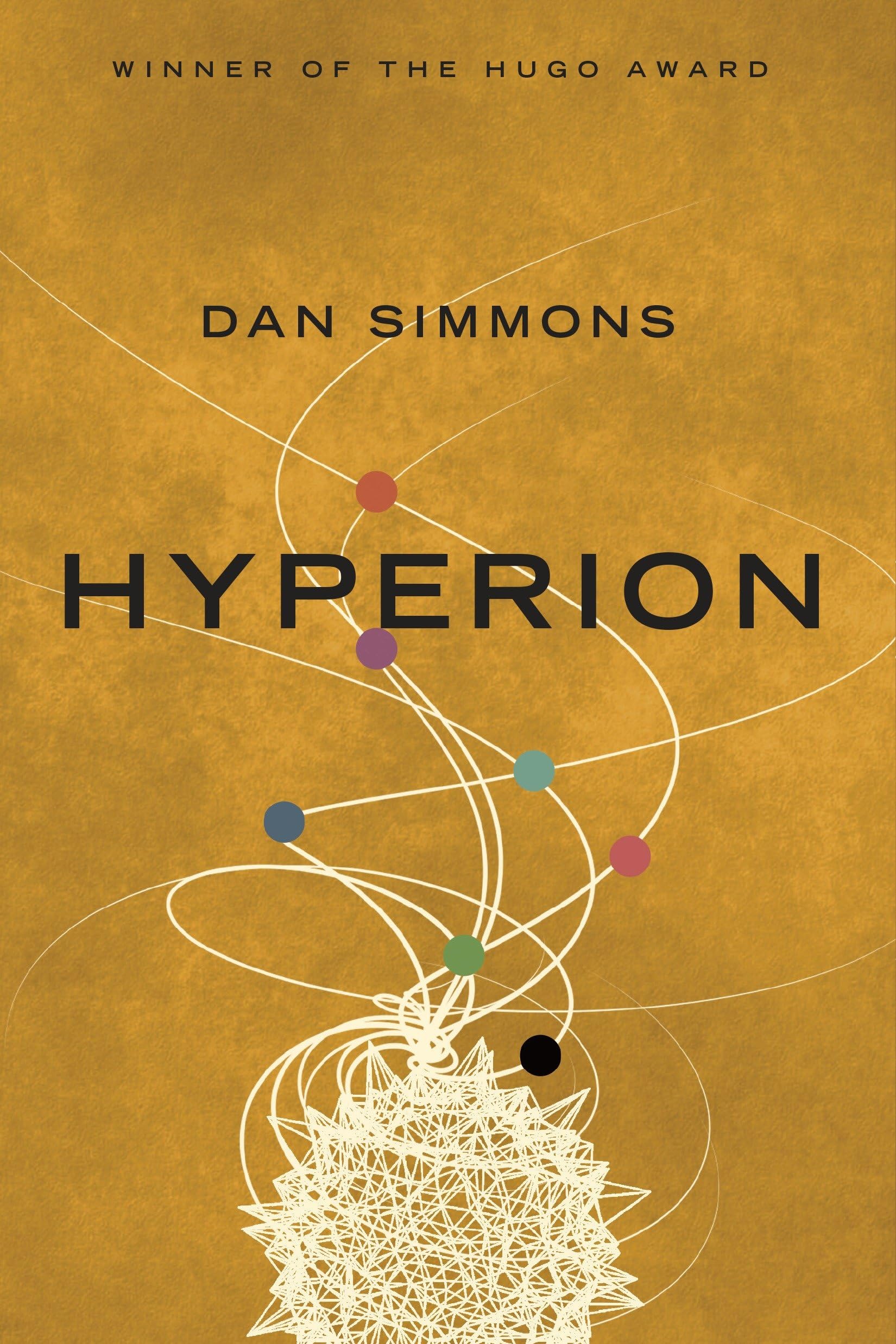
Hyperion borrows its framing device from The Canterbury Tales. Its narrative unfolds as each of six pilgrims tells their portion of the story on their way to the time tombs, where they plan to confront the omnipotent Shrike. The Shrike fits your evil-monster-alien archetype (with some twists along the way), but there are other alien beings that populate the many planets of Hyperion. Most poignant is Simmons’ depiction of a human race that has lost its home: the Earth. They become aliens in their own right, establishing new civilizations around the galaxy but ultimately “alienated” in one way or another.


Stories of Your Life and Others by Ted Chiang

“Story of Your Life,” from the short story collection Stories of Your Life and Others, is about language, specifically the field of science known as linguistic relativity. Researchers in this field try to determine whether the language we use affects the way we think. For example, some languages describe time using distance terms (like “short” and “long”) and others describe time using quantity related terms (like “much” or “little”). A study from 2017 concluded that, under certain circumstances, these language differences result in actual differences in time perception.

Chiang takes this idea to its extreme and introduces an alien race that communicates in a completely circular language. As a result, these aliens perceive time as though it were a circle, living the entirety of their lives simultaneously- past, present, and future.

What if a human were to learn their strange and powerful language? “Story of Your Life” was adapted into the 2016 film Arrival.


The Paper Menagerie by Ken Liu

Some might be familiar with Ken Liu’s translation work. He’s best known for the English translation of The Three-Body Problem, a sci-fi epic by Liu Cixin (now a Netflix Original). He also writes novels and short stories that blend sci-fi, fantasy, and folklore.

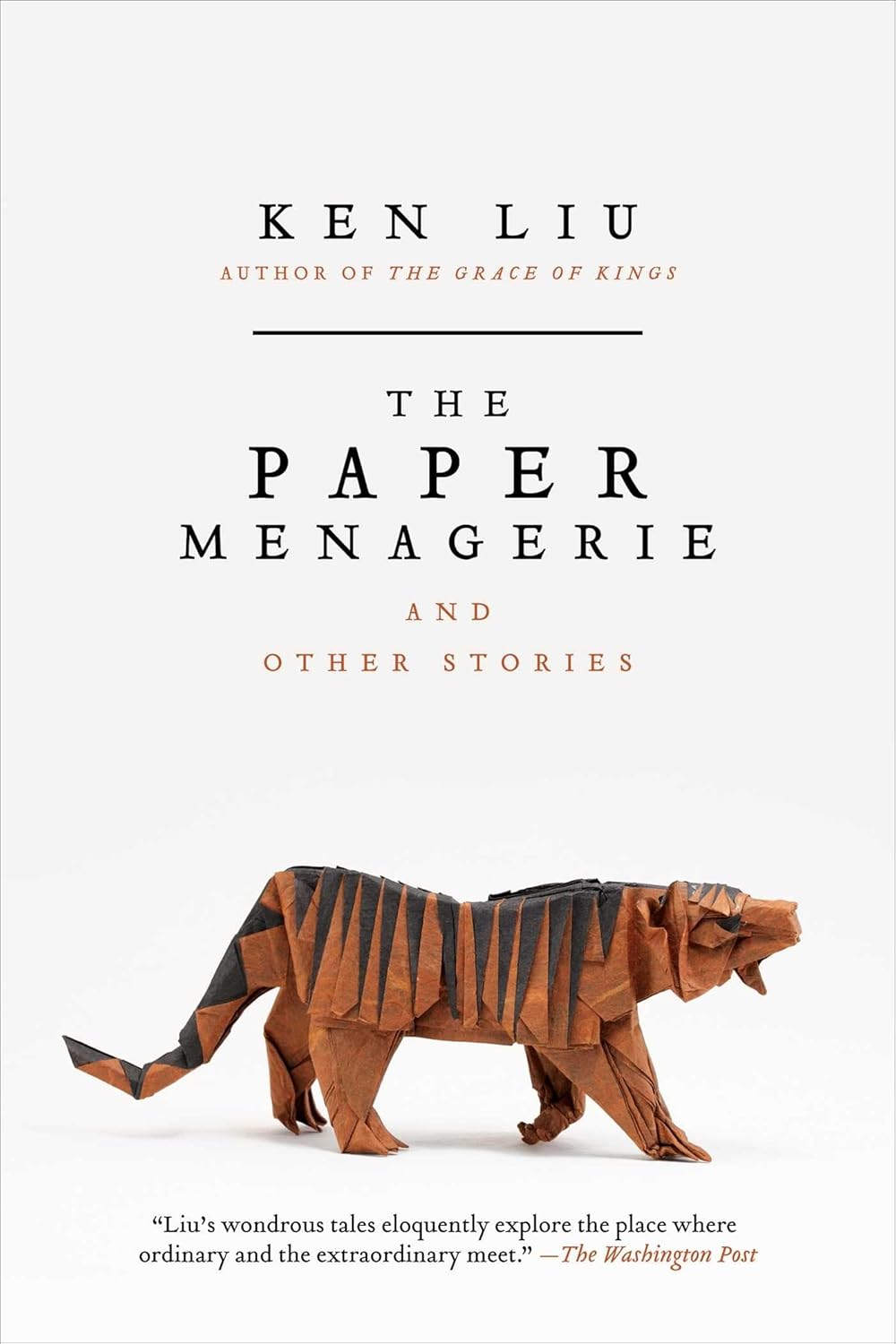
His short story collection Paper Menagerie opens with “The Bookmaking Habits of Select Species.” The title says it all — how might alien races create persistent representations of their language and thoughts? I particularly like how he describes the Allatians: they stick their proboscis onto an impressionable surface, and as they speak, their proboscis vibrates and etches a groove into the surface. To read what another Allatian has written, one drags their own proboscis through the groove, and a hollow part of their skull amplifies the sound; the voice of the writer is recreated.


The Book of Strange New Things and Under the Skin by Michel Faber

Aliens are a recurring theme in Michel Faber’s writing. His 2014 novel, The Book of Strange New Things, takes place on a far-away planet that has been introduced to Christianity. Missionary Peter Leigh becomes the new minister of a docile alien congregation but struggles to reconcile his ecclesiastical commitment and the guilt of leaving his wife back on Earth, where climate change and political turmoil conspire to topple civilization.

Under the Skin, Faber’s first novel, paints a darker portrait of humanity (or alienity, ha). It’s the kind of book that holds its cards close and lets the reader marvel (and shudder) as the story progresses.

Faber presents a kaleidoscope of Otherness; themes of exploitation, gender, immigration, class politics, and animal cruelty are woven throughout and explored with satirical levity. The book was loosely adapted into a movie of the same name in 2013 with Scarlett Johansson.


Which “Unorthodox Aliens” am I missing? Let me know in the comments section below.

Freedom to Read

Almost every evening, my husband and I take a walk around our neighborhood in New Haven.  And stapled to almost every telephone pole, are numerous flyers in varying states of decay. Notices for tag sales, concerts, scientific studies and lost pets paper poles along our route.  Occasionally, someone uses this unofficial public forum to express their political viewpoint.  Recently I passed a flyer with language that I found offensive, and my first urge was to rip it down.  After all, technically people aren’t allowed to post flyers on telephone poles.  And there are children walking by who shouldn’t be exposed to that kind of language.  I would be doing a good thing for our neighborhood by removing the offensive poster.  And then my personal feelings took a backseat as I reminded myself we live in a society where free speech is a constitutional right.  While I may have a negative reaction to flyers or books with viewpoints that I disagree with, I prefer to live in a world where everyone is free to choose what they read or don’t read.  So, I averted my eyes and kept walking.

This week the Cheshire Public Library is celebrating Freedom to Read Week (formally known as Banned Books Week) to highlight the dangers of censorship.  This annual celebration was launched in 1982 by the American Library Association’s Office of Intellectual Freedom (OIF) in response to an increase in book challenges.  Interestingly, forty-plus years after the first Banned Books Week, the nation is again experiencing an increase in book challenges.  According to the OIF, in 2023 4,240 different titles were challenged which represents a 65% increase over 2022.  Books representing LGBTQIA+ and BIPOC individuals account for 47% of those titles targeted for removal.  According to the OIF Director, Deborah Caldwell-Stone, “This is a dangerous time for readers and the public servants who provide access to reading materials. Readers, particularly students, are losing access to critical information, and librarians and teachers are under attack for doing their jobs.”

It would be dishonest to say that librarians don’t struggle with buying books whose content they disagree with.  But providing a collection that represents diverse viewpoints is fundamental to supporting ALA’s Freedom to Read Statement which asserts that the ability to read freely is essential to our democracy.  This is not to say that everything published makes it into the collection as librarians also must be careful to curate materials based on the authority of the author, accuracy of content, and even price and format.  For a full list of the criteria used at the Cheshire Library please see our Materials Selection Policy.

As part of our celebration of Freedom to Read Week, staff have created two drop-in activities for all ages that will be available during our regular hours of operation:

Guess the Challenged Book Game where a copy of a challenged book has been shredded and placed in a jar.  Each day a new clue is added to help you solve the puzzle.

Shine a Light on Censorship Scavenger Hunt where each participant will be given a small black light to use to uncover cleverly hidden letters and solve a secret word.

Whether you stop in this week to try one of our activities or visit anytime in future, we hope you will register for a library card and borrow materials so you too can read often and read freely.