Working at a library affords the staff an abundance of materials to read, listen to, and watch. But being surrounded by this bounty can be frustrating too. Like many of you, time is against us. But the staff did manage to fit in some reading and if you’re wondering what our favorites of 2015 were, here they are!
Non-fiction
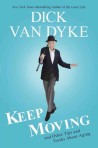 Keep Moving and other tips and truths about aging – Dick Van Dyke – A movie and TV star, as he approaches his 90th birthday, shares how to embrace old age with a positive attitude.
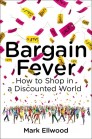 Bargain Fever: how to shop in a discounted world – Mark Ellwood – An investigation into bargain hunting traces the evolution of promotional pricing and sales, exploring the impact of negotiable pricing on markets, the machinations of price consultants, and the growing empowerment of consumers.
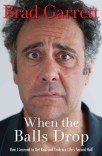 When the Balls Drop – Brad Garrett – In an uproarious collection of personal essays, the Everybody Loves Raymond TV sitcom star and standup comic, embracing middle age with everything he’s got, touches on such topics as genetics, genitals, weight and women, leaving no stone unturned in a funny look at getting older.
 Modern Romance – Aziz Ansari – The acclaimed comedian teams up with a New York University sociologist to explore the nature of modern relationships, evaluating how technology is shaping contemporary relationships and considering the differences between courtships of the past and present.
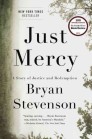 Just Mercy: a story of justice and redemption – Bryan Stevenson – The founder of the Equal Justice Initiative in Montgomery, Alabama recounts his experiences as a lawyer working to assist those desperately in need, reflecting on his pursuit of the ideal of compassion in American justice.
Children
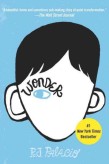 Wonder – R.J. Palacio – Born with a facial deformity that initially prevented his attendance at public school, Auggie Pullman enters the fifth grade at Beecher Prep and struggles with the dynamics of being both new and different, in a sparsely written tale about acceptance and self-esteem.
Fiction
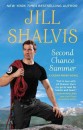 Second Chance Summer – Jill Shalvis – When Lily Danville returns to her despised hometown for a job at the local resort, she gets a second chance to make things work with rescue worker and fire fighter Aidan Kincaid, whom she left behind ten years earlier.
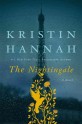 The Nightingale – Kristin Hannah – Reunited when the elder’s husband is sent to fight in World War II, French sisters Vianne and Isabelle find their bond as well as their respective beliefs tested by a world that changes in horrific ways.
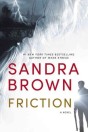 Friction – Sandra Brown – Petitioning to regain custody of his young daughter in the aftermath of a reckless decision, a Texas Ranger intervenes during the attempted assassination of an attractive judge, who he risks his life to protect when the gunman escapes.
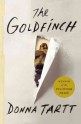 The Goldfinch – Donna Tartt – Taken in by a wealthy family friend after surviving an accident that killed his mother, thirteen-year-old Theo Decker tries to adjust to life on Park Avenue.
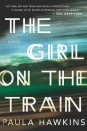 The Girl On The Train – Paula Hawkins – Obsessively watching a breakfasting couple every day to escape the pain of her losses, Rachel witnesses a shocking event that inextricably entangles her in the lives of strangers.
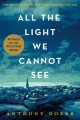 All The Light We Cannot See – Anthony Doerr – A blind French girl on the run from the German occupation and a German orphan-turned-Resistance tracker struggle with respective beliefs after meeting on the Brittany coast.
 The Martian – Andy Weir – Stranded on Mars by a dust storm that compromised his space suit and forced his crew to leave him behind, astronaut Watney struggles to survive in spite of minimal supplies and harsh environmental challenges that test his ingenuity in unique ways.
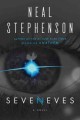 Seveneves – Neal Stephenson – Five thousand years after a catastropic event sends a small surviving remnant of humanity into outer space, the progeny of those survivors–seven distinct races now three billion strong–embark on a journey into the unknown to return to Earth.
 Station Eleven – Emily St. John Mandel – The sudden death of a Hollywood actor during a production of “King Lear” marks the beginning of the world’s dissolution in a story told at various past and future times from the perspectives of the actor and four of his associates.
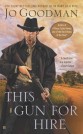 This Gun For Hire – Jo Goodman – While protecting a powerful mine owner with many enemies, former cavalryman Quill McKenna hires a flame-haired beauty to help guard his boss’s daughter, but is unable to control his attraction to his new employee as death threats come hard and fast.
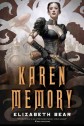 Karen Memory – Elizabeth Bear – A tale set in late nineteenth century steampunk Seattle finds orphaned Karen working in a high-quality bordello, where she confronts a powerful man who owns a dangerous mind-control machine.
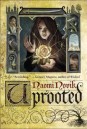 Uprooted – Naomi Novik – A tale inspired by the “Beauty and the Beast” story follows the experiences of Agnieszka, who becomes the latest girl chosen to serve an immortal wizard who protects their village from the malevolent forces of a nearby forest.
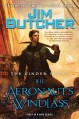 The Aeronaut’s Windlass – Jim Butcher – An airship’s crew become humanity’s lone defenders when an ancient enemy reawakens and threatens the world with monstrous creatures and perpetual darkness.
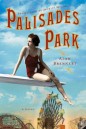 Palisades Park – Alan Brennert – Sharing a family life in the 1930s near the legendary Palisades Amusement Park, a family of dreamers explores ambitions and cultural boundaries that are challenged by the realities of the Great Depression, multiple wars and the park’s eventual closing in 1971
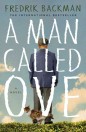 A Man Called Ove – Fredrick Backman – A curmudgeon hides a terrible personal loss beneath a cranky and short-tempered exterior while clashing with new neighbors, a boisterous family whose chattiness and habits lead to unexpected friendship
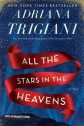 All The Stars In The Heavens – Adriana Trigani – This tale reimagines the career of actress Loretta Young, tracing the decades she shared with her assistant Alda, a former nun, as they face successes, scandals, and obstacles that threatened their bond.
Two books were standouts with multiple staff reading them – The Martian and The Nightingale.
Did you read any of these? What were your favorite books of 2015?
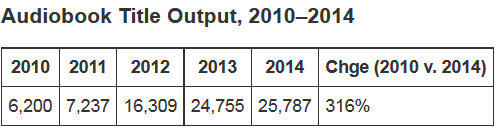 Recently, the Audio Publishers Association released their finalists for the 2016 Audie Awards. Once a smallish gathering of industry insiders, the Audies have taken on a lot more prestige these days. You might call them the Oscars of the audiobook world! There are a total of 135 audiobooks in 25 categories competing for awards this year, and the winners will be announced at the annual Audies Gala on May 11. We own many of the nominated titles, here are some in the most popular categories:
 Best Female Narrator:
 Best Male Narrator:
 Narration by Author:
 All the Old Knives by Olen Steinhauer (narrated by Ari Fliakos and Juliana Francis Kelley)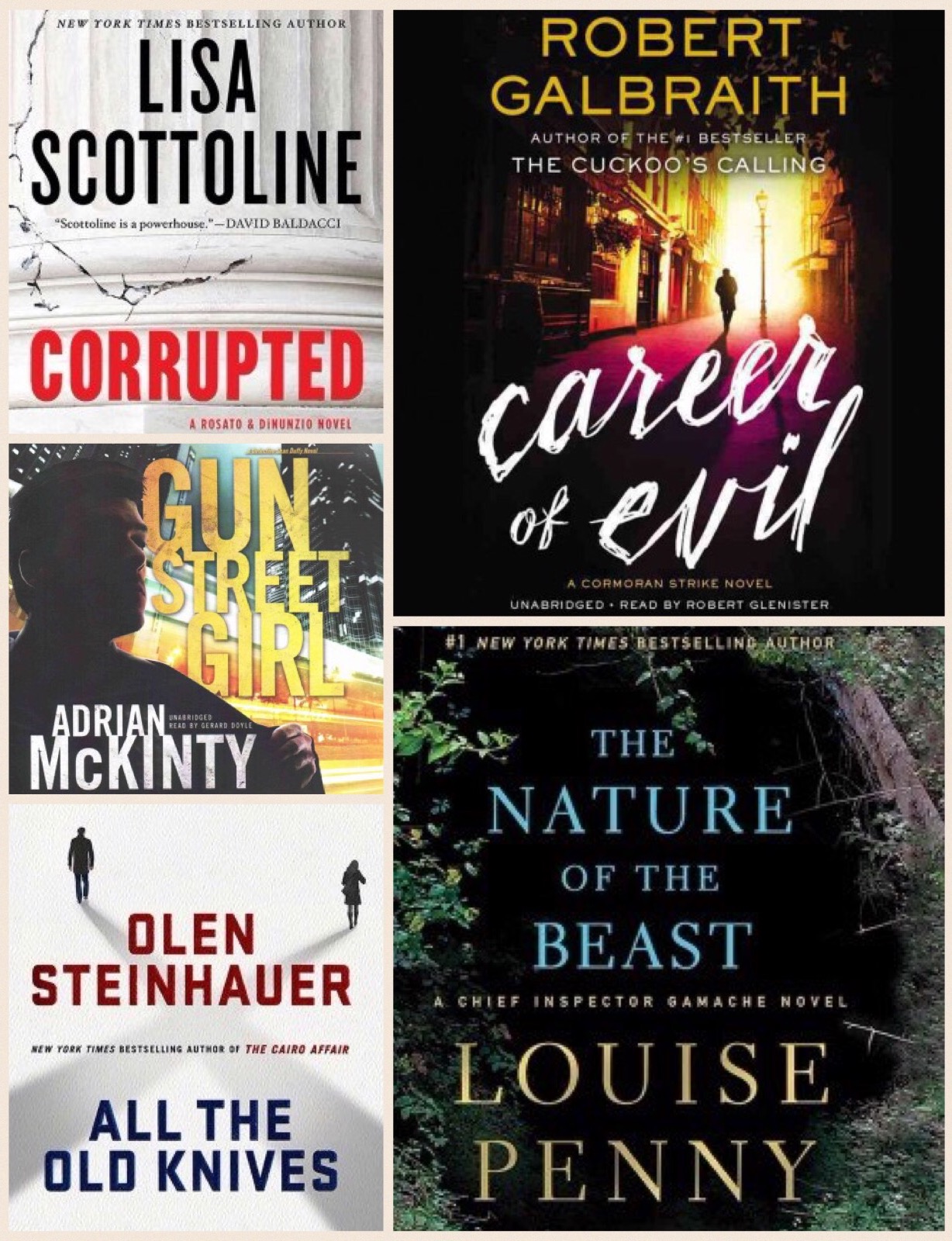
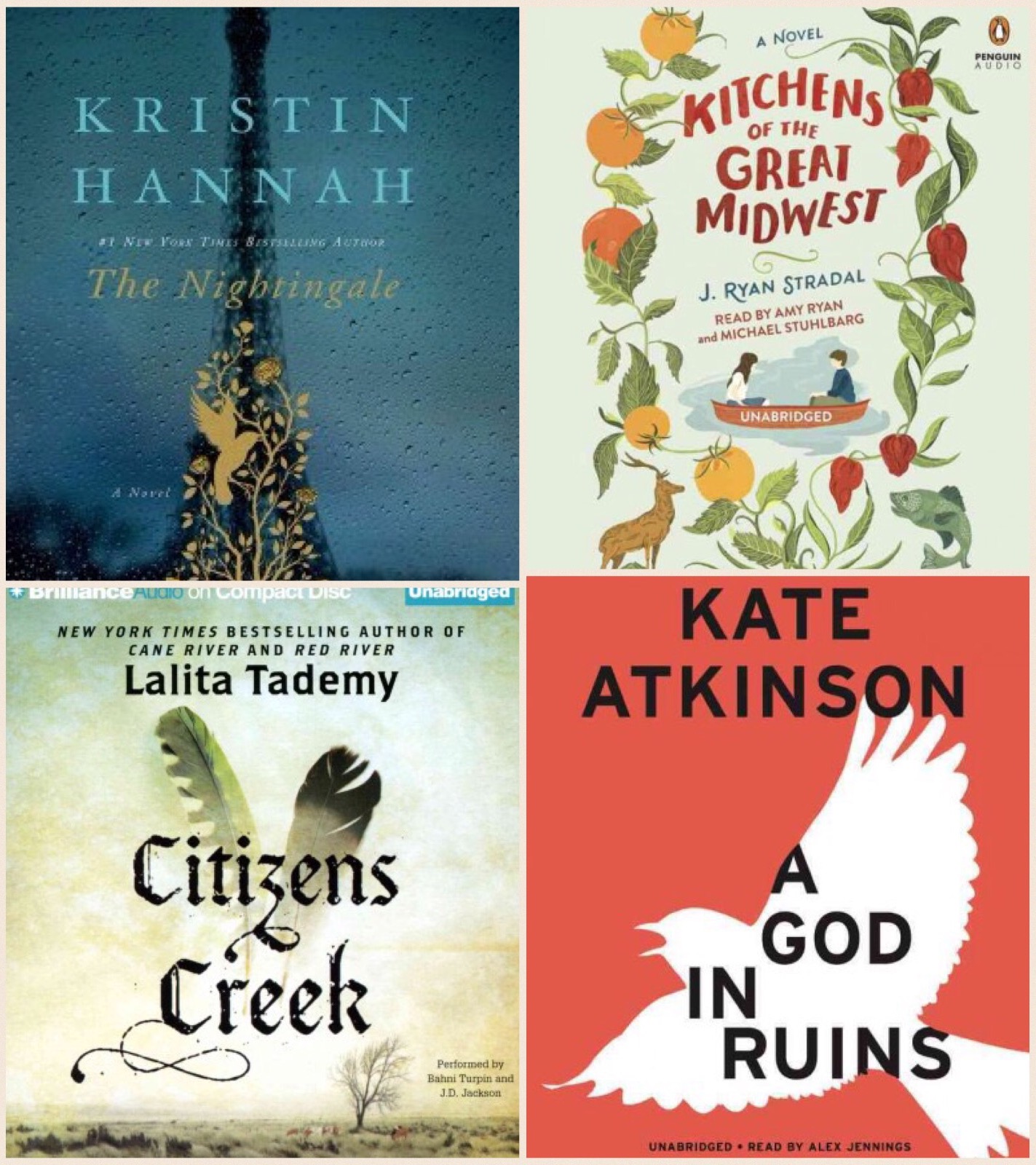 Fiction:
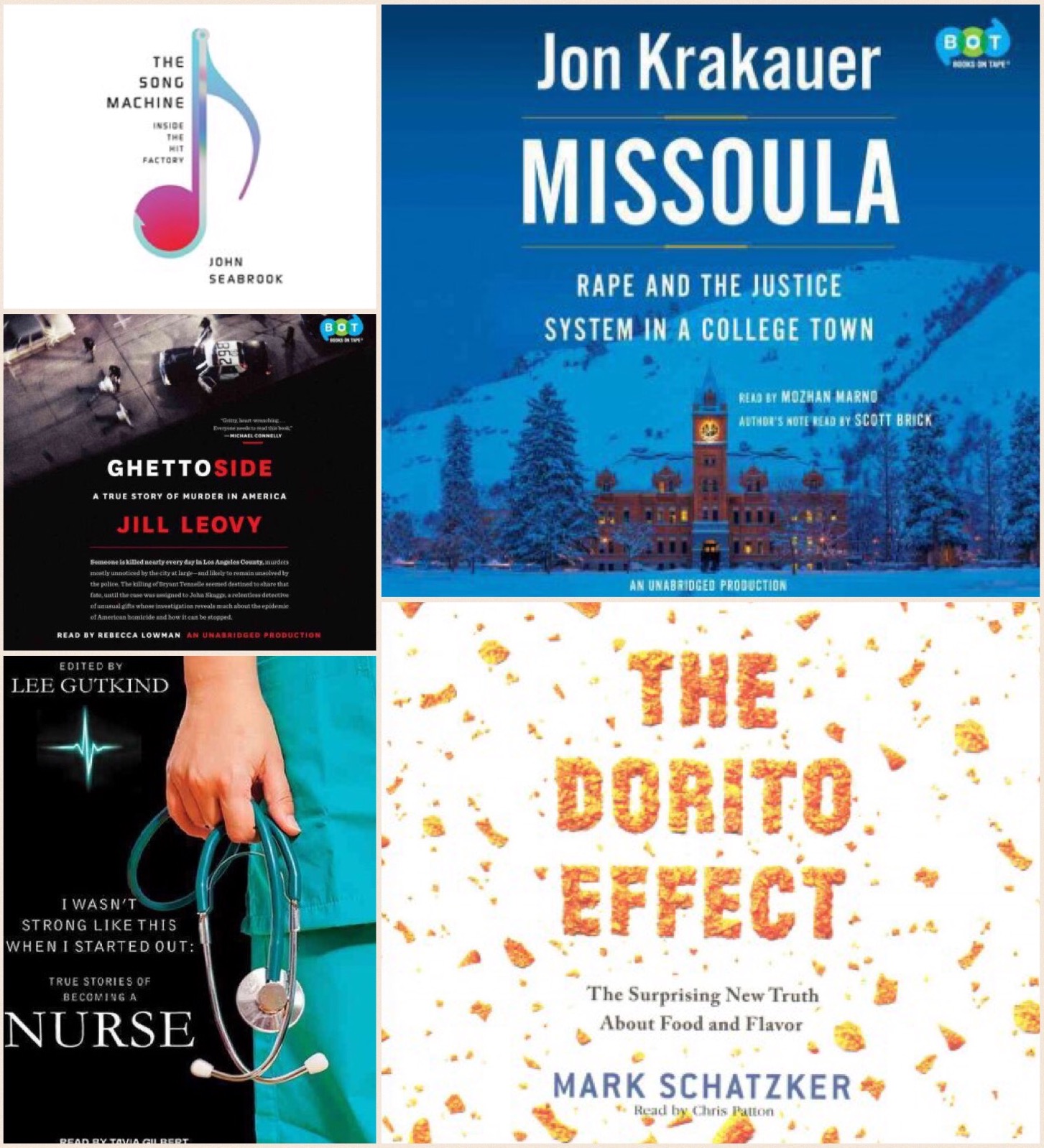 Non-Fiction:
 Can getting rid of stuff make you happy? Does paring down possessions lead to a higher quality of life? Do downsizing and minimalism really bring contentment?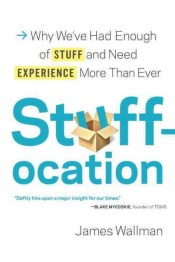
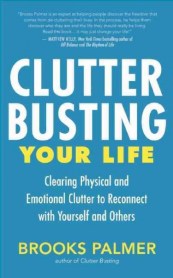


 5 days to a



 The Murder House
  Memory Man
 X
X Saturn Run
 A Banquet of Consequences
 The Litigators
 Daddy’s Gone Hunting
 Orphan Train
 The Runaway Jury
  Sing You Home
 Dead Wake: the last crossing of the Lusitania
 Down The Rabbit Hole
 Killing Reagan
 Spark Joy
 The Egg And I
  Hip Knit Hats: 40 fabulous designs
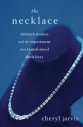 The Necklace
 Scott 2011 Standard Postage Stamp Catalog
 The New Prayer Shawl Companion
 Autobiographies: Narrative of the Life of Frederick Douglas
 The Cheshire Library Blog