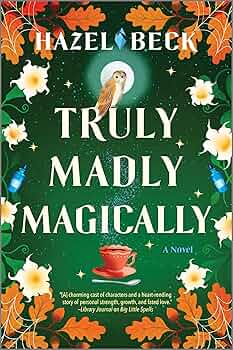
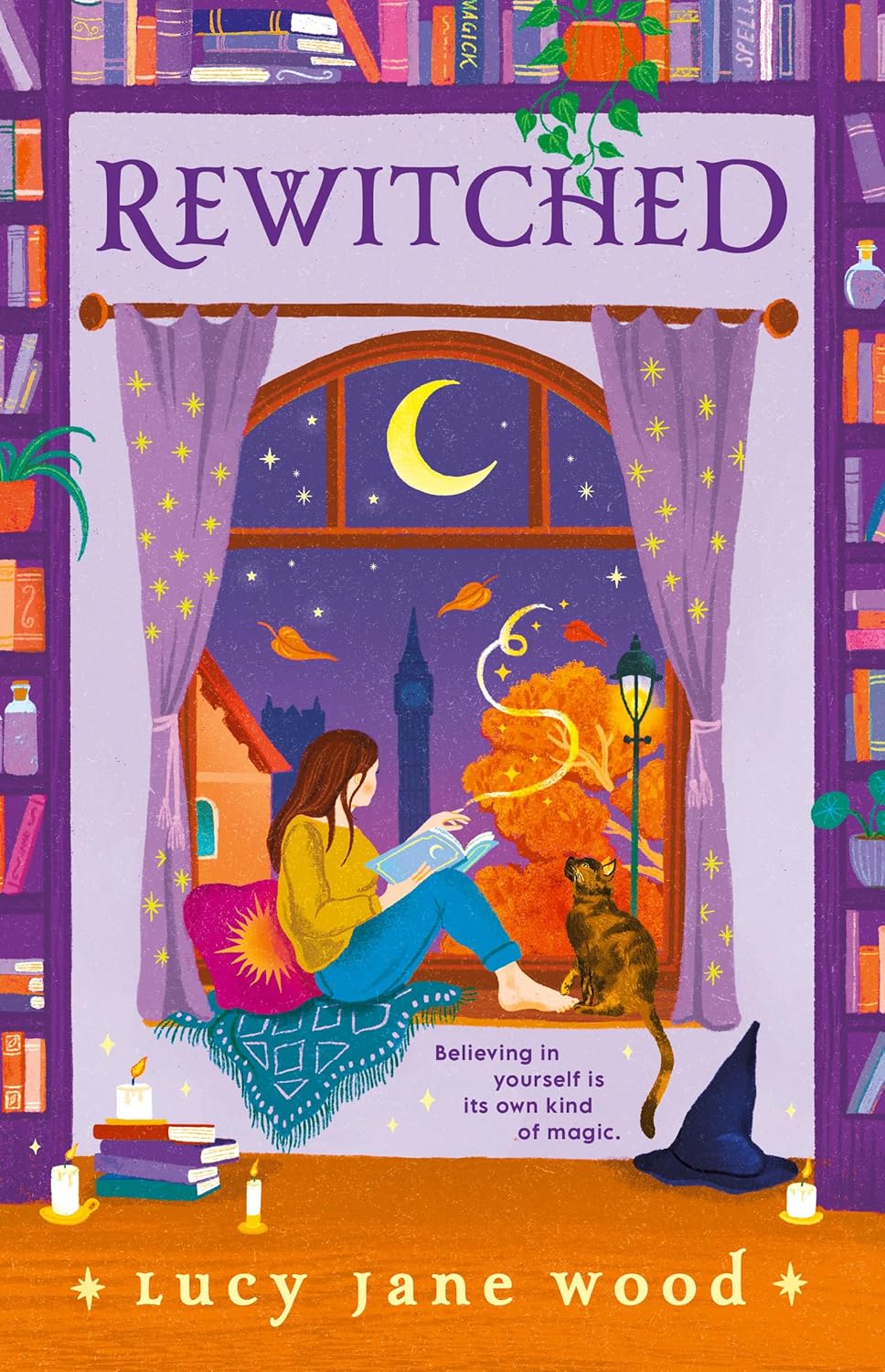
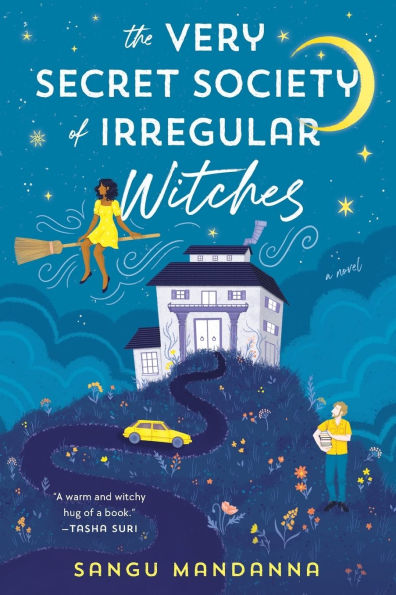
Witch Book to Read

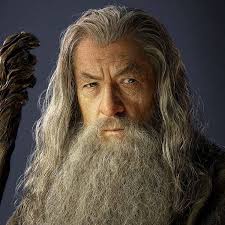
What’s with him and Galadriel?

Twilight set off a whole graveyard of vampire romances, and then came werewolf romances. For a while paranormal romance was the genre of the day, with people falling in love with ghosts or people in past lives – no doubt fueled by time-travel stories like Outlander. When the person you love died 200 years previous, it makes that guy at the coffee shop seem rather dull in comparison. Monsters are a thing, especially in cozy fantasy – even dragons can be a thing (let’s not forget Donkey and his Dragon mate in Shrek!). Zombies picked up the slack, but are now fading away as a genre – you can only kill them twice. 

So what’s currently “trendy” in genre fiction? What have we circled back to? Cozy fantasy is all the rage, little stories with a slice of life that ends happily, whether you’re an ogre or gnome or pixie. Horror is making a comeback, including something called Fem-gore, which is written by women for women, and includes a lot of bloody-warrior revenge themes. LGBTQ stories and stories of people of color are on the rise, giving a long-overdue boost to underrepresented segments of the population. But the largest rising genre? Witches and wizards.
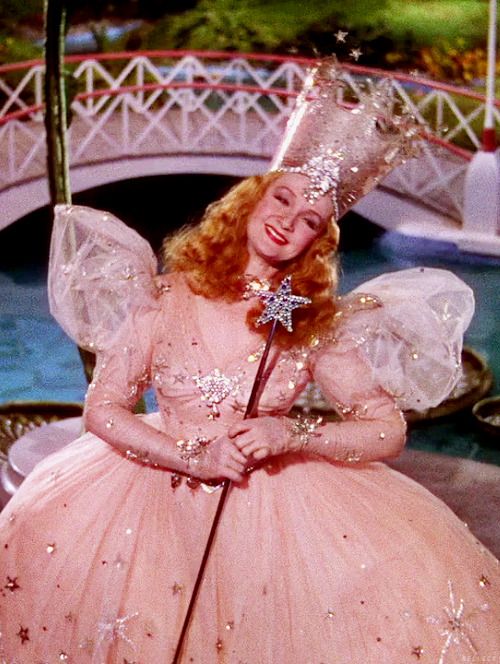
She made a child do her dirty work – good or evil?

No, we’re not talking Lord of the Rings or Dragonlance (though you can read Dragonlance for either the action sequences or the burning romance of Raistlin and Crysania), but the Earthly plane stories that encompass every facet of storytelling. Magic stories. And magic is the realm of witches and wizards. Witches aren’t usually evil, even if, thanks to Wicked, we’re not sure Glinda is completely a good witch. 

Technically, a male witch is called a … witch. Wizard is also acceptable, the difference being a wizard is usually academically oriented [think Gandalf] while a witch is more self-taught [Granny Weatherwax from the Terry Pratchett’s Discworld books]. Mage is also appropriate, but warlock is a slur. Witchy stories have been around forever – the Biblical Witch of Endor (10th century BCE), Circe of Homer’s Odyssey (8th century BCE), Hecate of the Greek pantheon (Hesiod’s Theogony, 7th century BCE), Merlin the Wizard and Morgan le Fay of Camelot (minimum, the 1100’s, possibly as early as the 400’s), and the witches of Macbeth (1606). Let’s not forget the witches of  The Wizard of Oz, or the terrifying Dust Witch of Bradbury’s Something Wicked This Way Comes, the marvelous Eglantine Price of Bedknobs and Broomsticks, Samantha Stephens of Bewitched, the Halliwell sisters of the TV show Charmed, or The Lion, The Witch, and the Wardrobe. The image of witches was improved by the popularity of Harry Potter and Hogwarts School of Witchcraft and Wizardry. Children’s stories aside, the rise of New-age witchcraft has no doubt helped the rise of witch stories as well.
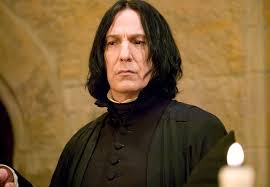
“Witch” or “wizard” is appropriate for men

How did witches come to have such a bad rap? Throughout history, and amplified through Dark Ages ignorance, learned men and intelligent women, women who could read, women who were opinionated, or women who had some sort of good or bad fortune that couldn’t be explained by simple means, were suspected of using dark magic to gain their knowledge, even when it benefited the community itself. Magic, voodoo, and good or bad spirits were all people had to explain what was to them unexplainable any other way. Maybe your sheep all had twin lambs, but neighbor Geoff, who took poor care of his sheep, had 5 die in birthing – surely you must have worked dark magic on his sheep! All your 15 children survived the plague? You must be a witch! While New-Age witches study nature in all its forms, in reality, no study anywhere has proven that magic – not the magician kind – has any basis in fact.

Modern stories of magic run the full gamut, from cozy mysteries (such as those by Bailey Cates), humorous fantasy (Terry Pratchett’s Color of Magic series), Courtly intrigue without the morbid gore of Game of Thrones (The Chronicles of Amber series by Roger Zelazny), to the wildly popular Discovery of Witches series by Deborah Harkness, and the book and TV series of Jim Butcher’s Dresden Files. If you don’t like the idea of reading a fantasy book, try a more mainstream author like Alice Hoffman’s Practical Magic series, or The Year of Wonders, by Geraldine Brooks, or A Secret History of Witches, by Louisa Morgan. Harry Potter they are not. 

My favorite witches of literature? Gandalf, of course, from Lord of the Rings, along with Molly Weasley and Minerva McGonagall from Harry Potter, Ole Meg from Clifford D. Simak’s A Heritage of Stars, Raistlin Majere of Dragonlance, and perhaps Lady Jessica Atreides in Dune (yes, the Bene Gesserit are witches).

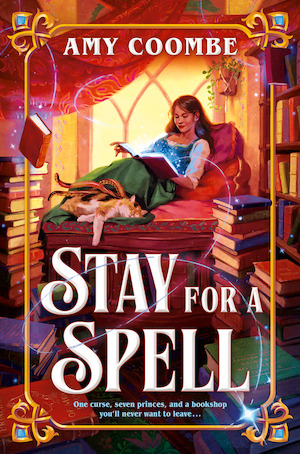
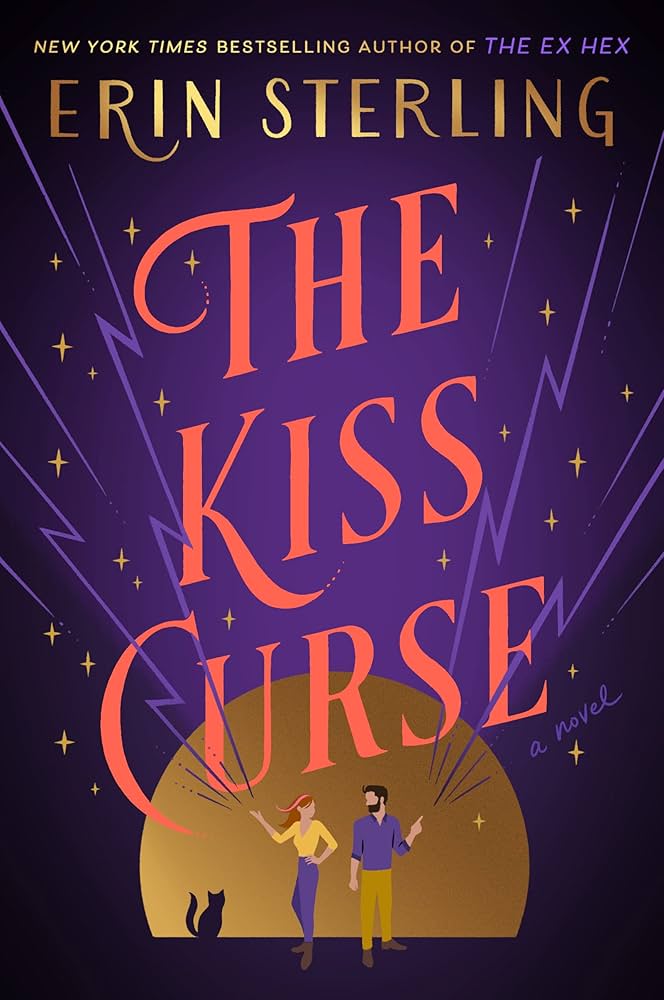
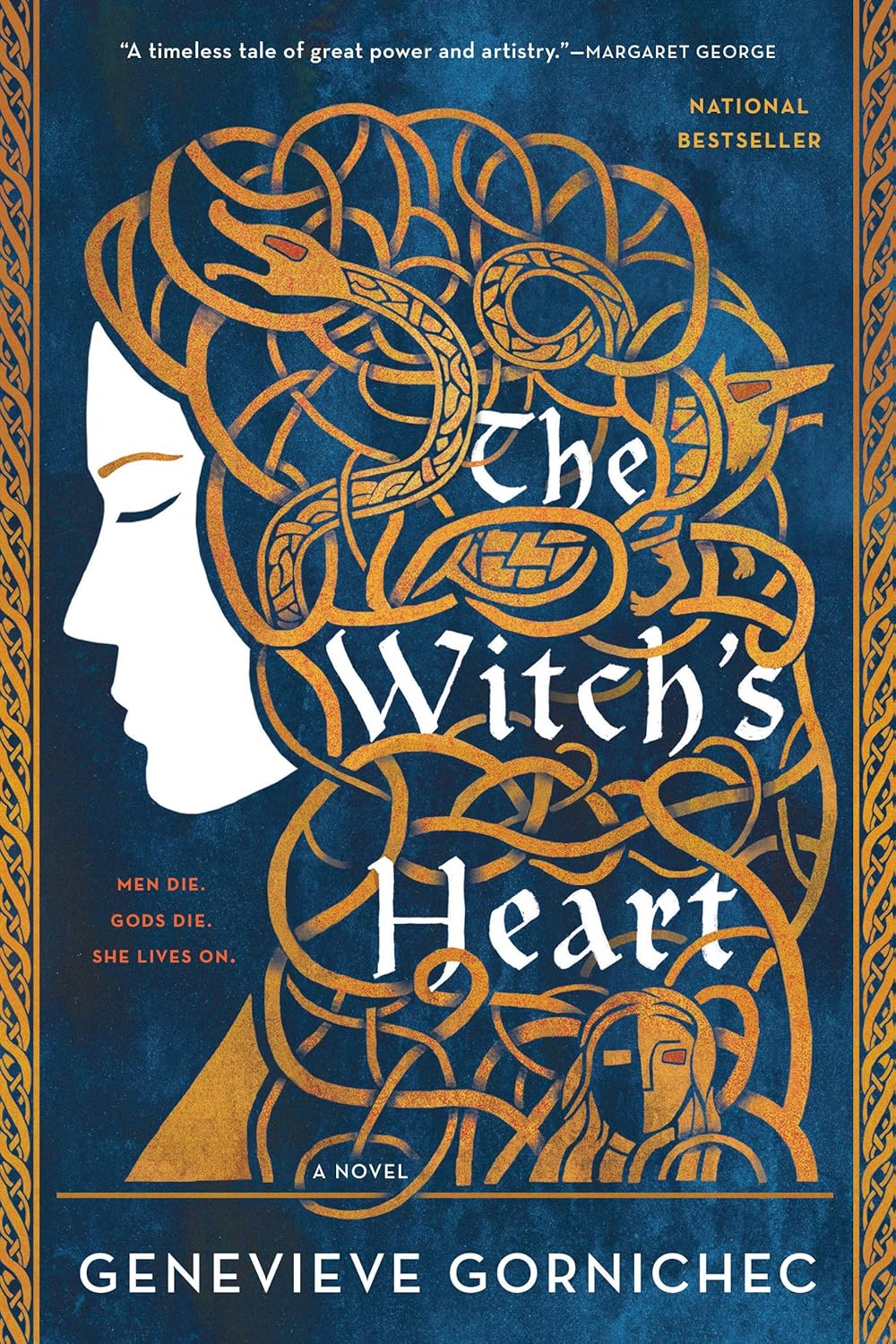
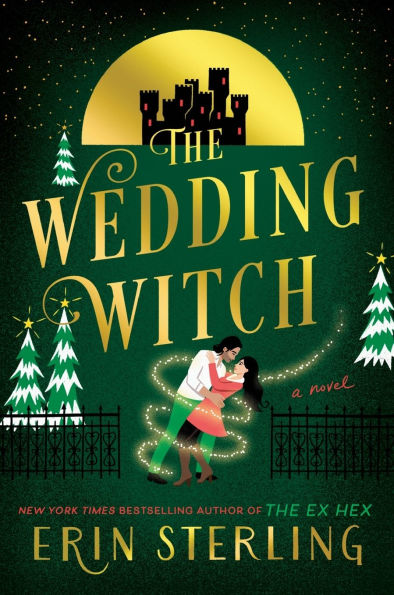
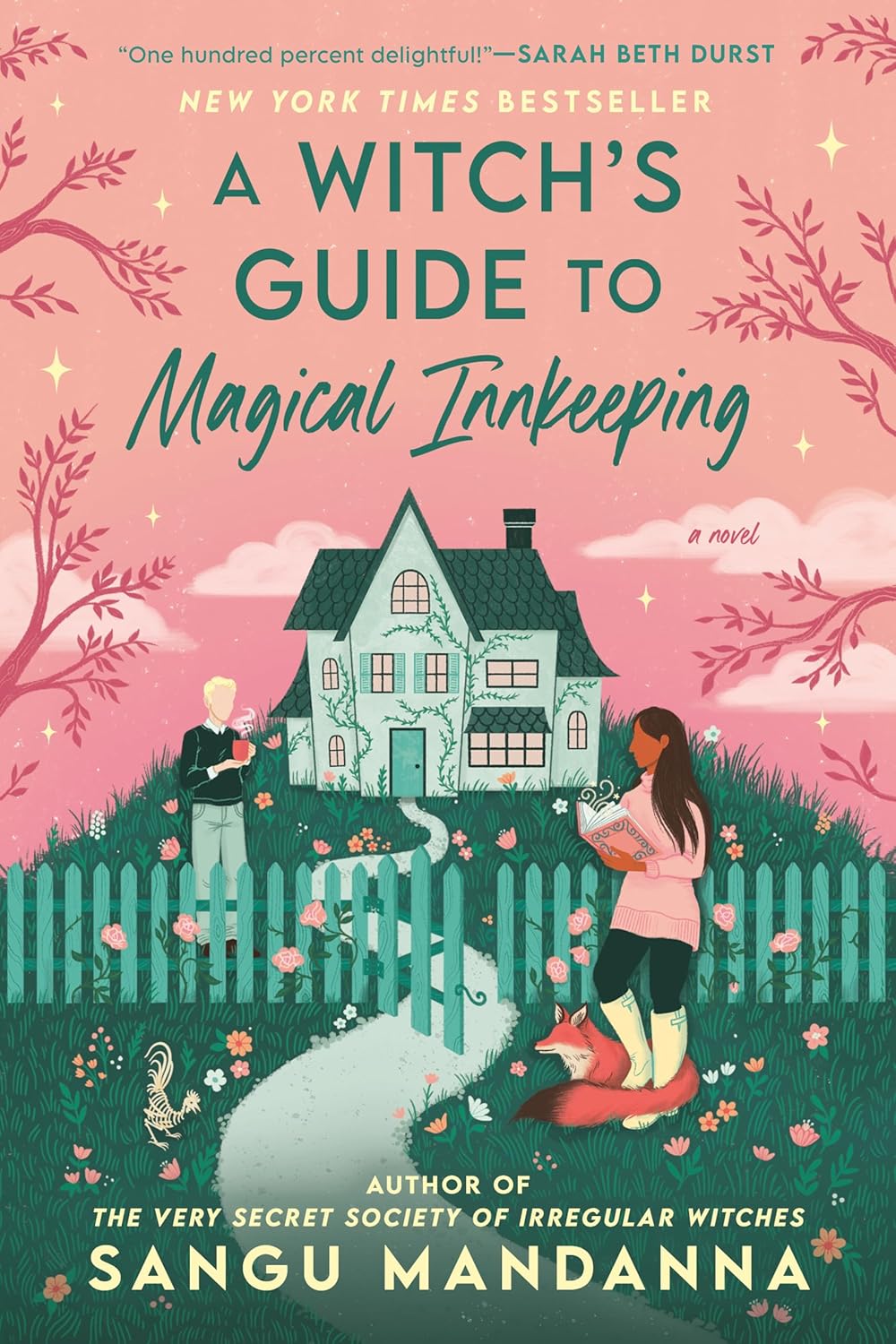
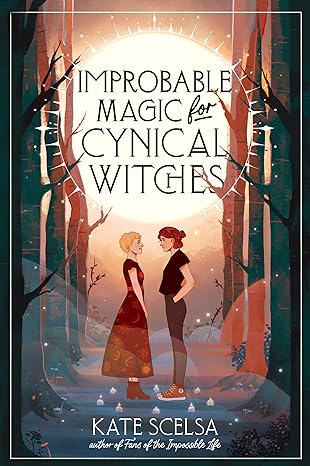
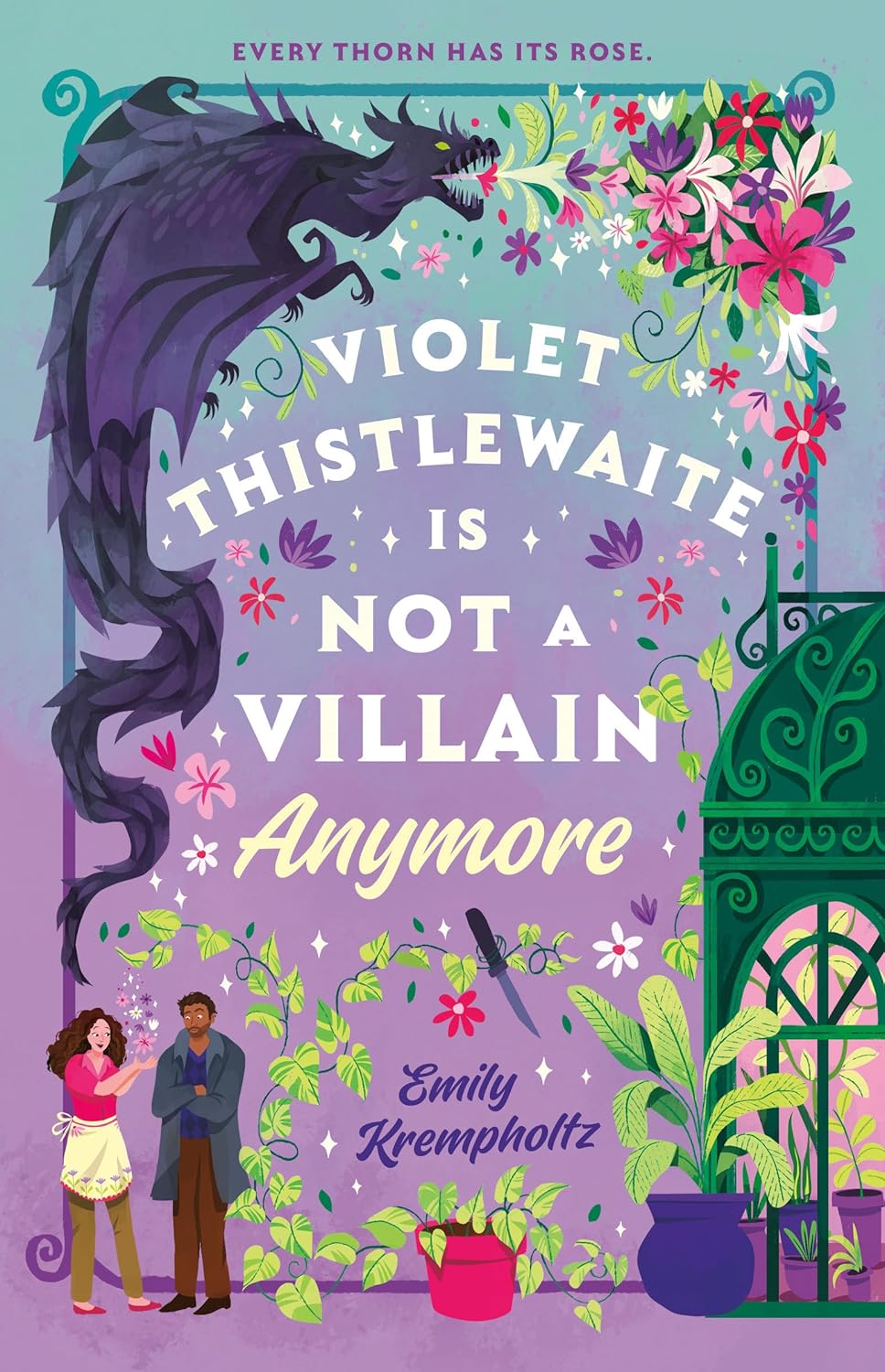
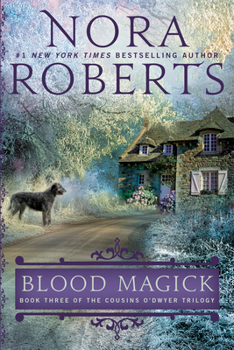
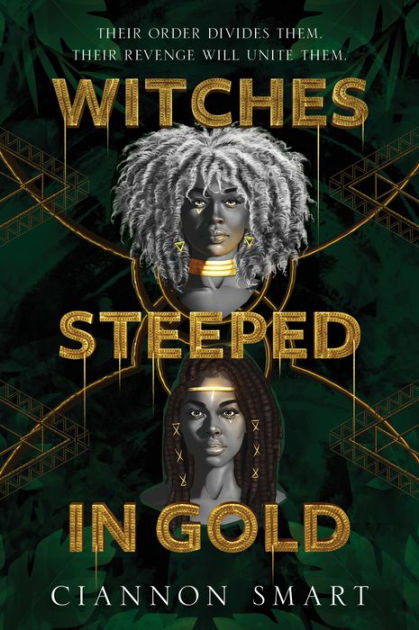
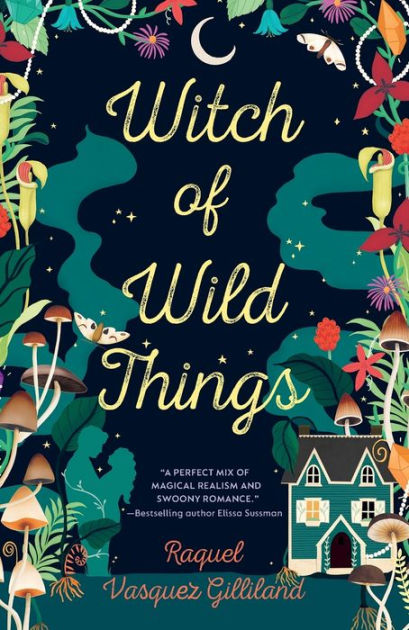
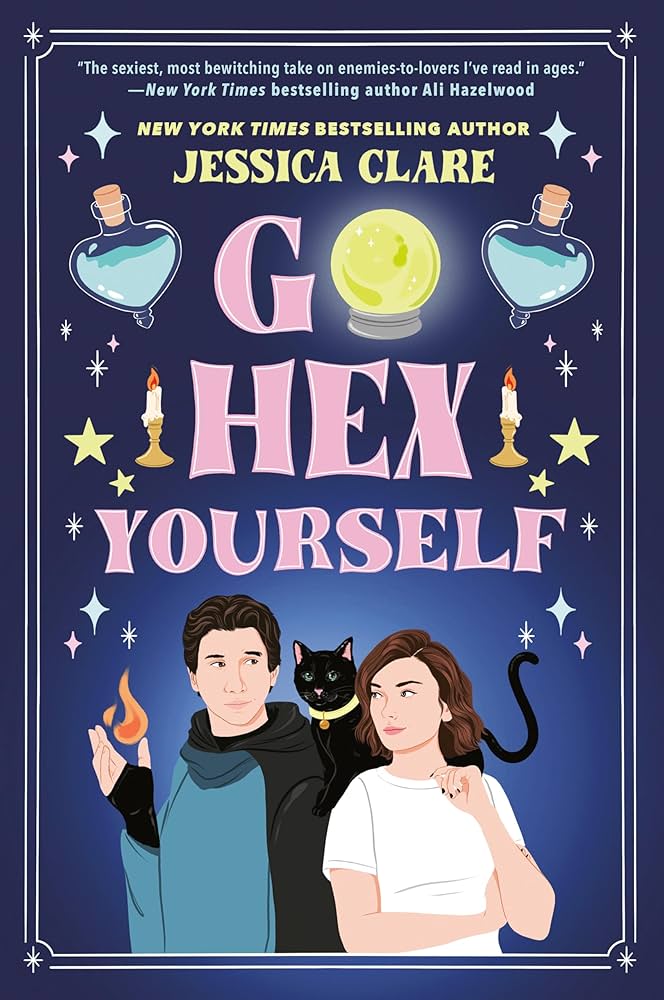
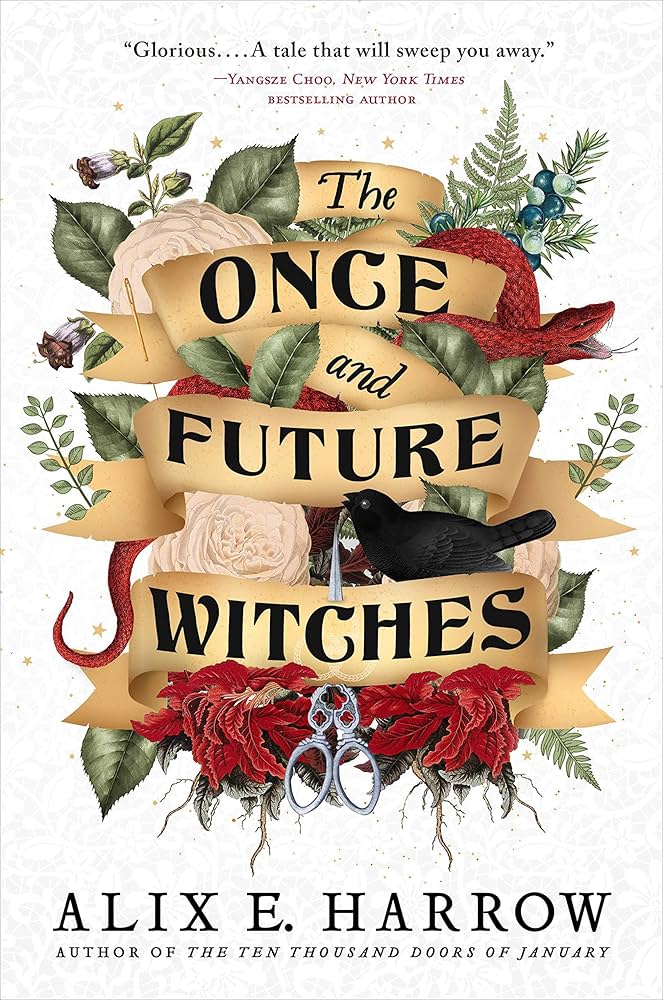
If you’re looking to put a little magic in your life, or just escape the pressures of our Earthly plane, check out some of these trending books!
The Top 100 Films of All Time

What makes a fantastic film? You might as well ask what makes a good red wine, or abstract painting, or an attractive face.

Not every blockbuster is a “quality” film, and certainly not every “quality” film is a blockbuster. Some films are held in high regard, but are so “artsy” that it can be difficult to enjoy them (Eraserhead). Some movies are wildly popular (Die Hard), but hated by critics. A film can have a great script, but bad director, or a great director but the worst possible actor (Denise Richards in The World is Not Enough). Sometimes the special effects are awful (Howard the Duck, and let’s not forget the unfinished production on Cats). Sometimes the budget is practically zero (the $400,000 budget of Monty Python and the Holy Grail was partially financed by the rock bands Pink Floyd, Led Zeppelin, and Jethro Tull), while others have tremendous budgets and huge followings and are so awful they still fail (Solo, A Star Wars Story had a budget of $250 million and couldn’t break even—how can you lose with Star Wars?). When all these things come together—a good story, good writing, good actors, good directors, good marketing, and sometimes good timing (even Lilo and Stitch had to be retrofitted because of a plane and building scene right after 9/11)—you can hit a home run clear out of the park. 

Obviously, everyone has different tastes. Porky’s is my go-to when I need a stupid laugh. Yeah, it’s not high-brow. Forty years later, I still don’t understand the humor in Ghostbusters. 2001: A Space Odyssey is an incredibly beautiful movie, far ahead of its time, but with zero dialogue for the first 20 minutes, and I think it’s one of the most boring movies I’ve ever seen. I have endlessly tried to understand the hoopla of Blade Runner, read all the discussion on it, and I’m still missing the genius. I’ll just agree it’s an important film, and carry on. My favorite romance movie is Raiders of the Lost Ark—not generally on any romance list. 

So, anyone trying to pick the top 100 films of all time is truly facing an endeavor in futility, whether you’re the American Film Institute or a bunch of friends at dinner. I gathered results from eight different polls, and tried to tabulate the results. AFI, no surprise, is a bit snooty and prefers their films pre-1950, and doesn’t care much for popularity or genre films. Rotten Tomatoes focuses on user recommendation and critic reviews. Empire Online focuses more on popularity, artistic merit, and cultural impact. IMDB uses user ratings. British Film Institute includes far more foreign-language films than we get exposure to, with the ratings of more than 1600 critics, academics, and curators. Sight & Sound, which is run by the Criterion Channel, uses more than 1500 critics choices. Overall, drama far outweighed comedies, and musicals and animated films were few all around.

How many of these have you seen? Which ones would you recommend?

1.   12 Angry Men

2.  2001 a Space Odyssey

3.   400 Blows

4.   Alien

5.   All About Eve

6.   All the President’s Men

7.   Annie Hall

8.   Apocalypse Now

9.   Battle of Algiers 

10.   Battleship Potemkin

11.   Beau Travail

12.   Bicycle Thieves

13.   Blade Runner

14.   Bonnie and Clyde

15.   Breathless

16.   Bringing Up Baby

17.   Brokeback Mountain

18.   Casablanca

19.   Chinatown

20.   Citizen Kane

21.   City Lights

22.   Close Up (1990)

23.  Do The Right Thing

24.   Double Indemnity

25.   Dr. Strangelove

26.   Duck Soup

27.   ET

28.   Fellowship of the Ring

29.   Forrest Gump

30.   Get Out

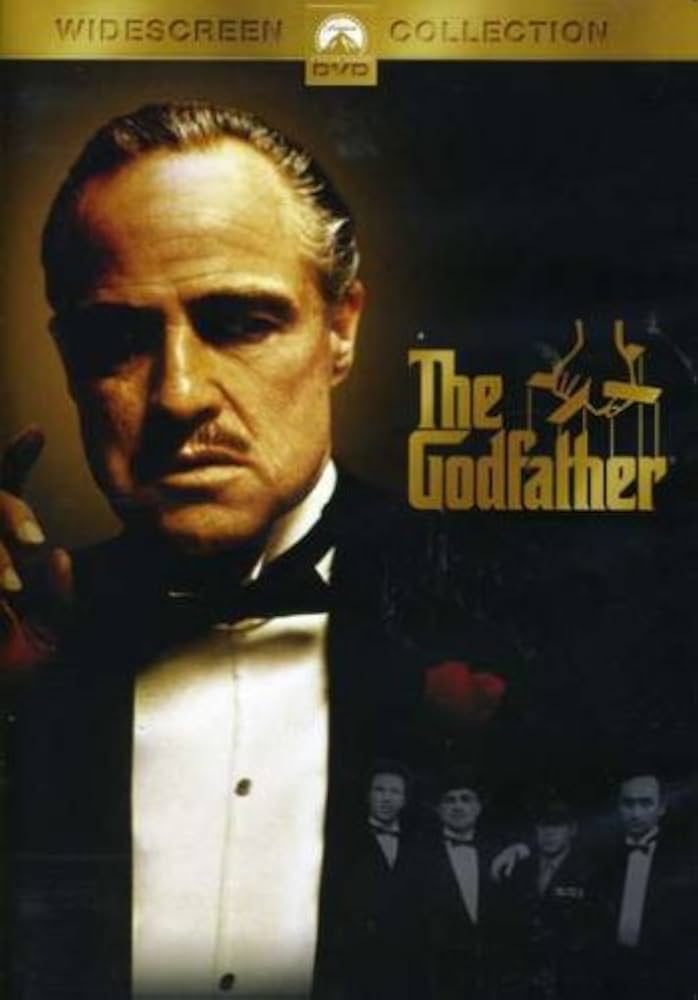
31.   Godfather

32.   Godfather II

33.   Gone with the Wind

34.   Goodfellas

35.   In the Mood For Love (2000)

36.   Intolerance

37.   It Happened One Night

38.   It’s a Wonderful Life

39.   Jaws

40.   Jeanne Dielman, 23, Quai du Commerce, 1080 Bruxelles

41.   King Kong

42.   Lawrence of Arabia

43.   M

44.  Mad Max Fury Road

45.   Maltese Falcon

46.  Metropolis

47.   Modern Times

48.   Moonlight

49.   Mulholland Drive

50.   Nashville

51.  Network

52.   North By Northwest

53.   On the Waterfront

54.   One Flew Over the Cuckoo’s Nest

55.   Parasite

56.   Passion of Joan of Arc (1928)

57.   Pather Panchali  

58.   Persona

59.   Psycho

60.   Pulp Fiction

61.   Raging Bull

62.   Raiders of the Lost Ark

63.   Rashomon  

64. Rear Window

65.  Rules of the Game

66.  Saving Private Ryan

67.   Schindler’s list

68.   Seven Samurai

69.   Shawshank Redemption

70.   Silence of the Lambs

71.  Singing in the Rain

72.   Some Like it Hot

73.   Sound of Music

74.  Spirited Away

75.   Star Wars: A New Hope

76.   Sunrise: Song of Two Humans  

77. Sunset Boulevard

78.   Taxi Driver

79.   The Dark Knight

80.   The General 

81.   The Searchers

82.  The Shining

83.   Titanic

84.   Tokyo Story

85.   Toy Story

86.   Vertigo

87.   Wizard of Oz

88.   American Graffiti

89.   Cabaret

90.   A Clockwork Orange

91.   French Connection

92.   The Empire Strikes Back

93. Easy Rider

94.   The Deer Hunter

95.   MASH

96.   Platoon

97.  Spiderman: Into The Spiderverse

98.   No Country for Old Men

99.   Up

100.  West Side Story (original)

Just to push myself, I tried, tried to pick my 100 top films, but couldn’t get further than 50. Do I pick the ones I’ve watched the most times (Star Trek: The Wrath of Khan)? Do I pick the ones I think are technically perfect (Casablanca)? Do I pick the ones I felt most deeply? (I cried for two hours after Edward Scissorhands) The most mind-bending (Dr. Strange)? Something sentimental I remember from childhood (The Poseidon Adventure)? It becomes too difficult to choose. So, these are the first ten films I’d pick to be stranded on a desert island with (assuming I had the means to watch them) (and I’d prefer more):

The Road Warrior

Serenity (2005)

Rogue One

Casino Royale (2006)

Casablanca

Raiders of the Lost Ark

Lord of the Rings

The French Connection

Planet of the Apes (1968)

Terminator 2

Like a Hurricane

Every so often an actor seems to become a shooting star, rising to the top from seemingly nowhere, and now he or she seems to be in everything. Leonardo DiCaprio started as a 14 year old in a Matchbox commercial and by 19 had an Academy Award nomination for What’s Eating Gilbert Grape. Harrison Ford made American Graffiti at 31, an unknown actor who was remodeling a kitchen for the casting director, then made himself part of history just three years later when Star Wars sent him to superstardom faster than the Kessel run. Brad Pitt had a small role as a cowboy hitchhiker in Thelma and Louise, then rose to stardom a year later in A River Runs Through It. 

Some actors start out young – Shirley Temple was just three when she made Stand Up and Cheer, making 50 films before retiring at the age of 22. Judy Garland began performing with her sisters even younger – just two. Studio executives were feeding her amphetamines by 16 to keep her energy up, leading to an overdose death at just 47. Justin Henry is the youngest ever Academy Award nominee at just 8 years old, for Kramer Vs. Kramer. Tatum O’Neal remains the youngest winner of an Academy Award, landing her a Best Supporting Actress at just nine years old, for Paper Moon. Halley Joel Osment was just eleven in The Sixth Sense, but was already a veteran after playing the son of Forrest Gump at the age of six.

Now, another young actor is exploding on Hollywood, not yet thirty with dozens of awards to his name. Timothée Chalamet seems to be taking the world by storm. Although his mother danced on Broadway, Chalamet credits Heath Ledger’s performance as the Joker in 2008’s Dark Knight for starting his acting bug.

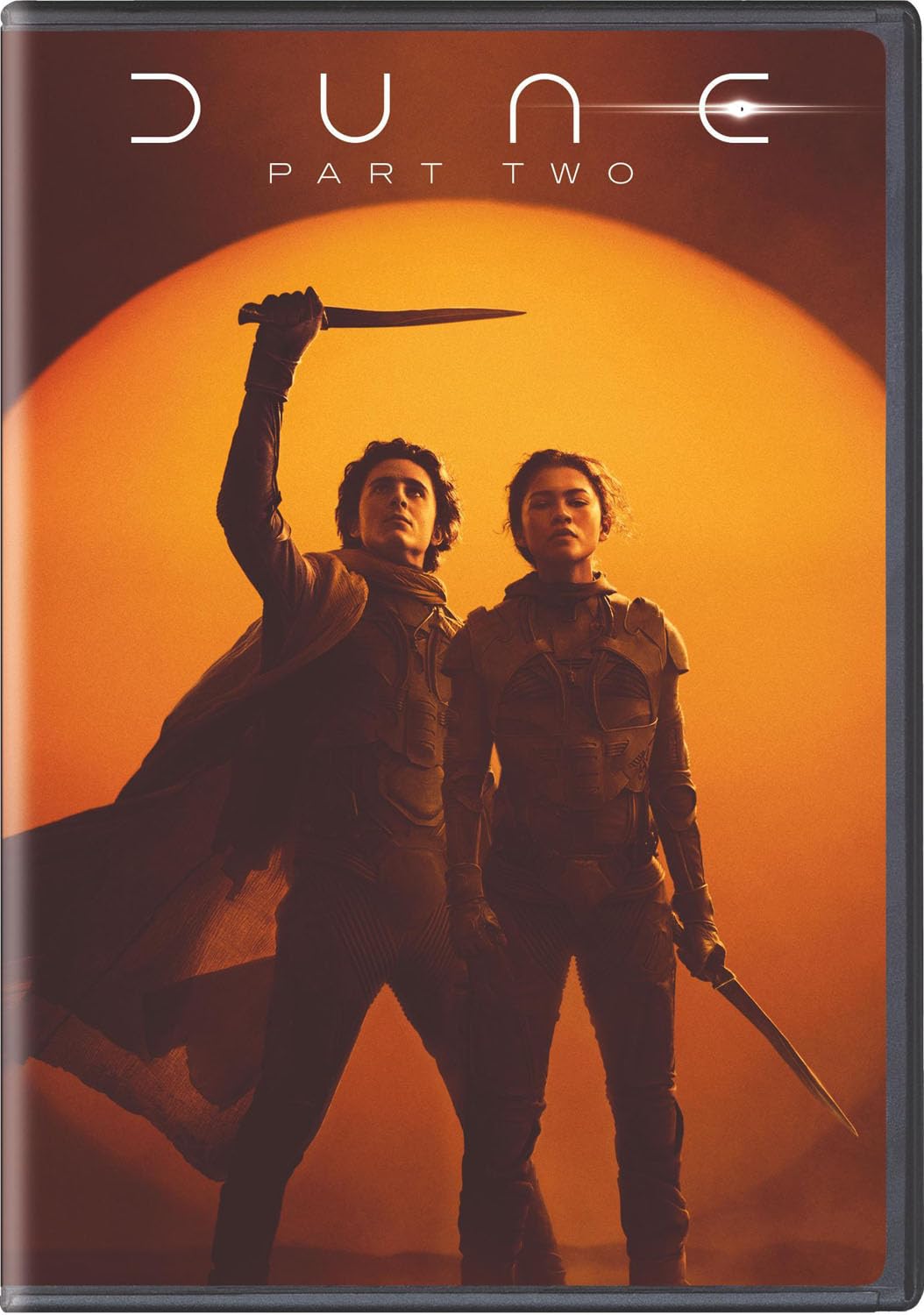
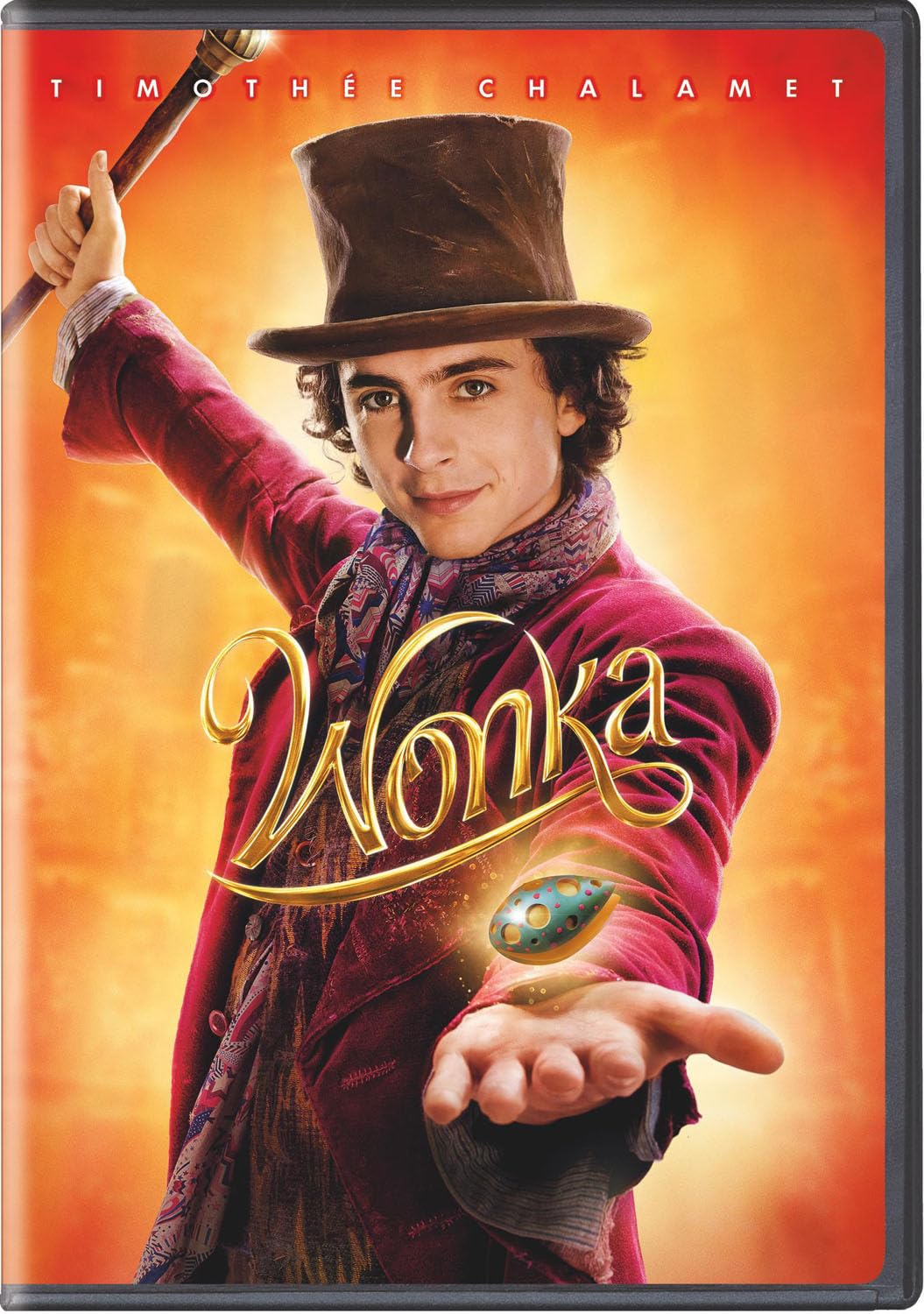
Born in just 1995 (ouch), Chalamet’s premiere was on Law and Order in 2009, moving to films with a role in Interstellar. From there, an almost non-stop string of movies came. Call Me By Your Name (2017) earned him an Academy Award Best Actor nomination, the third youngest nominee ever. His success culminated in the lead roles for the Dune films (another movie nominated for the Oscar), Wonka, and the recent A Complete Unknown, a biography of singer Bob Dylan (now 83), for which he was again nominated for an Oscar at 29 years old. Chalamet had Dylan’s approval for the role. He sang more than 40 of Dylan’s songs for the soundtrack (and did an excellent job), and yes, he himself played both the guitar and harmonica for it. On top of that, between acting, singing, and playing the actual instruments, Chalamet also co-produced the film. He lost the Oscar to Adrien Brody (The Brutalist), but became the youngest actor ever to win the Screen Actor’s Guild Best Actor award for the role.

Some actors start out unknown and bloom into fame in time; others seem to shoot straight to the top. Some who do fade out for a variety of reasons (James Dean made only 3 films; Mel Gibson’s behavior became a liability, Drew Barrymore was in substance rehab by thirteen, Ezra Miller became erratic), but others manage to navigate the pitfalls and go on to have long and amazing careers (Jeff Bridges, Clint Eastwood, Betty White, Kurt Russell, Mickey Rooney, for some). Time will tell if Chalamet can keep the fire burning. 

I’m betting he does. Check out his work, and see if you agree!

Side note: Both A Complete Unknown and The Brutalist have only been released on Blu Ray disc, so check your player first.

Tales of Shipwreck & Survival

Everyone knows about the Titanic since they found the wreckage and made a movie about it, but shipwreck is usually the last thing on anyone’s mind when they book a cruise. In reality, only 24 cruise ships have ever sank, and many of those had been pressed into service as warships at the time. Cruise ships, despite their top-heavy appearance, are quite safe. 

There are an estimated 3,000 shipwrecks off the coast of the Outer Banks, NC

There are an estimated three million shipwrecks under the waters, not counting small craft. Some of these date back as far as 2500 BCE, when the Mediterranean Sea was a hotbed of trade from Egypt and North Africa to the coasts of Italy, Greece, and Spain. The rate of commercial shipwrecks has been declining throughout this century, from 200 in 2000 to only 26 in 2023, and most of those are cargo ships, which are often in poor repair, overloaded, badly balanced, and cross some of the most difficult waters (releasing rubber ducks and sneakers). This does not include the fishing industry, which is nearly unregulated, especially in Asia and South America. It is estimated there are 100,000 deaths from fishing each year, due to poor industry standards and almost no oversight.

When we think about historical ships, we think back to Roman biremes, Viking longboats, and primitive rafts like Thor Heyerdahl’s Kon Tiki long before we come to the glory days of Spanish, British, French, and Portuguese galleons vying for naval power, leading to spectacular – and expensive – shipwrecks. The Bermuda Triangle, The Skeleton Coast, The Cape of Good Hope, and several rocky coastal areas around the continents were famous for wrecking ships, let alone the risk – then and now – for icebergs in the North Atlantic, and the real though rare possibility of rogue waves – lone giant waves of up to 100 feet, with no warning and no precursors, which have been implicated in a number of wrecks. There’s also the 1958 Lituya Bay, Alaska tsunami, which, due to the funneling nature of the bay, created a wave 1700 (yes, one thousand seven hundred) feet high, lifting a fishing boat, whose crew miraculously survived.

Like all natural disasters, ship disasters make for fascinating reading and occasionally a great movie. Here are some excellent works on the misfortunes of ocean-bound ships, some of which you may not have heard of, but really happened.

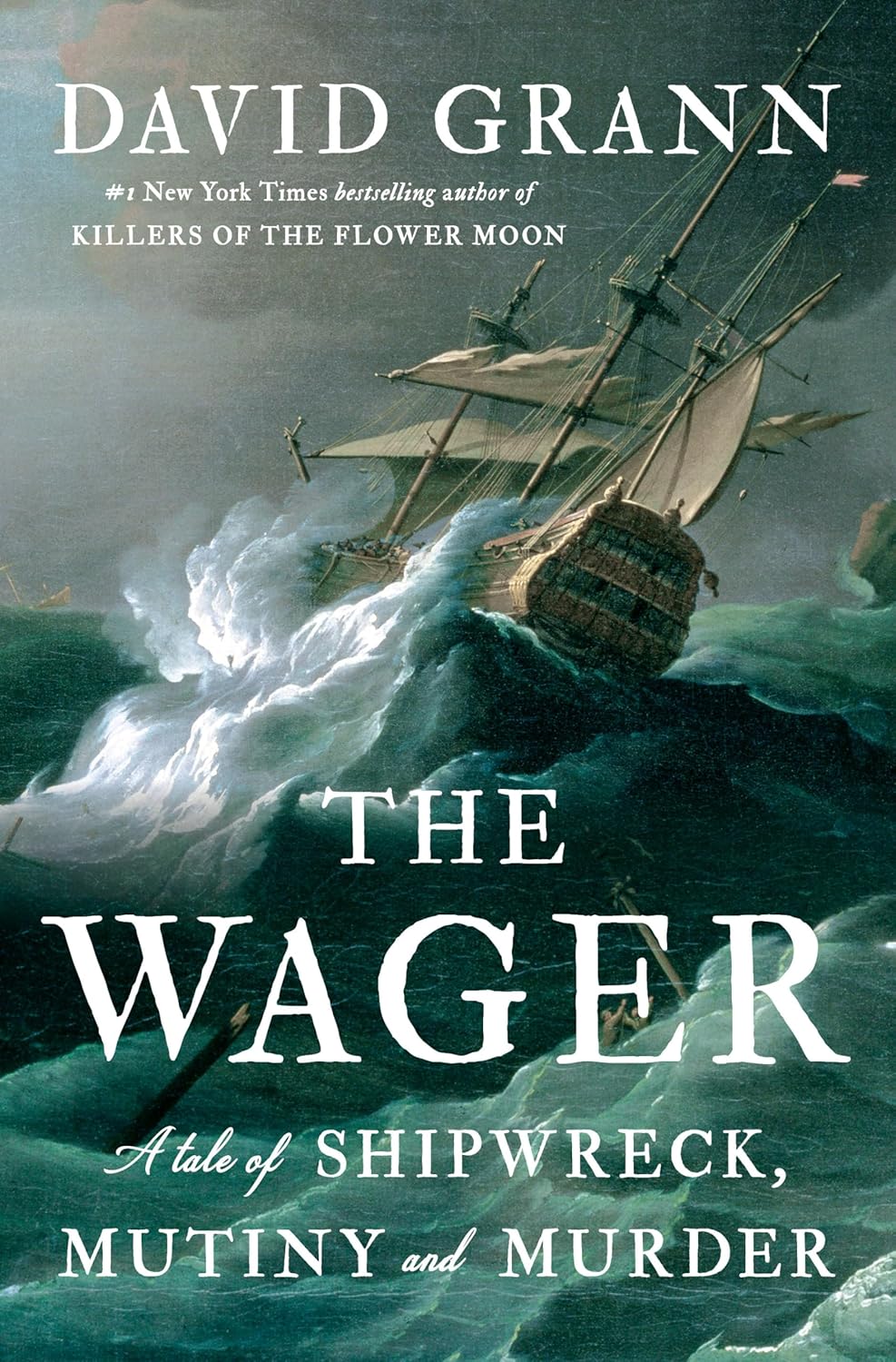
The Wager, by David Grann

If you haven’t yet read The Wager, you need to. A true tale of murder, mutiny, greed, heroism, and unbelievable survival in the harshest of conditions. Against better judgment, the Wager tries to round the dangerous Cape Horn in 1741, smashing against rocks in a gale. In a barren wasteland, with nothing to eat, the crew splits, half commit mutiny, some commit murder, and half of them will make it back to tell the riveting tale. A must read.

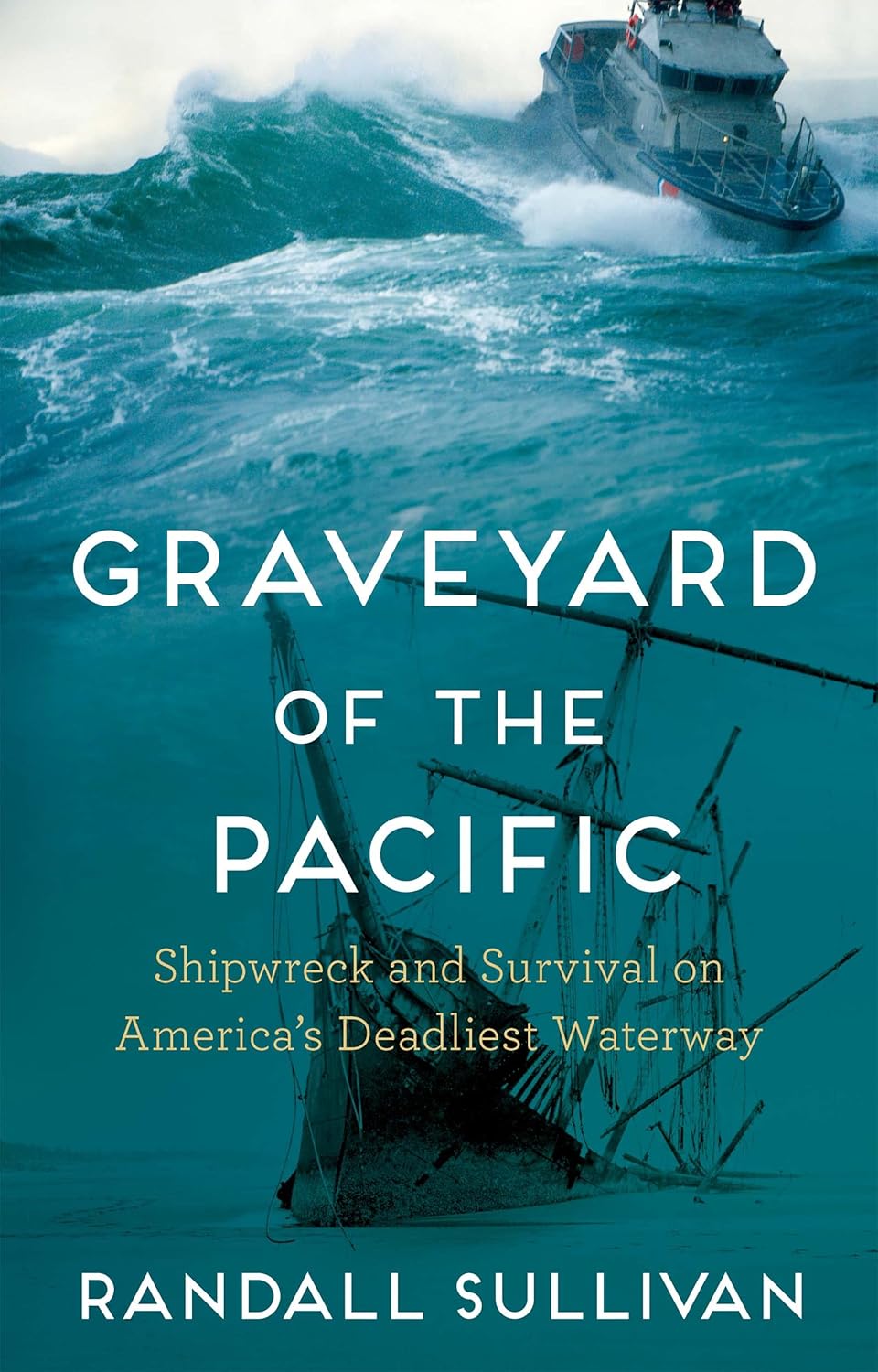
Graveyard of the Pacific, by Randall Sullivan

Who knew that more 2000 ships have been wrecked on the corner of the Oregon/Washington coast? Fierce storms, fog, reefs, sandbars, and tidal rips from the incoming flood of the Columbia river are so bad that there are specific ships and captains who must steer commercial ships through the area. While the book is partially taken up by one man’s quest to kayak through this deadly area, the rest of the book is quite fascinating.

Ghost Ship, by Brian Hicks   

There are many theories as to why the ship Mary Celeste was found abandoned at sea in 1872, with no clue as to what happened. The lifeboat was missing, and the crew abandoned ship so rapidly that food was still on the table and a sleeping child’s form was still outlined on the captain’s bed. Hicks combs through details to provide a solid, scientific reason, the best theory anyone has come up with yet, and the horrible fate of the crew.

In the Heart of the Sea, by Nathaniel Philbrick. 

The foundering of the whaleship Essex in 1820 became the inspiration for Melville’s novel Moby Dick. The Essex was sunk by a sperm whale in the Pacific, killing most of the crew. A handfull survived in a whaleboat for five months, surviving on cannibalism and rainwater. Melville allegedly met the son of survivor Owen Chase while at sea, and later met surviving Captain Pollard, who was considered bad luck after two lost ships, and no one would hire him. The combined diaries of the survivors were later made into a film.

When the Dancing Stopped, by Brian Hicks.

If Ghost Ship wasn’t enough, Hicks covers the perfect storm of disaster on the Morro Castle, a top of the line 1934 cruise ship traveling between Cuba and New York’s Pier 13. With horrific odds, the ship faced a tropical storm gaining on them, a nor’easter barreling toward them from the opposite direction, a murdered captain, an arsonist’s chemical fire underneath a ceiling filled with gunpowder, a crew that had never performed a fire or lifeboat drill, lifeboats whose launch mechanisms were painted closed, and a crew that fell apart at the first sign of trouble. How anyone survived (besides the crew, who abandoned ship without helping passengers) is a miracle. A book that reads like a novel, and is very hard to put down.

Deadliest Sea: The Untold Story Behind the Greatest Rescue in Coast Guard History, by Kalee Thompson

More fish are caught in Alaskan waters than almost everywhere else, yet many fishing boats remain virtually unregulated as to safety, and there are powerful political groups that push against it. In 2008, the Alaska Ranger meets with bad weather and too much ice, loses its rudder, and starts to sink. As in every disaster, few are trained, shortcuts were taken, lifeboats don’t work properly, wetsuits have holes, and they are more than 200 miles from the Coast Guard rescue planes. Thompson creates a tense tale of survival and aggravatingly poor working conditions as the Coast Guard rushes to save the crew. A lot of names, but hard to put down.

Futility, or, The Wreck of the Titan, by Morgan Robertson

Okay, this one is short fiction, and because it’s so old it’s hard to get a copy of (you can read it for free on Project Gutenberg, here), but it’s mentioned in so many memes as “The Titanic Foretold!” that I wanted to include it here. Published in 1898, the book, yes, involves an “unsinkable” ship called the Titan, that, in its second collision in two days, hits an iceberg and capsizes. The unlikable protagonist rescues a little girl in order to get a seat on a lifeboat, then plots to use her to extort money from her family, and most of the book is about him whining about being stuck with the kid. There is almost nothing in this novella that compares with the Titanic, beyond a name (common enough. It would have been more compelling if the name was Carpathia or something) and an iceberg (also common in those waters). It’s short, you can read it, but it’s trite, simplistic, outdated, boring, and sometimes painful to read. But, truly, it in no way predicted the wreck of the Titanic.

If you’d prefer, check out these films of ocean disasters:

In the Heart of the Sea

The Perfect Storm

Finest Hours

The Poseidon Adventure

Titanic

The Life of Pi

All is Lost

Lifeboat

Get Your Kicks with Martial Arts Films

Ever wonder how much of movie fight scenes are staged and faked, and how much is real? Today, so much is done on a green screen, even the locations are unconvincing. You can be sure, however, that martial arts films are very real.

Martial arts films have some of the best action and fight choreography you can find in film, and they often span multiple genres. Some are written specifically for comedy (most American Jackie Chan films, like Rush Hour), while others are mind-bending (The Matrix). Some are more realistic (Enter the Dragon), while others are not (John Wick 4. Thirteen consecutive hits by cars? I think not. Don’t get me wrong – the John Wick series is in my top 20 films, but this pushes credibility.) Foreign films tend to focus more on the art and less on a story line (sorry, subtitles or overdubbing, the dialogue in Jackie Chan’s Police Story is downright painful, even though the action and car chases are superb), while American films tend to have a story line that is stretched to make room for the action scenes (If John Wick can kill three men with a pencil, does that make the Joker, who kills one, also a martial artist?). Some movies are very good (Ip Man 2, which is a lot like Hong Kong Rocky) while others are cringeworthy and forced (American Kickboxer, for one).

Few martial arts movies are “pure” – there are few “karate” or “judo” or “jiu jitsu” films. Most martial arts films use mixed martial arts, as the actors are usually multiply trained. Bruce Lee, the granddaddy of martial arts stars, didn’t hold a black belt in anything, but invented his own school called Jeet Kune Do. Lee studied under the actual Ip Man, Yip Kai-Man, who invented the school of Wing Chun. The incredible Donnie Yen, whose greatest American films have been Star Wars: Rogue One and John Wick 4, has black belts in Wing Chun, Judo, a sixth-level black belt in Tae Kwon Do, and a purple belt in Jiu Jitsu. Keanu Reeves, of John Wick and Matrix fame, holds a black belt in Jiu Jitsu, as well as black belts in Judo and Karate.

What’s the difference between all the different martial arts forms? Generally, they’re very minor. Some use open hand, some used closed. Some are meant to deflect and defend, others to overpower (Krav Maga). Some emphasize hand work over kicks. Aikido deflects the energy of an attacker, rather than responding. Jiu Jitsu is about pinning and dominating an opponent. Wing Chun focuses on the center of the body and rapid-fire punching, similar to boxing. A second difference is the concept of “belts.” The “belt” level concept is Japanese in origin, while the Chinese systems don’t always use it. This is partly why some of the greatest martial artists of film – such as Bruce Lee – don’t have black belts in any denomination.  Traditionally, the forms using belt levels are karate, tae kwon do, judo, and jiu jitsu.

You might be surprised to know there are a number of western action actors who are more than proficient at various martial arts, including Iron Man actor Robert Downey Jr. (Wing Chun), Wesley Snipes (5th level black belt in karate, 2nd level black belt in Hapkido, plus jiujitsu, kickboxing, kung fu, and capoeira), and Steven Seagal, a 7th-level black belt in Aikido. Chuck Norris has a tenth-degree blackbelt in Tang Su Do. Jean-Claude Van Damme has black belts in karate and kickboxing. Sean Connery, the first James Bond, had a black belt in karate. Jason Statham has a brown belt in jiu jitsu. Even Willie Nelson is a fifth-degree black belt in Korean Gongkwon Yusul, which he has studied for more than twenty years.

On the other hand, Michelle Yeoh, who stars in many martial arts-action films, has no formal training at all, but chalks up her moves to dance training. On film, no one can tell.

Don’t skip a movie just because it’s in a foreign language. Movies like Ip Man 2 and Seven Samurai are well-worth reading captions. Whether you like your action cheesy and fun, or serious and deadly, check out these films that feature martial arts or martial artists, and be careful what you kick or punch!

8 Movie Action Pack

Big Trouble in Little China

Art of Self Defense

As Good as Dead

Big Trouble in Little China

Blade

From Russia With Love

Embattled

Everything Everywhere All At Once

Fearless

Forbidden Kingdom

Foreigner

Hero

Jiu Jitsu

John Wick 1-4

Karate Kid

Keeper

Kill Bill

The Matrix

Mulan

Rush Hour

Pistol Whipped

Red Cliff

Rogue One

Rush Hour

Sakra

Seven Samurai

Shang Chi

Spy Next Door

The Assassin

XXX Return of Xander Cage