Have you thought about dying? It’s such a scary topic, fraught with so much emotion. We like to think we’ll always have more time ahead of us. But what happens when something–an illness, an accident, a disease–sets a limit on our time? What happens when we are forced to confront the end of our lives?
 Being Mortal: Medicine and What Matters in the End by Atul Gawande explores this issue, an issue that we all must inevitably face.
Many folks first confront mortality when dealing with their aging parents, but illness can strike at any time of life. Then we are forced to make decisions about treatments. About living wills. About how we want to live the remainder of our lives. We want to live longer at all costs and we’d do anything to achieve that goal, right? Perhaps not. As Doctor Gawande discovered in his research on aging and dying, what most people want is not necessarily a longer life, but a quality life.
Gawande, a practicing surgeon, notes that doctors are often committed to extending life at all costs. This can mean painful and expensive procedures, even for those for whom there is no cure. Gawande questions this rationale, while admitting he himself has often advised patients to pursue treatments that he knew would not extend their lives by more than a few months or year. However, patients, he came to realize, wanted procedures that would guarantee them ten or twenty more years of life.
But medicine often cannot deliver such outcomes. The exceptions, the people who do survive for years in spite of the odds, are just that–exceptions. Gawande equates it with winning the lottery. Everyone believes they will be lucky but very few actually are. Gawande also noted that, in the case of terminal illness, the trade-offs of pursuing treatment–time, money, pain, recovery–were often not worth the small extension of life to most people.
What the mortally ill or infirm person really wants is a meaningful life, even if there is only a few months left of that life. The terminally ill desire to retain independence and control, as much as they possibly can. They desire to stay in their homes. They want their loved ones around them. They fear prolonged and painful deaths. They fear bankrupting their families.
Gawande illustrates the importance of these issues with depictions of traditional nursing homes, which place safety and monitoring of vitals above the fulfilling lives people need and want. He counterpoints these with illustrations of models of care that take patients out of hospitals and nursing homes for a variety of assisted living facilities and hospice services.
I was especially intrigued by his description of hospice, a service I had (erroneously) believed was only for the last few weeks of life. Hospice gives the aged and terminally ill choices. Hospice workers ask what your goals are. They ask you to think about what you want. They ask you what you don’t want. They talk about your fears. And they address every issue.
And that is the gift of this wonderfully written book. It makes you ask those questions, of yourself and perhaps of those around you. For someday you may be in a position to have to make choices for a loved one, or in the position of having a loved one making choices for you.
 Can getting rid of stuff make you happy? Does paring down possessions lead to a higher quality of life? Do downsizing and minimalism really bring contentment?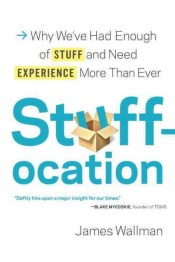
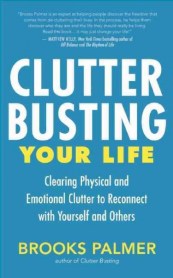


 5 days to a
  The Cheshire Library Blog