I took four college courses in Russian, and “Ya ne panimayu pa-Russki” – translated, “I don’t understand Russian” – is about all I have to show for it. It’s not surprising. It was the late 2000s, and the U.S. was neither in active competition nor actively antagonistic toward Russia. Enrollment in Russian was so low at my university that my professor, a Ukrainian by birth, padded out most of his semesters by teaching basic Spanish courses. Even the writers of the textbook seemed apathetic; they included vocabulary referring to Soviet-era stores, even though the Soviet state had dissolved 15 years prior to the edition’s publication.
For anyone who can remember all those case declensions, Russian language media must be a fascinating read these days.
Russia and Ukraine have been at war since 2014, with February 24, 2022 marking the invasion of Ukraine by Russia and a new phase of the war. It’s not the only war in the headlines. Israel has been at war with Hamas in Gaza since October 7, 2023. And now, with the assassination of Ayatollah Khamenei mere days ago on February 28, it appears that the U.S. and Israel are actively at war with Iran. I can’t say what could or should happen in any of these conflicts. I am a terrible student of history and I’m even worse at geopolitics. However, I am a librarian who can present you with works by experts to contextualize these conflicts, and I can find narratives by reporters and memoirists who are documenting their experiences as they happen. From there, you can read and draw your own conclusions.
I can’t do justice to these three conflicts in one blog post, so I’m going to break this down into parts, starting with today’s biggest headline dominator: the Iran War. If you know of an informative resource that’s not on the list, please feel free to leave a comment so other readers can find it!
Iran: A Modern History by Abbas Amanat (2017)
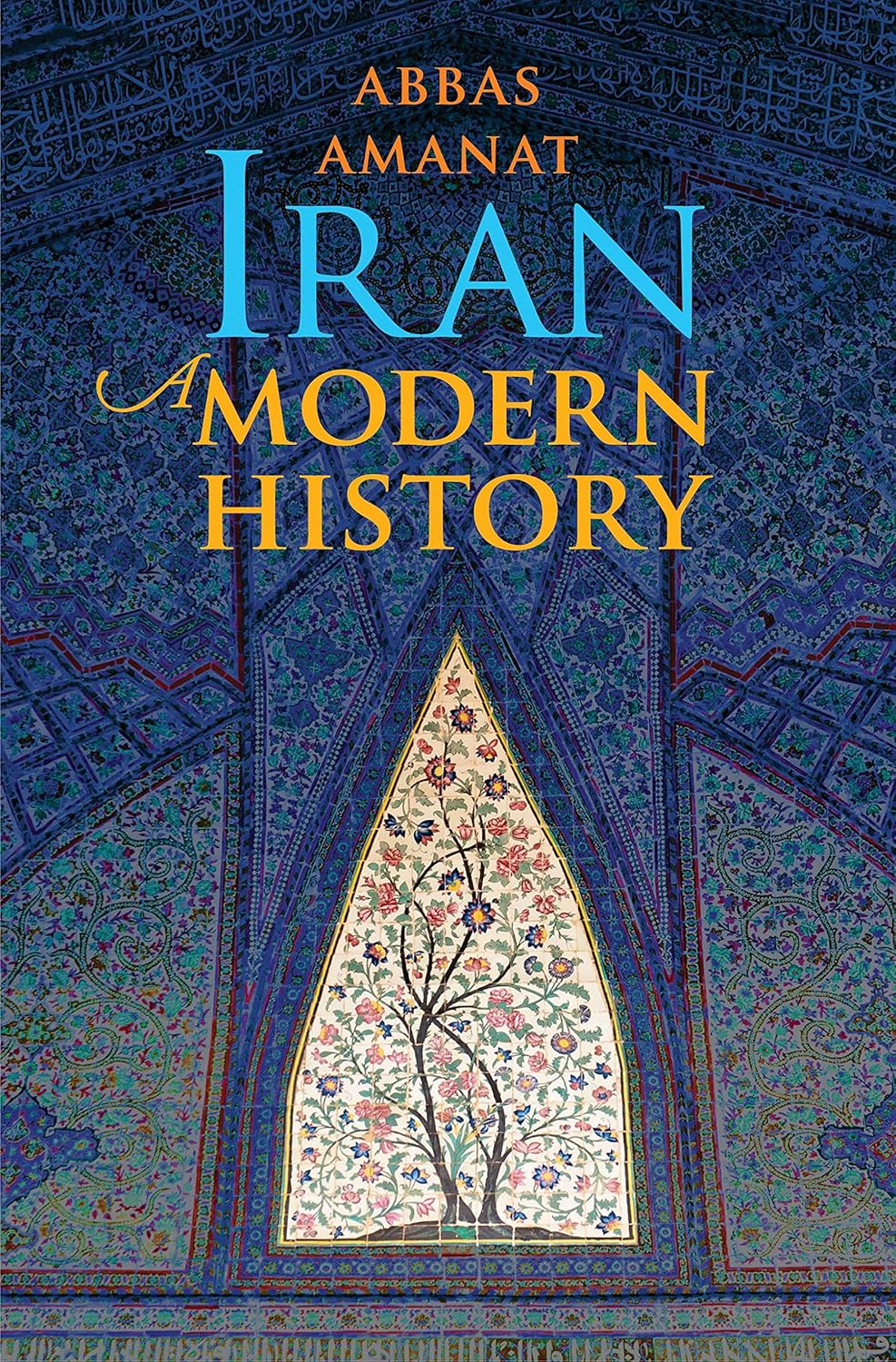
A comprehensive treatment of Iran’s history written by a top scholar. From the publisher: “Amanat combines chronological and thematic approaches, exploring events with lasting implications for modern Iran and the world. Drawing on diverse historical scholarship and emphasizing the twentieth century, he addresses debates about Iran’s culture and politics. Political history is the driving narrative force, given impetus by Amanat’s decades of research and study. He layers the book with discussions of literature, music, and the arts; ideology and religion; economy and society; and cultural identity and heritage.”
A History of Iran: Empire of the Mind by Michael Axworthy (2008)
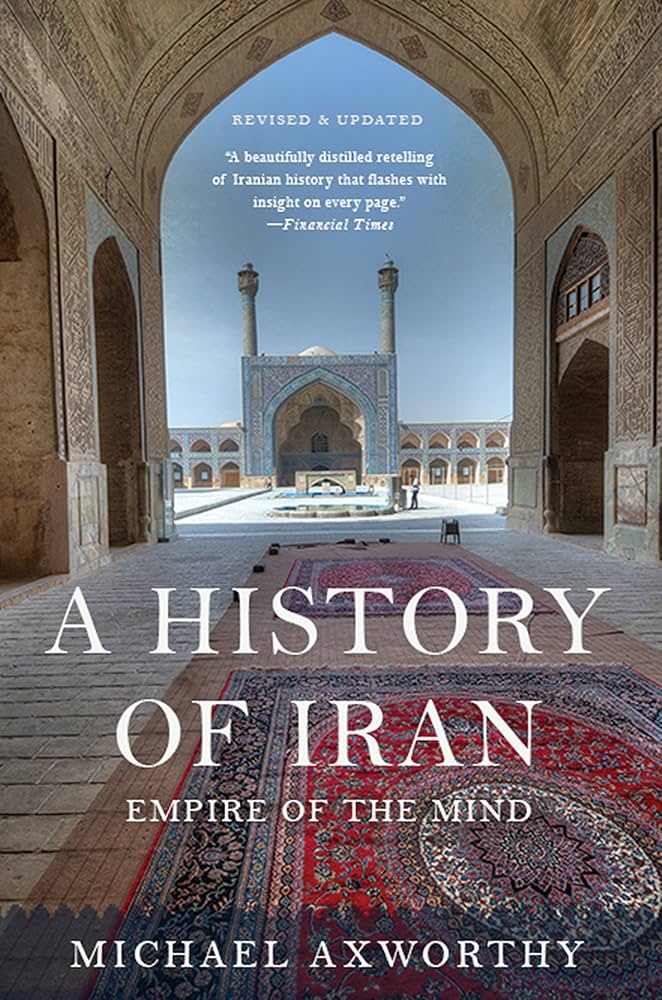
If you’re looking for a quicker read, try this book by another excellent Iran historian. From the publisher: “Although frequently vilified, Iran is a nation of great intellectual variety and depth, and one of the oldest continuing civilizations in the world. Its political impact has been tremendous, not only on its neighbors in the Middle East but also throughout the world. From the time of the prophet Zoroaster, to the powerful ancient Persian Empires, to the revolution of 1979, the hostage crisis, and the current standoff over Iran’s nuclear ambitions, Michael Axworthy vividly narrates the nation’s rich history.”
America and Iran: A History, 1720 to the Present by John Ghazvinian (2021)
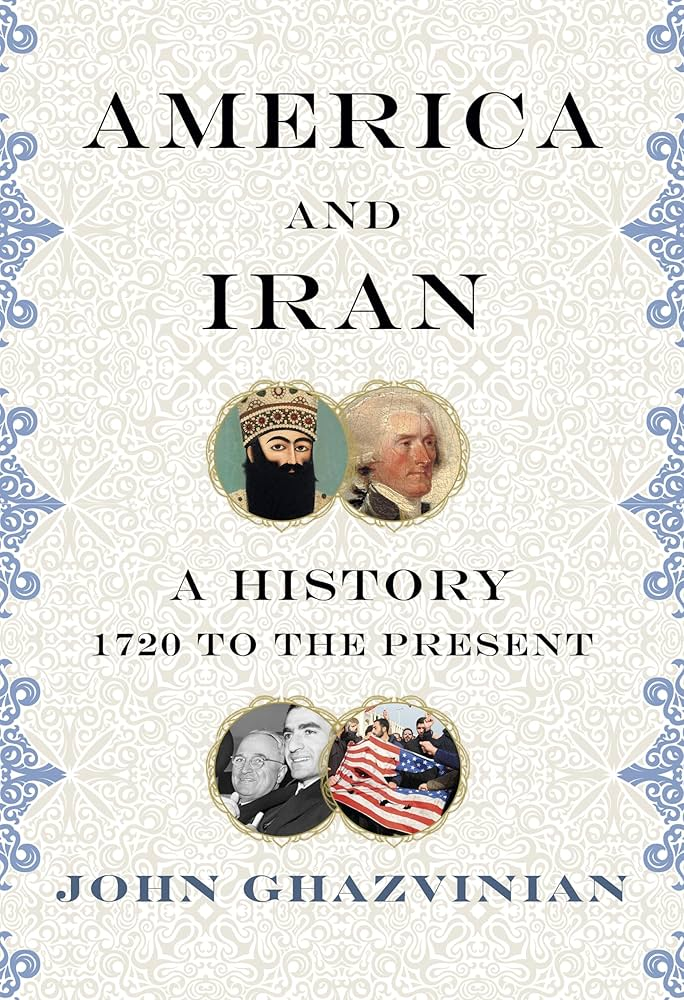
From the publisher: “In this rich, fascinating history, John Ghazvinian traces the complex story of the relations between these two nations back to the Persian Empire of the eighteenth century—the subject of great admiration by Thomas Jefferson and John Quincy Adams—and an America seen by Iranians as an ideal to emulate for their own government. Drawing on years of archival research both in the United States and Iran—including access to Iranian government archives rarely available to Western scholars—the Iranian-born, Oxford-educated historian… makes clear where, how, and when it all went wrong. America and Iran shows why two countries that once had such heartfelt admiration for each other became such committed enemies—and why it didn’t have to turn out this way.”
The Coup: 1953, the CIA, and the Roots of Modern U.S.-Iranian Relations by Ervand Abrahamian (2013)
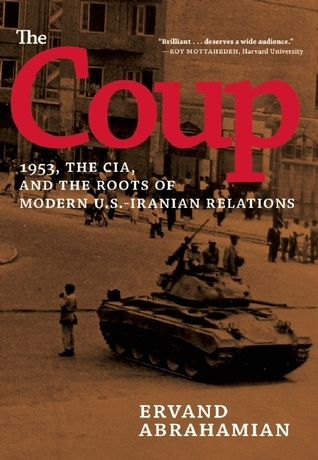
From the publisher: “In this authoritative new history of the coup and its aftermath, noted Iran scholar Ervand Abrahamian uncovers little-known documents that challenge conventional interpretations and sheds new light on how the American role in the coup influenced diplomatic relations between the two countries, past and present. Drawing from the hitherto closed archives of British Petroleum, the Foreign Office, and the US State Department, as well as from Iranian memoirs and published interviews, Abrahamian’s riveting account of this key historical event will change America’s understanding of a crucial turning point in modern United States-Iranian relations.”
All the Shah’s Men: An American Coup and the Roots of Middle East Terror by Stephen Kinzer (2003)
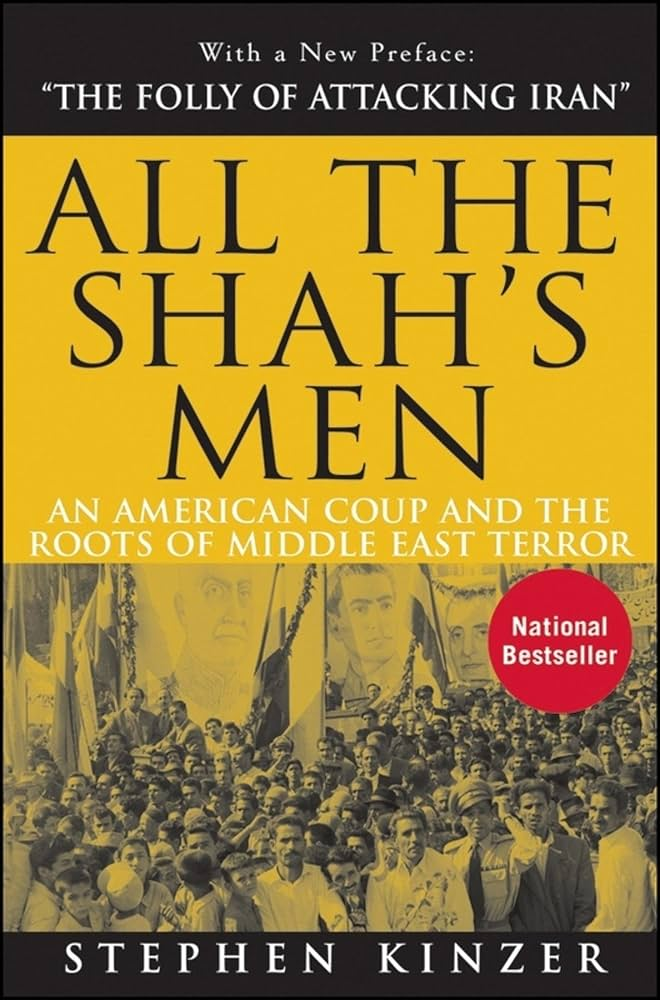
Kinzer is a former journalist who knows how to craft a compelling and factual story. From the publisher: “This national bestseller brings to life the 1953 CIA coup in Iran that ousted the country’s elected prime minister, ushered in a quarter-century of brutal rule under the Shah, and stimulated the rise of Islamic fundamentalism and anti-Americanism in the Middle East.”
Black Wave: Saudi Arabia, Iran, and the Forty-Year Rivalry That Unraveled Culture, Religion and Collective Memory in the Middle East by Kim Ghattas (2020)
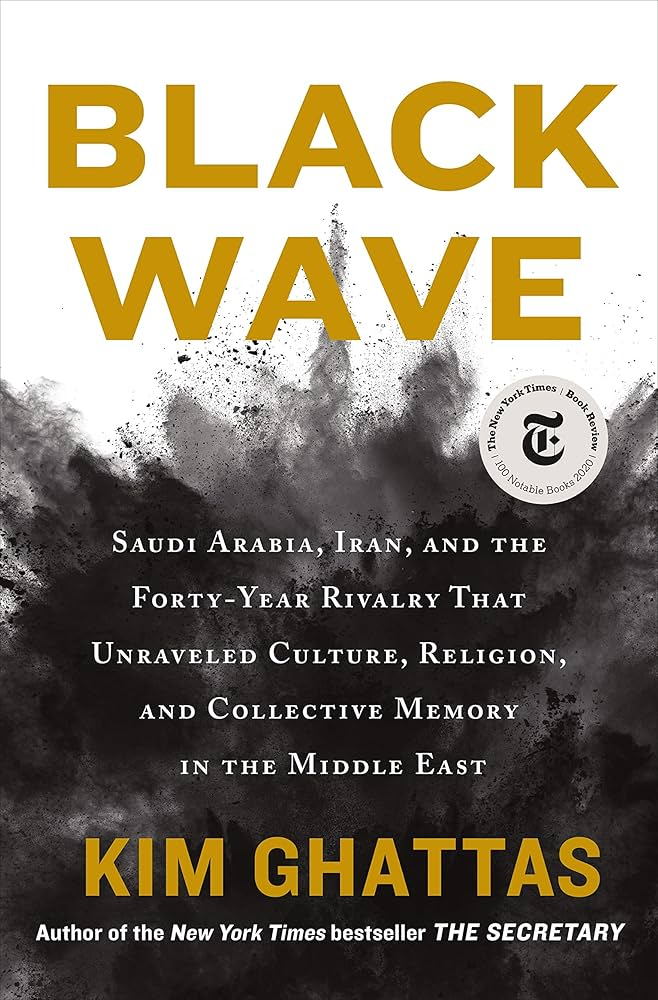
A fresh perspective on Iran’s place in the Middle East, from a Beirut-based journalist. From the publisher: “Kim Ghattas seamlessly weaves together history, geopolitics, and culture to deliver a gripping read of the largely unexplored story of the rivalry between Saudi Arabia and Iran, born from the sparks of the 1979 Iranian revolution and fueled by American policy.”
The Mantle of the Prophet: Religion and Politics in Iran by Roy Mottahedeh (1985)
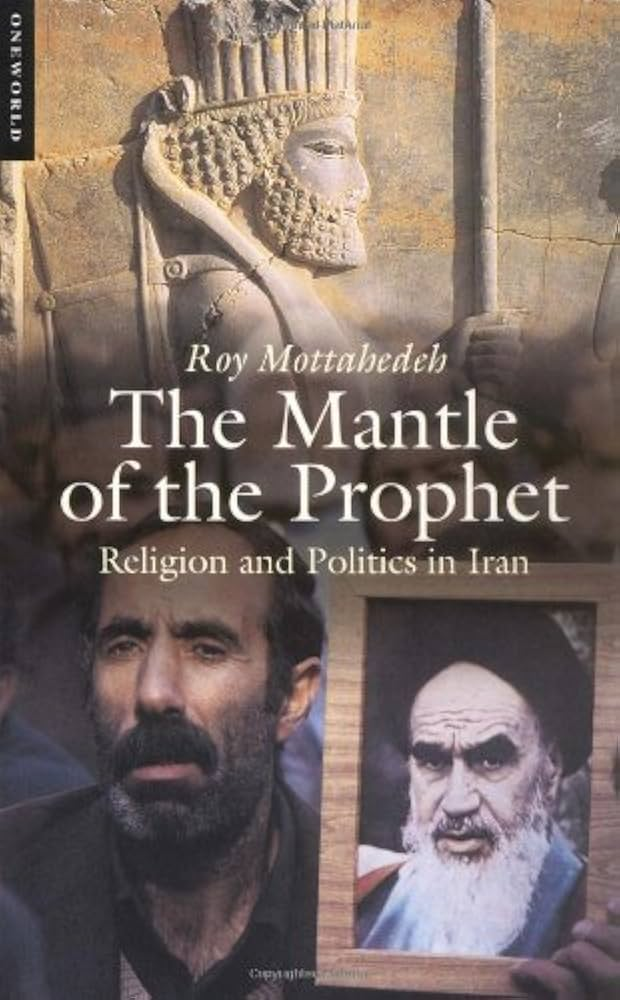
From the publisher: “Drawn from the first-hand accounts of eyewitnesses, Roy Mottahedeh’s absorbing tale of Islam and Politics in revolutionary Iran is widely regarded as one of the best records of that turbulent time ever written.” Forty years after its initial publication, it’s still a great book to help one understand the 1979 revolution – especially the role that clerics and religion played.
Persepolis by Marjane Satrapi (2003)
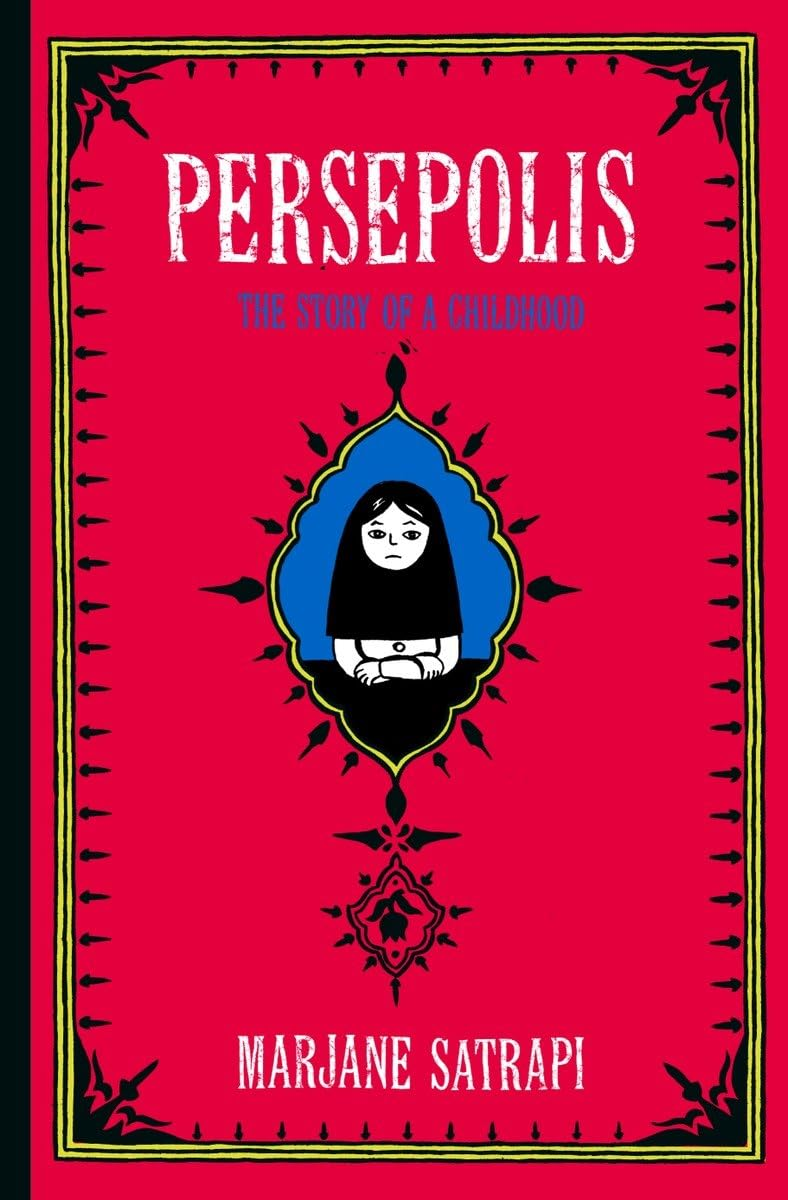
There’s little I can say that hasn’t already been said about Persepolis. This graphic novel is a personal account of a girl living through the revolution and the social restrictions that followed, then her young adulthood as she goes between Europe and Iran. It’s wonderfully accessible, even for those who aren’t usually graphic novel readers.
King of Kings: The Iranian Revolution: A Story of Hubris, Delusion and Catastrophic Miscalculation by Scott Anderson (2025)
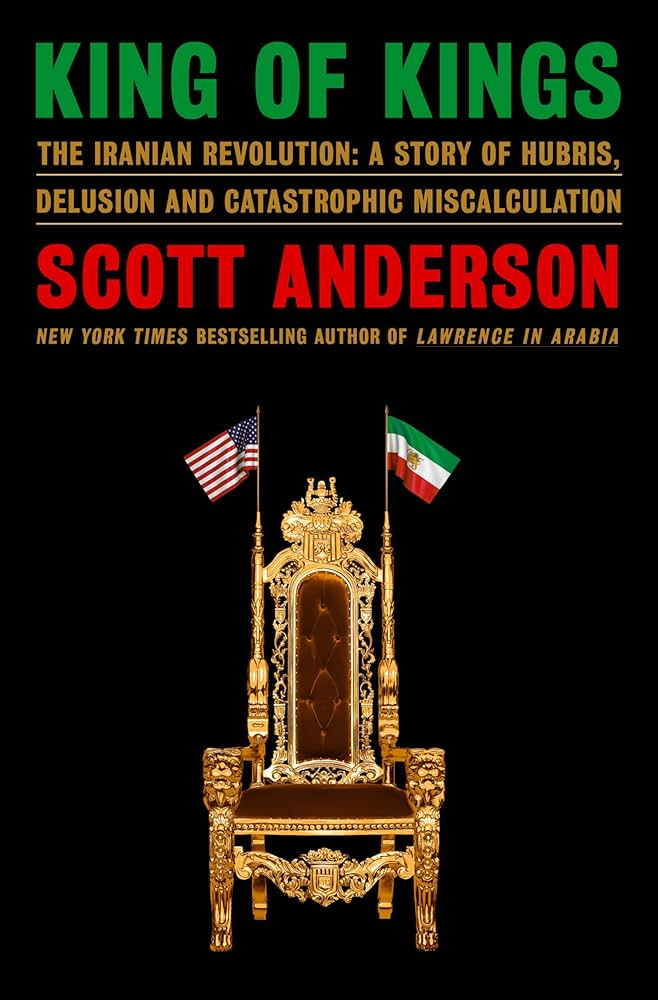
From the publisher: “From the author of the landmark bestseller Lawrence in Arabia comes a stunningly revelatory narrative history of the Iranian Revolution, one of the most momentous events in modern times. This groundbreaking work exposes the jaw-dropping stupidity of the American government and traces the rise of religious nationalism, offering essential insights into today’s global unrest.”
For the Sun After Long Nights: The Story of Iran’s Women-Led Uprising by Fatemeh Jamalpour and Nilo Tabrizy (2025)
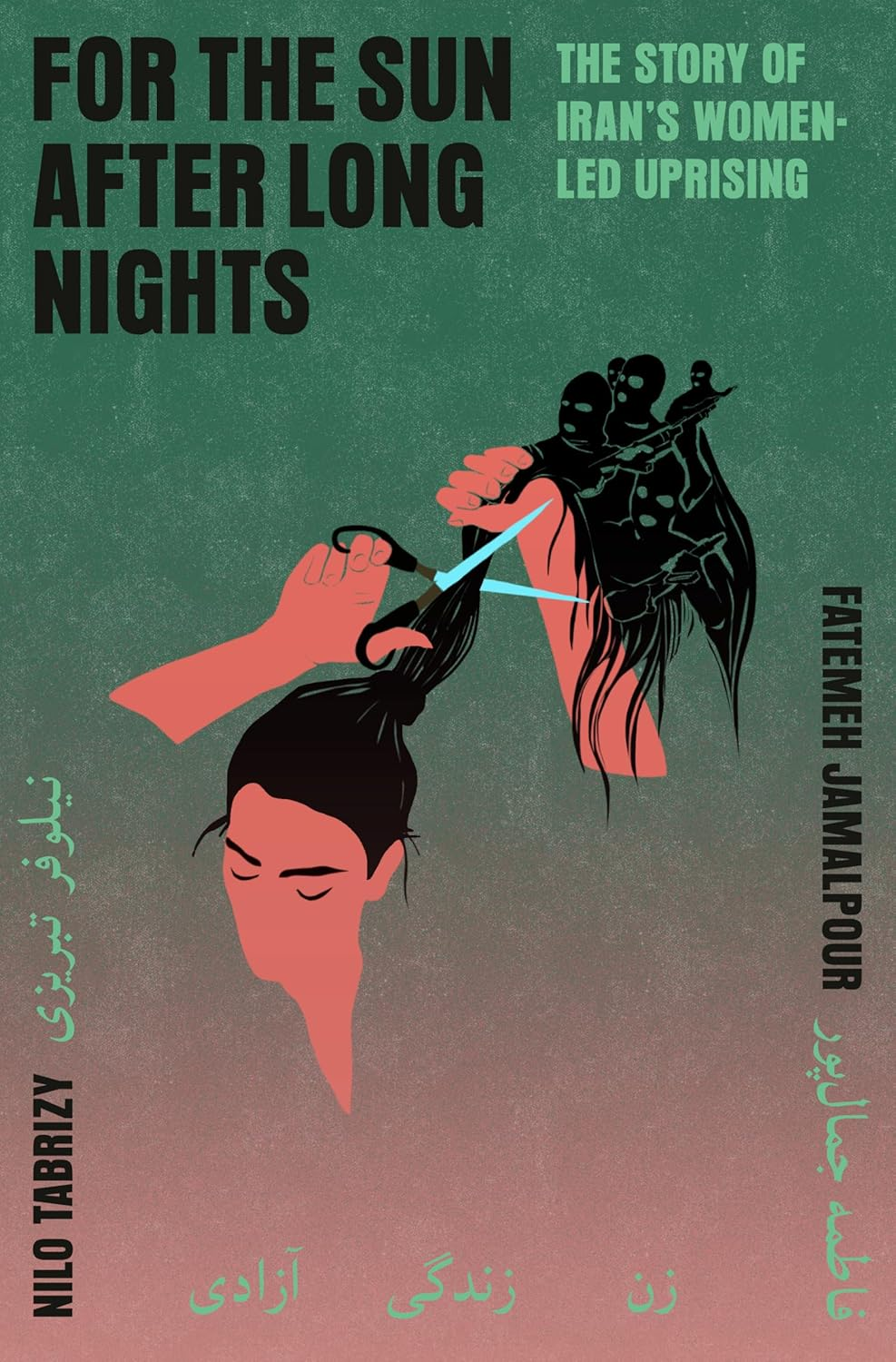
From the publisher: “A moving exploration of the 2022 women-led protests in Iran, as told through the interwoven stories of two Iranian journalists.”
As a millennial whose male friends all wanted to be Anthony Bourdain, I have to give a shout-out to Bourdain’s CNN documentary travel show Parts Unknown. The late chef-turned-travel-host had a gift for finding connections with people across the world, and it was on display during his visit to Iran in 2014. You can watch it in season 4 episode 6. Parts Unknown is available through multiple free and paid streaming services.
And if you’re interested in Iran’s contributions to art, please check out our Islamic Art program on Tuesday, March 17. Wadsworth curator Hamid Hemat will take us on an art journey through the Islamic world, including Iran’s famous Nastaliq calligraphy. You’ll also get to try writing Persian script yourself! Register here: https://cheshirelibrary.libcal.com/event/15030026








 The Cheshire Library Blog