Solar Punk/Lunar Punk

Blame Cyberpunk.

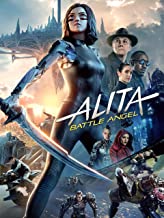
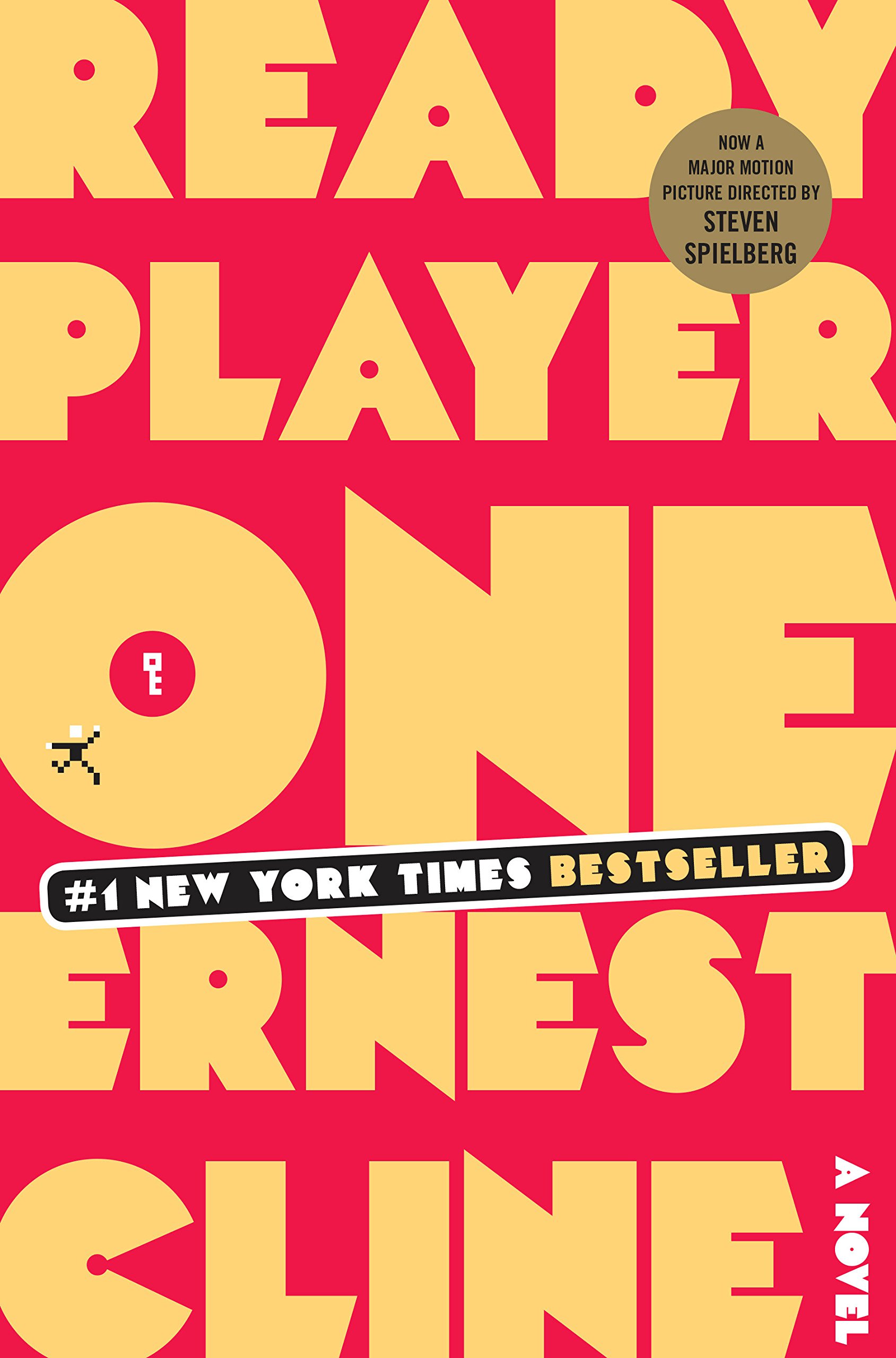
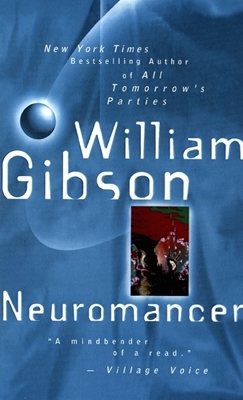
The novel Neuromancer is credited as kicking off the Cyberpunk genre. You may not have heard the term, but you probably know it  – a dark blend of high-tech in a crumbling dystopian world where the poor get poorer and the rich have all the technology – think Bladerunner, Ready Player One, Alita: Battle Angel, Real Steel, Elysium, Guardians of the Galaxy, even Hunger Games and Divergent (you could make a serious argument for Star Wars, as well). They’re gritty, dark, and sometimes disturbing, and paint a not-so-nice view of the future, with emphasis on classism, violence, famine, and a disturbing police state. 

Steampunk is also a well-established fantasy genre, carrying on as if the gasoline engine never materialized and the world was stuck in 1890 and using steam power and copper pipes for everything. They’re wildly imaginative and adventurous – check out Chris Wooding, Boneshaker by Cherie Priest, or Richard Preston Jr., or movies such as Chitty Chitty Bang Bang, League of Extraordinary Gentlemen, or The Golden Compass, among others.  
Since then, just like music has a thousand nitpicky subgenres (Simpsonwave, anyone?), fiction has also fractured into microgenres. Most are so nitpicky they’re pretty much covered under larger categories, but two more are becoming increasingly prominent: Solar Punk and Lunar Punk (Punk seems to be a word thrown in because someone is going against the establishment). Never heard of them? Neither have most people, but the genre is growing and defining itself.
Solar Punk is a backlash against all that dreary doomsday cyberpunk. Solar Punk is full of hope and ecology. Everything is green spaces, clean power, civil rights, encompassing communities, anti-establishment, and personal choice. Renewable energy, harmony with nature, and spirituality are key themes. Solar punk is a view of the future where everything finally does work out, a world where everyone benefits from the progress of mankind, because they’re all in it together. If steampunk is Victorian, Solar Punk is art nouveau. Think Star Trek, The Disposessed by Ursula LeGuin, Ectopia, by Ernest Callenbach, Dune by Frank Herbert, Disney’s Tomorrowland, and Black Panther (is anything more Utopian than Wakanda?).

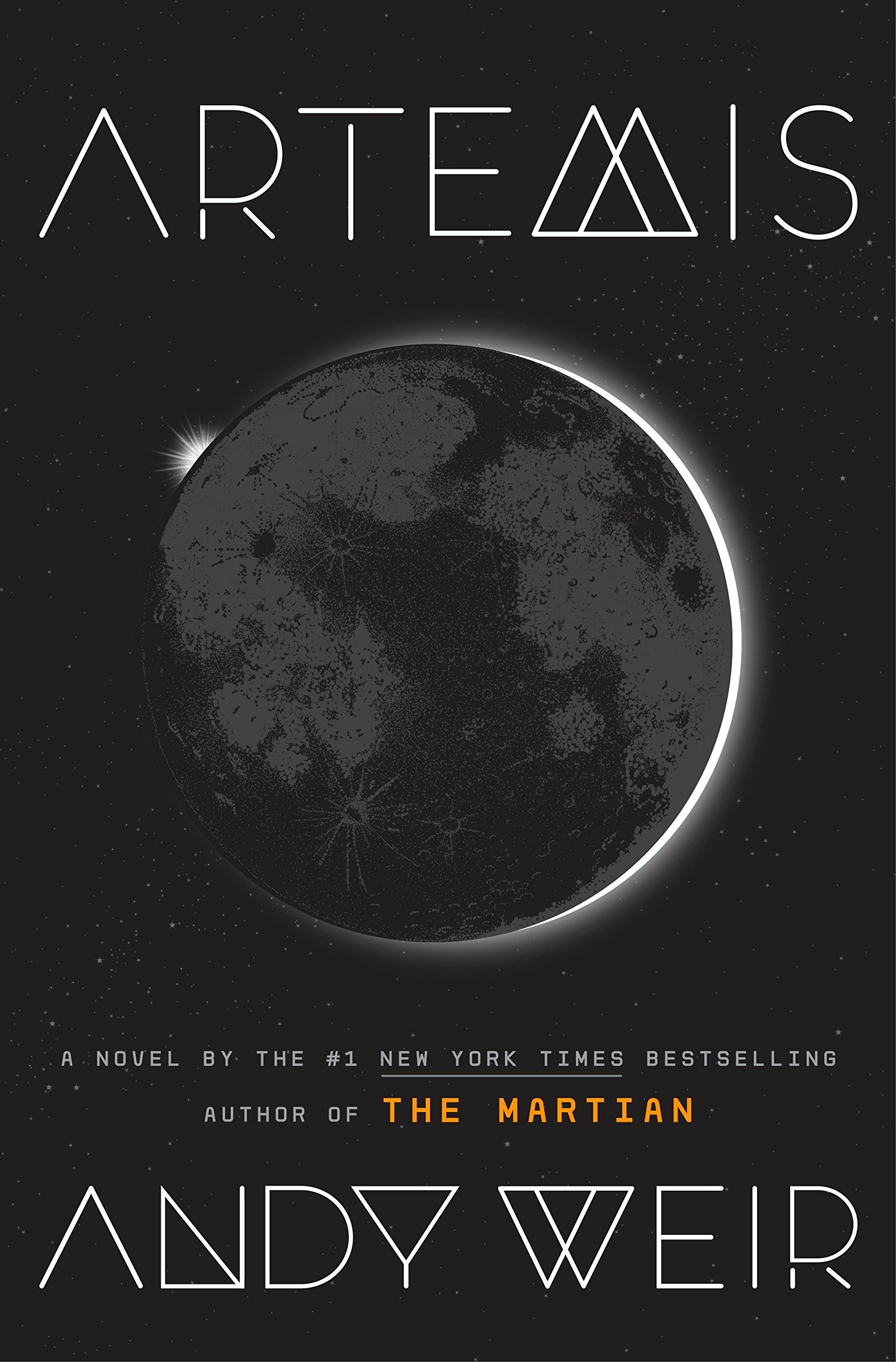
If Solar Punk is all bright lights and butterflies, Lunar Punk is Solar Punk when the sun goes down. It’s moths and the twinkling of fireflies. It’s night-blooming lilies instead of sunflowers. It may be dark but it’s not dreary, like your backyard party at night, with fairy lights everywhere. Lunar Punk often deals more in mysticism, spirituality, magic, and the occult. Their flowers are mushrooms, their light is moonlight, their colors are the blues and purples and silvers of twilight. They have no solar, so they use bioluminescence. Individuals are more important than the communities they live in. The movie Avatar – the world of the Na’vi – exemplifies Lunarpunk. Still utopian, still upbeat ecological fantasy, but out of the bright sunlight. Andy Weir’s Artemis can fall into this category. Many Anime series can fall into these categories.

Solar Punk and Lunar Punk are often categorized together, both supporting the same type of ecologically based, optimistic utopian fantasies, a genre that is growing to match our current promises of renewable energy and inclusive societies. Many of the new teen novels have been exploring the genre. They are the generation who has grown up with recycling, solar chargers, zero-emission footprints and Bald Eagles back in the wild. For them, Solar Punk could very well be the future. Check out some of it today!

Graphic Novel Adaptations: Old Stories with a New Twist

Graphic novel adaptations are not new, comic books based on classic literature could be found as early as the 1940’s and 50’s. Lately, however, there’s been a new crop of adaptations in graphic novel format that deserve some attention. While an adaptation of a book can never take the place of the original, it has value as a companion piece to the original, offering a fresh perspective on a well-established tale. This is particularly true of graphic novel adaptations, where illustrations and a change in pace can breathe new life into an older book. Even when a book isn’t all that old, a graphic novel interpretation allows us to see the story from a different angle.

We have a whole bunch of graphic novel adaptations on our shelves, for all ages. Here are some of our favorites.

FOR ADULTS:

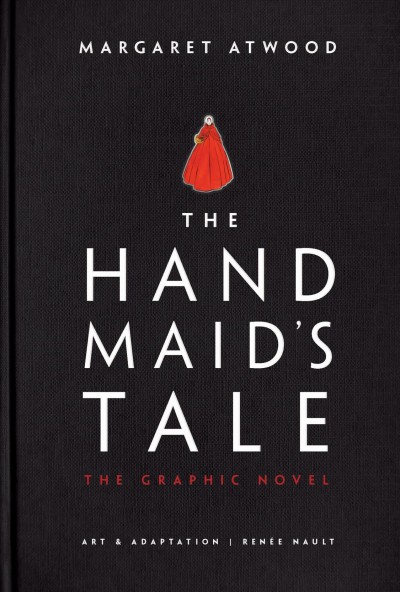
The Handmaid’s Tale, original story by Margaret Atwood ; art & adaptation by Renée Nault.

Animal Farm, original story by George Orwell ; adapted and illustrated by Odyr.

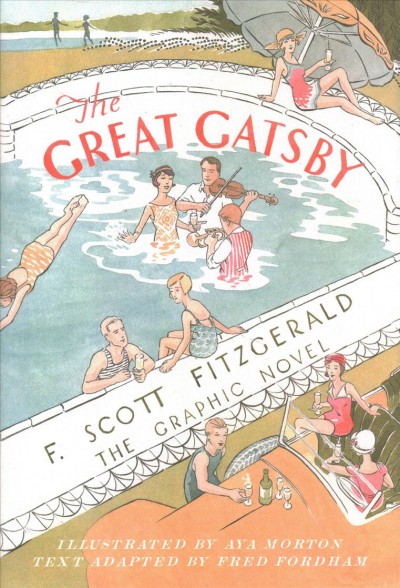
The Great Gatsby, original story by F. Scott Fitzgerald ; illustrated by Aya Morton ; text adapted by Fred Fordham

Small Gods : a Discworld graphic novel, original story by Terry Pratchett ; adaptation by Ray Friesen

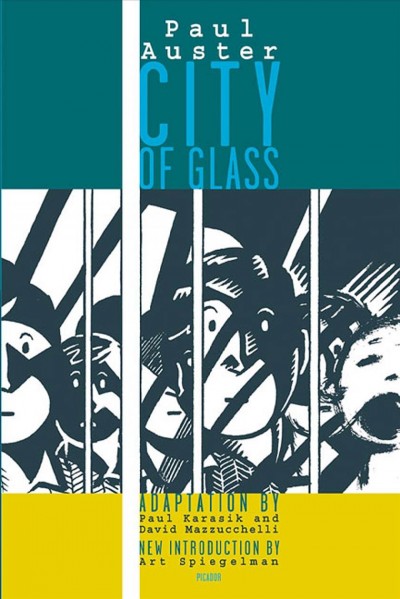
City of Glass, original story by Paul Auster ; adaptation by Paul Karasik and David Mazzucchelli

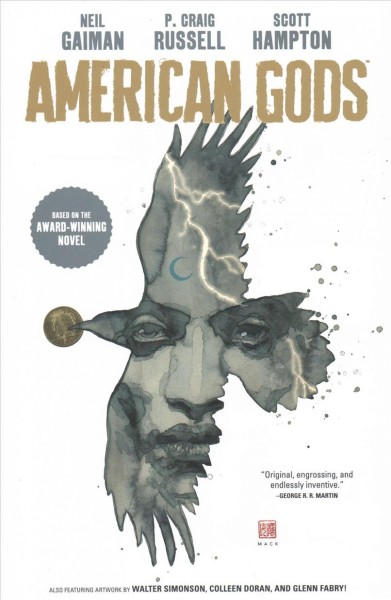
American Gods 1: Shadows, story and words by Neil Gaiman ; art by Scott Hampton 

A Game of Thrones, original story by George R.R. Martin ; adapted by Daniel Abraham ; art by Tommy Patterson

FOR TEENS (and adults, too!):

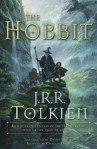
The Hobbit, original story by J.R.R. Tolkien ; adapted by Charles Dixon with Sean Deming : illustrated by David Wenzel

To Kill a Mockingbird, original story by Harper Lee ; adapted and illustrated by Fred Fordham

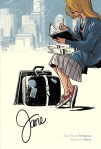
Jane (based on Jane Eyre by Charlotte Brontë), written by Aline Brosh McKenna ; illustrated by Ramón K. Pérez 

Poe : Stories and Poems, original content by Edgar Allan Poe ; adapted by Gareth Hinds

A Wrinkle in Time, original story by Madeleine L’Engle ; adapted and illustrated by Hope Larson

The Giver, original story by Lois Lowry ; adapted by P. Craig Russell ; illustrated by P. Craig Russell, Galen Showman, Scott Hampton

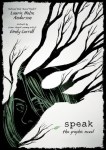
Speak, by Laurie Halse Anderson ; artwork by Emily Carroll

FOR MIDDLE GRADE READERS:

Meg, Jo, Beth, and Amy (based on Little Women by Louisa May Alcott) ; adapted by Rey Terciero ; pencils by Bre Indigo

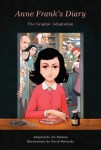
Anne Frank’s Diary ; adapted by Ari Folman ; illustrations by David Polonsky

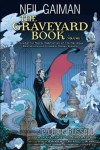
The Graveyard Book, original story by Neil Gaiman ; adapted by: P. Craig Russell ; illustrated by: Kevin Nowlan, P. Craig Russell, Tony Harris, Scott Hampton, Galen Showman, Jill Thompson, Stephen B. Scott

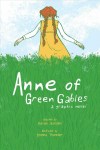
Anne of Green Gables, original story by L. M. Montgomery ; adapted by Mariah Marsden & Brenna Thummler

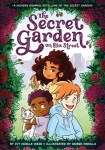
The Secret Garden on 81st Street (based on The Secret Garden by Frances Hodgson Burnett) ; adapted by Ivy Noelle Weir ; illustrated by Amber Padilla

The Witches, original story by Roald Dahl ; adapted and illustrated by Pénélope Bagieu

Oz : the manga, original story by L. Frank Baum ; adapted by David Hutchison

Read it Before You See it: Book-to-Screen Adaptations Coming in 2022

So many screen adaptations, so little time! There are so many books coming to big and small screens this year, it’s easy to lose track or what’s coming out when. We’ve put together a list of some adaptations that we’re really looking forward to this year – some have release dates, some do not, but the list will give us time to read as many books as we can before their adaptations come out! Which books are you most looking forward to seeing on the screen this year?


MOVIES


The Black Phone Release date: Feb. 4, 2022

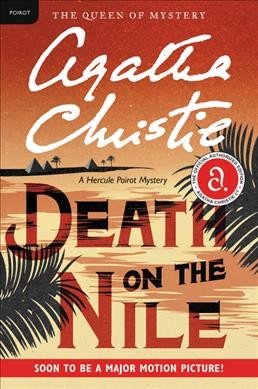
Death on the Nile Release date: Feb. 11, 2022

Mothering Sunday Release date: Feb. 25, 2022

Where the Crawdads Sing Release Date: July 22, 2022 (Netflix)

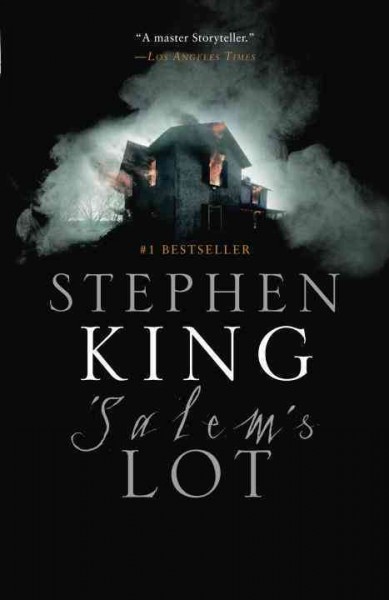
Salem’s Lot Release Date: September 9, 2022

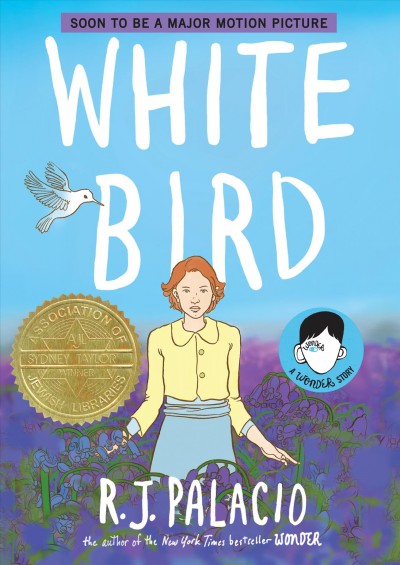
White Bird: A Wonder Story Release Date: October 14, 2022

She Said Release date: Nov. 28, 2022

The Nightingale Release Date: December 23, 2022

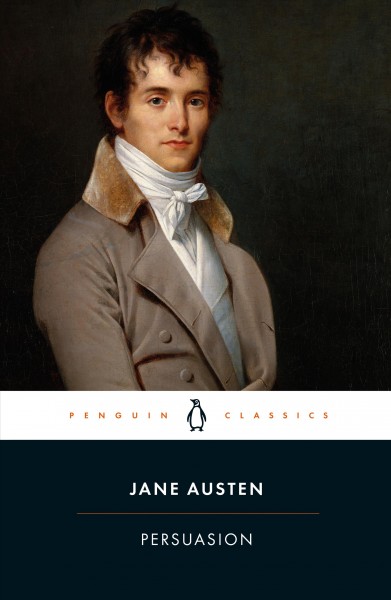
Persuasion Release date: TBD 2022

The School for Good and Evil Release Date: TBD 2022 (Netflix)

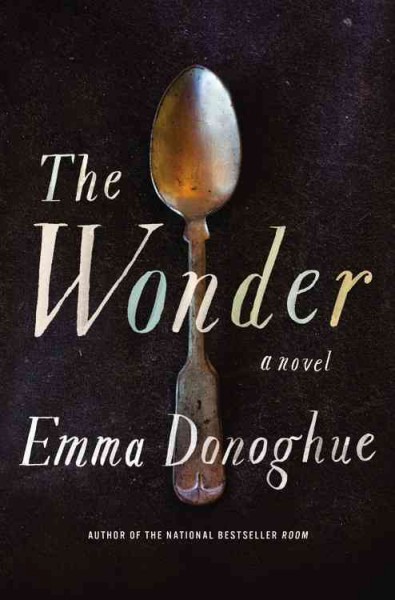
The Wonder Release Date: TBD 2022 (Netflix)


TV SERIES


Outlander Season 6 (Starz) Premiere Date: March 6, 2022

Based on the book: A Breath of Snow and Ashes by Diana Gabaldon 

Bridgerton Season 2 (Netflix) Premiere Date: March 25, 2022

Based on the book: The Viscount Who Loved Me by Julia Quinn

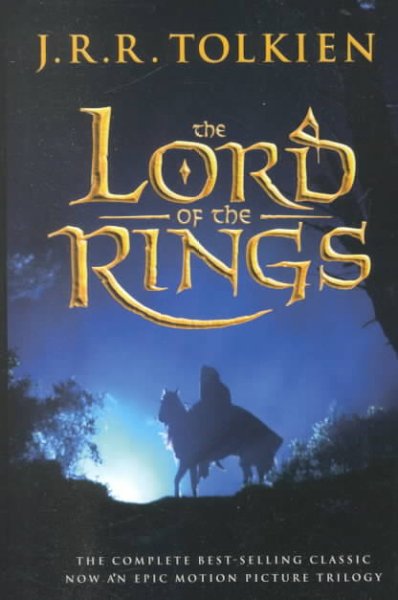
Lord of the Rings (Amazon Prime Video) Premiere Date: Sept. 2, 2022

Based on the books: The Lord of the Rings trilogy by J.R.R. Tolkein 

The Sandman (Netflix) Premiere Date: TBD 2022

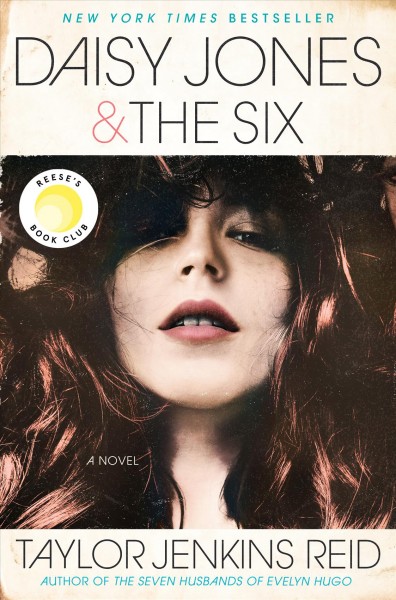
Daisy Jones & the Six (Amazon Prime Video) Premiere Date: TBD 2022

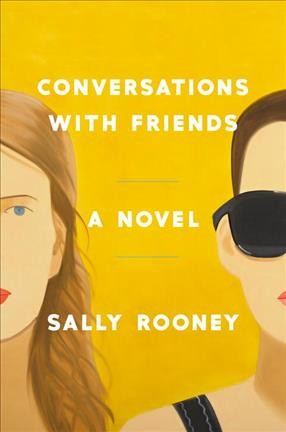
Conversations with Friends (Hulu) Premiere Date: Spring 2022

Shifting Dunes

When it comes to epic book series impossible to film, first came Lord of the Rings, (which was done marvelously at last but needed more than 10 hours of screen time).

Then came Dune.

Dune, by Frank Herbert, is considered the best-selling Science-Fiction novel of all time (though it’s far more Game of Thrones than space ships), with more than 12 million copies sold in 14 languages. It tied for the 1966 Hugo Award. And like Lord of the Rings, getting it to film is a Holy Grail of filmmakers.

Dune tells the far-distant-future story of Duke Leto Atreides, who is given the stewardship of the desert planet Arrakis, also known as Dune. Dune is the only place in the universe where the spice Melange exists – a spice that not only can alter your mind, in some species it lets them fold time and space, creating almost instant space travel. “He who controls the spice, controls the universe.” Thus, Dune is a hotbed of politics and backstabbing. When the Duke is murdered, his son Paul, deemed an abomination by a powerful religious group, is seen as a prophesied savior by the natives of Dune. So begins the battle for control of Dune. The book is an immersive, detailed, visionary epic of grand scope (there’s a dictionary in the back). When you read the book, you are on Dune. This is a book that sticks with you for years to come.

Herbert wrote five books to the series; his son Brian added another twelve after his death. Dune – even just the first installment – is a novel of such grand scope (like GOT and LOTR) that putting it to film has been almost laughable – think of Rankin Bass’s 90-minute adaption of The Hobbit. Game of Thrones took 8 years and more than 73 hours to tell – can you imagine it as a three-hour theater film and have it make sense? It was tried in the 70’s, but after 3 years of attempts, the budget just couldn’t be managed. In 1984, David Lynch did make it, condensing much of the book to ethereal voiceovers, changing major points to condense action, and adding some now-cheesy early computer effects (the blue contacts of the Fremen didn’t work, and every frame of the film had to be colored by hand). It’s a film you either love or hate, with musician Sting as Feyd Rautha famously flexing in a winged bikini.

In 2000, SyFy channel did two Dune mini-series, which were much better received, won several awards, yet seemed to fade into obscurity faster than Lynch’s version, with the chief complaint it stuck too close to the source material, and dragged. Now, thanks to Warner Bros and HBO, we have a $165 million dollar spectacle by Denis Villeneuve that covers – only half the book, with a sequel (hopefully the second half) due in 2023. 

While the film has been viewed favorably, the scenery and cinematography spectacular, Villeneuve took many liberties with the material that once again changes the focus and depth of the story. To modernize it, he gender-swapped characters (which goes against the society Herbert wrote) and changed the roles of other women (no, the Bene Gesserit. He left out much of the religious aspect, the mysticism, even avoided the word jihad, used by the Fremen. It gives a sanitized, whitewashed view of the story, afraid of offending anyone. Herbert believed that modern societies will always decay back to a feudalistic society, and that the desert cultures, especially those of the Middle East, were more prone to messianic complexes and religious wars (remember, he’s writing in 1964 or so, when the Middle East was still rather bland politically. Think Star Wars and Tatooine, or The Great Humongous in Road Warrior, etc. There’s a lot to be said for that theory). To remove the root of the story – is it still the same story? Can anyone ever make a decent, book-abiding video version of Dune?

If you can’t wait for the new film to come out on DVD (or, rather, the first half of the book), check out the book series itself. Few things are better than the source material.

I can give up Sting in his bikini (though I thought he was a perfect Feyd), but there is no better Gurney Halleck than pre-Captain Picard Patrick Stewart. That’s my opinion, and I’m sticking to it!

Dune

Dune Messiah

Children of Dune

God Emperor of Dune

Heretics of Dune

Sandworms of Dune

Dune: House Atreides

Dune: House Harkonnen

Dune: House Corrino

Dune: The Machine Crusade

Dune: The Lady of Caladan

The Winds of Dune

The Sisterhood of Dune

Paul of Dune

Mentats of Dune

Navigators of Dune


My Favorite Android: The Murderbot Diaries

The first use of the word “robot” dates back to the 1920’s (robotnik or similar being a term for factory worker in many slavic languages), but the word “android,” meaning a miniature human-like automaton, is older, as far as 1863. A robot – a disembodied piece of machinery – does work for you – like a Roomba, or the useless rolling pest in the grocery store that spies on people who might steal things (at least Roomba can clean up a mess it finds, and doesn’t cost $35,000). An android looks like a human, moves like a human, interacts like a human (more or less), but inside is a machine.

That fact has led to a huge amount of introspection – how do we define Human? Is a self-aware, English-communicating Gorilla a person? What about our AI creations? When a computer becomes self-aware, does it have a soul? Is it “human”? At that point, is the use and ownership of an android slavery?  That question was battled in the Star Trek: The Next Generation episode “Measure of a Man,” where Starfleet claimed to own Data the android and control him like equipment, while the case was made he was sentient and free. The movie(s) Blade Runner also focused on that question. 

I’m not a techie. Computers are great if they do what I need,  but I couldn’t care less about future tech, AI interfaces, androids, or streaming. Anyone who knows any science fiction knows you never trust AI or give it too much power. I like Data, I don’t love Data. C3PO is annoying. I hated Marvin the Paranoid Android. No matter how many times I watch Blade Runner, I think it’s one of the most boring movies ever (I still love The Six Million Dollar Man, but he was a bionic human, not android). So I was really, really surprised that I even picked up the book All Systems Red by Martha Wells, also known as The Murderbot Diaries #1. Not my kind of book. But from the first page, I could not put the book down. I read it while cooking. I read it while my kids were in the tub. I read it while walking. I had to finish it in one day. Thankfully, it’s a short novella, and that’s entirely possible.

Murderbot, as it calls itself (it has no gender. Murderbots are not built for sex; that’s a sexbot), is a Security Unit (SecUnit), a partly organic robot/android construct built to provide security detail for whoever rents or buys it. Of course, mostly what security entails is killing whatever might harm the persons it’s hired to protect, hence the term Murderbot. Murderbot, however, manages to hack its own governor module, releasing itself from control by the company who owns it. 

This starts Murderbot on a soul-searching (or soul-developing?) quest to find out exactly who or what it is now, all while working hard not to let anyone realize it’s free, because an uncontrolled killing machine is a very, very dangerous thing (to quote Kyle Reese from Terminator, “That terminator is out there, it can’t be bargained with, it can’t be reasoned with, it doesn’t feel pity or remorse or fear, and it absolutely will not stop… EVER, until you are dead!”).  But Murderbot isn’t fond of killing. He’s fond of soap operas and TV serials (like The Rise and Fall of Sanctuary Moon). All he wants is to be left undisturbed to watch his shows while he tries to figure out the human race. Life never lets him, and he feels obligated (like the heroes in the soaps he watches) to help while trying to solve the mystery of who is trying to kill the people he was hired to protect.

Murderbot is sarcastic, droll, funny, depressed, almost autistic in his stilted approach to emotion and interaction with people. He’s a fast thinker and an opportunist. He says s**t a lot more than Data. He doesn’t want to be human, yet is fascinated by them and can’t stop studying them. And he makes mistakes, just like a human. The innovative – and logical – adaption/hijacking of computer systems has opened my eyes to issues I’ve never given a thought to, such as the power of drones. With all the issues currently happening via ransomware, spying, and breaches, and the mass-market and miniaturization of drones, maybe we should be thinking more along the lines of Murderbot, as our military is also controlled by computers, and nothing but nothing is hack-proof. People mistrusted the NYPD robodog so much they had to send it back.

I had to read the second book Artificial Condition (possibly my favorite, because of ART, Murderbot’s name for the “A*****e Research Transport” ship computer), whipped through the third, Rogue Protocol , flew through the fourth Exit Strategy, (also possibly my favorite), and am now reading the fifth, Network Effect. The sixth and current volume is Fugitive Telemetry, with three more commissioned by the publisher, and a TV version is in the works (please, please don’t mess it up!). All Systems Red has won the Nebula Award, the Hugo Award, the Alex Award, and the Locus Award. Yes, the stories are simple (good guy must take down bad guy) but the humanity and humanism throughout the series will keep you emotionally invested to the very end. 

Pure enjoyment, with no other agenda. Murderbot is my favorite android ever.