Today’s post comes to us from Ali, our Head of Children and Teen Services.
You bring your child into the library to find a book for them to read. They don’t seem interested in any chapter books you suggest. They find the graphic novel section and seem really intrigued by a few titles. You don’t allow them to choose one of those books because you want them to read a “real book”. Sound familiar? I see this scenario often in the Children’s Room. A child finally finds something they want but are told that, “those books don’t count”.

Graphic novels and comic books have become increasingly popular over the last few years. Parents and educators often dismiss these books as “junk” however, it is important to see the benefits of reading graphic novels. They are great resources for teaching important literacy skills, especially with unenthusiastic readers. They serve as an initial gateway to reading because they often have more visual appeal than traditional novels.
Graphic novels are great for visual learners because they forc e readers to decipher differences in the text format to determine narration, tone, or mood. The illustrations also help to decode difficult vocabulary. Graphic novels can serve as an introduction to non-linear storytelling. Each chapter may present a different time period or flashback to a past event forcing the reader to stop and contemplate the story.
I think it is important to start viewing graphic novels as “real books” because they truly offer so many literacy aids. They offer the same benefits as traditional chapter books, plus some. If you’re looking for a good starting place, here are a few of my favorite new graphic novels:
Be Prepared  by Vera Brosgol. A hilarious memoir of a middle school student who tries to fit in. It’s not easy for Vera, being a Russian girl surrounded by friends who live in fancy houses and go to expensive summer camps. Her mother can only afford to send her to a Russian summer camp. Vera is sure she will fit in, but the camp is not exactly what she expected.
All Summer Long by Hope Larson. Thirteen-year-old Bina and her best friend Austin do everything together. Austin is off to soccer camp for a month, so it’s up to Bina to find something to do this summer. When Austin returns, he isn’t the same as when he left. Can they reestablish their friendship?
Grace for Gus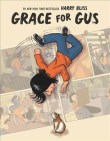 by Harry Bliss. Grace decides to help her classroom’s pet guinea pig, Gus, because she knows what being lonely feels like. She is determined to do something special for her four-legged friend.
 Positively Izzy by Terri Libenson. Izzy loves acting in skits and making up funny stories. Bri is the smart one. But she wants people to see there’s more to her than just her good grades. This books captures the angst, drama, and humor of middle school life.
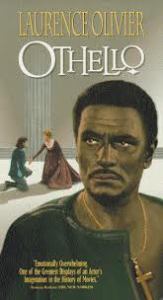 One of the more controversial topics in Hollywood is the concept of whitewashing – casting a white actor in a role meant to be Black, Asian, Native American, Latin, or other ethnic group. Some of the more egregious examples are Laurence Olivier (and Orson Welles) playing Othello – in blackface, Ralph Fiennes playing Michael Jackson; Mickey Rooney (
 grossing black-lead films are comedies (Eddie Murphy has 5 of the top 7, not including
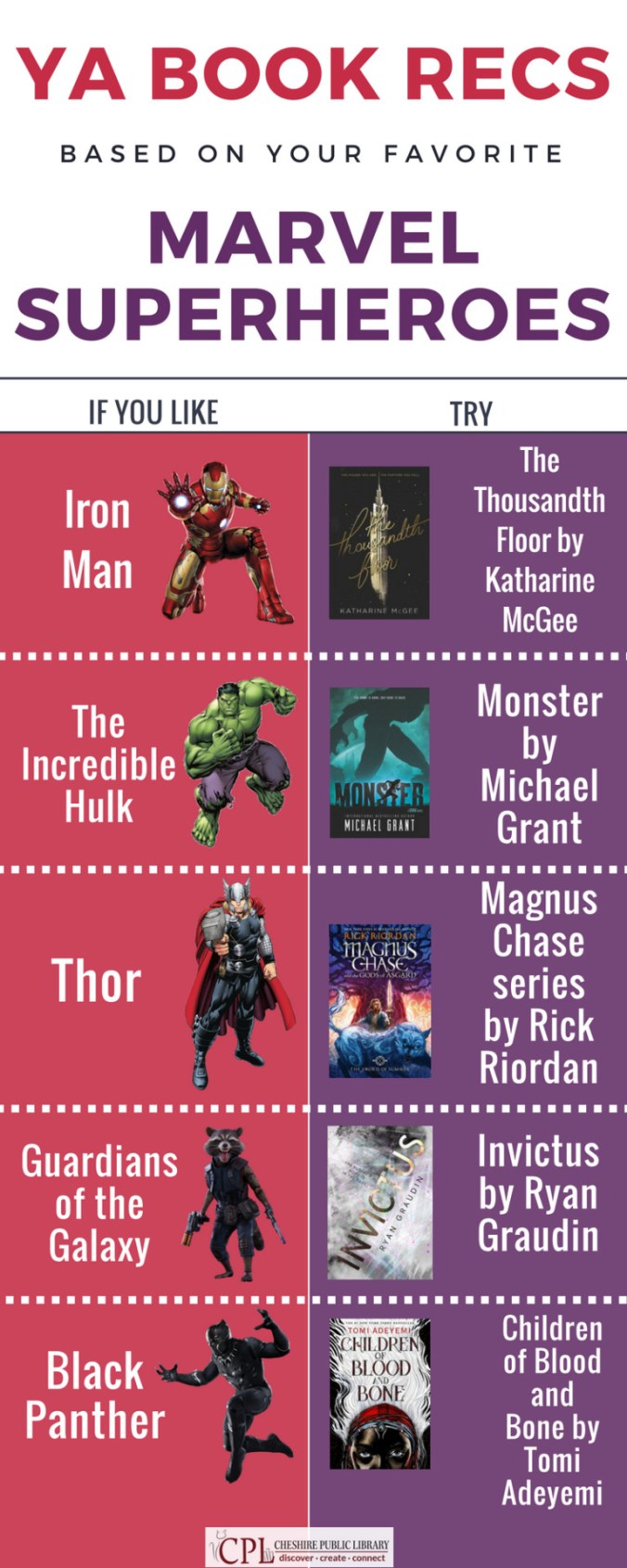
  Now, Hollywood may be on the verge of a true black superhero blockbuster with the release of February’s
  warm reviews. As the
  Some people love winter, love the brisk air, the blinding glare, the crystal-clear night skies, soft fluffy snow and cups of steaming hot chocolate. Other people hate the freezing cold, the knifing winds, the treacherous roads, bare trees, and endless brown mud and slush clinging to shoes, cars, and pet feet tracking through the house.
 drapes (one of my favorite possessions), reading a book in a favorite chair while snow swirls outside the window and an animal lounges at my feet. It means a stew bubbling on the stove, fresh bread in the oven, or perhaps fresh shortbread cookies and a cup of Earl Gray tea by that fire. Perhaps it’s a holiday, with candles and lights and decorations, waiting for company to make it through the snow. Yeah, yeah, there’s no groundsman to shovel the walks when it’s over, I have to do it myself, but for a few hours I’m lost in an old English fantasy, there’s a mystery in the air, a challenge ahead, but love and fortune win in the end (note: I have never achieved this fantasy, but I keep hoping).
 English Tales of Winter
 historical
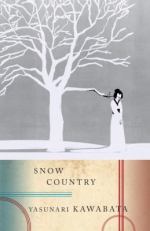
  Just because our snow stories don’t go back to King Wenceslas (ok, Wenceslas was Bohemian/ Czechoslovakian, but the song, 900 years later, is English) doesn’t mean American literature isn’t good, it just means it’s different. Maybe you’ll have to settle for cotton twill drapes and a medium double-latte with a space heater and a Snuggie. If you love gothic literature, delve into a classic or something newer; there are hundreds of books (and films!) to choose from. If you love reading about snowy days while curled in a chair listening to the winds howl, try some of these modern tales (and films):


 I have to admit that I am an Archie purist. I have followed the many Archie remakes. I remember the old cartoon on television and the attempts at live action shows. I also eagerly read the Archie Get Married series. Most of these left me longing for the
  And speaking of comic books, you can also download the
  The Cheshire Library Blog