 If you have a young reader that is able to read independently (for the most part) and ready to make the change from the more difficult easy readers to chapter books then this is the list to take note of. When a child begins reading fluently their efforts are more automatic and exploring a wider variety of subjects and authors and showing less reliance of the illustrations to glean the meaning of new words and phrases. They are using more expression and taking pauses to coordinate with punctuation and the natural flow of language. Their energy is devoted to understanding, have good command and use of the various comprehension strategies, and can correct their own mistakes most of the time while still being willing to ask for assistance as needed.
Here are some suggestions, including some I brought home for my son this week. As usual, I am  sure I missed some perfectly wonderful books for this reading level, and if I missed your favorites please mention them in a comment so others can check them out. If you are browsing our fiction shelves in the children’s room looking for books for these readers, I can give you some quick hints to find even more. The transitional chapter books have a yellow dot sticker on the spine with the call number. This makes spotting one or two when you are browsing with no specific author in
  mind super easy. Do not rule out books in the Easy Reader or Easy Non Fictionsection at this stage either- some books here do have vocabulary that can help your young reader continue to grow.
Ashanti to Zulu: African Traditions by Margaret Musgrove.
Explains some traditions and customs of 26 African tribes beginning with letters from A to Z.
Dinosaurs Before Dark (Magic Tree House, #1) by Mary Pope Osborne.
Eight-year-old Jack and his younger sister Annie find a magic treehouse, which whisks them back to an ancient time zone where they see live dinosaurs.
Fantastic Mr. Fox by Roald Dahl.
Three farmers, each one meaner than the other, try all-out warfare to get rid of the fox and his family.
Mrs. Noodlekugel by Daniel Pinkwater.
Nick and Maxine have a new babysitter–the eccentric Mrs. Noodlekugel who lives in the funny little house behind their drab high-rise apartment building along with her feline butler, Mr. Fuzzface, and three myopic mice.
Mercy Watson to the Rescue (Mercy Watson #1) by Kate DiCamillo.
After Mercy the pig snuggles to sleep with the Watsons, all three awaken with the bed teetering on the edge of a big hole in the floor.
The Case of the Lost Boy (The Buddy Files, #1) by Dori Hillestad Butler .
.
While searching for his mysteriously lost human family, Buddy the dog is adopted by another family and helps solve the mystery of their missing boy.
26 Fairmount Avenue by Tomie dePaola.
Children’s author-illustrator Tomie De Paola describes his experiences at home and in school when he was a boy.
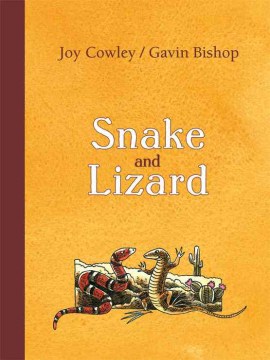
Other titles or series starters that I would recommend are: Ivy and Bean (Ivy and Bean, #1) by Annie Barrows, The One in the Middle Is the Green Kanga roo by Judy Blume, The Beast in Ms. Rooney’s Room (The Kids of the Polk Street School #1) by Patricia Reilly Giff, Never Glue Your Friends to Chairs (Roscoe Riley Rules, #1) by Katherine Applegate, Ruby Lu, Brave and True by Lenore Look, Ellray Jakes is Not a Chicken by Sally Warner, Nate the Great (and the entire Nate series) by Marjorie Weinman Sharmat, Snake and Lizard and Friends by Joy Cowley, Wonder Kid Meets the Evil Lunch Snatcher by Lois Duncan, Stinky: a Toon Book by Eleanor Davis, Bink & Gollie, Best Friends Forever by Kate DiCamillo, and The Big Something by Patricia Reilly Giff.
 Do you have any favorite Spot books? I know that I have a couple personal copies with missing flaps that I just cannot part with because of my memories attached to the books and the times when my children were young enough to love Spot. Here are a list of the ten Spot books that remember most, and enjoyed with my children. Do you have a different favorite?
 2.
2.  7.
7.  The Cheshire Library Blog