Bridge Books.
No, not books about bridges. Bridge Books are those that carry a child over from picture books to early chapter books.
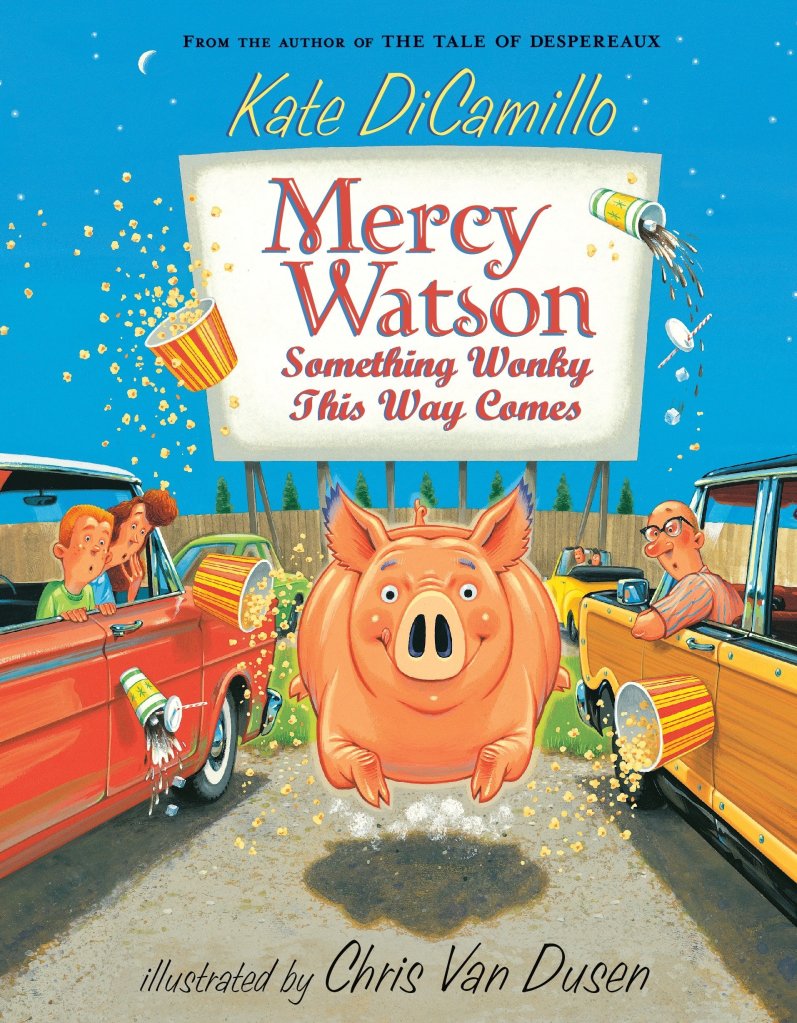
Picture books are often beautifully illustrated and tell a story a young child can relate to. The picture holds their interest while they process the story about the picture. The elaborate illustrations can fire their imaginations and make them howl with laughter. No one expects a preschooler to read them by themselves.
But by the age of four or five, the simplicity of a picture book story may bore a child. They want more, but sitting and listening to a long story with no pictures is also not the solution. Enter the Bridge Books, short, easy-to-follow stories that are more involved, but still full of captivating drawings and pictures that keep a child’s attention. Like a picture book, no one expects an emergent or new reader to read these books on their own, but they provide a deeper and longer story than a picture book, and it’s no stretch to finish a chapter or two before bed every night.
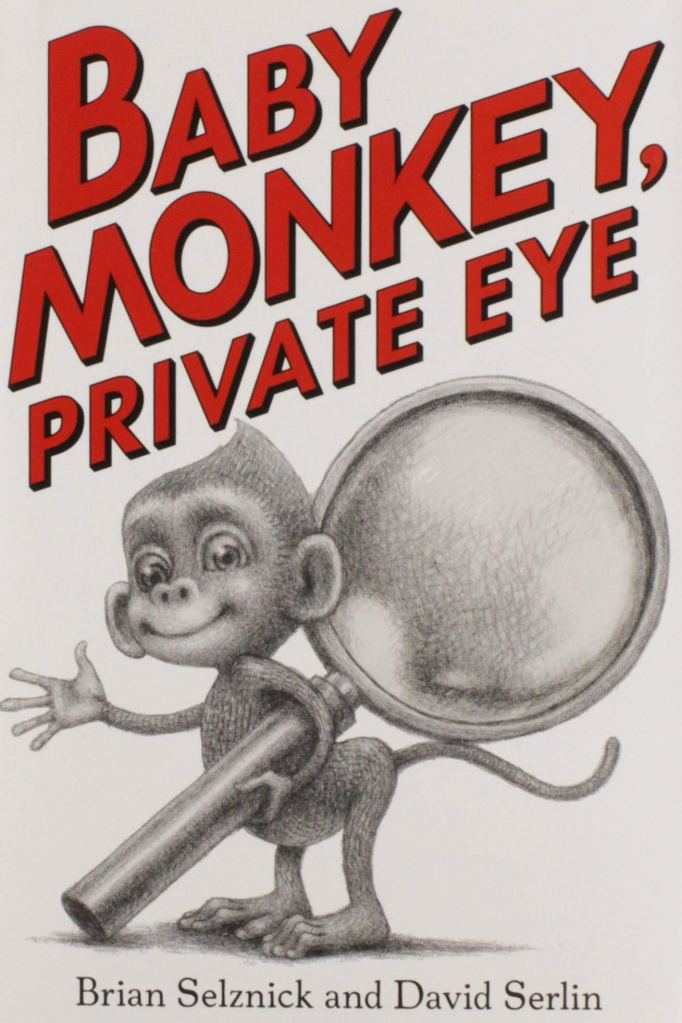
Bridge books come in a wide range of abilities for both the very beginning reader and the more advanced. Perhaps the very first one to start with is Baby Monkey, Private Eye, by Brian Selznick. My four year old couldn’t get enough of Baby Monkey, and still loves to carry the book around, even though she can now decode the words. Baby Monkey, though shelved in with the graphic novels, is the perfect first reader – simple repetitive words, very short sentences, and full illustrations which are loaded with easter eggs. From Baby Monkey we went right to Selznick’s more famous story, The Invention of Hugo Cabret, which is much longer but just as beautifully illustrated with pictures that capture the imagination – and ties into actual film history that you can find on YouTube for added bonus. The movie version of the book, Hugo, is just as wonderful.

Every child learns and processes information differently, and there is a bridge book for almost every type of learner. Some have color illustrations as clear as a cartoon, others well-rendered pencil drawings, to simple outline drawings or comic-book style artwork. Some are in full-color, others just black and white. Some have illustrations on every page, others every 2-3 pages. If your child is bored by one, let them choose the style of illustration they prefer. As always, nudge your child to go a little deeper into the story – can they predict what will happen on the next page? What would they do instead? If they were best friends with the character, what would they tell them? Draw a picture about the story. Make some toast for Mercy.
For early reading practice, give your child easy readers such as Elephant and Piggie by Mo Willems, Dr. Seuss, or Pete the Cat, but for lengthening that attention span and jumping to the next level of story depth, check out these series of early Bridge Books to read with your child. The picture content is large and frequent, and unlike some of the more advanced bridge series, will not leave you weeping from unbearably painful story lines and prose (You know I’m talking about you, Purrmaids). You might just find yourself sneaking a read on your own!


 Lit Kits
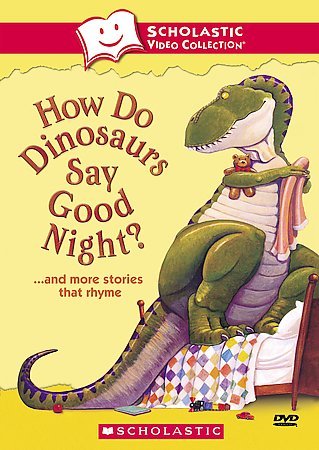 Books on DVD
 media tablet contains interactive storybooks, videos, and apps that help kids learn to read, progress through reading levels, and fall in love with reading. This 5-level guided reading system helps kids master verbal, reading, and writing skills — starting at any level. Every app, storybook, and video has been hand-selected to help kids gain the knowledge they need to transition from learning-to-read to reading-to-learn.
 Mango
Mango

 Early literacy programs at public libraries have changed significantly over the years. Early literacy is everything a child knows about reading and writing before he or she can read or write, typically between the ages of 0-5. Traditionally, children’s library programs focused on the education of children. Today, these programs focus on the education of the parent or caregiver. If you attend
  You can sing in the car whenever you’re traveling and you never have to worry about other people hearing your singing voice.
 Caregivers have the most important role in developing a child’s reading skills, so it is important that you practice these techniques as often as possible. I encourage you to visit the library and check out some of the early literacy programs and resources that we have. To see our full events calendar, you can go to


 And don’t forget to sign up for our summer reading program for kids and adults :
  the board and keeping track of piles of colorful money never really engaged me. In reality, I spent the next three hours curing diseases in Pandemic, creating train tracks that spread the globe in Ticket to Ride, and trading spices in Century: Spice Roads. I was floored that board games had evolved so much since I had played as a kid, the art was more engaging, the stories richer, and the play more involved. In the months following this revelation I’ve added over thirty board games to my list, and I’ve expanded my idea of what a board game can be.
 resources in a library that encourage community and collaboration. At a time when parents and educators are concerned about the rise in digital media and isolation, board games get people of different backgrounds engaging with each other across a table, solving problems, improving a number of practical skills, and having a good time. When you look at it that way, it’s no surprise that board games are a critical part of a libraries community, and a lifelong pursuit of learning.


 The Cheshire Library Blog