Every time the 11th of September rolls around, I can’t help remembering where I was when I heard about the devastating attacks of that day. It feels strange today to realize that there’s now a whole generation of Americans who only know about the events of that day through movies and books. Though it is an important part of our recent history as a nation, it is ultimately for parents to decide how much discussion about the subject they need to have as a family. Sometimes a book can be an entry point into a difficult conversation.
Fireboat: The Heroic Adventures of John J. Harvey  by Maira Kalman. A fireboat, launched in 1931, is retired after many years of fighting fires along the Hudson River, but is saved from being scrapped and then called into service again on September 11, 2001. (Ages 4-8)
America Is Under Attack: September 11, 2001: The Day the Towers Fell  by Don Brown. A straightforward account of the 9/11 attack on the World Trade Center in New York. Watercolor illustrations show the destruction of the plane crashes as well as the emotions of the people involved. (Ages 8 – 12)
I Survived the Attacks of September 11, 2001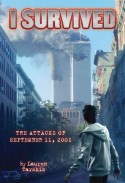 by Lauren Tarshis. Part of the popular “I Survived” series, the familiar format may make the subject matter easier for middle grade readers. Noah is looking forward to spending his 11th birthday with his brave New York City firefighter dad when the outing is interrupted by the September 11 attacks, to which his father must respond at the risk of his life. (Ages 8-12)
Nine, Ten : a September 11 Story by Nora Raleigh Baskin. This chapter book relates how the lives of four middle school-age kids living in different parts of the country intersect and are affected by the events of September 11, 2001. (Ages 10 – 13)
 The Memory of Things by Gae Polisner. Racing to safety after witnessing the first Twin Tower collapse on September 11, 2001, sixteen-year-old Kyle, having been separated from his family, impulsively brings home a traumatized girl who has forgotten who she is. (Ages 12 and up)
All We Have Left by Wendy Mills. In interweaving stories of sixteen-year-olds, modern-day Jesse tries to cope with the ramifications of her brother’s death on 9/11, while in 2001, Alia, a Muslim, gets trapped in one of the Twin Towers and meets a boy who changes everything for her as flames rage around them. (Ages 12 and up)
Some other nonfiction titles for young readers on this subject are: September 11 We Will Never Forget by Peter Benoit, September 11 Then and Now by Peter Benoit, Ground Zero Dogs by Meish Goldish, A Nation Challenged : a visual history of 9/11 and its aftermath, text and photos by the New York Times.


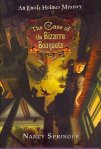
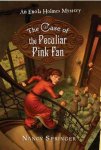
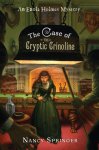

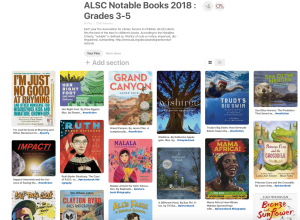
 Each year a committee of the ALSC identifies the best of the best in children’s books. According to the Notables Criteria, “notable” is defined as: Worthy of note or notice, important, distinguished, outstanding. As applied to children’s books, notable should be thought to include books of especially commendable quality, books that exhibit venturesome creativity, and books of fiction, information, poetry and pictures for all age levels (birth through age 14) that reflect and encourage children’s interests in exemplary ways.


 Some people love winter, love the brisk air, the blinding glare, the crystal-clear night skies, soft fluffy snow and cups of steaming hot chocolate. Other people hate the freezing cold, the knifing winds, the treacherous roads, bare trees, and endless brown mud and slush clinging to shoes, cars, and pet feet tracking through the house.
 drapes (one of my favorite possessions), reading a book in a favorite chair while snow swirls outside the window and an animal lounges at my feet. It means a stew bubbling on the stove, fresh bread in the oven, or perhaps fresh shortbread cookies and a cup of Earl Gray tea by that fire. Perhaps it’s a holiday, with candles and lights and decorations, waiting for company to make it through the snow. Yeah, yeah, there’s no groundsman to shovel the walks when it’s over, I have to do it myself, but for a few hours I’m lost in an old English fantasy, there’s a mystery in the air, a challenge ahead, but love and fortune win in the end (note: I have never achieved this fantasy, but I keep hoping).
 English Tales of Winter
 historical
  Just because our snow stories don’t go back to King Wenceslas (ok, Wenceslas was Bohemian/ Czechoslovakian, but the song, 900 years later, is English) doesn’t mean American literature isn’t good, it just means it’s different. Maybe you’ll have to settle for cotton twill drapes and a medium double-latte with a space heater and a Snuggie. If you love gothic literature, delve into a classic or something newer; there are hundreds of books (and films!) to choose from. If you love reading about snowy days while curled in a chair listening to the winds howl, try some of these modern tales (and films):




 The Cheshire Library Blog