Lexile Scores; Understanding and Working With Them

LexileIt does not seem so long ago that schools in the area were depending on DRA and other reading level guidelines where reading levels and age appropriate materials go hand in hand. However, more and more schools and teachers are requiring students to read books that match their current Lexile level, which is problematic for parents and librarians alike, because the subject matter of the book and Lexile level do not always come together as nicely as they do in other reading measurement models.

How it Works
First, lets look at how Lexile scores for books are tabulated. First the text of a book is split into 125-word chunks. Each chunk is then compared to the nearly 600-million word Lexile corpus and words in each sentence are counted. The length and difficulty of the sentences and vocabulary is examined. These calculations are put into the Lexile equation. Then, each of the chunk’s resulting Lexile measure is applied to a model to determine the Lexile measure for the entire text. The problem is that the resulting measurement does not take into account the age-appropriateness, book quality, subject-matter, theme, or other such important factors. It only measures the technical difficulty of the text. For a more in depth look at all the details, I suggest checking the frequently ask questions page on the Lexile website.

lexile3The Lexile scores that students come home with are calculated through assessments done through schools or educational programs. If you want to see which companies and schools are officially working with Lexile to calculate these scores, I would suggest looking at the list of partners on the Lexile website. There are no sample tests available, so there is no measuring your own Lexile or figuring out your child’s level quickly.  However, you can look at the books your child is reading, talk about the books with them to gauge their comprehension, and then look up the books via any of the tools I will share with you below to figure out what level they are comfortably reading  at now.

According to Lexile‘s website the average correlation between grade level and Lexile level can be seen in the chart below. Keep in mind that these are the average; the levels vary in different studies, every child is different, and not all children perform well when it comes to assessment time. So do not feel bound by the Lexile levels or grade levels.

1 Up to 300L
2 140L to 500L
3 330L to 700L
4 445L to 810L
5 565L to 910L
6 665L to 1000L
7 735L to 1065L
8 805L to 1100L
9 855L to 1165L
10 905L to 1195L
11 and 12 940L to 1210L

In Search of the Right Book
The major flaw with the Lexile system is that it scores books or vocabulary and sentence length rather than anything to do with the actual content, and the reading levels the readers are given only takes reading comprehension into account. This means an advanced reader who is young or gentle-hearted is likely to run across book suggestions that are inappropriate or uninteresting if judged only by the Lexile numbers. Finding the right book, at the right level, that interests and is appropriate for the reader can be challenging.

lexile1Lexile is very much aware of the limitations of their system and offers a Find a Book tool that offers book suggestions by Lexile score or grade level (including how difficult the reader finds assigned school reading). The tool then allows the search to be narrowed down by subject matter, genre, and more. It can be a good tool when you are first starting the search for reading material. They also offer tool to find the Lexile level of books and articles.

NoveList also offers book finding help in its advanced search (enter the NoveList site via the Reading Resources toggle on the Cheshire Library website). Grade level, Lexile range, intended audience, and other options are available to help narrow down the books that fit the Lexile level, interests, and age appropriateness for your reader. Scholastic’s Book Wizard also offers some search tools to help find an appropriate book, or the Lexile level of a particular book. Even Amazon is getting onto the Lexile bandwagon and offers Lexile and Age range as limiters in their book searches.

Unfortunately, our catalog does not allow for search by Lexile level, although some catalog records do include Lexile level. However, if you use one of the tools listed you can easily use that list of suggested books to find or place holds on materials in our catalog. Also, do not be afraid to stop in the Children’s Room for help finding books, or placing holds. We are always happy to help!

Young Adult and Children’s Books by Young Writers

Everyone likes to see a little bit of themselves in the books they read, or the shows or movies they watch, whether it is relating to the author or to pieces of a character’s personality or circumstances. This is especially true for children and teens. One way to easily find some common ground is by reading material written by people of the same age range as the reader. As a bonus, young readers and teens might find inspiration or encouragement in knowing some of the books they love are written by people their age or younger.

bykidsjakeThe Just Jake series for middle grade readers is by Jake Marcionette. He started writing, prompted by his mother, when he was in elementary school. Now in middle school, Jake has three books published and more are sure to be on the way. The three books he currently has are Just Jake, Dog Eat Dog, and Camp Wild Survival. If you want to know more bykidsswordabout Jake and his books, visit his website.

Nancy Yi Fan started writing her first now published book when she was only eleven years old. Now there are three books in her Swordbird series; Swordbird, Sword Mountain, and Sword Quest which takes place 100 years before Swordbird).

bykidseragonChristopher Paolini might not be a teen anymore, but he started writing his first book when he was only 15. Eragon (the first book in his series) was published when he was 18. Eldest, Brisingr, and Inheritance soon followed. In 2007 Eragon was even made into a movie. For more information on Christopher and his series you can explore his website.

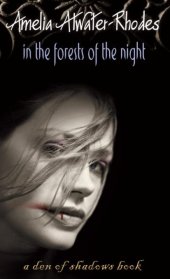
bykidsforestAmelia Atwater-Rhodes was writing her first young adult novel at the age of 13. In the Forests of the Night was the first of her books published, though she now has a pretty extensive list of published books. Her other books include;  Demon in my View,  Shattered Mirror,  Midnight Predator, Persistence of Memory, Token of Darkness, All Just Glass, Poison Tree, Hawksong,  Snakecharm, Falcondance, Wolfcry, Wyvernhail, and most recently Bloodkin. Fans and those interested in the author can stay up to date with her by reading her blog; The Den of Shadows.

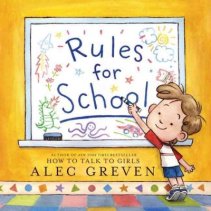
bykidsschoolAlec Greven wrote his first book at 9! He writes self-help books for other kids. Rules for School is the most recent publication, but he also has written How to Talk to Girls, How to Talk to Dads, and How to Talk to Moms.


Still looking for more? Did you know that a now 52 year old author of over eighty bykidskormanbooks for children and teens wrote his first book at 12, and had it published when he was just 14? Check out Gordon Korman‘s tween age writing in This Can’t be Happening at Macdonald Hall! to see how his first book rates in comparison to his many more current and very popular titles.

Alexandra Adornetto wrote her first book at the age of 13. The start of her second series, Halo was published when she was the ripe old age of 17 in 2010 and has been translated into a variety of languages. She is still writing and publishing steadily. S.E. Hilton‘s well known book, The Outsiders, was published when she was only 18.  Age is no obstacle, it all comes down to talent, determination, and luck!

Audiobook Picks for a Family Road Trip

If you are planning a fun family road trip this summer, or anytime really, it could involve many hours trapped in a vehicle with bored, overtired, and otherwise cranky individuals. Let’s be honest, no matter how fun the trip, there are moments in which the boredom or irritation levels rise. So, instead of fighting over radio stations and whatnot while on the road you might want to listen to an audiobook (or more) to pass the time.

I usually check out a selection of audiobooks for my children to choose from and make them take turns with said selections, before I even start the car if only to avoid arguments later. You can also download audiobooks to listen to via OneClick Digital, Overdrive or Hoopla. The good thing about the digital audiobooks is that if you finish earlier than you expected or do not enjoy the book and want a new one, you can always AIDIO1download a new one anywhere you have internet access. With the digital version you also do not have to worry about due dates or missing discs, which can be a big bonus.

If you are willing to give some family listening a try during a road trip you might need some suggestions. Here are some of my favorite reads and listens that are entertaining for the entire family.

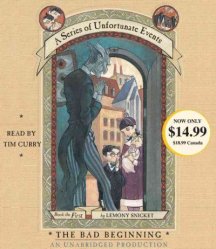
audio3The Bad Beginning and rest of the The Series of Unfortunate Events by Lemony Snicket, read by Tim Curryaudio6

Fortunately, the Milk written and performed by Neil Gaiman

The Thief Lord by Cornelia Funke, AUDIO2read by Simon Jones

From the Mixed-Up Files of Mrs. Basil E. Frankweiler by E.L Konigsburg, read by Jill Clayburgh

How to Train Your Dragon (and the rest of the audio5series) by Cressida Cowell, read by Gerard Doyleaudio4

Wonder by R.J. Palacio, read by Diana Steele, Nick Podehl, and Kate Rudd

Gregor the Overlander by Suzanne Collins, read by Paul BoehmerAUDIOB1

Further suggestions include revisiting some classics like; Because of Winn Dixie, Charlotte’s Web, Alice in Wonderland & Through the Looking Glass, The Wizard of Oz,Charlie and the Chocolate Factory Chronicles of Narnia, The Tale of Despereaux, audiob3Fantastic Mr. Fox, and other favorites. Some newer or unexpected but wonderful listens like; Skulduggery PleasantChasing Vermeer, Little House in the Big Woods,  Savvy, Harry Potter and the Sorcerer’s Stone (and the rest of the series), Nicholas St. North and the battle of the Nightmare King, The Spiderwick Chronicles, The Land of Stories: The Wishing Spell, and Half Moon Investigations might also keep your vehicle full of happy listeners.

Staff Picks for Conquering Concepts with Kids

concept1Sometimes a book or series is so striking to me that I have to share and recommend the books to anyone I think would also appreciate it. One series for young readers is on my recommended list for everyone who works with Preschool through first grade level learners who need to tackle or reinforce important concepts. Jane Brocket has a series of great books called Clever Concepts. They tackle things like color, texture, and shape. Things that are important but can be hard to explain fully, because of the vast amount of possible examples. Each of the books includes full color photographs and clever text that does a great job of exploring the topics in ways that make the ideas a little more accessible to young readers.

Spiky, Slimy, Smooth: What Is Texture?
Ruby, Violet, Lime: Looking for Color
Spotty, Stripy, Swirly: What are Patterns?
Circles, Stars, and Squares: Looking for Shapes
1 Cookie, 2 Chairs, 3 Pears: Numbers Everywhere
Cold, Crunchy, Colorful: Using Our Senses
Rainy, Sunny, Blowy, Snowy: What are Seasons?
Stickiest, Fluffiest, Crunchiest: Super Superlatives

conceptbtmI really love this series and immediately began singing its praises to everyone who would listen, including those who order our children’s books and the members of the library staff who also work in elementary schools.

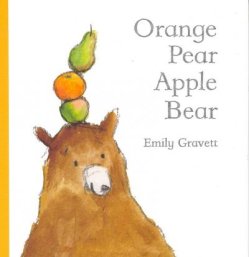
If these books only whet your appetite on conquering concepts with the children in you life you could also take a look at: 10 Hungry Rabbits: Counting and Color Concepts by Anita Lobel, Orange Pear Apple Bear by Emily Gravett,
You Are (Not) Small by Anna Kang, Hello, Squirrels!: Scampering Through the Seasons by Linda Glaser, You Can’t Taste a Pickle with Your Ear by Harriet Ziefer, or any number of the board books from DK, National Geographic or Scholastic.

What Do Your Kids Want To Be?

Ask any young child what they want to be and you could get a variety of answers. Some want to be doctors or nurses, others want to be firefighters or police officers. Some answer with more entertaining answers like ‘rich’ or ‘a giraffe’. (Yes, I have heard that answer.)

CAREERMost kids have big dreams. It is important that we encourage them to explore the wide variety of options available. A great way to foster those dreams, and how important school and responsibility are to achieve them, is to help them learn about the actual careers. My daughter is set on becoming a wild animal veterinarian, and my son is determined to either hunt monsters or write books and graphic novels. In both cases I get to focus that interest in reading certain books, and the importance of certain subjects and willingness to dive in to the subjects that interest them most. I also get to teach them about related careers, and what paths their interests might take them.

I always wanted to be an astronaut or archaeologist, but I learned early on that I was much better with words and thinking about the big things rather than doing the math, engineering, and physical labor necessary for either. It was not long before I decided that books and the written word was a much better focus for my energieCAREER2s and aptitudes.

Here are some great resources for researching different careers, and the education paths and experience that can help your kids test if they are really interested and if the interest will last. These resources can also be used to encourage studying particular subjects or give some career ideas for those that enjoy one subject over others.

Dinosaur Scientist: Careers Digging up the Past by Thom Holmes
Unusual and Awesome Jobs Using Technology: Roller Coaster Designer, Space Robotics Engineer, and Moreby Linda LeBoutillier
Talking with Adventurers: Conversations with Christina M. Allen, Robert Ballard, Michael L. Blakey, Ann Bowles, David Doubilet, Jane Goodall, Dereck & Beverly Joubert, Michael Novacek, Johan Reinhard, Rick C. West and Juris Zarins compiled and edited by Pam Cummings and Linda Cummings
Have you Seen this Face?: the Work of Forensic Artists by Danielle Denega
Unusual and Awesome Jobs Using Science: Food Taster, Human Lie Detector, and More by Jennifer Wendinger
Dusted and Busted!: the Science of Fingerprinting by D.B. Beres
Unusual and Awesome Jobs in Sports: Pro Team Mascot, Pit Crew Member, and Moreby Jeremy Johnson
Scuba Divers: Life Under Water by John Giacobello
Unusual and Awesome Jobs in Math: Stunt Coordinator, Cryptologist, and More by Lisa M. Bolt Simons

This slideshow requires JavaScript.

CAREER10For the youngest readers I would recommend the easy nonfiction series’ by Patricia Hubbell or Heather Adamson. Here are some of those titles; Police: Hurrying! Helping! Saving!, Teacher!: Sharing, Helping, Caring, Firefighters!: Speeding! Spraying! Saving!, Check it Out!: Reading, Finding, HelpingA Day in the Life of a Police Officer, A Day in the Life of a Firefighter, A Day in the Life of a Construction Worker.

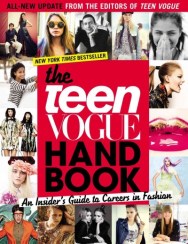
CAREER12There are even more resources for the older readers and young adults, including; Cool Careers Without College for Animal Lovers by Chris Hayhurst, Exploring Careers: a Young Person’s Guide to 1,000 Jobs from the editors at JIST, The Teen Vogue Handbook: an Insider’s Guide to Careers in Fashion, Careers for Environmental Types & Others Who Respect the Earth by Michael Fasulo and Jane Kinney, College Majors and Careers: a Resource Guide for Effective Life Planning by Paul Phifer, and Great Careers in 2 Years: the Associate Degree Option: High-Skill and High-Wage Jobs Available Through Two-Year Programs by Paul Phifer.