Every so often an actor seems to become a shooting star, rising to the top from seemingly nowhere, and now he or she seems to be in everything. Leonardo DiCaprio started as a 14 year old in a Matchbox commercial and by 19 had an Academy Award nomination for What’s Eating Gilbert Grape. Harrison Ford made American Graffiti at 31, an unknown actor who was remodeling a kitchen for the casting director, then made himself part of history just three years later when Star Wars sent him to superstardom faster than the Kessel run. Brad Pitt had a small role as a cowboy hitchhiker in Thelma and Louise, then rose to stardom a year later in A River Runs Through It.
Some actors start out young – Shirley Temple was just three when she made Stand Up and Cheer, making 50 films before retiring at the age of 22. Judy Garland began performing with her sisters even younger – just two. Studio executives were feeding her amphetamines by 16 to keep her energy up, leading to an overdose death at just 47. Justin Henry is the youngest ever Academy Award nominee at just 8 years old, for Kramer Vs. Kramer. Tatum O’Neal remains the youngest winner of an Academy Award, landing her a Best Supporting Actress at just nine years old, forPaper Moon. Halley Joel Osment was just eleven in The Sixth Sense, but was already a veteran after playing the son of Forrest Gump at the age of six.
Now, another young actor is exploding on Hollywood, not yet thirty with dozens of awards to his name. Timothée Chalamet seems to be taking the world by storm. Although his mother danced on Broadway, Chalamet credits Heath Ledger’s performance as the Joker in 2008’s Dark Knight for starting his acting bug.
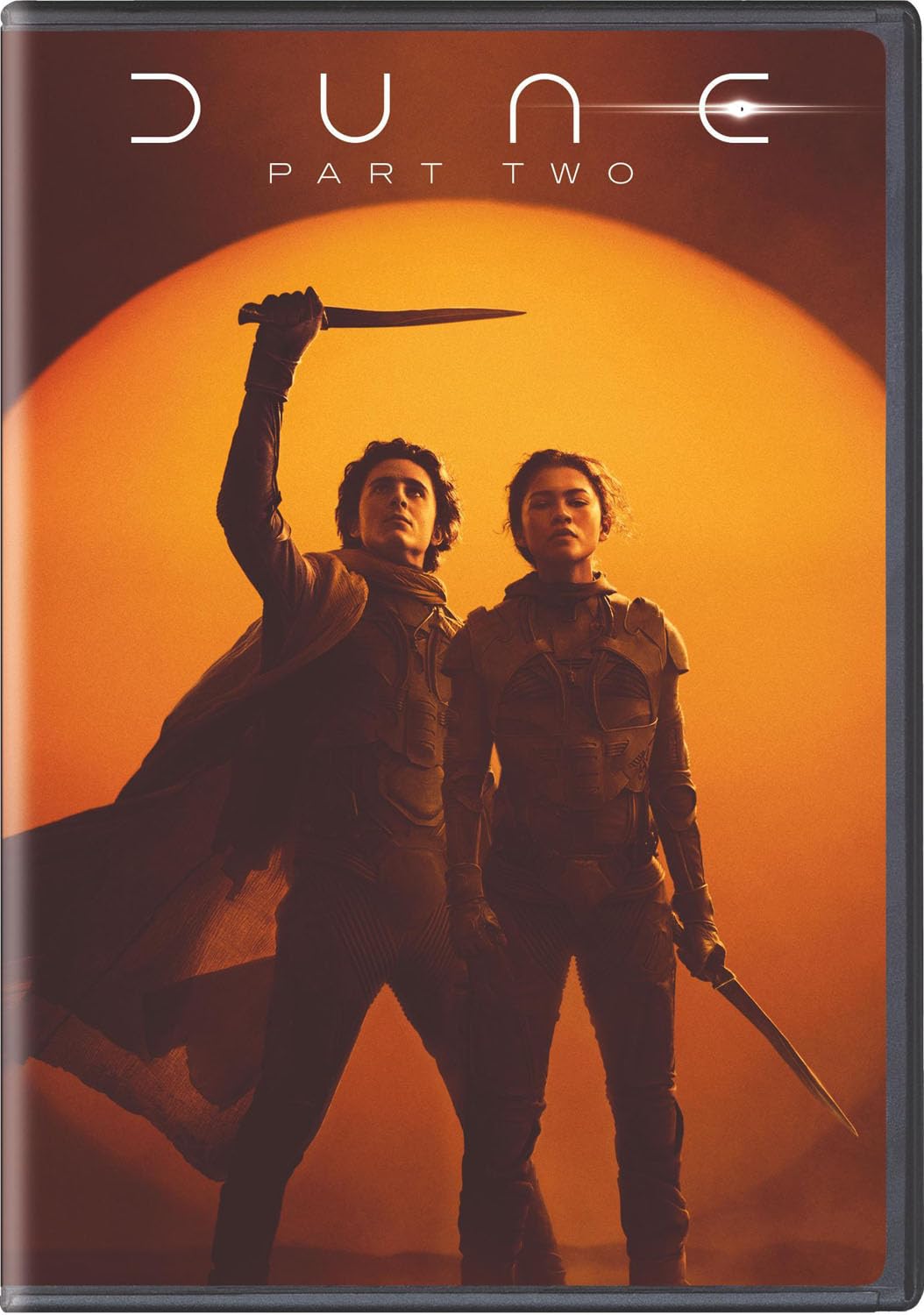
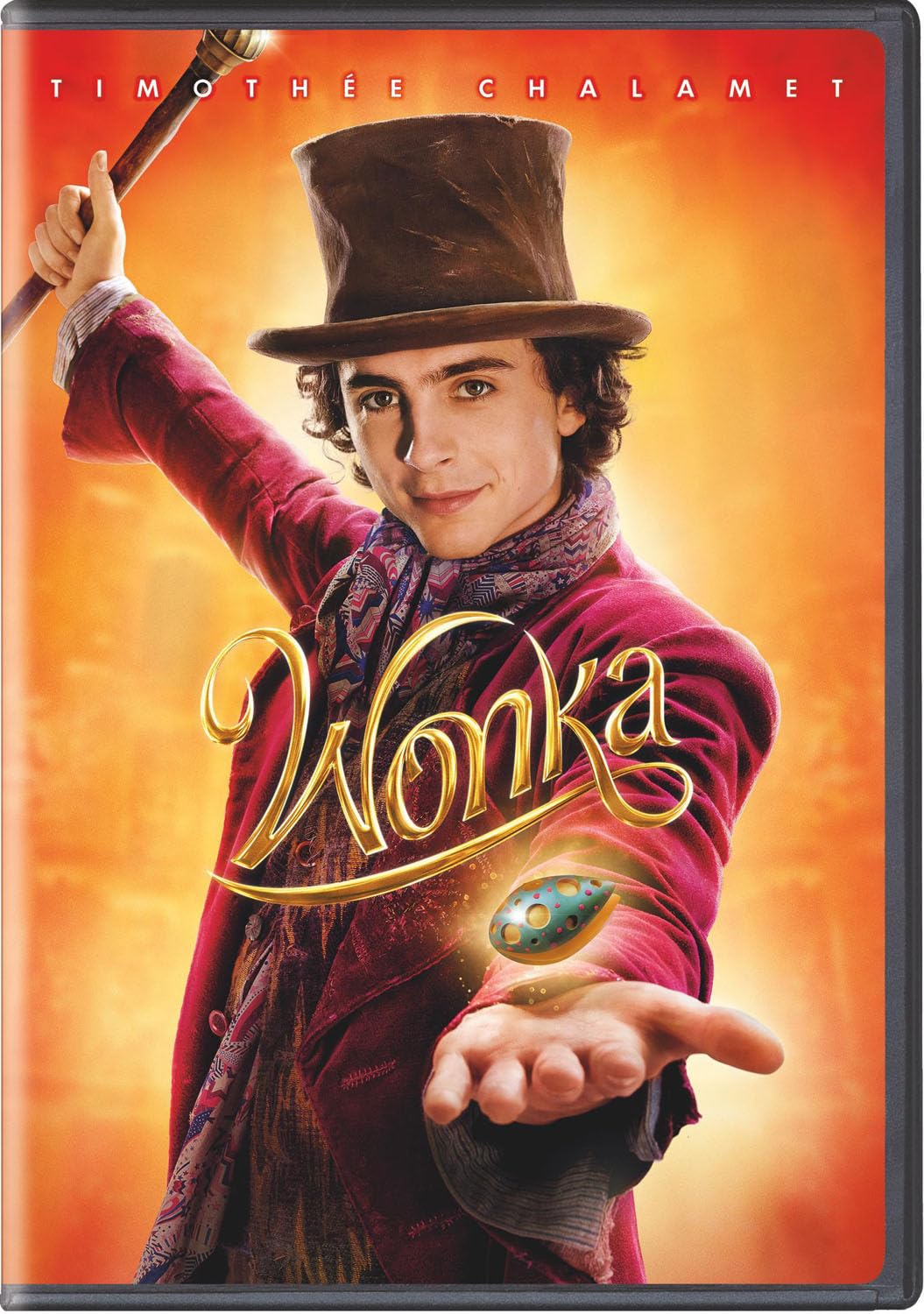
Born in just 1995 (ouch), Chalamet’s premiere was on Law and Order in 2009, moving to films with a role inInterstellar. From there, an almost non-stop string of movies came. Call Me By Your Name (2017) earned him an Academy Award Best Actor nomination, the third youngest nominee ever. His success culminated in the lead roles for the Dune films (another movie nominated for the Oscar), Wonka, and the recent A Complete Unknown, a biography of singer Bob Dylan (now 83), for which he was again nominated for an Oscar at 29 years old. Chalamet had Dylan’s approval for the role. He sang more than 40 of Dylan’s songs for the soundtrack (and did an excellent job), and yes, he himself played both the guitar and harmonica for it. On top of that, between acting, singing, and playing the actual instruments, Chalamet also co-produced the film. He lost the Oscar to Adrien Brody (The Brutalist), but became the youngest actor ever to win the Screen Actor’s Guild Best Actor award for the role.
Some actors start out unknown and bloom into fame in time; others seem to shoot straight to the top. Some who do fade out for a variety of reasons (James Dean made only 3 films; Mel Gibson’s behavior became a liability, Drew Barrymore was in substance rehab by thirteen, Ezra Miller became erratic), but others manage to navigate the pitfalls and go on to have long and amazing careers (Jeff Bridges, Clint Eastwood, Betty White, Kurt Russell, Mickey Rooney, for some). Time will tell if Chalamet can keep the fire burning.
I’m betting he does. Check out his work, and see if you agree!
Side note: Both A Complete Unknown and The Brutalist have only been released on Blu Ray disc, so check your player first.
Everyone knows about the Titanic since they found the wreckage and made a movie about it, but shipwreck is usually the last thing on anyone’s mind when they book a cruise. In reality, only 24 cruise ships have ever sank, and many of those had been pressed into service as warships at the time. Cruise ships, despite their top-heavy appearance, are quite safe.
There are an estimated 3,000 shipwrecks off the coastof the Outer Banks, NC
There are an estimated three million shipwrecks under the waters, not counting small craft. Some of these date back as far as 2500 BCE, when the Mediterranean Sea was a hotbed of trade from Egypt and North Africa to the coasts of Italy, Greece, and Spain. The rate of commercial shipwrecks has been declining throughout this century, from 200 in 2000 to only 26 in 2023, and most of those are cargo ships, which are often in poor repair, overloaded, badly balanced, and cross some of the most difficult waters (releasing rubber ducks and sneakers). This does not include the fishing industry, which is nearly unregulated, especially in Asia and South America. It is estimated there are 100,000 deaths from fishing each year, due to poor industry standards and almost no oversight.
When we think about historical ships, we think back to Roman biremes, Viking longboats, and primitive rafts like Thor Heyerdahl’s Kon Tikilong before we come to the glory days of Spanish, British, French, and Portuguese galleons vying for naval power, leading to spectacular – and expensive – shipwrecks. The Bermuda Triangle, The Skeleton Coast, The Cape of Good Hope, and several rocky coastal areas around the continents were famous for wrecking ships, let alone the risk – then and now – for icebergs in the North Atlantic, and the real though rare possibility of rogue waves – lone giant waves of up to 100 feet, with no warning and no precursors, which have been implicated in a number of wrecks. There’s also the 1958 Lituya Bay, Alaska tsunami, which, due to the funneling nature of the bay, created a wave 1700 (yes, one thousand seven hundred) feet high, lifting a fishing boat, whose crew miraculously survived.
Like all natural disasters, ship disasters make for fascinating reading and occasionally a great movie. Here are some excellent works on the misfortunes of ocean-bound ships, some of which you may not have heard of, but really happened.
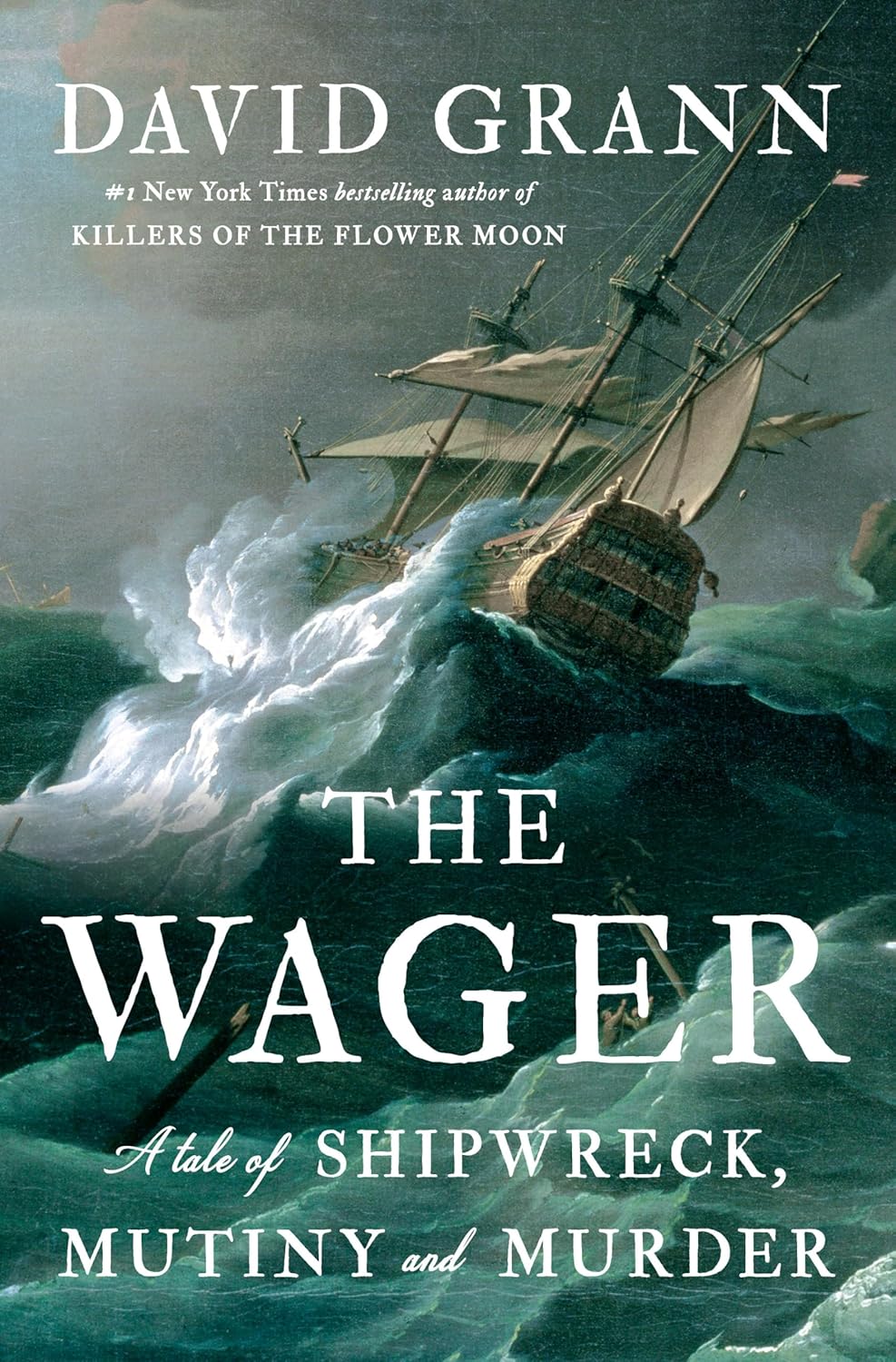
If you haven’t yet read The Wager, you need to. A true tale of murder, mutiny, greed, heroism, and unbelievable survival in the harshest of conditions. Against better judgment, the Wager tries to round the dangerous Cape Horn in 1741, smashing against rocks in a gale. In a barren wasteland, with nothing to eat, the crew splits, half commit mutiny, some commit murder, and half of them will make it back to tell the riveting tale. A must read.
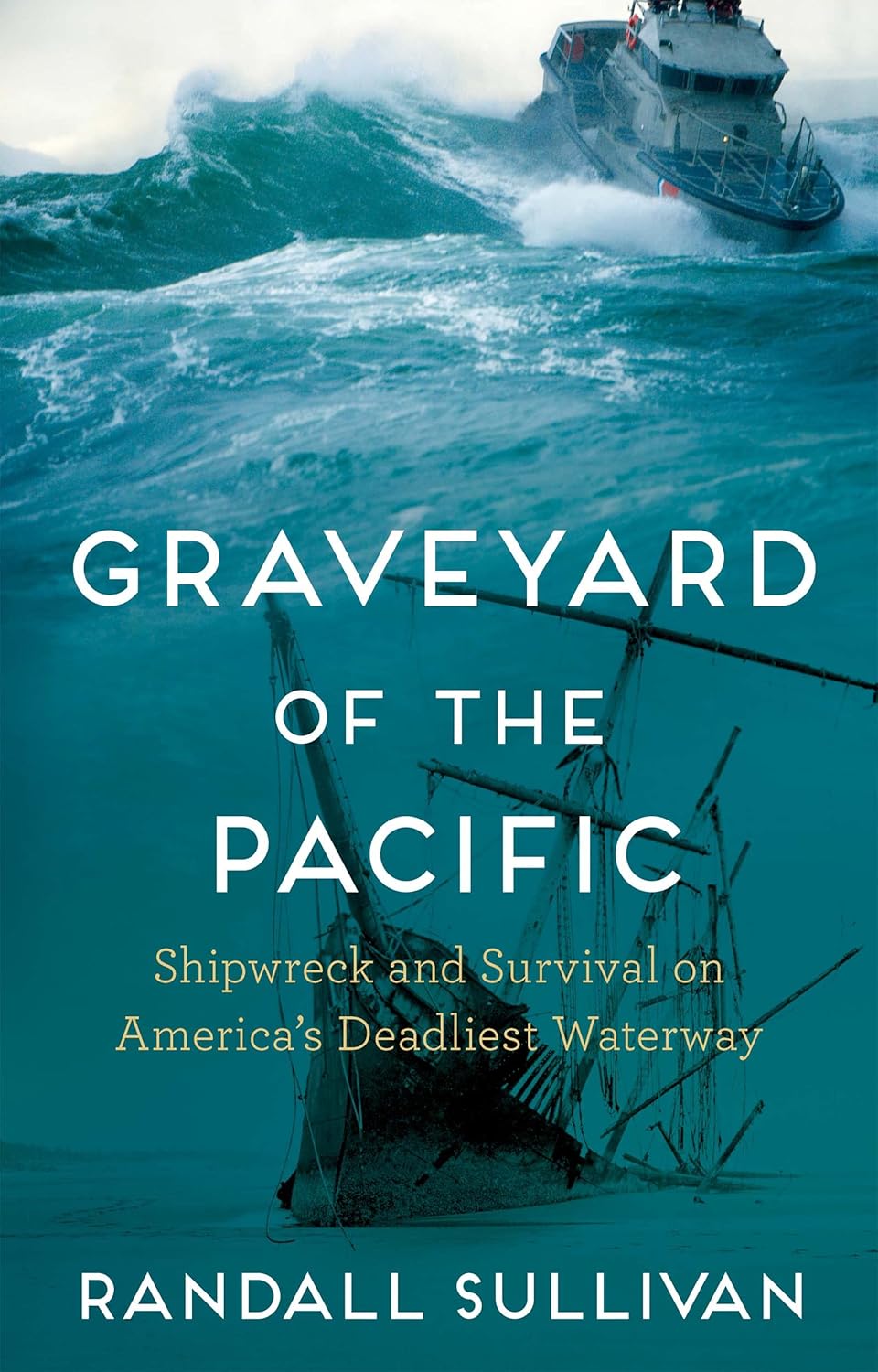
Who knew that more 2000 ships have been wrecked on the corner of the Oregon/Washington coast? Fierce storms, fog, reefs, sandbars, and tidal rips from the incoming flood of the Columbia river are so bad that there are specific ships and captains who must steer commercial ships through the area. While the book is partially taken up by one man’s quest to kayak through this deadly area, the rest of the book is quite fascinating.
There are many theories as to why the ship Mary Celeste was found abandoned at sea in 1872, with no clue as to what happened. The lifeboat was missing, and the crew abandoned ship so rapidly that food was still on the table and a sleeping child’s form was still outlined on the captain’s bed. Hicks combs through details to provide a solid, scientific reason, the best theory anyone has come up with yet, and the horrible fate of the crew.
The foundering of the whaleship Essex in 1820 became the inspiration for Melville’s novel Moby Dick. The Essex was sunk by a sperm whale in the Pacific, killing most of the crew. A handfull survived in a whaleboat for five months, surviving on cannibalism and rainwater. Melville allegedly met the son of survivor Owen Chase while at sea, and later met surviving Captain Pollard, who was considered bad luck after two lost ships, and no one would hire him. The combined diaries of the survivors were later made into a film.
If Ghost Ship wasn’t enough, Hicks covers the perfect storm of disaster on the Morro Castle, a top of the line 1934 cruise ship traveling between Cuba and New York’s Pier 13. With horrific odds, the ship faced a tropical storm gaining on them, a nor’easter barreling toward them from the opposite direction, a murdered captain, an arsonist’s chemical fire underneath a ceiling filled with gunpowder, a crew that had never performed a fire or lifeboat drill, lifeboats whose launch mechanisms were painted closed, and a crew that fell apart at the first sign of trouble. How anyone survived (besides the crew, who abandoned ship without helping passengers) is a miracle. A book that reads like a novel, and is very hard to put down.
More fish are caught in Alaskan waters than almost everywhere else, yet many fishing boats remain virtually unregulated as to safety, and there are powerful political groups that push against it. In 2008, the Alaska Ranger meets with bad weather and too much ice, loses its rudder, and starts to sink. As in every disaster, few are trained, shortcuts were taken, lifeboats don’t work properly, wetsuits have holes, and they are more than 200 miles from the Coast Guard rescue planes. Thompson creates a tense tale of survival and aggravatingly poor working conditions as the Coast Guard rushes to save the crew. A lot of names, but hard to put down.
Futility, or, The Wreck of the Titan, by Morgan Robertson
Okay, this one is short fiction, and because it’s so old it’s hard to get a copy of (you can read it for free on Project Gutenberg, here), but it’s mentioned in so many memes as “The Titanic Foretold!” that I wanted to include it here. Published in 1898, the book, yes, involves an “unsinkable” ship called the Titan, that, in its second collision in two days, hits an iceberg and capsizes. The unlikable protagonist rescues a little girl in order to get a seat on a lifeboat, then plots to use her to extort money from her family, and most of the book is about him whining about being stuck with the kid. There is almost nothing in this novella that compares with the Titanic, beyond a name (common enough. It would have been more compelling if the name was Carpathia or something) and an iceberg (also common in those waters). It’s short, you can read it, but it’s trite, simplistic, outdated, boring, and sometimes painful to read. But, truly, it in no way predicted the wreck of the Titanic.
If you’d prefer, check out these films of ocean disasters:
Reading science fiction can be overwhelming — what on earth is a chrono-synclastic infundibulum? Despite the tough jargon and speculative concepts, it’s quite an inward-looking genre. These stories typically loop back around to reflect something about ourselves — an assumption or expectation or fear that could use some interrogation. Aliens are possibly the most overt display of this narrative device. They are funhouse mirror versions of ourselves: the same but different. Aliens carry all the social, cultural, and political baggage we tend to associate with Otherness, but evoke sympathy too. At the end of E.T., are we not puffy-eyed to see that strange creature, who’s been nurtured and accepted, finally return home?
And don’t we all feel like E.T. — an alien, a pariah — in some way?
Here are some novels and stories that feature subtle and unconventional alien characters.
Kurt Vonnegut loves his unorthodox aliens. Hand-shaped Tralfamadorians play a significant role in Slaughterhouse-Five, but I’d like to mention a minor alien race from Sirens of Titan. In a slight deviation from his main journey, protagonist Malachi Constant crash-lands on a planet populated by harmoniums: flat, kite-shaped beings that cling to cave walls and only perceive the world through touch. They communicate with limited telepathic abilities and are able to send two possible messages:
The first is an automatic response to the second, and the second is an automatic response to the first. The first is, “Here I am, here I am, here I am.” The second is, “So glad you are, so glad you are, so glad you are.”
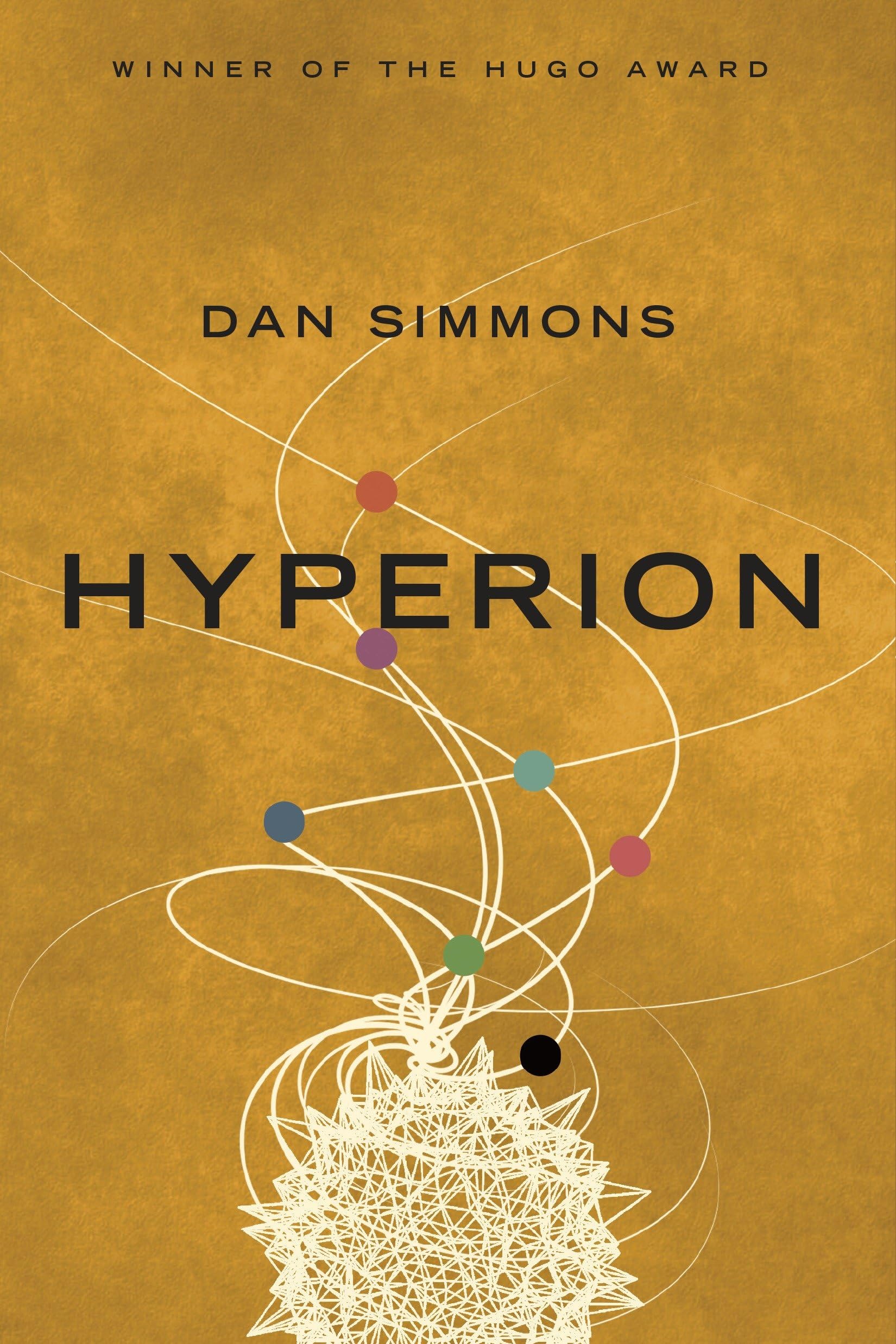
Hyperion borrows its framing device from The Canterbury Tales. Its narrative unfolds as each of six pilgrims tells their portion of the story on their way to the time tombs, where they plan to confront the omnipotent Shrike. The Shrike fits your evil-monster-alien archetype (with some twists along the way), but there are other alien beings that populate the many planets of Hyperion. Most poignant is Simmons’ depiction of a human race that has lost its home: the Earth. They become aliens in their own right, establishing new civilizations around the galaxy but ultimately “alienated” in one way or another.
“Story of Your Life,” from the short story collection Stories of Your Life and Others, is about language, specifically the field of science known as linguistic relativity. Researchers in this field try to determine whether the language we use affects the way we think. For example, some languages describe time using distance terms (like “short” and “long”) and others describe time using quantity related terms (like “much” or “little”). A study from 2017 concluded that, under certain circumstances, these language differences result in actual differences in time perception.
Chiang takes this idea to its extreme and introduces an alien race that communicates in a completely circular language. As a result, these aliens perceive time as though it were a circle, living the entirety of their lives simultaneously- past, present, and future.
What if a human were to learn their strange and powerful language? “Story of Your Life” was adapted into the 2016 film Arrival.
Some might be familiar with Ken Liu’s translation work. He’s best known for the English translation of The Three-Body Problem, a sci-fi epic by Liu Cixin (now a Netflix Original). He also writes novels and short stories that blend sci-fi, fantasy, and folklore.
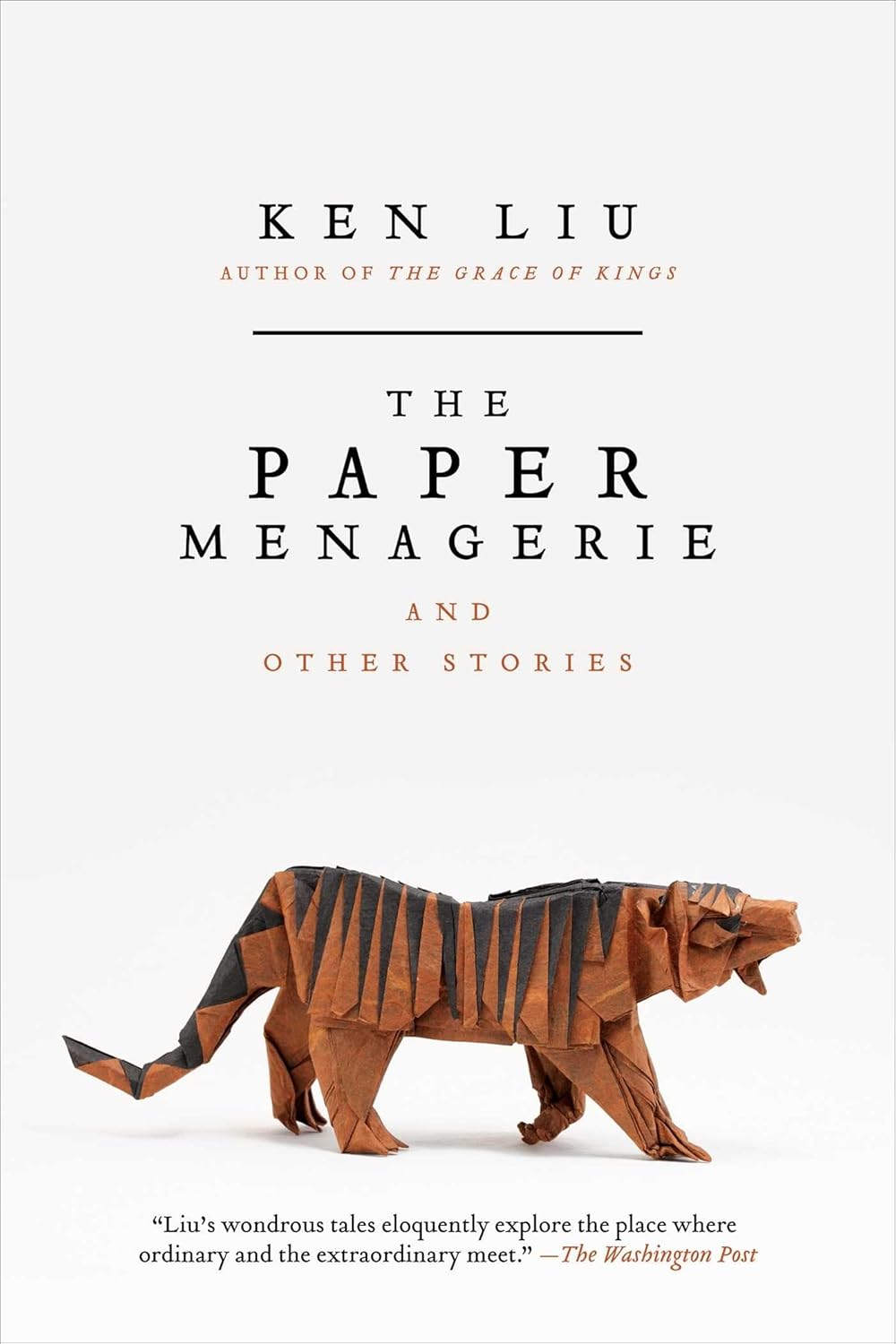
His short story collection Paper Menagerie opens with “The Bookmaking Habits of Select Species.” The title says it all — how might alien races create persistent representations of their language and thoughts? I particularly like how he describes the Allatians: they stick their proboscis onto an impressionable surface, and as they speak, their proboscis vibrates and etches a groove into the surface. To read what another Allatian has written, one drags their own proboscis through the groove, and a hollow part of their skull amplifies the sound; the voice of the writer is recreated.
Aliens are a recurring theme in Michel Faber’s writing. His 2014 novel, The Book of Strange New Things, takes place on a far-away planet that has been introduced to Christianity. Missionary Peter Leigh becomes the new minister of a docile alien congregation but struggles to reconcile his ecclesiastical commitment and the guilt of leaving his wife back on Earth, where climate change and political turmoil conspire to topple civilization.
Under the Skin, Faber’s first novel, paints a darker portrait of humanity (or alienity, ha). It’s the kind of book that holds its cards close and lets the reader marvel (and shudder) as the story progresses.
Faber presents a kaleidoscope of Otherness; themes of exploitation, gender, immigration, class politics, and animal cruelty are woven throughout and explored with satirical levity. The book was loosely adapted into a movie of the same name in 2013 with Scarlett Johansson.
Which “Unorthodox Aliens” am I missing? Let me know in the comments section below.
If you love seeing your favorite books come to life on the big or small screen, 2023 is shaping up to be a great year. And if you’re a read-it-before-you-see-it person, you’ll want to take note of the screen adaptations slated for release this year, and add the following books to your reading list! (Release dates are given when known, though they are subject to change).
Dear Edward by Ann Napolitano (on Apple TV+ Feb. 3)
When we talk about the powerhouses of music, we think of The Beatles or Michael Jackson or Reba MacIntyre or Beyonce, among others. People who have multiple-decade careers, whose very touch seems to turn to gold, who sell records just walking down the street. Everyone knows their name.
So if I said, Guess which musician has won four Oscars, four Golden Globes, seven BAFTAs (the British equivalent of the Oscar), 25 Grammys, was Knighted by Queen Elizabeth even though he was born in Queens, and has had 52 Oscar nominations – second only to Walt Disney, who would you pick? Someone with a net worth of between $300 million and $50 billion, depending on how many assets you count?
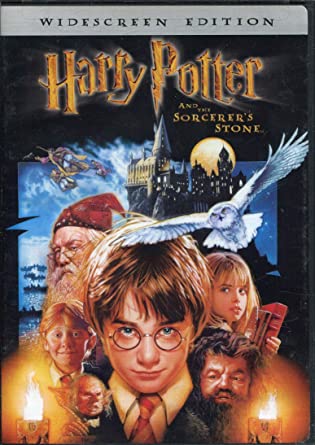
Williams, who is 91 and still going strong, has a Master’s touch when it comes to composing music, and he’s written more film and television music than you realize. An alumni of the prestigious Juilliard School, Williams’ career has spanned more than six decades, and he’s written the scores for everything from the pilot of Gilligan’s Island and Lost in Space to Schindler’s List (his fifth Oscar for score). Although he didn’t write the music or win the Oscars, Williams played piano for the score for Bernstein’s West Side Story. His scoring of Jerry Bock’s music for the film adaption of Fiddler on the Roof won him his first Oscar. That iconic JawsDA-dunt, DA-dunt that scared everyone from the water, won him his second. Spielberg then recommended him to his buddy George Lucas, who needed a composer for the movie he was working on. Star Wars became Williams’s third Oscar, a soundtrack among the most widely recognized music in history, and remains the highest grossing non-popular music of all time (interactive fun fact: you can dance the Macarena perfectly to Darth Vader’s theme music. Go ahead. Try it.). Williams went back to Spielberg for his fourth Oscar – the soundtrack to E.T. Harry Potter? Yep, Williams wrote that. Superman? Home Alone? Jurassic Park? The Post? Sometimes, it seems as if a movie is destined for greatness if Williams writes the score.
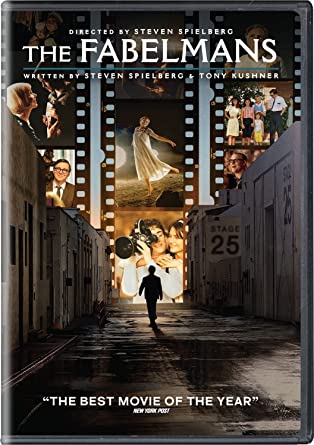
March is Oscar month, and this year John Williams is the oldest Oscar nominee for the score to Spielberg’s The Fabelmans. So cheer for Williams on March 12, and in the meantime, check out one of his dozens of utterly amazing scores on the following films: