If you love seeing your favorite books come to life on the big or small screen, 2023 is shaping up to be a great year. And if you’re a read-it-before-you-see-it person, you’ll want to take note of the screen adaptations slated for release this year, and add the following books to your reading list! (Release dates are given when known, though they are subject to change).
Dear Edward by Ann Napolitano (on Apple TV+ Feb. 3)
When we talk about the powerhouses of music, we think of The Beatles or Michael Jackson or Reba MacIntyre or Beyonce, among others. People who have multiple-decade careers, whose very touch seems to turn to gold, who sell records just walking down the street. Everyone knows their name.
So if I said, Guess which musician has won four Oscars, four Golden Globes, seven BAFTAs (the British equivalent of the Oscar), 25 Grammys, was Knighted by Queen Elizabeth even though he was born in Queens, and has had 52 Oscar nominations – second only to Walt Disney, who would you pick? Someone with a net worth of between $300 million and $50 billion, depending on how many assets you count?
Williams, who is 91 and still going strong, has a Master’s touch when it comes to composing music, and he’s written more film and television music than you realize. An alumni of the prestigious Juilliard School, Williams’ career has spanned more than six decades, and he’s written the scores for everything from the pilot of Gilligan’s Island and Lost in Space to Schindler’s List (his fifth Oscar for score). Although he didn’t write the music or win the Oscars, Williams played piano for the score for Bernstein’s West Side Story. His scoring of Jerry Bock’s music for the film adaption of Fiddler on the Roof won him his first Oscar. That iconic JawsDA-dunt, DA-dunt that scared everyone from the water, won him his second. Spielberg then recommended him to his buddy George Lucas, who needed a composer for the movie he was working on. Star Wars became Williams’s third Oscar, a soundtrack among the most widely recognized music in history, and remains the highest grossing non-popular music of all time (interactive fun fact: you can dance the Macarena perfectly to Darth Vader’s theme music. Go ahead. Try it.). Williams went back to Spielberg for his fourth Oscar – the soundtrack to E.T. Harry Potter? Yep, Williams wrote that. Superman? Home Alone? Jurassic Park? The Post? Sometimes, it seems as if a movie is destined for greatness if Williams writes the score.
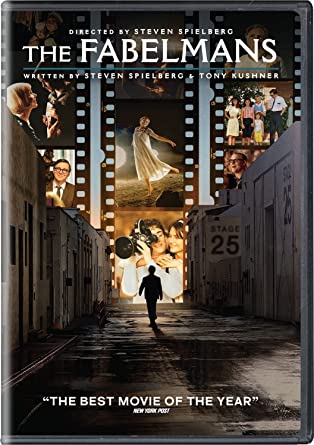
March is Oscar month, and this year John Williams is the oldest Oscar nominee for the score to Spielberg’s The Fabelmans. So cheer for Williams on March 12, and in the meantime, check out one of his dozens of utterly amazing scores on the following films:
“I’d like to read more, but I don’t have time to read a long, involved story.“
There’s a solution for that. It’s called a short story.
Short stories are those that can be read in under an hour – often not more than 5,000 words (beyond 7,500 is called a novella, and they are often published alone in little books, like Stephen King’s The Shawshank Redemption, J.A. Jance’s The Old Blue Line, or Shirley Goodness and Mercy by Debbie Macomber) and they are often grouped together in anthology volumes, anthology meaning, literally, a collection of stories, the same way a CD album is a collection of individual songs.
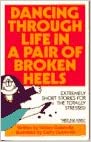
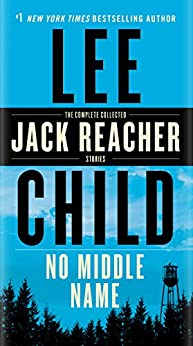
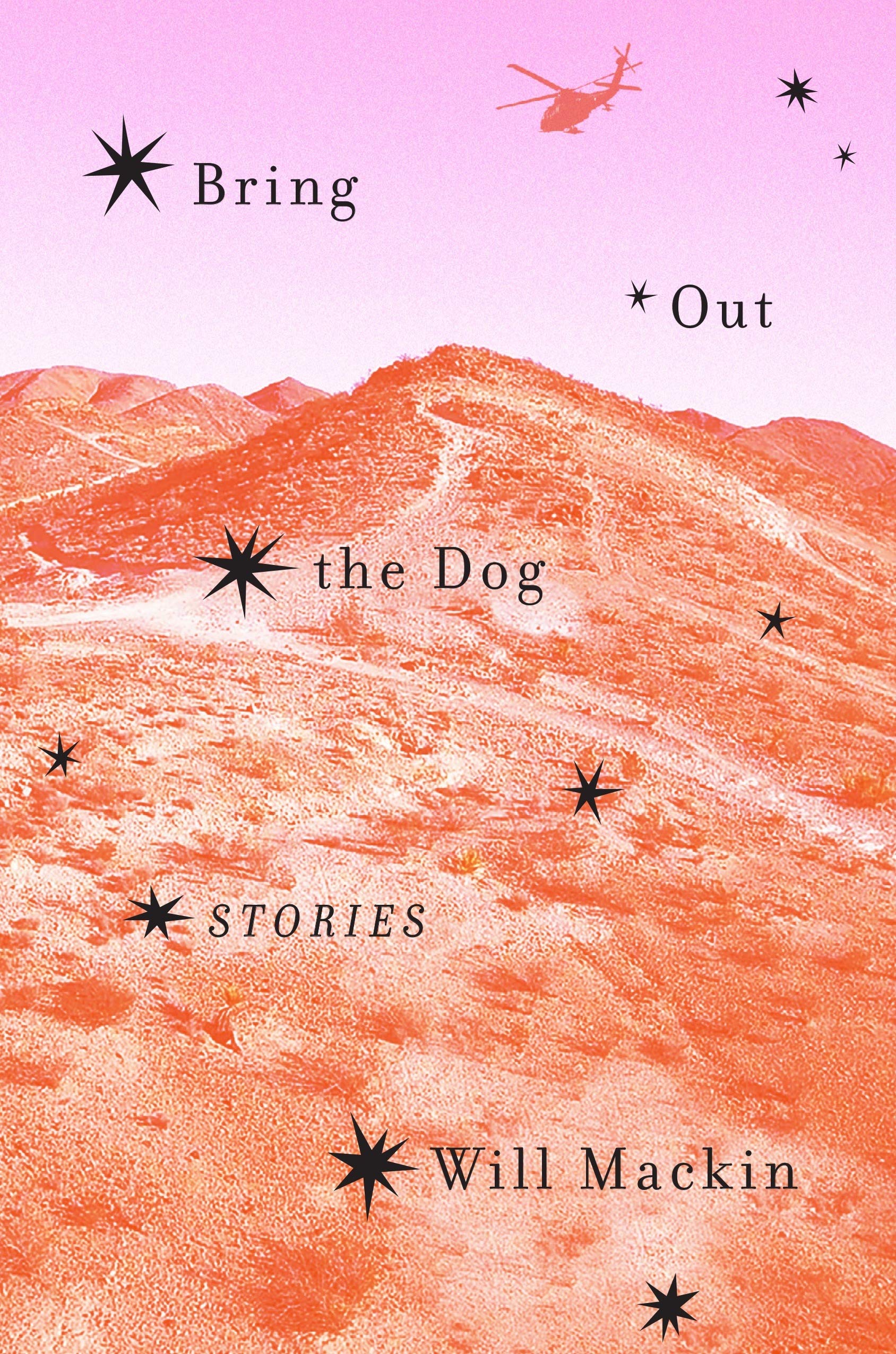
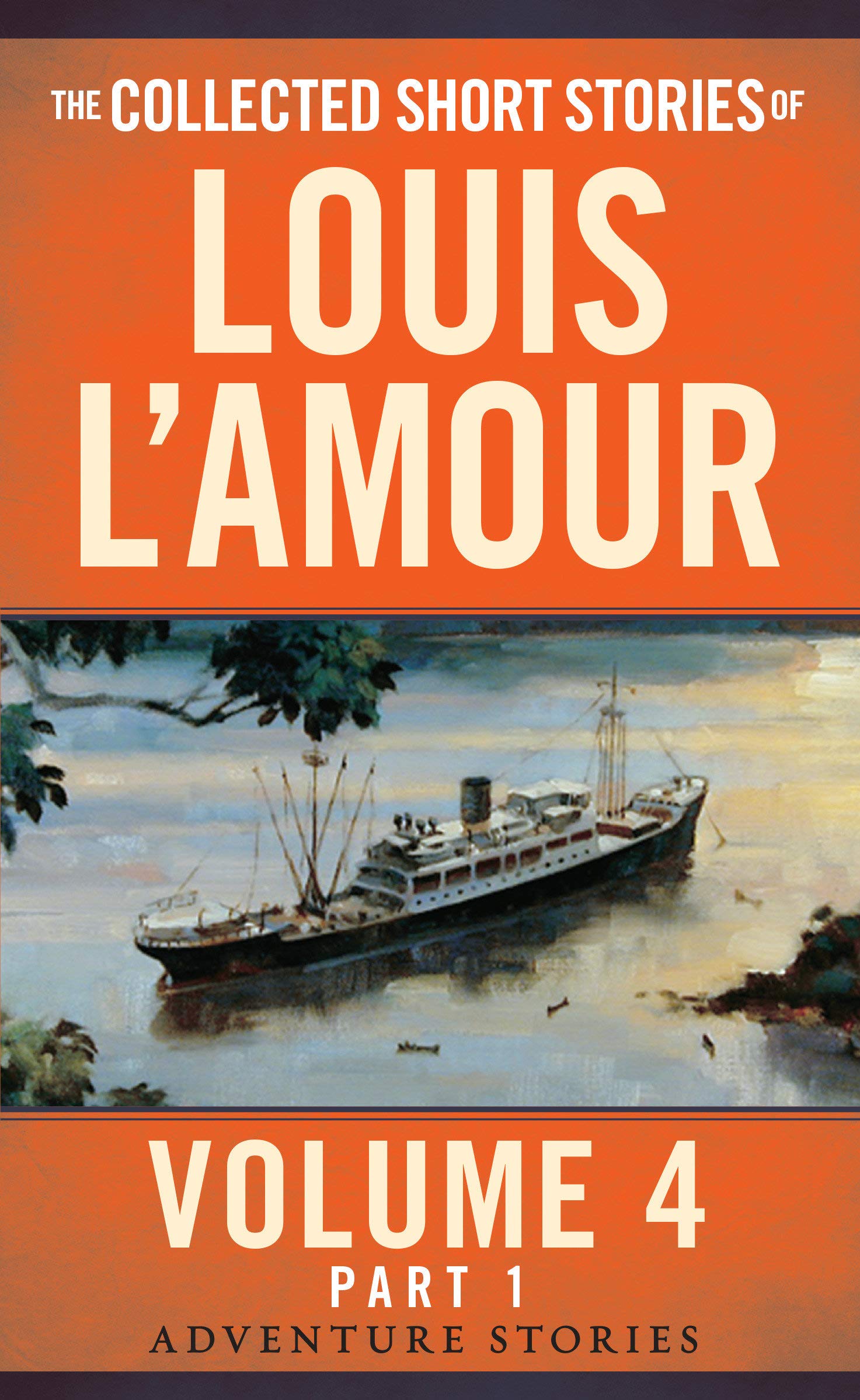
Short stories are an art form of their own, still carrying the same structures of their longer novel cousins (plot, themes, metaphors, etc) but in a very short package. Some are complete stories (think of Ray Bradbury’s All Summer in a Day, or Shirley Jackson’s The Lottery) while others might just give you a slice of life, a few hours in the life of an individual with no clear beginning and no clear end, leaving you to wonder what might come next (some stories by Anton Chekhov, or Ernest Hemingway’s Hills Like White Elephants). They can be happy or sad, comic or dramatic, or full of irony (The Necklace, by Guy de Maupassant). Sometimes an anthology might consist of short stories on a single theme (love, loss, westerns, adventure), or they could be a mix of anything. And the beauty of an anthology is you can read one or two stories, or the whole thing, depending on your time and interest.
But short stories don’t carry the same weight as novels.
Of course they do! Many writers are known more for their short stories than for their novels – Alice Munro is considered one of the premier short story writers, having won the 2013 Nobel Prize for Literature in part for her short stories. Ray Bradbury is another prolific short-story writer, not quite horror, not quite science fiction, not quite fantasy, just imaginative. His philosophy was to write one short story a week, because out of 52 short stories, you were bound to have three or four that were really good. Short stories are easier to sell, if not to anthologies then to magazines – many a writer got their start in The New Yorker,Collier’s, or Atlantic, let alone Good Housekeepingand Readers’ Digest. Some of the most popular authors – Isaac Asimov, Dashiell Hammett, and Raymond Chandler – carved their name writing for pulp fiction magazines.
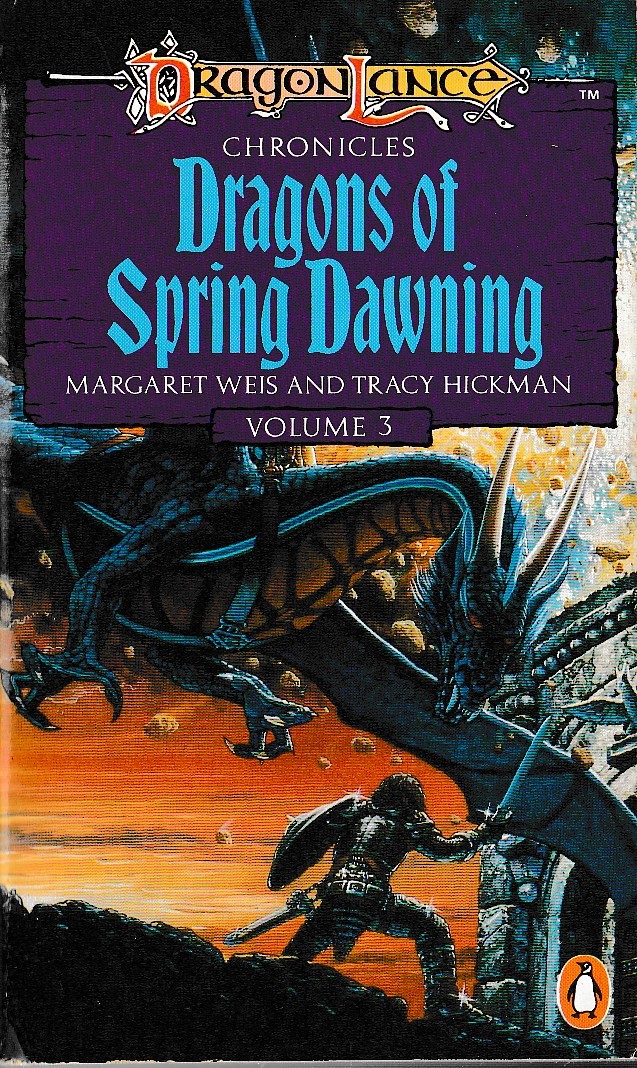
They tell you not to judge a book by its cover, but a book cover can make or break a book’s success. While browsing a used bookstore decades ago, I fell utterly in love with the covers of a book series I’d never heard of before – DragonLance, by Margaret Weiss and Tracy Hickman. I had to buy them, even just to look at the covers. The cover paintings were done by Larry Elmore, one of the premiere fantasy artists of the time. I’d never gotten too much into sword and sorcery books, but I devoured these. The second trilogy was still being written, and it was agony waiting for the next book in the series. I love those books to this day; they influence my own writing and imagination, and all because I had to have that book cover.
And nothing, of course, is more infuriating than when they change that book cover you know and love, and not usually for the better. Have you read this book? The title looks familiar, but not the cover … and then you start to read and find out yes, you’ve read it before, they changed the cover on you. Why?
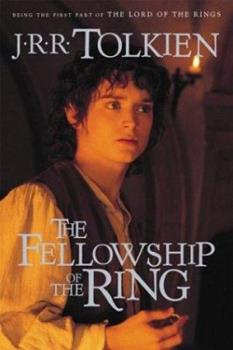
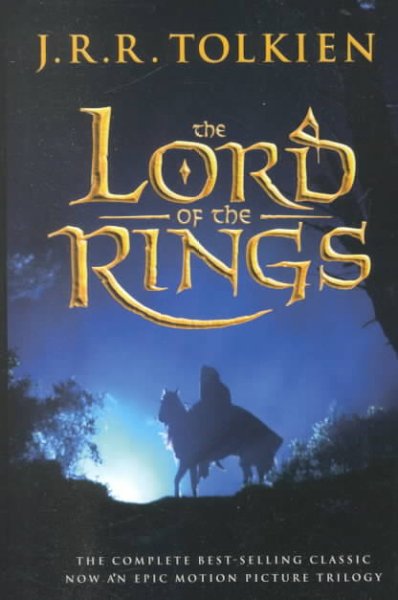
There are many reasons a book gets a new cover. It may have changed publishers. It may be the paperback edition of a hardcover, or a school edition, or an audiobook – and audiobook companies, who often have a middleman, don’t always get permission to use the same cover. It may be a new printing – if a book contract agrees to a run of 5,000 copies, and 6,000 are ordered, the book may get a new distribution run, resulting in a new cover. The book may have been sold to a new publisher – such as Bantam Books being sold to Random House. Random House will then reissue a strong seller with their own brand of cover. If a movie or TV series is made from the book, a new edition will be released with a cover that reflects the new media, as happened with Lord of the Rings and Ready Player One. Sometimes the publisher gets flack because the cover has absolutely nothing to do with the story, and they rework it.
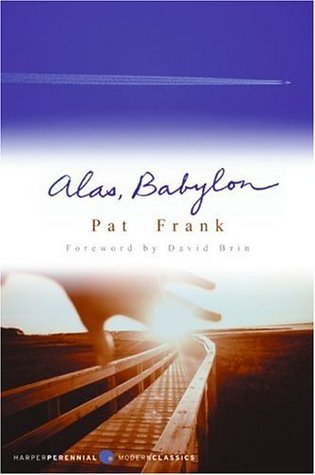
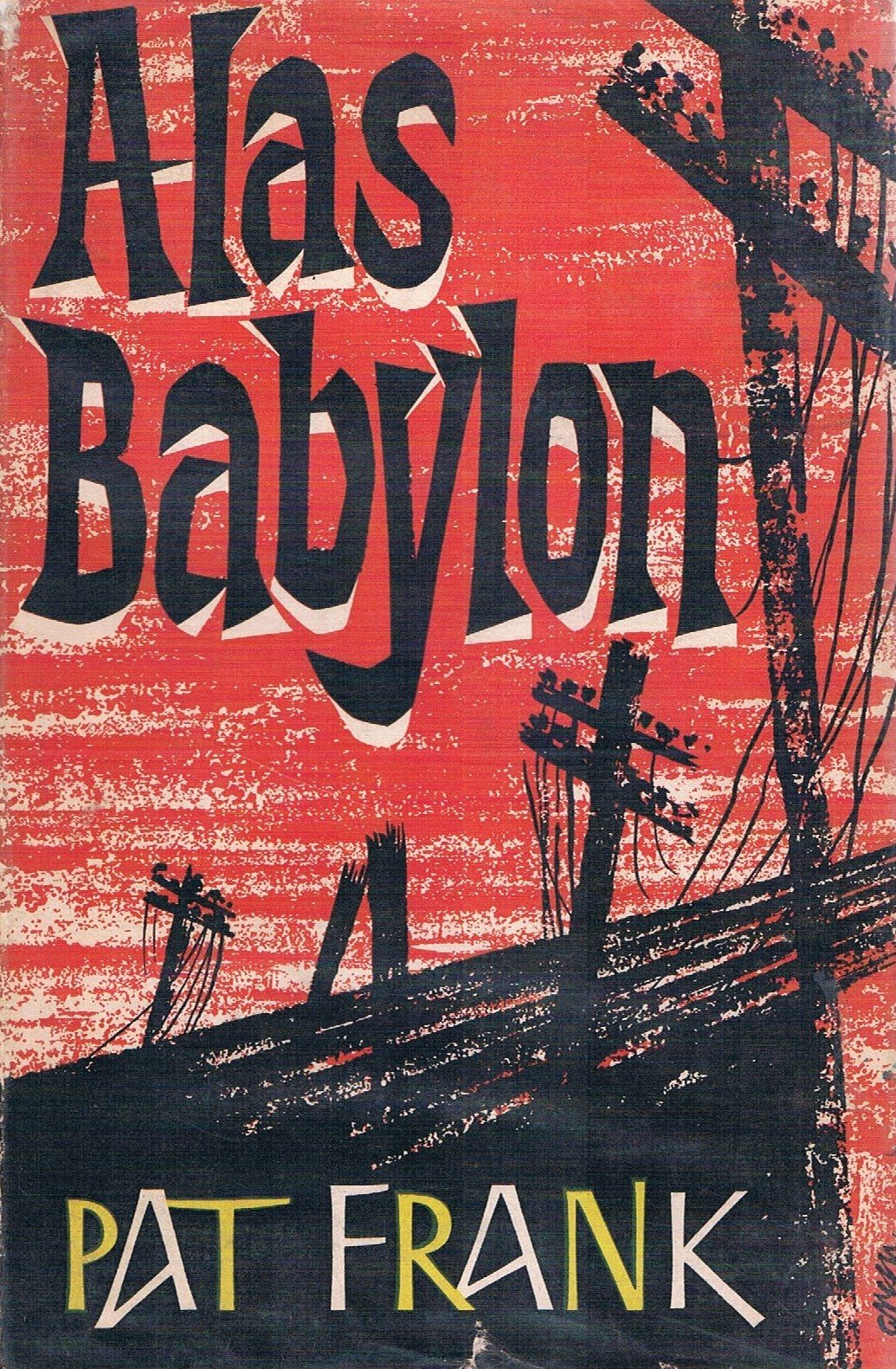
Sometimes, it’s hard to keep up, and sometimes, the cover art makes you scratch your head. Take, for example, the book Alas, Babylon, a 1959 novel of nuclear apocalypse that, if it’s not still my absolute favorite novel, it’s in my top three. First below is the cover I read it with – sensible, with the red/orange color of disaster and warning and nuclear fire, and people walking out of it. Compare that with the many covers it’s had since 1959:
The current one, number two above, a fourth edition by Harper Collins, to me, is puzzling – small font, an empty boardwalk, and a hand? This is not a cover that invites me to read, tells me a single thing about the story. Perhaps, after so many editions, they run out of ideas. Another fact: it’s very rare an author gets to choose the cover of their book – or have any input at all. You may submit your perfect dream cover along with your manuscript, and the publisher will toss it and give the work to one of their contracted artists. This is how you wind up with a blonde, blue-eyed heroine on the cover when the main character has short black hair.
The “girls rolling around on the ground” phase.
Book covers also reflect what seems to be popular – a few years ago it seemed every book had a girl rolling around on the ground. If one sells, then everyone wants to copy that success. The bottom half of a face? Those are popular. Romance novel covers were almost interchangeable – how many were based on the model Fabio? This year, pink is supposed to be “in” for covers again, as well as layered graphics and bold lettering.
Don’t like a book cover? Let the publisher know! Editors read the books, not the artists, or the publisher. If they’ve missed the mark, tell them. Authors depend on good covers to grab readers; if the cover isn’t intriguing, it’s wasting money.
What book covers have hit the mark, reached out and grabbed you so you had to read it?
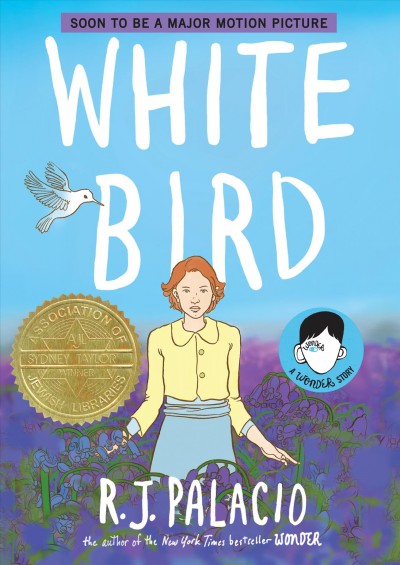
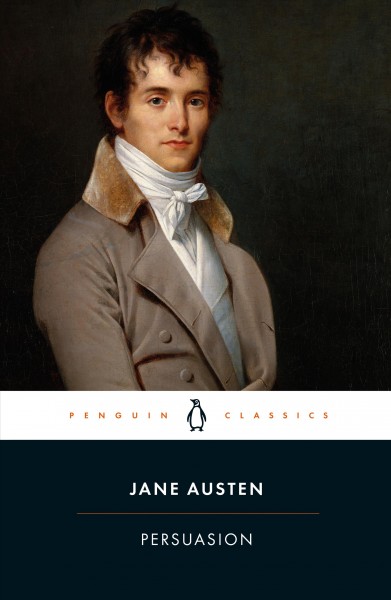
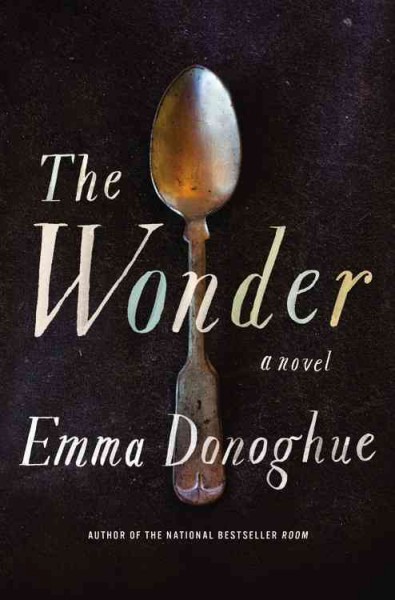
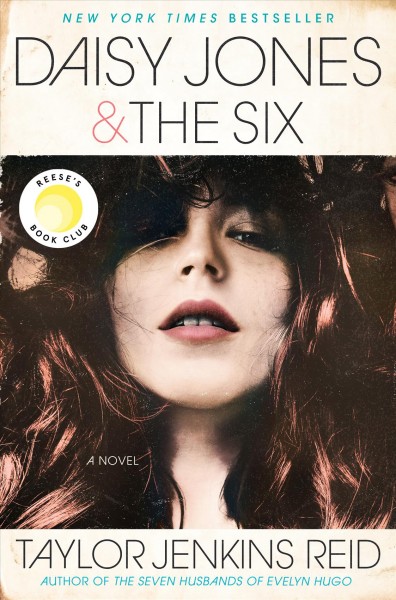
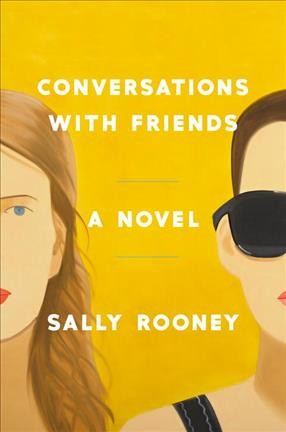
So many screen adaptations, so little time! There are so many books coming to big and small screens this year, it’s easy to lose track or what’s coming out when. We’ve put together a list of some adaptations that we’re really looking forward to this year – some have release dates, some do not, but the list will give us time to read as many books as we can before their adaptations come out! Which books are you most looking forward to seeing on the screen this year?

































 The Cheshire Library Blog