Unconventional Ghosts

I love ghosts. I’ve never met a ghost myself, so the best I can do is read about them. Why ghosts? Well, they don’t have to follow our rather tiresome rules of gravity and thermodynamics! They could do a loop-de-loop in the air, just for the fun of it. Maybe I’m a bit jealous…

There are many shades of ghost: vengeful ghosts, poltergeists, ghosts with the intent to improve the life of a living person à la A Christmas Carol… These are all fun in their own way, but I find it especially delightful when ghosts are given roles that betray their traditional raisons d’être–ghosts that are not strictly malicious, nor are just around to aid the protagonist. These ghosts are maybe just as complicated and multi-faceted as the humans who begat them.

It’s also interesting to see how authors answer fundamental ghost questions like: Why has the ghost come into existence? What makes the ghost different from a living person? What does the ghost want? The answers to these questions change dramatically from author to author and story to story. They also feel substantial, weighty. Making assumptions and declarations about ghosts is not so different from making assumptions and declarations about life. Like a Rubin vase, where the negative space around a subject becomes its own subject, writing about ghosts and death is a clever way of writing about life.

Anyway, here are some exciting and not-quite-traditional portrayals of ghosts.

Ghostwritten by David Mitchell

David Mitchell’s first novel is ghost-obsessed. “Ghost” is even in the title! But instead of offering a treatise on ghosts and ghostliness, Mitchell’s ghosts, or “noncorpora,” are hard to pin down. They come in many forms, sometimes existing independently and other times hopping from human to human, using bodies as a kind of macabre public transport. For part of the book, we follow one such noncorporum as it travels through rural Mongolia in the body of an American tourist. This particular noncorporum is a self-described “inhuman humanist” and provides some delightfully empathetic insights into the human condition.

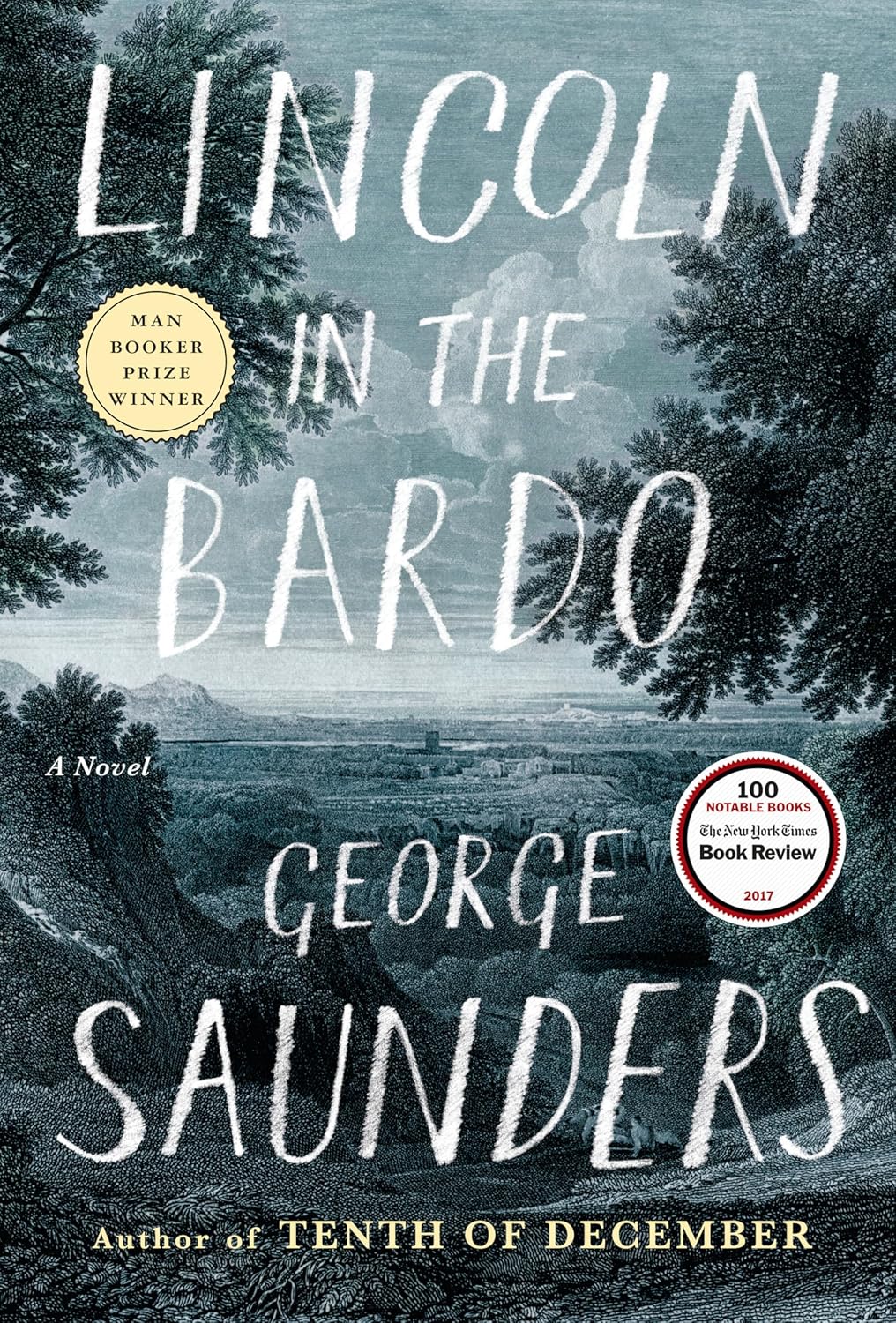
Lincoln in the Bardo by George Saunders

Sometimes when driving home, I’ll hang out in the left lane even if the right lane is moving faster. In my head, I’m thinking, “I know the left lane is faster!” when that’s clearly not the case. People are stubborn, and George Saunders doesn’t see any reason why ghosts wouldn’t be stubborn as well. The ghosts in Lincoln in the Bardo are so stubborn, in fact, they cannot come to terms with the reality of death. Their “sick-forms” (read: corpses) lie in “sick-boxes” (read: coffins) and only need rest. With just a bit more rest, they’ll emerge in tip-top shape and be able to resume their prior lives (read: they won’t). These circumstances may seem hopeless and wretched, but Saunders is able to deliver one of the most affecting and life-affirming conclusions I’ve read. A jewel of a book.

Her Fearful Symmetry by Audrey Niffenegger

Her Fearful Symmetry is a hoot. Unlike some of the other books mentioned here that use the otherworldly to contrast comically with the mundane, Her Fearful Symmetry wholeheartedly commits to flights of fancy. Romance and death intertwine and are taken to their melodramatic extremes. There are envious ghosts, faked deaths, identical twins posing as one another: everything you could possibly want in a story. It’s often absurd and always sublimely entertaining.

100 Years of Solitude by Gabriel García Márquez

In 100 Years of Solitude, characters are haunted by their lineages. Decisions and dispositions repeat from generation to generation, entire lifetimes become ghostly echoes of the past. It is no surprise, then, that actual ghosts occasionally show up to haunt the residents of Macondo. Touchingly (and thematically), isolation is what brings several ghosts back from the dead. They return because they “could not bear the solitude,” or in another case, “the yearning for the living was so intense, the need for company was so pressing.” Human connection is so fundamental a force that not even death can stand in its way.

Welcome to the Monkey House by Kurt Vonnegut

Kurt Vonnegut is a famed humanist, but he has mixed feelings about human bodies. Take Breakfast of Champions for example: the protagonist’s rapidly declining mental health is due to an abundance of “bad chemicals” in the brain. Or both Slaughterhouse-Five and Sirens of Titan, where characters’ cannot even rely upon their bodies to stay rooted in space-time. It’s no surprise then that he was interested in a world where humans are not subservient to their oft-malfunctioning bodies. Such is the conceit of the short story, “Unready to Wear,” found in the collection, Welcome to the Monkey House. A mathematician discovers a technique that allows one’s soul to be separated from their physical being and float about unburdened by corporeal whims.

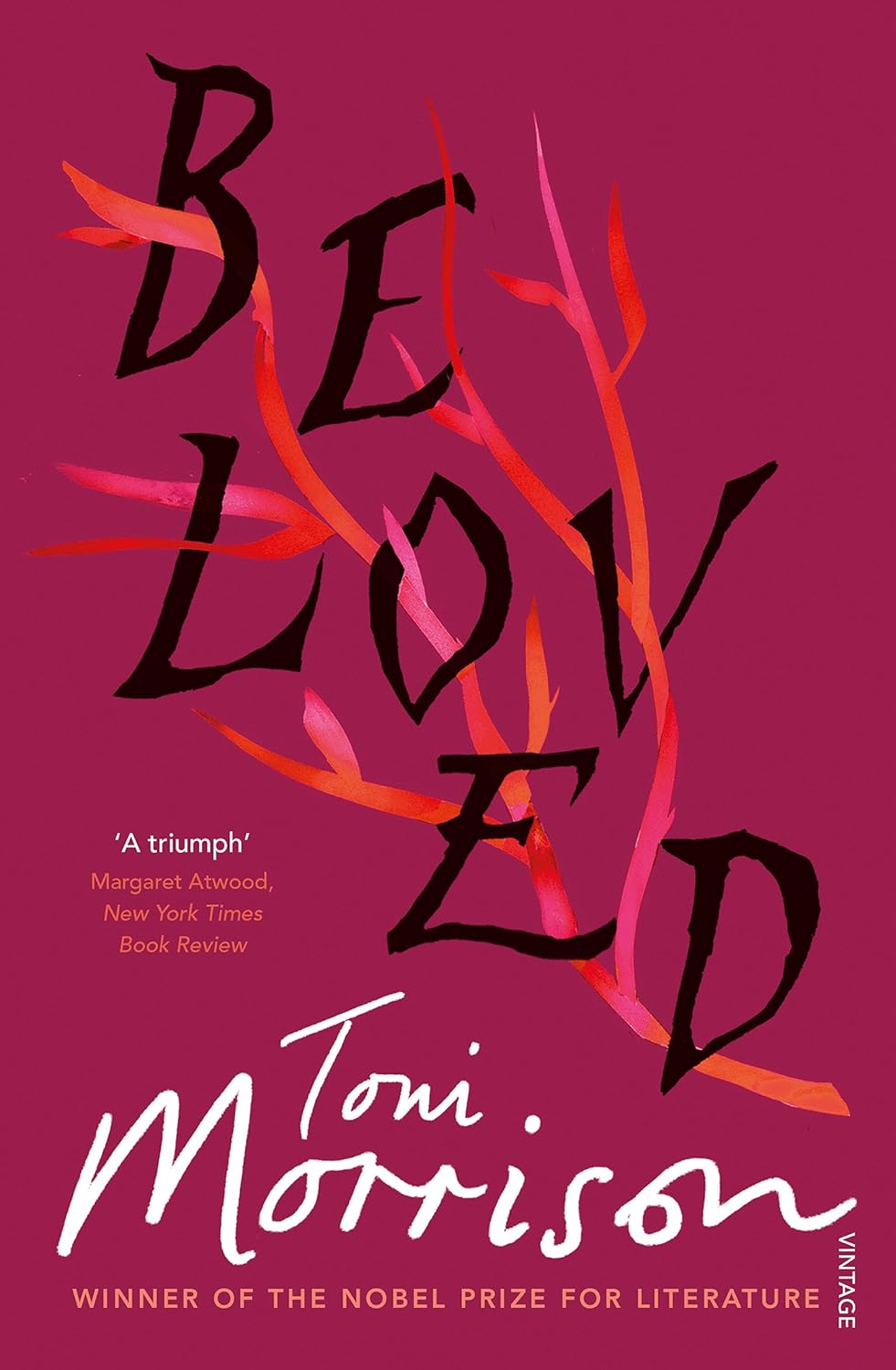
Beloved by Toni Morrison

Ghosts can represent trauma, guilt, love, regret, suffering, anger, dehumanization–really anything if an author can realize their vision. But since ghosts can mean so many things, they have the potential to become unwieldy, or conversely, underbaked. Toni Morrison does not have this problem. The ghost in Beloved is loaded with nuanced meaning, compelling but elusive. This is a literary balancing act and a depiction of ghostliness so unique that it stands alone. Brutal, beautiful, and haunting.

Unorthodox Aliens

Reading science fiction can be overwhelming — what on earth is a chrono-synclastic infundibulum? Despite the tough jargon and speculative concepts, it’s quite an inward-looking genre. These stories typically loop back around to reflect something about ourselves — an assumption or expectation or fear that could use some interrogation. Aliens are possibly the most overt display of this narrative device. They are funhouse mirror versions of ourselves: the same but different. Aliens carry all the social, cultural, and political baggage we tend to associate with Otherness, but evoke sympathy too. At the end of E.T., are we not puffy-eyed to see that strange creature, who’s been nurtured and accepted, finally return home?

And don’t we all feel like E.T. — an alien, a pariah — in some way?

Here are some novels and stories that feature subtle and unconventional alien characters.


Sirens of Titan by Kurt Vonnegut

Kurt Vonnegut loves his unorthodox aliens. Hand-shaped Tralfamadorians play a significant role in Slaughterhouse-Five, but I’d like to mention a minor alien race from Sirens of Titan. In a slight deviation from his main journey, protagonist Malachi Constant crash-lands on a planet populated by harmoniums: flat, kite-shaped beings that cling to cave walls and only perceive the world through touch. They communicate with limited telepathic abilities and are able to send two possible messages:


The first is an automatic response to the second, and the second is an automatic response to the first.
The first is, “Here I am, here I am, here I am.”
The second is, “So glad you are, so glad you are, so glad you are.”


Hyperion by Dan Simmons

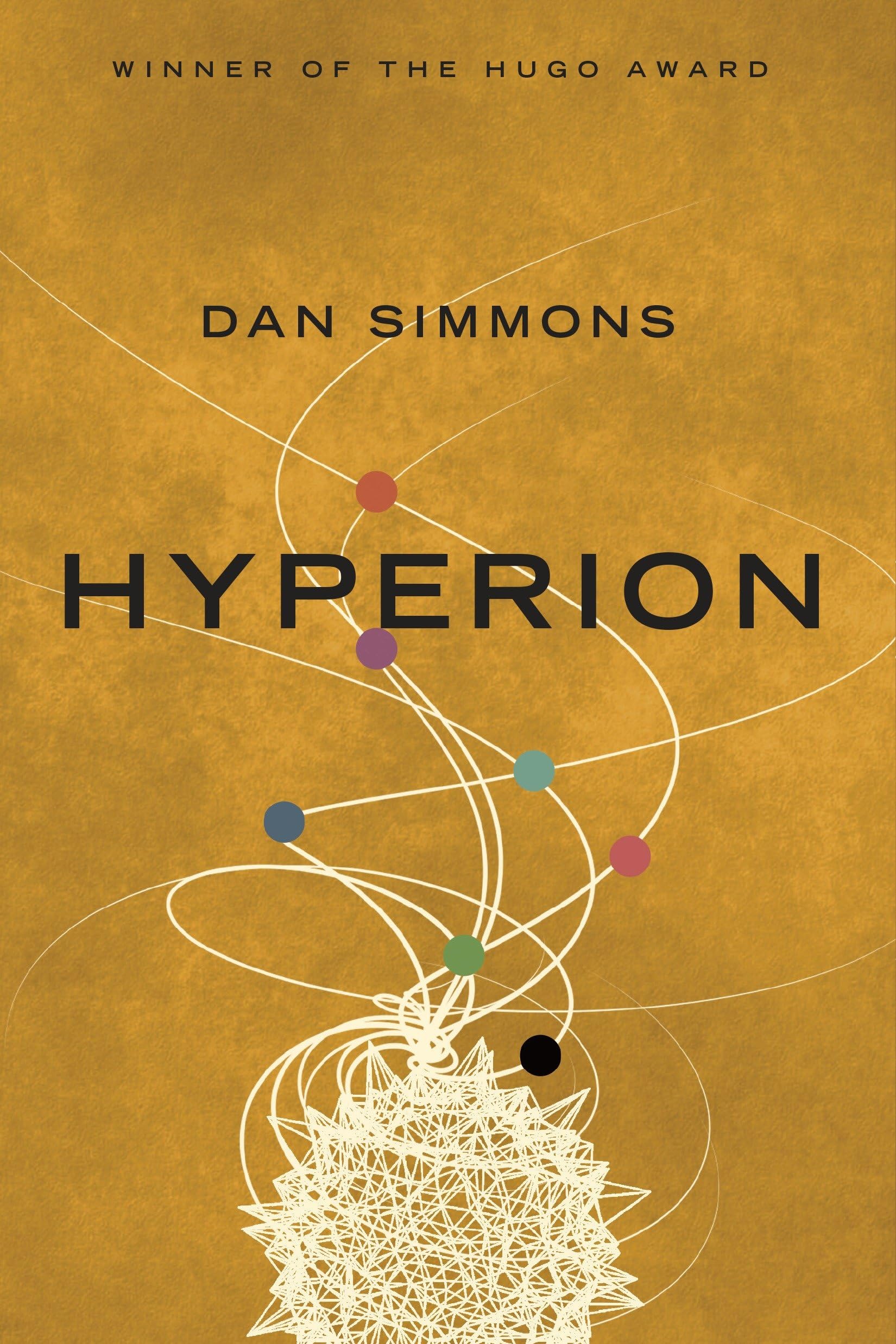
Hyperion borrows its framing device from The Canterbury Tales. Its narrative unfolds as each of six pilgrims tells their portion of the story on their way to the time tombs, where they plan to confront the omnipotent Shrike. The Shrike fits your evil-monster-alien archetype (with some twists along the way), but there are other alien beings that populate the many planets of Hyperion. Most poignant is Simmons’ depiction of a human race that has lost its home: the Earth. They become aliens in their own right, establishing new civilizations around the galaxy but ultimately “alienated” in one way or another.


Stories of Your Life and Others by Ted Chiang

“Story of Your Life,” from the short story collection Stories of Your Life and Others, is about language, specifically the field of science known as linguistic relativity. Researchers in this field try to determine whether the language we use affects the way we think. For example, some languages describe time using distance terms (like “short” and “long”) and others describe time using quantity related terms (like “much” or “little”). A study from 2017 concluded that, under certain circumstances, these language differences result in actual differences in time perception.

Chiang takes this idea to its extreme and introduces an alien race that communicates in a completely circular language. As a result, these aliens perceive time as though it were a circle, living the entirety of their lives simultaneously- past, present, and future.

What if a human were to learn their strange and powerful language? “Story of Your Life” was adapted into the 2016 film Arrival.


The Paper Menagerie by Ken Liu

Some might be familiar with Ken Liu’s translation work. He’s best known for the English translation of The Three-Body Problem, a sci-fi epic by Liu Cixin (now a Netflix Original). He also writes novels and short stories that blend sci-fi, fantasy, and folklore.

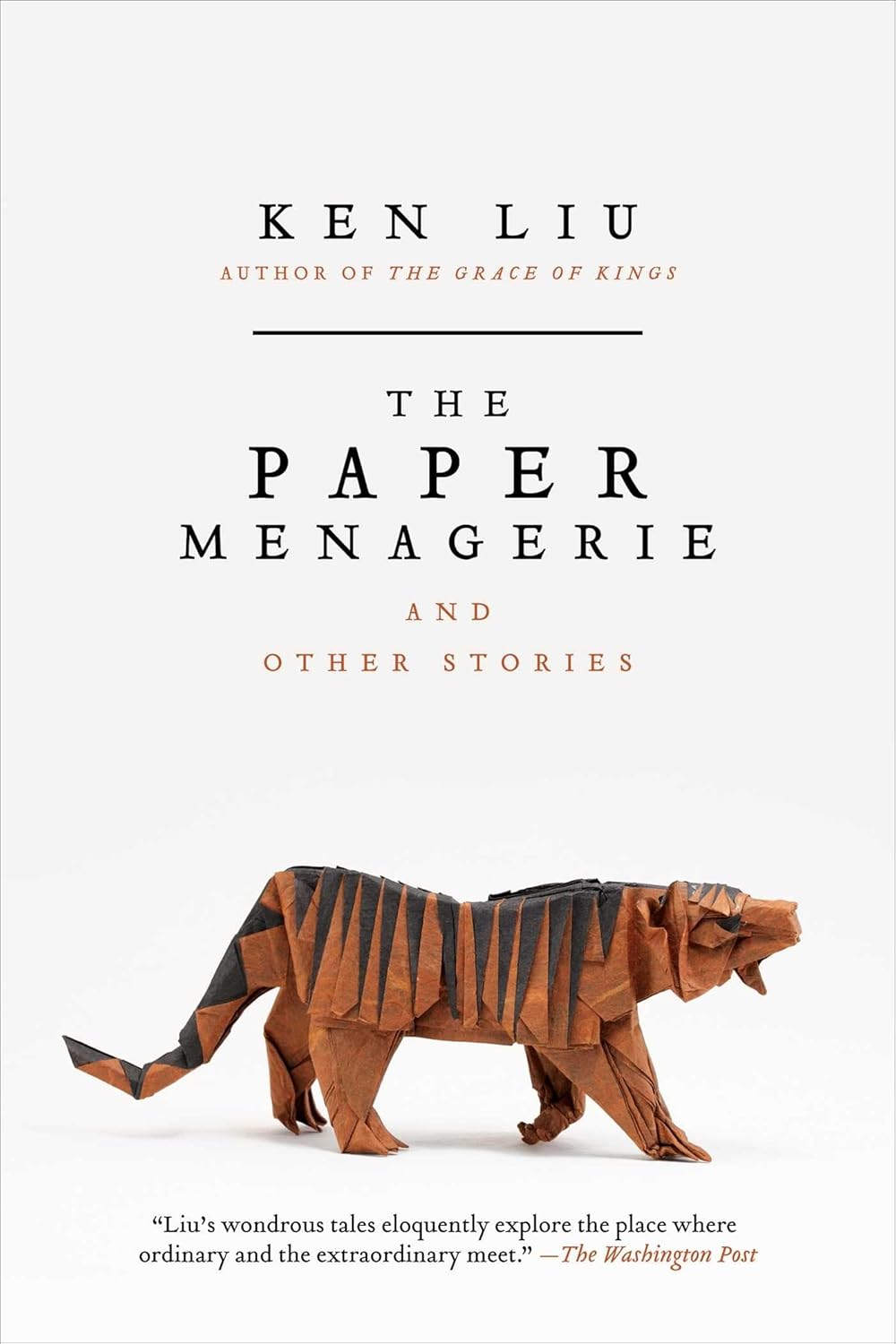
His short story collection Paper Menagerie opens with “The Bookmaking Habits of Select Species.” The title says it all — how might alien races create persistent representations of their language and thoughts? I particularly like how he describes the Allatians: they stick their proboscis onto an impressionable surface, and as they speak, their proboscis vibrates and etches a groove into the surface. To read what another Allatian has written, one drags their own proboscis through the groove, and a hollow part of their skull amplifies the sound; the voice of the writer is recreated.


The Book of Strange New Things and Under the Skin by Michel Faber

Aliens are a recurring theme in Michel Faber’s writing. His 2014 novel, The Book of Strange New Things, takes place on a far-away planet that has been introduced to Christianity. Missionary Peter Leigh becomes the new minister of a docile alien congregation but struggles to reconcile his ecclesiastical commitment and the guilt of leaving his wife back on Earth, where climate change and political turmoil conspire to topple civilization.

Under the Skin, Faber’s first novel, paints a darker portrait of humanity (or alienity, ha). It’s the kind of book that holds its cards close and lets the reader marvel (and shudder) as the story progresses.

Faber presents a kaleidoscope of Otherness; themes of exploitation, gender, immigration, class politics, and animal cruelty are woven throughout and explored with satirical levity. The book was loosely adapted into a movie of the same name in 2013 with Scarlett Johansson.


Which “Unorthodox Aliens” am I missing? Let me know in the comments section below.

Haunting Fiction: 10 Dark Tales to Chill You This Fall

My backyard is full of fallen leaves, and the home improvement stores are full of animatronic skeletons. It’s the time of year when I can unabashedly indulge in my love of horror. Gothic horror. Psychological horror. Cosmic horror. Anything that lets me experience tension and dread, at least within the safe little confines of fiction. Gore and gross-out horror doesn’t really do it for me. I prefer the supernatural, the otherworldly, stories that tap into the basic human fear of the unknown. There’s nothing like the existential terror that comes when you dare to look into the void – and you see it looking back at you. But it’s still fiction. You still get to put it back on the shelf and go about your life after you read that last page.

Or do you?

Here are the stories that have haunted me the most: tense and dark tales that unfurl like a beautiful piece of black silk.

The Turn of the Screw by Henry James (1898)

A governess is sent to an isolated country manor to care for a pair of young orphans, and she begins to believe that the children are being visited by spirits with malevolent intent. This is a classic ghost story whose ambiguity has provided more than a century’s worth of analysis and adaptation, most recently in the form of Netflix’s The Haunting of Bly Manor in 2020.

The Haunting of Hill House by Shirley Jackson (1959)

You may know Shirley Jackson from your 11th grade reading assignment of her short story The Lottery, but this novel set the bar for modern gothic horror. It’s a classic haunted house story that has influenced writers like Carmen Maria Machado, Stephen King, and Neil Gaiman.

Ghost Story by Peter Straub (1979)

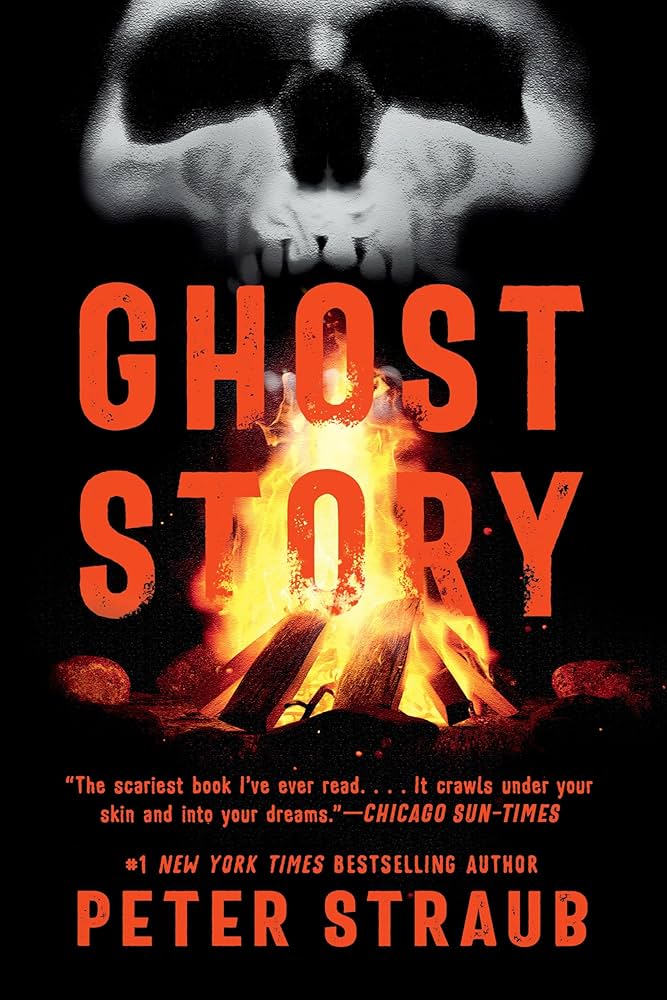
A group of aging men gathers once a week to tell ghost stories – but one ghost from their shared past seems to be coming back for revenge. Straub hooks you in from the first scene and builds masterfully in one of the best-written horror stories you’ll ever read.

Everything’s Eventual by Stephen King (2002)

Some point to The Shining and The Stand as King’s best works, but I have always been a fan of his shorter fiction, such as the terrifying novella The Mist. Everything’s Eventual is a strong contender for my favorite of his short story collections. Its best tales are about a boy who meets the devil, a painting that keeps changing in disturbing ways, and a skeptic’s night in a supposedly haunted hotel room.

House of Leaves by Mark Z. Danielewski (2005)

The core story of House of Leaves involves a family who moves into their new house and discovers it’s bigger than they think. Their story is told in a documentary video, which is described and analyzed in an unfinished academic manuscript by another person, which itself is transcribed and footnoted by yet another person. It’s a structurally weird book that’s just as disorienting as the house itself.

The Hollow Places by T. Kingfisher (2020)

It’s no coincidence that the horror genre – that safe box of fiction where you can explore fear without real-life consequences – exploded in the wake of the very real global pandemic, and the last few years have borne plenty of new and terrible places to explore. This story revolves around a recently-divorced woman who discovers a hidden door in her uncle’s museum of curiosities. The door leads to an alternate reality that is not quite right. It’s thoroughly creepy in a Lovecraftian way, and the quirky characters inject some humor into this otherwise unsettling read.

The Only Good Indians by Stephen Graham Jones (2021)

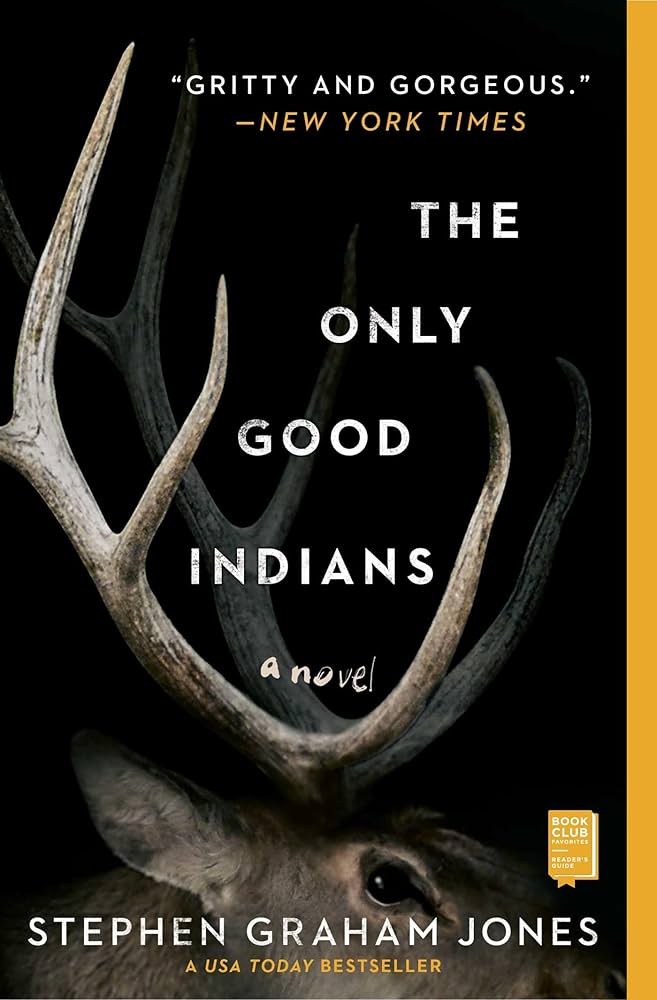
Four Blackfeet men break a promise during elk hunting season, and now that promise is coming back to haunt them in a very real way, picking them off one by one. It’s pretty gory, but not gratuitously so, and the supernatural elements, the nuanced treatment of Native culture, and the quality of writing were compelling enough for me to overlook the more graphic parts. It’s also one of those stories that surprises you by ending with love and unexpected tears. (Yes – it’s okay to cry at horror.)

Summer Sons by Lee Mandelo (2021)

Andrew is haunted by the revenant of his best friend Eddie, who suddenly died right before Andrew was about to join him in Nashville. Andrew takes Eddie’s place in his house, his graduate program, and his circle of fast-living friends as he tries to uncover the truth of what happened. There’s a Southern gothic setting, romantic tension so thick you could slice it up and eat it, and a host of queer characters who are not punished for their queerness, but whose acceptance of themselves leads them to happiness. This slow burn is more moody than scary, and it’s a refreshing and thoroughly enjoyable read.

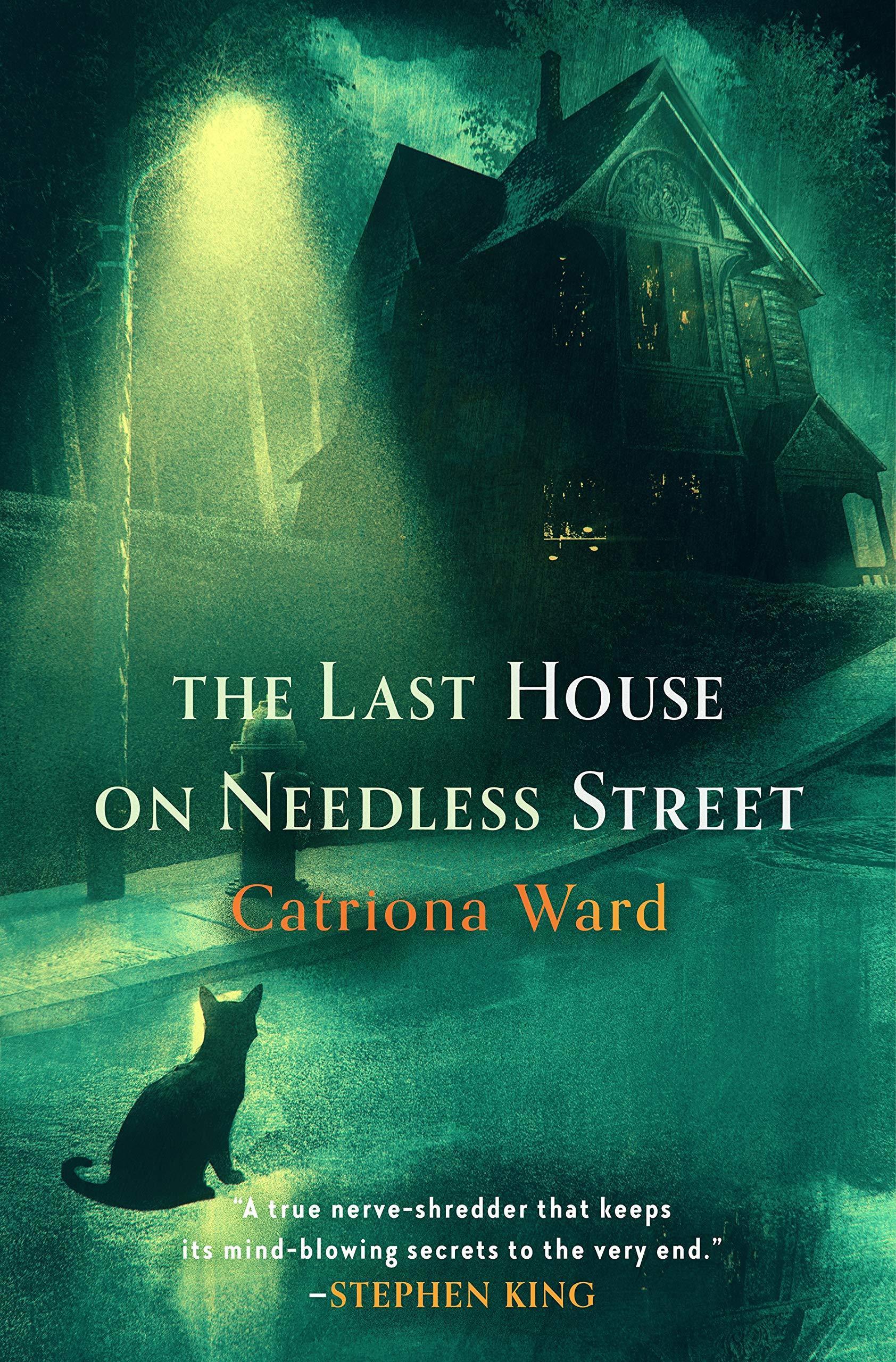
The Last House on Needless Street by Catriona Ward (2021)

In a boarded-up house on a dead-end street lives a family of three. A teenage girl who isn’t allowed outside, not after last time. A man who drinks alone in front of his TV, trying to ignore the gaps in his memory. And a house cat who loves napping and reading the Bible. An unspeakable secret binds them together, but when a new neighbor moves in next door, what is buried out among the birch trees may come back to haunt them all. The parent in me found some parts difficult to read, but I needed to keep going and find out what was going on – and the ending completely turned it upside-down.

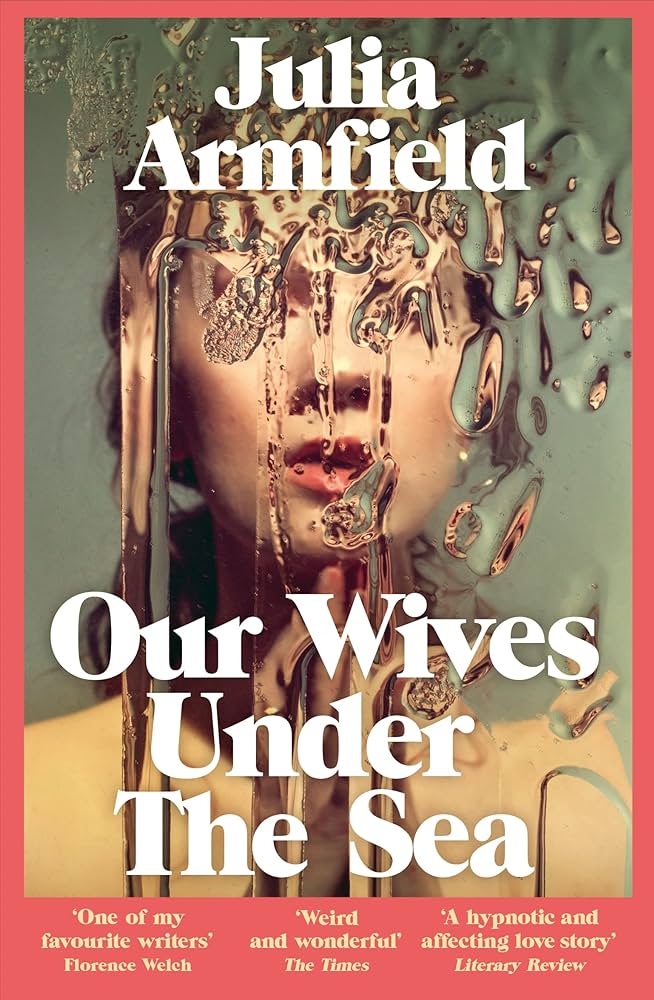
Our Wives Under the Sea by Julia Armfield (2022)

Miri thinks she has got her wife back, when Leah finally returns after a deep sea mission that ended in catastrophe. It soon becomes clear, though, that Leah may have come back wrong. Whatever happened in that vessel, whatever it was they were supposed to be studying before they were stranded on the ocean floor, Leah has carried part of it with her, onto dry land and into their home. Remember how I said it’s okay to cry at horror? Get your tissues ready, because this is also a heartbreaking story about love and grief.

One Book, One Town, One Difficult Choice!

The Cheshire Public Library is planning on hosting a One Book, One Town program in 2025. For those unfamiliar with this concept, the idea is to select a book the whole town can read “together”. The library will host a kick-off party and plan programming based on the book’s narrative and themes. We are so excited for this chance to bring the community together under one book, and we’ve been giving the selection process a lot of thought. As a fun peek behind the curtains, I would like to talk a little about the books that we thought could be potential contenders and the reasons why they weren’t selected.

The first novel we considered for this program is Overstory by Richard Powers. This is a dense novel both in size (512 pages) and in content. The story follows 9 characters spanning from the 1950s through the early 2000s as their stories overlap. It’s difficult to say exactly what Overstory is about. It’s a novel about trees, but really, it’s a novel about people, nature and how closely these two worlds overlap. It’s a novel about the importance of paying attention to nature as well as tackling questions about what we can do, both as individuals and collectively, to protect nature and each other. It is beautifully written, each character given their own story and arc. It is also a powerful love letter to trees.

Ultimately, we decided not to choose this book for our program because of its length and concerns about being able to secure the author for an author talk. Powers will be busy with press for his new book titled Playground about oceans, which I am sure is as masterfully written as Overstory. If you can carve out time to read this novel, I highly recommend it.

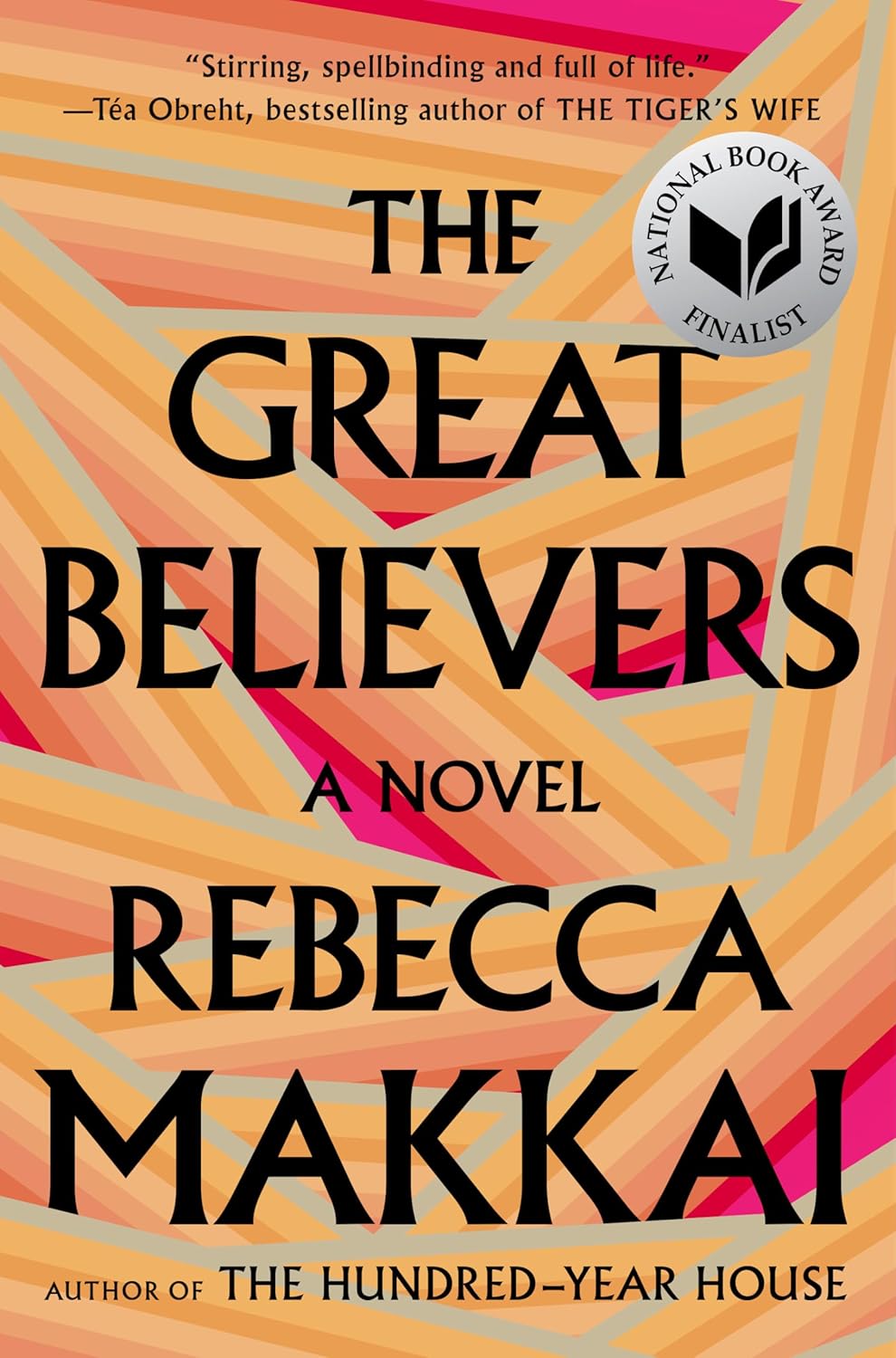
The second novel in the running for this program was The Great Believers by Rebecca Makkai. Like Overstory, The Great Believers also made it onto the New York Times list of the best 100 books of the 21st century. The story jumps in time; one part is set in Chicago between 1985 and 1992 and the other in Paris in 2015. The novel is about a group of friends, predominantly gay men, navigating the AIDS crisis in its early days. This is the strongest part of the novel. Makkai captures the fear, loss, and grief from this era while still managing to tell a beautiful story about love and friendship. As the reader, it is easy to fall in love with these characters and feel tremendous sadness about the senselessness of their deaths.

Unfortunately, the parts of the novel that take place in 2015 are less effective. Much of these chapters, which concern survivor’s guilt and lasting trauma, feel extraneous and only serve to distract from the gripping 80s narrative. We decided against this book partly because of these jarring time jumps, as well as concern about the overall heaviness of the subject matter. That being said, if you are looking for something on the power of love and friendship, please don’t hesitate to pick up this book.

The last novel strongly considered for our One Book program was The Women by Kristin Hannah. The hype around this novel has been almost as big as the number of patrons requesting it at the library. The story is about combat nurses in Vietnam and their lives after the war. It’s a difficult read, particularly in its depiction of post traumatic stress disorder. The resources for soldiers returning from the Vietnam war were abysmal and the resources for returning female combat nurses were non-existent. The novel deals with the struggles of settling back into civilian life while having your war experiences repeatedly minimized or even denied.  

This book would appeal to a wide audience, particularly those who lived during the Vietnam War, those who served in the war, or those who are interested in the history of that era. We decided against selecting this book because Kristin Hannah’s speaking fees are prohibitively expensive.

We are hoping to finalize the book selection for the program by the end of this month so be sure to keep an eye out early next year for the book unveiling as well as a list of programs. We can’t wait to read with you!

Summer Reads: Books to Beat the Heat

Whether you prefer snarky humor, historical fiction, or a nice, wholesome murder, there’s something on this list for you.

Killing Me by Michelle Gagnon

The single-line summary on the cover of some editions of this title reads, “She escaped a serial killer. Then things got weird.” I’ve loved the proliferation of murder mysteries featuring a heavy dose of dark humor that have swept publishing over the last few years, and the glitzy Las Vegas setting in Killing Me secures this as a summer read for me. The protagonist is far from perfect but you’ll still want to root for her; the supporting cast will win your heart, and the twists are just frequent and surprising enough to keep the pages turning.

Two Nights in Lisbon by Chris Pavone

A woman wakes up alone in her bed. Her husband has vanished. She’s on vacation in a strange place with no idea where her husband may have gone, and in every place she turns she finds no help- or worse, is met with suspicion. Pavone paints a beautiful picture of Lisbon; it’s an interesting juxtaposition, where the setting should make you yearn to be there, but each chapter brings new revelations and a heightened sense of dread. If you’re looking for a taut thriller to read on the beach, poolside, or on the patio, this is a great pick.

The Cuban Heiress by Chanel Cleeton

Cleeton is, to my mind, one of the most underrated authors of historical fiction writing today. Is it because she sometimes allows women’s faces to be seen on her book covers, while others in the genre stick to the “women in period costume facing away” template? Hard to say. What is clear is her talent for creating three-dimensional women characters in rich historical settings. The Cuban Heiress is a great example of Cleeton’s ability to weave the lives and storylines of disparate characters together throughout her books, generally in a tropical setting (think Florida, Cuba, or here, a luxury ship), always with an immensely satisfying ending.

I Hope This Finds You Well by Natalie Sue

This book is perfect for anyone who has wished for death over the prospect of replying to one more email. Sue skewers workplace culture and the characters she writes are laugh-out-loud funny, but be careful, those same characters develop over time and the same people you at first found annoying for microwaving popcorn in the break room or asking for help doing the same thing you’ve shown them 20 times become surprisingly relatable and even heartbreakingly vulnerable the more you learn about them. Perfect for anyone who has ever had to work with human beings, and great for summer because does anyone ever want to be at work in this season?

Sag Harbor by Colson Whitehead

This is a funny but heartfelt coming-of-age tale, set in a 1980s summer, in the Hamptons. That should be enough to place it on any summer Must-Read list, but thankfully, because it’s Colson Whitehead, it doesn’t stop there. The writing is superb and the story feels authentic; it’s based on Whitehead’s own experiences as a Black kid who went to a mostly-white Manhattan prep school but spent his summers in Sag Harbor, an enclave for Black upper class professionals. If you’ve read some of Whitehead’s other works like Underground Railroad or Nickel Boys you might think that such a premise as this will necessarily be lacking in the gravitas of those other books, but you would be wrong: although lighter in tone, there is much to be gleaned from Sag Harbor.

Starter Villain by John Scalzi

Finding out you’ve been left a life-changing inheritance from a relative to whom you have no emotional attachment is the dream, right? Our hero, Charlie, has a somewhat sad but entirely relatable life when he finds out a long-lost uncle has bequeathed him his fortune and his business. His supervillain business. Charlie must learn how to fend off rival supervillains, do right by his new employees, and survive each day in this new world.

Why is this a summer read? Much of the book is set on a tropical (okay, volcanic) island, complete with (foul-mouthed, desperate to unionize) dolphins. What’s not to love?

Tress of the Emerald Sea by Brandon Sanderson

According to the internet [so insert grain of salt here], the author was watching The Princess Bride with his family when his wife complained of Buttercup’s passivity given her circumstances. This inspired Sanderson to write Tress in secret, eventually surprising his wife with the story, who in turn urged him to publish it more widely. Tress is an appealing protagonist, the world she inhabits is wildly creative, and you’ll finish the book hoping for more adventures with Tress and crew.

A Psalm for the Wild-Built by Becky Chambers

First of all, the dedication in this book reads, “For anybody who could use a break.” Second, we have a book club here at the library whose majority is very vocal about the fact that they neither read nor care for the Science Fiction and Fantasy genres. I knew this would be a hard sell. (Overheard grumbling when I handed out copies of the book: “There’s a robot on the cover!”) But at 147 pages, I asked the participants to trust me and give it a try- even if it didn’t end up being their cup of tea, I believed they could stick it out for a book this short. Lo and behold, a month later we met again, and 18 out of 21 participants enjoyed it immensely, much to everyone’s surprise.

This book is thoughtful but soothing, with page after page of phrases you’ll want to pluck out, scribble down on an index card or in your Notes app, and reread to yourself on rough days. Oh, you wanna know what the book’s about? A garden monk living in a Utopian world has an existential crisis, becomes a tea monk, meets one of the robots who wandered off into the wilderness centuries ago, and together they attempt to answer the question, “What do people need?”

Just- trust me and give it a try.