New Trends in Science Fiction

Say Science Fiction, and most readers will make a face as images of bad 50’s movies, computers and technobabble, and Star Wars arguments come to mind. “I don’t read Science Fiction,” but chances are, you do. Science Fiction simply means a story that more or less follows the laws of science as we know them, as opposed to fantasy, which drags in magic and elves and things that don’t normally exist on Earth. The material is as broad as anything else in fiction.

Science Fiction has come a long way since 1977, and is almost unrecognizable to the campy 50’s tin-can imagery. Like rock music, science fiction has a hundred sub-categories, and chances are you’ve read – and liked – at least one. Here are some of the newest trends you may not know about.

Soft Science Fiction:  “Soft SF” isn’t new, but the definition is newer. Soft SF doesn’t deal with “hard” techno stuff, but concentrates on people, societies, psychology, and intrigue.  Cloud Atlas, The Handmaid’s Tale, Flowers for Algernon, Yiddish Policemen’s Union, The Time Traveler’s Wife, and Alas, Babylon all fall under “Soft” SF. Half of Stephen King can be categorized here. You could make an argument for Jason Bourne, too.

Gender-Focused: These stories explore cultures and people who may have a single gender, multiple genders, or are genderless entirely. Check out Ancillary Justice by Ann Leckie, Seveneves by Neal Stephenson, Mask of Shadows by Linsey Miller, or the Grandmama of them all, The Left Hand of Darkness by Ursula K. LeGuin.

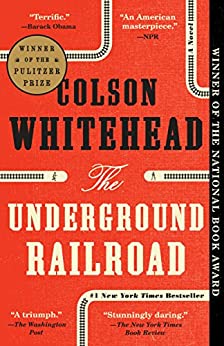
Afrofuturism: Representation of minorities is growing in SF, and with it new ways of seeing inclusion in the future. Check out top authors like N. K. Jemisin, Colson Whitehead, Nnedi Okorafor, P. Djeli Clark, and Octavia Butler.

International: There’s a huge influx of stories being translated from other countries. While America may be stuck on space opera and predictable heroes, other countries aren’t, and offer a refreshing break from the Same Old Thing. Try The Three-Body Problem by Liu Cixin, Master and the Margarita by Mikhail Bulgakov, The Witcher Series (yeah, the TV one) by Andrzej Sapkowski, The Lost Village by Camilla Sten, or Shadow of the Wind by Carlos Ruis Zafon.

Generation Ship fiction: No faster than light ships here, but pressure-cooker stories onboard ships making a long haul. Dangers take on a whole new meaning when you’re dependent on your ship for years on end. Check out Across the Universe by Beth Rivis, Rendezvous with Rama by Arthur C. Clarke, Aurora by Kim Stanley Robinson, or Ship of Fools by Richard Russo.

New Space Opera: Space opera traditionally involves weapons, danger, heroes, and rescued damsels (Star Wars being a perfect example, among many), but newer stories are throwing in more gritty realism. They’re a higher quality of writing, more scientifically plausible, and tend to address more social issues under the guise of “fiction.” Grown-up SF. Try the Leviathan Falls series by James Corey, Hail Mary by Andy Weir, the Thrawn series by Timothy Zahn, The Echo Wife by Sarah Gailey, or Winter’s Orbit, by Everina Maxwell.

Climate SF:  With the doomsday clock ticking down the moments to an expected 6th mass extinction, climate SF may be the most relevant wave of stories to hit shelves, and can fully include apocalyptic virus stories. Read them!  State of Fear by Michael Crichton, New York 2140 by Kim Stanley Robinson, The Overstory by Richard Powers, Oryx and Crake by Margaret Atwood, The Bone Clocks by David Mitchell, Flight Behavior by Barbara Kingsolver.

Science Fiction isn’t the same old trope you’re used to, but a growing, evolving body of literature with numerous authors, styles, and focus – and guaranteed there’s one right for you!

The Maus Trap

As long as there have been books, there has been controversy about books. There have been six major book-burnings in the US (yes, America) over Harry Potter, because some people believe a little too much in witches, though, personally, if I believed that strongly in witches, I might just not want to anger them.

But logic doesn’t exist in book burnings, or bannings.

In 1948, in Binghamton, New York , people went door to door gathering and burning comic books, to save youth from their moral depravity. It sparked a nationwide comic-book burning spree, including here in Connecticut.

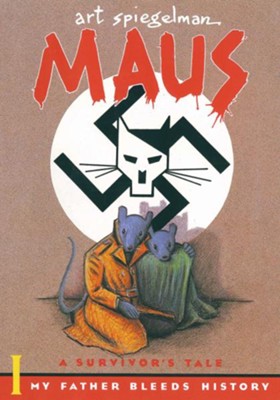
This year’s book fiasco (and this happened on January 10), has been the McMinn County (Tennessee) School Board voting 10-0 to remove the graphic novel Maus from their curriculum, over the use of 8 curse words (the most objectioned being – forgive me if you will, God damn), and the depiction of a naked mouse in a bathtub, with a breast showing. A mouse-breast. 

Maus is not drawn as graphic realism; with its heavy line style, it could be cut and printed in woodblocks and look the same.

Maus, by Art Spiegelman, is the winner of a 1992 Pulitzer Prize, the only graphic novel ever to do so. In it (sometimes found in two volumes, sometimes as one combined), Spielman interviews his father, a Polish Jew, as to what it was like to survive the Concentration Camps – his father spent time in both Auschwitz and Dachau, and his mother in Auschwitz. Nazis are portrayed by cats, Jews by mice, Americans by dogs, French by frogs, British as fish, and Swedes as deer.  

Spiegelman has a lot of anger toward his father that comes out now and then in the story. His father was, understandably, damaged by the war and not necessarily an empathetic father. Spiegelman’s mother couldn’t rid herself of the experience, and committed suicide when he was 20 (the unfortunate mouse in the bathtub). It’s a true story, an honest story, and Spiegelman’s struggle to make sense of it and his place in the narrative is the struggle we all face trying to understand the Nazi rise to power and the unimaginable atrocities they carried out – atrocities so horrific, the experiences threw open the study of epigenetics on the belief that the DNA of survivors’ children had been altered by the experiences of the parents, though some studies are undecided.

Tennessee withdrew the book from the curriculum just three days before Holocaust remembrance day, citing moral issues that included violence and showing dead mouse children, language, and that naked mouse breast in one panel. 

Maus is now the top-selling book in America, thanks to Tennessee’s decision that thirteen year olds learning about the Holocaust in graphic form and seeing mild curse words in print might damage them. Good thing they never saw the photo novel my father, a historian, has of World War II, which is nothing but photographs of the war, including too many horrific images from the various camps, a book which has haunted me since childhood.

The internet, while not reliable for many things, had the best quote: If it was okay for 13 year old Anne Frank to live through it, why is it too disturbing for 13 year old Tennessee children to learn about it? 

There are many reasons some books may be objectionable, outside of really bad prose, and yes, it is not unreasonable that some books should have an age limit – after all, movies and video games do. I would not recommend reading “The Exorcist” to a ten year old, even a literate one. The thing to remember is that not everyone can agree on what or why something should be limited, or worse, banned. Always, always, read the banned book, find out what information someone is trying to suppress, why, and then talk about it. If you still find the material objectionable, that’s fine, but you don’t have the right to control its availability to others.

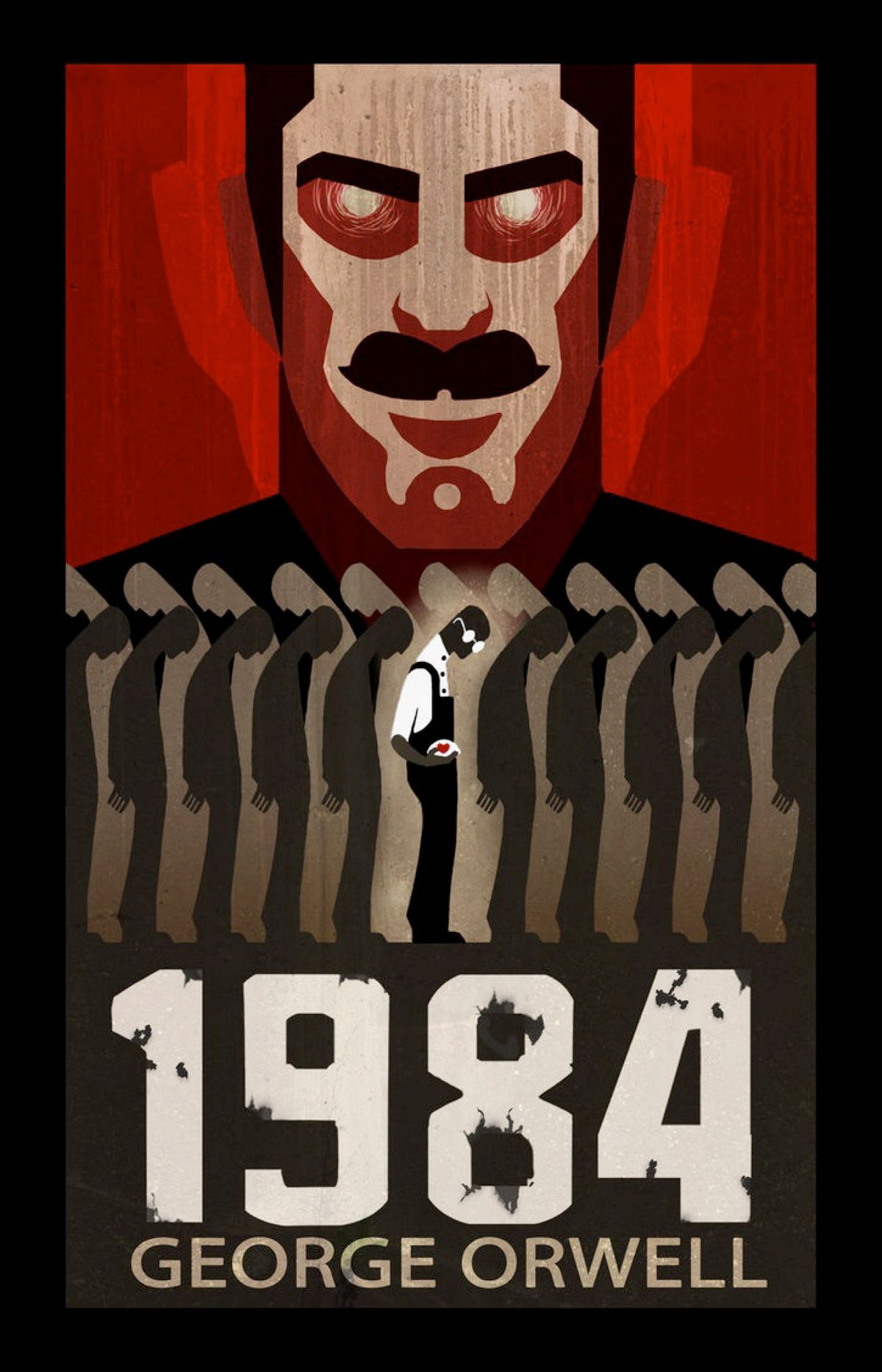
Decide for yourself. Maus is currently sold out on Amazon, but you can join the wait list for the library’s copy here. Meanwhile, check out these commonly banned books – most of which the rest of America considers classics (1984 by Orwell is the #1 banned book in America).

The Legacy of MLK

It’s hard to live in America and not know who Martin Luther King Jr. was. If you’re reading this from out of the country, MLK was a black Baptist minister who became the driving force in the 1960’s fight for civil rights, and for the equal treatment of black citizens in America. His call was for peaceful protest and non-violence – always non-violence – and he was awarded the Nobel Peace Prize in 1964. For his outstanding efforts, Mr. King was assassinated on April 4, 1968. James Earl Ray was charged with the murder, a white troublemaker with a 7th grade education and a long rap sheet. Ray admitted to the crime, had a strong timeline leading up to the crime, had fingerprints on the weapon, but because he lied numerous times and changed pleas and facts all over the place, conspiracy theories abound.

Kings death no doubt played a major role in the passage of the 1968 Civil Rights Act, just a week later, in an effort to help quell the riots that followed his death. His examples reached into South Africa and Northern Ireland, areas of long hostilities, and a statue of him stands in Westminster Abbey in London.

King’s beliefs and activities created as many conflicts as they tried to solve. While the racially charged South saw him as too progressive, so far as to call him a communist, many in the black community, such as Malcolm X, thought he didn’t go far enough and demanded radical action, not peaceful protests. King alienated himself from the US government by opposing the war in Vietnam. Herbert Hoover, head of the FBI, considered King a radical and sent him threatening letters. It wasn’t until 1986 that Ronald Reagan enacted Martin Luther King Day as a Federally recognized holiday.

Biographies will give the standard information on Martin Luther King, and while White Trash (warning: FaceBook will jail you for discussing this book) and Caste are excellent books which will open your eyes to issues you never considered, they’re heavy on sociology and can be difficult to slog through at times. If you’d rather read about the issues he fought against, and where we stand today on Civil Rights in an easier fashion, check out these non-fiction books that will give you a good perspective of the issues. If non-fiction isn’t your thing, try these novels about modern issues as well, and realize we still have a long way to go. 

The Hate U Give

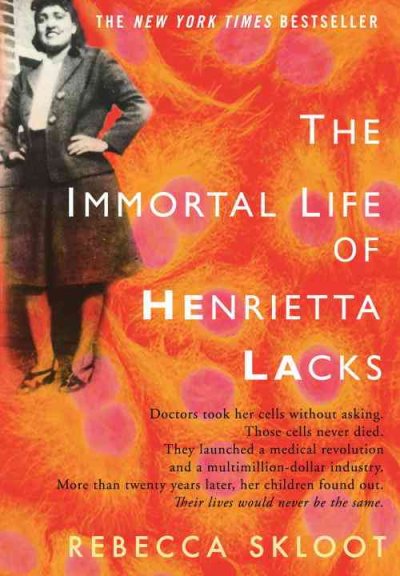
The Immortal Life of Henrietta Lacks

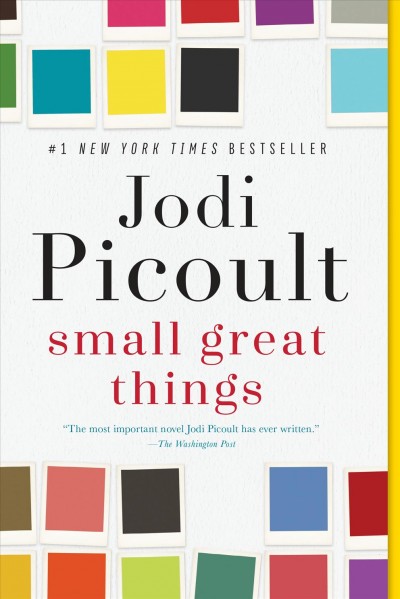
Small Great Things

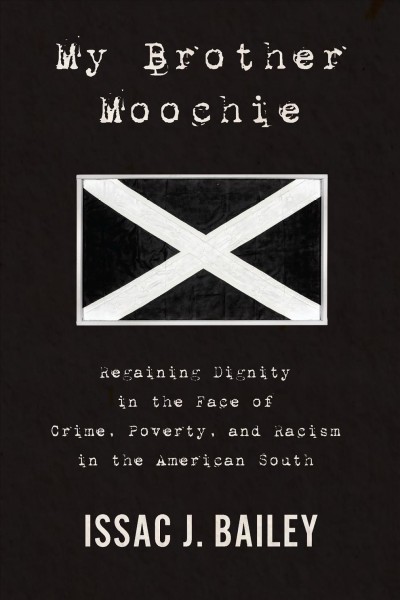
My Brother Moochie

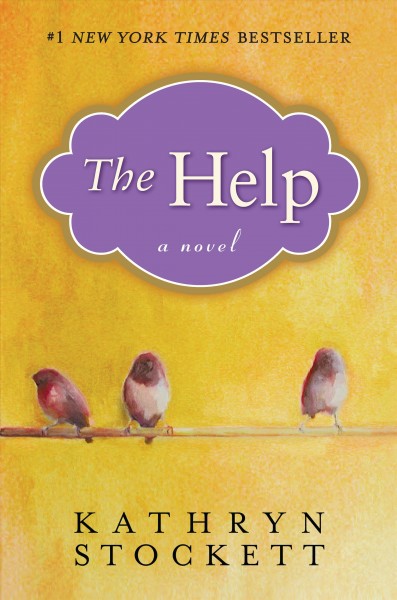
The Help

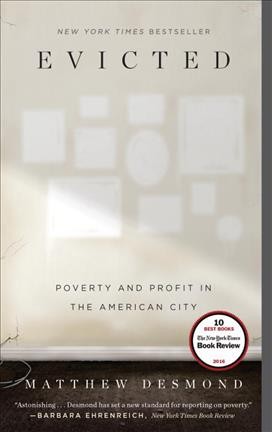
Evicted

Native Son

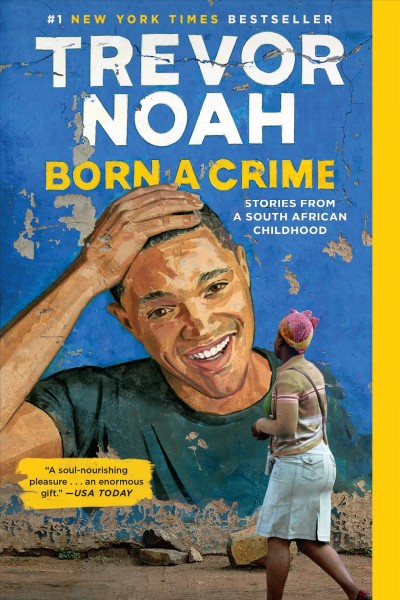
Born a Crime

Sing, Unburied, Sing

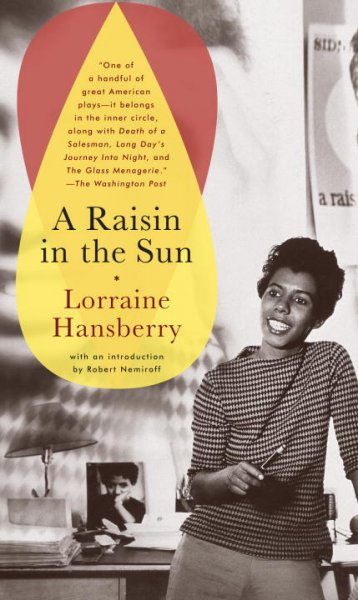
A Raisin in the Sun

Long Way Down

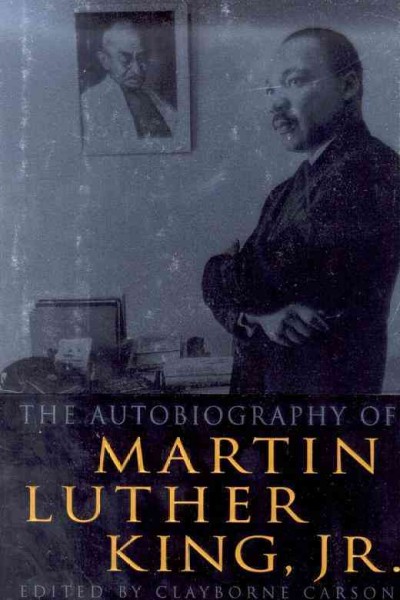
The Autobiography of Martin Luther King Jr.

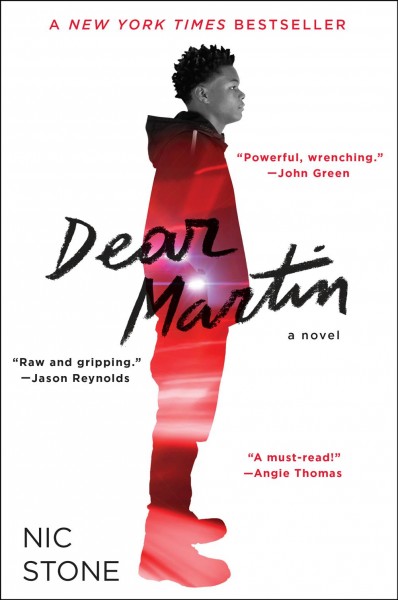
Dear Martin

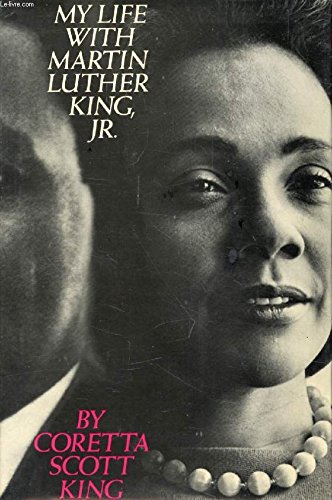
My Life With Martin Luther King Jr

Survival Math

How We Fight for Our Lives

Meet the New Head of Adult Services!

Lauren Gledhill is the new head of Reference and Adult Services at Cheshire Public Library, following the retirement of Bill Basel last July.  Many of you may already know Lauren from the children’s department, where she’s been CPL librarian for several years, keeping watch over much of the children’s media selections. If you haven’t met Lauren before, come on downstairs to the Reference Department and get to know her!

Lauren got her Library Degree from the Dominican University in Chicago, a big change from the rural Pennsylvania area she grew up in. Cheshire certainly falls between the two!

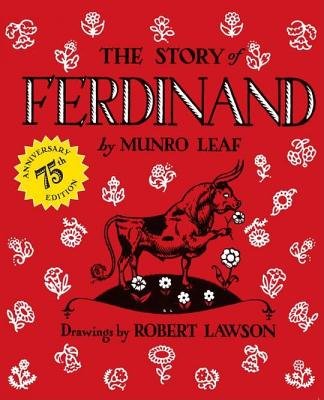
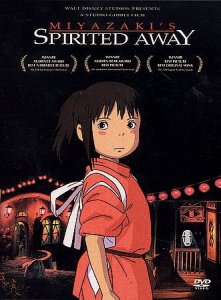
Children’s Librarian to Reference Librarian is a big change.  What does she prefer to read?  Lauren likes horror, graphic novels, and non-fiction science. Her favorite book as a child was Ferdinand the Bull. If you haven’t read it, Ferdinand is a sweet classic children’s story from 1936 about a bull who prefers to smell flowers rather than fight in the bullring – and not surprisingly was banned as subversive by both Hitler and Francisco Franco!  Today, Lauren’s favorite author is Barbara Kingsolver. Her favorite movie? She loves Spirited Away, the animated feature by noted Japanese director Hayao Miyazaki. Given the chance, she much prefers to listen to audiobooks over print. (Did you know that audiobooks alone make up almost 10% of Cheshire’s offerings?).

Librarians often get the chance to meet world-famous authors at book expos and conventions. Two authors Lauren would love to meet are Neil Gaiman, the multi-award winning author of tales such as Sandman and Coraline, as well as Hugo-award winning author Ursula Vernon, who also writes under the pen name T. Kingfisher. (I hate to mention it, Lauren, but Neil was a guest at Noreast Con 4 the year I went. If I remember right, he emceed the Costume Call.)

Lauren promises to bring new and exciting ideas to the Adult Services Department, so stay tuned and keep checking back to see what’s up!

Shifting Dunes

When it comes to epic book series impossible to film, first came Lord of the Rings, (which was done marvelously at last but needed more than 10 hours of screen time).

Then came Dune.

Dune, by Frank Herbert, is considered the best-selling Science-Fiction novel of all time (though it’s far more Game of Thrones than space ships), with more than 12 million copies sold in 14 languages. It tied for the 1966 Hugo Award. And like Lord of the Rings, getting it to film is a Holy Grail of filmmakers.

Dune tells the far-distant-future story of Duke Leto Atreides, who is given the stewardship of the desert planet Arrakis, also known as Dune. Dune is the only place in the universe where the spice Melange exists – a spice that not only can alter your mind, in some species it lets them fold time and space, creating almost instant space travel. “He who controls the spice, controls the universe.” Thus, Dune is a hotbed of politics and backstabbing. When the Duke is murdered, his son Paul, deemed an abomination by a powerful religious group, is seen as a prophesied savior by the natives of Dune. So begins the battle for control of Dune. The book is an immersive, detailed, visionary epic of grand scope (there’s a dictionary in the back). When you read the book, you are on Dune. This is a book that sticks with you for years to come.

Herbert wrote five books to the series; his son Brian added another twelve after his death. Dune – even just the first installment – is a novel of such grand scope (like GOT and LOTR) that putting it to film has been almost laughable – think of Rankin Bass’s 90-minute adaption of The Hobbit. Game of Thrones took 8 years and more than 73 hours to tell – can you imagine it as a three-hour theater film and have it make sense? It was tried in the 70’s, but after 3 years of attempts, the budget just couldn’t be managed. In 1984, David Lynch did make it, condensing much of the book to ethereal voiceovers, changing major points to condense action, and adding some now-cheesy early computer effects (the blue contacts of the Fremen didn’t work, and every frame of the film had to be colored by hand). It’s a film you either love or hate, with musician Sting as Feyd Rautha famously flexing in a winged bikini.

In 2000, SyFy channel did two Dune mini-series, which were much better received, won several awards, yet seemed to fade into obscurity faster than Lynch’s version, with the chief complaint it stuck too close to the source material, and dragged. Now, thanks to Warner Bros and HBO, we have a $165 million dollar spectacle by Denis Villeneuve that covers – only half the book, with a sequel (hopefully the second half) due in 2023. 

While the film has been viewed favorably, the scenery and cinematography spectacular, Villeneuve took many liberties with the material that once again changes the focus and depth of the story. To modernize it, he gender-swapped characters (which goes against the society Herbert wrote) and changed the roles of other women (no, the Bene Gesserit. He left out much of the religious aspect, the mysticism, even avoided the word jihad, used by the Fremen. It gives a sanitized, whitewashed view of the story, afraid of offending anyone. Herbert believed that modern societies will always decay back to a feudalistic society, and that the desert cultures, especially those of the Middle East, were more prone to messianic complexes and religious wars (remember, he’s writing in 1964 or so, when the Middle East was still rather bland politically. Think Star Wars and Tatooine, or The Great Humongous in Road Warrior, etc. There’s a lot to be said for that theory). To remove the root of the story – is it still the same story? Can anyone ever make a decent, book-abiding video version of Dune?

If you can’t wait for the new film to come out on DVD (or, rather, the first half of the book), check out the book series itself. Few things are better than the source material.

I can give up Sting in his bikini (though I thought he was a perfect Feyd), but there is no better Gurney Halleck than pre-Captain Picard Patrick Stewart. That’s my opinion, and I’m sticking to it!

Dune

Dune Messiah

Children of Dune

God Emperor of Dune

Heretics of Dune

Sandworms of Dune

Dune: House Atreides

Dune: House Harkonnen

Dune: House Corrino

Dune: The Machine Crusade

Dune: The Lady of Caladan

The Winds of Dune

The Sisterhood of Dune

Paul of Dune

Mentats of Dune

Navigators of Dune