Solar Punk/Lunar Punk

Blame Cyberpunk.

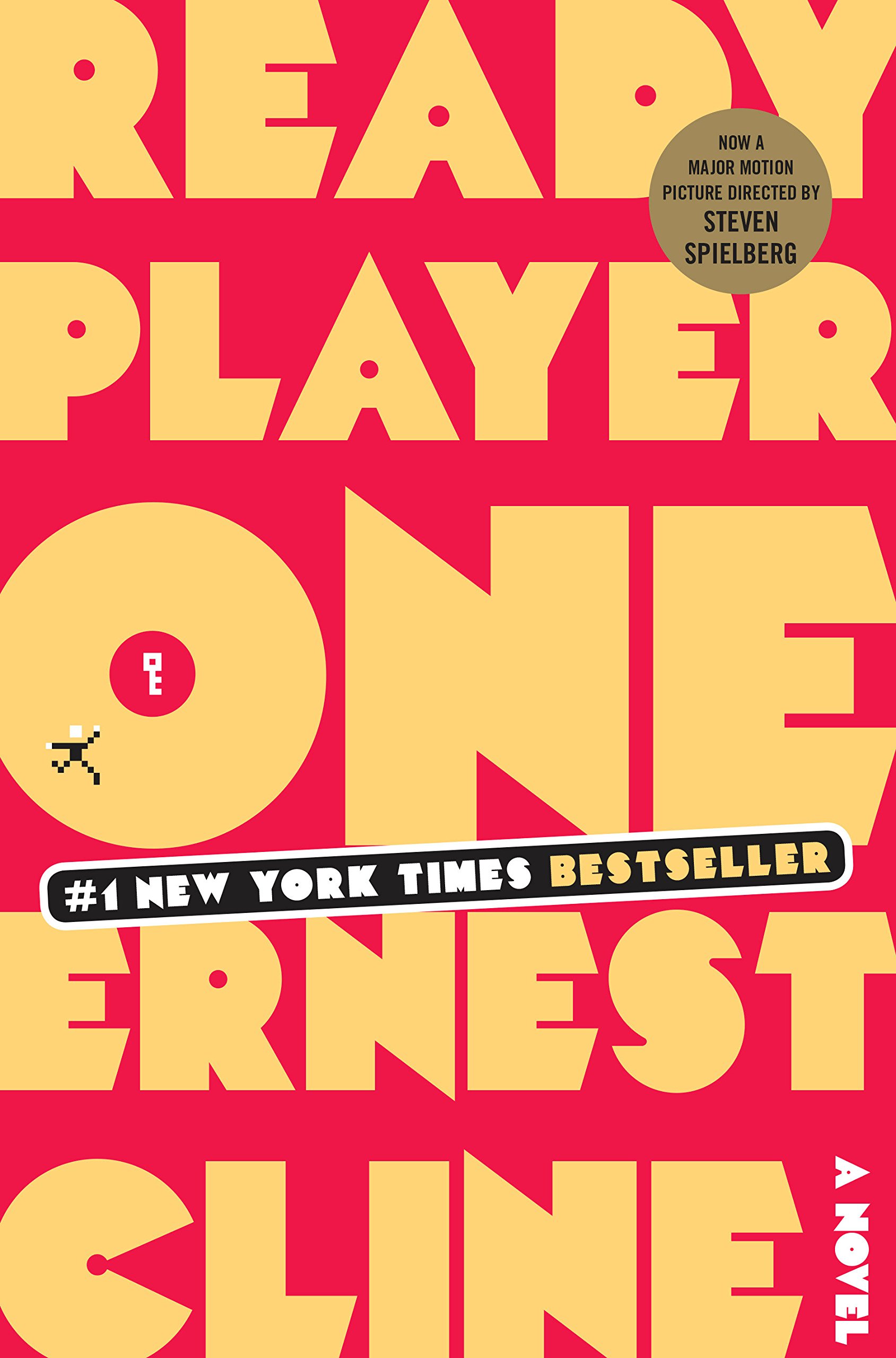
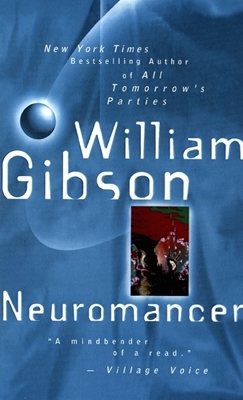
The novel Neuromancer is credited as kicking off the Cyberpunk genre. You may not have heard the term, but you probably know it  – a dark blend of high-tech in a crumbling dystopian world where the poor get poorer and the rich have all the technology – think Bladerunner, Ready Player One, Alita: Battle Angel, Real Steel, Elysium, Guardians of the Galaxy, even Hunger Games and Divergent (you could make a serious argument for Star Wars, as well). They’re gritty, dark, and sometimes disturbing, and paint a not-so-nice view of the future, with emphasis on classism, violence, famine, and a disturbing police state. 

Steampunk is also a well-established fantasy genre, carrying on as if the gasoline engine never materialized and the world was stuck in 1890 and using steam power and copper pipes for everything. They’re wildly imaginative and adventurous – check out Chris Wooding, Boneshaker by Cherie Priest, or Richard Preston Jr., or movies such as Chitty Chitty Bang Bang, League of Extraordinary Gentlemen, or The Golden Compass, among others.  

Since then, just like music has a thousand nitpicky subgenres (Simpsonwave, anyone?), fiction has also fractured into microgenres. Most are so nitpicky they’re pretty much covered under larger categories, but two more are becoming increasingly prominent: Solar Punk and Lunar Punk (Punk seems to be a word thrown in because someone is going against the establishment). Never heard of them? Neither have most people, but the genre is growing and defining itself.

Solar Punk is a backlash against all that dreary doomsday cyberpunk. Solar Punk is full of hope and ecology. Everything is green spaces, clean power, civil rights, encompassing communities, anti-establishment, and personal choice. Renewable energy, harmony with nature, and spirituality are key themes. Solar punk is a view of the future where everything finally does work out, a world where everyone benefits from the progress of mankind, because they’re all in it together. If steampunk is Victorian, Solar Punk is art nouveau. Think Star Trek, The Disposessed by Ursula LeGuin, Ectopia, by Ernest Callenbach, Dune by Frank Herbert, Disney’s Tomorrowland, and Black Panther (is anything more Utopian than Wakanda?).

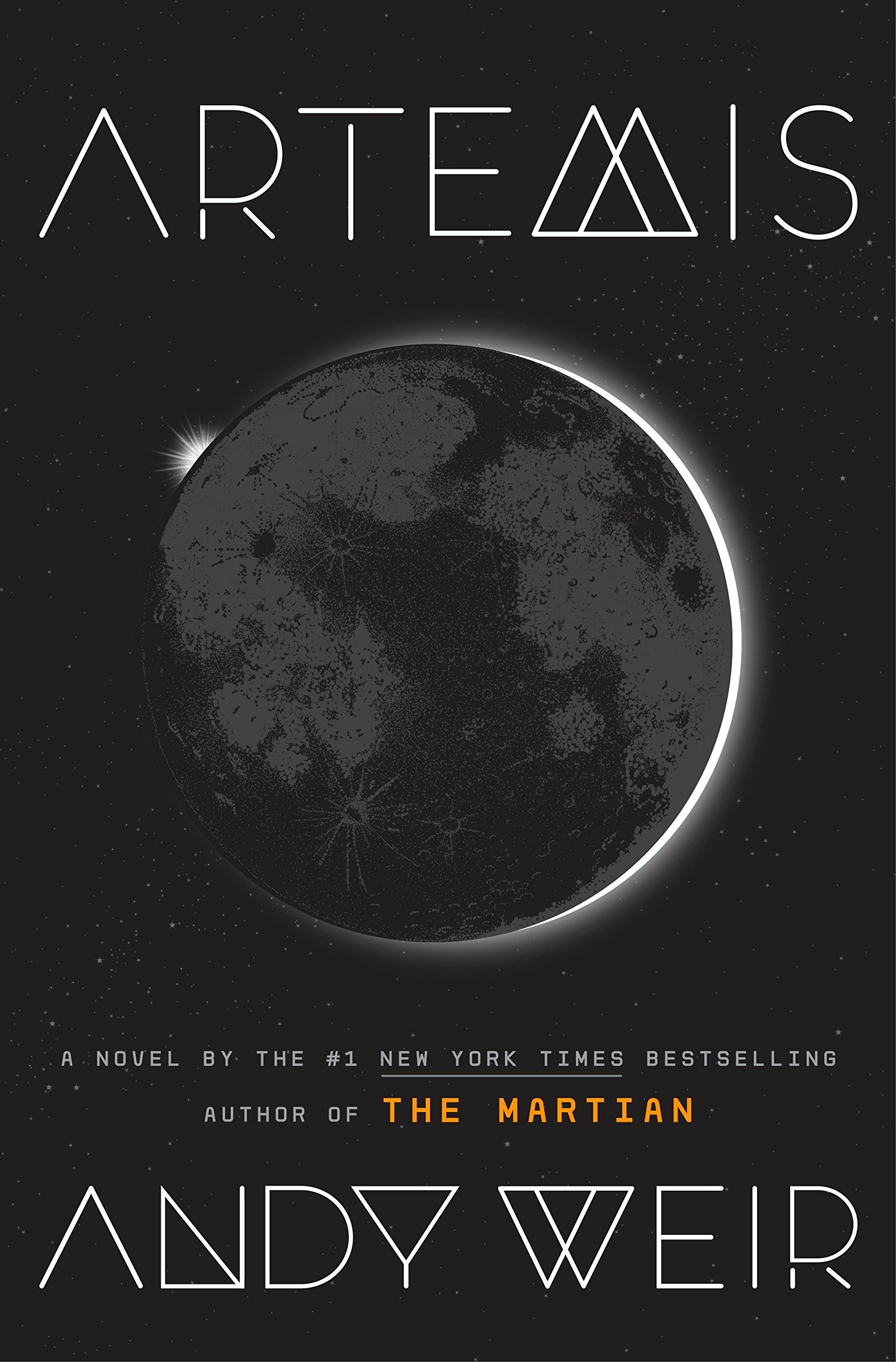
If Solar Punk is all bright lights and butterflies, Lunar Punk is Solar Punk when the sun goes down. It’s moths and the twinkling of fireflies. It’s night-blooming lilies instead of sunflowers. It may be dark but it’s not dreary, like your backyard party at night, with fairy lights everywhere. Lunar Punk often deals more in mysticism, spirituality, magic, and the occult. Their flowers are mushrooms, their light is moonlight, their colors are the blues and purples and silvers of twilight. They have no solar, so they use bioluminescence. Individuals are more important than the communities they live in. The movie Avatar – the world of the Na’vi – exemplifies Lunarpunk. Still utopian, still upbeat ecological fantasy, but out of the bright sunlight. Andy Weir’s Artemis can fall into this category. Many Anime series can fall into these categories.

Solar Punk and Lunar Punk are often categorized together, both supporting the same type of ecologically based, optimistic utopian fantasies, a genre that is growing to match our current promises of renewable energy and inclusive societies. Many of the new teen novels have been exploring the genre. They are the generation who has grown up with recycling, solar chargers, zero-emission footprints and Bald Eagles back in the wild. For them, Solar Punk could very well be the future. Check out some of it today!
What the Stars Read

Do you ever wonder what the movie and TV stars read?

After too long a break, I traveled once again to a multi-media convention in the Baltimore area as both a panelist and guest, giving me unique opportunities to learn about books, movies, television, actors, and other forms of popular media.

Among the topics discussed were the interactions of cyberpunk (tech-heavy stories) and the modern world, stories that cross genres and copyright laws (Is there anyone Scooby Doo didn’t meet? Why is there a Terminator in Wayne’s World?), trends in speculative fiction (Lunarpunk, anyone?), and more. And those were only the ones I was able to attend.

The best part of such gatherings is meeting the guests of honor. Guests can change at any time due to filming schedules or illness (Robert Duncan McNeill was replaced at the last second by John Billingsley, a phenomenally entertaining actor in person, due to McNeill testing positive for Covid), but there are always a number of interesting people making appearances. This year, among many outstanding actors, the guests included Adam Baldwin (Firefly, Chuck, The Last Ship) and Summer Glau (Firefly, Sarah Connor Chronicles, Sequestered, Arrow), and I was able to speak with both of them.

Summer Glau has put acting on the back burner for the moment as she home-schools her children. She herself was home schooled due to an overriding love of ballet, and thus was able to pursue dance more in depth with the flexibility of home schooling, though she admits there are gaps in her learning. I asked her who her favorite authors were, and what she likes to read. Glau is a fan of Steinbeck, especially East of Eden, as well as the classic Russian novelists like Tolstoy, and of course Jane Austen. She prefers her children have a more classical education, and that includes classical literature. She’s been reading books on farming, with daydreams of someday having a small farm (she is originally from Texas).

Adam Baldwin was a delight (No, he is no relation to Alec Baldwin and brothers). At 23, he appeared in the classic Kubrick film Full Metal Jacket, which is one of my favorites, and we discussed different war films we had each seen. He told me to watch The War Machine with Brad Pitt, I told him to watch 9th Company, an excellent Russian film about their 1980 invasion of Afghanistan. We talked about the WWI epic 1917. Baldwin admits he never made it to college, going into acting by the age of 18. His favorite authors? He likes reading Michael Crichton‘s best sellers such as Congo and Sphere, as well as Tom Clancy, and classic Stephen King, such as The Shining. By his own tale, he informed Stanley Kubrick that his film adaption of the The Shining was not as good as the book, which didn’t put him into Kubrick’s favor (Stephen King has been rather vocal on how much he himself disliked the film, despite it being ranked among the greatest horror films of all time).

In public, actors are always answering questions about their work, things they’ve done or would like to do, or nitpicky trivial questions about a single line of dialogue from decades ago that they can’t remember. Finding out what they like to read is a question they haven’t heard a thousand times, and brings out different aspects of the person behind the tabloid reports. Actors are more than just the roles they play, and finding something in common with them reminds us that off camera, they are people just like us!

Bridging the Gap

Bridge Books.

No, not books about bridges. Bridge Books are those that carry a child over from picture books to early chapter books.

Picture books are often beautifully illustrated and tell a story a young child can relate to. The picture holds their interest while they process the story about the picture. The elaborate illustrations can fire their imaginations and make them howl with laughter. No one expects a preschooler to read them by themselves.

But by the age of four or five, the simplicity of a picture book story may bore a child. They want more, but sitting and listening to a long story with no pictures is also not the solution. Enter the Bridge Books, short, easy-to-follow stories that are more involved, but still full of captivating drawings and pictures that keep a child’s attention. Like a picture book, no one expects an emergent or new reader to read these books on their own, but they provide a deeper and longer story than a picture book, and it’s no stretch to finish a chapter or two before bed every night.

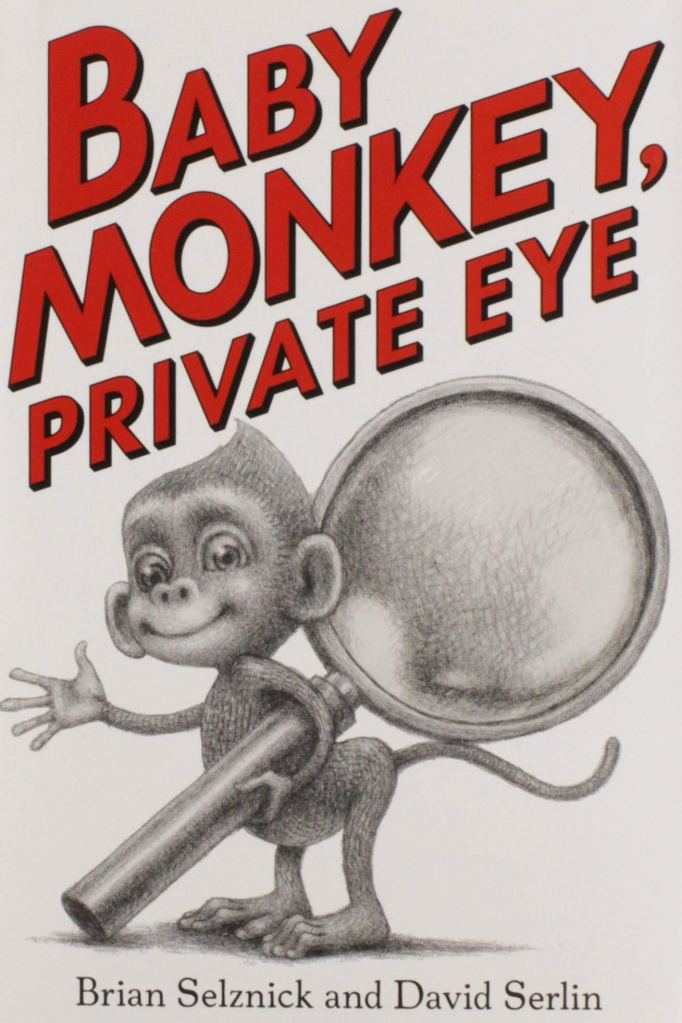
Bridge books come in a wide range of abilities for both the very beginning reader and the more advanced. Perhaps the very first one to start with is Baby Monkey, Private Eye, by Brian Selznick. My four year old couldn’t get enough of Baby Monkey, and still loves to carry the book around, even though she can now decode the words. Baby Monkey, though shelved in with the graphic novels, is the perfect first reader – simple repetitive words, very short sentences, and full illustrations which are loaded with easter eggs. From Baby Monkey we went right to Selznick’s more famous story, The Invention of Hugo Cabret, which is much longer but just as beautifully illustrated with pictures that capture the imagination – and ties into actual film history that you can find on YouTube for added bonus. The movie version of the book, Hugo, is just as wonderful.

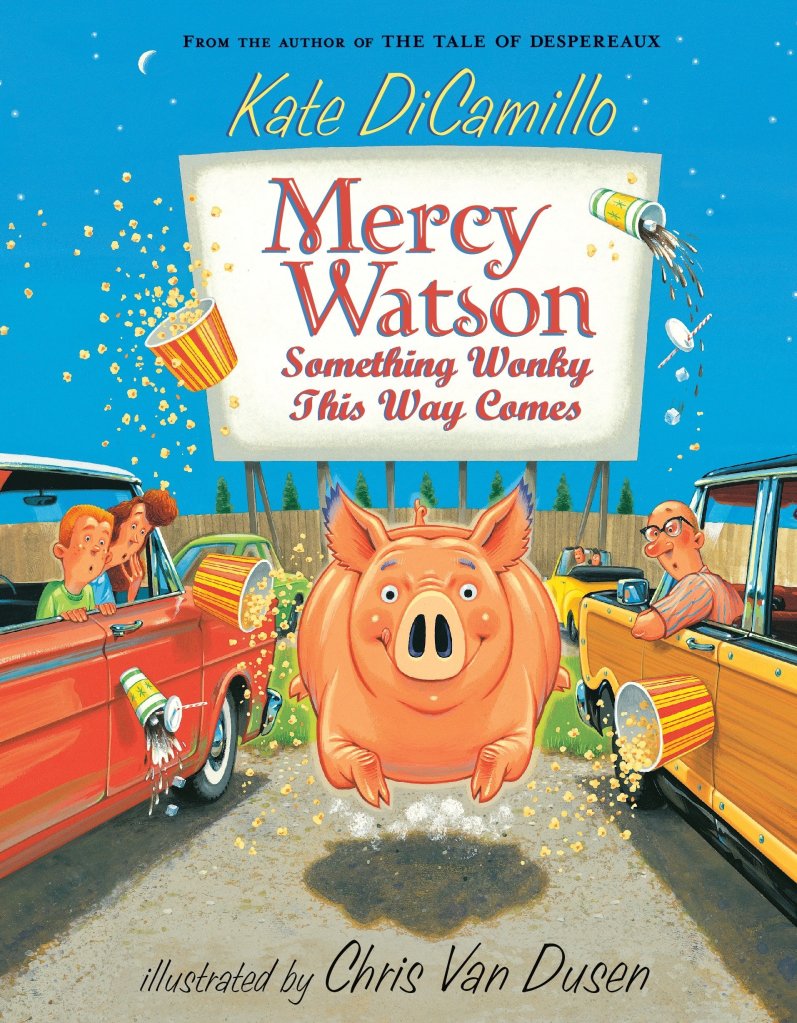
Every child learns and processes information differently, and there is a bridge book for almost every type of learner. Some have color illustrations as clear as a cartoon, others well-rendered pencil drawings, to simple outline drawings or comic-book style artwork. Some are in full-color, others just black and white. Some have illustrations on every page, others every 2-3 pages. If your child is bored by one, let them choose the style of illustration they prefer. As always, nudge your child to go a little deeper into the story – can they predict what will happen on the next page? What would they do instead? If they were best friends with the character, what would they tell them? Draw a picture about the story. Make some toast for Mercy.

For early reading practice, give your child easy readers such as Elephant and Piggie by Mo Willems, Dr. Seuss, or Pete the Cat, but for lengthening that attention span and jumping to the next level of story depth, check out these series of early Bridge Books to read with your child. The picture content is large and frequent, and unlike some of the more advanced bridge series, will not leave you weeping from unbearably painful story lines and prose (You know I’m talking about you, Purrmaids). You might just find yourself sneaking a read on your own!

Short Stuff

I’d like to read more, but I don’t have time to read a long, involved story.

There’s a solution for that. It’s called a short story.

 Short stories are those that can be read in under an hour – often not more than 5,000 words (beyond 7,500 is called a novella, and they are often published alone in little books, like Stephen King’s The Shawshank Redemption,  J.A. Jance’s The Old Blue Line, or Shirley Goodness and Mercy by Debbie Macomber) and they are often grouped together in anthology volumes, anthology meaning, literally, a collection of stories, the same way a CD album is a collection of individual songs.

Short stories are an art form of their own, still carrying the same structures of their longer novel cousins (plot, themes, metaphors, etc) but in a very short package. Some are complete stories (think of Ray Bradbury’s All Summer in a Day, or Shirley Jackson’s The Lottery) while others might just give you a slice of life, a few hours in the life of an individual with no clear beginning and no clear end, leaving you to wonder what might come next (some stories by Anton Chekhov, or Ernest Hemingway’s Hills Like White Elephants). They can be happy or sad, comic or dramatic, or full of irony (The Necklace, by Guy de Maupassant). Sometimes an anthology might consist of short stories on a single theme (love, loss, westerns, adventure), or they could be a mix of anything. And the beauty of an anthology is you can read one or two stories, or the whole thing, depending on your time and interest.

But short stories don’t carry the same weight as novels.

Of course they do! Many writers are known more for their short stories than for their novels – Alice Munro is considered one of the premier short story writers, having won the 2013 Nobel Prize for Literature in part for her short stories. Ray Bradbury is another prolific short-story writer, not quite horror, not quite science fiction, not quite fantasy, just imaginative. His philosophy was to write one short story a week, because out of 52 short stories, you were bound to have three or four that were really good. Short stories are easier to sell, if not to anthologies then to magazines – many a writer got their start in The New Yorker, Collier’s, or Atlantic, let alone Good Housekeeping and Readers’ Digest. Some of the most popular authors – Isaac Asimov, Dashiell Hammett, and Raymond Chandler – carved their name writing for pulp fiction magazines.

Short stories don’t always stay short, either. Many popular films started out as short stories – The Secret Life of Walter Mitty (published in The New Yorker) (Did you realize this one takes place in Waterbury, Connecticut?), All About Eve, 2001: A Space Odyssey, The Curious Case of Benjamin Button, 3:10 to Yuma, Shawshank Redemption, Minority Report, Brokeback Mountain, Rear Window, Total Recall, and many, many others.

A little story can go a long way. If you’re pressed for time, check out the stories in these collections, and more!

Best Short Stories of Jack London

Ray Bradbury Stories: 100 of His Most Celebrated Tales

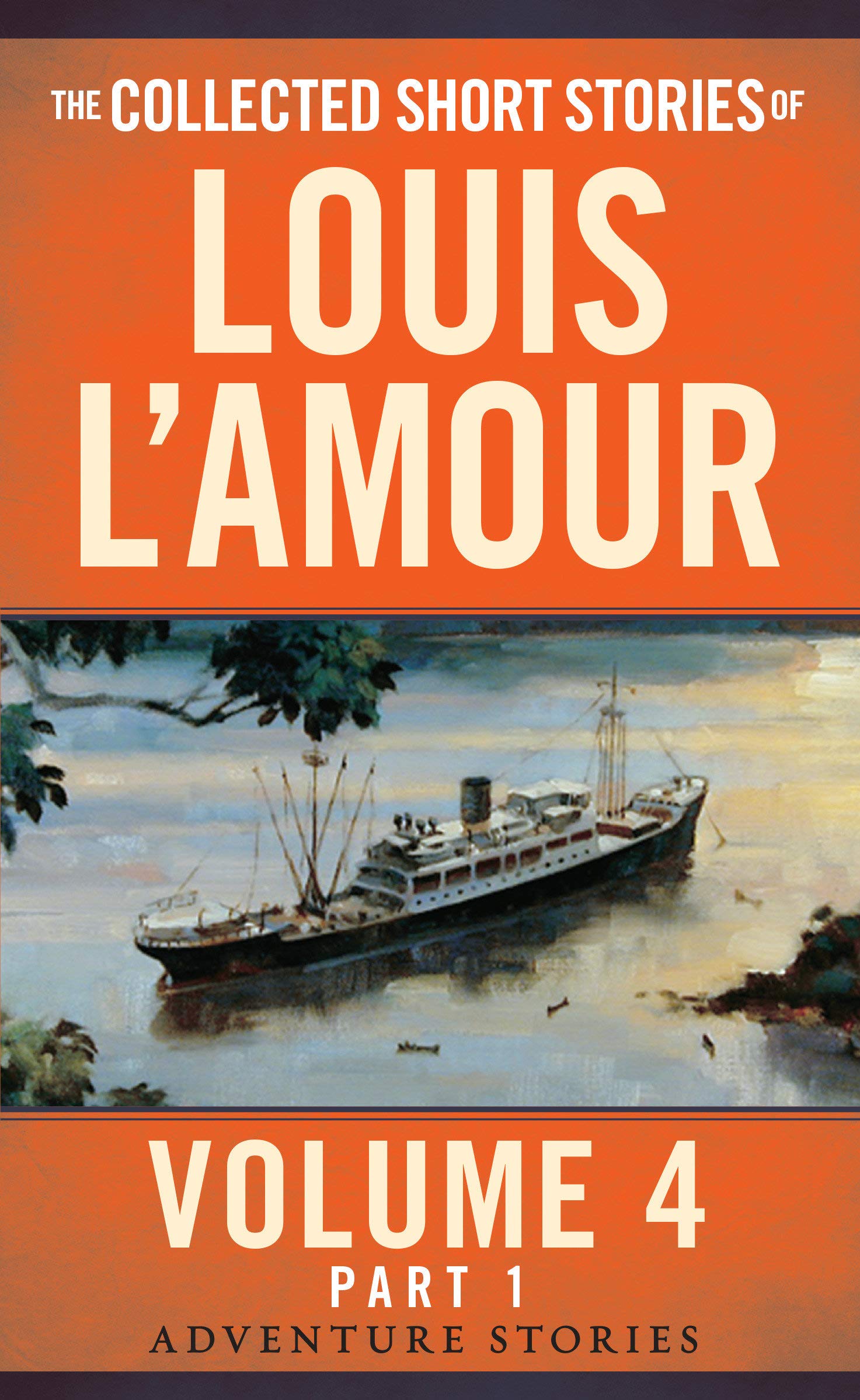
Collected Short Stories of Louis L’Amour, Vol. 4

Children of the Night: Best Short Stories by Black Writers

Dancing Through Life in a Pair of Broken Heels

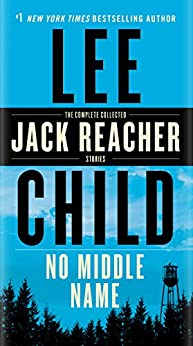
No Middle Name: The Complete Collected Jack Reacher Short Stories

Beautiful Days

Amish Front Porch Stories

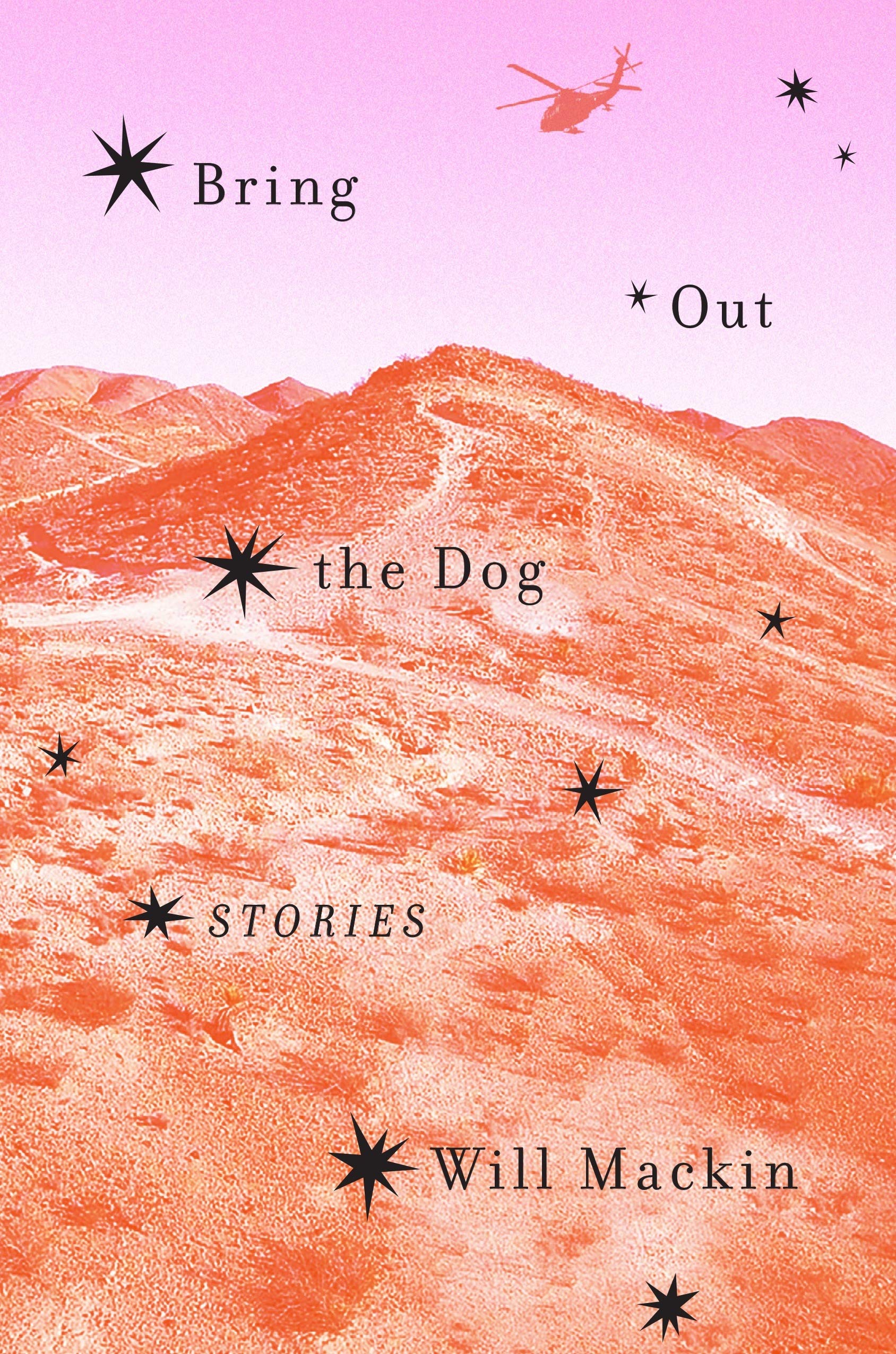
Bring Out the Dog: Stories

Complete Stories of Edgar Allen Poe

Cutting Edge: New Stories of Mystery and Crime by Women Writers

20th Century Ghosts

Yacht Me On the Water

Yacht Rock? What the daylights is Yacht Rock?

Chances are you’ve heard it, and maybe even liked it. Yacht Rock is a music subgroup (yes, another) that focuses on the soft rock/jazz fusion/easy listening sound that was found on FM stations from around 1975 to 1984. It’s the kind of music you might expect to hear on a yacht as you cruise around the southern California coast, music that often evokes themes of sailing, or escape to somewhere else – songs like Rupert Holmes’s Escape (The Pina Colada Song) or Christopher Cross’s Sailing.

Yacht Rock, of course, can trace its roots back to The Beach Boys and surf rock, but more directly is the result of J.D. Ryznar’s comedy web series Yacht Rock, which ran in L.A. back in 2005. The show imagined the lives of the real yacht rock stars as a group of friends hanging out and writing music as they lounged around Marina del Rey, and it brought back all the music. Yacht rock emphasizes the Southern California sound, and almost all of the musicians were working from California (the exception being Hall and Oates, who stayed in Philadelphia).

Like anything subject to opinion, there’s always an argument to be made if something belongs in a category or not (and there’s “Classic” yacht rock and “Newer” yacht rock, which expands the genre). Myself, I don’t see Foreigner (too heavy) or Billy Joel (too pop) as part of that scene, but they are included under “newer.” Certainly, many artists have at least one song that could be included. Generally speaking, yacht rock is defined by:

  • Strong production and direction
  • Electronic piano
  • Breezy, light lyrics
  • Light emotions – she left you, but that’s okay
  • Emphasis on melody over beat
  • Catchy tunes
  • Too often full of syrupy sincerity
  • Upbeat rhythm (sometimes termed “The Doobie Bounce”)

Often the song is about a heartbroken man, and the words fool or foolish are thrown around (The Doobie’s What a Fool Believes, Steve Perry’s Foolish Hearts, Elvin Bishop’s Fooled Around and Fell in Love). Many of the songs are about sailing (Chris Cross’s Sailing, Crosby Stills and Nash’s Southern Cross) or the thrill of an escape (Little River Band’s Cool Change, Robbie Dupree’s Steal Away, Toto’s Africa).

You can say various resurgences in music are caused by films (Queen’s Bohemian Rhapsody hit the charts four times, twice from the films Wayne’s World and the biopic Bohemian Rhapsody) or television (Kate Bush), or sometimes social media drives a song (Rick Astley’s Never Gonna Give You Up), or Baby Boomer (and now Gen X) nostalgia, but the swelling of yacht rock popularity since 2015 (both IHeart Radio and Sirius XM have Yacht Rock stations, and Amazon Alexa will also tune in) is often attributed to a desire to escape from the negativity and stresses of the last several years. Yacht rock is calm and upbeat, evoking a sunny carefree day of lounging on a yacht gently swaying on the water, a fresh breeze ruffling your hair, not a care to be had. Your girl left you? Your job went sour? Your town on quarantine? Don’t let it get you down. Come on, we can steal away and find something better.

Yacht Rock is the highlighted music feature for July. Check out songs by these and other soft rock/jazz musicians: