Save Your Memories

In December of 1983, we didn’t have internet. We barely had personal computers – a 256k machine cost $500, and you had to program it yourself. You couldn’t just save to disk, you had to format the darned thing before you could even use it. Video tape machines cost $600, and DVDs were still a dream. We were on the cusp of the CD player, but the real world still ran on cassette tapes. 

I was no different, with a cassette tape built into my stereo, eagerly recording songs and programs off the radio as they played live. Yes, we still listened to live radio programs back then, whether Casey Kasem’s American Top 40 Countdown, or Radio Mystery Theater, or, on Sunday nights, Dr. Demento, the leading program for off the wall parody and novelty music.

What’s novelty music? Novelty music is a humorous song that doesn’t fit in any other category but entertainment. You know it well. Alvin and the Chipmunks is novelty music. Barnes and Barnes’ Fish Heads. The Purple People Eater. The Monster Mash. Itsy Bitsy Teeny Weeny Yellow Polka Dot Bikini. Steve Martin’s King Tut. Anything by Tom Lehrer or Weird Al Yankovic. While it’s a serious industry with all the requirements of mainstream music, and such songs can hit high on the pop charts (The Monster Mash hit #1), novelty music isn’t considered “serious” music. 

On that Sunday, it was the Christmas edition of Dr. Demento, and I threw a cassette in the player and hit record, because, back then, Grandma Got Run Over by A Reindeer was just a basement tape on Dr. Demento, it hadn’t gotten a contract yet. Weird Al wasn’t mainstream, and hadn’t gotten permission from the Kinks yet to record his Lola parody Yoda. On that tape, I happened, by luck, to record a song that in the history of radio may only have been played one time. It was a “bonus” track to fill space, and it was the only time it ever appeared on Dr. Demento. It hasn’t even been uploaded to his website. And it is one of my absolute favorites of underground tapes. In the era of the cold war, that song scared the living daylights out of me.

Cylent Night, by the Scrooge Brothers, tells a short story of the start of World War 3 to the tune of Silent Night, while air raid sirens start in the background and grow slowly louder. Off went the bomb at a quarter to three/ It’s the end of you and the end of me….  Have that hit you out of nowhere when you’re listening to the radio at 10 at night in your basement. In 40 years, I’ve never forgotten a line. And I just happen to have that song on tape. 

But cassette tapes are fragile things. They demagnetize. They fade. They tangle. My very rare basement tape has been bouncing around drawers and basements for 40 years. So what did I do? With the equipment at the Cheshire Public Library AV Studio, I very easily threw that cassette into the player and transferred that song to digital Media. Now I can store it digitally, share it with other Dementoids and Dementites who have never heard it (if you didn’t hear it live, you truly never heard it), even send it back to Dr. Demento. 

We all have those things kicking around our homes. Media changes so rapidly, from reel to reel tapes to 8 Track to cassette to CD to memory stick. We all have Grandma’s vacation slides of the Old Country, with relatives no one ever met. Dad’s wedding videos. That old LP you have that’s never been released on CD (or singles, like Rolf Harris’s Two Buffalos, which Bob Steele used to play on WTIC-AM). Your personal video of MTV’s top 100 countdown of 1985, when music videos were short stories of their own. You can transfer all of them to digital media, right here.

Beware, though – transfers occur in real-time. If you’re planning on transferring that 12-hour MTV countdown, it’s going to take 12 hours to put it onto digital. You might want to do it over a few weeks. But that LP? 40 minutes, you’ll be done.

Call (203) 272-2245 ext. 61245 to schedule an appointment at the AV Studio!

Movie Magic

When we talk about the powerhouses of music, we think of The Beatles or Michael Jackson or Reba MacIntyre or Beyonce, among others. People who have multiple-decade careers, whose very touch seems to turn to gold, who sell records just walking down the street. Everyone knows their name.

So if I said, Guess which musician has won four Oscars, four Golden Globes, seven BAFTAs (the British equivalent of the Oscar), 25 Grammys, was Knighted by Queen Elizabeth even though he was born in Queens, and has had 52 Oscar nominations – second only to Walt Disney, who would you pick?  Someone with a net worth of between $300 million and $50 billion, depending on how many assets you count?

Would you believe it’s composer John Williams?

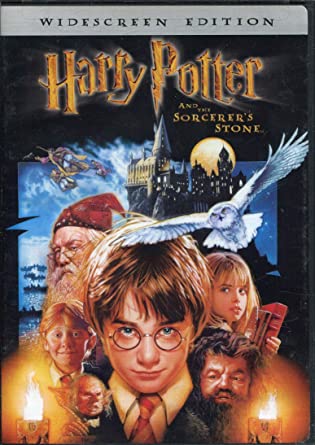
Williams, who is 91 and still going strong, has a Master’s touch when it comes to composing music, and he’s written more film and television music than you realize. An alumni of the prestigious Juilliard School, Williams’ career has spanned more than six decades, and he’s written the scores for everything from the pilot of Gilligan’s Island and Lost in Space  to Schindler’s List (his fifth Oscar for score).  Although he didn’t write the music or win the Oscars, Williams played piano for the score for Bernstein’s West Side Story. His scoring of Jerry Bock’s music for the film adaption of Fiddler on the Roof won him his first Oscar. That iconic Jaws DA-dunt, DA-dunt that scared everyone from the water, won him his second. Spielberg then recommended him to his buddy George Lucas, who needed a composer for the movie he was working on. Star Wars became Williams’s third Oscar, a soundtrack among the most widely recognized music in history, and remains the highest grossing non-popular music of all time (interactive fun fact: you can dance the Macarena perfectly to Darth Vader’s theme music. Go ahead. Try it.). Williams went back to Spielberg for his fourth Oscar – the soundtrack to E.T.  Harry Potter? Yep, Williams wrote that. Superman? Home Alone? Jurassic Park? The Post? Sometimes, it seems as if a movie is destined for greatness if Williams writes the score.

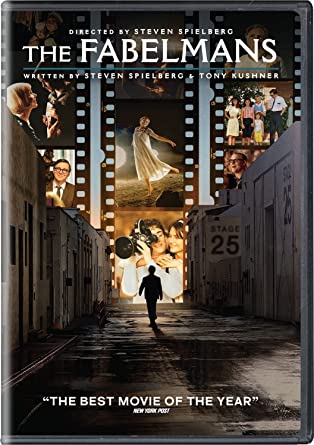
March is Oscar month, and this year John Williams is the oldest Oscar nominee for the score to Spielberg’s The Fabelmans. So cheer for Williams on March 12, and in the meantime, check out one of his dozens of utterly amazing scores on the following films:

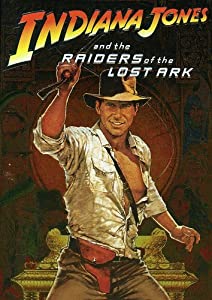
The BFG / Star Wars / Raiders of the Lost Ark / Schindler’s List / ET / Jaws / Harry Potter and the Sorceror’s Stone /

Superman / Jurassic Park / Saving Private Ryan / Towering Inferno / Close Encounters / Hook / JFK /

Memoirs of a Geisha / Minority Report


Learn a Little, Live a Little

Do love learning? Do you dream of taking college classes, but the cost and the time is too much? Are you taking a high school or college class and struggling to understand the material?  Did you cut your cable, and can’t find anything decent to watch anymore?

Fear not! The Great Courses are here!
Cheshire Public Library has always had a handful of these delightful media, but through a generous donation, we’ve been able to greatly expand our holdings to more than 70 titles.

What are the Great Courses?  Professional college-level lectures on audiobook or DVD on a variety of topics, given by actual college professors and experts (like Neil DeGrasse Tyson!), that will give you the equivalent of an entire college class in the comfort of your car or living room. Some come with study guides and questions to think about, but you will never have a test or a grade at the end!

The Great Courses was the brainchild of Thomas M. Rollins, the former Chief Counsel of the US Senate Committee on Labor and Human Resources (1985-89). Inspired by a 10-hour video lecture series he watched as a student at Harvard Law, he set about creating his own video series under the business label The Teaching Company. He recruited professors to record lectures on topics people were interested in learning about. Because the lectures were chosen by customers, they caught on quickly. There are currently more than 900 lectures available in a wide variety of topics. Some are short – four hours – while others (like the Civil War) can run to 14 discs.

Great Courses are expensive – that Civil War set is more than $500 to purchase yourself, but in 2016 the company began a $20/month streaming service, and then in 2021 rebranded itself under the name Wondrium. Wondrium not only offers more than 280 of the Great Courses, but also content from Magellan TV, Craftsy, and Kino Lorber, which carries art films, documentaries, world cinema, and classic films (silent films like Metropolis, Charlie Chaplin, and more).

If you don’t feel like yet another subscription to a streaming service, check out the library’s offerings downstairs in the adult department. We have more than 30 titles on DVD, and more than 35 on audiobook for learning on the go. As Fat Albert used to say, “If you’re not careful, you may learn something!”

Did you know that if you’ve already studied the material, you can often exempt a college class? It’s called the CLEP program – College Level Examination Program.  Basically, if you can pass the exit exam for a class, you can get college credit for that class. Not every school offers it, not every class is covered, but if a Great Courses lecture can help, you can save several hundred dollars!

Check out these great titles and more!

Some of our Audiobook titles:

Ancient Greek Civilization

Beethoven’s Sonatas

Books that Have Made History

Broadway Musicals

The New Testament

Italian Renaissance

Native People of North America

Rise and Fall of the British Empire

Some of our DVD titles:

The American Civil War

Einstein’s Relativity

Monet to Van Gogh

When Rome Ruled

Photography

The Louvre

Geology

Human Language

The Vikings

A Cheesy Holiday

There are only 365 days in a year, but it seems as if there are a million “holidays” assigned to them, some of them bordering on ludicrous (National Ask Your Cat a Question day?). 

January 20 is National Cheese Lovers Day. January 2 was also National Swiss Cheese Day, which, all things considered, must make it a truly Holey Day.  (Yes, that was cheesy).

Swiss Cheese is actually a misnomer. Any cheese made in Switzerland is considered a Swiss Cheese. What Americans refer to as a “Swiss Cheese” is actually an Emmental cheese that contains “eyes” – trademark holes caused by gasses created during manufacture. The more holes, the more taste, with a curing time of 6-18 months to achieve its creamy flavor. An Emmental cheese without holes is sometimes called a “blind” cheese. Over the years, the holes in Swiss Cheese (as we know it) have gotten smaller, making manufacturers wonder if the holes aren’t caused by particulate matter getting in the cheese – tiny bits of hay or detritus that get in the milk, aiding in the production of gas. Modern sterile manufacturing eliminates those contaminants, not giving the gasses something to bond with. Emmental, Emmenthal, and Emmenthaler are all correct names for the cheese.

Many foreign foods are trademarked – Champagne is only Champagne if it comes from the Champagne region of France, otherwise it’s a sparkling wine. Roquefort Cheese can only come from Roquefort (or it’s a Blue Cheese). Bourbon can only come from Bourbon County, Tennessee, otherwise it’s just whiskey. Gruyere lost its trademark name in the US, with the courts deciding that Americans don’t know the location of the cheese, only the taste of that style, no matter the manufacturer. Thus, Swiss Cheese – er, Emmental – can be made anywhere, including Wisconsin. A good Swiss doesn’t have to come from Europe, which makes the price more palatable.

Have you ever thought of making your own cheese? Many of them are rather simple to make  (cottage cheese takes just three ingredients – milk, salt, and vinegar, which replaces the old-fashioned rennet from the cow’s stomach), and all of them will be fresh without chemical preservatives. It’s easier than you think! Unlike canning, mistakes aren’t likely to kill you. Try it as a winter project – you might just discover a new (and tasty!) hobby!

And just to prove that cheese makers aren’t as uptight as you might think, check out this study, where Swiss researchers exposed ageing cheeses to different forms of music (Hip Hop, Stairway to Heaven, and Mozart’s Magic Flute opera). They used mini transmitters to conduct the energy of the music directly into the cheese, so that no energy was lost. (No, I’m not making this up) The cheese was eventually blind-taste tested twice, with similar results each time. The hip-hop exposed cheese was decided to be markedly fruitier and with a stronger taste. The question arises, then, what happens to cheese if you use Swedish Death Metal, or perhaps Raffi?

Check out these instruction books for doing your own experiments with cheese. Your choice of music is up to you!

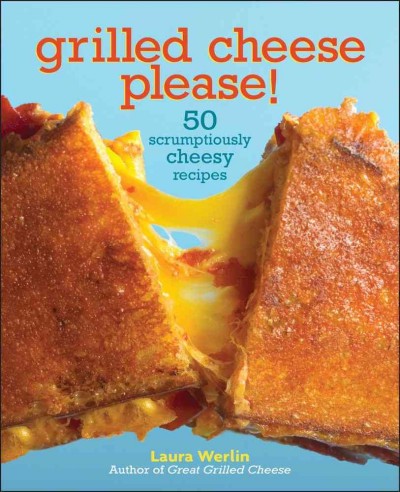
Grilled Cheese Please!

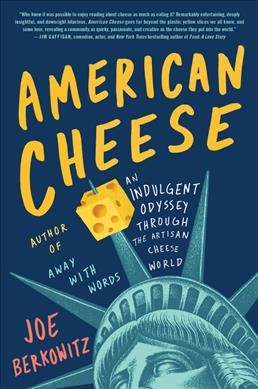
American Cheese

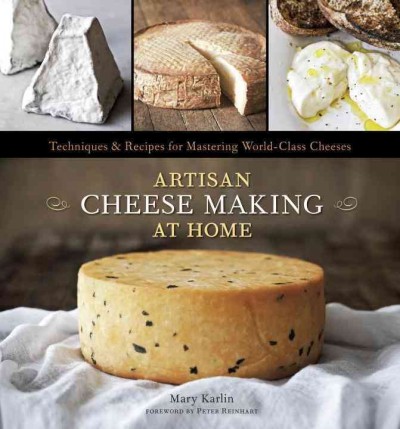
Artisan Cheese Making at Home

Home Cheese Making

The Whole Fromage

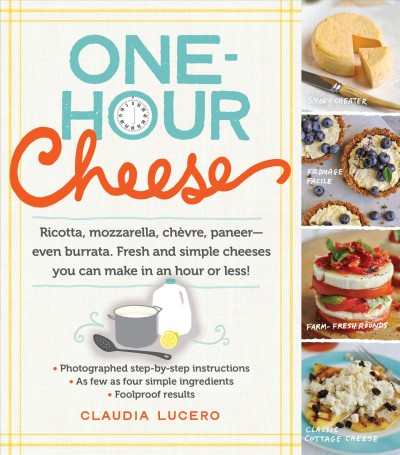
One Hour Cheese

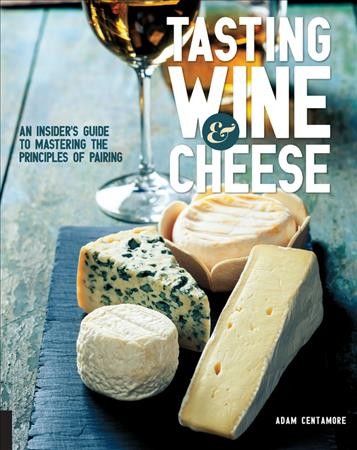
Tasting Wine And Cheese

The Telling Room

The Living Daylight

The Earth turns at roughly 1,000 miles per hour, making one revolution toward the east every 24 hours. Obviously, the sun can’t be on both sides of the planet at once, and if you’re trapped in Vladivostok you’re not going to have the same amount of daylight as Denver, or even Moscow. Because of that, the Earth is divided into roughly 38 local time zones to account for it (those Pacific Islands don’t always fit neatly in a zone). Time is counted from Greenwich Mean Time, running through London. Connecticut is in the Eastern Time Zone, which is Greenwich time minus 5 hours (Midnight in London is 7 pm in Hartford – think back to all the TV shows of newsrooms with multiple clocks showing times in other countries.)

And just when you think it’s safe to call your friend in Italy, we get hit with Daylight Savings Time. DST is something everyone dreads, turning the clocks ahead one hour to somehow “gain” more daylight hours (the sun and Earth don’t actually change, and can’t give more light than they do). Everyone gets lost, from trying to remember when you’re supposed to turn your clocks forward or backward, to losing an hour’s sleep, to a sudden massive shift in your hours of light. This year, we turn our clocks back to Eastern Standard Time on November 6.

So why do we even bother? Some states don’t do it. The majority of the world doesn’t do it (only 70 countries do). Why do we torture ourselves? It wasn’t always this way. And no, it’s never been about farmers, or kids going to school.

The idea of stretching usable daylight hours (because people would rather stay up later than get up an hour earlier for the same amount of light) actually began in Prince Edward Isle, Canada in 1908. It lasted a few months, and then they were done.

The second try came in 1916 in Germany, trying to conserve fuel during the war (back then it was the only war). Other countries soon followed. The US didn’t jump on the bandwagon until 1918 – and even then we only did it for 7 months before repealing the act (i.e., the war was over). We tried it again in 1942-45 (war again), and then it was fairly random between states until the 1966 Uniform Time Act. In 1973, we stayed on Daylight Savings Time for a full year (I don’t remember this) due to the great Oil Embargo, when fuel was expensive and hard to get (I do remember the gas rationing. No, really. We did that, here in the US.) but then we went back to Eastern Standard Time. 

If we hate changing clocks, why do we still do it? There’s overwhelming public support for stopping it. Changing time – and all its demands – does a job on our bodies. Consider that in the week following the leap to Daylight Savings Time:

Fatal traffic accidents increase 6%.

Heart attacks increase 24%

Strokes increase 8%

Depression increases 11%

People with cancer are 20% more likely to have a stroke

There are increases in drug use, digestive and immune disorders, injuries, and complications in pregnancy and delivery. 

There is a very real effect on people when you mess with time – let alone the poor airlines trying to track their speed and landing times when Denver is on savings time but Phoenix isn’t, but tomorrow it changes. 

In 2018, Congress introduced The Sunshine Protection Act . It was slated to take place in spring of 2023. We’d go on to Daylight Savings in the spring and just never come off again, no more switching. It passed the Senate, but is still stuck in the House, and still hasn’t passed yet.

To minimize the effects of time changes:

  • Keep your regular sleep habits
  • Get outside in the morning to reset your inner clock
  • Reduce caffeine, alcohol, and blue light (phone use!) two hours before bed
  • Exercise in the morning
  • Call your representative to see what’s holding up the bill!

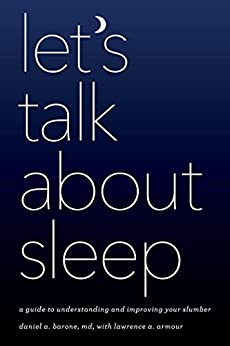
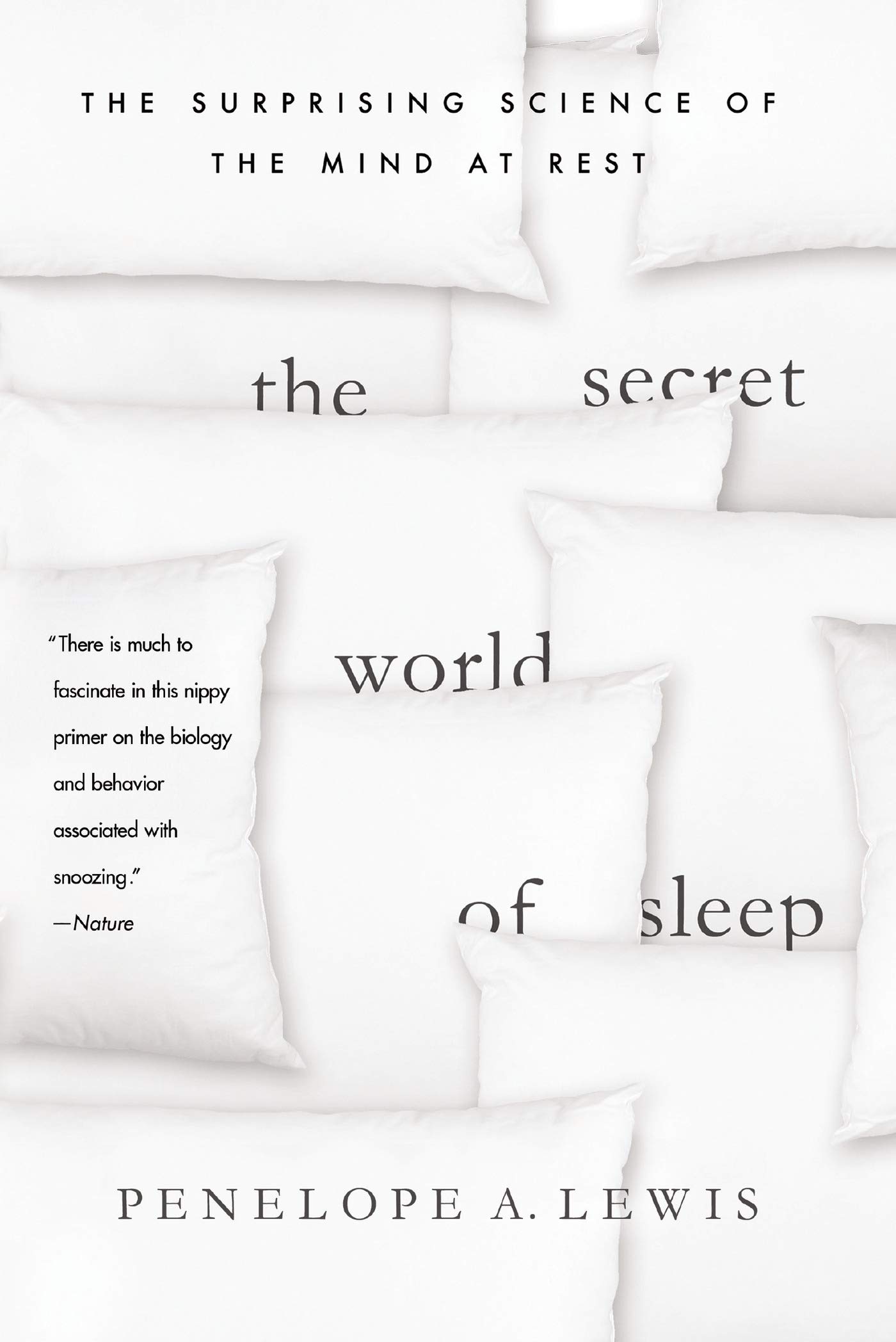
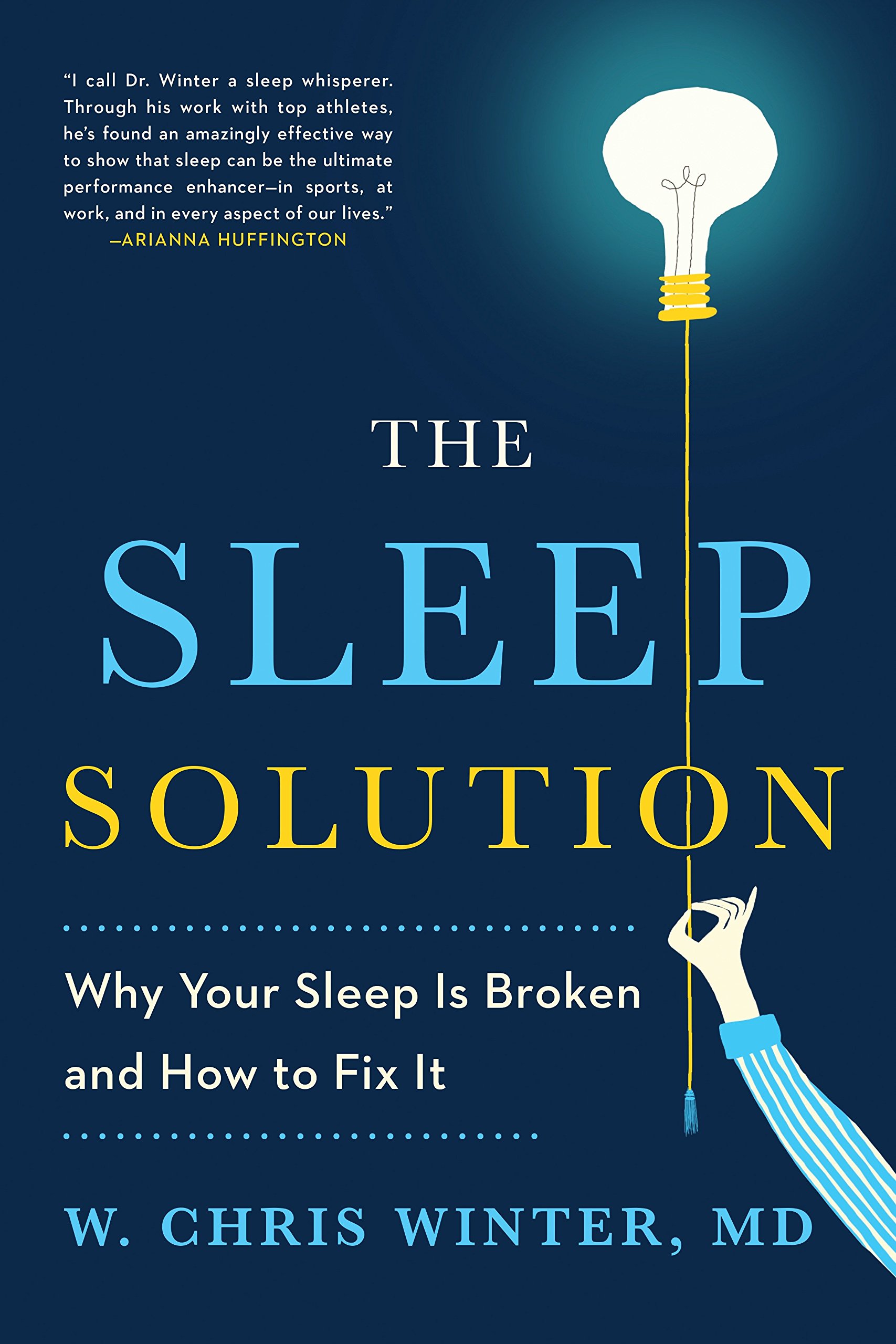
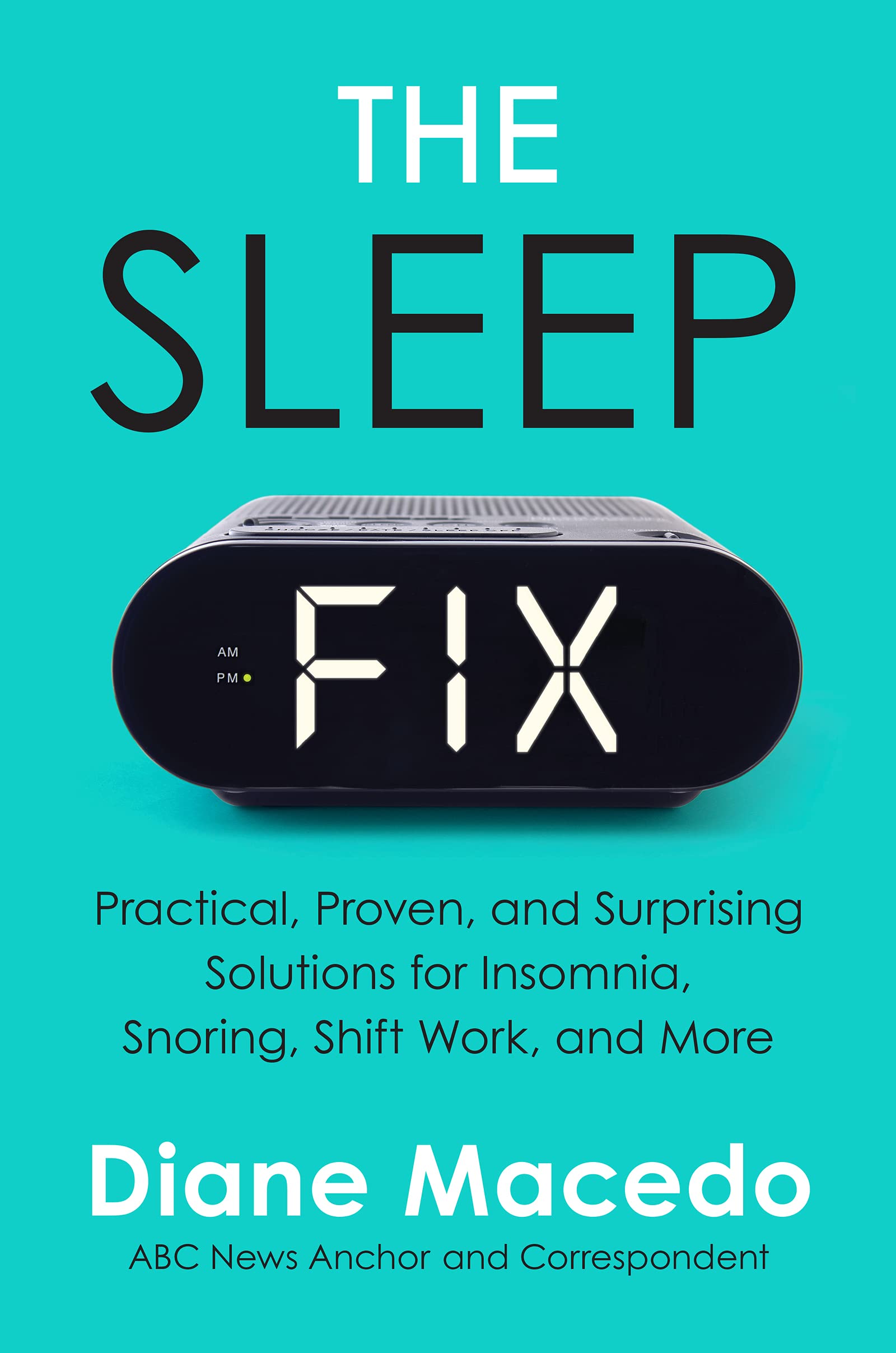
While you wait for Congress and figure out how to change your car’s clock yet again, check out these books on maximizing your sleep!

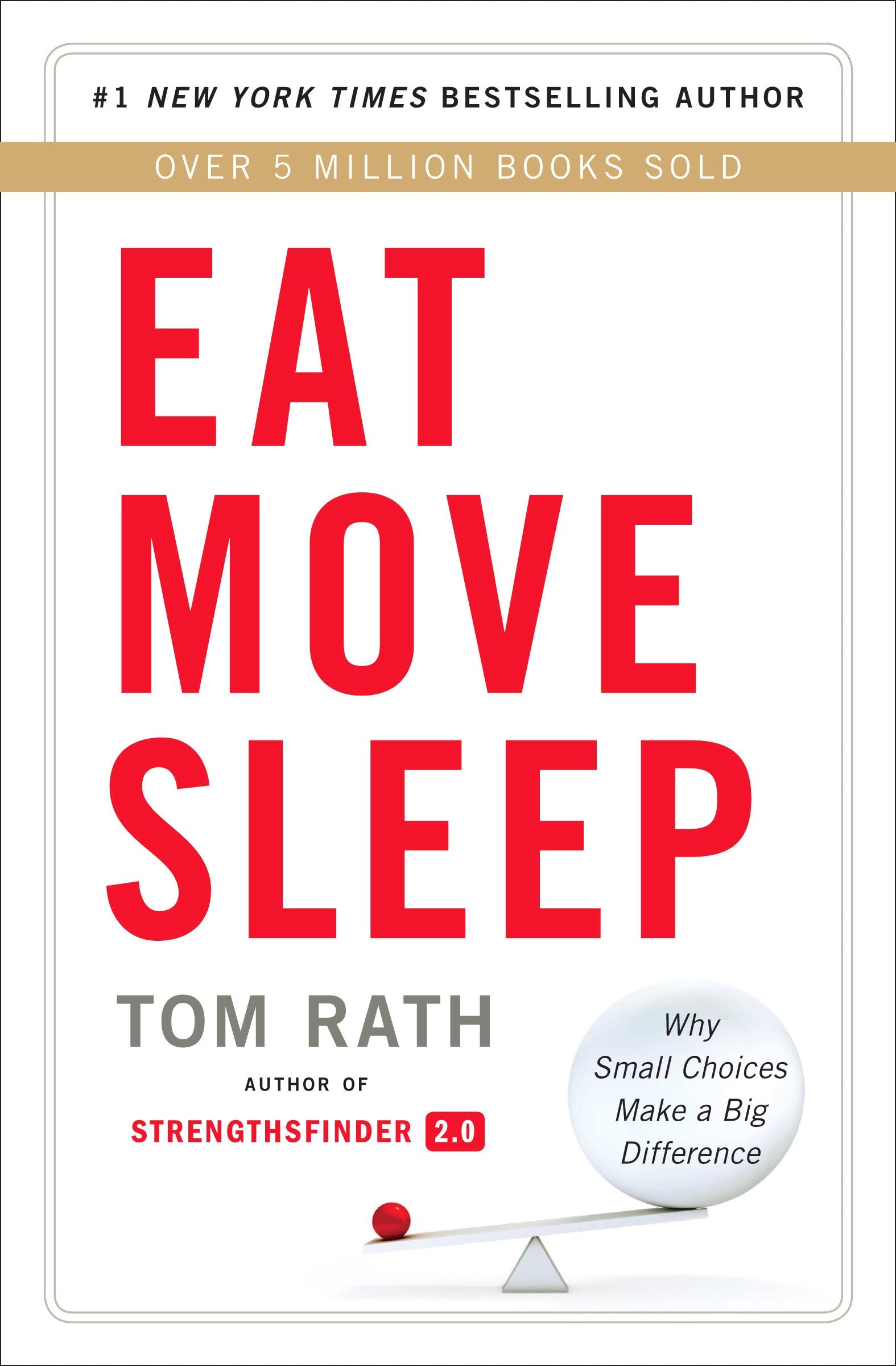
Eat Move Sleep

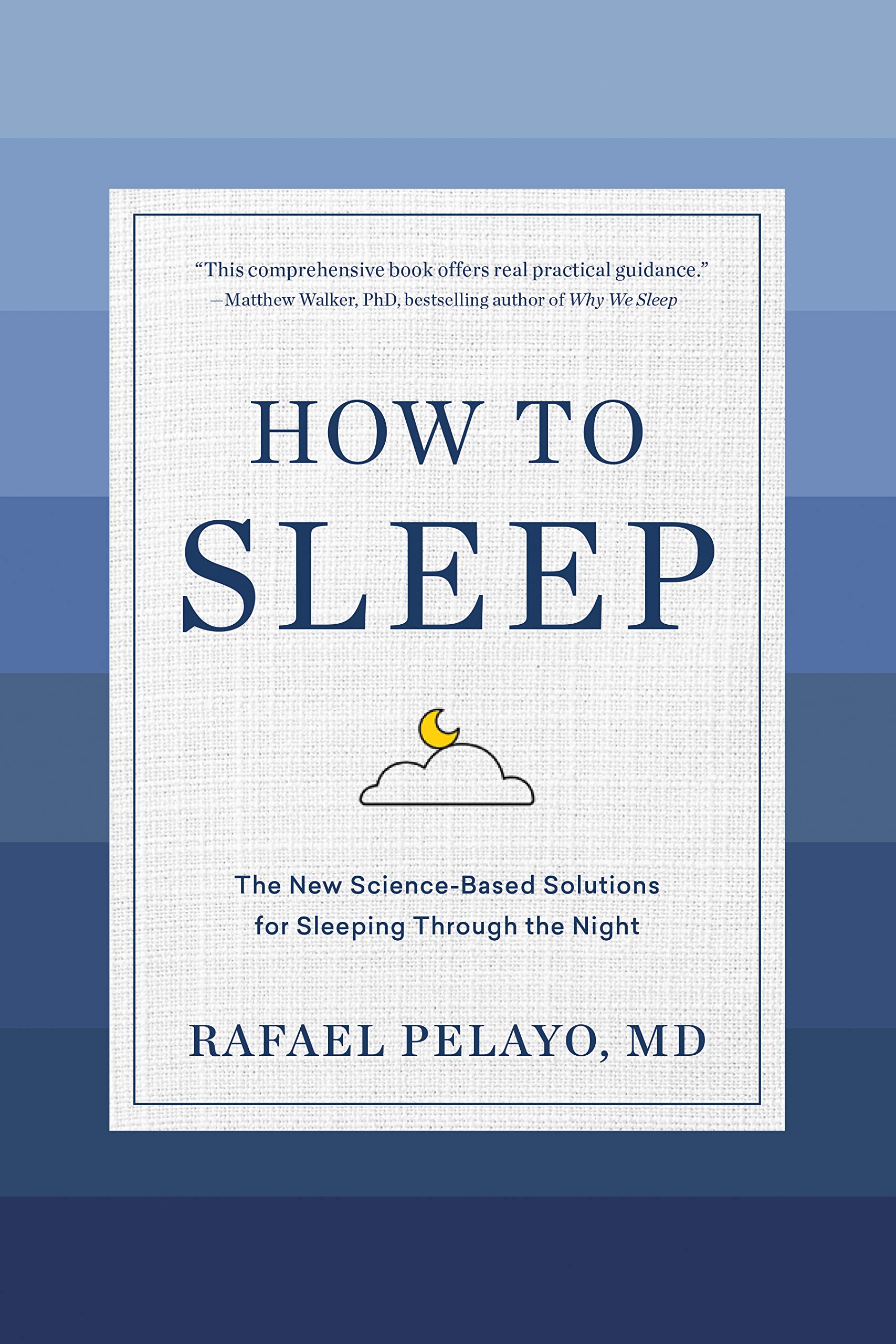
How to Sleep

Let’s Talk About Sleep

The Secret World of Sleep

The Sleep Fix

Sleep Smarter

The Sleep Solution

Why We Sleep