 Have you given anything a Bechdel test? Have you ever heard of the Bechdel Test?
I’d never heard of it either (and I went to a women’s college!) until it popped up on an internet group I belong to, and I had to look it up.
The Bechdel test (or Bechdel-Wallace test) is a measure of representation of women in fiction. It first appeared in Allison Bechdel’s 1985 cartoon strip, Dykes to Watch Out For (I didn’t name it) commenting on films, brought on by a quote from Virginia Woolf, in that women in fiction might sometimes be mother and daughter, but rarely are two women friends in literature. Almost always, women were viewed by their relationship to men – wanting a man, chasing a man, depending on a man, chasing off a man, etc. (Hence Jane Austen, “It is a truth universally acknowledged, that a single man in possession of a good fortune, must be in want of a wife.”). Real women in real life talk to other women about more than just men (even if it’s only about their cat or dog).
Therefore, Bechdel gave three commandments for films to be considered women-friendly (and by default, TV and books):
- It must have at least two women in it (preferably with names)
- Who talk to each other (preferably for at least 60 seconds)
- About something besides a man
And the off-hand comment in a sarcastic lesbian cartoon strip surged until it’s become an almost a standard metric for the industry.
Seems pretty simple, right?

Various groups have researched more than 8000 films, and concluded that 42-50% of films cannot pass the test, and half of those that do pass do so only because two women are discussing marriage or babies. Being a female-oriented show about women does not mean the film or program can pass the test. Even female-cast TV shows such as Sex in the City don’t pass, because almost all the discussion is about men. Big-budget female-lead action films such as Lucy or Atomic Blonde or Salt fail, because the secondary characters are almost always men – there are no other women. Star Trek, which broke many TV taboos, can’t pass the test – there are many women, and they talk quite a bit, but almost never to each other. Lost in Space had three women trapped in a tin can together, and they almost never spoke to each other for more than one or two lines, occasionally. Firefly, for its very brief run, hits the mark more often than not. Okay, I Love Lucy wins for most realistic female friends ever, as does Gone With the Wind, thanks to Miss Melly, so time period is not a decisive factor. We haven’t necessarily gotten better with age, despite feminism.
Not passing the Bechdel test does NOT make a film bad, nor does it make it not worth watching. Not every movie is going to center around women – Dunkirk, for example, a splendid movie about a specific battle in World War II. Women were just not involved in that. Stand By Me – a magnificent story of four young boys on a quest. Girls aren’t in the story, and if you skip this movie because of that, then you’re missing one of the best American movies. Nor is every film required to pass the Bechdel test. Casino passes two of the three qualifications, but women are mistreated throughout the film. Inclusion is just that – inclusion, not a judgment of how women are treated by the story, not a judgment of female competence, not a judgment of feminism (Gravity, with a female astronaut who saves the day, can’t pass the test, though The Martian, with a male lead, does). A woman may love a movie that can’t pass the test, and a man can certainly love a film that does. Movies of every genre pass or fail; there is no specific type of film to look for.

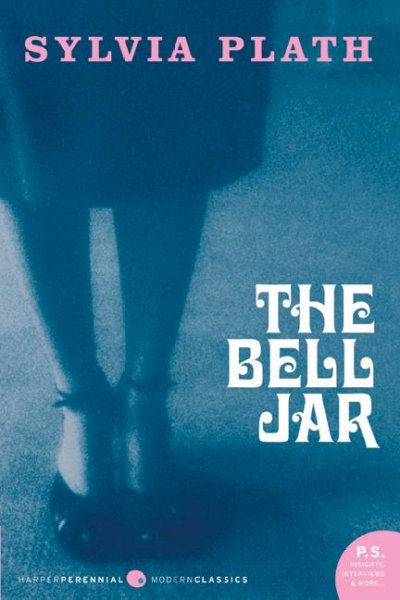
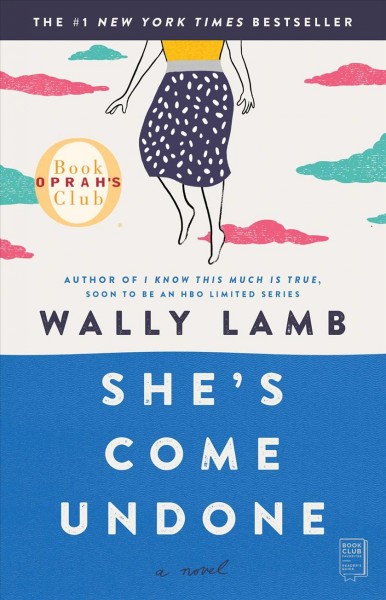
All the Bechdel test does, really, is point out films in which women – a full 50% of the population – are a larger focus of the story, and even if they aren’t, they’re portrayed as real, well-rounded people who speak to each other about real subjects, even if it’s about burning a roast, not just love-starved buttercups who are nothing without a man. So, if you’re on the lookout for films that show women – important or background characters – in a more realistic light, here are 15 various films that do pass the Bechdel test:







 Our first exposure to tornadoes is often watching
  Why the US? When we talk of “tornado alley,” we usually mean a massive stretch of flat land in the center of the country, from Colorado to Pennsylvania, and from Texas to the Canadian border. This is where the majority of tornadoes are born. Can they occur anywhere? Of course they can – CT has had memorable destructive tornadoes (such as the EF1 that wiped out Sleeping Giant in 2018) as well as Florida, Nevada, and Portland, Oregon. Pennsylvania holds the record for the only F-5 tornado east of the Appalachians – that’s winds of 300 mph.
 Why do tornadoes form? Thunderstorms form when warm, moist air (such as from the Gulf) collides with cool dry air (such as comes down from Canada). When the two fronts meet, warm air rises up through the cold, creating storms. If the winds start to rotate in the process, a tornado is formed. Spring is when the warm air starts coming north from the Gulf of Mexico, colliding with the cold Canadian fronts, setting up a highway for storms until summer’s heat chases the cold air back north.
 I’m no gardener. Sure, I have flowers all over my yard, I grow enough vegetables to bother canning, but I consider that a miracle of nature, not anything I do. I throw some plants in the ground, and if they’re lucky I remember to water them in the heat of summer. If they’re REALLY lucky, I may actually fertilize them. The only thing I try hard to remember to keep fertilized is my tulips, because my soil is two steps shy of toxic, and tulips like sunlight and fertilizer, and my tulips are spectacular (my soil is so bad that the only reason my flowers look good is because in our second year, we scraped away all the soil and replaced it with 5 cubic yards of new soil. Move away from the new soil, and the plants don’t do well).
 gardens will outdo themselves (Not likely. I planted 150 croci, and 8 survived). I pour over the catalogs and dream of a yard landscaped out of a high-end advertisement, wanting to buy 50 of those beautiful flowering plants, only to sigh when the ad says they cost $30. A plant.
 I prefer to purchase my seedlings from local nurseries – they have a much better shot at living – but I dutifully fill a tray or two of seeds with the kids in late winter, hoping to inspire a love of nature, and maybe a greener thumb. It doesn’t take much – a $2 packet of carrot seeds, a glass container, and you can watch roots grow as well as green leaves. Sadly, planting seeds and watching them grow doesn’t always inspire kids to eat that vegetable. Plants can be started in egg cartons, yogurt cups, red Solo cups, even eggshells – seeds, as you can tell from the cracks of pavement, aren’t fussy on where they sprout, though you may have to move them to a bigger cup if you’re using eggshells. If nothing else, it gives the kids something to do on a dreary day.
 cheapskate in me says plant seeds for the most expensive plants you want to grow, but that doesn’t mean the seeds will take. I’ve planted enough catnip seeds for a jungle, and just five plants finally grew – outside, not in a pot. I could mention morning glories, but morning glories are a lifetime commitment; they can be invasive, and even if you plant them only once, you might be yanking up sprouts for the next 10 years. These are some of the best seeds to grow with kids, and some books to help you once they’re past their leafy infancy. Give it a try!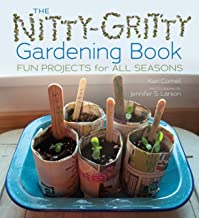
 High-Yield Vegetable Gardening
 atoes
atoes
 Penny and Penelope
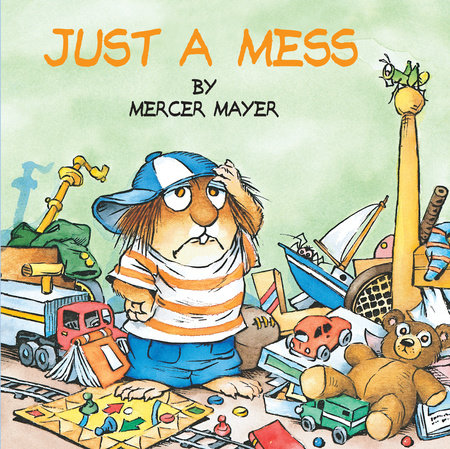 Little Critter
 Mo Willems


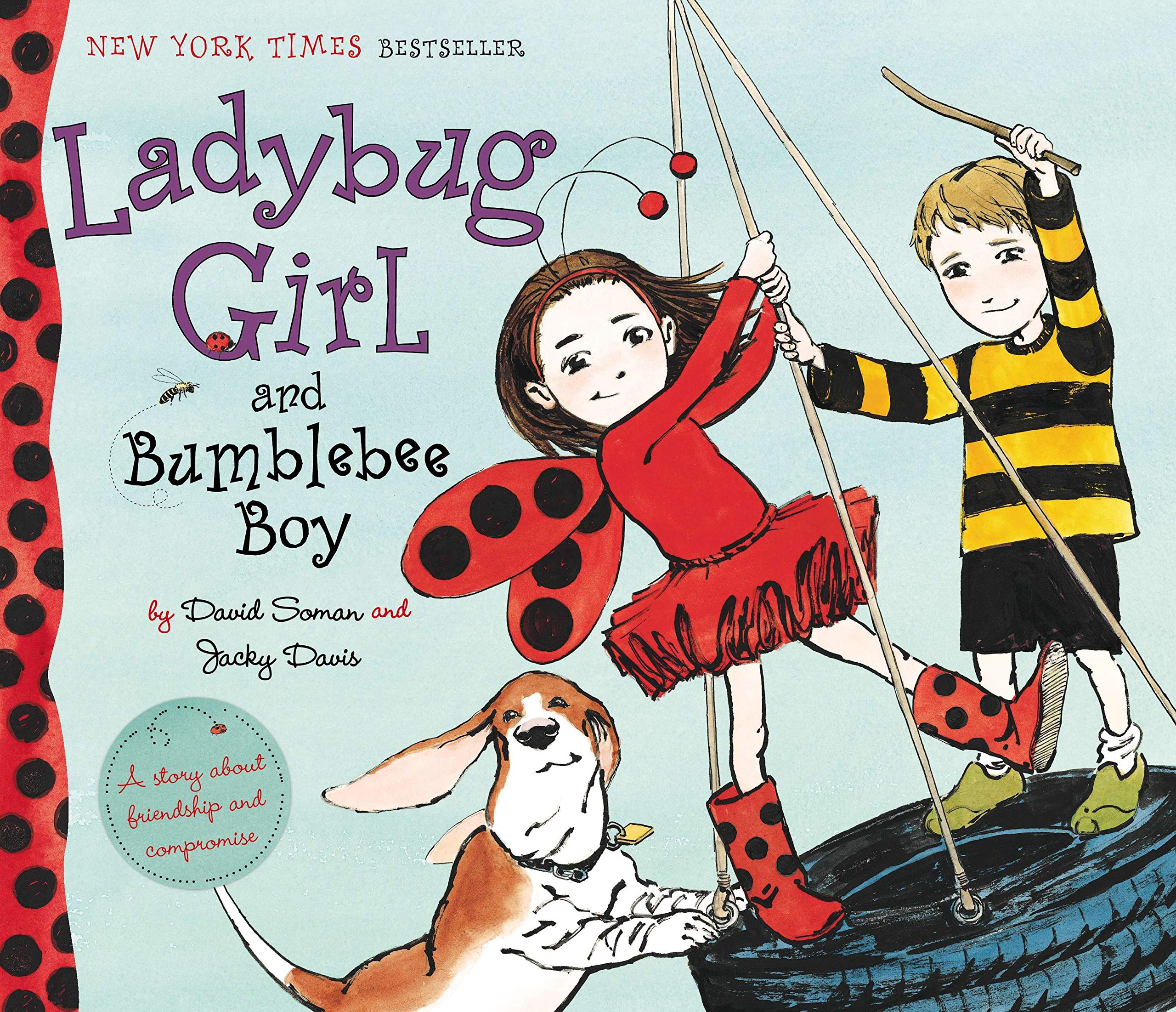 Ladybug Girl
 Vampirina
 Superheroes
 The Cheshire Library Blog
.jpg)