Haunting Fiction: 10 Dark Tales to Chill You This Fall

My backyard is full of fallen leaves, and the home improvement stores are full of animatronic skeletons. It’s the time of year when I can unabashedly indulge in my love of horror. Gothic horror. Psychological horror. Cosmic horror. Anything that lets me experience tension and dread, at least within the safe little confines of fiction. Gore and gross-out horror doesn’t really do it for me. I prefer the supernatural, the otherworldly, stories that tap into the basic human fear of the unknown. There’s nothing like the existential terror that comes when you dare to look into the void – and you see it looking back at you. But it’s still fiction. You still get to put it back on the shelf and go about your life after you read that last page.

Or do you?

Here are the stories that have haunted me the most: tense and dark tales that unfurl like a beautiful piece of black silk.

The Turn of the Screw by Henry James (1898)

A governess is sent to an isolated country manor to care for a pair of young orphans, and she begins to believe that the children are being visited by spirits with malevolent intent. This is a classic ghost story whose ambiguity has provided more than a century’s worth of analysis and adaptation, most recently in the form of Netflix’s The Haunting of Bly Manor in 2020.

The Haunting of Hill House by Shirley Jackson (1959)

You may know Shirley Jackson from your 11th grade reading assignment of her short story The Lottery, but this novel set the bar for modern gothic horror. It’s a classic haunted house story that has influenced writers like Carmen Maria Machado, Stephen King, and Neil Gaiman.

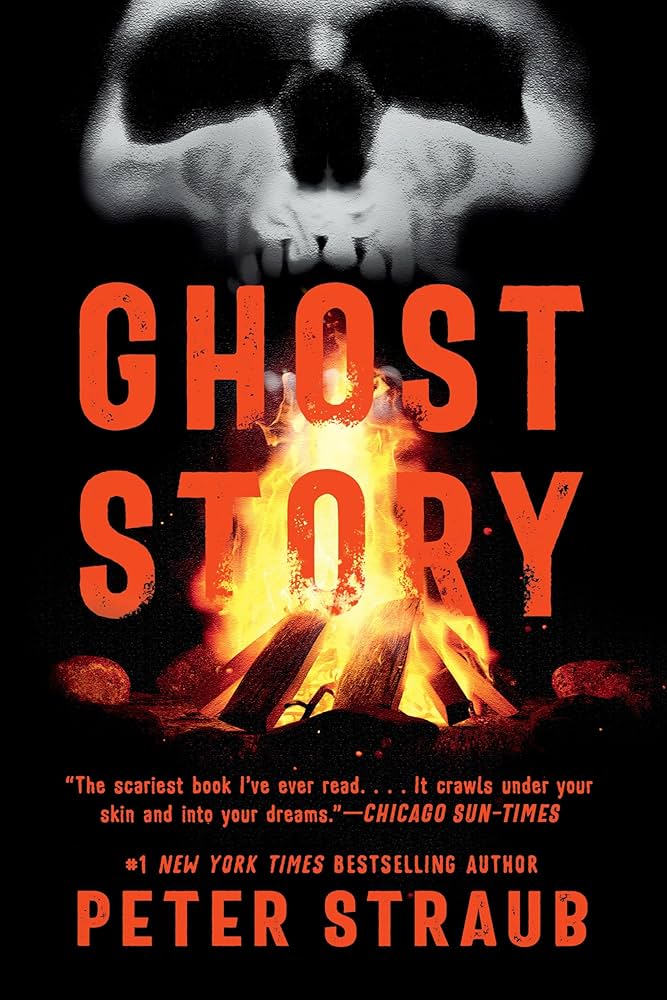
Ghost Story by Peter Straub (1979)

A group of aging men gathers once a week to tell ghost stories – but one ghost from their shared past seems to be coming back for revenge. Straub hooks you in from the first scene and builds masterfully in one of the best-written horror stories you’ll ever read.
Everything’s Eventual by Stephen King (2002)

Some point to The Shining and The Stand as King’s best works, but I have always been a fan of his shorter fiction, such as the terrifying novella The Mist. Everything’s Eventual is a strong contender for my favorite of his short story collections. Its best tales are about a boy who meets the devil, a painting that keeps changing in disturbing ways, and a skeptic’s night in a supposedly haunted hotel room.

House of Leaves by Mark Z. Danielewski (2005)

The core story of House of Leaves involves a family who moves into their new house and discovers it’s bigger than they think. Their story is told in a documentary video, which is described and analyzed in an unfinished academic manuscript by another person, which itself is transcribed and footnoted by yet another person. It’s a structurally weird book that’s just as disorienting as the house itself.

The Hollow Places by T. Kingfisher (2020)

It’s no coincidence that the horror genre – that safe box of fiction where you can explore fear without real-life consequences – exploded in the wake of the very real global pandemic, and the last few years have borne plenty of new and terrible places to explore. This story revolves around a recently-divorced woman who discovers a hidden door in her uncle’s museum of curiosities. The door leads to an alternate reality that is not quite right. It’s thoroughly creepy in a Lovecraftian way, and the quirky characters inject some humor into this otherwise unsettling read.

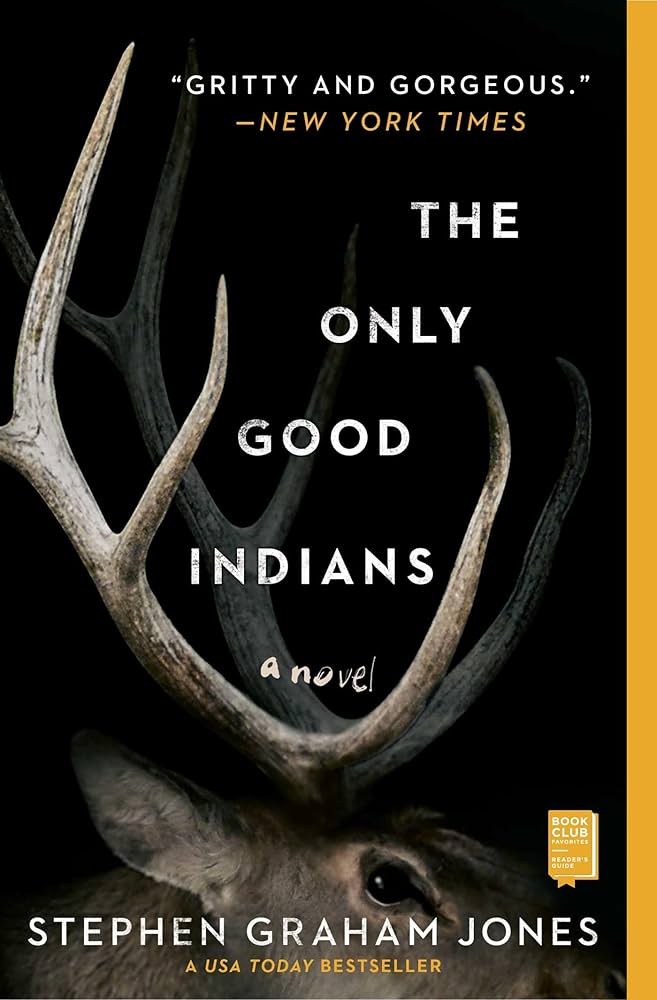
The Only Good Indians by Stephen Graham Jones (2021)

Four Blackfeet men break a promise during elk hunting season, and now that promise is coming back to haunt them in a very real way, picking them off one by one. It’s pretty gory, but not gratuitously so, and the supernatural elements, the nuanced treatment of Native culture, and the quality of writing were compelling enough for me to overlook the more graphic parts. It’s also one of those stories that surprises you by ending with love and unexpected tears. (Yes – it’s okay to cry at horror.)
Summer Sons by Lee Mandelo (2021)

Andrew is haunted by the revenant of his best friend Eddie, who suddenly died right before Andrew was about to join him in Nashville. Andrew takes Eddie’s place in his house, his graduate program, and his circle of fast-living friends as he tries to uncover the truth of what happened. There’s a Southern gothic setting, romantic tension so thick you could slice it up and eat it, and a host of queer characters who are not punished for their queerness, but whose acceptance of themselves leads them to happiness. This slow burn is more moody than scary, and it’s a refreshing and thoroughly enjoyable read.

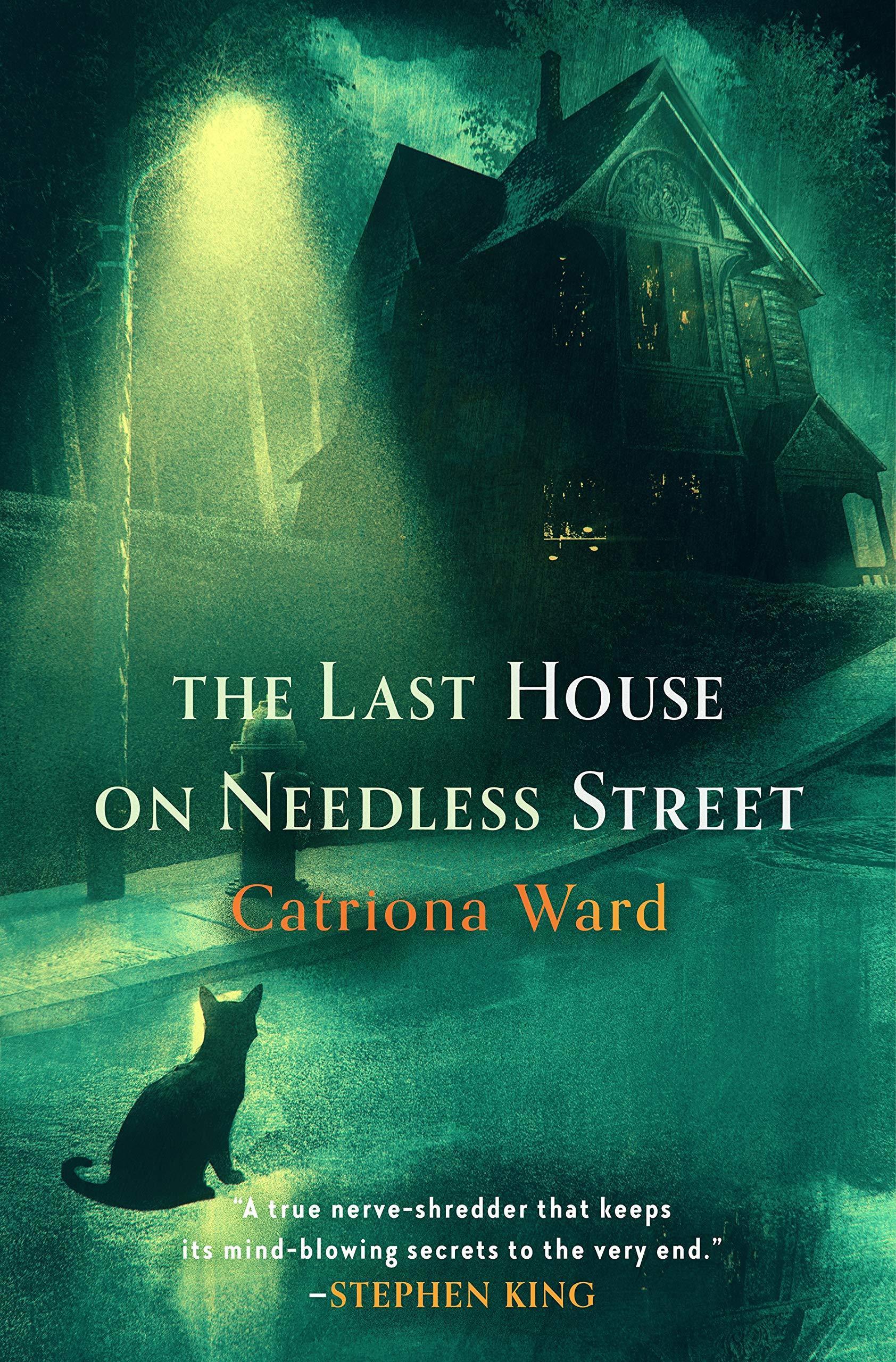
The Last House on Needless Street by Catriona Ward (2021)

In a boarded-up house on a dead-end street lives a family of three. A teenage girl who isn’t allowed outside, not after last time. A man who drinks alone in front of his TV, trying to ignore the gaps in his memory. And a house cat who loves napping and reading the Bible. An unspeakable secret binds them together, but when a new neighbor moves in next door, what is buried out among the birch trees may come back to haunt them all. The parent in me found some parts difficult to read, but I needed to keep going and find out what was going on – and the ending completely turned it upside-down.
Our Wives Under the Sea by Julia Armfield (2022)
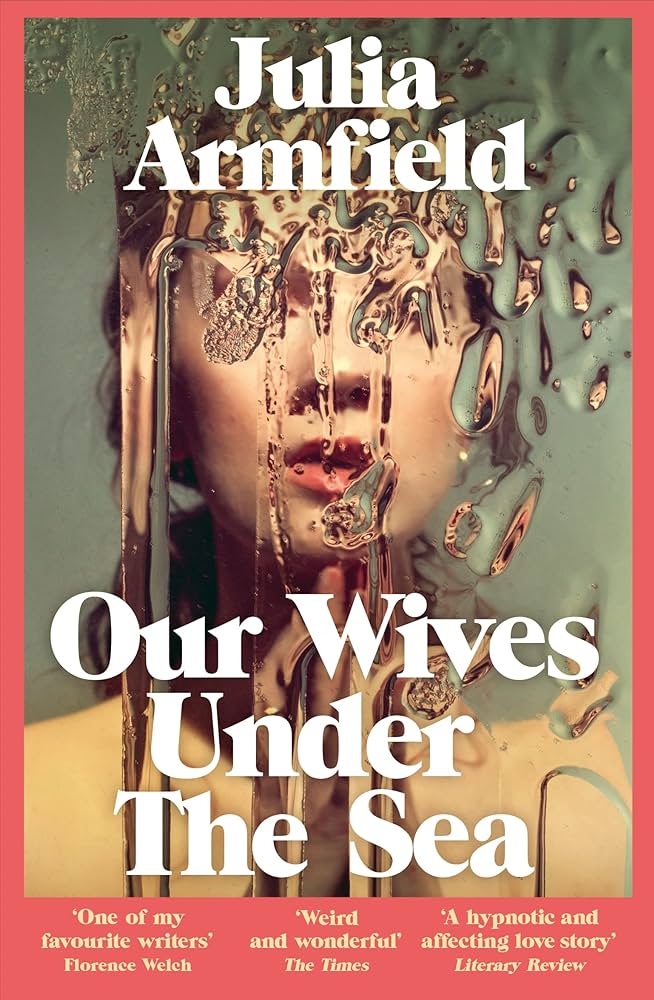
Miri thinks she has got her wife back, when Leah finally returns after a deep sea mission that ended in catastrophe. It soon becomes clear, though, that Leah may have come back wrong. Whatever happened in that vessel, whatever it was they were supposed to be studying before they were stranded on the ocean floor, Leah has carried part of it with her, onto dry land and into their home. Remember how I said it’s okay to cry at horror? Get your tissues ready, because this is also a heartbreaking story about love and grief.

Holler Rat: Kentucky Meets Connecticut in Anya Liftig’s Memoir

Meet the author! Anya Liftig will come to the library on Thursday, August 1 at 6:30 pm for a conversation about her memoir. Cheshire residents can borrow the audiobook with Libby, and physical copies will be available for sale at the event. Reserve your spot for August 1st!

Anya Liftig grew up in Westport and graduated from Yale. She was an artist living in Brooklyn before it was cool. You wouldn’t expect her memoir to begin with a relative lying dead in a shack in rural Kentucky, cleaved in half by a piece of construction equipment. But as I learned from my recent reading (audiobook listening, really) of her memoir Holler Rat, Liftig defies expectations.

Liftig’s mother hails from that ramshackle home in Kentucky, and her father is from an upper-middle-class Jewish family in Connecticut. When school ends each year in Westport, the family drives down to the holler to spend summers with Mamaw, the family matriarch. The book initially caught my interest because it straddles the vastly different worlds of rural poverty and New England affluence. I’ve got my own history between those worlds, so I wondered how much of this book would resonate with me personally. Liftig’s narrative was so engrossing that from the first paragraph, I completely forgot about my search for parallels and just settled in to enjoy the ride.

She details medical traumas, cringeworthy adolescent romances, and her family’s quirks (her father plays the bagpipes and her grandmother won’t sell the old Studebaker that’s decaying in the middle of a potato field). Also, there was that time she made out with a dead fish in front of an audience and then put it in a blender and drank it. If it sounds both horrifying and hilarious, that’s a pretty good way to describe the memoir. Liftig moves from story to story with a masterful sense of pace, and her brilliant placement of her performance art pieces within the narrative helped me interpret and appreciate this art genre, which I knew only from parodies. The lead-up to the last chapter is heavy, and you don’t know how it’ll end until you reach the very last word. It’s the best memoir I’ve read recently, and I’m really looking forward to having a conversation with her at the library program on August 1!

It’s worth mentioning a book by another Yale alum and descendant of poor Kentuckians: Hillbilly Elegy, the 2016 memoir by J.D. Vance. This Ohio senator was announced as Donald Trump’s pick for VP candidate only a few days ago. Hillbilly Elegy was a bestseller upon release, but it was criticized for painting broad generalizations and reinforcing negative stereotypes about the rural poor. Now in 2024, it’s not hard to see Elegy as a calculated move from an aspiring politician. (It’s standard political playbook – Barack Obama made a similar move in 1995 when he released his memoir Dreams from My Father right before he ran for senate in Illinois.) Vance’s book is great if you want to better understand his politics, but if you’re looking for a more sympathetic and arguably more accurate portrayal of Appalachia, Holler Rat’s tight personal narrative from a longtime artist is a better pick.

The Delights of Pop Culture

It’s an awesome time to be a fan of pop culture. You can listen to podcasters going episode-by-episode through the shows you binge-watched on DVD in college. You can read delightfully bizarre theories about the characters in your preschooler’s favorite TV show. You can gather with other fans at venues like ConnectiCon. And as the main orderer of nonfiction books, I know this is an excellent time to read about pop culture, too. Here are some new and recent books to both entertain you and deepen your appreciation for your show / movie / franchise du jour. 

Did Arya, Maximus, or Chandler have the biggest surge in popularity as a baby name? How many parents start off dead in Disney movies? Is Ash Ketchum a better GM or coach? Find the answers in this book, which is a fun mix of visualized data and writing which explores how mere “entertainment” affects politics, the economy, and even shark populations. Pulitzer Prize-winning author Hickley used to be the Chief Culture Writer at FiveThirtyEight, and it shows in his love of statistics. 

The Blues Brothers: An Epic Friendship, the Rise of Improv, and the Making of an American Film Classic by Daniel DeVisé (2024) 

The saga behind The Blues Brothers is epic, encompassing the colorful childhoods of Belushi and Aykroyd, the comedic revolution sparked by Harvard’s Lampoon and Chicago’s Second City, the early years of Saturday Night Live where the Blues Brothers were born, and the indelible behind-the-scenes narrative of how the film was made. Based on original research and interviews of principals from director John Landis and producer Bob Weiss to SNL creator Lorne Michaels and Aykroyd himself, The Blues Brothers vividly portrays the creative geniuses behind modern comedy. 

On Locations: Lessons Learned from My Life On Set with The Sopranos and in the Film Industry by Mark Kamine (2024) 

Married and with a child, the author takes unpaid gigs to get a foot in the door, and eventually ends up working on all seasons of The Sopranos. The show’s setting and its creator’s insistence on accuracy placed the native New Jersey author in the right place at the right time to become part of television history, and to witness the effects of sudden fame and acclaim on the show’s principal players. Includes many stories about guest stars, as well as the cast, including new tales of James Gandolfini. 

Opposable Thumbs: How Siskel & Ebert Changed Movies Forever by Matt Singer (2023) 

Award-winning editor and film critic Matt Singer eavesdrops on the iconic balcony set of Gene Siskel and Roger Ebert, detailing their rise from making a few hundred dollars a week on local Chicago PBS to securing multimillion-dollar contracts for a syndicated series. Their partnership was cut short when Gene Siskel passed away in February of 1999, but their influence on in the way we talk about (and think about) movies continues to this day. 

I Like to Watch: Arguing My Way Through the TV Revolution by Emily Nussbaum (2019) 

In this collection, New Yorker columnist and Pulitzer Prize winner Emily Nussbaum writes about her passion for television beginning with Buffy–as she writes, a show that was so much more than its critical assessment–the evolution of female protagonists over the last decade, the complex role of sexual violence on TV, and what to do about art when the artist is revealed to be a monster. And, she also explores the links between the television antihero and the rise of Trump. The book is an argument, not a collection of reviews. Through it all, Nussbaum recounts her fervent search, over fifteen years, for a new kind of criticism that resists the false hierarchy that places one kind of culture over another. It traces her own development as she has struggled to punch through stifling notions of ‘prestige television,’ searching for a wilder and freer and more varied idea of artistic ambition. 

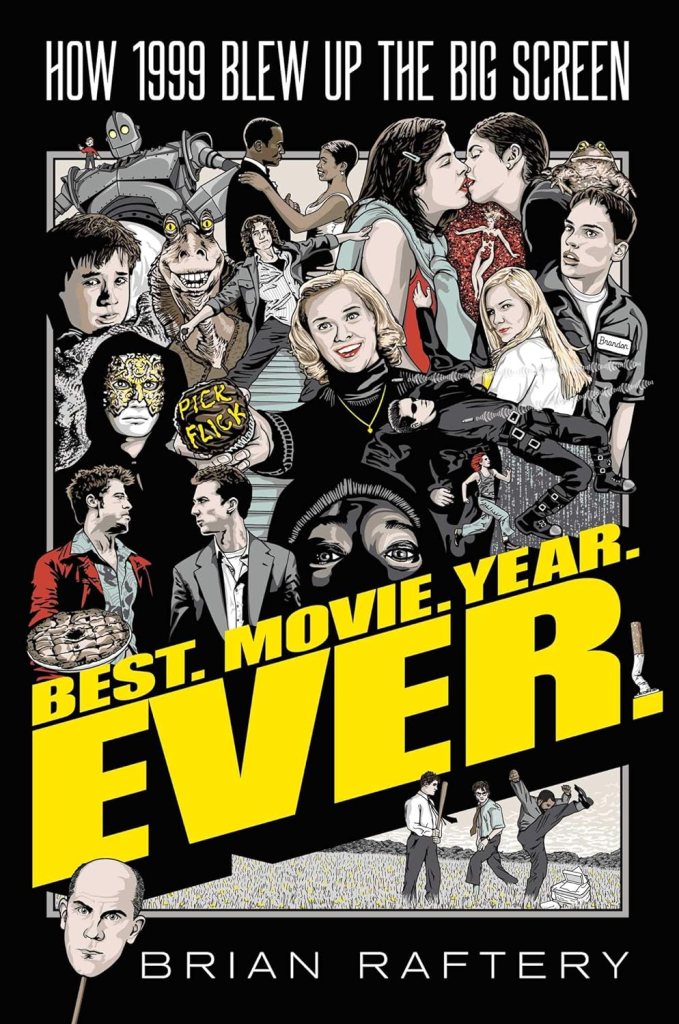
Best. Movie. Year. Ever.: How 1999 Blew Up the Big Screen by Brian Raftery (2019) 

In 1999, Hollywood as we know it exploded: Fight Club. The Matrix. Office Space. The Blair Witch Project. The Sixth Sense. Being John Malkovich. Star Wars: The Phantom Menace.  Those are just some of the landmark titles released in a dizzying movie year, one in which a group of daring filmmakers and performers pushed cinema to new limits—and took audiences along for the ride. Freed from the restraints of budget, technology (or even taste), they produced a slew of classics that took on every topic imaginable, from sex to violence to the end of the world. The result was a highly unruly, deeply influential set of films that would not only change filmmaking, but also give us our first glimpse of the coming twenty-first century. 

Surely You Can’t Be Serious: The True Story of Airplane! by David Zucker, Jim Abrahams, and Jerry Zucker (2023) (downloadable audiobook) 

An in-depth and hysterical look at the making of 1980s comedy classic Airplane! by the legendary writers and directors of the hit film. With anecdotes, behind the scenes trivia, and never-before-revealed factoids, these titans of comedy filmmaking unpack everything from how they persuaded Peter Graves to be in the movie after he thought the script was a piece of garbage, how Lorna Patterson auditioned for the stewardess role in the back seat of Jerry’s Volvo, and how Leslie Nielsen’s pranks got the entire crew into trouble, to who really wrote the jive talk. It also features testimonials and personal anecdotes from well-known faces in the film, television, and comedy sphere, proving how influential Airplane! has been from day one. 

Titles we don’t have but you can borrow from other libraries in our consortium: 

No Crying in Baseball: The Inside Story of A League of Their Own by Erin Carlson (2023) 

The Coen Brothers: This Book Really Ties the Films Together by Adam Nayman (2018) 

Movies (And Other Things): A Collection of Questions Asked, Answered, Illustrated by Shea Serrano, illustrated by Arturo Torres (2019) 

Café au Lit: Coffee and Book Pairings

It’s the most wonderful time of the year: hot drink season. When the weather turns cold, I stock my cabinet with dessert-flavored black teas and mocha mixes, and I chill sweet, chocolatey stouts and porters in my fridge. For many of us, it’s the perfect time to curl up with a favorite drink and a good book. (Or Netflix. No judgment.)

I’ve been doing my part to encourage this pastime with Books Over Coffee, a monthly book club where I tasked myself with pairing bags of ground coffee with whatever title we’re reading. It’s a little challenging and a whole lot of fun, and a coworker suggested I share the combinations I came up with. I hope you enjoy them as much as I enjoyed sampling the candidates.

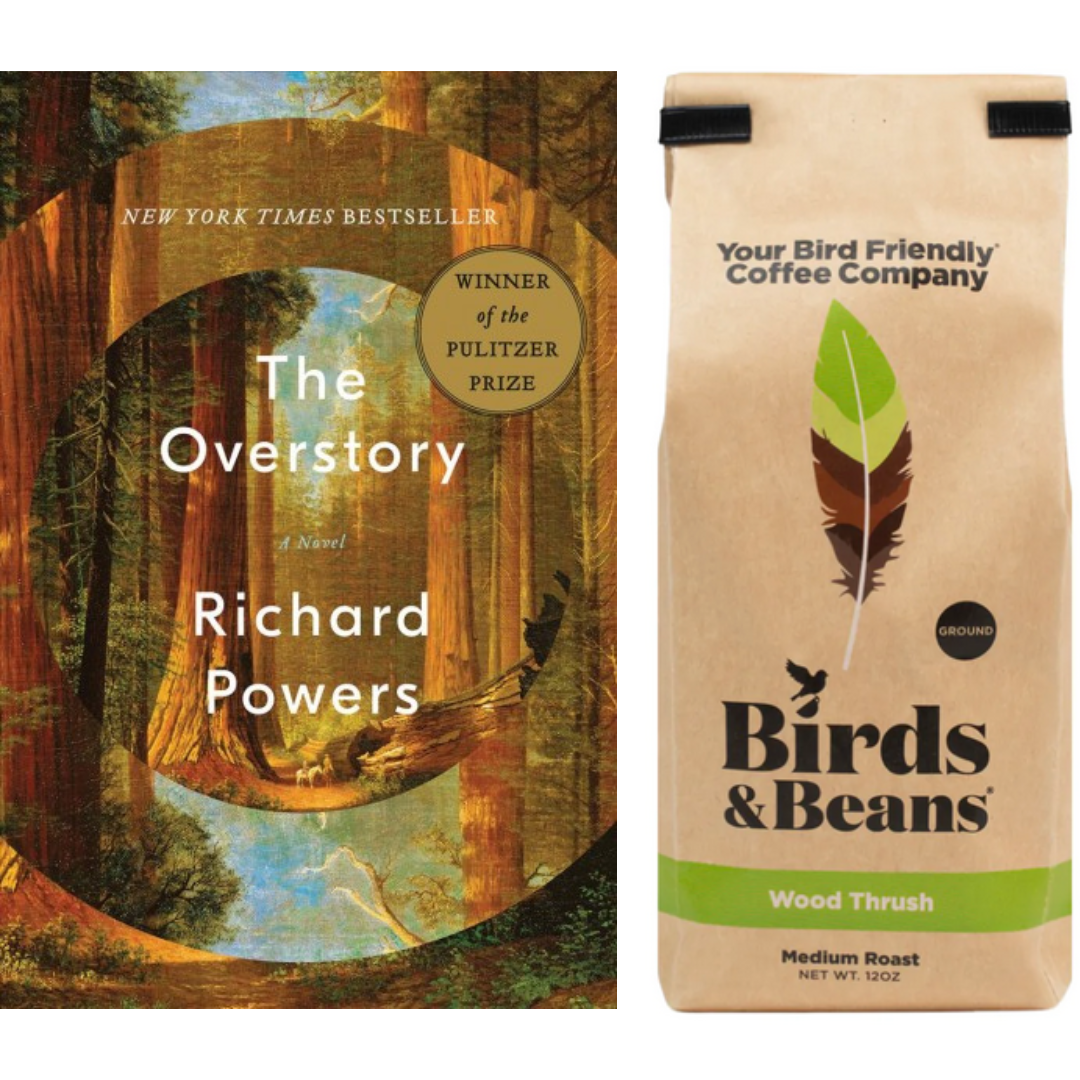
Read: The Overstory by Richard Powers 

Drink: Birds & Beans Wood Thrush medium roast from Birds & Beans 

Bird-friendly coffee like Birds & Beans is grown under the shade of trees and doesn’t contribute to deforestation. It’s a fitting brew to sip while reading Richard Powers’ epic love letter to trees, which spans the lives of nine characters and about 23 hours of listening time for you fellow audiobook fans. Settle down, brew yourself a pot, and imagine you’re sitting at the base of your childhood tree as you start the narrative’s journey.

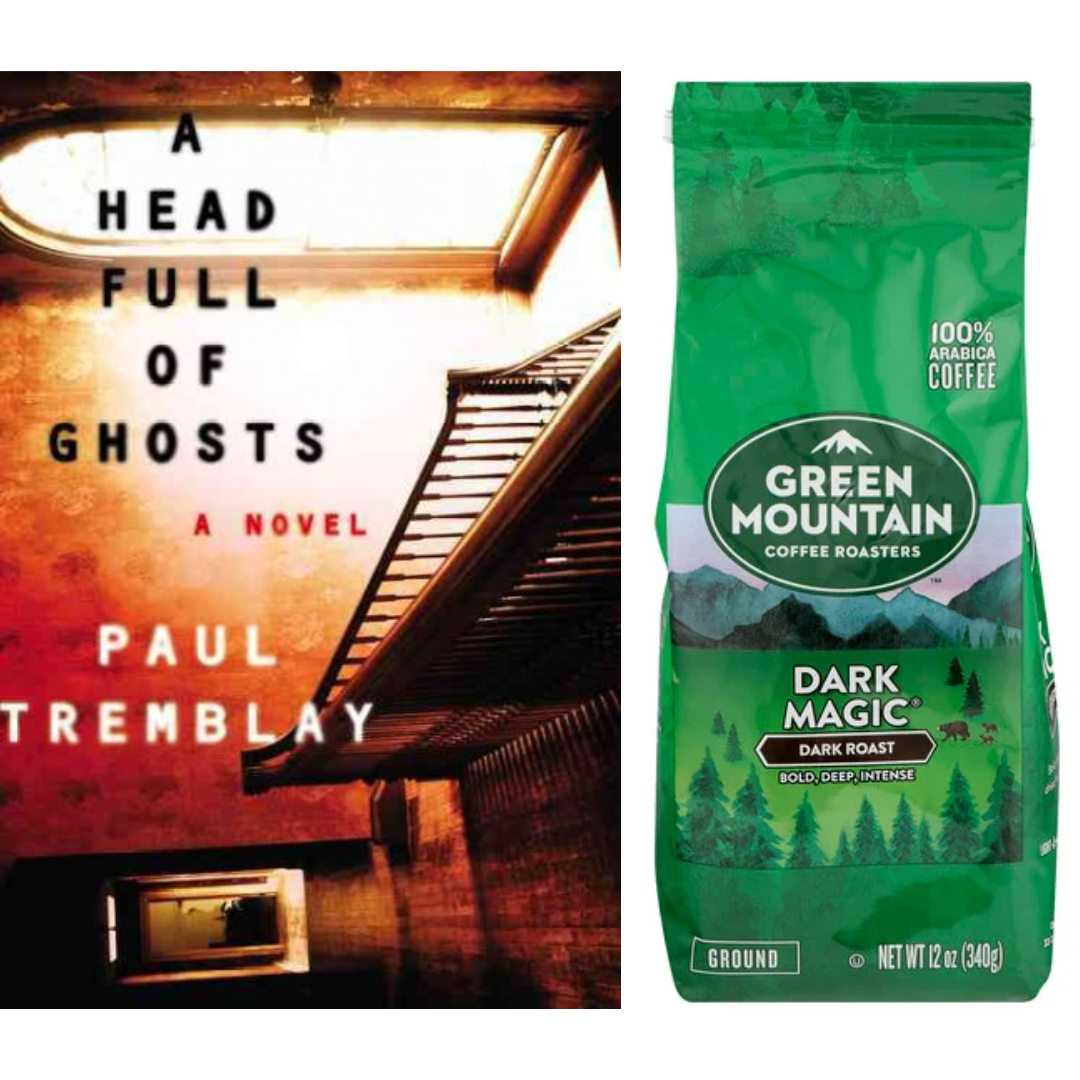
Read: A Head Full of Ghosts by Paul Tremblay 

Drink: Dark Magic dark roast from Green Mountain Coffee Roasters 

Dark Magic is a staple of Keurig machines everywhere – just like how demon possession is a long-running horror trope. And to horror nerds like me, there’s something magical about the meta-narrative on the genre that you’ll find within the pages of A Head Full of Ghosts. The story is creepy enough on its own, but the references to Shirley Jackson, H.P. Lovecraft, The Exorcist, and contemporary horror writers will raise your spirits like a strong, hot drink on a cold winter night. If you love darkness, you’ll enjoy this unholy matrimony of book and brew.

Read: Good Omens by Neil Gaiman and Terry Pratchett 

Drink: Black and Tan from Eight O’Clock Coffee Company 

Angels and demons, good and evil, stark prophecy and satiric comedy are blended together in Good Omens, a collaboration from two prominent fantasy authors. It’s only fitting to accompany it with the bold and mild blend of Black and Tan. The laugh-out-loud jokes are delightful dollops of cream and sugar – and when you’ve drunk the last drop, you can have a second helping by watching the Amazon Prime miniseries.

Read: Bad Feminist by Roxane Gay 

Drink: Veranda Blend blonde roast from Starbucks 

Like the aesthetics of those blonde, sun-kissed Californian twins in the Sweet Valley High books, books which Roxane Gay devoured as a teen and scrutinized with her cultural commentary as an adult author, I find light roasts bland, ubiquitous, and unsatisfying. (If I’m feeling especially contrarian, I might say the same about Starbucks as an institution.) My distaste for light roasts – and the marketing for this one nods to both unattainable beauty standards and classism! – makes it the perfect tag-along while Gay pokes holes in pop culture, politics, feminism, and other topics in this book of essays.

In all fairness to Veranda Blend, this month’s book club hasn’t met yet, so I haven’t tried it. The blend may throw me a major twist like the best thrillers, or offer me that cloying tannic quality euphemized as “fruitiness,” like a well-reviewed literary novel that falls short of expectations. What will you be sipping when you curl up with your next read? (Or Netflix. No judgment.)

True Crime for the Faint of Heart

I used to love true crime. For my first research paper in high school, I wrote about the 1964 murder of Kitty Genovese and the phenomena of the bystander effect. In college, Investigation Discovery was my background noise while working. More recently, murder podcasts and true crime audiobooks accompanied my commute to work, and I unwound with Netflix miniseries that dissected cold cases.

But my tastes are changing. Death got a little too close to me over the last two years. A podcaster made me question the ethics of finding entertainment in another’s pain. And becoming a parent obliterated my tolerance for stories where terrible things happen to small and vulnerable beings. Don’t get me wrong – I’m still fascinated by the darkness. I just need to be more selective. Minimal death and violence. Minimal gore. Thefts, forgeries, con artists. White collar crimes. Maybe the occasional plane crash or disaster.

So I present you with an updated list of true crime stories in various formats for those who, like me, have to say “hard pass” to serial killers and kidnappers.

Flying Blind : The 737 MAX Tragedy and the Fall of Boeing by Peter Robison. A fast-paced look at the corporate dysfunction–the ruthless cost-cutting, toxic workplaces, and cutthroat management–that contributed to one of the worst tragedies in modern aviation.

Bad Blood : Secrets and Lies in a Silicon Valley Startup by John Carreyrou. Recounts the story behind Theranos, the medical equipment company that misled investors to believe they developed a revolutionary blood testing machine, detailing how its CEO, Elizabeth Holmes, perpetuated the lie to bolster the value of the company by billions.

Empire of Pain : The Secret History of the Sackler Dynasty by Patrick Radden Keefe. Presents a narrative account of how a prominent wealthy family sponsored the creation and marketing of one of the most commonly prescribed and addictive painkillers of the opioid crisis.

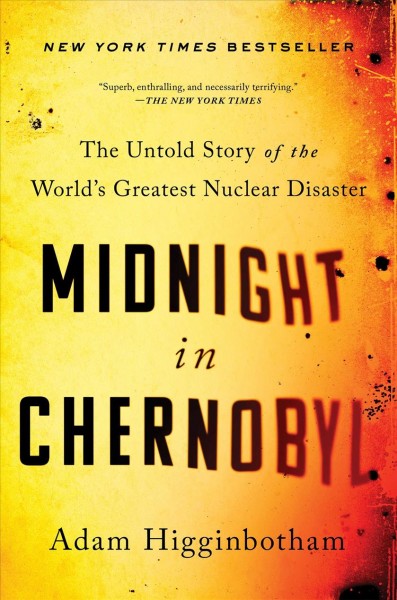
Midnight in Chernobyl : The Untold Story of the World’s Greatest Nuclear Disaster by Adam Higginbotham. Journalist Adam Higginbotham’s definitive, years-in-the-making account of the Chernobyl nuclear power plant disaster–and a powerful investigation into how propaganda, secrecy, and myth have obscured the true story of one of the twentieth century’s greatest disasters.

Confident Women : Swindlers, Grifters, and Shapeshifters of the Feminine Persuasion by Tori Telfer. The art of the con has a long and venerable tradition, and its female practitioners are some of the best– or worst. Telfer introduces us to a host of lady swindlers whose scams ranged from the outrageous to the deadly.

The Gardner Heist : The True Story of the World’s Largest Unsolved Art Theft by Ulrich Boser. Shortly after midnight on March 18, 1990, two men broke into the Isabella Stewart Gardner Museum in Boston and committed the largest art heist in history. But after thousands of leads, hundreds of interviews, and a $5-million reward, not a single painting has been recovered. Worth a total of $500 million, the missing masterpieces have become the Holy Grail of the art world and one of the nation’s most extraordinary unsolved mysteries.