Today’s post comes from our Technology Coordinator, Jared:

When was the last time you visited a record store? For that matter when was the last time you purchased an album from anywhere? Depending on your generation, there may not even be a time you remember paying for music at all. With Spotify, Youtube, Apple Music and the like, your tunes are just one click away and (if you don’t m ind a few ads) free as well. So I was surprised when a patron at our circulation desk recently asked me where we kept our new CDs. On my way to show him our selection it occurred to me that we don’t really have a section for “new” CD’s. Like most libraries and retail stores today, our CD selection has been downsized to one shelving unit, with most genres melded together in a section labeled “popular”.
The change happened subtly. Stereos and computers stopped catering to compact discs. The old 5-disc CD changers became harder to find. New carmakers stopped installing cd players and went exclusively bluetooth. It seems that CDs are on their way to the dead format cemetery, ready to be laid to rest next to cassette tape and laser disc. We have seen so many of these changes in musical mediums over the years that this just feels like a natural progression, and many would agree these changes are a good thing (after all, not many today would want a car with an 8-track player). But something about this particular change feels different. The move from physical to digital takes something tangible away from the listener, and that is the record collection.
 Until recently, having unlimited access to a song meant owning a copy of it. Even a casual listener would find themselves with five or ten of their favorites in the car’s center console. The avid collectors on the other hand, would be filling up half their homes with shelving and crates, still on the hunt for that one rare gem. Whether it’s vinyl, tapes or CDs, someones collection (or lack there of) would speak volumes about them, in a way that a playlist wouldn’t. Even a few albums could act as a tell-all autobiography. Collections like these were also a window into the past. Sifting through a grandparent’s dusty old jazz records, or vinyls from the Woodstock era was like cracking open a musical time-capsule.
Nowadays if you ask anyone under 30 how they listen to music, the answer will no doubt be the name of a streaming service. For those who aren’t familiar, companies  like Spotify and Apple Music, offer unlimited access to a massive music library on any computer or smartphone for a monthly subscription cost. Essentially it’s like leasing your music the way you may lease a car. For many people, this is the better option. The cost is low and any song you’ve ever heard is at your fingertips. It’s a no-brainer from an economical standpoint. Companies make more money if they can hook you on a monthly subscription over a one-time purchase. But it raises some important questions about how we experience music. Does the music enthusiast derive joy solely from the listening? For myself that’s only half of it. The rest comes from tracking down discontinued albums, completing a band’s discography in my collection, flipping through the liner notes to learn more about an artist. These little achievements are something that just can’t be replicated through the streaming process. And so I wonder about kids growing up in the post-Napster era. Will they feel the same connection to their music when it’s only rented to them from a corporation? Will future generations really get the same sense of nostalgia by pulling up grandpa’s old Spotify playlist?
As our library’s Technology Coordinator, it’s my job to research the latest and greatest in the tech world, so as not to be left in the digital dust. In a nutshell: newer, faster, and simpler is almost always better, but there are those occasions when the analog world seems to have some magic that the latest 8-core processor just can’t reproduce. So if you’ve ever thought about dedicating a bookcase to the music that tells your story, now is a great time. The beautiful thing about deprecated mediums like CDs is that they tend to be cheap! CDs at the Friends Of The Library Book Sale are only .25 cents and we usually have some for sale year round. If you want to sample before you buy, don’t forget the library still has some great classics in multiple genres on the shelf.

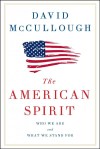
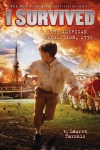
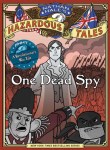
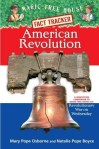
 In a bizarre coincidence, Thomas Jefferson and John Adams both died on July 4, 1826 — the nation’s 50th birthday. The two founding fathers and political adversaries died within five hours of each other.
  The Declaration of Independence wasn’t signed on July 4, 1776.

















 Movie Matinees
 Travel Meetups
 Open Art Studio in the Library Loft
 Mindful Meditation
 Cat Tales – Writers Group
 Apollo 11 ~ Documentary
 The Bald Eagle
 That’s Weird!
 New Science From Mars
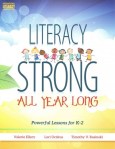
 Early literacy programs at public libraries have changed significantly over the years. Early literacy is everything a child knows about reading and writing before he or she can read or write, typically between the ages of 0-5. Traditionally, children’s library programs focused on the education of children. Today, these programs focus on the education of the parent or caregiver. If you attend
  You can sing in the car whenever you’re traveling and you never have to worry about other people hearing your singing voice.
 Caregivers have the most important role in developing a child’s reading skills, so it is important that you practice these techniques as often as possible. I encourage you to visit the library and check out some of the early literacy programs and resources that we have. To see our full events calendar, you can go to



 And don’t forget to sign up for our summer reading program for kids and adults :
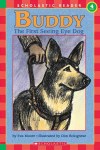
  It’s not just a snappy title – I really do have enormous faith and trust in a dog. My husband is blind and he (and I) depend every day upon the amazing skills of his guide dog Becca to help him navigate his world. I can go off to work and not worry about him, because I know he and Becca will manage perfectly well. They’re not stuck at home and are never bored. They go on long walks, golf, visit friends… at this point they actually have a much richer social life than I do! I am filled with wonder every time I see the two of them working together – she warns him of curbs, cars, and dangers both underfoot and at head height, she finds doors, counters, empty seats, and me (!) whenever needed and with great determination and enthusiasm.
 Once we were shopping at the grocery store, and a family with children walked by. The parents conscientiously cautioned their kids about not distracting Becca while she was working, telling them that she was a service dog. The littlest child wasn’t quite sure what a service dog was, but he used his own best judgement, and looked out for us for the rest of our shopping trip. He alerted everyone: “Don’t bother that dog- she’s a serious dog!” every time we crossed paths. It was adorable, but he was absolutely correct- Becca is a very serious dog when she is working.
 members of the military with their operations. Police dogs, often called K-9s, are trained specifically to assist police and other law-enforcement personnel in the line of duty. Search and rescue dogs have high energy, great stamina and focus. These highly trained animals serve in many different fields, including tracking, specialized search, avalanche rescue, and cadaver location. Therapy dogs offer emotional support to sick or injured persons, often visiting hospitals, schools, hospices, nursing homes and more. Service dogs are working dogs that have been specially trained to assist persons with disabilities.








 The Cheshire Library Blog