Picturebooks about Animals in Libraries

My daughter is animal mad. She loves anything and everything animal related. Animal print clothes, pretending to be a wolf cub, watching Wild Kratts, and so on. I am a librarian, and so it follows that I love all things book related. I love the feel of books, the smell, and of course the reading experience. This inspired me to combine our passions and look at picture books about animals in the library. There is an unexpectedly large number of picture books featuring critters of some nature spending some quality time at their local library.

1. Dewey: There’s a Cat in the Library! by Vicki Myron and Bret Witter

2. Bats at the Library by Brian Lies

3. The Fox in the Library by Lorenz Pauli

4. Can I Bring Woolly to the Library, Ms. Reeder? by Lois G. Grambling

5. Library Lion by Michelle Knudsen

6. There’s a Dragon in the Library by Dianne de Las Casas

7. Library Mouse by Daniel Kirk

8. Dinosaur vs. the Library by Bob Shea

9. No T. Rex in the Library by Toni Buzzeo

 10. Homer, the Library Cat by Reeve Lindbergh

This slideshow requires JavaScript.

You might want to look at A Library Book for Bear by Bonny Becker, Library Mouse: a Friend’s Tale by Daniel Kirk, Our Library by Eve Bunting, Library Mouse: Home Sweet Home by Daniel Kirk, Dewey’s Christmas at the Library by Vicki Myron and Bret Witter, Quiet! there’s a Canary in the Library by Don Freeman, and Llama in the Library by Johanna Hurwitz as well.

Adult Non Fiction about Librarians and Libraries

libworkI was inspired by the new series of posts about the work that goes on behind the scenes in our library to gather some of the best books about working in a library and the history of libraries to share. If you want to know a little more about life behind the desk, and some history of our little corner of the world and beyond, you might want to take a look at these titles.

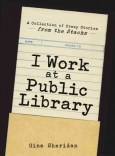
I Work at a Public Library: a Collection of Crazy Stories from the Stacks by Gina Sheridanlibquiet
Collects strange-but-true anecdotes, heartwarming stories, and humorous interactions with patrons from a public librarian.

Quiet, Please: Dispatches from a Public Librarian by Scott Douglas
An autobiography set in a Southern California public library offers a quirky description of life as a caretaker of modern literature and furnishes an account of the history of libraries from the Gilded Age to the present day.libstrongest

The World’s Strongest Librarian: a Memoir of Tourette’s, Faith, strength, and the Power of Family by Josh Hanagarne
Traces the public librarian author’s inspiring story as a Mormon youth with Tourette’s Syndrome who after a sequence of radical and ineffective treatments overcame nightmarish tics through education, military service and strength training.liboverdue

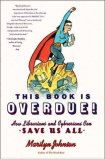
This Book is Overdue!: How Librarians and Cybrarians Can Save Us All by Marilyn Johnson
In a celebration of libraries and the dedicated people who staff them, the author argues that librarians are more important than ever, and discusses a new breed of visionary professionals who use the Web to link people and information.

libbreedDear Miss Breed: True Stories of the Japanese American Incarceration During World War II and a Librarian Who Made a Difference by Joanne Oppenheim
Provides the story of life in a Japanese internment camp during World War II through the correspondence of the children in the camp to their librarian, Miss Clara Breed, who worked on their behalf to show the injustice of their imprisonment.

Library: an Unquiet History by Matthew Battleslibunquiet
Provides an intriguing historical study of libraries and books, their preservation, and destruction, from the U.S. to Europe and Asia, from medieval monasteries and Vatican collections to the ever-changing information highway of today.

For further reading about the history of libraries and what it can be like on the other side of the counter check out: Running the Books: the Adventures of an Accidental Prison Librarian by Avi Steinberg, Free for All: Oddballs, Geeks, and Gangstas in the Public Library by Don libhistoryBorchert, Dewey: the Small-town Library Cat Who Touched the World by Vicki Myron with Bret Witter, The Library: an Illustrated History by Stuart A.P. Murray, Library: the Drama Within photographs by Diane Asséo Griliches ; essay by Daniel J. Boorstin, The Librarian’s Book of Quotes compiled by Tatyana Eckstrand, and Revolting Librarians Redux: Radical Librarians Speak Out edited by Katia Roberto and Jessamyn West.

Behind the Scenes at CPL- Children’s Cataloging

CPL staffer Louise shared in a recent blog post some of the effort that our staff puts into choosing materials for our collection. some of the effort that our staff puts into choosing materials for our collection. It is an important and challenging task, using our limited funding in the most efficient and useful manner to serve our patrons.  However, once those materials are ordered our work has only just begun. It is after the books are ordered that the next round of tasks begin. My focus will be on the cataloging of children’s and young adult print materials, because that is how I (and one other staff member) spend any hours not at a public service desk.
You might think that the tasks for cataloging would only start once the physical books arrive, however we have some preparations to make first. We need to print out all orders and get the catalog records in the computer so that holds can be placed on the material. boxes of bookWhen the books do come in we need to check the packing slips and orders against the titles and details of the books in all the boxes. Sometimes Baker & Taylor or other suppliers do make mistakes or materials are damaged or flawed in some way. It is important to catch any of these problems long before labeling and cataloging actually begin.
After we have the books unpacked, checked, and in hand the real fun begins. In the children’s department there are several different categories of books, each of which need different labeling. There are board books, picturebooks, easy readers, easy non fiction, non fiction, graphic novels, juvenile fiction, and young adult materials. Each of these types have several sub categories and a variety of necessary labels, just to keep things interesting.
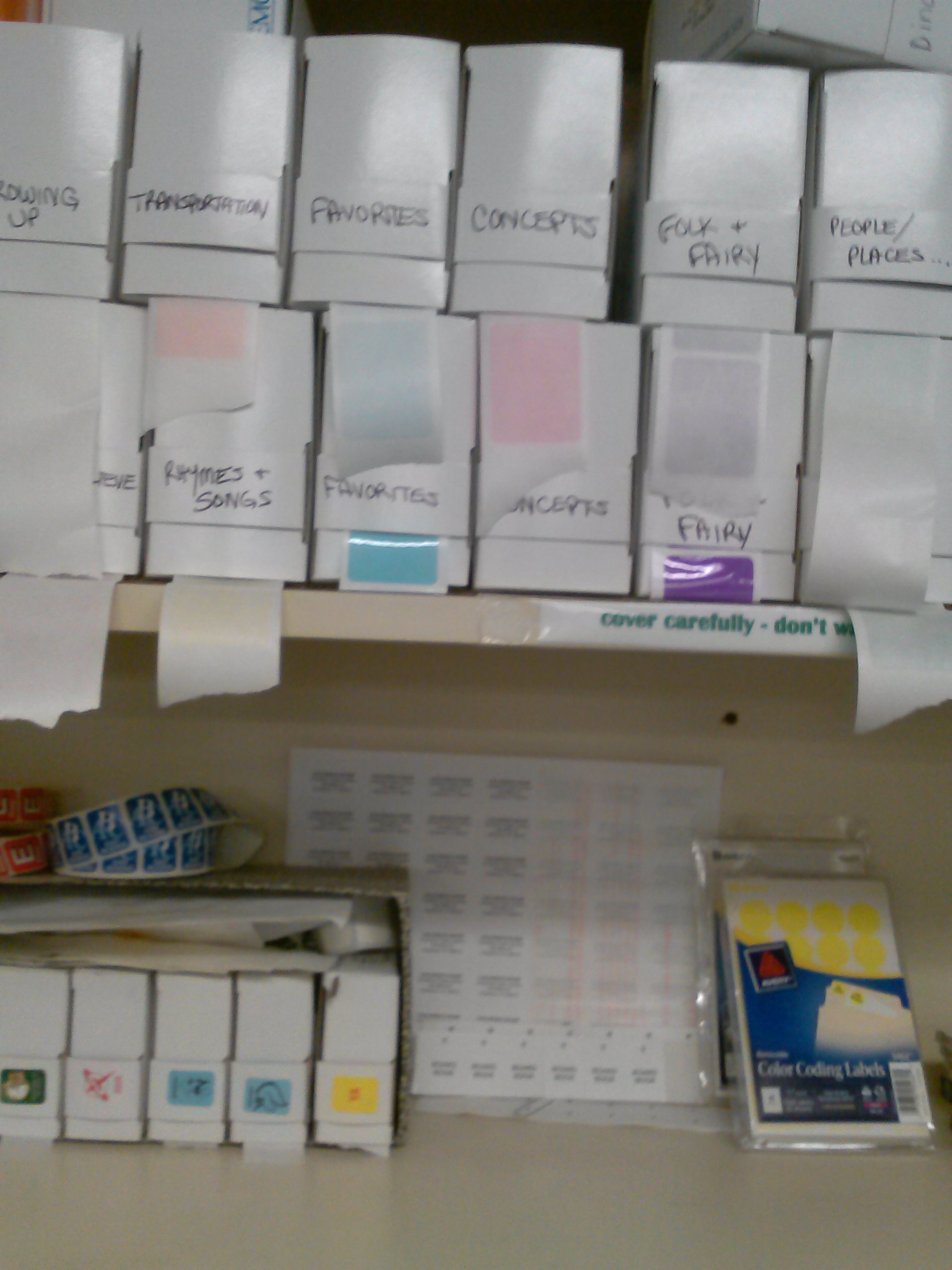
We sort all the books by type, and decide on the call number, genre, and more will be for each book. Every book will need a spine label with the call number, a barcode, and a RFID tag. They also need to be stamped with the Cheshire Children’s room address stamp and have the call number and barcode written on the interior of the book. Each type of book gets a different set of stickers. Some will need colored stickers over the call number to indicate subject matter, a sticker designating its reading level, awards won or nominated for, or its genre. Rather than giving you a long list of all the stickers, I will just give you a look at a few of the ones I use daily. CAM00070Yes, there are many more. This is about half of the regularly used stickers and labels.  After all the stickering fun is done there is still more to do. Paperbacks will need to be taped or covered to extend its life in circulation. Some hardcovers will need a cover on its dust jacket as well. Now we need to check the RFID tags in each book and either program them or make sure the correct barcode number is programed onto it.
Now it is time to enter the material into the computer. This can be the quickest part of the job, but also the most important. Small mistakes at this point could make materials nearly impossible to find on the shelf. We need to make sure the call number, barcode, location, and other vital information is all correct in the catalog. If a book is newly published, this is also when it gets a New sticker added to the previous collection of stickers. Then we check in the item and make it available for the first hold, or put it on the shelf for you to check out.
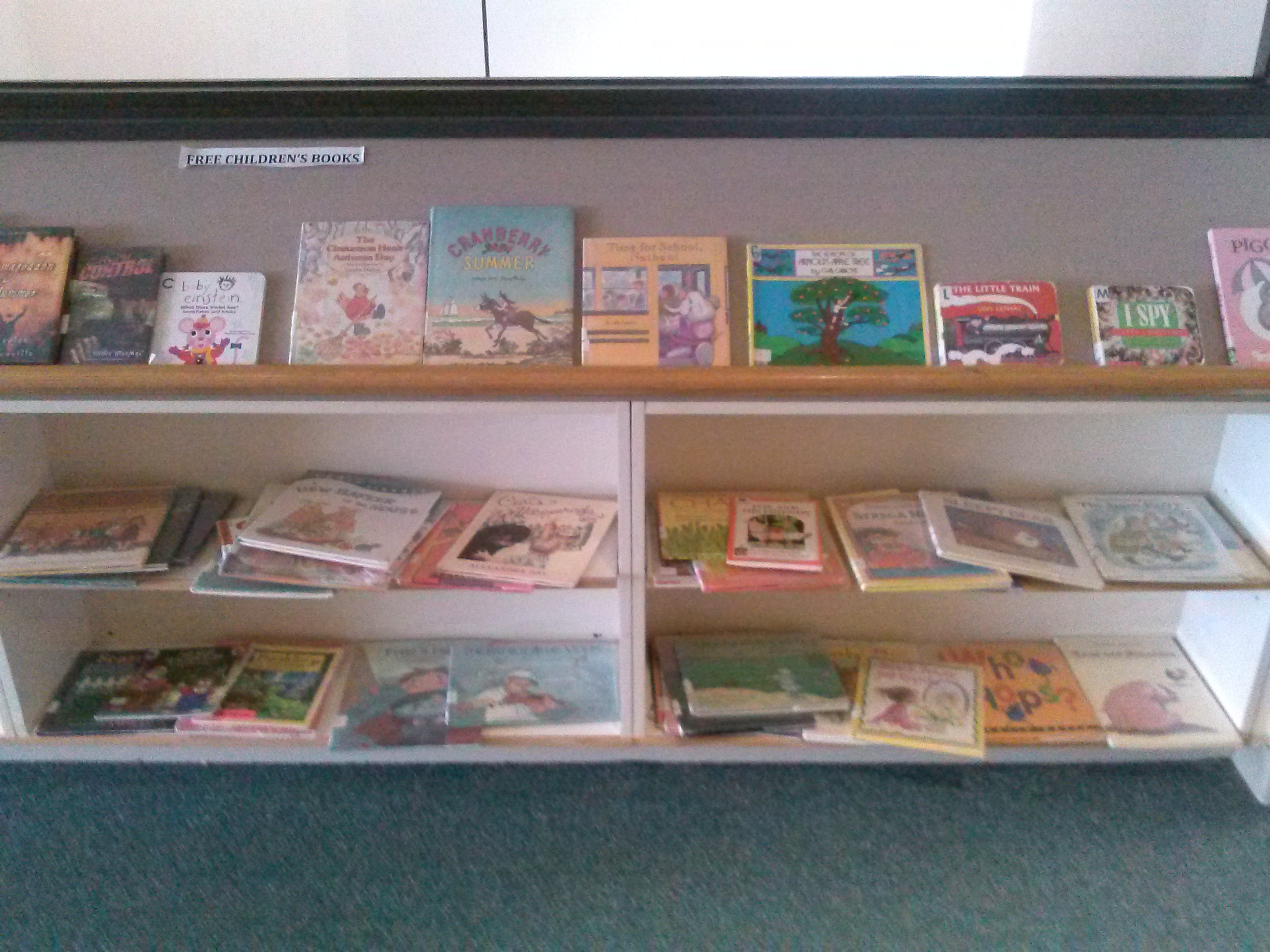
MCAM00068aterials in the children’s and young adult collection keep the new designation for six months. After that they are collected and pass through staff hands again so that the sticker can be removed and the information updated in the computer. You might see me doing this while working at the Children’s Desk. When material are damaged or are sadly in need of removal from the collection we then need to discard the book from our collection. This means more stamping and computer work. If you visit the third floor of the library, you can browse the discarded children’s and young adult materials that are still in good condition. You are welcome to take these home and keep. We hate having to let go of books, even though we have to in order to make room for more, and knowing that someone will use and enjoy them makes it a little easier.

Getting Past Captain Underpants

My son was not as instantly attracted to books and reading as myself or his little sister. While he loved picking out books and being read to, once it came time to read on his own he was easily discouraged. He had the skills to read, but had trouble sitting still or focusing on decoding the more challenging words. I offered him every style of easy reader and early chapter book imaginable. Thankfully, as a librarian with many friends that happen to teach, I had plenty of resources. The book that finally caught his attention is one that many try to steer clear of because of its silly and sometimes disgusting humor. However, if he was going to read, and do so happily, I was going to encourage it regardless of the book in question.

captainunderpantsAs you might have guessed, that book was Captain Underpants. He has now read the boxed set of the series through more than a few times, and expanded to other books, all of which I like much better. Now he still loves that silly humor, but he also loves jokes and anything vaguely monster, hero, or adventure. So, for fellow parents that fear the draw of the Captain, there are some great follow up books that a fan might easily and happily transition to. The number of easier chapter books and graphic novels that will appeal to the fans of Captain Underpants is growing, with volume and quality. If you are trying to ease your young reader away from the underwear clad superhero, here are some great options to keep them reading. If the book belongs to a series, which most of them do, I have listed the first book in that series. And on a side note, do not be afraid to introduce harder books via audiobooks! I hooked both my kids on the Magic Tree House series by listening to the audio book collection in the car.captainsquish

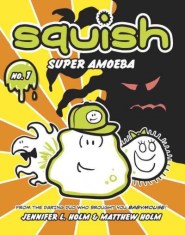
Squish 1: Super Amoeba by Jennifer L. Holm and Matthew Holm
Introducing SQUISH—a new graphic novel series about a comic book-loving, twinkie-eating grade school AMOEBA trying to find his place in the world (or at least trying to make it through a school day).

Sardine in Outer Space by Emmanuel Guibert
Sardine and her uncle, Captain Yellow Shoulder, sail their ship, The Huckleberry, across the universe meeting up with monsters and aliens in order to confront Supermuscleman, who is trying to take over the galaxy.

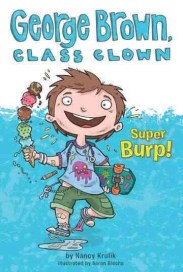
captaingeorgeGeorge Brown, Class Clown: Super Burp by Nancy E. Krulik
When fourth-grader George starts at a new school, he vows to become a model student instead of the class clown he has always been, but just as his plan is going really well, he is overtaken by a magic burp that turns him back into a mischief-maker.

The Fake Cape Caper by Greg Trine

Melvin Beederman, superhero in charge of Los Angeles, attends the Superhero’s Convention in Las V egas, leaving his young sidekick to keep Los Angeles safe from evil bad guys and bullies.

Frankie Pickle and the Closet of Doom by Eric Wight
Fourth-grader Frankie Piccolini has a vivid imagination when it comes to cleaning his disastrously messy room, but eventually even he decides that it is just too dirty.

This slideshow requires JavaScript.

There is an increasing number of wonderful books for this reading level and age group as of late. If you have already read all of these and are still looking for me you might also want to try: Dinosaurs Before Dark by Mary Pope Osborne, The High and the Flighty by Catherine Hapka and Lisa Rao, Extraordinary Adventures of Ordinary Boy: The Hero Revealed by William Boniface, Notebook of Doom: Rise of the Balloon Goons by Troy Cummings, Lunch Lady and the Cyborg Substitute by Jarrett J. Krosoczka, Wiley & Grampa’s Creature Features by Kirk Scroggs,Dragonbreath by Ursula Vernon, Looinverse: Stranger Things by David Lubar,  My Big Fat Zombie Goldfish by Mo O’Hara, Galaxy Zack: Hello Nebulon by Ray O’Ryan, and Attack of the Giant Hamster by Paul Harrison.

Young Adult Book Club Picks

Every month there are more and more fantastic young adult books available. There also seem to be more book clubs starting every month. So, lets combine the two. Young adult book clubs can be made up of the supposed target for these books, adults that just love the books, or a combination of the two. A parent/child book club is a great way to start a valuable dialogue, and book clubs for just young adults can keep the love of reading going while adding a possibility of inciting friends of avid readers to join inYABCTREE. Any way you look at it, a book club can be a wonderful thing, as long as the group can decide on the books they want to read and discuss. No matter the demographic of a book club, this is often the hardest part.

So, if you are trying to start a young adult book club, or looking to add some books to your list of possible reads, I have some suggestions for you.

If a Tree Falls at Lunch Period by Gennifer Choldenko
YABCBOYKirsten and Walk, seventh-graders at an elite private school, alternate telling how race, wealth, weight, and other issues shape their relationships as they and other misfits stand up to a mean but influential classmate, even as they are uncovering a long-kept secret about themselves.

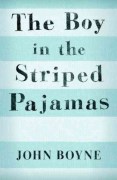
The Boy in the Striped Pajamas by John Boyne
Bored and lonely after his family moves from Berlin to a place called “Out-With” in 1942, Bruno, the son of a Nazi officer, befriends a boy in striped pajamas who lives behind a wire fence.YABCJ

I Am J by Cris Beam
J, who feels like a boy mistakenly born as a girl, runs away from his best friend who has rejected him and the parents he thinks do not understand him when he finally decides that it is time to be who he really is.

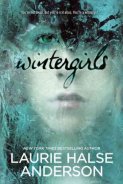
Wintergirls by Laurie Halse Anderson
Lia and Cassie are best friends, wintergirls frozen in fragile bodies, competitors in a yabcwinterdeadly contest to see who can be the thinnest. But then Cassie suffers the ultimate loss-her life-and Lia is left behind, haunted by her friend’s memory and racked with guilt for not being able to help save her. In her most powerfully moving novel sinceSpeak, award-winning author Laurie Halse Anderson explores Lia’s struggle, her painful path to recovery, and her desperate attempts to hold on to the most important thing of all: hope.
A Monster Calls by Siobhan Dowd and Patrick Ness
YABCMONSTERThirteen-year-old Conor awakens one night to find a monster outside his bedroom window, but not the one from the recurring nightmare that began when his mother became ill, but an ancient, wild creature that wants him to face truth and loss.

Other highly recommend books for young adult book clubs, serious discussion, or simply enjoying include: The Night Circus by Erin Morgenstern, Eleanor & Park by Rainbow Rowell, Sold by Patricia McCormick, Grave Mercy by R.L. LaFevers, Maggot Moon by Sally Gardner, London Calling by Edward Bloor, Out of The Easy by Ruta Sepetys, Here, There Be Dragons yabcgraveby James A. Owen, The Story of Owen by E.K. Johnston, Wolf Mark by Joseph Bruchac, Just In Case by Meg Rosoff, The Possibilities of Sainthood by Donna Freitas,Code Name Verity by Elizabeth Wein, Raven Summer by David Almond, Before I Die by Jenny Downham, Once Was Lost  by Sara Zarr, The Dead Fathers Club by Matt Haig, Will Grayson, Will Grayson by John Green & David Levithan, The Chosen One by Carol Lynch Williams, The Book Thief by Markus Zusak, A Great and Terrible Beauty by Libba Bray,or Miss Peregrine’s Home for Peculiar Children by Ransom Riggs.