
Despite having numerous streaming channels, I was yet again faced with the dilemma of watching something dull but background noise (stand-up comedians, or weather disaster documentaries), watching something I loved for the 15th time, or something new that I would have to pay attention to, most of which I didn’t have time to finish. I wound up watching the documentary Grey Gardens, something that was on the far end of my to-be- watched list.
Grey Gardens is the story of Edith Beale, and her daughter, “Edie” Beale, who are, to be polite, a little bit batty. Hard recluses, they live in a 28-room, 100-year old mansion on Long Island, which is decrepit and at one point had been condemned by the town as being unlivable. Enter Jackie Kennedy Onassis – yes, that one – and her sister Lee, close relatives of the Beales, who throw money into the house and keep it from being torn down. Yet, when we meet the Beales, they basically live in one nasty room, Edith cooks from a burner next to her stained mattress, cats are seen pooping on the furniture, and they complain about the fleas.
Much of the documentary is spent with mother and daughter reminiscing about could have beens and should have beens –I could have been a singer … I could have been a dancer if you hadn’t … Sometimes they dream about what they should do – cut down the overgrown trees and make a garden. They don’t leave the house except to step onto the porch, where they can see to the gate and let people in, but only people with prior approval, like the handyman. They are both immature, lost in fantasy, and living in squalor without ever realizing it. Some people condemn the film as exploitive, while others consider it documentary of the purest form. The film made me think of of other, similar stories, that took place in the same era (Grey Gardens was filmed in 1975, with the mother born in 1895 and daughter born in 1917). This is not the only story with controlling mothers living in recluse with their daughters…
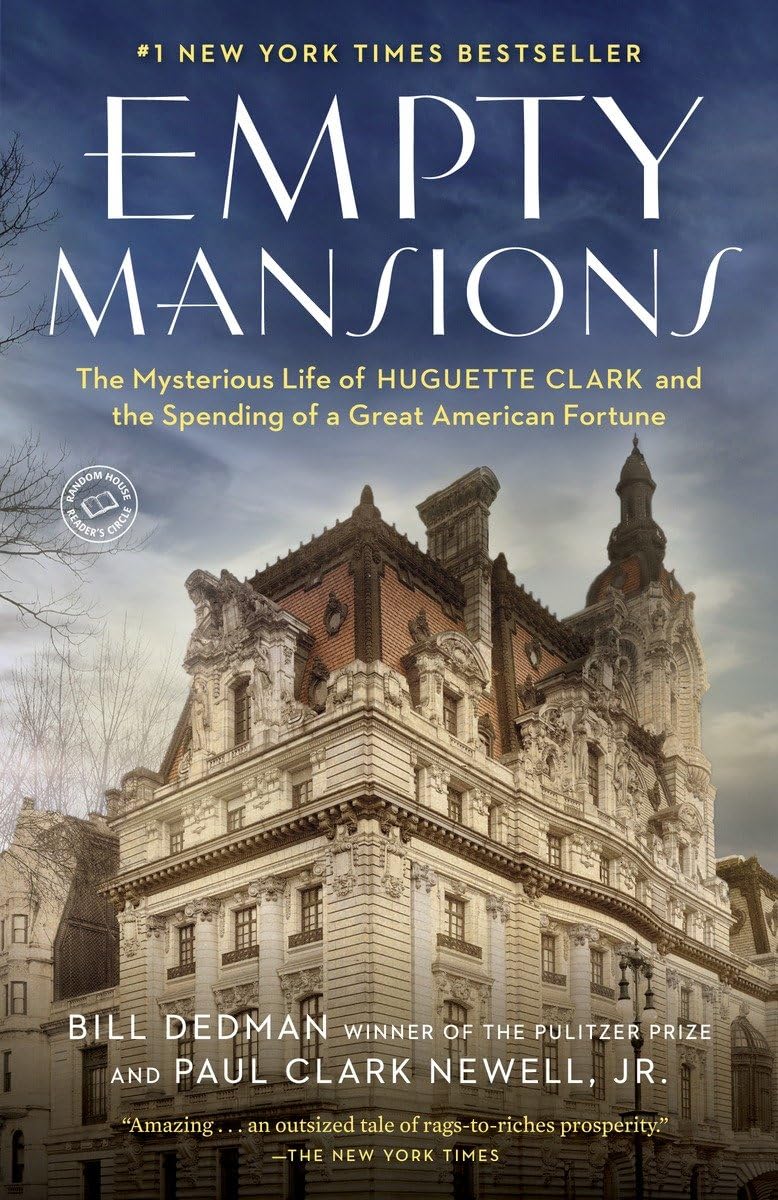
At the time, I was also reading the book Empty Mansions, a biography of heiress Huguette Clark, and the similarities were striking. Clark – heir to her father’s immense copper fortune – was an extreme recluse, not even attending her mother’s few social gatherings in their 5th-Avenue apartment where she herself lived. She had expensive homes she’d never been to, but that were still maintained and kept for tens of thousands of dollars a month, just in case. She didn’t set foot outside her apartment for fifty years, until she was forced into a hospital due to cancer, where she liked the room so much she stayed in it for 20 years (she lived to 105) – at cost, of course. While she was said to be sweet and generous over the phone or in letters, she saw no one face to face but certain doctors or nurses, and her personal aide. Those family members or schoolmates who had known her remembered a shy girl who didn’t speak much, but even into her 30’s carried dolls with matching outfits to high-society events with her mother (she owned more than 1200 dolls). There was something off in Huguette, but no one knew her well enough to understand exactly what. Huguette was born in 1906 and lived her whole life with her mother, who was shy but functioning, though she would throw social gatherings for friends’ children, but not the friends. Strange.
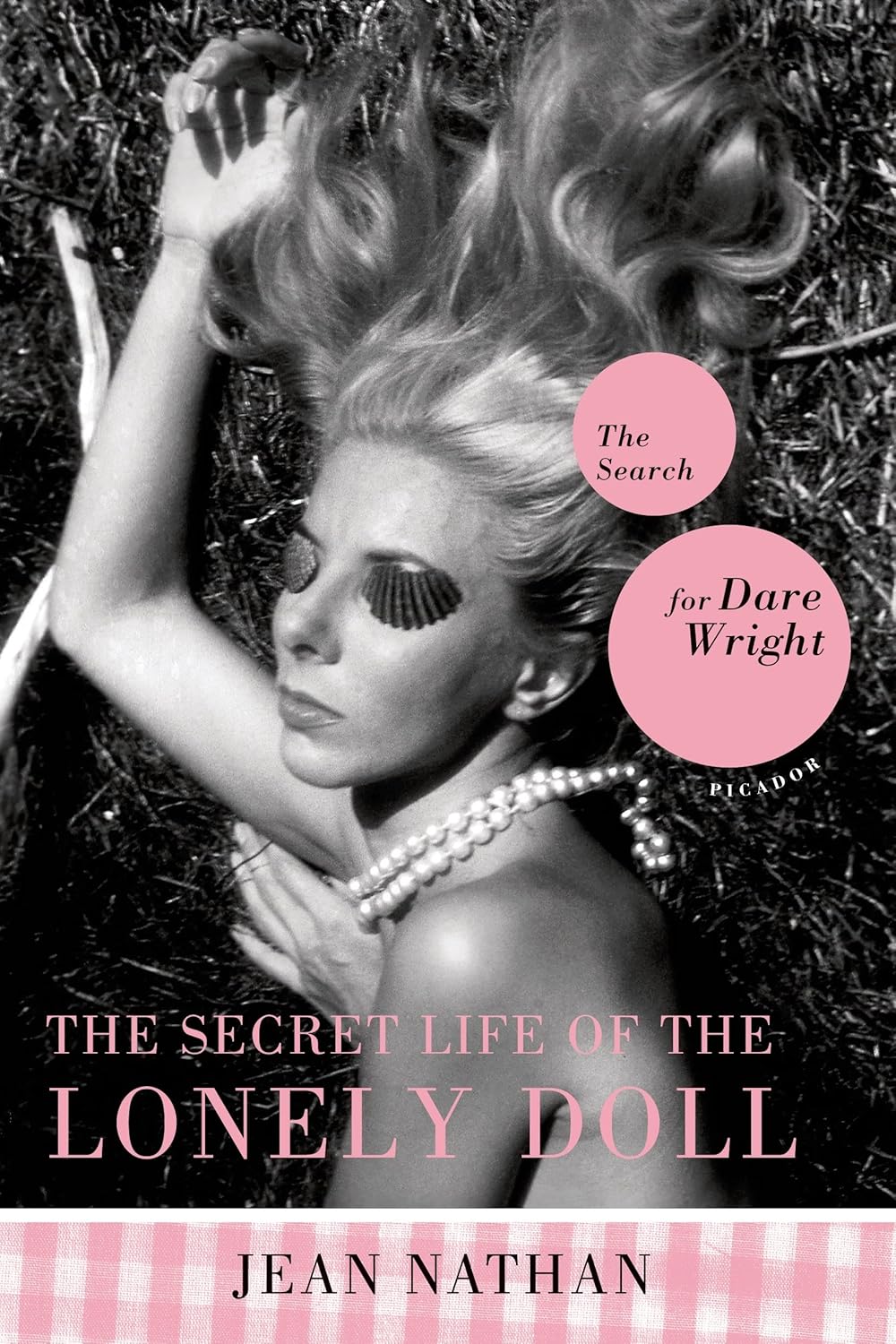
One of the saddest biographies I’ve ever read, The Secret Life of the Lonely Doll, is that of Dare Wright, the photographer who produced The Lonely Doll children’s book series. Wright was a highly talented artist, model, and photographer but was tightly controlled by her domineering mother. She frequently crossed familial boundaries – sleeping in her daughter’s bed, breaking up her engagement, not allowing her a separate life, until all Wright had was her dolls and her camera. It’s a difficult book to find, and you might not find it in a local library, but I urge you to read it if you can. Was Wright actually that loyal to her mother, or was she mentally reduced to submission by a controlling parent? Dare Wright was born in 1914 and lived much of her life in New York City. You can check out her famous Lonely Doll series here.
I think back to someone I knew who was born in that same era, 1905-1912, who lived on Long Island. Like many women of that era, in that location, she was concerned with appearances, society, never learned to drive, never wrote a check, never did anything but keep house, which was all a woman of that era was expected to do. Her only child, a daughter, was more than a little batty. Although they lived together for much of their lives, they did not become recluses until late in life, when poor health left the mother unable to walk well, or to deal with the daughter who had physical and mental issues of her own.
Is it just a coincidence that these women all lived in the same geographic area, were born in a 10-year window, led isolated lives, lived with their mother their entire life, and if not actually penniless (the Beales ran through their trust fund years before), lived in a single room and acted that way? Was there something in that era that created issues (and yes, societal and family expectations and lack of choices are acceptable answers)? Did clusters happen in other major cities, too? Are these just isolated examples that happened to come to the world’s attention because they were such outliers, or did things like this happen in tenement families, too? Or is three-four examples just too small a data pool to say anything? It certainly cries for more investigation, but unless you like the dry statistics of Jacob Riis and his studies of New York tenements, there isn’t a lot of information out there.
Watch Grey Gardens. Give Empty Mansions a read (it has a major twist at the end!). If you can, track down The Secret Life of the Lonely Doll. See what you think.
Can you think of any similar biographies?
 The Cheshire Library Blog
Pingback: Mommy’s Darlings. | Camp Chaos Rules